
Future Energy Metropolis
Designing the Self-Sustaining City of Tomorrow
OVERVIEW
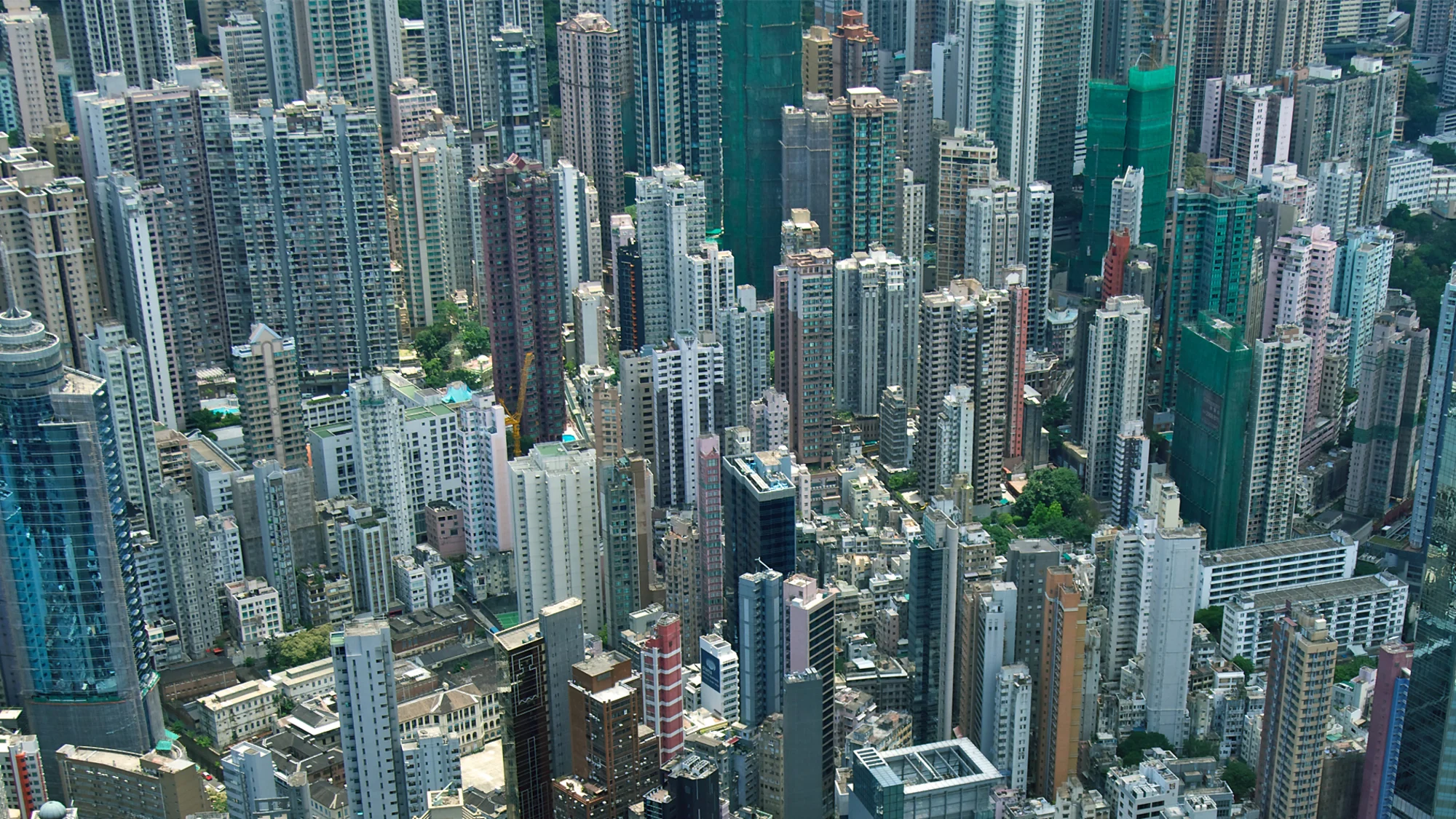
Fig. 1: The Dense Cityscape and the Quest for Sustainable Development (Image: CNN.com)
Urban Expansion and the Sustainability Crisis
As the global population marches towards the 10-billion mark, urban expansion is accelerating at an unprecedented pace. This vigorous growth reflects human progress but also ushers in pressing challenges for sustainable living. Our traditional model of urban development is buckling under the strain of rampant energy consumption, mounting waste production, and intensifying environmental degradation.
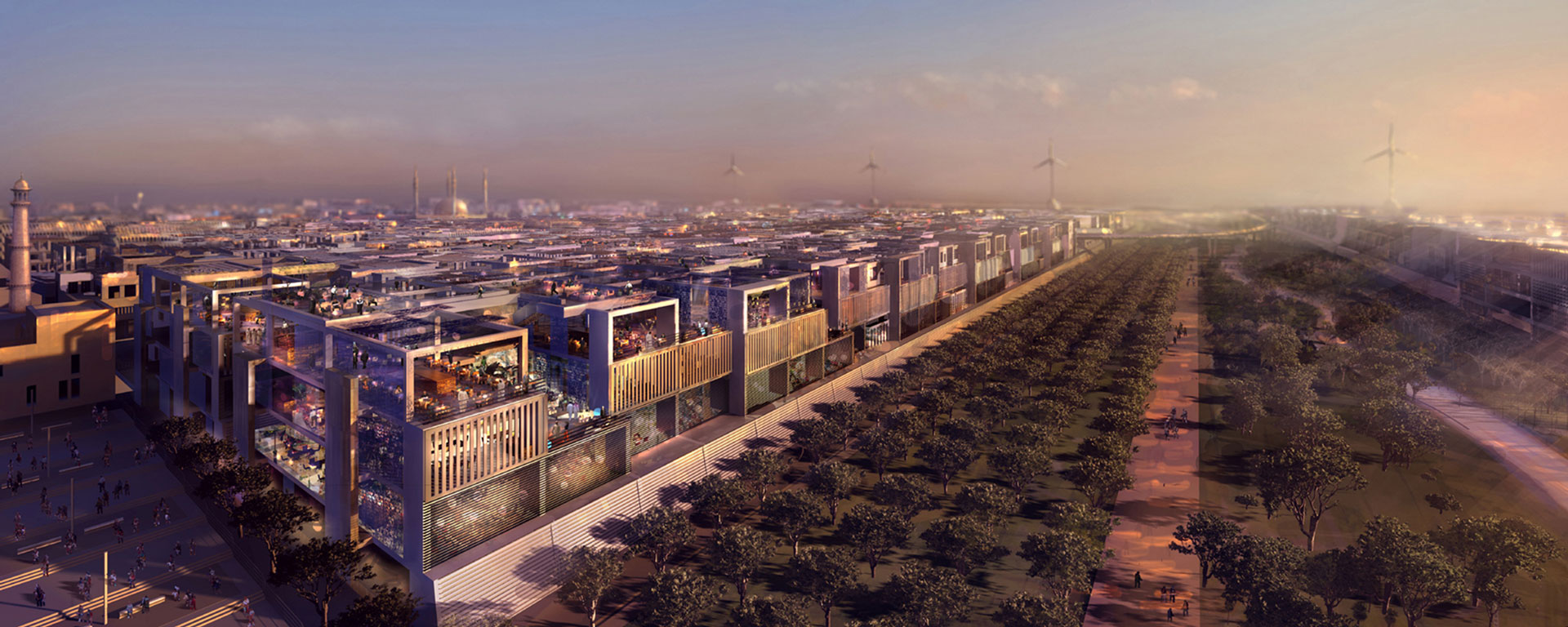
Fig. 2: An artistic impression of Masdar City Masterplan.
Cities like Copenhagen and Masdar are at the forefront, pioneering the path toward sustainability. However, the global norm lags significantly behind. With the pace of climate change quickening and our natural resources depleting, a radical shift in urban design is imperative. We must pivot towards making renewable energy the bedrock of our urban spaces, transforming them from heavy carbon emitters into models of eco-efficiency.
Amidst this transformation lies the burgeoning Age of AI, which brings its own energy demands. As we hasten towards a Type 1 civilization, the acceleration in energy consumption is poised to increase dramatically. The integration of AI and other advanced technologies in our daily lives suggests that our future energy needs will be greater, necessitating smarter, more sustainable energy solutions that keep pace with this technological evolution.
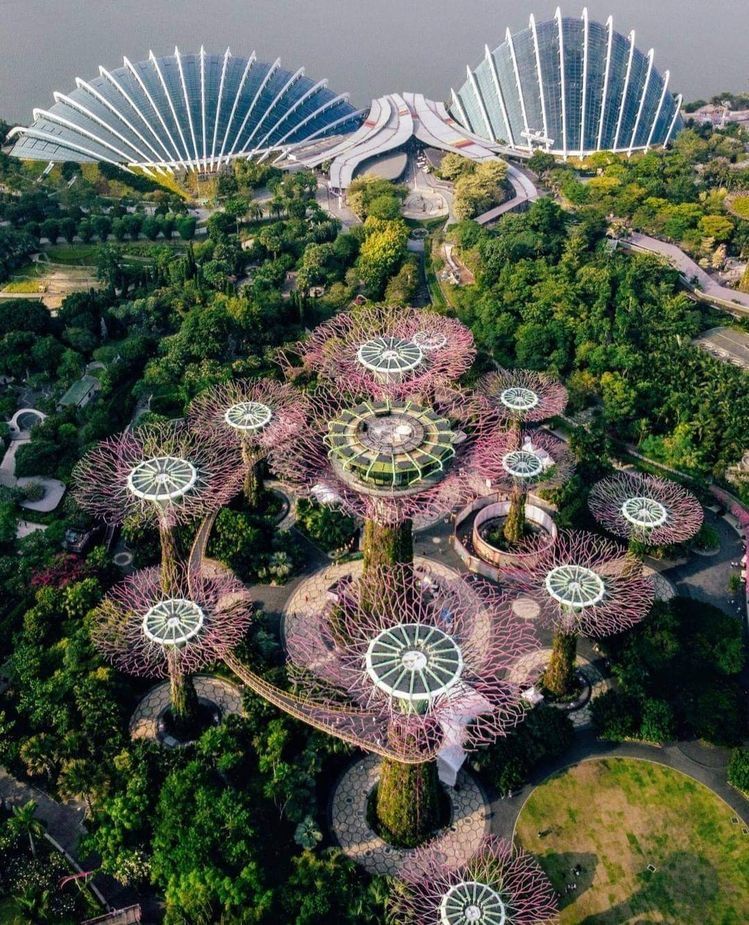
Fig.3: ‘A city in a garden’: Singapore’s journey to becoming a biodiversity model - UNEP.org
The Imperative of Renewable Urbanity
In the fight against climate change and dwindling resources, the urgency for a shift to renewable urbanity couldn't be higher. Our cities must evolve into self-sustaining ecosystems that reflect nature's balance—resilient, enduring, and in harmony with their environment. Reykjavik has embraced this future by tapping into geothermal energy, while Singapore's 'City in a Garden' vision weaves greenery into its urban fabric, showcasing how biodiversity can thrive alongside urban development.
As we advance, the integration of emerging technologies, like fusion energy and fusion batteries, opens new frontiers. Recent claims by scientists of successful demonstrations in fusion technology hint at a future where cities could be powered by clean, almost limitless energy. This potential leap in energy generation could transform our urban centers, making them not just sustainable but truly regenerative.
The path to sustainability extends beyond the environmental; it is an economic and social mandate. The metropolises of tomorrow need to be powered by a mix of renewables—solar, wind, geothermal, hydro-power—and possibly, the near-magical promise of fusion energy. They must cultivate communities that are not just connected but also proactive in embracing change, equipped to adapt to new technologies, and resilient against the tides of climate uncertainty.
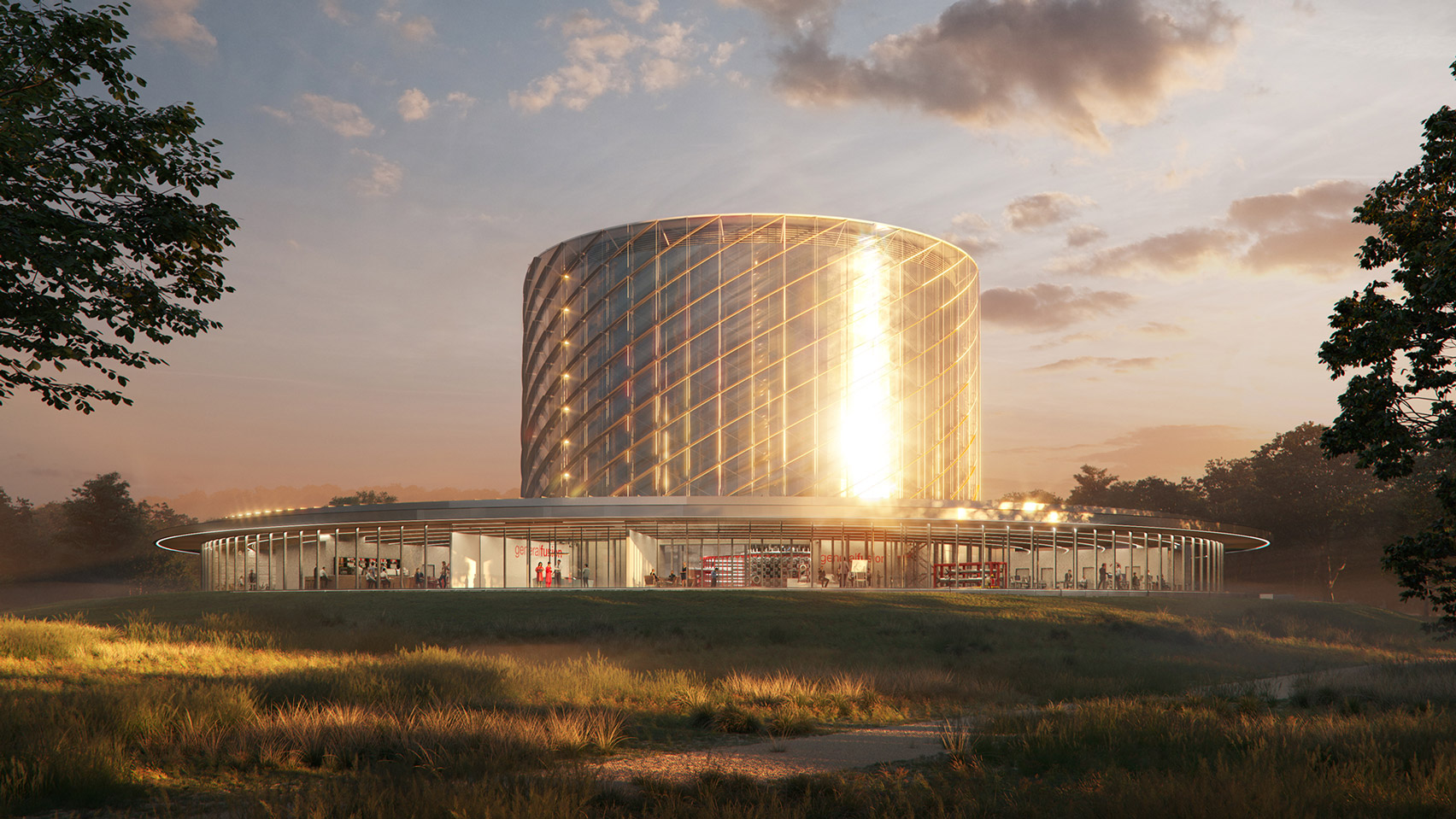
Fig.4: World's first magnetised fusion power station for the UK - Dezeen.com
Challenge: Envisioning the Self-Sufficient Cityscape
This competition calls upon a global collective of architects, planners, environmentalists, scientists, and visionaries to conceptualize a city entirely powered by renewable energy. The aim is to create a scalable and self-sufficient urban blueprint, serving as a model for future cities worldwide.
Design Expectations
- The design should integrate sustainable energy sources such as solar, wind, and geothermal power, potentially incorporating emerging technologies like fusion energy.
- Proposals must address key urban elements including energy generation, waste management, transportation, and food production, ensuring each aspect is sustainably managed.
- The city plan should be a blend of innovative design and practicality, demonstrating feasibility for swift development and deployment.
- Designs must envision urban living that promotes ecological balance and social well-being, reflecting the principles of a Type 1 civilization.
The outcome of this challenge is to present a city that is not only a marvel of sustainable design but also a practical, liveable space promoting a harmonious lifestyle with the environment. This city will set a benchmark for future urban developments, aligning ecological responsibility with technological advancement and social inclusivity.
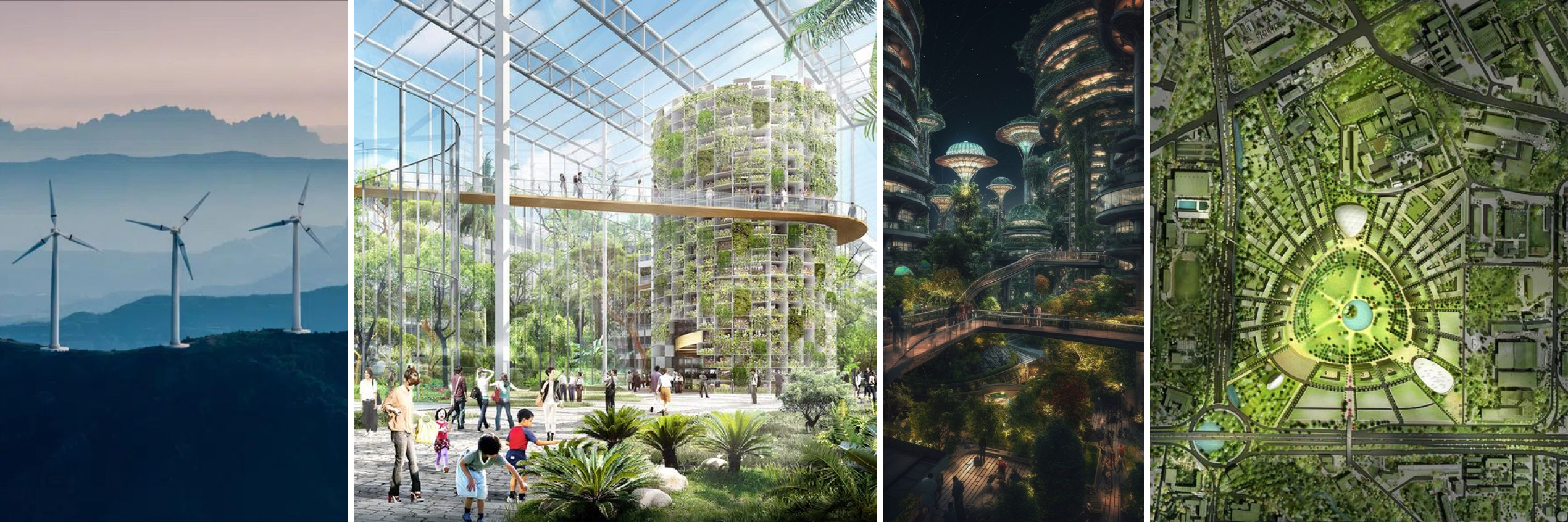
Fig. 5: Focus area: Renewable and Efficient Infrastructure, Self-Sufficiency and Rapid Development, Sustainable Living and Economic Model, Adaptability and Environmental Stewardship
Challenge Objectives
-
Renewable and Efficient Infrastructure: How can innovative solutions integrate renewable energy sources like solar, wind, geothermal, and hydro-power seamlessly into the city's infrastructure to ensure a sustainable energy supply?
-
Self-Sufficiency and Rapid Development: What strategies can be employed to make the city self-sufficient in terms of essential resources like energy, water, and food, and how can these solutions be rapidly developed using methods like prefabrication and modular design?
-
Sustainable Living and Economic Model: How can the design propose a sustainable transportation network and public spaces to enhance community well-being, while also providing a viable economic model that considers the costs and benefits of renewable technologies?
-
Adaptability and Environmental Stewardship: How will the city's design accommodate future growth and technological changes while minimizing environmental impact, promoting biodiversity, and ensuring the health of its inhabitants?
Location Guidelines
For the challenge, participants have the liberty to choose any global location for their sustainable city design. The selected site should be confined to a maximum of 5 square kilometers to encourage efficient spatial planning. This design space must demonstrate the potential to accommodate at least 100,000 residents, showcasing a model of high-density, sustainable urban living. Participants can opt for either an existing urban area or a completely undeveloped site. If choosing the latter, they should propose innovative integration with existing transportation networks and neighboring settlements. The selection of the location is critical, as it should facilitate the seamless incorporation of renewable energy sources and sustainable living practices, considering geographical, climatic, and cultural factors. This flexibility in site selection allows for a diverse range of approaches, testing the adaptability of sustainable designs to various global contexts.
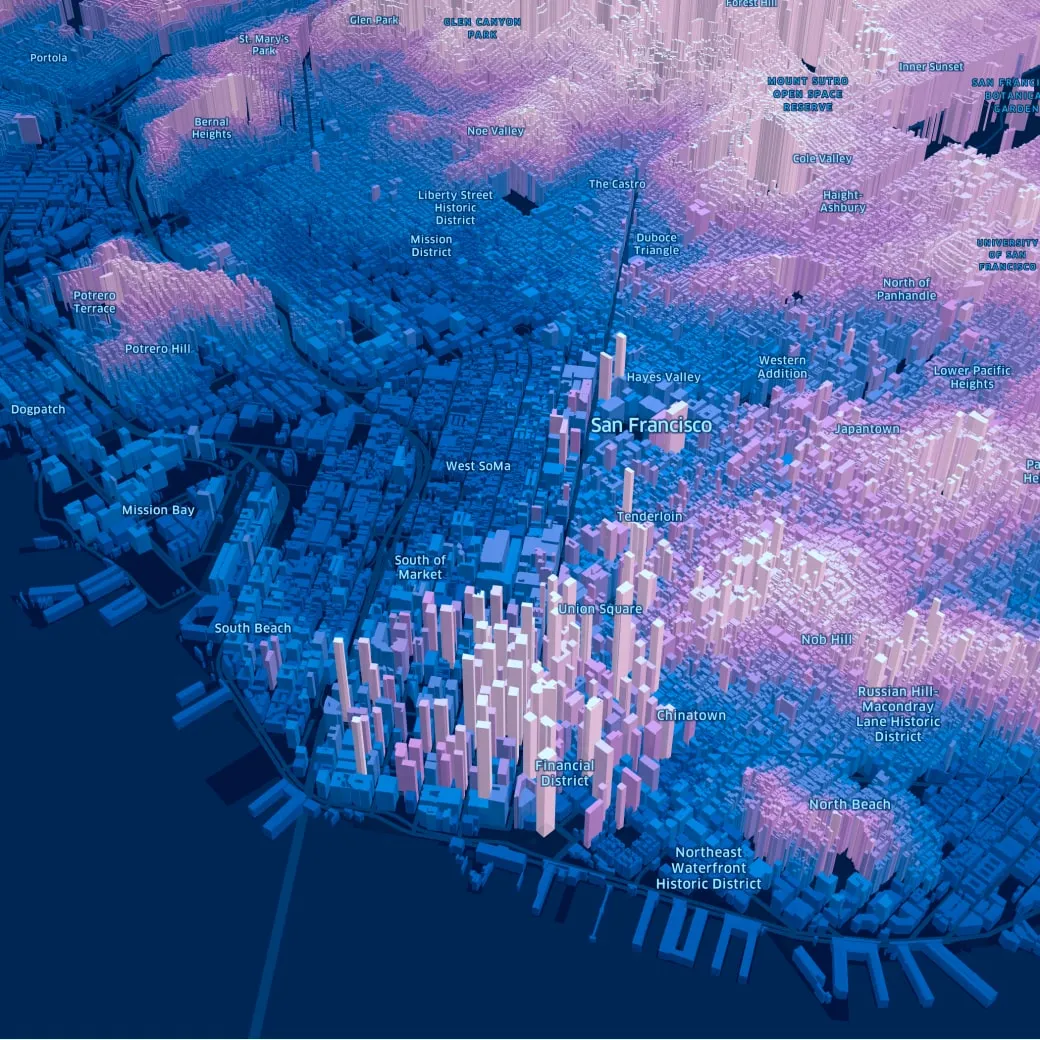
Fig. 6: Focus should be on data driven smart cities with minimal maintenance - Further reading
Design Program
This design program should serve as a guideline for participants in this challenge, encouraging them to think holistically about how each aspect of urban life can contribute to a sustainable, self-sufficient city. Participants are free to modify it according to their design proposal.
-
Energy and Power Systems
- Incorporate solar farms, wind turbines, geothermal plants, and hydroelectric facilities.
- Implement smart grid technology for efficient energy distribution and management.
-
Residential Areas
- Design energy-efficient housing with integrated renewable energy sources.
- Ensure green spaces and community gardens are included in residential designs.
-
Commercial and Industrial Zones
- Focus on sustainable building practices and energy-efficient operations.
- Encourage green rooftops and vertical gardens in commercial buildings.
-
Transportation and Mobility
- Develop a comprehensive public transportation network powered by renewable energy.
- Design pedestrian and bicycle-friendly infrastructure throughout the city.
-
Water Management and Waste Disposal Systems
- Implement rainwater harvesting and water recycling systems.
- Develop advanced waste management facilities focusing on recycling and composting.
-
Food Production and Agriculture
- Integrate urban farming practices, such as vertical farms and community gardens.
- Encourage local food production to reduce transportation emissions and support local economies.
-
Public Spaces and Recreation
- Design parks, plazas, and recreational facilities that promote community engagement.
- Ensure these spaces are environmentally friendly and enhance the city's biodiversity.
-
Educational, Health, and Cultural Facilities
- Build schools and universities with sustainable designs, focusing on environmental education.
- Design hospitals and healthcare facilities that prioritize patient health and energy efficiency.
- Incorporate cultural centers that reflect the city's commitment to sustainability.
-
Technological Integration
- Utilize smart city technologies for efficient urban management, including sensors and IoT devices.
- Implement systems for monitoring environmental quality and resource usage.
-
Economic Development and Job Creation
- Foster industries and businesses that align with the city's sustainability goals.
- Create job opportunities in green technologies and sustainable practices.
-
Governance and Community Engagement
- Develop a governance structure that supports sustainable development and citizen participation.
- Encourage community involvement in decision-making and sustainability initiatives.
-
Adaptability and Resilience
- Design infrastructure that can adapt to future technological advancements and environmental changes.
- Ensure the city is resilient to potential natural disasters and climate change impacts.
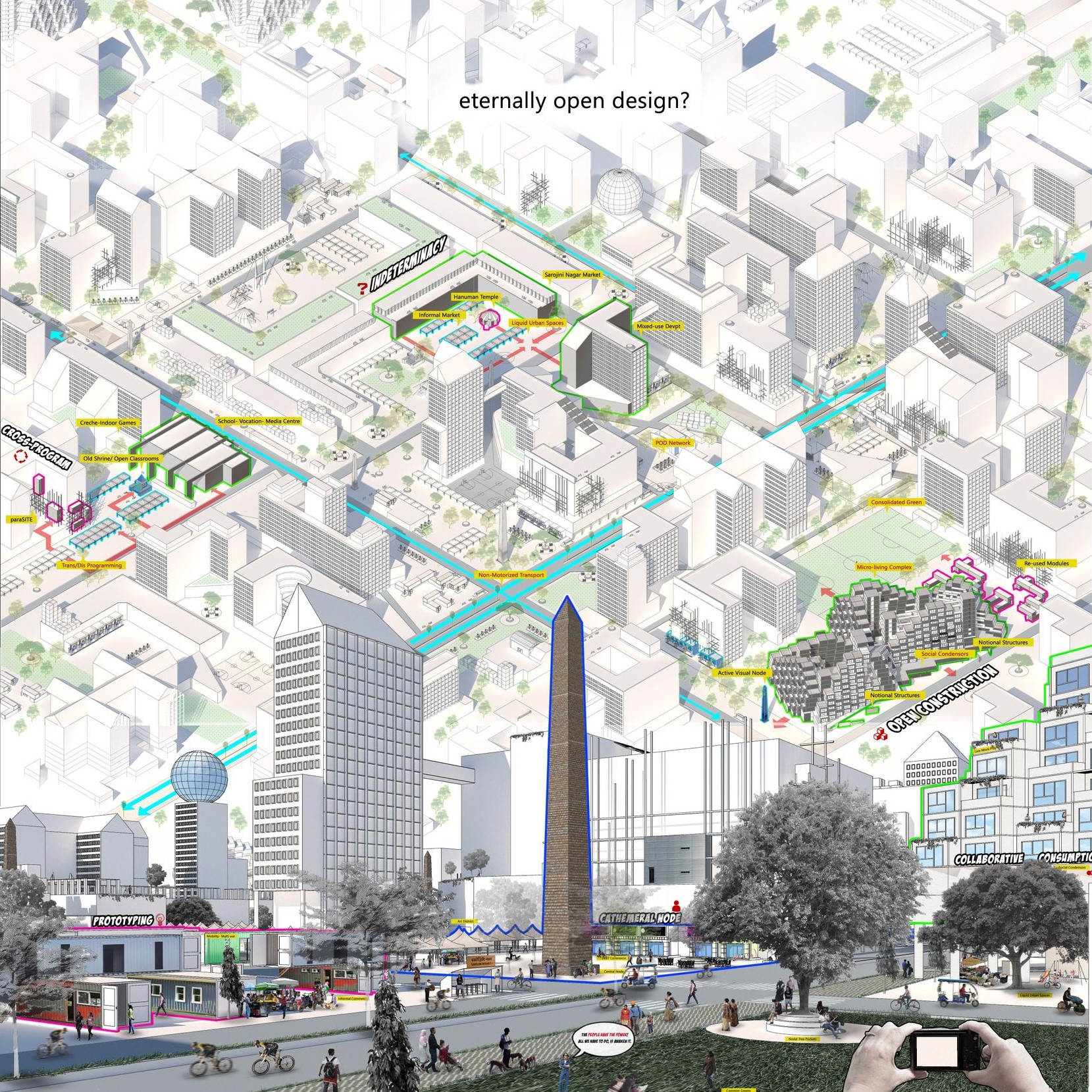
Fig. 7: Participants are encouraged to incorporate innovative governance and community engagement models based on the concept of decentralization, and technologies such as Web 3.0 & Blockchain.
Suggested Deliverables
-
Urban Layout: A comprehensive plan detailing city zoning for residential, commercial, industrial, agricultural, and recreational areas.
-
Energy Infrastructure Blueprint: Schematics for energy systems utilizing renewable sources like solar, wind, and geothermal, including details on energy storage and distribution.
-
Resource Flow Diagrams: Illustrate the management of water, waste, and food systems, emphasizing a sustainable, closed-loop approach.
-
Transportation Network Plan: A map and descriptions of transportation infrastructures, including public transit, roads, pedestrian pathways, bike lanes and even for new mode for transportations like Air taxis.
-
Economic Model and Budget Estimate: Outline the economic strategy, encompassing construction costs, energy savings, revenue generation, and a rough budget estimate for the proposal.
-
Environmental Sustainability Analysis: An analysis of environmental impacts, including carbon footprint and mitigation strategies.
-
Visualization and Modeling: Architectural renderings and 3D models, highlighting critical areas such as energy hubs, community centers, and innovative buildings.
-
Development Timeline: A projected timeline for the city's development, from initial groundbreaking to full habitation.
-
Technology and Materials Innovation: Describe the innovative technologies and sustainable materials to be used in the city's construction and operation.
-
Community and Social Design: Plan for community spaces, detailing how they will enhance the quality of life and foster social cohesion.
Similar Competitions
Discover competitions you might be interested in


Design challenge to reuse E-waste

Design challenge to equip cities with modern furniture

Render competition to represent the city as a machine

Challenge to design a shop stop sunk in the city