

Heal
Challenge to design a rehabilitation center
Overview
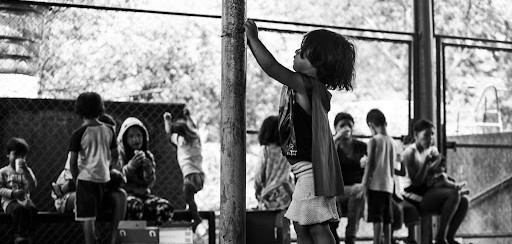 Fig: 1 - Vulnerable children are supported by orphanages and child care services.
Adult orphans
The population of orphans is nearly 153 million globally. These orphans, under the age of 18, are sheltered in orphanages. Since they are without parents, these children are homeless and malnourished, fighting for their survival.
Countries around the world have social systems in place that are responsible for supporting orphans. They ensure that the children do not end up on the streets, and are given a safe and secure life. Orphanages provide not just physical support but help secure the psychological and social well-being of these children. Adoption of orphans is a common procedure. They may also be sponsored by external funding agencies, to secure a bright future for some kids.
Despite this, there are many children that are never adopted or sponsored and are left behind. When they turn 18, they lose the status of being an orphan, legally, and have to leave the residential institute.
What does the future of adult orphans look like?
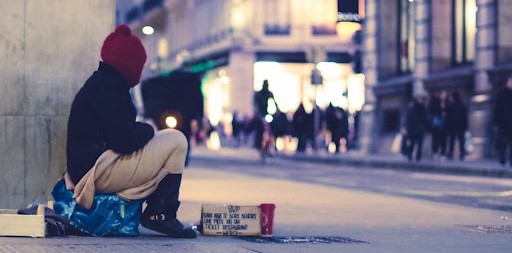 Fig: 2 - In orphanages, after the age of 18, these helpless kids are left on the streets to fend for themselves.
Need for a safe healing space
Orphans over the age of 18 are expected to survive on their income. They lose the safety net of having a shelter and compete for employment. But the brutal economy of cities is a burden, rendering these young adults, unemployed and homeless. A sizable fraction of orphans above 18 who are left unadopted is disabled.
They are vulnerable populations that might be suffering from mental trauma, blindness, handicap or any other disability. The city infrastructure is not approachable for these people, and they struggle to find means to live a dignified life in society.
The social safety net of a city’s infrastructure must extend to these homeless orphans. Spatial design that is sensitive to their special condition, must be incorporated in cities. Initiatives are to be taken to build a supportive shelter for orphans so that they feel accepted and part of society.
How can design play a role in creating an inclusive space for adult orphans?
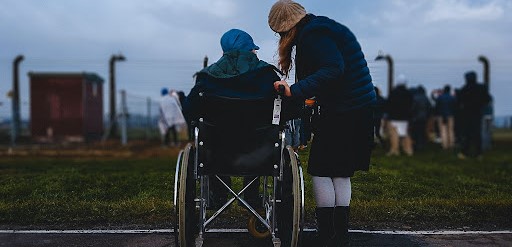 Fig: 3 - The authorities offer services to support vulnerable populations who face troubles in modern society.
Brief of the competition
The motto of every city is to ensure that all its inhabitants have access to a healthy life.
Brief: The challenge is to design a rehabilitation centre for orphans above 18 years so that they have access to a safe and secure shelter for a limited period of time.
A rehabilitation centre is a space that offers to heal of mind, body and soul to its users. Since the orphans that will live here might be disabled in some manner, an inclusive and sensitive design approach must be taken. The centre must also have a learning and skill centre. The physical, psychological and social influence of space design is to be addressed. The aim of the design is to not only create a shelter, but rather a home that is capable of enhancing the living conditions of orphans for the better. The design must be simple, safe and user-friendly. The navigation and movement through the structure must be possible with minimal supervision.
Design objectives
- Concept: The spatial design must be flexible to accommodate different users in rotation and provide comfort even if the stay is short.
- Engage: The centre must be able to fulfil all functional as well as social needs of the children so that their conditions are better for the future.
- Inclusive: The spaces must provide uninhibited access to all types of users and create an approachable and safe environment.
- Context: The design must respond to the (existing) site conditions. The wider socio-cultural, economic and environmental settings are to be considered in the design approach.
Site
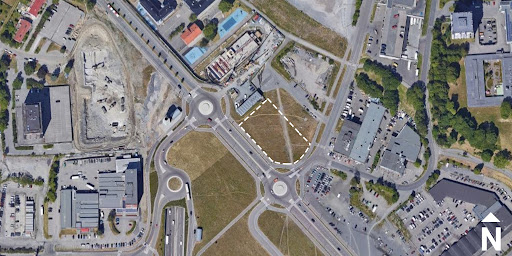
Oslo, Norway
Norway has robust policies for child protection across the country. While the young ones are taken care of, there is a marginalised population of disabled adults, who are left homeless after they leave their orphanage. The nation is expanding its social services infrastructure to place such orphans into a safe society.
The site is located in Oslo, Norway. The global city has a high population of immigrants with provision for healthcare for all. Follow-up care services are provided to orphans after 18 but only some are able to access them. The site is on open green land, near the intersection of Okernveien and Okern Torgvei streets. The neighbourhood is surrounded by residential colonies, education institutes and commercial establishments. The area is a prime location with all facilities at an accessible distance.
Site area = 3203 sq.m
Height restriction = 12 metres
Ground coverage = 30%
Max FAR: 0.9
Setbacks (as per CAD plan)
Coordinates = 59°55'49.2"N 10°48'14.9"E
Program outline
The rehabilitation centre must be able to accommodate around 50 orphans by providing a space for them to live, work and play.
Spaces to live 30%: Rooms with attached toilets (single, double or common rooms)
Spaces to learn 30%: Multimedia room, seminar room, workshops
Spaces to play/recreation 20%: Gardens, cafe, playground
Administration and Services 20%: Offices/management, Toilets, Services
The given programmatic outline is the point to begin your design at. You can add more functions and activities in relevance or modify the below design programme.
