
Hotel de Arte
Challenge to design an art hotel
Overview
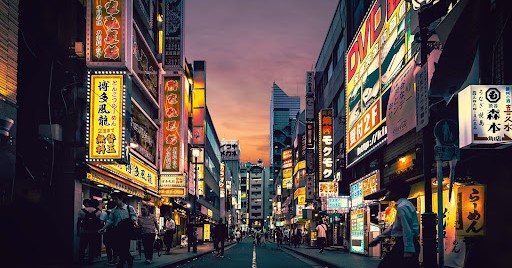 Fig: 1 - The city streets are bustling with visitors from around the world.
CULTURAL REVEAL
The tourism industry is on an all-time high owing to the shift in the work lifestyle of people in the present context. Urban residents have a sedentary and work-intensive way of living, where vacation presents itself, as an alluring escape.
Travelling offers a respite from a busy schedule and also gives the opportunity to experience a new culture in a new setting. With the rising popularity of travelling, more cities are equipping themselves with amenities or attraction features that are conducive for tourism.
The local culture is put on a front pedestal to engage tourists’ in the immersive experience of a distinct land. Art and performances are an important part of the tangible aspects of the cultural heritage of a place and are explored extensively by visitors of every region.
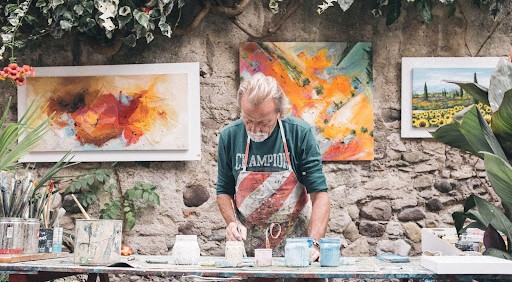 Fig: 2 - Local artists find a place in tourist spots around the city to display their art.
ART IN THE CITY
Art is the soul of the cultural landscape of an urban setting. They promote local culture and tourism. It is exhibited in various public spaces in the city like museums, art events and galleries.
These establishments are frequently visited by art enthusiasts and tourists for an immersive local cultural experience.
But the representation of the artwork in institutional establishments is exclusive and limited. Only a handful of artists get the chance to present their work. Artists rely on their audience to portray their work and connect to their viewers.
How can we provide new avenues for artists to connect with their audience?
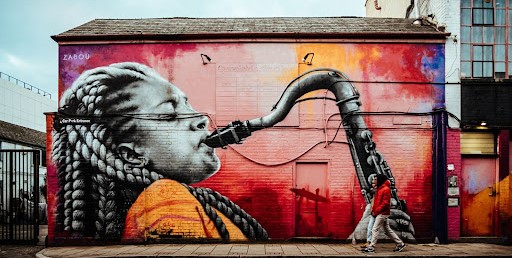 Fig: 3 - Art murals reanimate local neighbourhoods.
ART EXPLORATION AND TOURISM
Travelling, in contemporary times, includes documentation and promotion of stories of travels, through various media channels. They are the primary audiences of the local art and culture of any region. The connection between the traveller and local artists can be enhanced for their benefit. Hotels are the preferred accommodation of tourists and vacationers. The hospitality industry already employs art pieces in their accommodation design as part of the ambience.
But more often than not, these art pieces tend to take a back seat in the ambience impact of a space. The capacity of artwork, to act as a pit stop for engagement and deliberation, is unexplored. Art has the ability to be a conversation starter and engagement device. This ability can be used to create more hospitable environments in hotels. Hotels of every budget can benefit from this artistic addition.
Hotels are often privacy-oriented, but this can leave new travellers feeling isolated and lonely. Art can be used as a bridge to render a lively and engaging experience to the residents creating an immersive cultural journey.
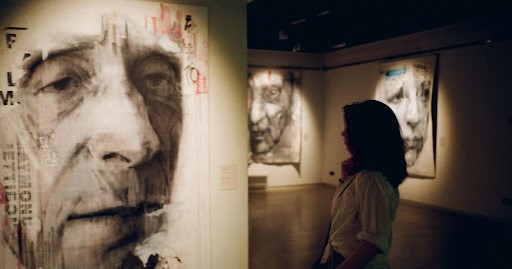 Fig: 4 - Art galleries are popular among tourists and this experience can be translated into other typologies.
DESIGN FOR THE LOCAL CULTURE
Brief: Design an art hotel that creates a conducive environment for the promotion of local culture as well as adds a unique element to the hotel accommodation experience.
The design can be inspired by the local art and culture of the region it is set in. The hotel must consist of art-related activity spaces like a gallery, exhibition hall and so on. The design must establish a connection with the surrounding areas.
The art hotel design will become a part of the cultural landscape of the region. Since the building will be visited by residents staying at the hotel and outside visitors, access points must be appointed accordingly for security and privacy reasons.
The aim of an art hotel is to design the hotel around the art which it presents. The experience of a hotel is elevated with creative storytelling through architectural spaces. A successful collaboration can be achieved between local art organisations and private hotel investors.
OBJECTIVES
- Landmark: The design of the art hotel must be inviting and exemplary features must create a standout visual impact.
- Balance: Art should not remain a filler but influence the design of the space around it. At the same time, art must not overwhelm the living spaces in the hotel.
- Comfort: The public-private domain spaces must be allocated accordingly. The well-being of the users must be the top priority while facilitating the hotel with services.
- Context: The richness and diversity of the site context must be portrayed in the form and space design of the proposal.
SITE
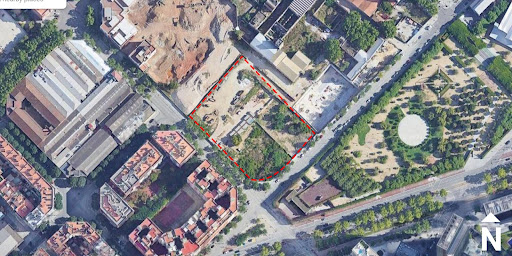
Barcelona city in Spain is a palette that is a blend of vibrant and distinct cultures from all over the globe. It has a marvellous landscape of art and architecture, with modern trends and local traditions. The city draws major tourism, for both nature and culture intensive experiences.
The art scene of the city is dynamic. Besides the many art galleries and museums, the urban spaces around the city are a canvas for public art by world-famous artists. The local artists showcase their work in public plazas all over the city.
The site can be accessed via Carrer de Bilbao or Carrer del Marroc road. Located in the neighbourhood of Sant Marti, it is surrounded by residential and commercial sites. It is opposite the Parc Central del Poblenou, a popular tourist site designed by Jean Nouvel.
Site area = 8537 sq.m
Height restriction = 10 metres
Maximum FAR: 1
Ground coverage = 50%
Setbacks (as per CAD plan)
Coordinates = 41°24'26.8"N 2°11'53.8"E
PROGRAMMATIC OUTLINE
The following programmatic outline is the point to begin your design at. You can add more functions and activities in relevance or modify the below design programme.
- Spaces for leisure: 30 hotel rooms, spas
- Spaces to recreate: exhibition hall, gallery, restaurants, cafes
- Spaces to work: conference hall, workshops, studios (indoor/outdoor)
- Administration and Services
Open areas such as courtyards, gardens, open-air theatre and so on can be incorporated as per the participant’s requirements.
