
Packed
Packaging designs inspired by the works of Frank Gehry
Register by: Dec 30, 2026
Submit by: Jan 1, 2027
Registration starts: 50 USD
Exclusive pass with UNI Membership
Overview
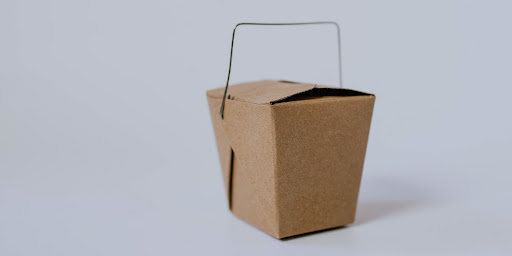 Fig: 1 - Packaging is the most personal experience the product can offer before its reveal
IMPACT OF EFFECTIVE PACKAGING
As markets are continuously crowded with a host of new products, companies attempt to constantly channel new ways in order to make their products stand out. One, and perhaps the most effective way to make your product seen in the physical world is the packaging.
Packaging is not only essential for the safety and longevity of the product itself but it also stands testament to the brand and its identity.
Effective packaging not only entices and excites but it creates channels for communication without verbal discourse. Designing this package requires one to understand not just the identity of the article but also to ponder over its functionality, the experience it entails, the novelty it offers and what it communicates. Intriguingly, another way humans attempt to channel similar principles is through architecture.
What if our packaging borrowed inspiration from our architecture?
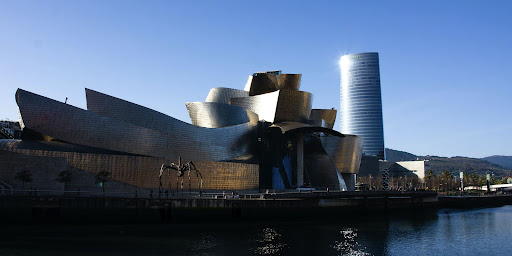 Fig: 2 - One of the most fascinating examples of architecture built by Frank Gehry-The Guggenheim Museum
THE ARCHITECTURE AND STYLE OF FRANK GEHRY
Frank Gehry, a Canadian born architect and designer is a striking example of an architect creating spaces with a distinct and often whimsical identity. The Pritzker-Prize winning architect is well known for his uncommon practice that constantly strives to push the understanding of the relationship between design and architecture.
The spaces he designs masterfully combine functionality, novelty and design to create striking spatial identities. Spatial identities that not just speak of the space but also of the designer. While his designs and use of materiality have often been dismissed as a mere attempt to create a spectacle, it is undeniable that his work is not only the creation of space but also a potent form of his artistic expression.
His creative designs unquestioningly draw attention and lend recognition to the spaces they make.
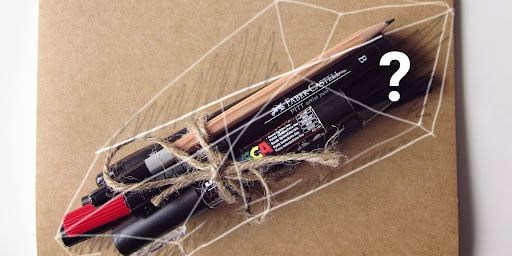 Fig: 3 - How will stationery packed in Frank Gehry’s ideas look like?
BRIEF OF THE COMPETITION
While packaging and architecture are miles apart in the execution, they may share many similar principles. Both work to create identity, both attempt to maximise functionality and both strive to create experiences.
In this challenge, you must design a packaging design for a stationery company inspired by the works of architect Frank Gehry.
The target audience of this hypothetical company is architects and designers and thus you must attempt to channelise the overlapping principles of architecture and packaging design.
The designed solutions must not just pay homage to the architect and his work but you must also include elements that unmistakably remind one of the architect's work. You may choose to borrow inspiration from one specific structure designed by Frank Gehry or borrow details and elements from his larger body of work.
DESIGN OBJECTIVES
- Identity: How does the solution combine the works of the architect with the identity of a stationary company?
- Functionality: The design must be functional and user friendly.
- Communication: How does the design effectively communicate with consumers?
- Fabrication: The design outcome must-have materials and forms that are sustainable and easily mass-produced.
CONDITIONS
For this project you must create one cohesive brand identity for the hypothetical company that is inspired by the works of Frank Gehry given the following conditions:
- The primary material of usage must be paper board or other sustainable materials of natural origin.
- You may use other materials such as metals, plastics, glass, etc. only when complementary, structural or incidental to the above. However, the use of a single material is preferred.
- You must create a minimum of 3 packaging designs and a maximum of 5 designs for different products within the company (you may choose these products yourself). The brand identity should be cohesive among all the three designs and must clearly belong to the same family.
PRODUCT OPPORTUNITIES
For this challenge, you may choose a minimum of 3 and a maximum of 5 of the below-mentioned products to lend your design process some framework.
- Graphite pencil sets
- Inking sets: Pens, liners, markers etc
- Brush sets
- PaperBlocks/Sketchbooks
- Dry colouring Media: oil pastels, colour pencils, dry pastels etc
- Wet colouring Media: Watercolours, acrylics, inks etc
- Geometric tool sets.
