
Pour
A modern winery design
OVERVIEW
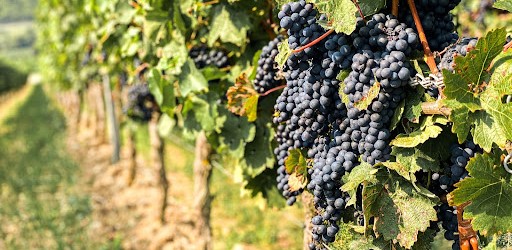 Fig: 1 - A grapes garden image
WINE CULTURE
“A drink descended from the Heavens”! That's what wine is considered in many cultures. Wine is deeply and historically rooted in our society. It is present at both festive and somber occasions. It is a symbol of tradition, connection, craft and high spirits. Its popularity among people has been no secret.
The art of winemaking and viticulture has evolved as a part of life, culture and diet since time immemorial. Nevertheless, in this long historical path, one thing remains unchanged; the association of wine with gastronomy, history, origin, local quality products and dignified social settings.
Wine industry is often referred to as a ‘beautiful factory’. It is one of the least polluting industries and is a major economic engine in various countries like America, Australia, Italy, France and South Africa.
But can a winery or a vineyard be more than just wine?
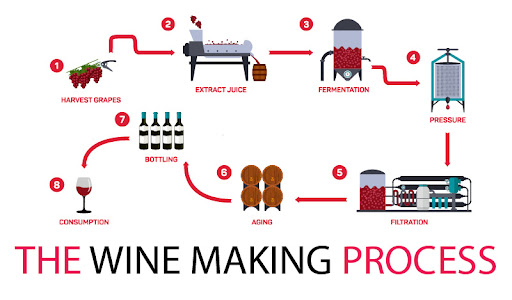
Fig: 2 - An image of wine making process
WINE TESTING
Wine tasting is referred to as a complete sensory experience . It's about hospitality, experience and history. A winery and a vineyard share a unique relationship with each other. A winery is an exploration of boundaries between a man-made structure and natural landscape.
Millions of people visit Cape Town every year to indulge in the experience of wine, food and natural landscapes of vineyards. Winery architecture plays a key role in the complete tasting experience. Just like Napa Valley which is famous for its wine estates, everything from century-old castles to cutting-edge contemporary designs.
According to a recently released food and wine tourism report 2018, 63% of the tour operators believe that the tourism grew in Cape Town due to the wine industry. Wine business proves to be a bright light in the gloomy economy of South Africa. The perpetuity of the business makes it a reliant industry for economic growth. The beauty of wine tourism is that it, not only helps to establish a personal connection with consumers, but also has the potential to significantly grow the job market.
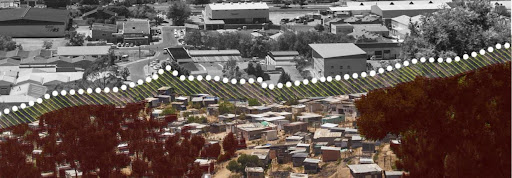 Fig: 3 - Economic disparity within stellenbosch which can be overcomed by utilising the wine industry.
KAYAMANDI WINERIES AND VINEYARDS
The tin shacks of Stellenbosch, South Africa sit at the top of a hill overlooking one of the most beautiful vineyards in the world. Kayamandi or sometimes referred to as container mandi is a township founded in the 1950’s as a specific non-whites area for labourers who were working in surrounding farms. The area hosts hundreds of acres of vineyards but number of wineries or wine-tasting rooms are only limited.
While at the same time the city centre of Stellenbosch is flourishing economically through its wine business. The stark reality of the thousands of impoverished people living just above the city centre is a woeful reminder of how the majority of industries are catering to the needs of elites. Combining wineries and vineyards would attract tourist traffic and create more jobs, thereby changing the urban fabric of the area.
The wine industry provides an opportunity to connect people over culture, tradition, and nature; at the same time empowering the economically weaker section of society. Kayamandi sits on a hill full of potential for creating a modern-day winery that not only works for providing an experience but also for the upliftment of the economically backward area.
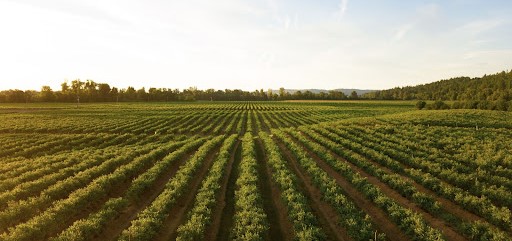 Fig: 4 - Vineyards acquiring acres - An image
BRIEF OF THE COMPETITION
- What kind of architecture can be adapted to host the most ancient yet the most contemporary human activity?
- Can architecture blur the borders between industry, nature and culture?
- Can architecture be responsible for increasing wine tourism?
- Can the experience of wine enthusiasts and tourists be improved through architecture?
- How can building an industry help in employment and change the urban fabric of the area?
- Can a winery be more than just wine tasting?
Challenge: Designing a modern-day winery for kayamandi that not only provides a complete consumer experience but also contributes to the socio-economic development of the community around it. Where the flow of visitors should trigger social and cultural interaction.
OBJECTIVES
Participants include these objectives at the beginning and add other objectives as per their design. The design outcome must respond to not only people and their surroundings but also to nature.
- Experience: Providing an experience to the user through architecture.
- Functionality: All the spaces involved in winemaking process and their functionality.
- Cohesive: Creating a fusion of natural landscaped vineyards and man made winery.
- Commerce: A platform for sales to grow the economy.
SITE
Kayamandi, South Africa
Kayamandi is a suburb of Stellenbosch located in the western province of South Africa. Like any other township, Kayamandi was founded for labourers who were working on the surrounding farms. It is located just a few miles away from Cape town (areas that have been benefiting from the wine business).
These towns receive a lot of tourists every year. Kayamandi can benefit from its vineyard tourism if it starts utilising the industry to its full potential.
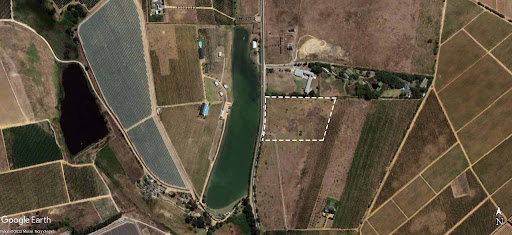
The site is located amidst the vineyards of Stellenbosch near Kayamandi. It is located near the primary road providing ease of accessibility for the tourists as well as for locals. The township is located in the proximity of a huge water body that acts as an irrigation dam for the vineyards.
- Location: Maps
- Site Area: 28,778 sqm
- Height limit: 8 m
- Ground Coverage: 10%
- Maximum FAR (Floor Area Ratio): 1
