
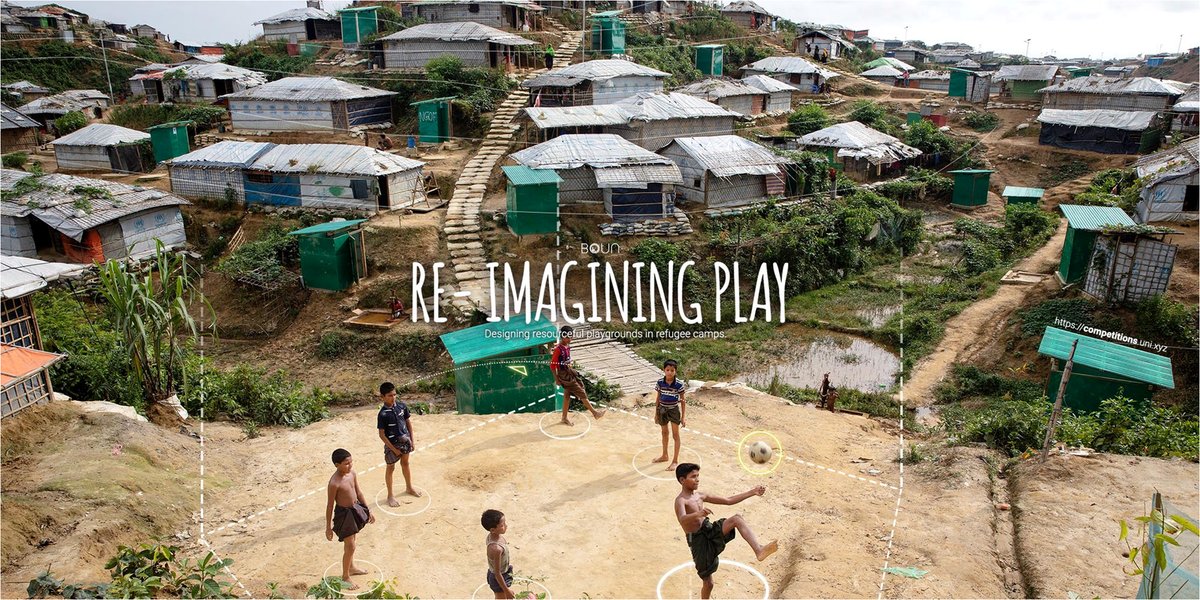
Re-imagining Play 2020
Designing resourceful playgrounds in refugee camps
Overview
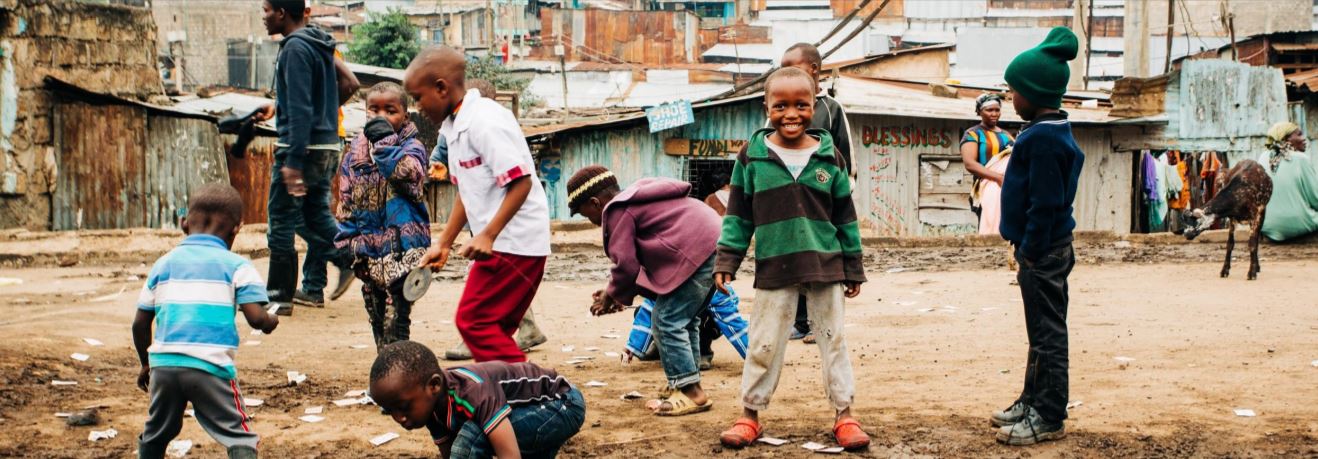
Img 1: Image indicative of the rise in refugees of school going age.
Premise
Recent times have witnessed a shift in humanity like never before, more than 70 million people around the world are displaced from their homes. Fleeing their countries entirely due to persecution, war or violence, almost 25.9 million of these are seeking asylum in other countries, becoming refugees.
A staggering 52% of these are children.
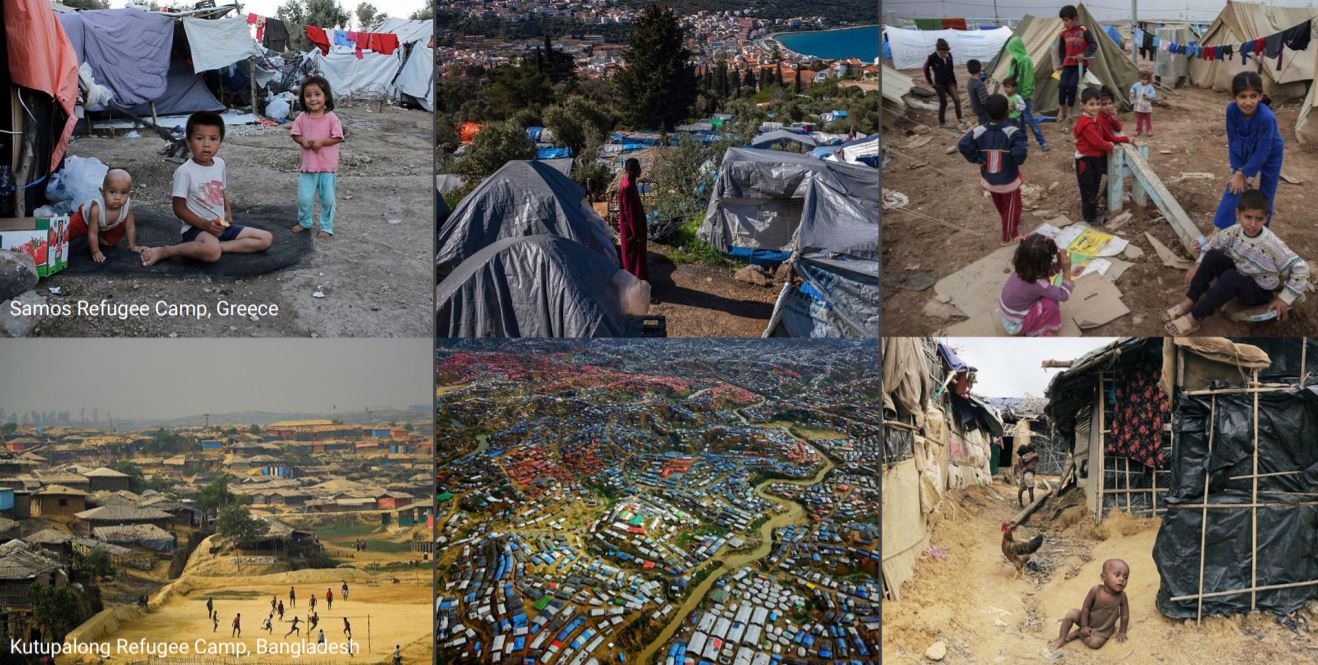
Img 2: Images of two different refugee camps indicative of the gravity of the world wide refugee crisis.
Context
Intended as a temporary accommodation for populations which have been forced to leave their homes due to war or violence, refugee camps provide safety and shelter for the world’s most vulnerable people.
With recent times seeing large scale migration, camps are over reaching their intended capacities, and situations seem grave. Overcrowded, unhygienic and violence-prone, these camps are home to people who are forced to stay in the camp for months, some even years, by the slow and heavily bureaucratic asylum process.
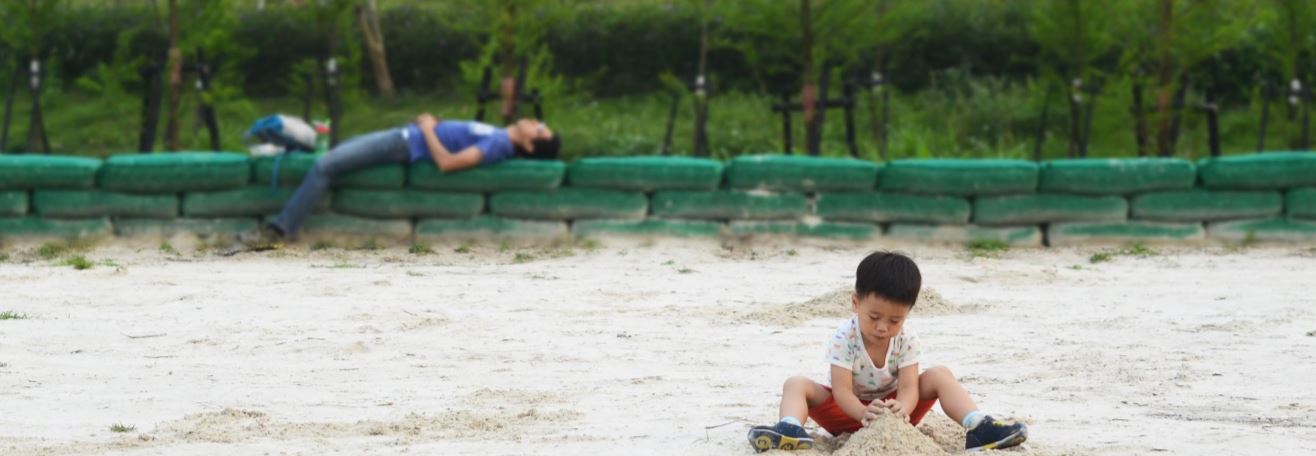
Img 3: Image indicative of the need to prioritize the fact that children need to be safe and kept engaged.
Issue
According to the Office of the UN High Commissioner for Refugees (UNHCR) out of a global population of 7.2 million school-age refugee children, four million do not attend lessons of any kind. Studies show child refugees are particularly vulnerable and are five times more likely never to go to school than non-refugee children on a global level.
How do we keep children engaged and safe, while also helping them overcome traumatic experiences? How do we help them develop the skills and abilities to make sense of their surroundings? How do we work towards helping them develop their communication, problem-solving & conflict resolution skills and let them know that there will be better days?

Img 4: Image indicative of the happiness found in play.
Brief
In most circumstances, play can be invigorating, stimulating, freeing and fun. Here it is much more than a fundamental form of therapy. A dedicated play space can ensure a safe and caring environment for kids to freely express themselves through the process of play.
Develop an architectural concept creating a safe, stable happy place for children in an otherwise chaotic world. Seeing this as a two-step problem, attempt to bring in education to the children, and secondly focus on letting the children be children.
Most importantly, make play the source of happiness it should be.
Programme
Questioning the role of a playground as an emergency response, explore how something which seems as inconsequential as a playground, becomes a safe space - to play, learn and develop confidence.
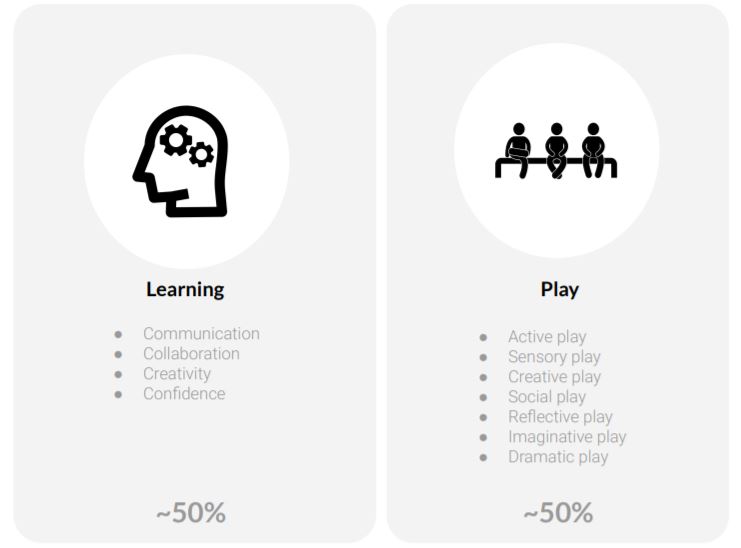
The programme of the play area must include the above mandatorily. However, the participants are free to add other programmatic facilities depending on their design.
Objectives
Safe: Establish a sense of safety - one of the most basic needs of displaced children.
Inclusive: Create a safe place where children of all abilities can play together.
Context: Create a space which meets all needs of the context (Community).
Resourceful: Allow the space to be resourceful in terms of conception and execution.
The following objectives can be a point of beginning to conceive this design. Participants can assume their own contexts and users before initiating their design process.
Img 5: Caption of the image here.
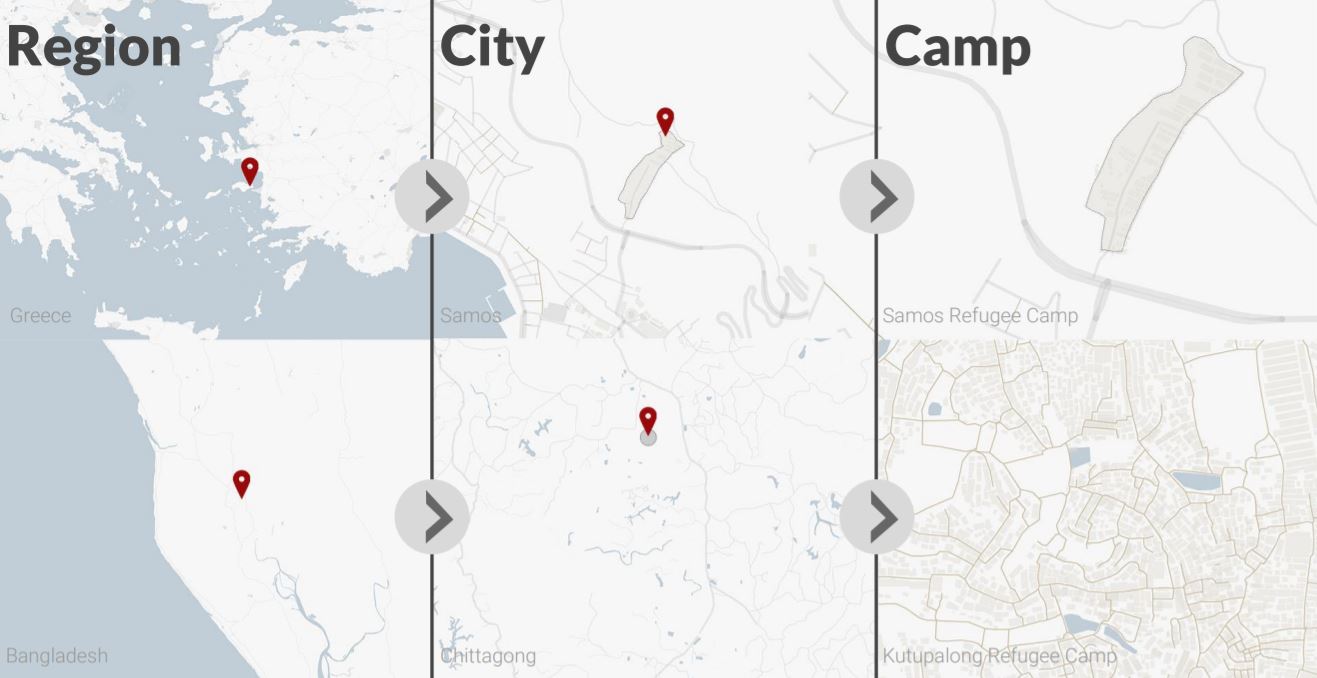
Samoas, Greece/ Kutupalong, Bangladesh
The Aegean Islands of Greece see scores of migrants arrive each day, hoping to eventually move on to richer European Countries. Samos is one of the five islands that the Greek Government has established for refugee camps. Barely two meters off the coast of Turkey, the camp at Samos was initially built to house 650 people. Today it has around nine times that capacity.
Unplanned and organic, the Kutupalong Refugee Camp is one of the two refugee camps hosted by the Bangladeshi government. Home to an estimated 600,000 people, in an area of just 13 square kilometres, it is stretching it’s infrastructure and services to maximum limits.
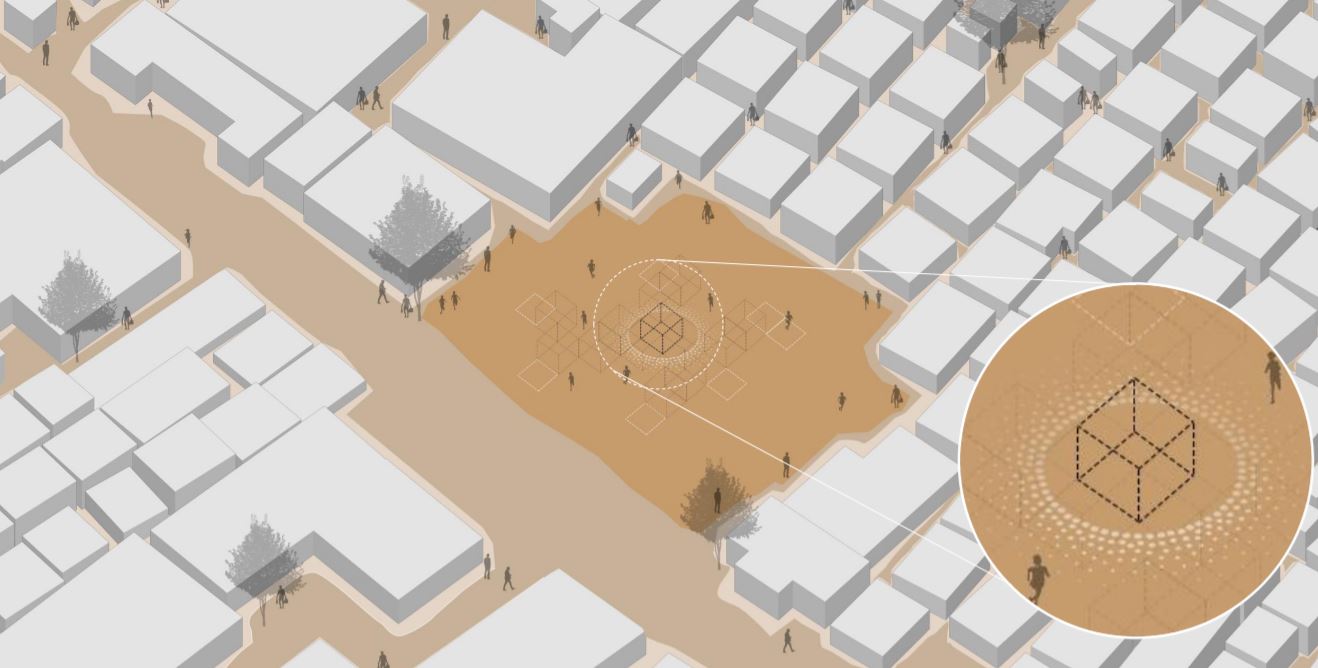
Img 6: Image indicative of possible scenarios while playing with modularity.
Site Plan - Module of intervention
The design site is conceived as an adaptive volume, which can fit to almost any space which calls for action. A singular module of 2m x 2m x 2m, used sequentially to form a larger plot. The height is restricted at 4m, but participants may consider a variety of uses when put in different locations, multiple configuration or contexts. Keep in mind the probability of vandalism.
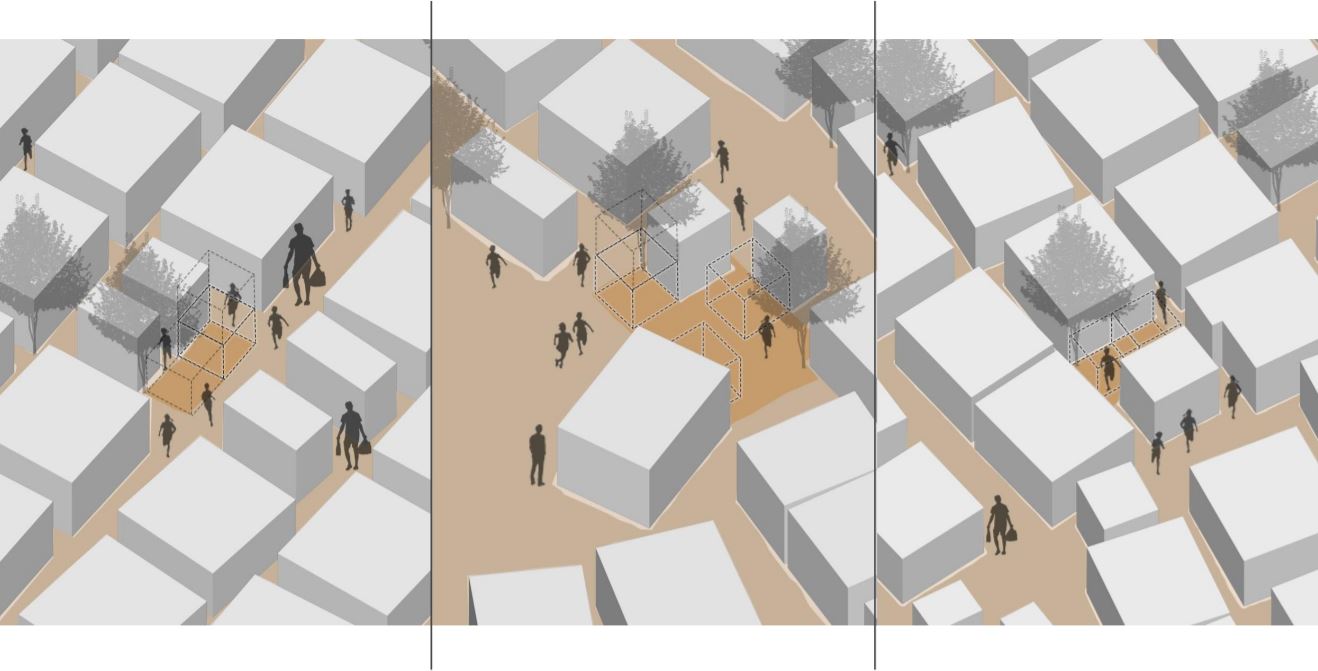
Img 7: Image indicative of possible scenarios while playing with modularity .
Possible scenarios while playing with modularity.
Judging Criteria
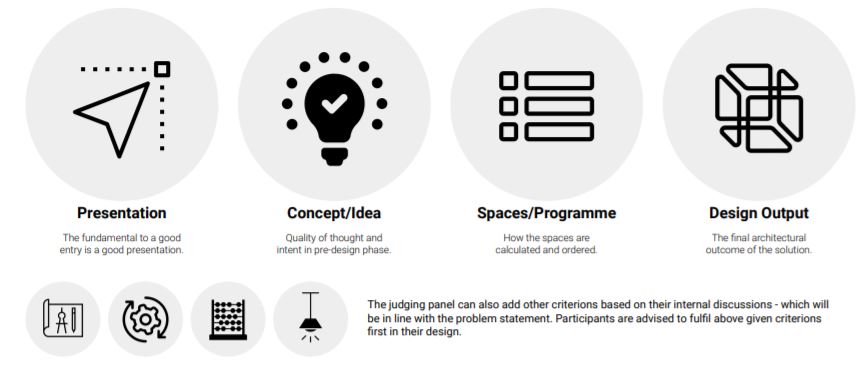
The entries will be judged by an international jury of the competition on the following criterions:
About BOUN
BOUN serves as a unit block for UNI in the field of furniture design. It serves as a platform for experimentation and conceptual exchange of ideas for furniture designs happening at various levels. The program intends to get designers from around the world and encourage them to share their extraordinary design ideas. Through our furniture design competition at BOUN, we intend to create a dialogue among designers where they have full freedom to create contextual and user-centric design. Our furniture design awards will identify and acknowledge young and budding designers from across the globe. This approach towards design would serve in refurbishing the profession’s identity and will help the product to reach masses through our leading media and industry partners.
Queries: support@uni.xyz
Discover other competitions: https://uni.xyz/competitions
Facebook: https://www.facebook.com/unixyzglobal/
Instagram: https://www.instagram.com/uni.xyz/
Discover FAQ’s about this competition on our help forum here: http://help.uni.xyz/
Similar Competitions
Discover competitions you might be interested in



Challenge to design an open learning module for the elderly


Challenge to design a portable music platform

Challenge to design a portable theatre


The Global Benchmark for Architecture Dissertation Awards
