

Revolutionary beats
Challenge to design a museum for protest music
Overview
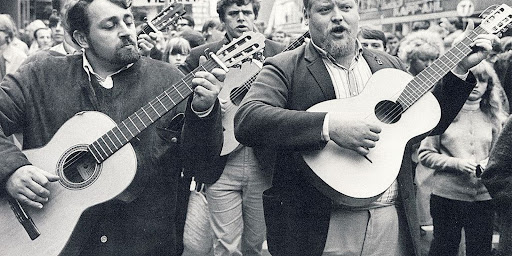 Fig: 1 - Protest music has grown since its inception and continues to influence the masses (Credits-Vreeswijk Akerstrom Cervin 1965)
THE LOST HISTORY OF PROTEST MUSIC
Music and Protest have celebrated an age-old relationship across the world. People have time and again sought music to voice opposition and dissent in a breath-taking range. Typically intended as a means to catalyse change by drawing people and uniting them, protest music can emerge in many forms, talking about many issues, both big and small.
As a consequence of globalization, these topical lyrical pieces are accessed by individuals across the world and often lose ties to the original movement that birthed it. American protest music is today a well-known player of this rhetoric. The nation’s protest music has grown and evolved across the ages and today many popular protest music pieces have become part of pop culture.
While this globalism of music has its virtues, have we lost sight of the history of the music that has become part of our repertoire?
 Fig: 1 - Joan Baez and Bob Dylan singing during the March on Washington in Washington, D.C., 1963 (Credits-U.S National Archives and records administration
THE MUSIC WE SING
American Protest music initially emerged as a means to unify and the earliest protest music was characterised by simple verses and tunes often picked up from popular hymns and existing songs.
The goal was not a musical masterpiece but a simple accessible piece of music that plainly stated purpose.
American music straddles concerns ranging from the first music developed by slaves, to contemporary music addressing racial disparity, feminism and queer identity.
Today musicians such as Bob Dylan, Woody Guthrie, and more recently Lady Gaga, Beyonce and countless more have become familiar and well-sung names across borders. While their music permeates across the world perhaps it is just as important to acknowledge the roots both geographical and political and celebrate their place in American history.
 Fig: 3 -Through design thinking how can we help preserve the history of protest music? (Credits-blog-hope.edu)
CONSERVATION OF AMERICAN PROTEST MUSIC
Fueled by socio-political situations pervading various periods of time, protest music has evolved and transformed in numerous ways. Not only does this music reflect the musical sensibilities of a time in history but they also are important markers of the people's emotions and reactions to their socio-political environment. Can we design opportunities to curate this rich history of Protest music?
Brief: The challenge here is to create an experiential museum to acknowledge, curate and celebrate protest music. This project will look specifically at American Protest music to create a contextual framework.
The designed space should offer visitors the opportunity to listen, experience and learn from the music and the political atmosphere it emerged from.
The museum should not be limited to static artefacts that individuals passively engage with.
OBJECTIVES
- Design: Design a space in Milford, Connecticut that is inspired by the typology of music it intends to curate.
- Curate: Conceive and interpret the typology of artefacts that would make the museum.
- Exhibit: Design an immersive experiential space that celebrates the artefacts of the museum.
- Educate: The museum and its experiences must provide an opportunity for visitors to learn about the roots of the music.
SITE
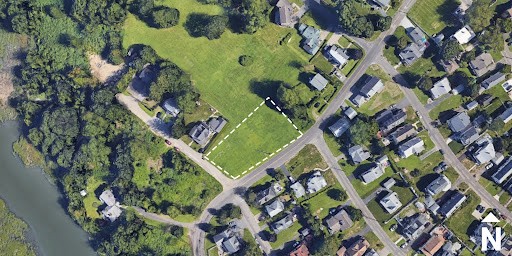
Milford Connecticut, United States
While American Protest Music has had countless contributors, some of the first individuals to gain popularity were the Hutchinson Family. The siblings born and raised in Milford Connecticut were significant to the development of native protest music in a time and age where popular music was dominated by sentimental minstrel music.
They boldly embarrassed topics on abolitionism, suffrage, prohibition and the Mexican-American war. Owing to the Hutchinson family’s significant contribution in the past to this genre of music, the chosen site is in Milford Connecticut. Milford is a city in Connecticut, United States. It was one of the early settlements in south-central Connecticut and, over time, gave rise to several new towns that broke off and were incorporated separately.
The site is located in a primarily residential area. It is close to the Housatonic river as well as a short distance away from the Coastline. It is also adjacent to Nancy’s Meadow, a protected land under the Milford Land Conservation Trust.
Coordinates: 41°10'56.6"N 73°05'50.3"W
Site Area: 1949sqm
Maximum FAR: 1
Ground Coverage: 30%
Height Restriction: 10 m
Setbacks as per CAD Plan
PROGRAMMATIC OUTLINE
Design for 150-200 visitors
- Entrance 15%
Entrance, Reception, Information kiosk, Baggage deposit, Security
- Museum & Learning 50%
Exhibition Halls, Audio/Video room, Library/Reading room, Gallery, Elevator Lobby, Toilets
- Recreation/Landscape 20%
Auditorium, Outdoor spaces, Multi-purpose hall, Cafe, Souvenir shop etc
- Administration 10%
Offices, Conference/Meeting room, Document room
Locker rooms, staff lounge
- Services 5%
Janitor, Maintenance and Utility
