
Ripple
Before the last drop runs out
OVERVIEW
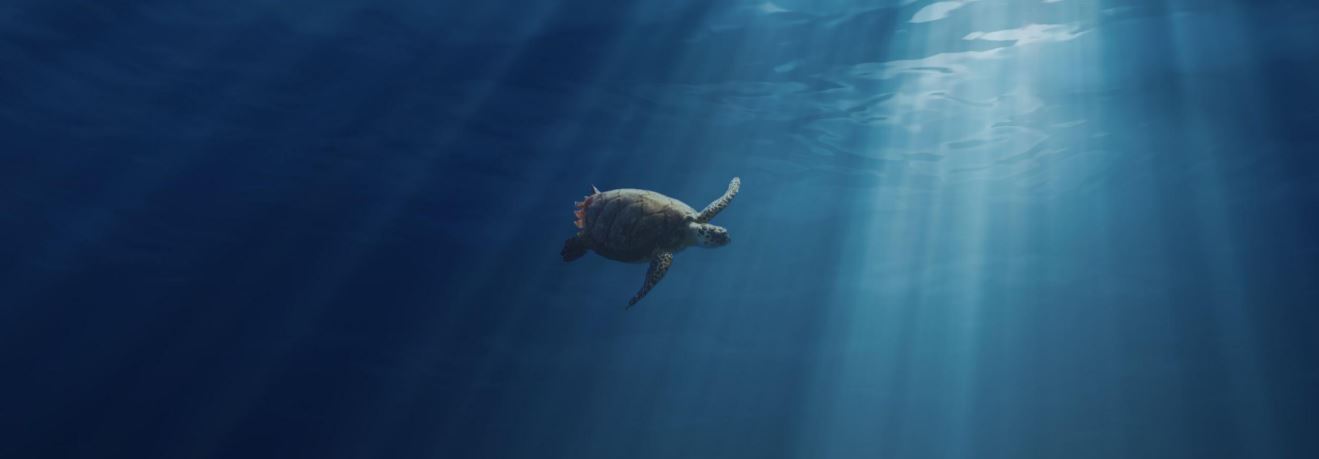
Img 1: Water as a habitat
Premise
Water is one of the five elements of the earth formulated by ancient Greek philosophy, fire, air, earth, water and aether (void). Water as a substance has not only been a source of food, energy, but an inevitable part of the survival of all living beings. As the most evolved species, we have manoeuvred resources like water and used it to full potential.
A pristine picture of water is painted with streams, rivers, and ponds when imagined in its natural forms. We create an ideal scenario in nature with water as an essential feature, overlooking its monotony in our daily lives.
Water in its most mundane use such as hygiene, washing, or cooking, is unacknowledged. It is still unacceptable in certain spaces as we have tried to steer it and, its optimum usage in designated spaces. Water in excess quantities in the form of rain or floods is condemned for any ecosystem. It is a form of life and destruction, a contradiction in itself.
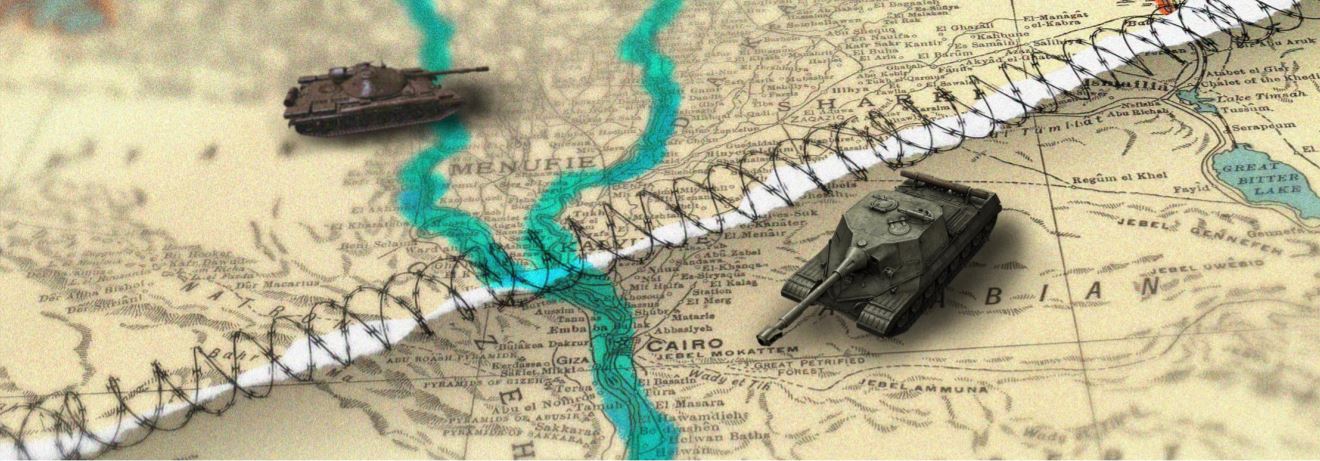
Img 2: Waters defining borders - A concept
Water Conservation
After giving a definite direction to water, to cater our needs, we began setting limitations of usage. Water that was available for all is now being claimed and, is making physical, international and political boundaries. Freshwater in rivers and their basins that flow throughout the earth are now moulded to yield more and more potable water. It has resulted in considerable increase in water consumption leading to Global Crisis.
Global water crisis is the lack of freshwater resources to meet water demand and is the largest global risk in terms of potential impact over the next decade. It is manifested by partial or no satisfaction of expressed demand, economic competition for water quantity or quality. An immediate impact of the Global crisis was the onset of water conflicts among nations, states, communities.
Are wars the kind of solution we are looking at, and will they resolve the impending crisis around the corner?

Img 3: The hidden network of water supplies under the city - A concept
Issue
Water and its importance are well known, still, we have been disconnected from it in urban realms. It is omnipresent and yet visually hidden while it flows through a dense network below the surface. Our contact with water has dissipated into our daily chores, restricted to the water received from taps. Lack of interaction with water in such circumstances has to lead us to have no perception at all.
An interesting water value paradox exists, that shows how we fail to evaluate it lower, compared to diamonds. This holds true even though water is a necessity whereas diamonds are not.
Is this due to an anomaly in our perspective or unawareness?
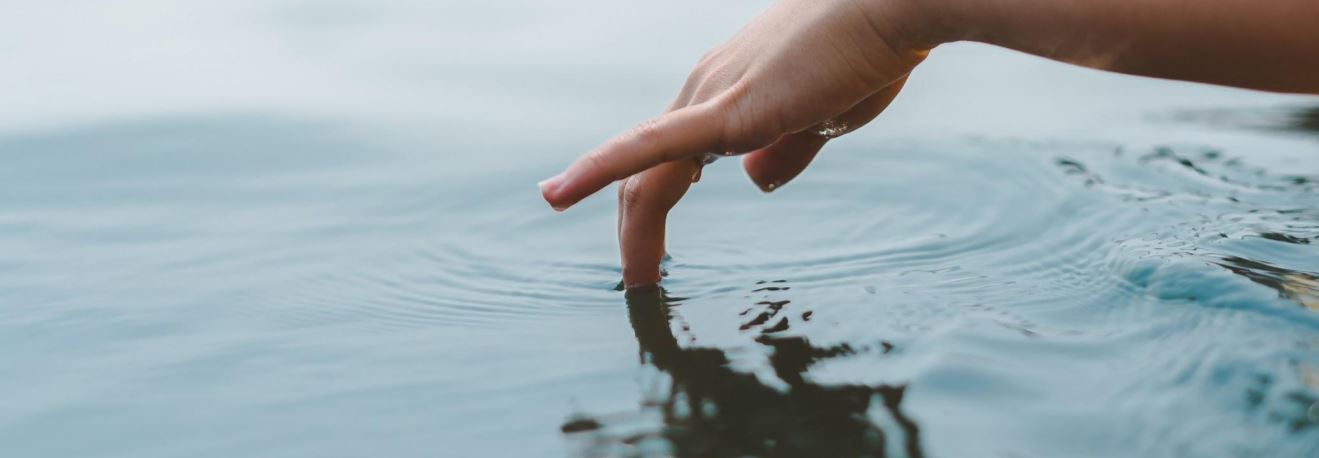
Img 4: Humans and water - A concept
Brief of the competition
Water is a crucial element to our existence, yet this disengagement is ironic. The global crisis was reinforced by rapid urbanization, which might be one of the reasons for its decreasing value. Efficiency in water consumption can be increased with co-operation, which is imperative in these times of growing scarcity. This can be a driving force to change the perception of water altogether and make us more resilient as a species.
How can we establish the role of water as a vital element in supporting human existence? How can we trigger a sense of value that is almost disregarded in our daily lives? How can we find new ways to connect with water in our public spaces while acknowledging its limited supply?
Building on these questions, the design challenge is to propose a model urban public landscape that has the ability to (i.) sensitize its visitors to understand how crucial water as a resource is and (ii.) promote a better sense of consumption and conservation within them.
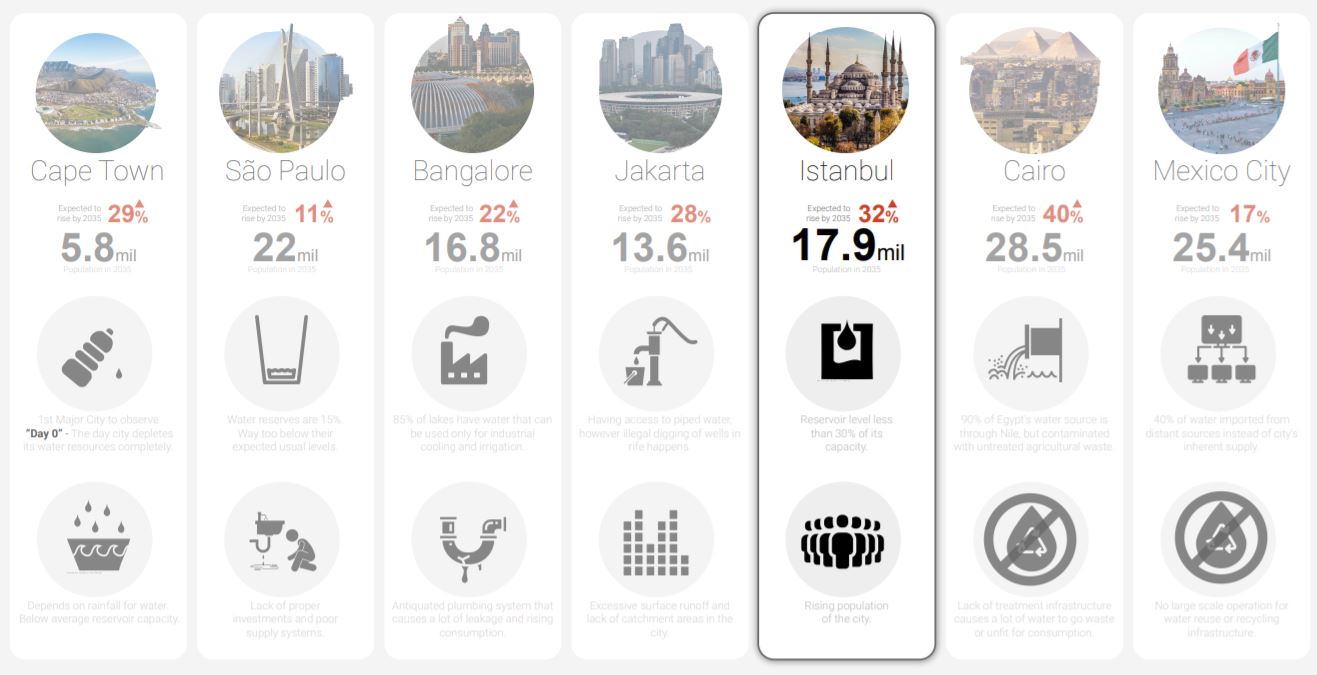
Img 5: Probable water crisis across various megacities of the world
Global water crisis
The social and demographic changes that are taking place around the world, are speculated to result in an urban population of 9.7 billion by 2050. As documented by UNU-INWEH, by 2030 there will be a 40% gap between water demand and water available for use. As the water availability decreases the competition to access potable water in densely populated urban cities will increase drastically. The data presented time and time again indicates a clear situation of upcoming global water crisis already existing in 14/20 mega-cities of the world. While the effectiveness of water management varies between countries, a rapid scale-up in effort and resources will be needed for most countries. Above presented are the closest cities to reach a point of crisis due to the rising gap between its supply and demand.
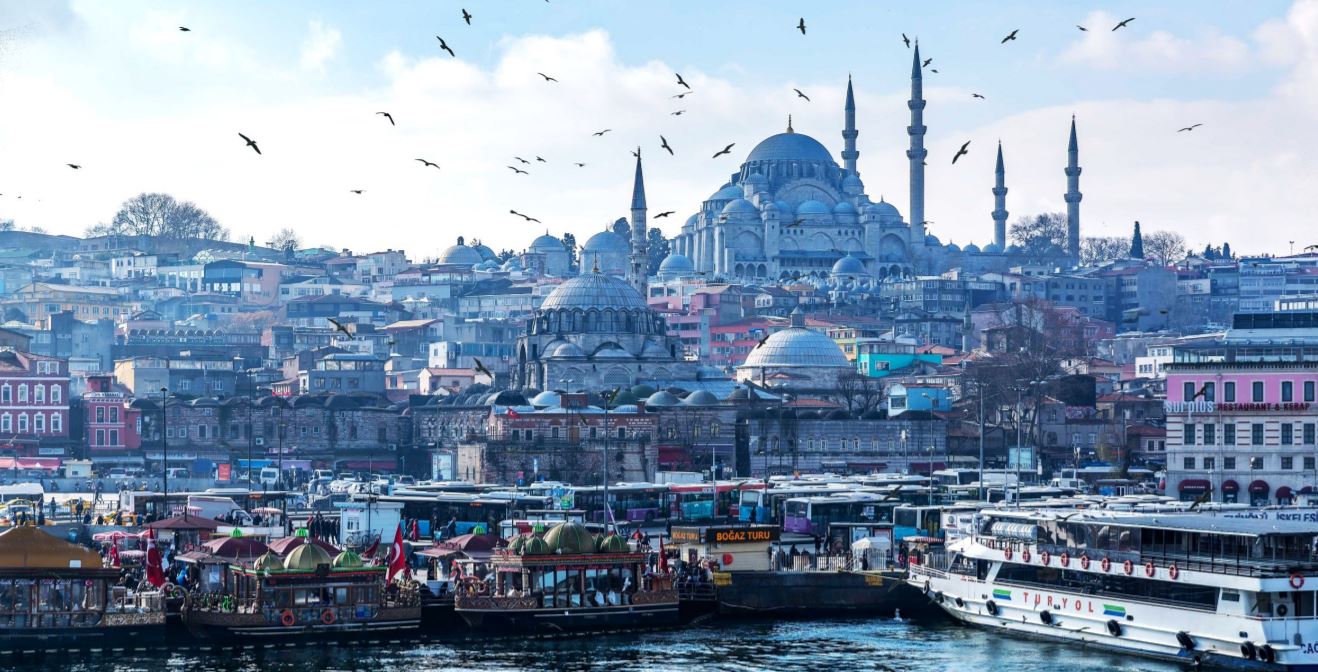
Img 6: A view of the city of Istanbul
Istanbul and Water
Istanbul has intertwined its traditions rich in cultural heritage with water through centuries,. Water has not only shaped the culture but also the city’s architectural language at large. Aqueducts constructed in the 15th Century for freshwater supply and Hammams are some of the ways water has moulded the city as we see today. With a growing population of close to 15 million, Istanbul is stated to become Europe’s most populous metropolitan area. Meeting water demands in such circumstances is now a challenge for the local authorities leading to a possible water crisis in the city. It is also visible in the reducing levels of water remaining in their reservoirs that will not be sufficient for this metropolitan city that connects Europe and Asia.
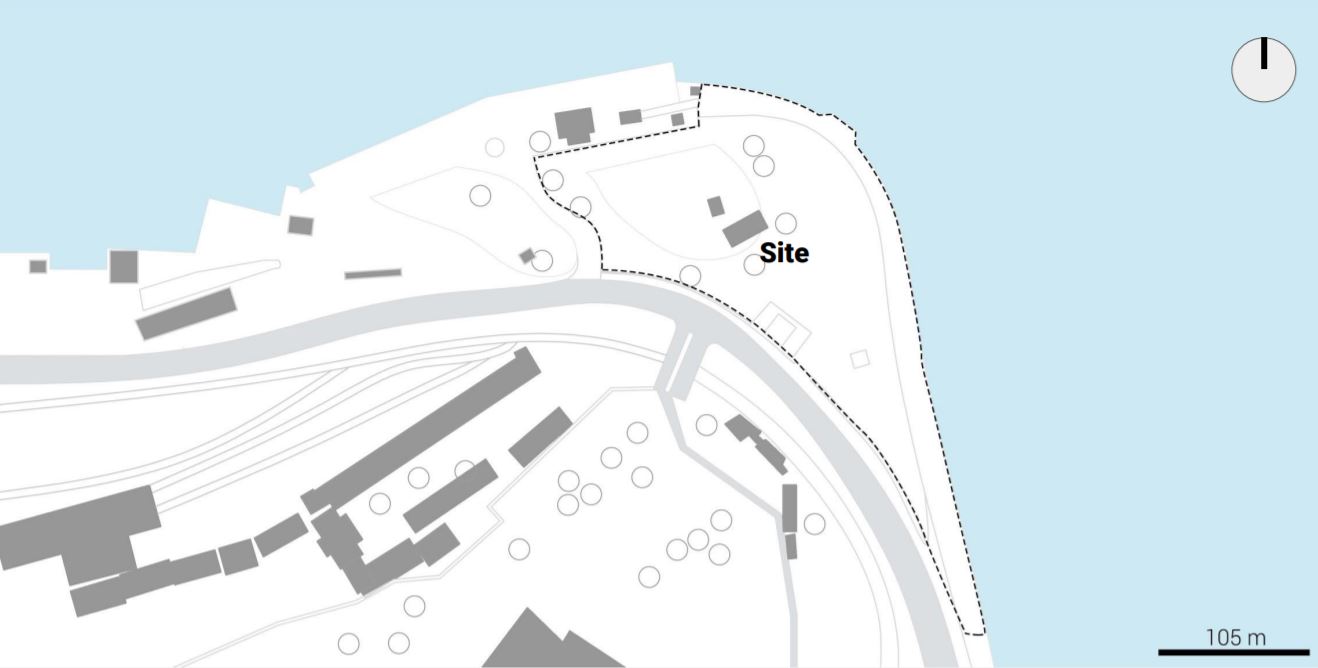
Img 7: Site plan
Site - Sarayburnu Waterfront
The site chosen for the challenge is a part of Sarayburnu waterfront. This is located at the end of Bosphorus Strait, that forms a part of continental boundary between Europe and Asia. The site is flanked by views of monuments like Hagia Sophia and Topkapi Palace in its skyline. The site is beside the Sarayaburnu Port and parking (managed by Turkish Maritime Facilities) at the end of shore-walk of Bosphorus, accompanied by a small cafe overlooking the strait. It neighbours the Ataturk’s Statue (Founder of Republic of Turkey) and National flag of Turkey facing the road. Site poses as a perfect spot for landscape development for awareness of water scarcity, ironically having water in such close proximity for the visitors.
- Area: 14557.67 m2 ( 3.6 acres)
- Ground Coverage: < 5%
- Site coordinates: 41°01'00.4"N 28° 59'11.1"E
Participants can create small decks and bridges that extend to water. No built forms are permitted in/on the water.
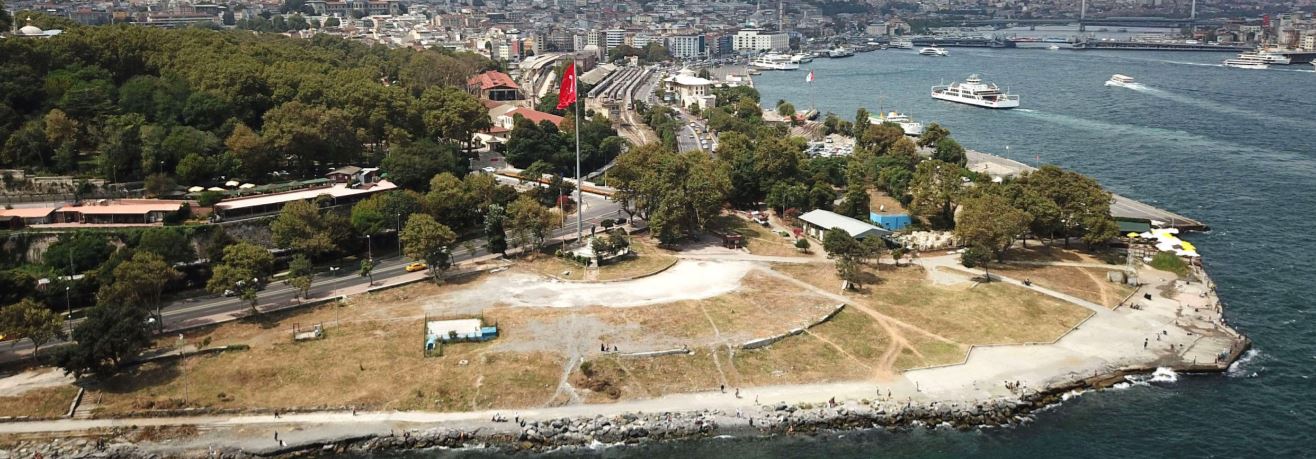
Img 8: Aerial View of the site
Objectives
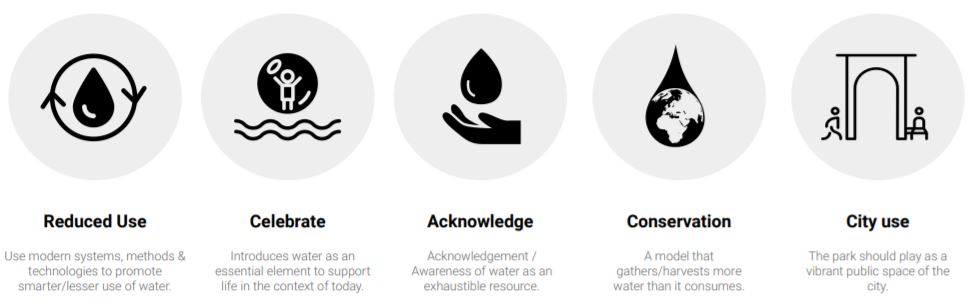
The participants are expected to design a landscape model in the given site that resonates to the aim of water conservation as a theme. The design objectives are as follows:
Judging Criteria
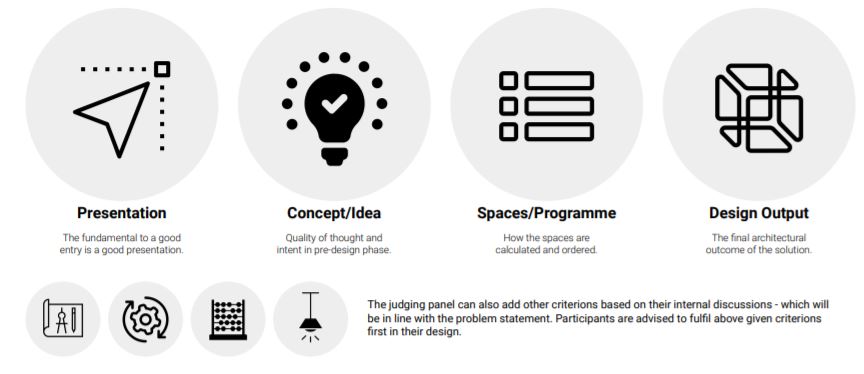
The entries will be judged by an international jury of the competition - To be announced:
About Terra
Terra serves as a unit block for UNI in the field of nature centric design. It intends to break the fusion of traditional design barriers and methodologies by making it a platform for experimentation. It embarks on exchange of ideas between architecture and nature. It is a research initiative dedicated to provide opportunities for designers from all domains to explore ideas that go beyond the boundaries of architectural discipline and enrich our built environment; thereby opening up possibilities for promotion of architectural thought at a global level.
Queries: support@uni.xyz
Discover other competitions: https://uni.xyz/competitions
Facebook: https://www.facebook.com/unixyzglobal/
Instagram: https://www.instagram.com/uni.xyz/
Discover FAQ’s about this competition on our help forum here: http://help.uni.xyz/
Similar Competitions
Discover competitions you might be interested in


Design challenge to reuse E-waste


A Global Graduation Competition for Architecture, Urban Design & Interior Design


Aesthetic Design Ideas for a Better World · Student Category
