3 Free Architecture & Design Competitions Open Right Now (April 2026)
This is the curated live feed of every free-to-enter architecture and design competition currently open on UNI — no entry fees, no barriers, real prizes. Every competition listed here costs exactly zero dollars to enter. With 260K+ architects and designers in the UNI community and 767 competitions hosted since 2017, this is where students, early-career designers, and anyone on a tight budget can build a serious competition portfolio without spending a single dollar on entry fees.
Why Free Architecture Competitions Matter
Entry fees in architecture competitions typically range from $50 to $150 per entry, with some flagship international competitions charging even more. For an architecture student in India, Brazil, Indonesia, Egypt, Nigeria, or the Philippines, a single $80 entry fee represents multiple days of income. For early-career architects anywhere in the world, consistent competition participation at paid prices adds up to thousands of dollars a year. Free competitions level the field. They let you build a portfolio, practice the format, compete internationally, and win prizes without needing a disposable budget for entry fees.
Free architecture competitions also create the entry point for first-time participants — hobbyists and curious designers who want to try the competition format without committing real money. Many of UNI's most decorated designers started their journey on a free brief.
What You Actually Win in Free Competitions (Spoiler: It's Not Nothing)
A persistent myth is that free-to-enter means you can't win anything meaningful. The reality is different. Free competitions on UNI offer a full spectrum of rewards:
- Publication in the UNI Design Yearbook — distributed to architecture schools and studios worldwide, this is the single most valuable portfolio boost for emerging designers.
- Certificates of recognition for winners, runners-up, honourable mentions, and shortlisted teams — official, downloadable, and visible on your UNI profile.
- Cash prizes on select free competitions — not every free brief is prize-only; many offer meaningful monetary rewards funded by sponsors, schools, or non-profit organizers.
- Exhibition and media features at partner galleries, biennales, and design festivals.
- Internship and mentorship opportunities with sponsoring firms and studios.
- Jury feedback that teaches you how to improve your next entry — the most underrated reward on the competition circuit.
- Portfolio credibility — listing a competition win, shortlist, or honourable mention on your CV carries weight regardless of whether the entry fee was $0 or $100.
Who Organizes Free Architecture Competitions on UNI and Why
If free competitions carry real prizes and real prestige, who pays for them? The answer reveals the ecosystem of organizers motivated to absorb the cost themselves:
- Universities and architecture schools — running graduation awards, thesis exhibition prizes, and community design challenges as part of their educational mission. Free access is often mandated by school policy.
- Non-profits and foundations — running briefs on housing, sustainability, disaster response, and social impact. Entry fees would contradict the accessibility mission.
- City planning departments and municipal authorities — running open urban design competitions where the public benefit justifies free participation.
- Building materials and product brands — running free design challenges as marketing exercises to showcase their material or product in new applications. Free entry maximizes participation and PR reach.
- Software and technology vendors — running free design challenges tied to their CAD, BIM, or rendering tool to build community and generate case studies.
- Design publications and editorial platforms — running free editorial prizes as reader engagement.
- UNI's own community briefs — including flagship annual thesis awards and community challenges that remain free because accessibility matters.
Currently Open Competitions on UNI
While not every brief in this feed is free, here's a sample of currently active competitions on the platform. The section feed above filters the complete catalog to show only zero-fee briefs:
- Asgard — Architecture Illustration Competition
- Home Futura II — Challenge to envision a future home
- On Water — Essay writing challenge to design floating cities
- Concave — Challenge to design a shop stop sunk in the city
- Envent — Design challenge to reuse E-waste
- Glee — Photography Challenge to capture happiness
For the full free-only list, browse the cards above this section. For every open competition regardless of fee, see all open competitions.
Free vs Paid Competitions: What the Difference Actually Means
Free and paid competitions are not two different quality tiers — they are two different business models. Here's how they actually compare:
- Prize scale: paid competitions often have larger prize pools because the entry fees fund them. Free competitions tend to have smaller cash prizes but often compensate with publication, exhibition, and recognition rewards.
- Submission pool size: paid competitions attract smaller, more committed fields because the fee filters out casual entries. Free competitions attract larger fields because the barrier to entry is zero. Counterintuitively, this means free competitions sometimes have lower winning odds due to higher submission volume — but also more peer visibility.
- Organizer profile: paid competitions are usually run by commercial competition platforms; free competitions are more often run by schools, non-profits, municipalities, and sponsor brands.
- Prestige: the correlation between entry fee and prestige is weak. Some of the most prestigious academic architecture awards in the world are free to enter because they are run by universities.
- Prize-to-fee ratio: on a pure "dollars out per dollar in" basis, free competitions are infinitely better value. You're never losing money by entering.
Types of Free Architecture Competitions You'll Find Here
The free section on UNI aggregates several distinct categories of zero-fee competitions:
- Ideas competitions — conceptual architecture briefs with no built-project requirement. The most common free category.
- Student-only competitions — briefs restricted to enrolled students, often run by schools or academic associations.
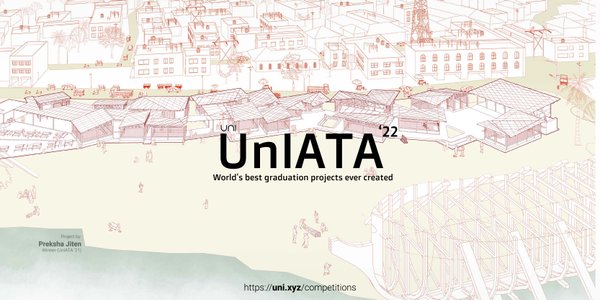
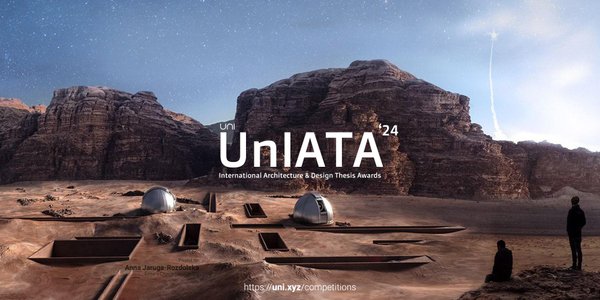
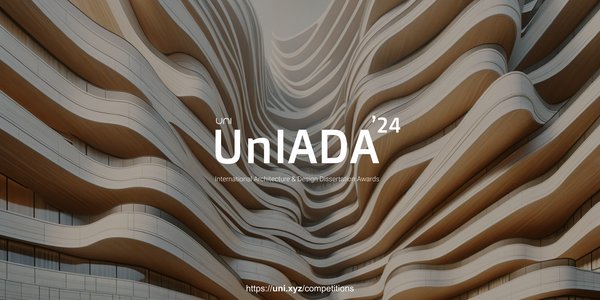
- Thesis and graduation awards — annual prizes recognizing the best dissertation and graduation work from architecture schools worldwide. UNI's flagship UnIATA and UnIADA awards fall in this category.
- Community and civic challenges — open briefs sponsored by cities, non-profits, or community organizations tackling housing, sustainability, or social impact.
- Photography and visualization briefs — free photo and rendering competitions for the architectural documentation community.
- Essay and writing competitions — free architectural writing and criticism prizes, typically academic or editorial in origin.
- Illustration and drawing competitions — free drawing briefs for architectural illustrators.
- Promotional brand-sponsored briefs — free-to-enter design challenges organized by material or software brands as marketing.
How to Spot a Legitimate Free Competition (and Avoid the Traps)
Most free architecture competitions are legitimate, but a few red flags help you separate the real ones from vanity-publishing traps:
- Green flag — named jury: a legitimate competition publishes its jury members with full names, affiliations, and credentials. If the jury is "industry experts" with no names, walk away.
- Green flag — clear organizer credentials: a real organizer has a verifiable website, history, or institutional affiliation. UNI verifies every competition host before publishing.
- Green flag — published past winners: if previous editions have visible results, leaderboards, and featured winners, the competition has a track record worth trusting.
- Red flag — "pay to be featured": if entry is free but the winner announcement requires a payment to have your work "published" or "certified", it's a vanity press.
- Red flag — vague IP terms: legitimate competitions take only a non-exclusive publication license. If the terms demand full IP transfer in exchange for free entry, that's not free — it's a trade.
- Red flag — no clear deadline or prize structure: real competitions are time-bound and reward-specific. Open-ended "rolling" submissions with undefined prizes are usually a dressed-up mailing list play.
Every competition listed on UNI — free or paid — is reviewed before it goes live. If it's on this platform, it has passed our baseline checks for legitimacy.
Strategies for Winning Free Architecture Competitions
- Start with student-only categories: smaller pools mean better odds. If you're a student, always check if there's a student-only track before entering the open pool.
- Read the brief twice before you draw once: misinterpreting the prompt is the single most common reason jurors reject otherwise strong entries. Free competitions give you the opportunity to practice this discipline without financial pressure.
- Invest in presentation quality: the entry is free, but the board layout, render quality, and typography are still what the jury sees first. Treat your presentation with the same rigour you'd bring to a paid brief.
- Write a strong concept statement: the 150-300 words accompanying your boards often decide between shortlist and runner-up. Spend as much time on the text as on the diagrams.
- Enter as a team if allowed: strong team entries routinely outperform solo entries on complex briefs because roles get split properly (concept, technical, visualization, writing).
- Follow up with public engagement: after submission, engage with the competition's discussion thread and share your entry. Community visibility compounds.
- Track deadlines and submit early: file upload failures and payment confirmation delays affect free competitions less than paid ones, but last-minute submission is still risky. Submit 48+ hours early.
April 2026 Snapshot
A live snapshot of the UNI community and platform activity this month:
- 57 competitions currently open for registration — free and paid combined
- 3 competitions in this free section alone
- 17 new entries submitted across the platform this month
- 1424 new designers joined UNI this month
- 767 total competitions hosted since 2017
- 7185 total entries submitted across all competitions
- 68 disciplines from architecture to product design
- 260K+ architects and designers in the global UNI community
UNI Membership: When You Want Access to Every Competition
The free feed on this page is a subset of the full UNI catalog. If you find yourself wanting to enter paid competitions too — or if you're entering more than 3 or 4 briefs a year — a UNI Membership pays for itself quickly. Membership unlocks unlimited entries across every competition on UNI (free and paid), early access to new briefs, detailed analytics on your own entries, and a free copy of the UNI Design Yearbook. Plans start at $9 a week. But if you're only ever going to enter free briefs, this page is where you belong — no membership required, no entry fee, nothing to pay.
Frequently Asked Questions About Free Architecture Competitions
Are there really architecture competitions with no entry fee?
Yes. Every competition listed in this feed costs exactly $0 to enter. Free competitions on UNI are run by universities, non-profits, cities, sponsor brands, and UNI's own community. They are a legitimate and well-established part of the architecture competition ecosystem, not a niche exception.
Can free architecture competitions have real cash prizes?
Yes. The entry fee and the prize pool are two separate things. Many free-to-enter briefs offer cash prizes funded by sponsors, schools, or non-profit organizers who absorb the cost themselves. Others offer non-cash rewards like publication, exhibition, and certificates that carry significant portfolio value.
Are free architecture competitions worth entering?
Almost always. The worst case is you lose nothing but your time — there's no financial downside. The best case is you win or get shortlisted and add a real credential to your portfolio at zero cost. For students and early-career designers especially, free competitions are the fastest path to building a recognized competition record.
Do free architecture competitions have real juries?
Yes. Every legitimate free competition on UNI has a named jury of practicing architects, academics, or industry professionals. You can see the jury for each brief on its competition page. If a competition doesn't publish its jury, that's a red flag regardless of whether the entry is free or paid.
How often do new free architecture competitions open on UNI?
New free competitions are added to the feed as they launch — typically several per month across the 68 disciplines UNI covers. Follow this page or enable notifications to get alerted when new free briefs go live.
Can professionals enter free architecture competitions, or are they only for students?
Both. Some free competitions are student-only; many are open to students, professionals, and anyone else. Each competition page states its eligibility clearly. If you're a working architect and want to enter free briefs, there are plenty available — start with ideas competitions and thesis-adjacent awards.
Do I keep the rights to my entry if the competition is free?
Yes. Legitimate competitions on UNI — free or paid — take only a non-exclusive license to publish, exhibit, and archive your entry for promotional and educational purposes. Full intellectual property rights remain with you. If a free competition demands full IP transfer, it's not really free.
Can teams enter free architecture competitions, or only individuals?
Most free competitions allow both solo entries and teams of any size. A small number specify team size limits in the rules. Team entries tend to dominate winner lists on complex briefs, so if you have collaborators available, use them.
How can I find more free architecture competitions online?
This page is the largest curated feed of free architecture competitions on the internet. No other aggregator (ArchDaily, Bustler, competitions.archi, Buildner) has a dedicated free-only competition landing page. For ongoing discovery, bookmark this page and check weekly, or follow UNI on social media for new-competition announcements.
Is entering a free architecture competition safe? What should I watch out for?
Competitions on UNI are pre-reviewed for legitimacy, so the entire free feed here is safe to engage with. When evaluating free competitions from elsewhere, watch for named juries, clear organizer credentials, published past winners, and non-exclusive IP terms. Avoid any "free entry but pay to be featured" structures — those are vanity press traps, not real competitions.
Explore More on UNI
Beyond free briefs, explore all ongoing competitions, see what's trending, preview upcoming launches, or study the past competitions archive with full results and leaderboards. Organizing a free competition yourself? Learn how to list it on UNI. Ready to go all-in on competitions? Explore UNI Membership.