
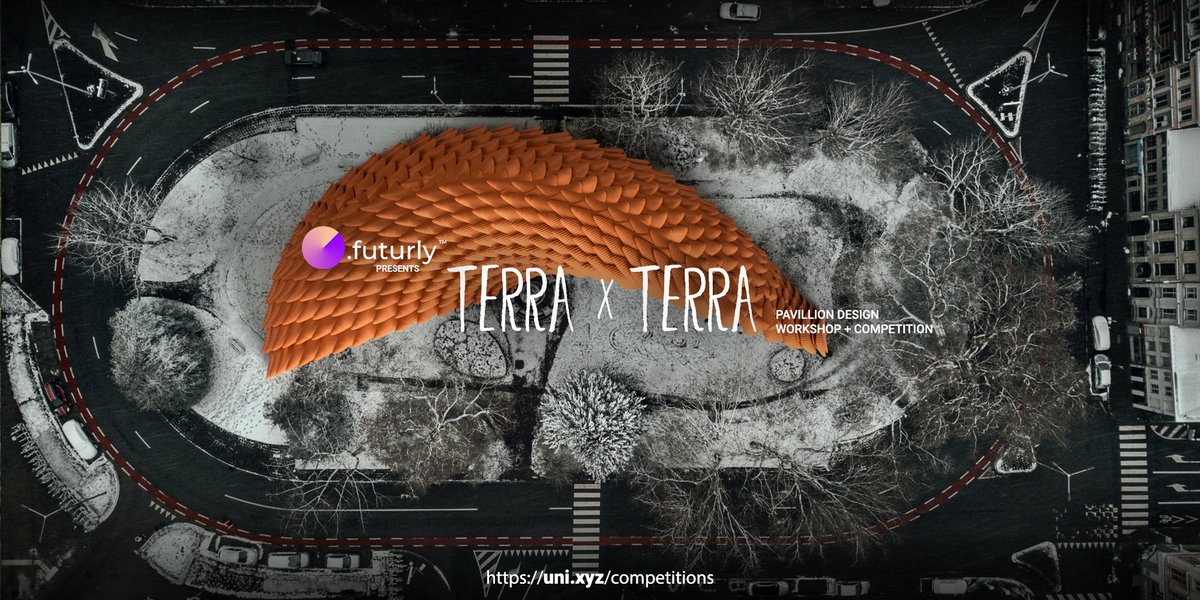
Terra x Terra
Design a Pavilion + Workshop
OVERVIEW
Results of the competition
Winner
PAVILION “SZANTA”
The pavilion is a proposal to use defective pallets and consider them as a wooden modular element adjusted to the aesthetics and history of the seaside town of Sopot.
Runner Ups
1. Bajo-Boo
Labuan Bajo, the upcoming "new Bali", is currently being developed as one of the best Indonesian travel destinations. To preserve local culture and the natural ecosystem, Bajo-Boo explored the potential of bamboo as the structure and skin of the pavilion.
1. The Dune
The dune pavilion is an amalgamation of vernacular and technocratic design methodologies. Built upon the theoretical framework of discrete, the pavilion is a showcase of how digital fabrication can enhance traditional materials and design solutions to produce new and exciting architectural artefacts.
Learn to design a sustainable pavilion and participate in a competition!
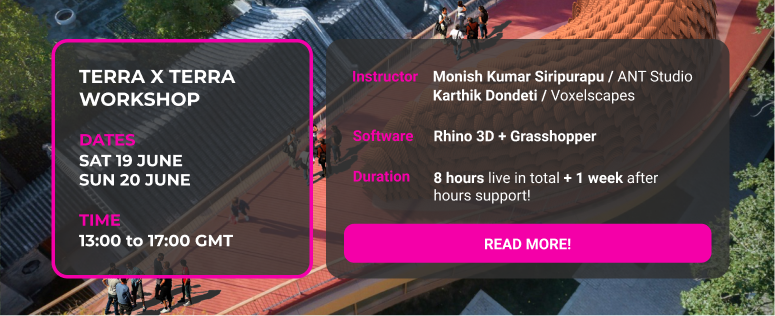
You heard it right! Terra x Terra Pavilion Design Workshop + Competition is a new learning experience, where you get to learn from the experts and have a chance to participate and win the competition. The participants learn to develop a sustainable responsive pavilion using computational design tools (Rhino and Grasshopper). The challenge lies in striking the right balance between the fluidity offered by parametric design and leveraging digital fabrication tools in combination with modular components.
This is your chance to learn computational design strategies from Monish Kumar Siripurapu (Studio ANT) and Karthik Dondeti (Voxelscapes & Codebalé), and participate in the Competition!
TERRA X TERRA
The pavilion is an intersection of design liberty blending with architecture that gives it's designer a very flexible medium to leverage 3D spaces to express their ideas. Despite the variations in scale and their temporal existence, they have an exceptional quality to be an architectural example that is understood by a massive range of audiences with ease.
The form of a pavilion is freer to adapt to its inspiration in comparison to the architecture that we see around us. It can have a lot of functions like a shelter/podium/entrance porch and many such uses. It can be permanent or temporary depending on its functional requirements. Terra x Terra is a challenge focussed on creating an architectural marvel that speaks for a more sustainable built environment for our coming generations.
Computational design
Challenge: The challenge here is to design an architecture pavilion that speaks for a more sustainable built habitat of the future using contextual technologies.
The design problem is to create a proposition of a Pavilion on an existing terrace. The pavilion is intended to be a social Interactive space / Breakout / Rejuvenating space. This can fit multiple typologies like an office tower or a university. The design's aim is to create shading against heat radiations from the sun.
-
Scale: The scale of the pavilion should be ample to seat 20-25 people, with a provision to install a snack bar/service pantry in 8 to 10 sqm.
-
Material: Any locally sourced material that is eco-friendly for the skin. The structure can be either in terracotta, steel, bamboo or wood as per the participant’s choice.
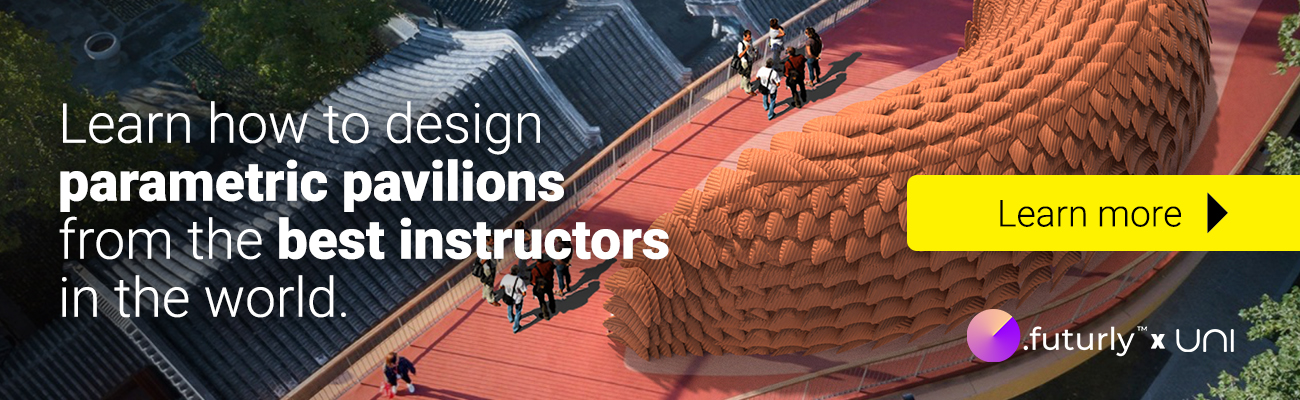
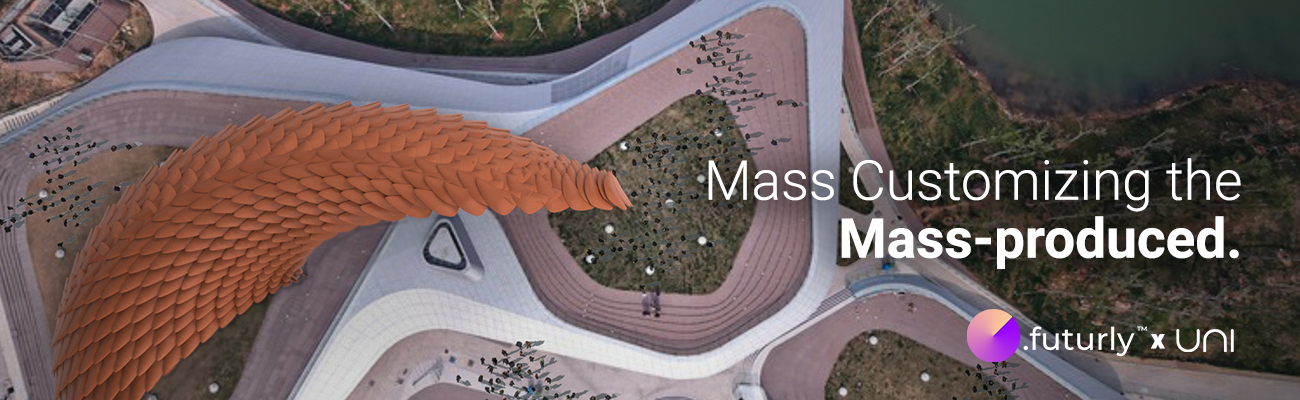
Mass Customizing the Mass-produced.
This workshop is geared towards teaching participants the nuances of digital design using parametric design tools like rhino and grasshopper. We will be focusing specifically on the process of design and modelling geared towards executing a project while being environmentally conscious using natural materials and modular parts to reduce wastage. The challenge lies in hitting the right balance between the fluidity offered by parametric design and the feasibility of leveraging digital fabrication tools in combination with modular components. We will dive deep into the process of developing complex forms by exploring the diverse possibilities that arise from an assemblage of simple components when arranged in different configurations. This will be an immersive 8-hour session structured as a studio covering both theoretical and practical aspects of a digital design process.
Similar Competitions
Discover competitions you might be interested in

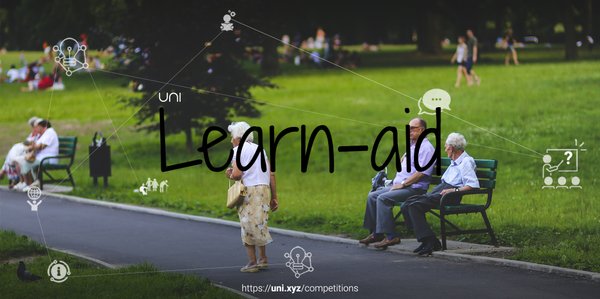


Challenge to design an open learning module for the elderly


Challenge to design a portable music platform

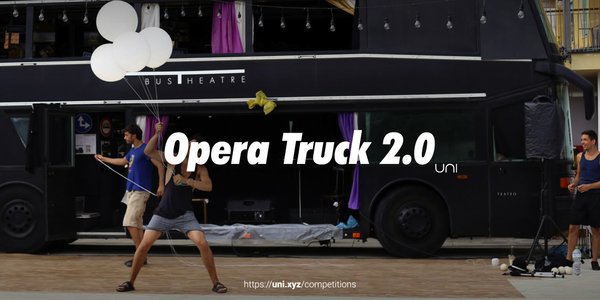
Challenge to design a portable theatre


The Global Benchmark for Architecture Dissertation Awards
