
The Cabin
Challenge to design a cabin amidst nature
Overview
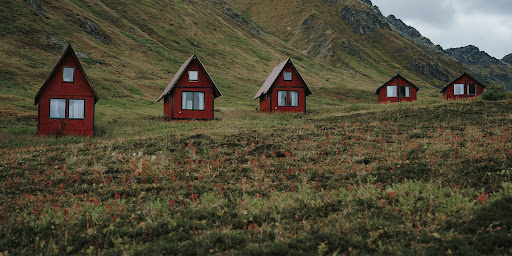 Fig: 1 - Before trekking cabins, cabins were used as primary means of housing (Credits-Taylor Murphy)
PREMISE
Trekking cabins had been one of the most widely preferred hospitality spaces all around the world. These cabins are in varied forms and places, but they never defy their key function, which is to provide an accessible and small functional space in the most diverse environments.
Small and compact sized cabins can be found in most desolate locations, from frozen landscapes to desert mountains, their presence allows tourists and trekkers to experience the natural beauty in the remotest locations.
Spaces have been transformed with time, in terms of comfort and accessibility. The compactness and thermal insulations have been added with time. Making these spaces a better place for not just a stay but also for observation and experience of nature.
Prevailing in the most remote locations these spaces have become an opportunity for architectural interventions to expand the connection of spaces with their environment.
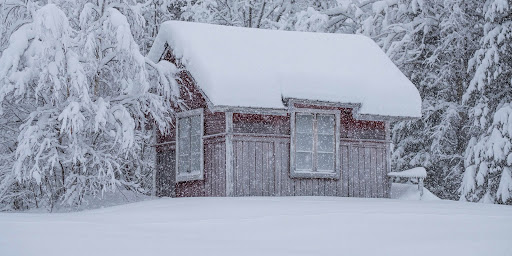 Fig: 2 - Cabins usually reflect the site context due to their size (Credits- Nikola Johnny)
CONNECTION TO ENVIRONMENT
The design of such trekking cabins is site-specific, thus each design is unique to the fabric of the place it resides in. Making it closely connected to the location of its existence.
One of the major places where these cabins are built is in the breathtaking hiking trails of Scandinavian countries like Norway, Sweden and Finland. These spaces are renowned for their scenic beauty. There are numerous locations around the world where such cabins are required and are widely used.
Major established trekking paths are surrounded by the vast open lands of Norway. Providing a variety of landscapes and hiking, making trekking camps a major attraction.
These cabins provide basic functioning resources to shelter in harsh environments. Cabins are provided in places on the trekking trail as pause spaces. Generally, these cabins are equipped with survival resources as their fundamental functions.
Today functions as hospitality spaces that provide access to tourists and visitors to the most remote locations around the world.
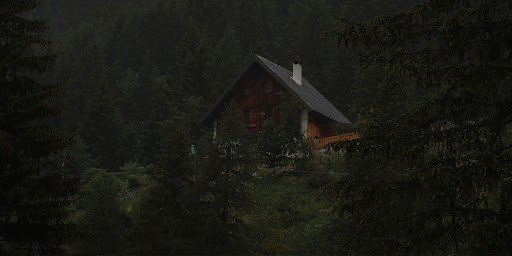 Fig: 3 - What will your cabin look like? (Credits-Jb Valery)
BRIEF OF THE COMPETITION
How can these spaces be expanded of their basic function, and be introduced as observation spaces too?
What innovative methods and architectural interventions can be done in order to expand their perception and use?
Brief: The architecture competition brief calls for a redesign of a cabin that is in connection with the Norwegian context and provides a refuge space for the trekkers as well as acts as a tourist hospitality space.
This design aims to challenge the perceptions and concepts we have towards cabin designs. By introducing additional spaces that promote connection with the natural context.
Expanding the functionality of these spaces is the aim of this challenge where it provides the participants with an opportunity to reimagine them completely.
OBJECTIVES
Context sensitivity: How effectively will your design model function with the context?
Connect: How does this design provide opportunities to connect with the nature it resides in?
Materials: Is the design connected to the local materials and techniques?
SITE
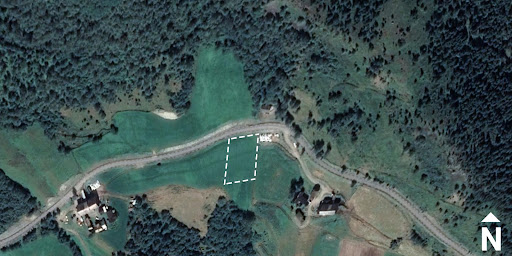
Vistdal, 2680 Vågå, Norway
Norway is a country of northern Europe that occupies the western half of the Scandinavian peninsula. About two-thirds of Norway is mountainous, and off its much-indented coastline lie, carved by deep glacial fjords, some 50,000 islands. Norway’s austere natural beauty has attracted visitors from all over the world. The site is located amidst the natural habitat that offers trekking and mountaineering areas adjacent to it. The site is surrounded by landscapes expanding to kilometres offering a great scenic view. The abundant flora and fauna are at an accessible distance from this site.
Coordinates: 61°52'21.2"N 9°00'26.9"E
Area: 3,956 sqm
Height limit: 6m
FAR (Floor Area Ratio): 0.8
Ground Coverage: 20%
Participants are free to experiment with the cabin design in terms of area, additional outdoor spaces, number of users and its surroundings.
