
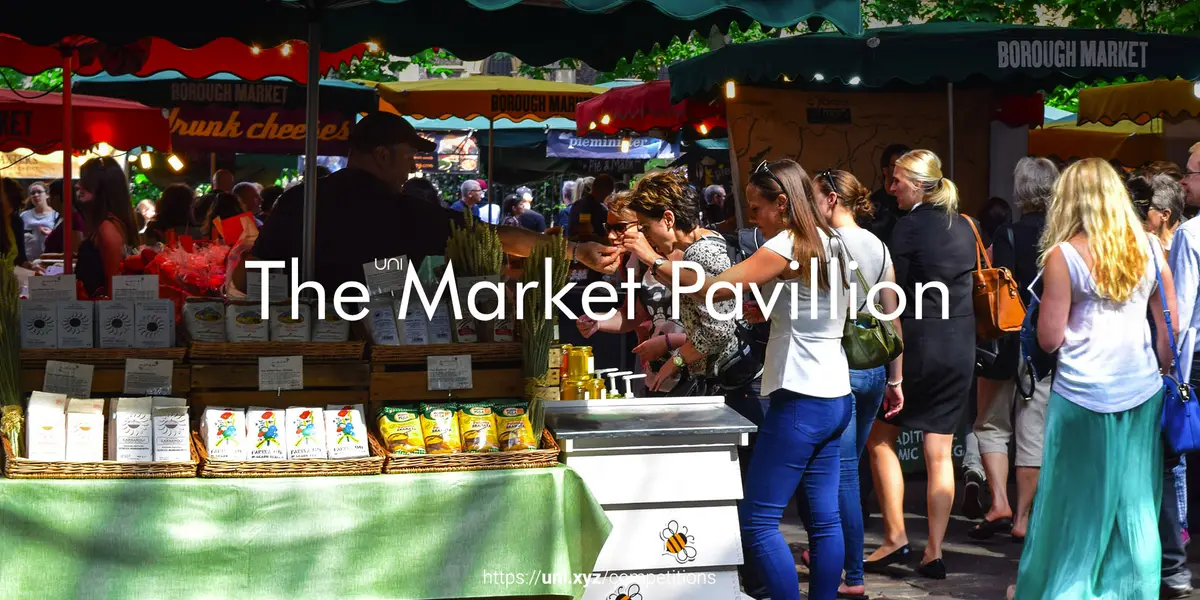
The Market Pavilion
Challenge to innovate an open-air marketplace
Overview
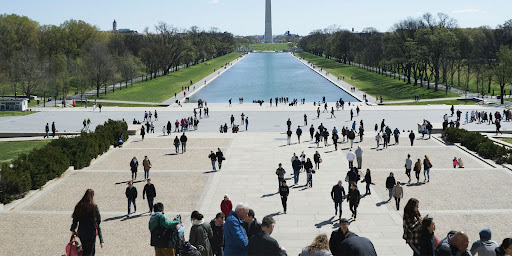 Fig: 1 - Public spaces have evolved with time and have played a vital role in bringing communities together (Credits-Jacob Creswick)
PEOPLE IN PUBLIC PLACES
Historically architecture has been regarded as a scale for the measurement of change across decades. Changes in the society's culture, politics and traditions were evidently seen in the styles and methods in construction and architecture prevalent at that time.
Place and people have been the fundamentals of architecture; which with time have shaped its being. Public spaces have been one of the major pioneers that have depicted the changing times across centuries. Changes in lifestyle, economical status, technology and science were reflected in the way of construction, material and design of public spaces. Thus making them a direct reflection of the kind of society they were situated in.
Change not only highlights the close interconnectedness between architecture and other societal factors but also establishes the idea that any major change in any of the sectors affects the public and the environment of that space in which it is located.
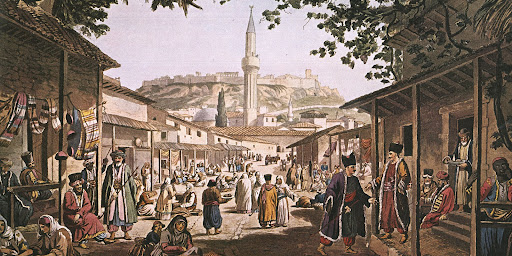 Fig: 2 - Bazar of Athens showcasing the open market 1821 (Credits-Edward Dodwell)
CHANGE IN MARKETPLACES
One of the major public spaces that have existed and changed across time had been the ones that were most used by the people; the marketplaces.
In the nineteenth and twentieth centuries, towns often built open-air structures solely for the use of farmers; which were called 'freestanding shades' and 'market sheds'. They were located in the central areas of the city, acting as a public square, they were built with easy cost-effective and quickly assembled low pitched roofs and piers.
In today's urban landscape these marketplaces have expanded their avenue into public parks, and public gathering spaces while still withholding their primary function as a market.
While similar to their historic predecessors in materials, size and configuration, modern open-air pavilions are emphasising their ability to transcend through changing times, these spaces still come with their own issues of spatial management, hygiene etc.
Bringing us all to think as to how in the 21st century can we innovate existing marketplaces spaces even better?
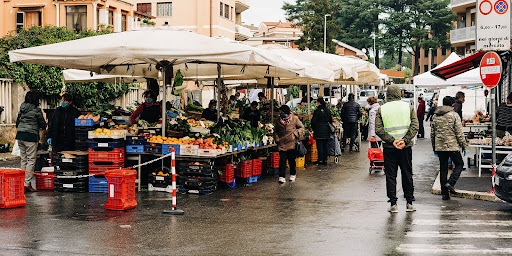 Fig: 3 -How can open market spaces be better in today;s times? (Credits-Gabriella Clare)
BRIEF OF THE COMPETITION
Understanding the transition observed across time, can we reimagine these market spaces in terms of our current day innovation?
How will the marketplace of the 21st century be visualised when imagined in terms of the technological innovation happening?
Even though the major functions and perceptions regarding these marketplaces have remained the same, there is a lot of scope for improvement and innovation. Change that is possible beyond the food production and selling paradigm.
Brief: The architecture competition brief calls for a design of an open-air marketplace by reimagining it in consideration of the current day developments and innovation.
Thus helping in recreating the imagibility held towards these spaces.
The aim of the competition is to come up with unique design solutions to innovate the traditional open-air marketplace, by expanding its use and scope for different community-based activities.
OBJECTIVES
Innovation beyond idea: How does the design challenge or innovate the idea of the traditional marketplace?
Futuristic approach: How is the design depicting the current-day technological and social trends?
Creativity: How will the design recreate the imagibility held towards marketplaces?
SITE
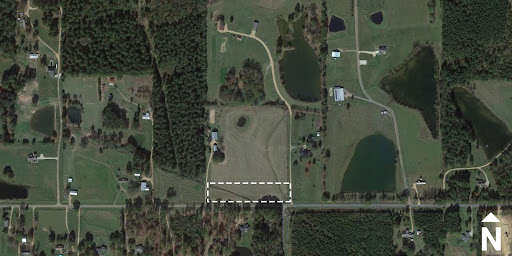
Mississippi, USA
The site for this challenge is located in the USA. The United States is probably known for its great variety. Its physical environment ranges from the Arctic to the subtropical, from the moist rainforest to the arid desert, from the rugged mountain peak to the flat prairie. The total population of the United States is large by world standards, its overall population density is relatively low. The country embraces some of the world’s largest urban concentrations as well as some of the most extensive areas that are almost devoid of habitation.
The site is located amidst the green pastures of land. Neighbourhood surrounded by clusters of residential colonies. The majority of the adjacent lands are farmlands, thus participants can embody the character of the site contexts in their design.
- Coordinates: 32°05'40.1"N 90°20'41.2"W
- Area: 11,752 sqm
- Height limit: 6m
- FAR (Floor Area Ratio): 0.8
- Ground coverage: 50%
AREA PROGRAMME
The programmatic outline is intended for 100 users at any assumed time of the day. This is recommended for this challenge.
The space ideas are as follows:
- Stalls/selling platforms/spaces: 60%
- Public gathering/engagement spaces: 30%
- Services and storage spaces: 10%
Other additional spaces can be added by the participants as per their design needs.
Similar Competitions
Discover competitions you might be interested in


A Global Graduation Competition for Architecture, Urban Design & Interior Design


Aesthetic Design Ideas for a Better World · Student Category
