
Tranquil
Challenge to design an urban meditation center
Overview
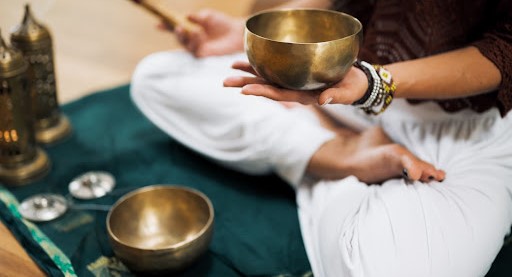 Fig: 1 - Meditation is a common form of mental exercise practised on a wide scale today.
THE PRACTISE OF MEDITATION
Meditation, a process synonymous with achieving a mental state of tranquillity or training the mind to achieve alternate consciousness, is one that is an age-old tradition followed in various parts of the world. The oldest traces of it can be found in Indian records dating to 1500 BCE, although the origin of the practice is still debated upon. Many famous individuals are credited across cultures for propagating and creating different paths and methods to achieving this state of mind.
This practice spread around the world and to the west around the 1700s when the scriptures were transported to various places containing references to these meditation techniques. Some of these include famous ones such as the Bhagavad Gita, Buddhist scriptures and the Upanishads.
For a long time, this practice was only seen as of importance for philosophers and their studies, until the 20th century when a prominent figure gave a speech about the practice in the US and the practice became a widely adopted one.
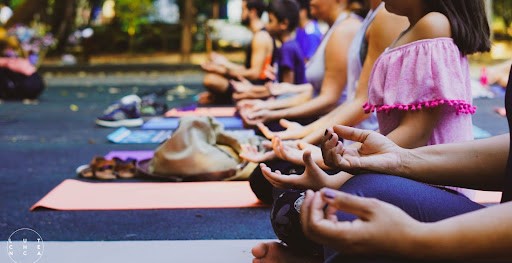 Fig: 2 - The fitness is practised individually as well as in organised groups to foster cohesion among groups
MEDIUM OF PEACE IN BUSY CITIES
“The greatest thing in the world is to know how to belong to oneself” is a wise quote said by the French philosopher Michel de Montaigne. Today’s world is one that this quote highly resonates with. In the fast-paced materialistic world, it is essential that we all take a step back to reassess our life. Meditation is one method of taking this pause.
The most common excuse one hears for not being able to spend more time on this is simply not having the time between managing their busy work lives and their normal lives. With so much demand for our time, it takes a conscious effort for people to spend some time doing something for themselves such as meditating and just having a calm moment, especially amongst the bustle in cities.
Apart from the psychological benefits that meditating impacts on a human, it also has various physical health benefits that can be reaped, such as lowering blood pressure and improved sleep.
But with tricky work schedules and the lack of peaceful and calm spaces available in crowded cities, how can peace and human respite be met?
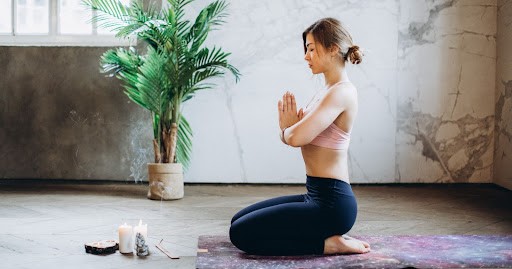 Fig: 3 - The quaint setting plays an important role in determining the effect and influence of this activity on people’s minds.
BRINGING MEDITATION IN CITIES
Brief: The challenge is to provide an urban facility to aid the residents and visitors in having a meditation space.
The focus of this architecture competition is to blend the facility’s exteriors with the cityscape but make the interiors disconnected from the city or even reality. The built form must be able to connect with the people, through its form, layout or spaces.
Sustainable strategies must be employed to create a pure and natural environment inside the centre. The material palette must be selected consciously to suit the needs of the comfort of the occupants and aid a calm ambience for meditation activity. Noise must be managed for silent interior spaces.
The challenge here would be making the space a neutral and barrier-free space to accommodate a wide range of people. The facility must distance the facets that need to be disconnected from the outside while keeping it less constricting can prove beneficial in creating an environment that is peaceful that filters out the city life.
OBJECTIVES
Concept - The design must be able to blend into the surrounding environment seamlessly to create a natural setting for well-being.
Ambience - The space must have a calming and comfortable ambience for all its users induced by the material palette, element design and form.
Balance - Privacy and interaction must be guided in the layout as per the nature of the activity. The aesthetics and functionality must be balanced to create a mix of open, semi-open and closed spaces.
Context - The design must respond to the (existing) site conditions. The wider socio-cultural, economic and environmental settings are to be considered in the design approach.
SITE
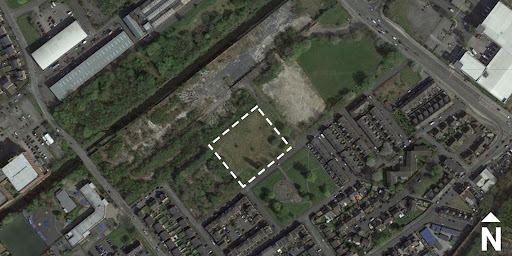
The site is located in Manchester, United Kingdom. Surrounded by companies, industries and offices, this place would be optimal for a rewinding space such as this project. The city offers a chance at a healthy lifestyle for its citizens with many fitness and well-being centers distributed all over the city.
The site is located beside Saxton Street Park. It is located amidst a few residences and institutes making it helpful for the facility to reach out to a variety of people in need of such a space.
Site area - 5951sqm
Ground coverage - 30%
Height restrictions - 12 metres
Maximum FAR: 1
Setbacks (as per CAD plan)
Coordinates - Manchester, Saxton Street Park
PROGRAMMATIC OUTLINE
The area programme for this project must include meditation spaces both private and common, contemplative spaces and landscape. The facility need not just be for meditation, but for a collective means of obtaining peace or calm.
There can be separate or combined spaces catering to this purpose with other adjacent or narrowed facilities for different purposes such as reading spaces, resting spaces. Any creative addition may be done to the project within the provided constraints.
Similar Competitions
Discover competitions you might be interested in




Design challenge to reuse E-waste



Imagining parliament for an unified world.


Design challenge fostering public involvement in wildlife research

Design an urban fitness centre
