
Transfarm 2.0
Challenge to design a farming experience in cities
Overview
 Fig: 1 - Farming is an ancient practice that dates back to the first settlements of humankind.
HISTORY OF FARMING
Finding sustenance during prehistoric times that didn’t involve moving from one place to another, hunting and getting to settle down in one place is how agriculture started as a practice. It has been the key source of a region’ dietary needs other than meat. Farming practice maintained equilibrium back when the population was not a huge issue, but it has been stumbling in many ways now.
Farming, be it large scale, traditionally on land or small scale, modern in greenhouses and other spaces, is now on the verge of collapsing as an industry. The industry is hinged on local farmers in rural areas where resources and finances are scarce, making it difficult for them to continue the practice and support the entire food supply system on their own.
Cooperation on all levels is needed. With technology advancing at a faster pace and alternative methods being invented to maintain a healthy inflow of food, farming in places never thought of before is becoming a possibility.
The shift to newer methods of farming from the traditional ones is going to be a big change, can this farming shift be altered physically into dense spaces as easily as any other modern intervention would?
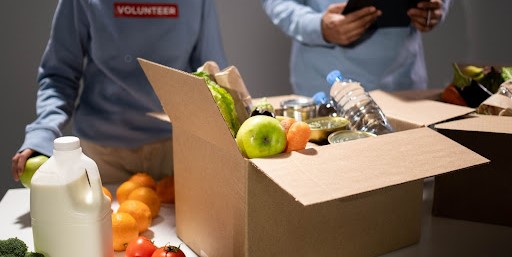 Fig: 2 - As farming moved away from urbanised areas, the food supply chain grew enormous with many systems and personnel.
URBAN FARMING AND OTHER TRENDS
Urban farming is the term given to the practice of growing sustenance in a heavily and densely populated area with whatever limited spaces are available. The trend of urban farming is picking up in present times in metropolitan cities with both authoritarian and public effort.
This practice has often been confused with subsistence farming, community gardening or homesteading. As more people are beginning to understand how the food system and continuum works, they are involving themselves in the process by trying to optimise and adapt them into whatever situations they’re in, helping reduce the strain on one sector.
This initiative is a work in progress and with the availability of space reducing exponentially, it falls to us to try to find solutions in terms of spaces to practise urban farming. With most densely populated cities having a lack of open spaces and with people wanting to make use of the remaining pieces of land for residences and other utilities, this intervention must find its space in a way that merges with the existing structures in the city.
By reviewing the trends, contextual and design problems that go into farming, how can urban farming sustain in dense cities?
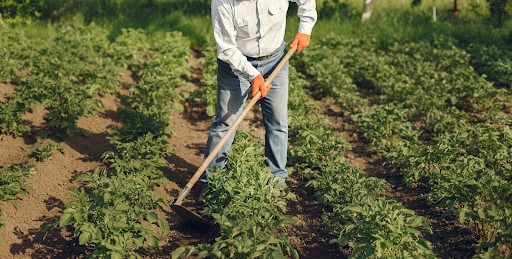 Fig: 3 - Urban farming might be the solution to this crisis and would help manage their own products without having middlemen involved.
BRINGING FARM INTO THE CITY
Brief: Design an urban farming facility in a city with a considerable density and in need of food security.
The facility must cater to the food needs of the neighbourhood and also sustain the supply end of the chain. The materials and mechanisms used must also remain in balance without overloading each other. Sustainable strategies must be incorporated in the design so that the negative impact of the facility on the environment is reduced while improving building performance.
Transparency and permeability must be offered to local citizens so that they can access and learn about the system of food supply and farming practices for self-sustenance. Because the facility is to be built amidst a settlement, keeping a farm in a managed state is essential so as to not disrupt the functioning of the neighbourhood.
The design must respond to the existing site conditions and the wider socio-cultural, economic and environmental settings in the design approach.
OBJECTIVES
-
Transform - Establish a category to augment synchronised living.
-
Connect - Filling the gaps amongst the key components of the Biosphere.
-
Mindset - Changing the perception of agriculture by education and self-experience.
-
Balance - Strike a balance between our own enjoyment and respectful treatment of all creatures.
SITE

Namibia is one of those countries where subsistence farming is a practice followed in a few places but as a community needs to find a stable source of food. While some people in the city follow subsistence farming, the country is at a point where every city must make itself efficient in terms of produce and other sustenance.
The site is located in Windhoek at the central junction amidst an educational sector and a few offices around. The location for the typology is ideal since it is in proximity to many settlements in the city that can help in distribution and awareness of urban farming and even employ local residents in the process to become self-sufficient.
- Site area: 10,850 sqm
- Ground coverage: 50%
- Height restrictions: 8 metres
- Maximum FAR: 1
- Setbacks (as per CAD plan)
- Coordinates: Windhoek, Namibia
PROGRAMMATIC OUTLINE
The following programmatic outline is the point to begin your design at. You can add more functions and activities in relevance or modify the below design programme. The facility has to be designed for 100-150 visitors a day and for a permanent staff of 50.
- Food supply
Farming and Greenhouse plantations (farmland, processing space, water systems, distribution/infrastructure) ~ 40% of the open site area
Storage of food supply and other, Utility and maintenance, surveillance room, electrical room etc~ 15% of built area
- The study, Research and administration (50 people)
Administration offices, Utility, services and maintenance, Laboratories and research centre (indoor plantation, storage, library) ~ 20% of built area
Learning and Training centre (for permanent staff) ~ 10% of built area
- Engagement and Recreation
Workshops and Seminar halls (for volunteers and enthusiasts), Gathering spaces, Cafeteria, Community garden and services~ 15% of built area
