Weave
Sustainable fashion Hub challenge
OVERVIEW
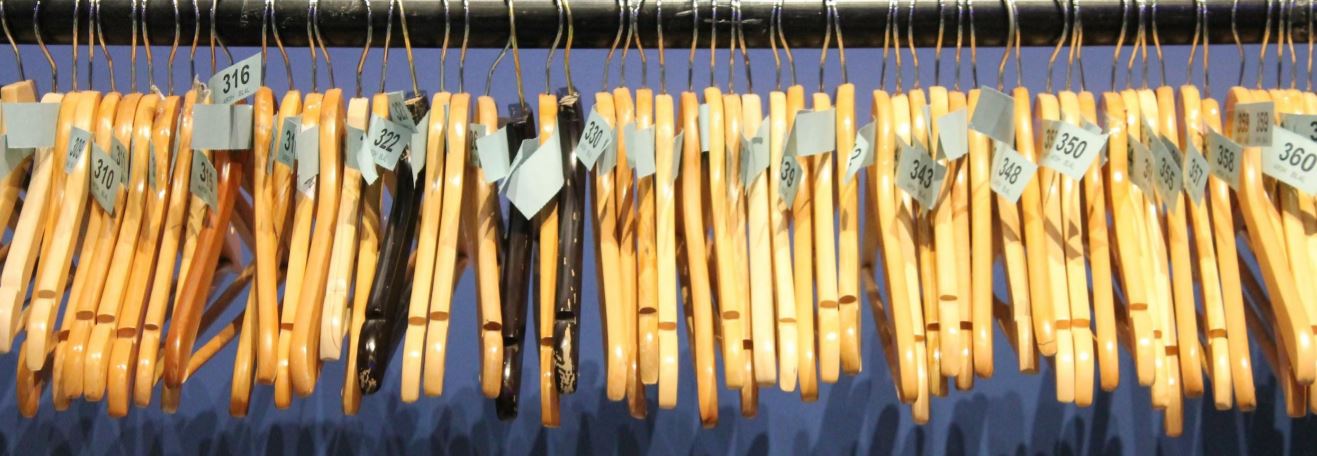
Img 1: Increase rate of sales in consumer markets - A concept
Premise
Today the Global Apparel Market is worth $1.34 trillion a year in retail sales, projected to grow to reach $1.4 trillion by 2025, with almost 75% of the world’s fashion market concentrated in Europe, USA, China and Japan.
Fall in prices, quicker production rates and easier access to fashion (fast fashion), has meant that fashion is now more accessible to the common man than ever before.
Taking a look at Europe, for example, studies have shown that the percentage of clothing bought by a resident of the European Union has increased by 40% in just a few decades, with the current spending average of about $782 per year per capita.
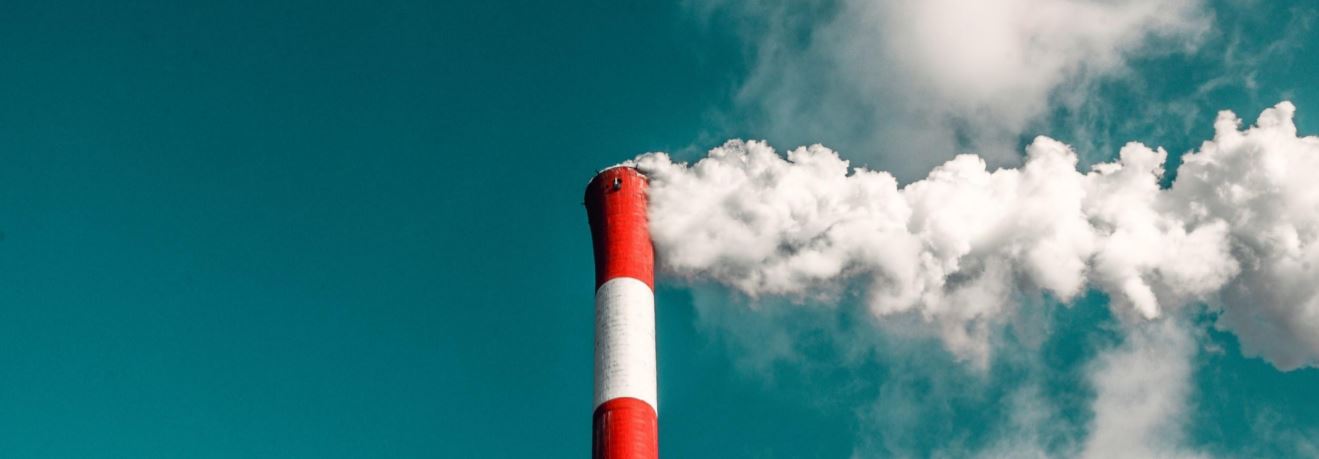
Img 2: The large extent of pollution that the apparel industry is responsible for
Issue
But at what cost?
The clothing and textile industry is the second largest pollutant in the world (following oil) contributing to 10% of global greenhouse gas emissions.
Reasons which cause concern include
- Abuse of natural resources (land, water and an increased use of chemicals and pesticides) for the production of raw materials at a faster rate.
- Manufacturing and finishing processes such as spinning, dyeing or giving the fabrics strength and shine are energy-intensive processes in which large amounts of water and chemicals are used.
- Most textile raw materials and final products are imported into the EU, which means long delivery routes.
- Consumer User Pattern
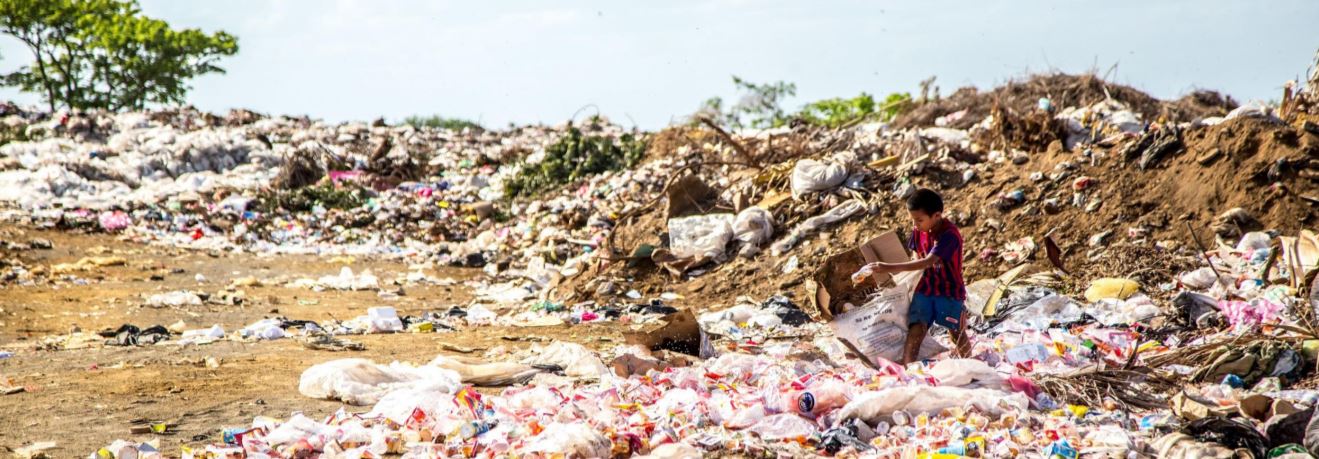
Img 3: Image indicative of the large amount of non recyclable waste generated by the apparel industry.
The global environmental impact of clothing in Europe is high, almost accounting 2% to 10% (depending on the type of impact), estimated to increase atleast by 50% by 2050.
The ‘Big 5’ combined, Germany, the UK, Spain, France, and Italy, produce and consume a much greater quantity of clothing than the rest of the EU, and as such have a much higher environmental impact.
Studies examining the clothing waste disposal across countries of Europe have shown that the countries found to be discarding the greatest quantities of clothing, per capita, are Italy, Spain, the UK and the Netherlands. Spending on clothing per capita is also highest in Italy.
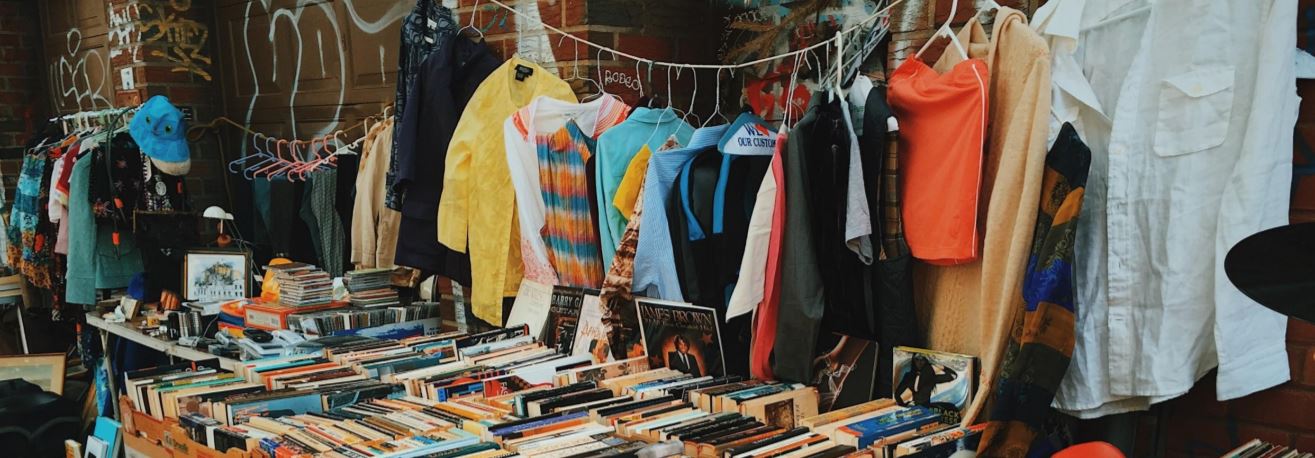
Img 4: Image indicative of flea markets which promote resales and second hand markets.
Solutions?
Findings also include
- Behaviour change amongst consumers can make a big difference to the environmental impact of clothing.
- Reducing clothing in residual waste is a key area of focus.
Various ways to address these issues have been proposed by the European Union, including developing new business models for circular fashion and attempting to sway consumers from their traditional choices and behaviours towards more sustainable options.
Adopted by Europe in 2018, the system of circular economy (Inspired by the natural lifecycle) promotes Reduce, Reuse, and Recycle.
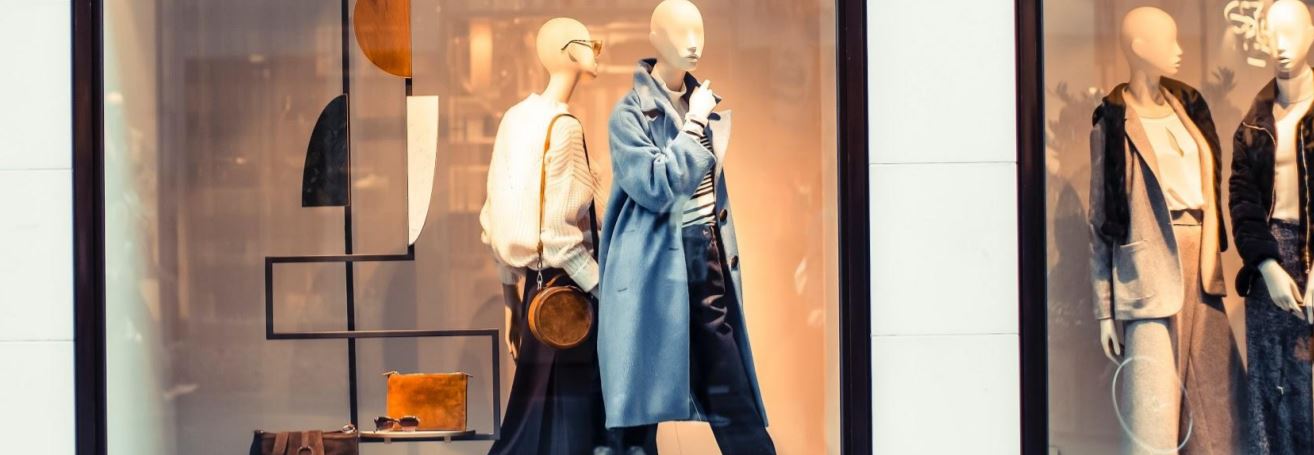
Img 5: Departmental stores with mannequins donning fast fashion.
Brief of the competition
What does this mean when we extend it to the realm of fashion? How do we reduce waste and keep materials within the consumption and production loop for as long as possible? How do we maximize the life cycle of products? Would redesign be a viable solution? Would the use of recyclable material help?
How do we empower second hand and reselling platforms? How do we work towards making a positive impact on the environment? And most importantly how do we ensure that their quality is second to none? Can design be used as a tool to inspire, create awareness and change perspectives?
Brief: Design a Fashion Hub to sensitize the community about the increasing negative effects of fast fashion, and the dire need to adopt a sustainable lifestyle.
Objectives
Vision: Of being able to use design as a catalyst to create awareness.
Function: To be a combination of complex, collaborative spaces of commercial activity and learning.
Quality: Demonstrative of sustainability.
Balance: Between a human - centric and a techno- centric solution for the modern consumer.
The following objectives can be a point of beginning to conceive this design. Participants can assume their own contexts and users before initiating their design process.
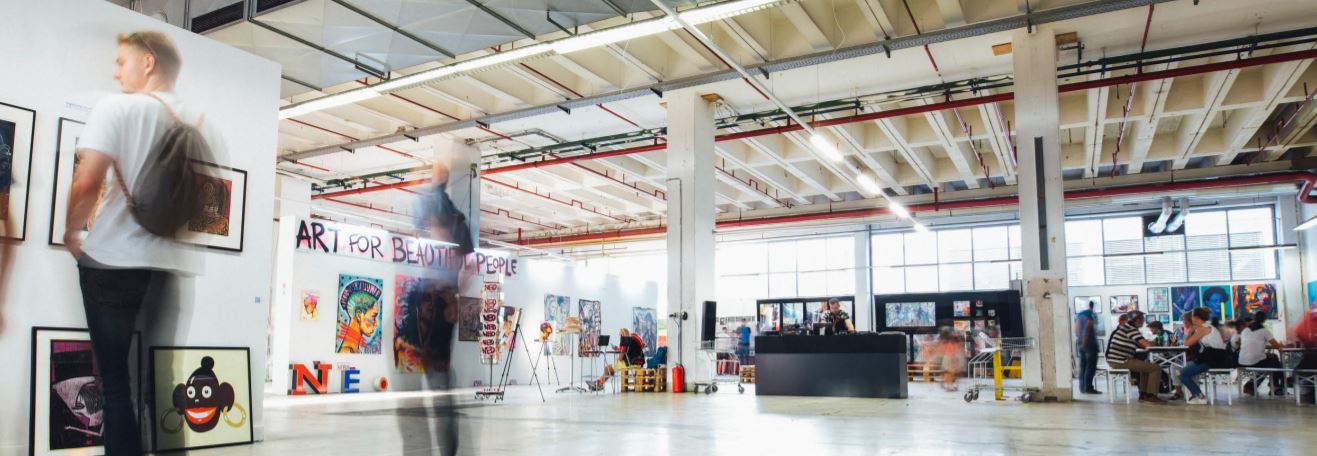
Img 6: Image representative of collaborative learning/community spaces.
Program Outline
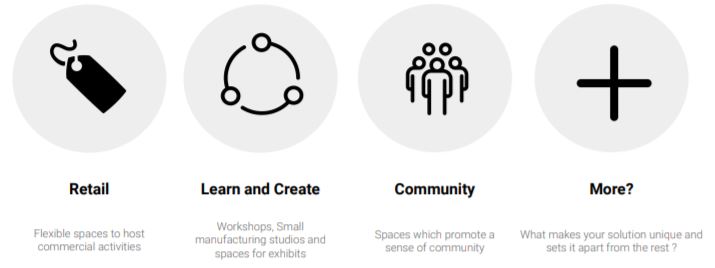
The following programmatic outline is recommended for this challenge. Participants are recommended to craft a schematic programme based on these given segments or they can propose something new altogether.
Img 7: Location of Milan with respect to Italy.
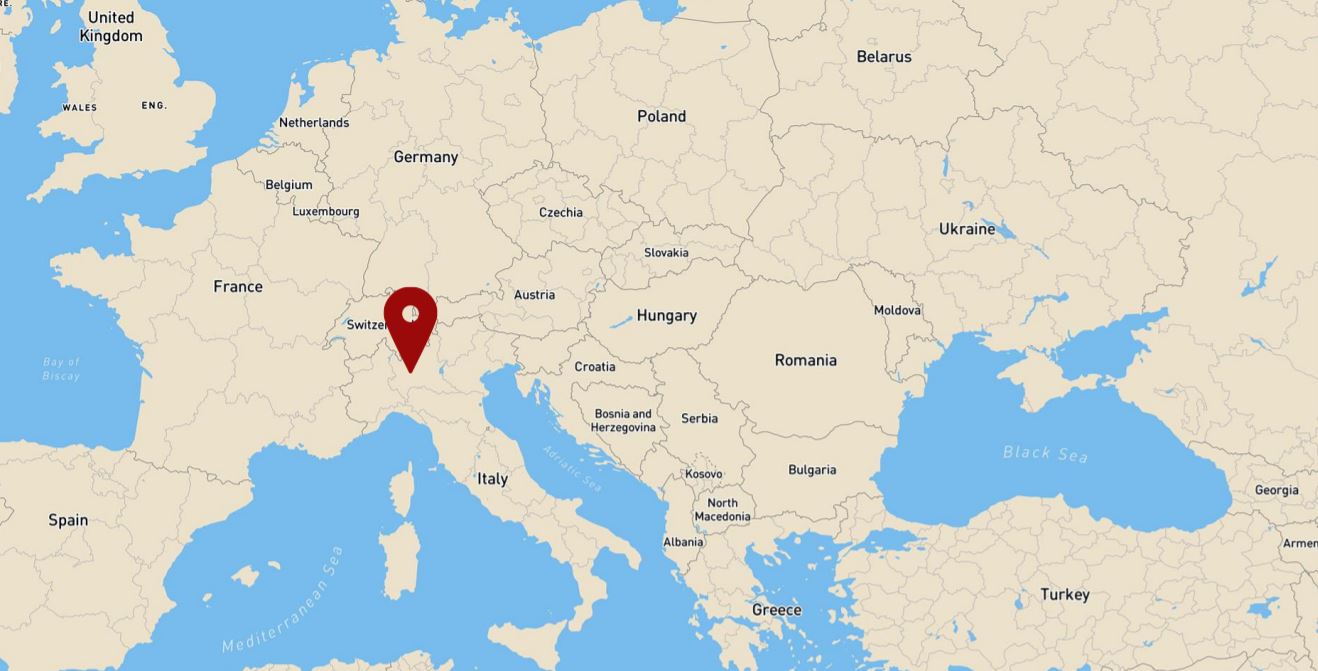
Milan, Italy
Alan Garner said “speak English, kiss French, drive German, and dress Italian”. World renowned for its high-quality craftsmanship, sharp tailoring and luxurious designs, Italy has been leading the Fashion Industry since the 11th century. At its core is Milan. Hosting a fashion week bi- annually, each autumn and spring, Milan welcomes the who’s who of fashion in an aim to showcase their new collections ahead of when they will be available for purchase.
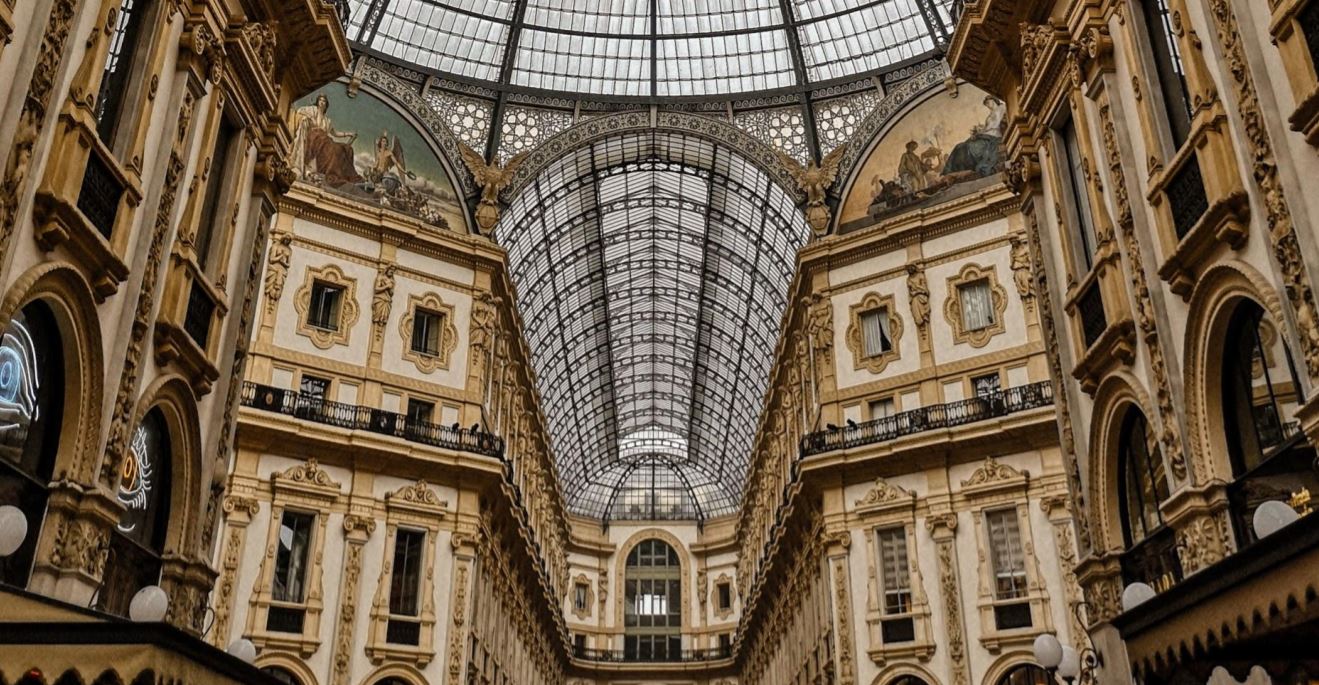
Img 8: Galleria Vittorio Emanuele ii, Milano, Italy.Italy's oldest active shopping mall.
Last September sustainability and minimalism came into sharper focus at Milan. Exhibitions spoke about increasing transparency in production and about the rise in conscious consumerism. While some see Milan’s fashion week as superficial frivolity, it is not all fun and games. In recent years, it has come to be a key event to promote sustainability in fashion, especially with a focus on luxury products.
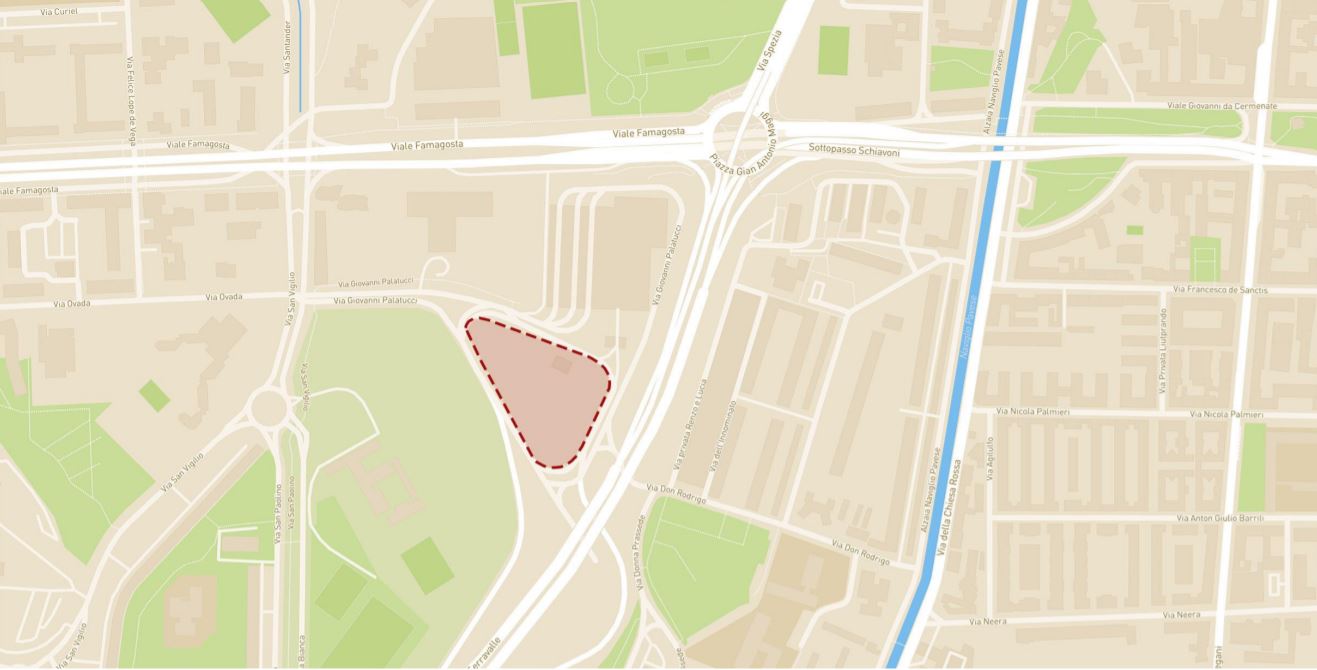
Img 9: Location of site
Site Plan
Within half a kilometre distance to the Collegio di Milano, this site was chosen in understanding of the vital role that the youth play in making tomorrow. Close to several tourist attractions( Cascina Monterobbio, San Giovanni Bono Church), it is located within walks reach to a public parking facility and public transport (metro and bus) systems.
- Area: 15,754. 8 m2
- Site coordinates: 45°26'07.2"N 9°10'05.4"E