
WIC
Challenge to design a Wetland Interpretation Center
Overview
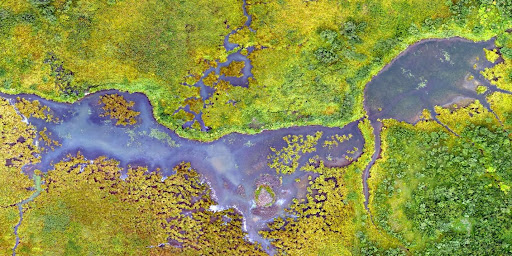 Fig: 1 – Diverse and productive wetlands (Credits-usgs)
PREMISE
One of the most biodiverse and productive natural areas in the world are wetlands. They link land and water and provide ecosystem services that benefit both wildlife and the development of human civilization.
They are distinct ecosystems that are flooded by water, either permanently or seasonally, where oxygen-free processes prevail. The primary factor that distinguishes wetlands from other landforms or water bodies is the characteristic vegetation of aquatic plants, adapted to the unique hydric soil. Wetlands play several functions, including water purification, water storage, processing of carbon and other nutrients, stabilization of shorelines, and support of plants and animals.
Despite their essential role in global climate regulation, wetlands remain undervalued by policy and decision-makers in national plans. Approximately 35% of the world’s wetlands were lost between 1970-2015 and the loss rate is accelerating annually since 2000.
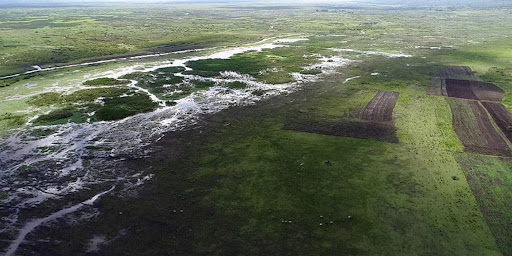 Fig: 2 – Serengeti Wetland- Aerial photo made with a UAV flight showing crops and grazing lands replacing the riparian and floodplain vegetation on the north bank of the Upper Mara River Wetland. (Credits- Francesco Bregolngeti)
IMPACT
Wetlands are critical as they directly or indirectly, provide almost all of the world’s consumption of freshwater. More than one billion people depend on them for a living. Up to 40% of the world’s species live and breed in wetlands, although now more than 25% of all wetlands plants and animals are at risk of extinction. These losses have been driven by climate change, population increase, urbanization, and changing consumption patterns that have fueled changes to land and water use and agriculture.
While Ramsar sites are designated to wetlands that remain protected, implementation of wetlands in management and environmental policies of the region is crucial. Its inclusion and awareness to the general public as an environmental asset is the need for the hour.
To ensure and induce protection of wetland, can we bring it to the people and people to it? Can we design something that protects it as well as increases its value as an important part of the ecosystem?
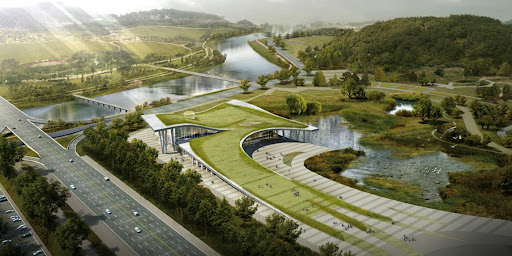 Fig: 3 - Suncheon International Wetland Center (Credits-G-Lab*)
BRIEF OF THE COMPETITION
The design challenge is divided into two phases:
- Phase 1: Bringing the wetlands out
Design a visitor and wetland interpretation center. The center aims to impart education and awareness to the visitors/tourist. Engage them with interactive experiences and support the working and conservation of phase 2 of the design and the entire wetland.
- Phase 2: Bringing the humans in
There is a dire need for a balance between human and natural interventions. A healthy bond needs to be re-established, without keeping us as the center of the design.
To design for common ground between Architecture and nature?
Wetlands are extremely sensitive to change, hence the part intervention expected to be in tune with the environment. It must ensure an open dialogue without disturbing the reserved area. Space inside the wetland zone can be an open deck, viewing pavilion, or a bird observation deck where the visitors can absorb the constituents of the natural habitat and its residents.
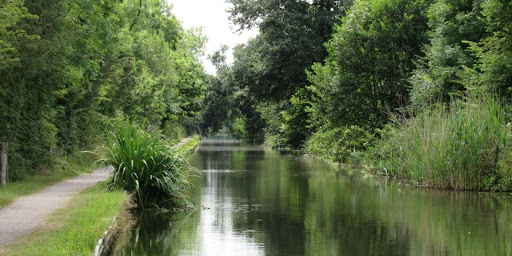 Fig: 4 – Tame Valley, UK (Credits-www.tamevalleywetlands.com)
TAME VALLEY, UK
The Tame Valley Wetlands are located between Birmingham and Tamworth, in North Warwickshire and south-east Staffordshire. These wetlands cover an area of over 1,000 hectares, hosting a variety of important habitats and a rich diversity of species. The wetland landscape across the Tame Valley has been shaped by man’s use of the rich geology underlying the valley.
The low lying wetlands adjacent to the River Tame have seen dramatic changes over the last decades due to gravel extraction and the transport routes needed to extract these minerals have resulted in a fragmented and degraded landscape. This in turn has caused a loss in wildlife at an alarming rate.
In a fast few years, the wildlife trust of the region decided to revitalize the landscape through various schemes and activities, like public pathways, community involvement and recreational development of the entire wetlands.
OBJECTIVES
- Construction: Material usage and construction techniques for visitor’s centre used must be complacent and with the local context.
- Balance: Balance between wetland landscape and human intervention.
- Landscape & Sensitivity: The intervention must be sensitive to the environment it is being built in.
The objectives can be a point of beginning to conceive this design. Participants can free to form their programmatic outline according to the user group.
SITE
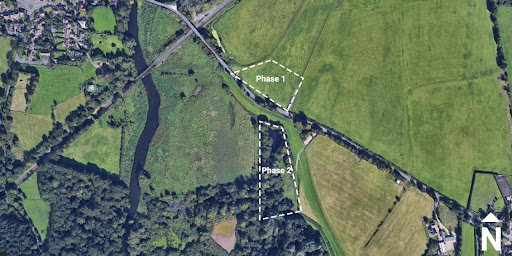
Lea Marston, England
- Coordinates: 52.5368143 -1.6933766
- Site Area: 11,077 sqm (educational /information centre), 15,482 sqm (Wetland Intervention)
- Maximum FAR (both sites): 1
- Ground Coverage: 50%
Lea Marston is a series of three purification lakes created by the Environment Agency (EA) from former gravel extraction pits. They were opened in 1980 and helped remove pollutants from the River Tame. Today they act as spots for walks and bird hideouts.
The phase 1 site aims to accommodate the educational aspect of the centre and the phase 2 site covering a minimal part of the lake that seeks to create a better environment for the wetlands and viewpoints for the visitors.
PROGRAMMATIC OUTLINE
- Phase 1
Visitor’s centre 60%
Information/exhibition area/Museum area, Workshops and learning areas, Community/gathering space, Observation areas
Services 40%
Administration offices, Cafeteria/Restaurants, Toilets/washrooms, Utility and Maintenance.
Phase 2
Landscape and recreation 60% (Additional plants/shrubs can be added but the design should not harm the existing vegetation)
Maintaining and adding existing landscape/plants: Marsh and bankside plants, Emergent plants, Marginal plants, Floating-leaved and bottom-rooted plants, willow trees.
Recreation 30%
Decks/pathways, observation points/pavilions, picnic spots
Services 10%
Washrooms, Information areas, Security
Similar Competitions
Discover competitions you might be interested in




Design challenge to reuse E-waste



Imagining parliament for an unified world.

Design challenge fostering public involvement in wildlife research


Design an urban fitness centre
