AB House by Atelier Boter: A Bright and Open Family Loft in Pingtung, Taiwan
AB House is a double-height loft in Taiwan redesigned for open living, natural light, and flexible family-friendly functionality.


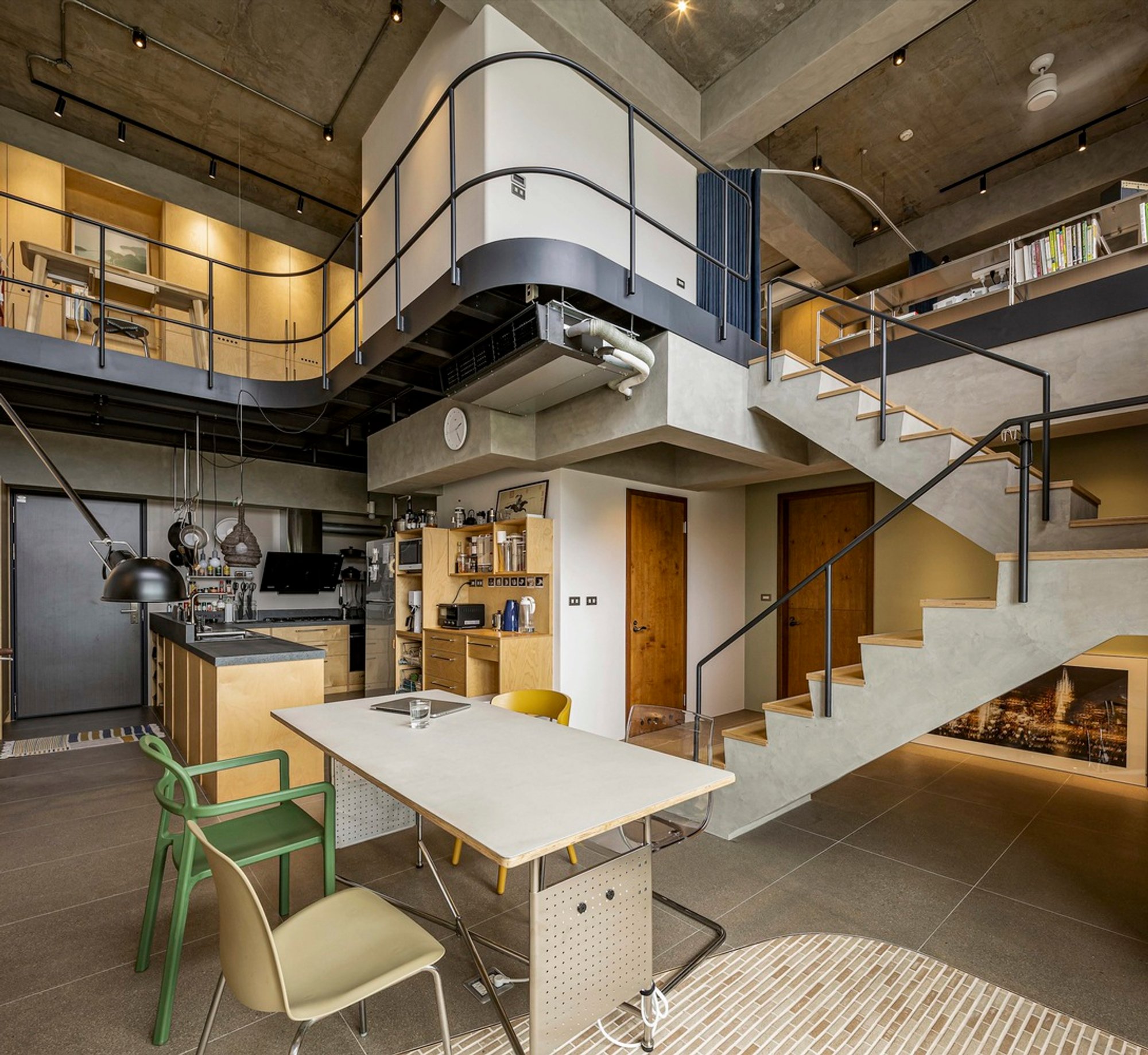
Located on the fifth floor of a residential building in Pingtung City, Taiwan, AB House by Atelier Boter is a thoughtful apartment renovation that reimagines compact living through spatial openness, material warmth, and flexible family-oriented design. Completed in 2021, the 110 m² loft-style residence marks the studio’s first personal housing project, designed by and for the architects themselves—a couple with a young child.
Maximizing Natural Light and Ventilation
Originally planned as a four-bedroom unit, the architects took the rare opportunity of intervening during the building’s construction phase. By stripping away many of the pre-defined partitions, they were able to reshape the apartment around its most compelling features: double-height ceilings, expansive windows, and a private balcony. The result is a home where natural light, airflow, and visual openness define the daily experience.
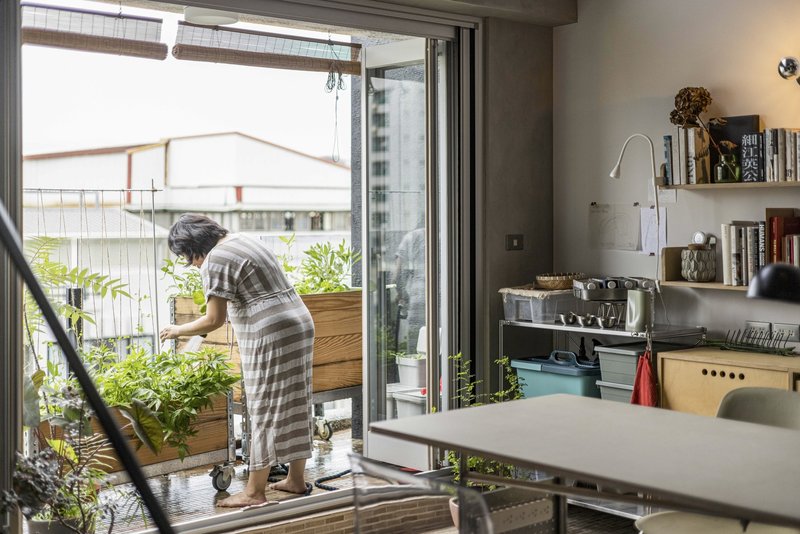
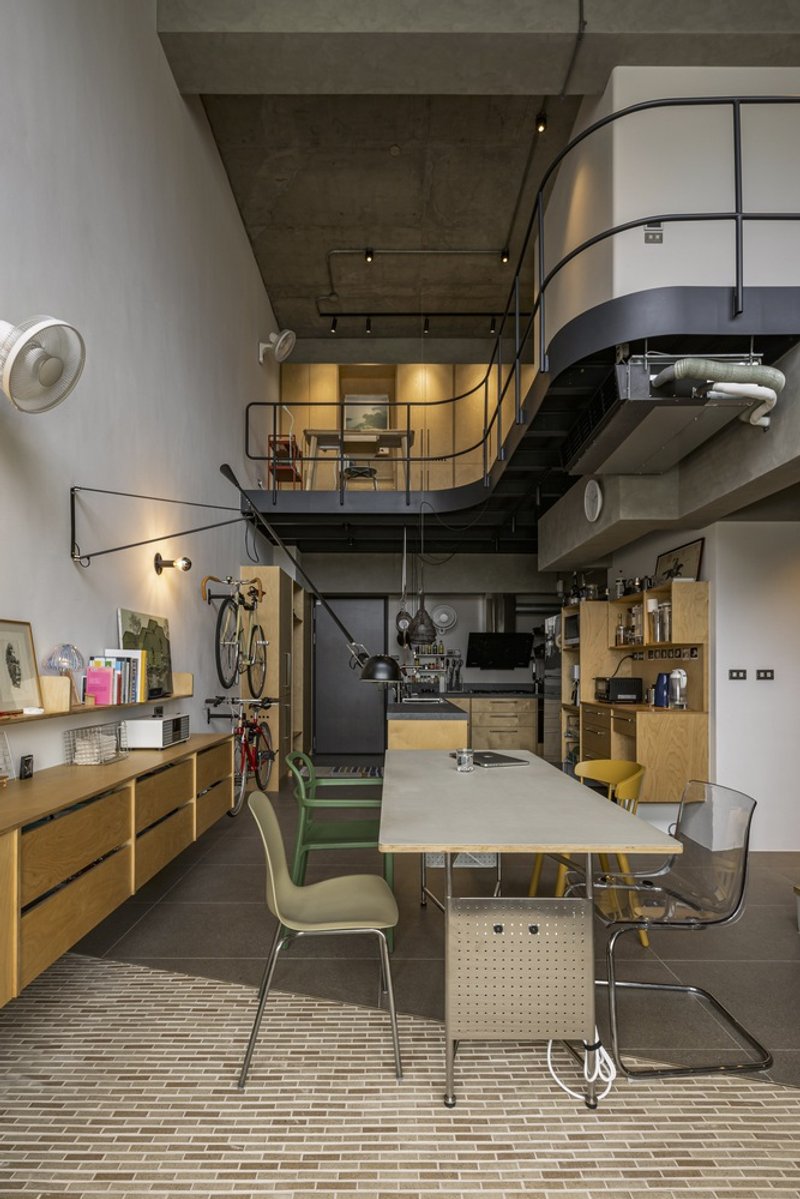
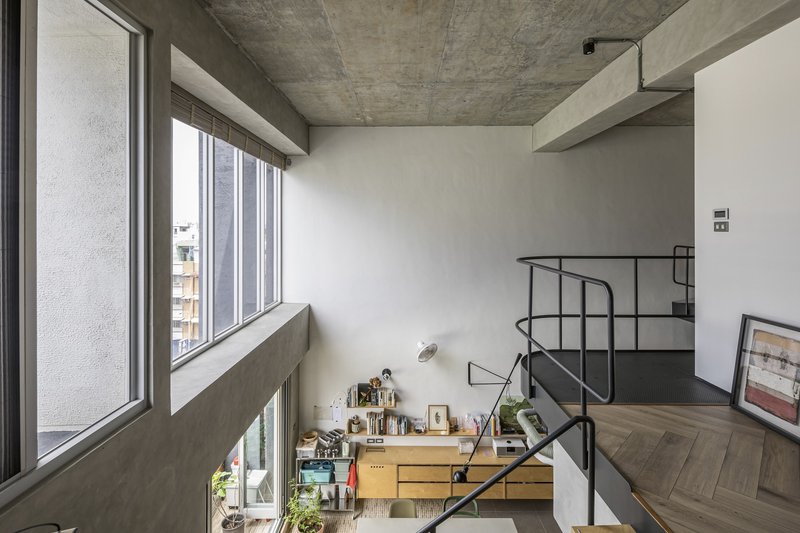
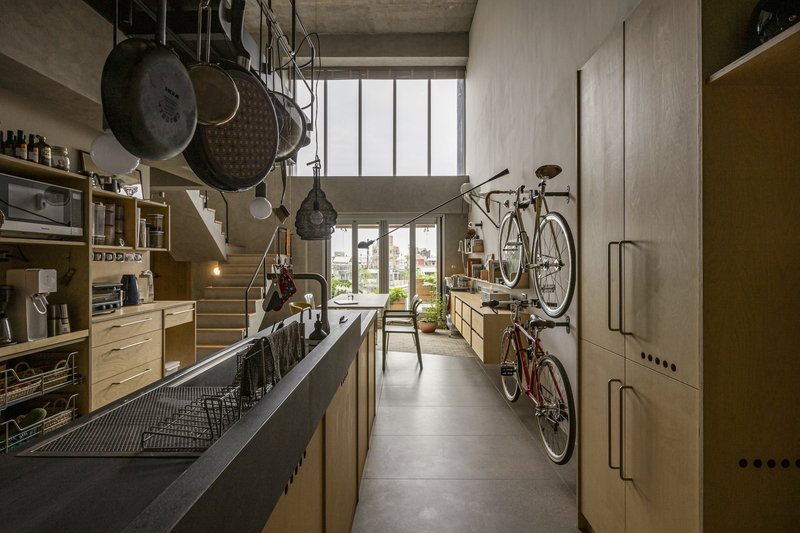
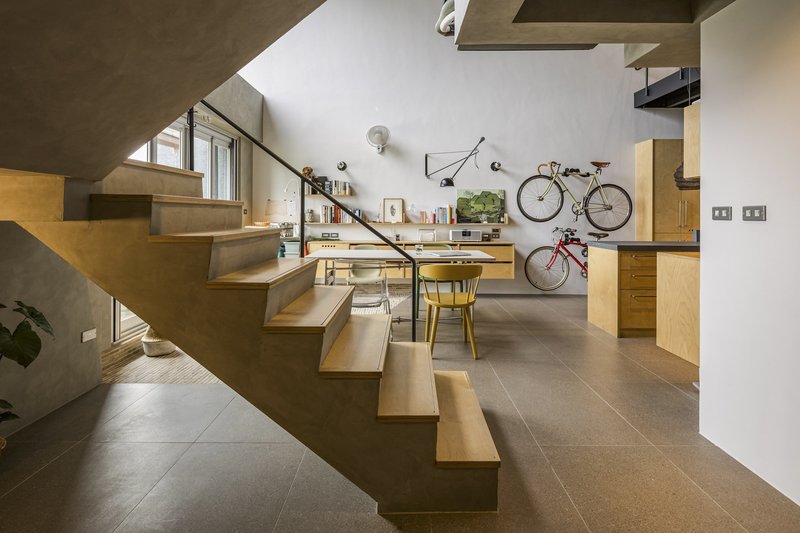
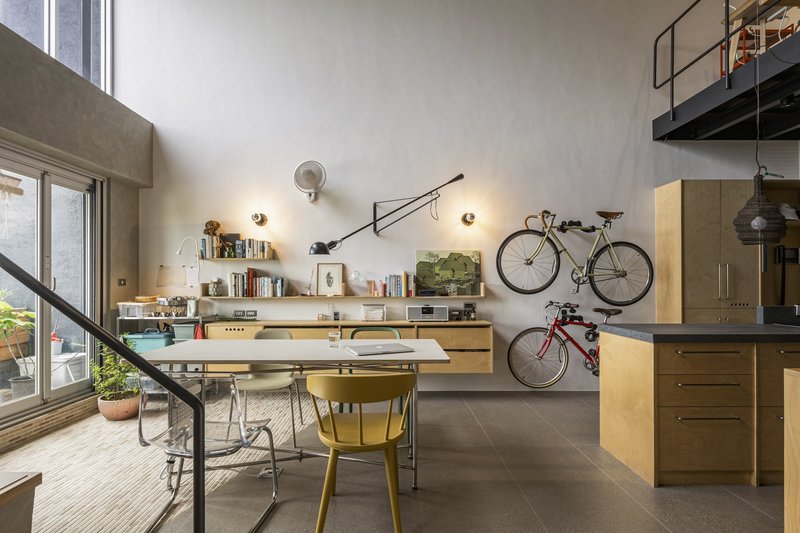
Upon entering the unit, visitors are met with a direct line of sight through the open-plan kitchen and dining area, extending all the way to the lush balcony. The outer wall’s large glazed openings bring in daylight and breezes, while connecting the interior with the surrounding urban greenery.
Functional Design with Family in Mind
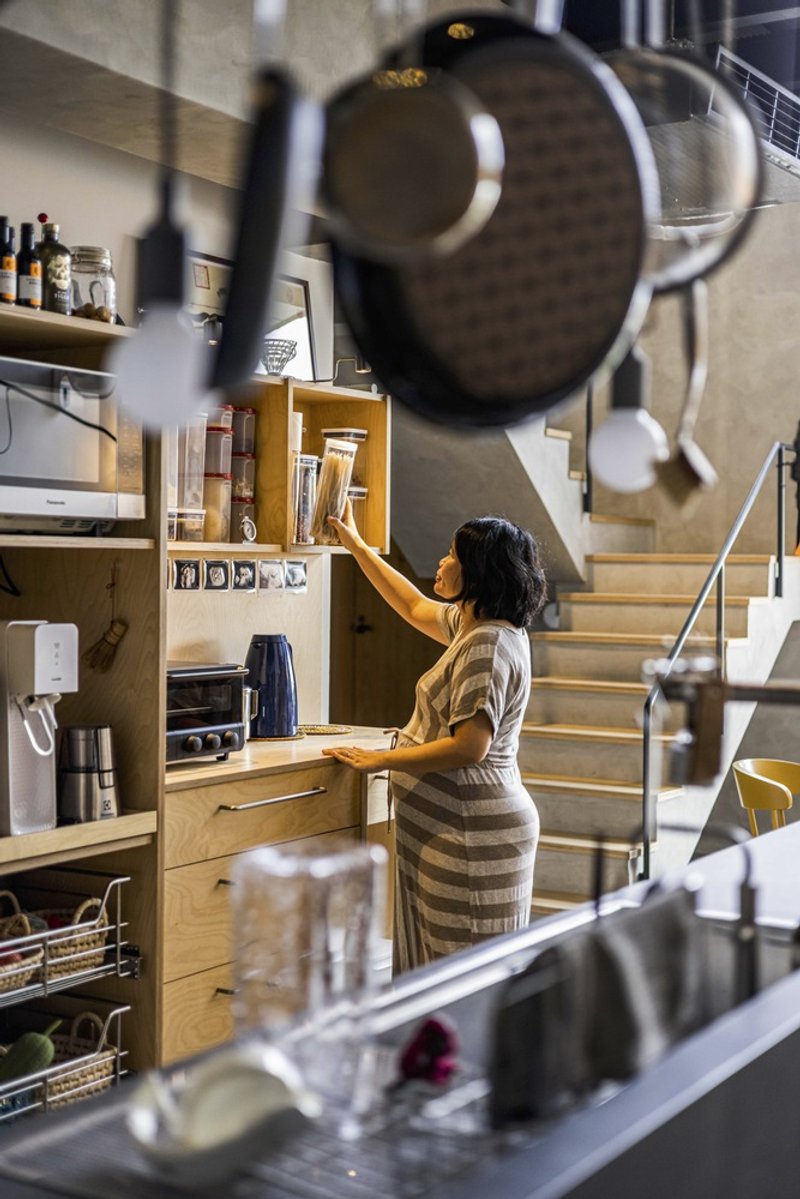
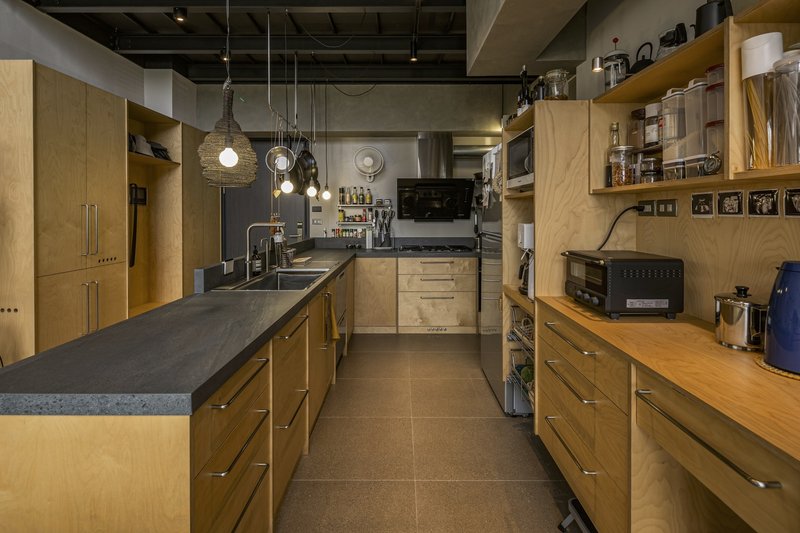
The original shared bathroom near the kitchen was converted into a storage room, allowing the kitchen to expand. A custom L-shaped kitchen counter now serves dual functions: acting as a boundary between kitchen and entry while cleverly integrating a shoe rack into a formerly dead corner. The finishes blend minimalist wood tones with textural warmth, enhanced by natural light.
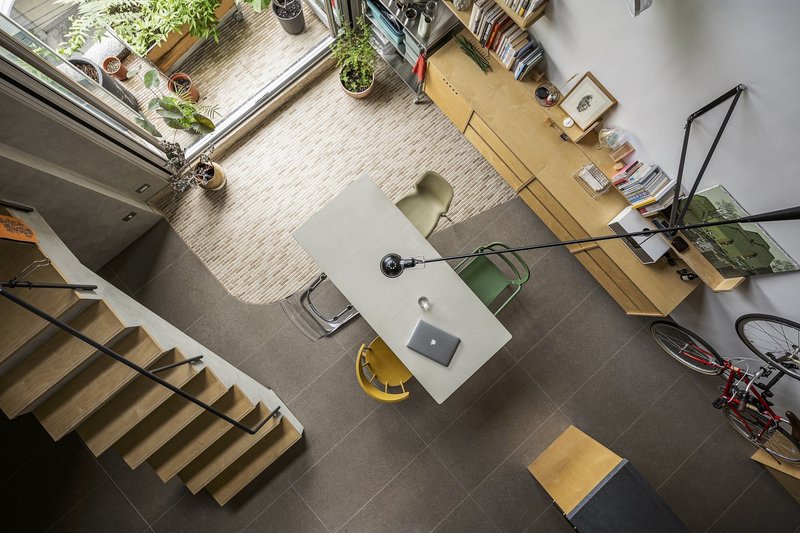
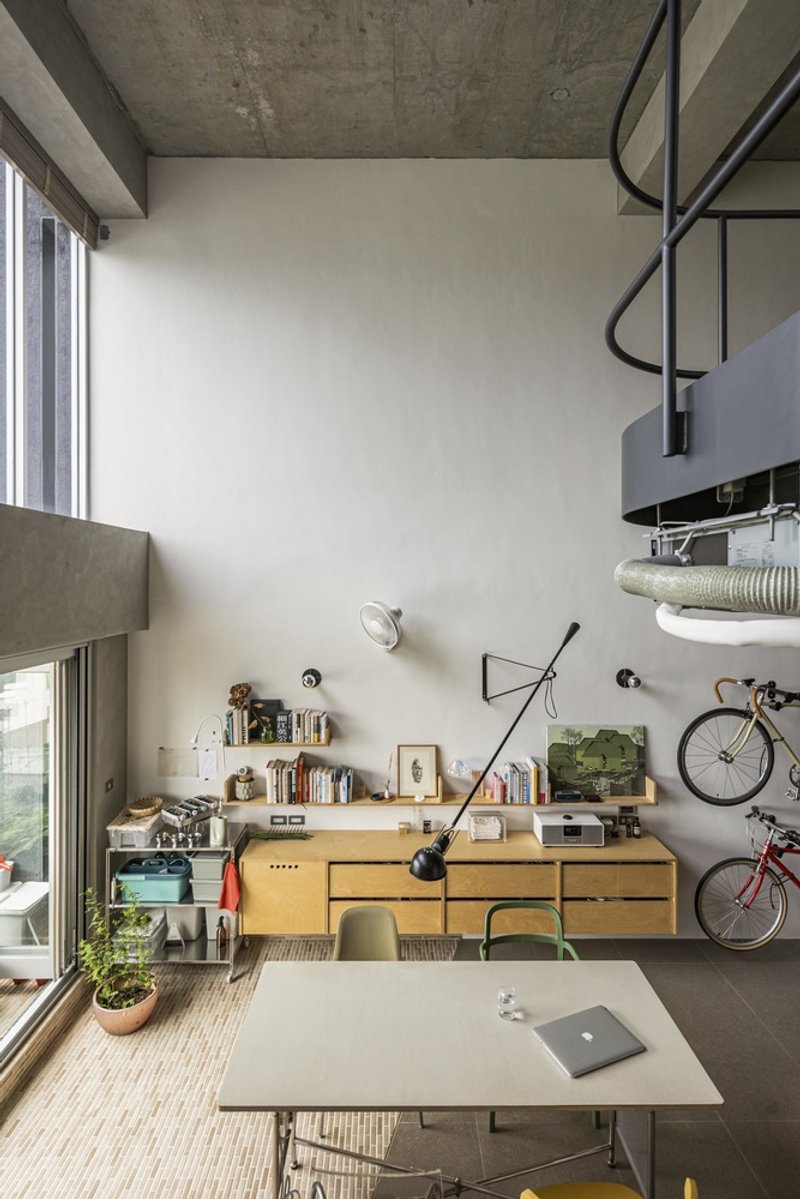
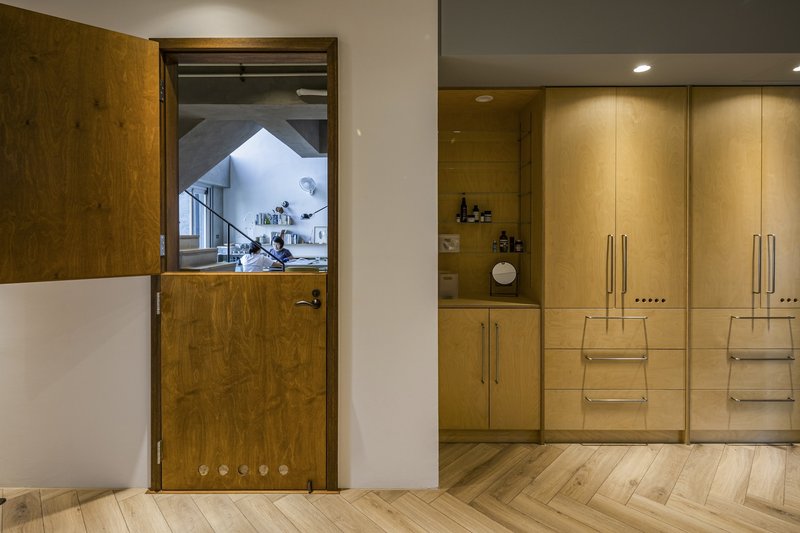
Instead of a formal living room, the architects chose to enlarge the dining area, which serves as the social heart of the home. This multi-functional zone accommodates family meals, working sessions, and friendly gatherings. A low wall cabinet next to the dining table offers storage and flexibility, making it easy to transition between uses.
Seamless Indoor-Outdoor Flow
To create a sense of continuity between the interior and balcony, the architects brought the balcony flooring material into the dining area, enhancing tactile cohesion. A set of folding glass doors allows the dining space to open entirely to the outdoors, mimicking the feeling of being on the balcony even when inside—especially on breezy summer days.
A Light-Touched Mezzanine
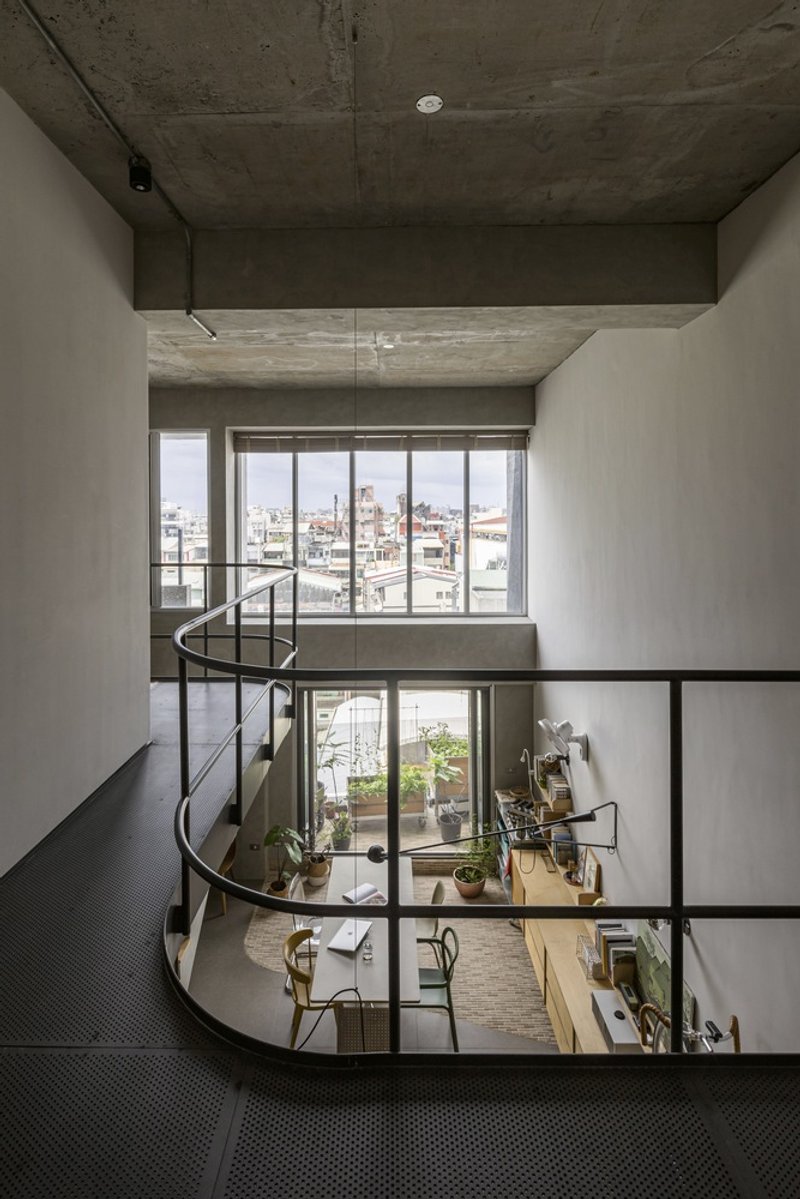
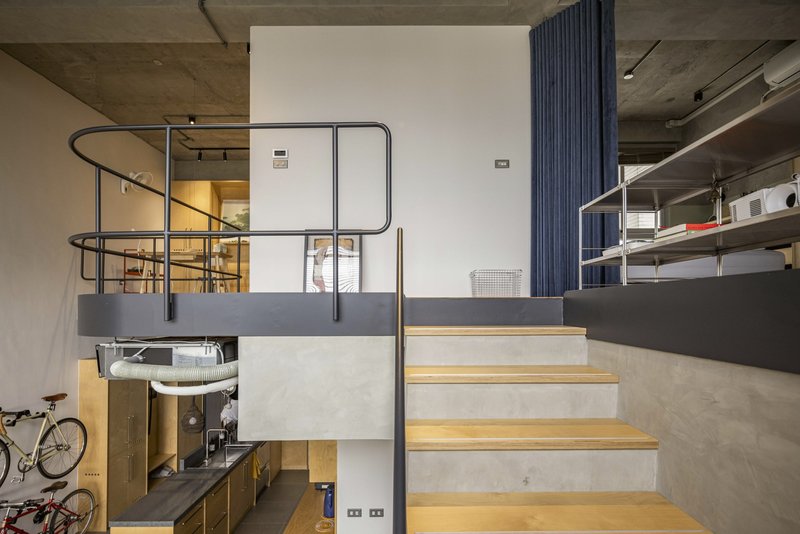
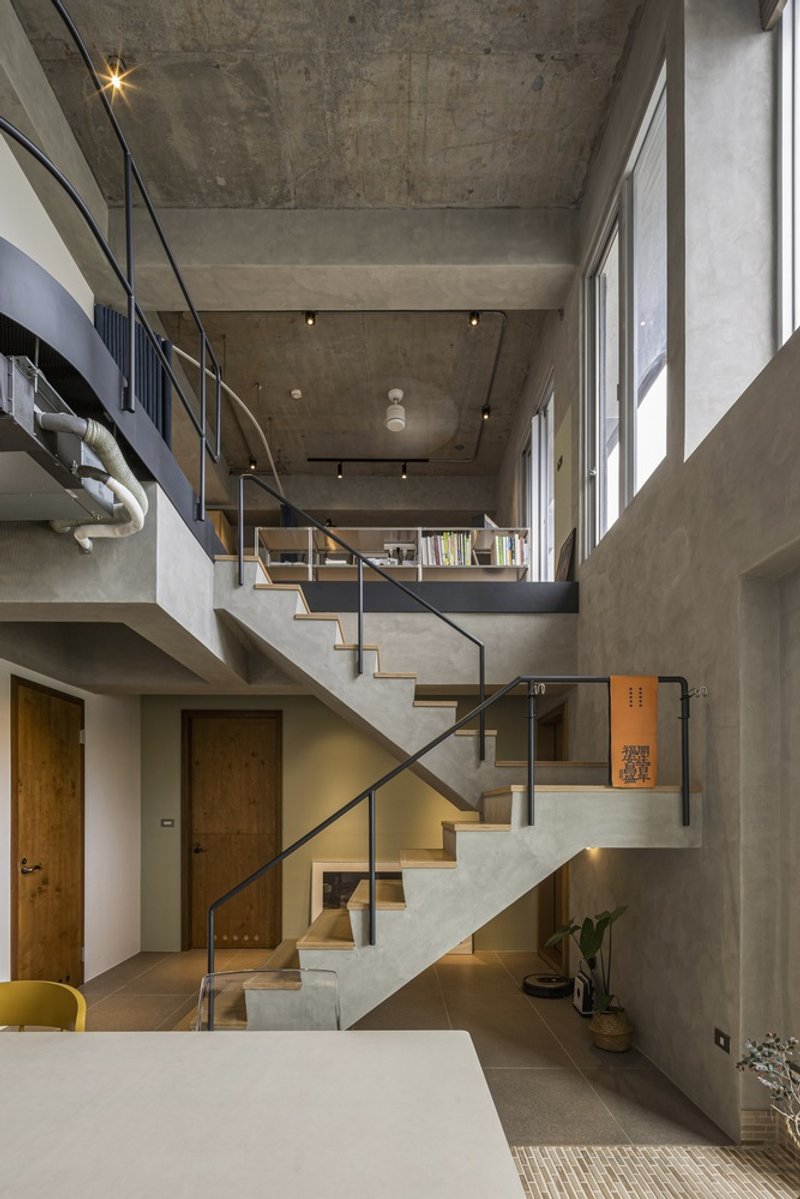
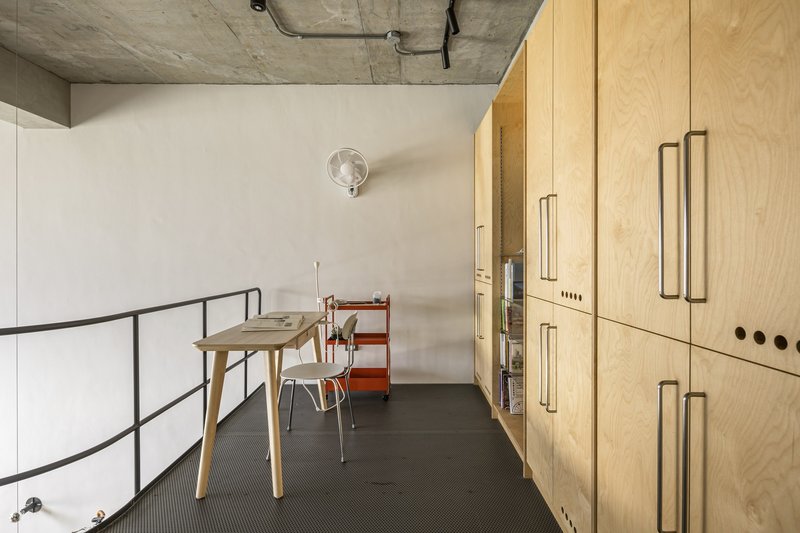
Above the dining area, a mezzanine platform is integrated with minimalist detailing to preserve the openness of the main volume. Constructed with a metal frame, perforated flooring, and slim railings, the platform is visually light yet functional. It connects to a laundry zone and includes a compact workspace with views across the main level.
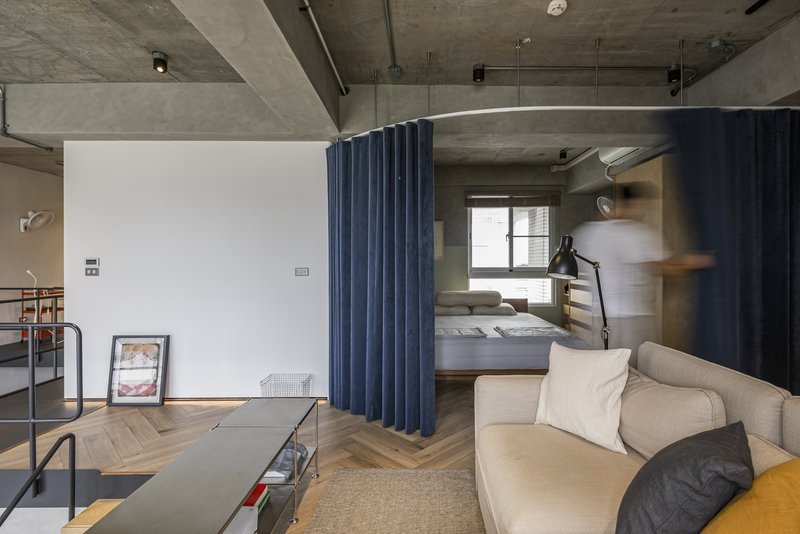
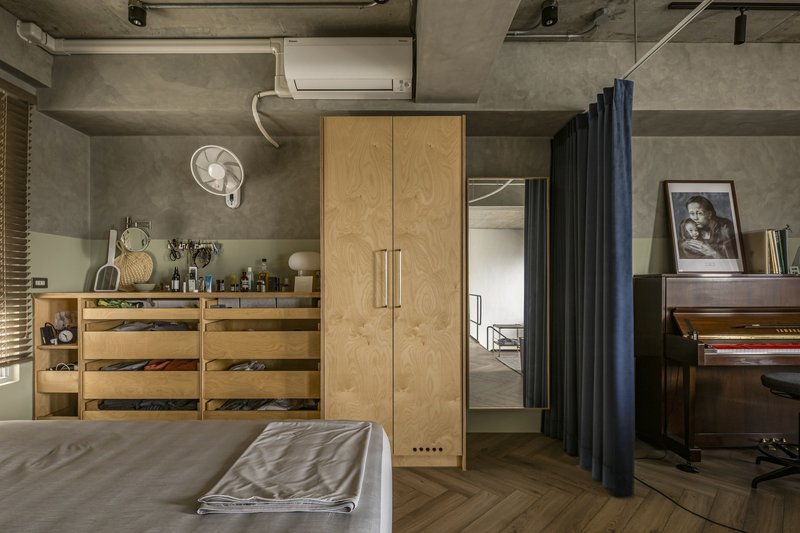
On the mezzanine, partition walls are kept to a minimum. The master bedroom is separated from a small adjacent living space by a curtain, offering flexible privacy and connection. When drawn open, the curtain transforms the adjoining area into an extension of the bedroom, enhancing airflow and spatial interaction. A projector is positioned to display across the double-height wall, creating an informal home theater.
A Harmonious Space for Growth
AB House demonstrates Atelier Boter’s ability to craft architecture that grows with its inhabitants. With subtle material palettes, deliberate spatial openness, and attention to how a young family lives day to day, the design emphasizes not just aesthetics, but lived experience, wellbeing, and functionality.
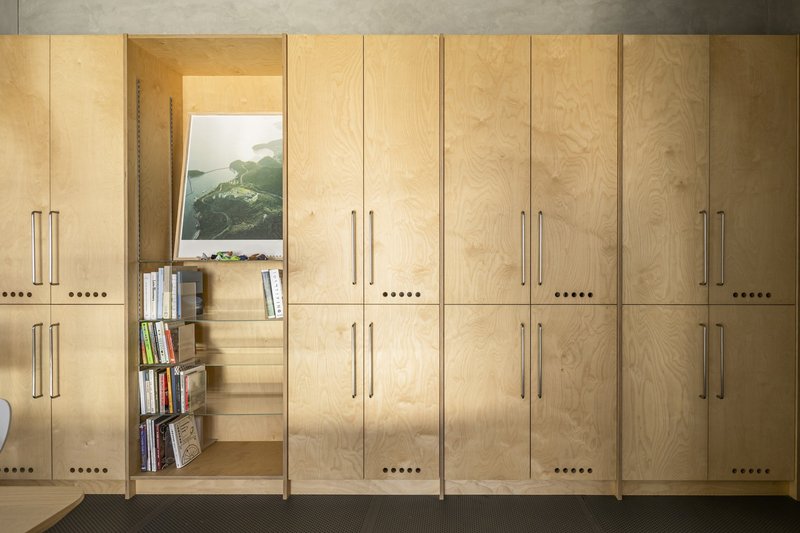
This project is an inspiring example of Taiwanese residential architecture that embraces minimalism, natural ventilation, and multi-use space planning in high-density urban housing.
All the photographs are works of James Lin