
Architecture Classics: Virgilio Barco Library by Rogelio Salmona – A Cultural Landmark in Bogotá
Virgilio Barco Library in Bogotá by Rogelio Salmona blends brick, water, and nature, creating a cultural, architectural, and landscape masterpiece.

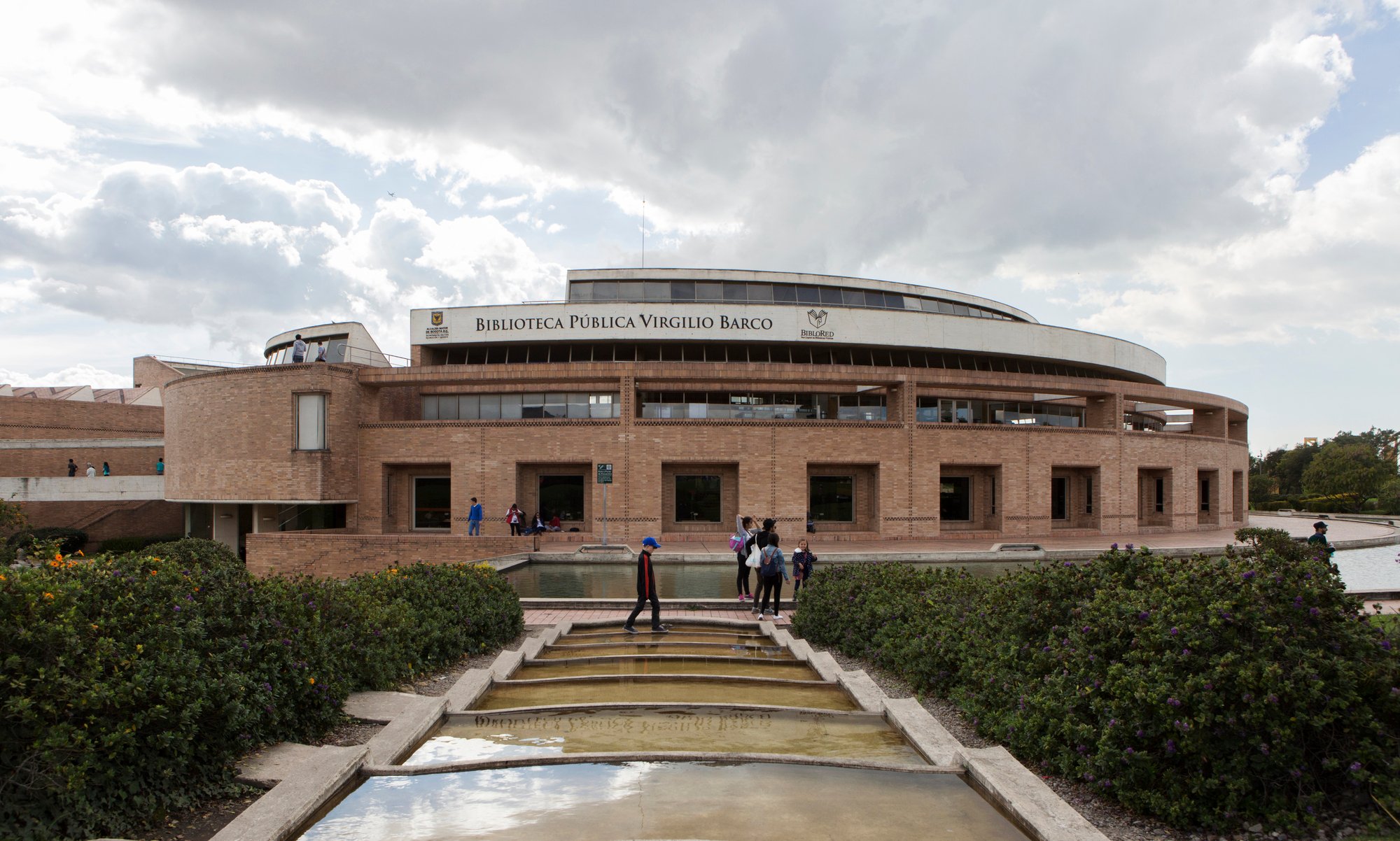
The Virgilio Barco Library, designed by renowned Colombian architect Rogelio Salmona, is one of Bogotá’s most iconic cultural landmarks. Located in the Teusaquillo neighborhood, in the northeastern sector of the city, the library is not just a building but part of a broader cultural and recreational complex that integrates the Simón Bolívar Metropolitan Park and the Virgilio Barco Library Park.
This project, recognized as one of Salmona’s masterpieces, harmoniously merges architecture, landscape, and culture, creating a serene environment where people can read, learn, and reflect. With its circular forms, brick geometry, and integration with water and greenery, the library receives 60,000–65,000 visitors per month, making it one of the most vibrant public spaces in Bogotá.
Historical Context and Development
The Virgilio Barco Library was originally conceived as part of the Capital Network of Public Libraries of Bogotá (BIBLORED) in 1998. The District proposed three mega-libraries for the city to promote cultural inclusion and public education.
Initially, the library was to be called the Simón Bolívar Park Library due to its proximity to the park. However, it was later named after Virgilio Barco Vargas, former president of Colombia, who supported the project.
The site, spanning 13 hectares, was previously a construction waste dump. Rogelio Salmona transformed this neglected land into a cultural and architectural gem, with a built area of 16,092 m² (173,213 sq ft). After two years of construction, the library was officially inaugurated on December 20, 2001.
Architectural Concept and Design
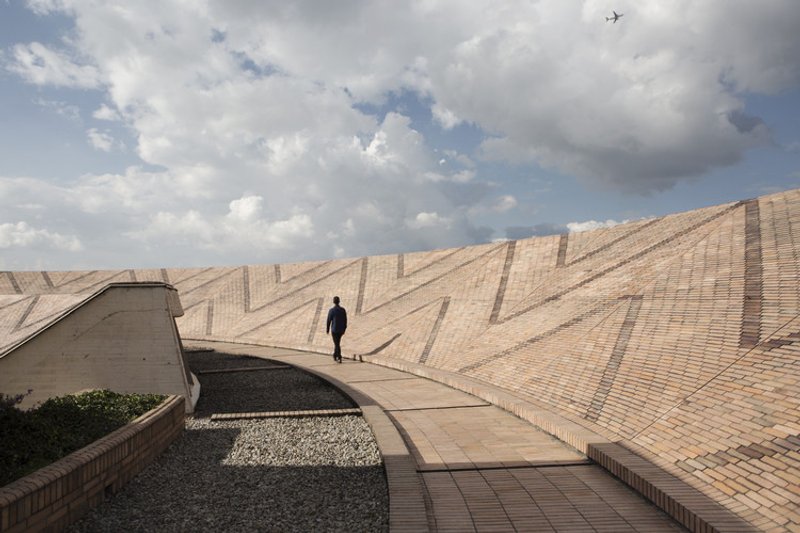
Salmona’s architectural philosophy centered on creating spaces that foster community, contemplation, and cultural exchange. The library embodies this vision through its circular volumetry, open courtyards, and integration with water and landscape.
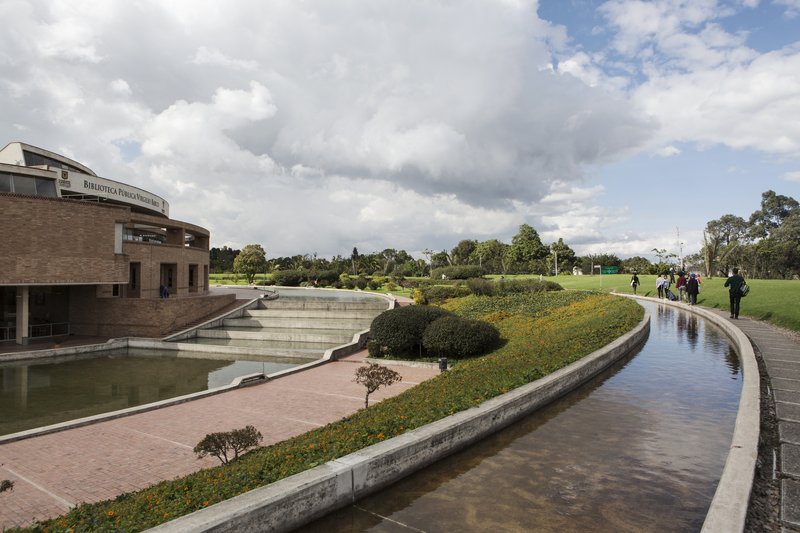
- Embedding the building into the land: The library is partially embedded 5 meters into the ground. This design not only stabilizes the site but also creates natural slopes, plazas, and water features that shield the building from the surrounding urban context, providing a peaceful atmosphere.
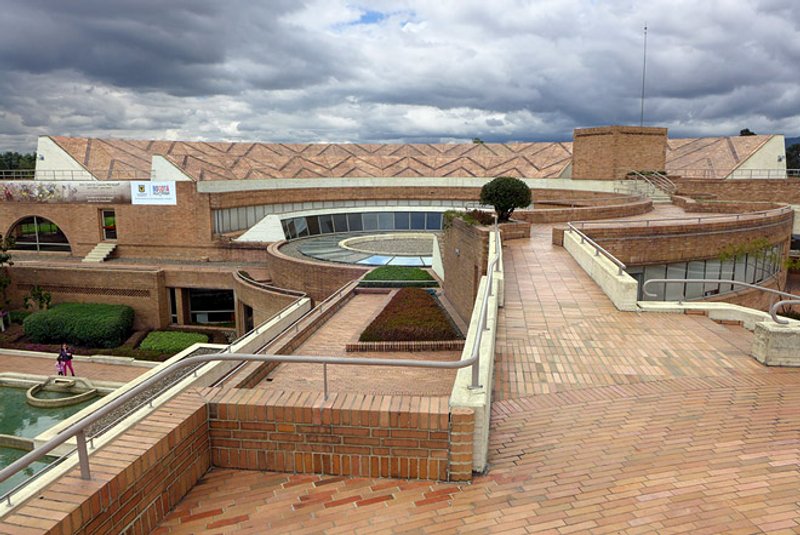
- Spatial organization: Lower Level: bookstore, cafeteria, multipurpose hall (250 seats), open-air theater, workshops, parking, and service areas. First Level: children’s reading room, Bogotá reading room, newspaper library, auditorium (410 seats), and music room (180 seats). Upper Level: exhibition hall, rooftop walkways, and outdoor reading terraces.
- Lower Level: bookstore, cafeteria, multipurpose hall (250 seats), open-air theater, workshops, parking, and service areas.
- First Level: children’s reading room, Bogotá reading room, newspaper library, auditorium (410 seats), and music room (180 seats).
- Upper Level: exhibition hall, rooftop walkways, and outdoor reading terraces.
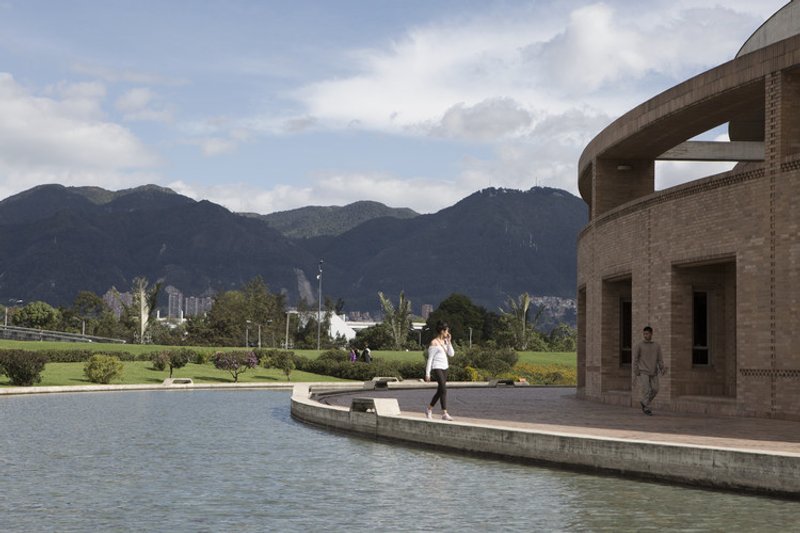
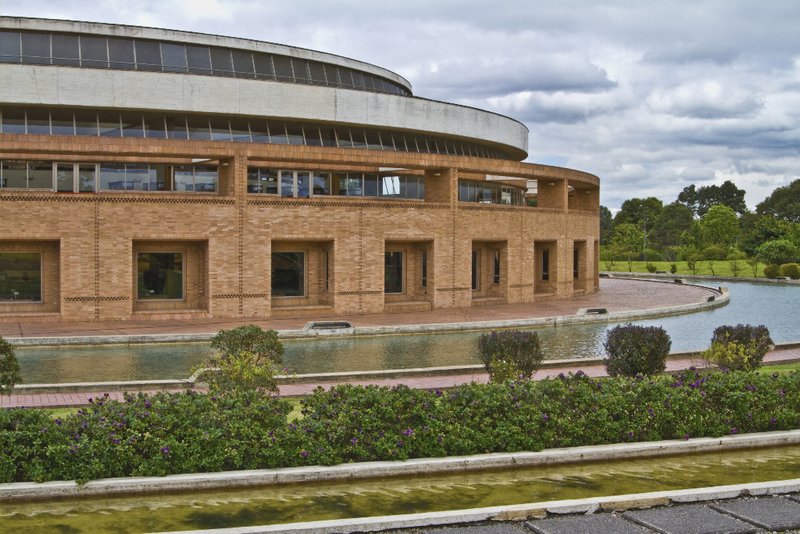
- Integration of nature and architecture: Water mirrors surround the building, serving both functional and symbolic purposes. They cool the environment, absorb urban dust, and evoke the natural presence of flowing water—a recurring theme in Salmona’s works.
Materiality and Structural Details
The library highlights brick, concrete, and water, three essential elements in Rogelio Salmona’s architectural language.
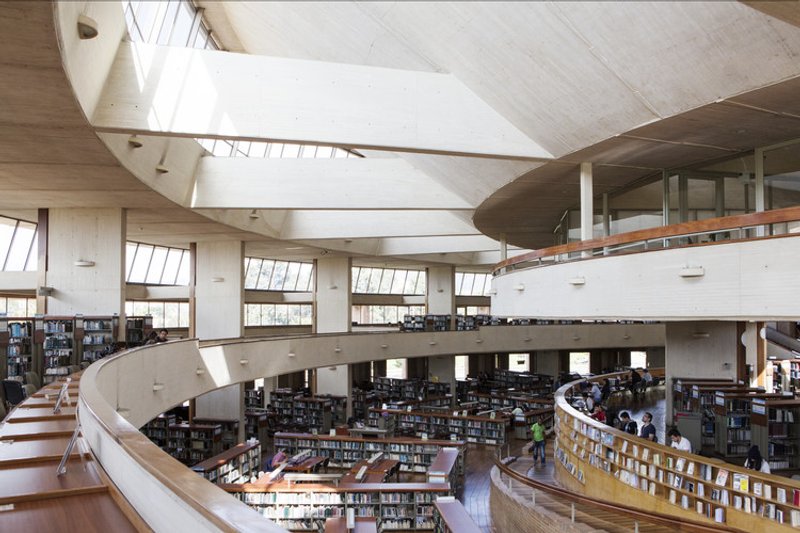
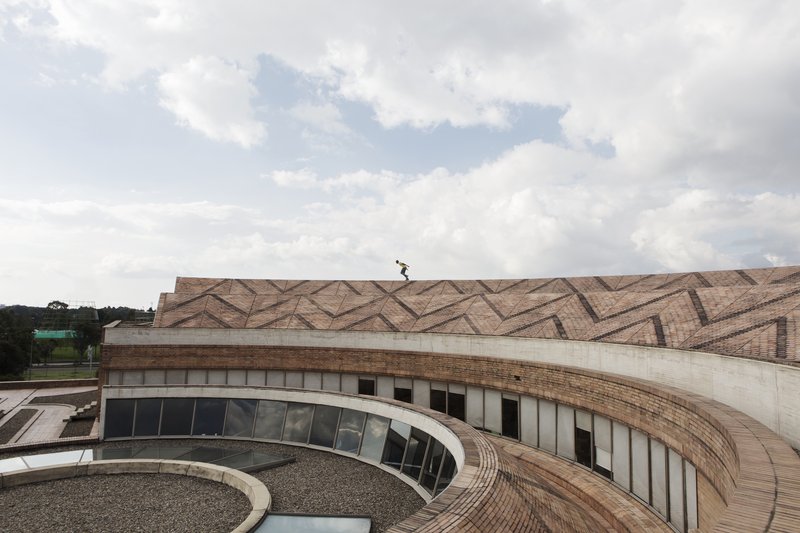
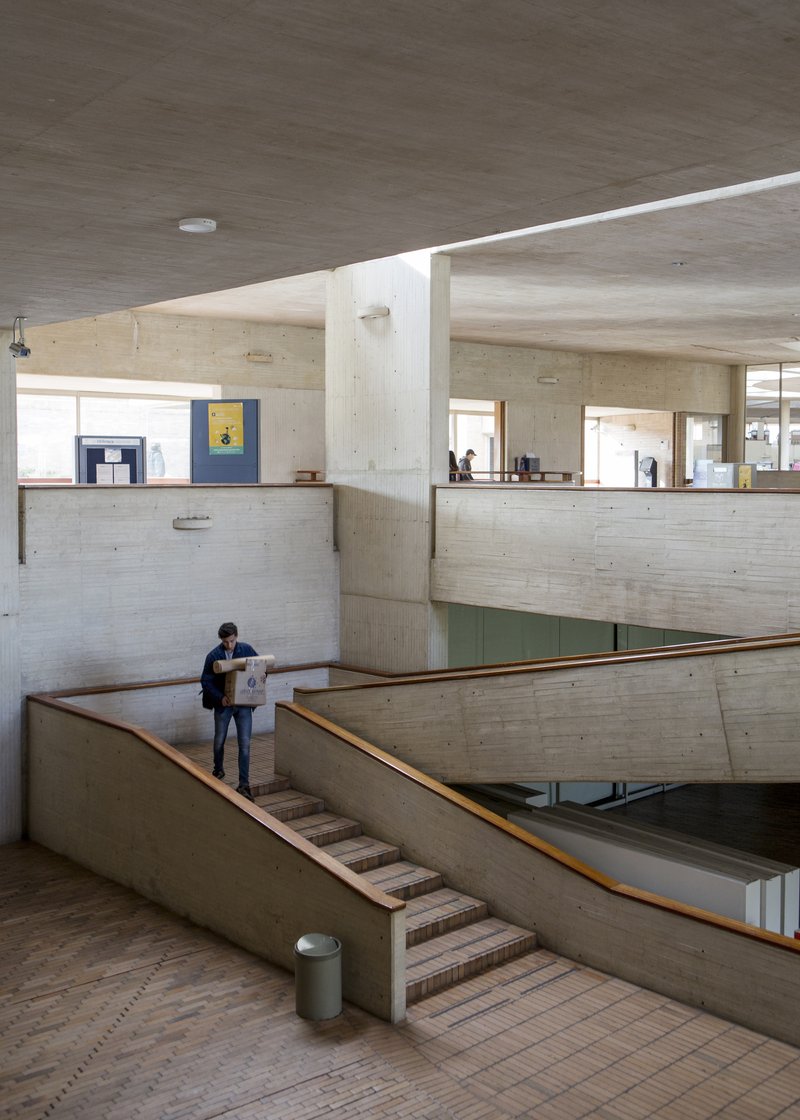
- The load-bearing system is reinforced concrete, with radial columns and beams forming concentric rings.
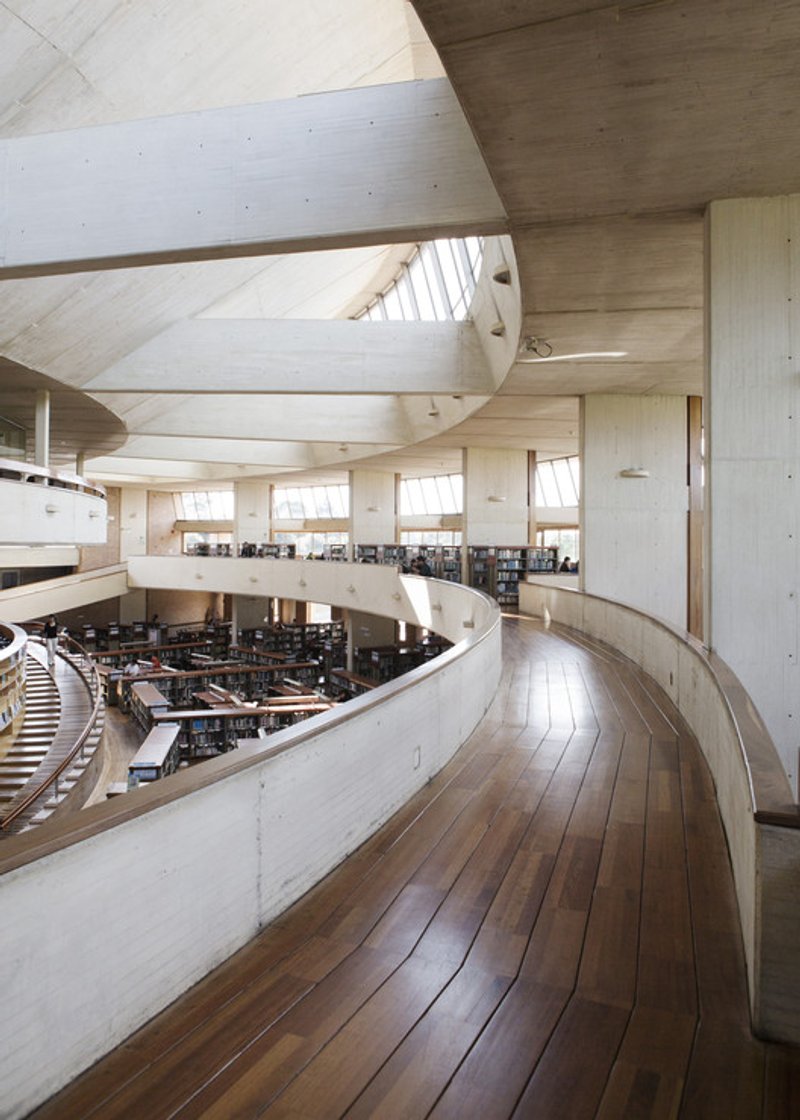
- Circular plates and turnbuckles allow for large, open reading rooms free from intrusive structural supports.
- Handcrafted brickwork covers inclined volumes, with pre-Columbian-inspired lines carved into surfaces that reflect Colombia’s cultural heritage.
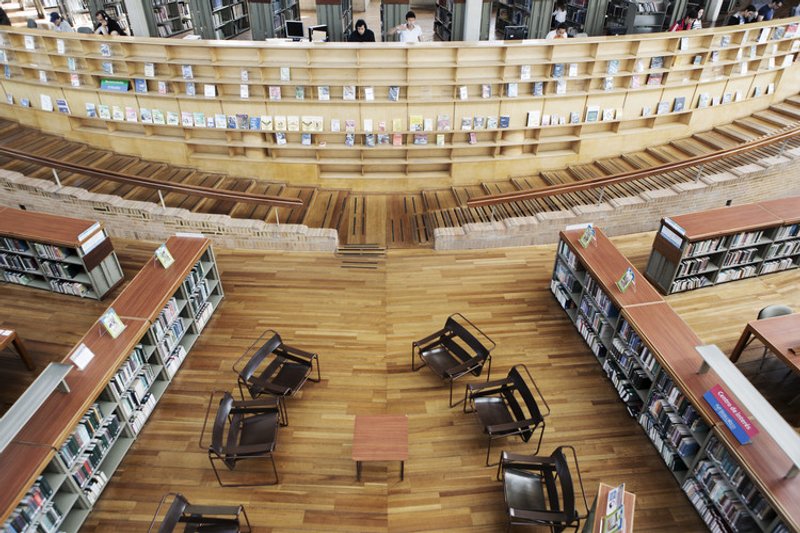
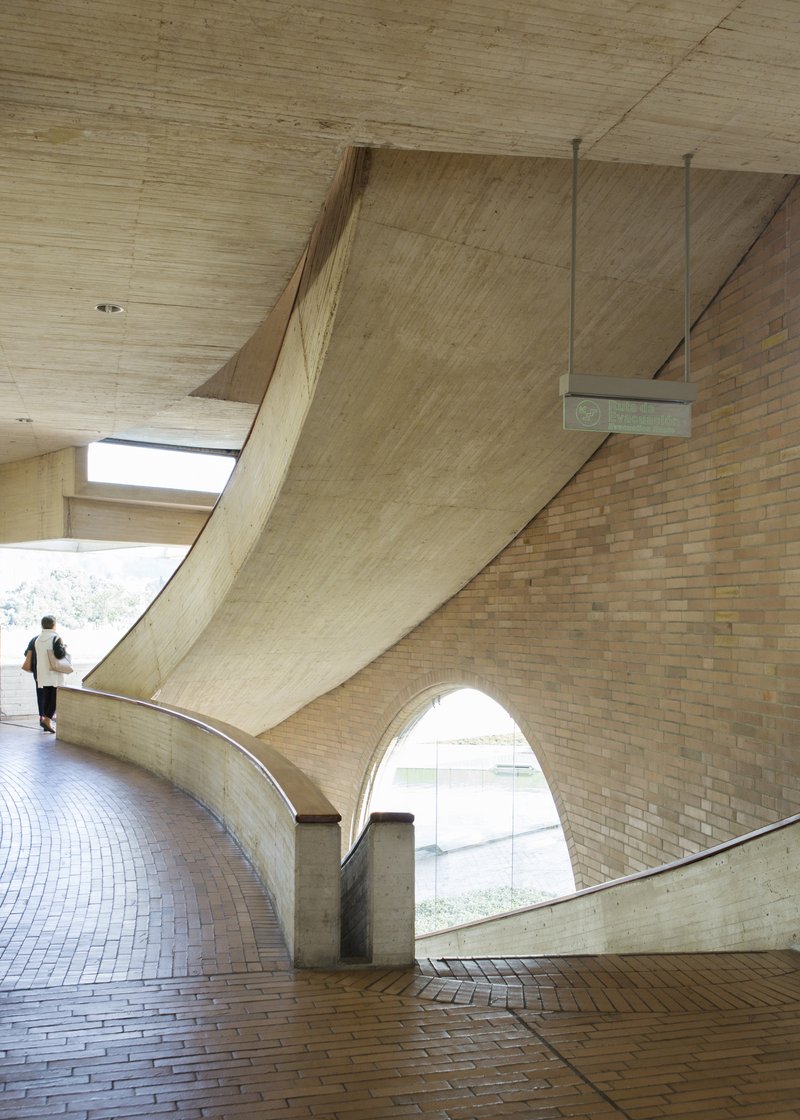
- Interiors are designed to embrace natural light through large windows, skylights, and strategically placed openings, enhancing the reading experience.
Even the furniture—tables, chairs, and bookshelves—was designed by Salmona, ensuring that every detail contributes to the holistic architectural vision.
Urban and Cultural Significance
The Virgilio Barco Library is more than a library—it is a cultural hub that connects Bogotá’s residents with knowledge, nature, and community. Its integration with the Metropolitan Park provides recreational opportunities and strengthens the relationship between urban architecture and landscape design.
By embedding the library within the natural terrain and creating an environment of reflection, Rogelio Salmona successfully turned a forgotten site into a world-class public space. Today, the library stands as a symbol of cultural inclusion, education, and architectural excellence in Colombia.
Conclusion
The Virgilio Barco Library is a timeless masterpiece of modern Colombian architecture. With its circular geometry, water features, brick craftsmanship, and cultural symbolism, Rogelio Salmona designed a space that transcends its function as a library. Instead, it has become a living landscape, a meeting point of knowledge, nature, and community.
This architectural classic continues to inspire architects, urban planners, and cultural enthusiasts worldwide—demonstrating how architecture can shape not only spaces but also societies.
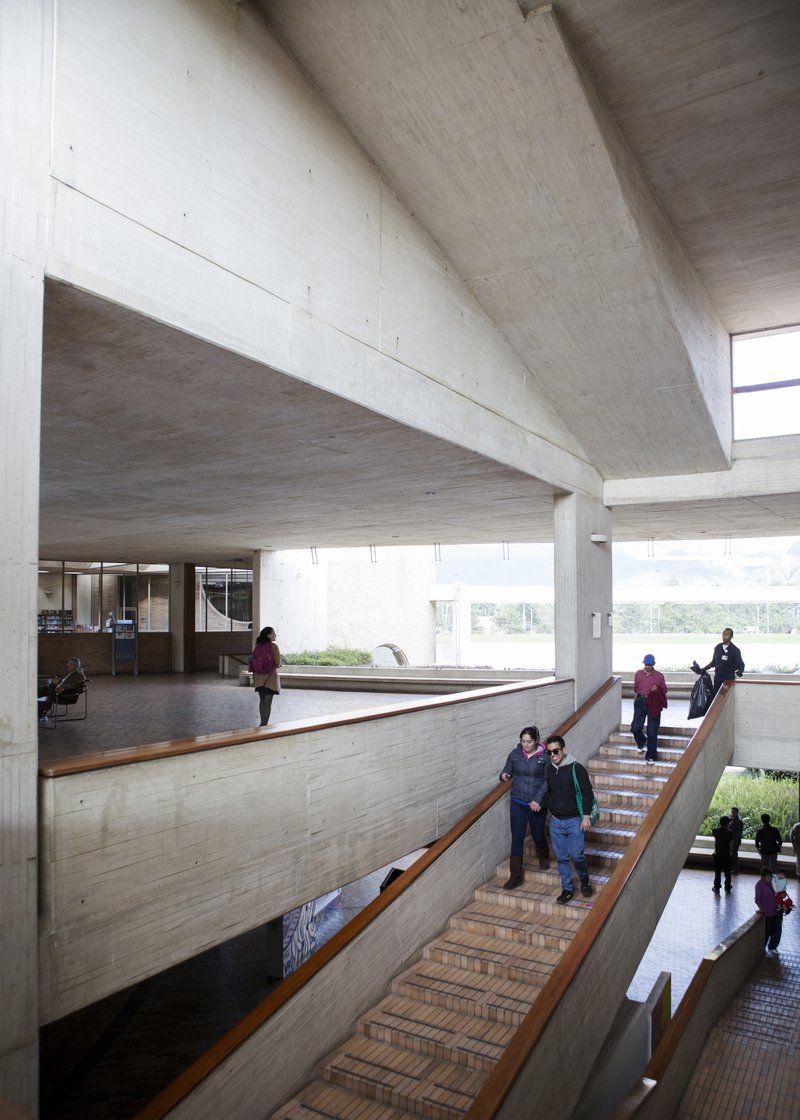
All the photographs are works of Simon Bosch



Popular Articles
Popular articles from the community

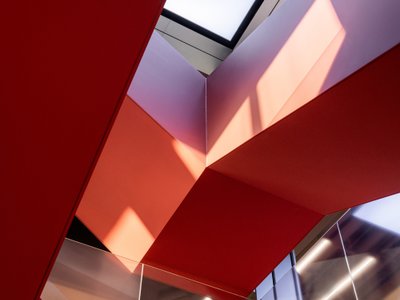
Ippolito Fleitz Group Identity Architects Turn Eight Floors in Shanghai into a Vertical Creative City
Publicis Groupe's new headquarters in Xintiandi reimagines the office as a courtyard-driven urban landscape stacked across eight floors.
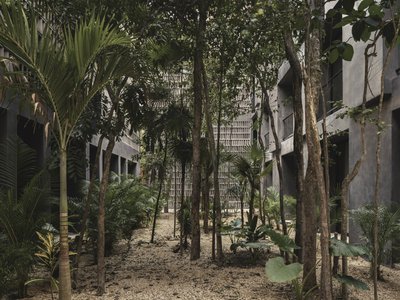
Three Studios Build 200 Affordable Units for Tulum's Displaced Hospitality Workers
Casa Selva embeds dark concrete housing blocks into Yucatán rainforest, offering dignified shelter to those priced out by the tourism they serve.
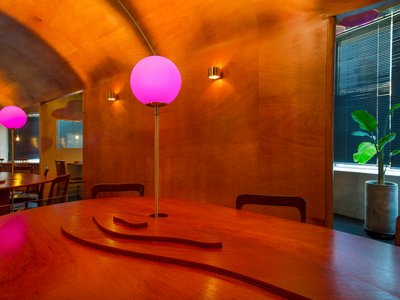
Indiesalon Carves a Plywood Cave into a Seoul Bistro's Second Floor
Munhwa Bistro's second Seongsu branch wraps diners in a laminated timber vault laced with colored light and mirror illusions.
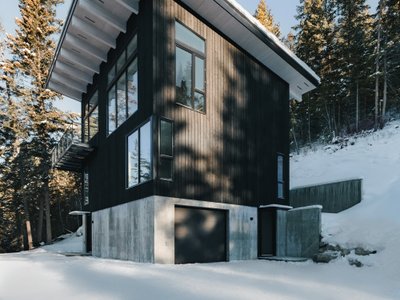
Twobytwo Architecture Studio Towers a Blackened Ski Cabin Above the Trees in Golden, BC
A compact three-storey lookout in the Kootenay mountains trades square footage for 14-foot ceilings and Columbia River Valley views.

Similar Reads
You might also enjoy these articles

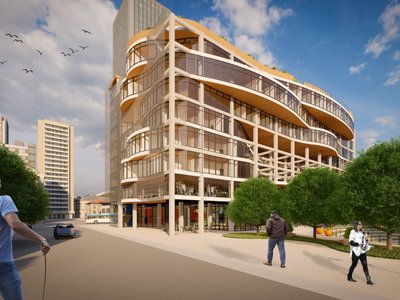
Olio Towers: A Mid-Rise for Performers That Fuses Housing, Rehearsal, and Stage
Located blocks from Houston's Theater District, this modular tower stacks living units around a central performance atrium.
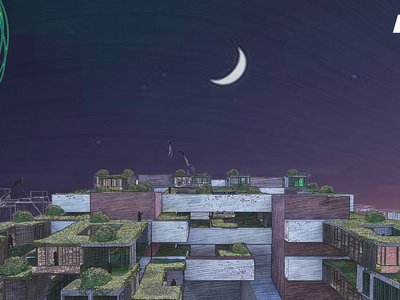
Oasis: Modular Green Housing Carved into Dhaka's Urban Fabric
A shortlisted Plugin Housing entry reclaims unauthorized settlements in Dhaka with stepped concrete volumes, green roofs, and ventilation-driven design.

Black Hole: A Floating Megastructure for the Post-Physical Era
Emiliano Mazzarotto envisions a spherical, self-scaling arena where e-sports, digital hotels, and holographic stadiums replace traditional public space.
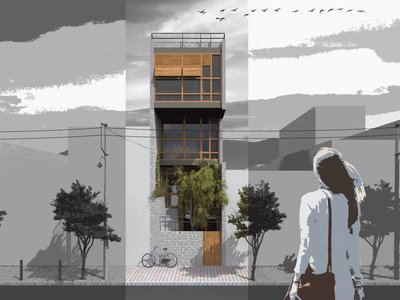
Compact & Sustainable Living in Piraeus: A Four-Level Family Home Built Around Light and Air
A narrow townhouse in one of Greece's densest port cities uses a central atrium and passive strategies to house three generations under one roof.


Explore Architecture Competitions
Discover active competitions in this discipline




The International Standard for Design Portfolios


The Global Benchmark for Architecture Dissertation Awards


The Global Benchmark for Graduation Excellence


Challenge to design public laboratory
Comments (0)
Please login or sign up to add comments
No comments yet. Be the first to comment!