Bayfront (The Future of Us) Pavilion – A Landmark of Sustainable Public Architecture in Singapore
The Bayfront Pavilion blends sustainable design and tropical inspiration, offering a climate-responsive public space within Singapore’s Gardens by the Bay.


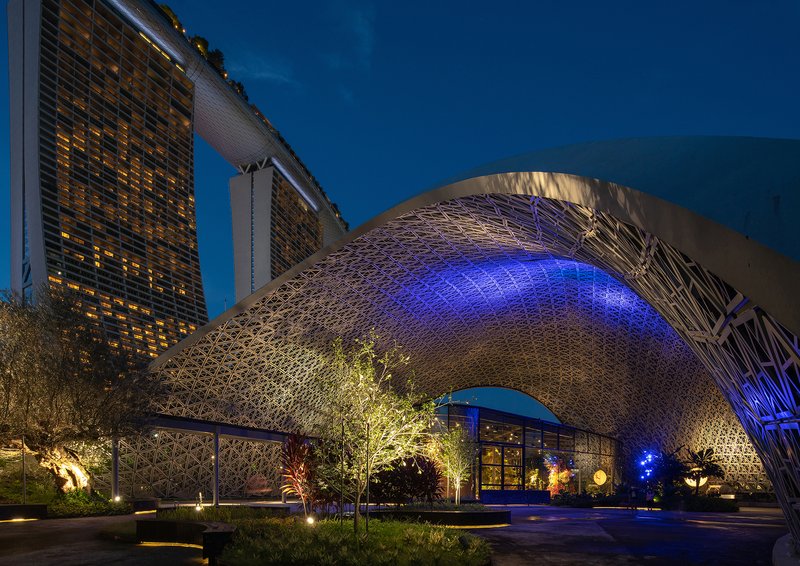
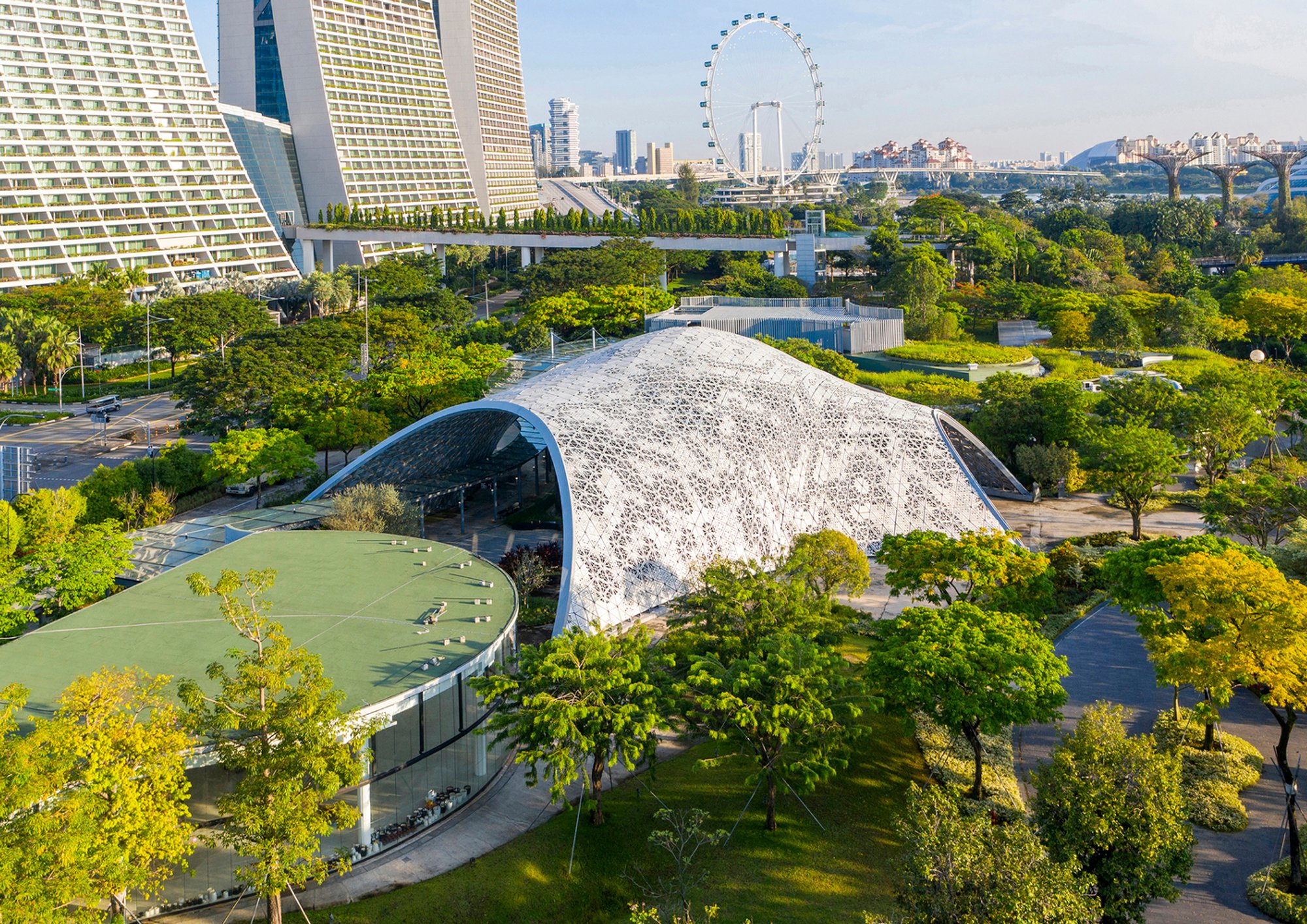
The Bayfront Pavilion, also known as The Future of Us Pavilion, is an iconic piece of public architecture in Singapore designed by the SUTD Advanced Architecture Laboratory. Nestled within the Gardens by the Bay, this award-winning pavilion exemplifies how contemporary architecture can harmonize with nature, climate, and community life. Originally created to host Singapore’s fiftieth-anniversary exhibition, the structure has since evolved into a vibrant cultural space for public events, embodying both innovation and sustainability.
Architectural Concept – Nature as Inspiration
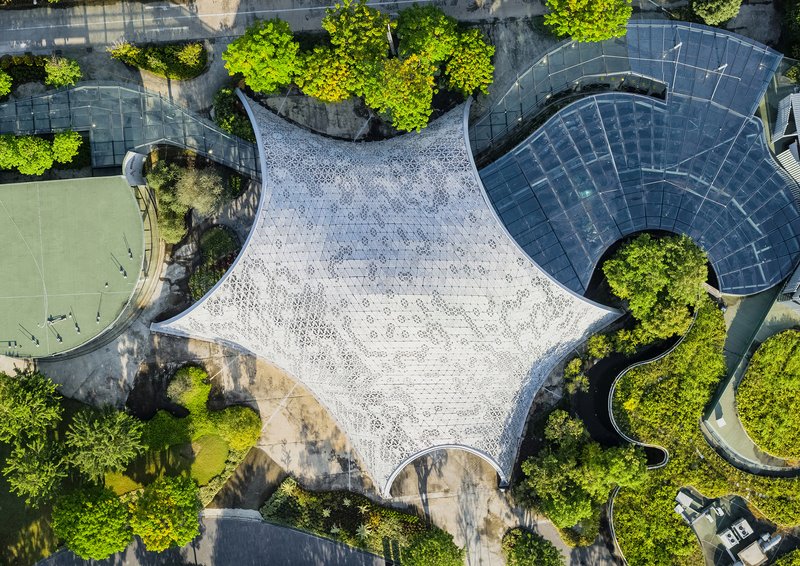
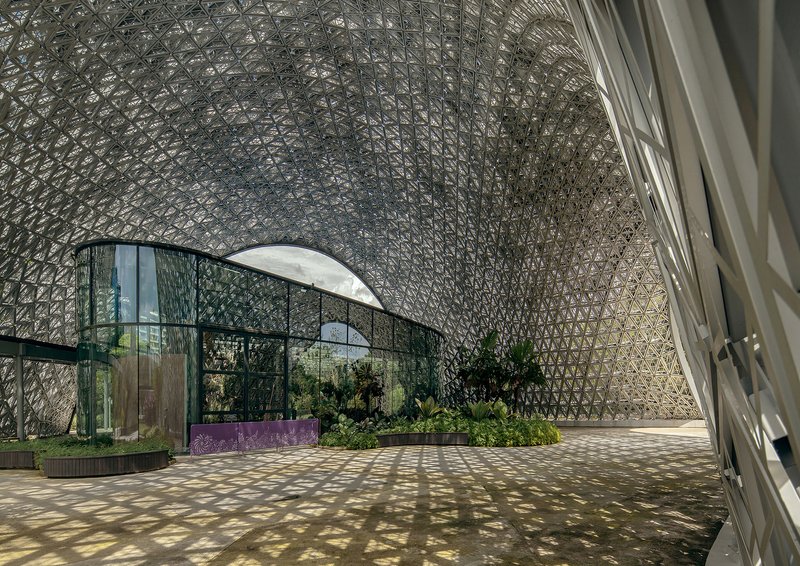
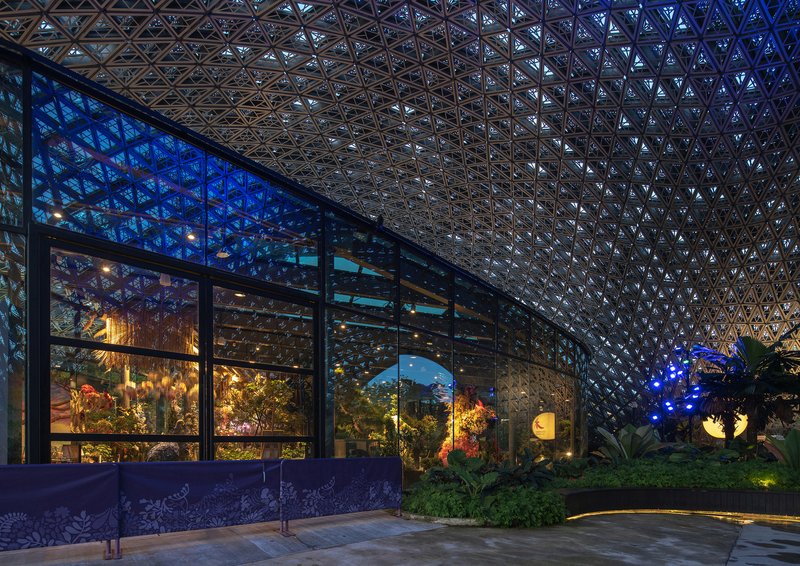
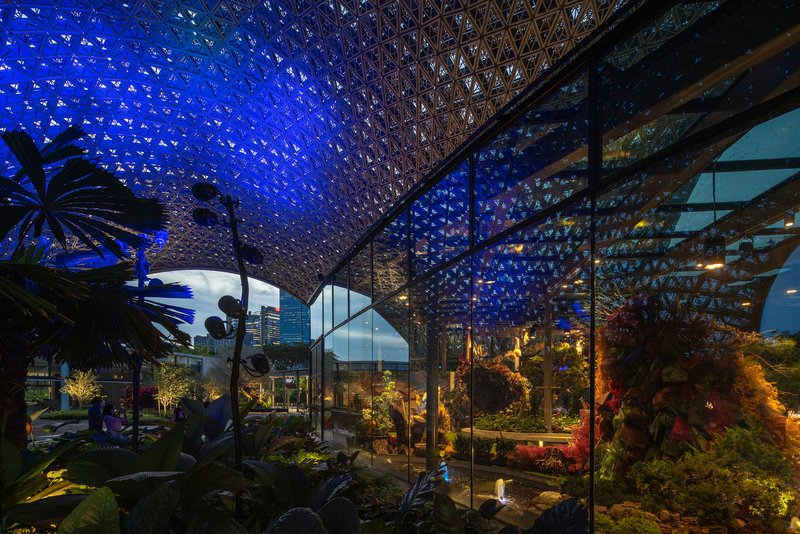
The design of the Bayfront Pavilion draws inspiration from the canopies of tropical trees, creating an immersive experience for visitors as though they are walking under natural foliage. Its fluid perforated skin is both poetic and functional, blurring the boundaries between built form and landscape.
By seamlessly integrating with its waterfront surroundings, the pavilion not only enhances the visitor experience but also continues Singapore’s tradition of architecture in dialogue with nature.
Climate-Responsive and Sustainable Design
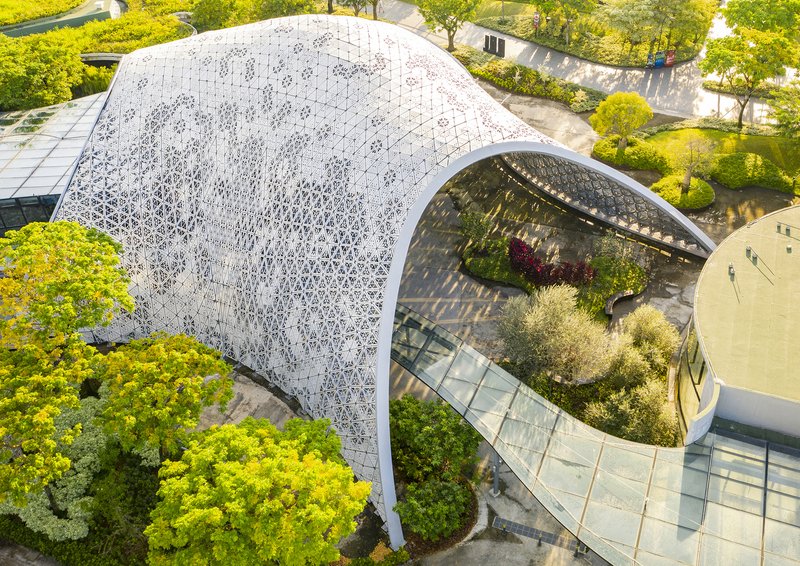
In Singapore’s hot and humid climate, comfort and sustainability were central to the pavilion’s design. The structure features a two-layer perforated aluminum skin with over 11,000 uniquely designed panels. Each panel was generated using advanced algorithms that respond to sunlight, optimizing shading and natural ventilation.
Key sustainability features include:
- Natural cooling system that eliminates the need for air conditioning.
- Lightweight 20 cm shell structure reducing material usage.
- Optimal fabrication process minimizing waste and carbon emissions.
This pioneering design transforms the pavilion into a climate-friendly oasis for visitors while setting a benchmark for green architecture in Southeast Asia.
Engineering and Construction Innovation
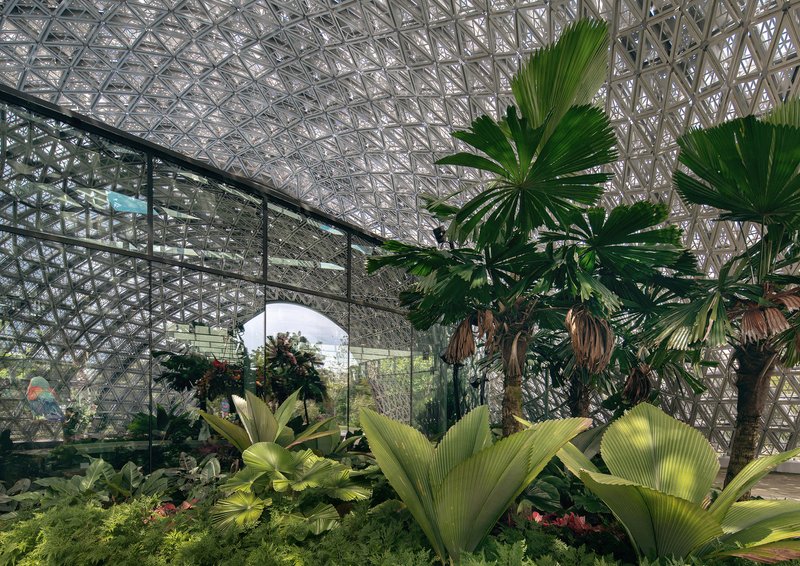
The pavilion spans 50 meters and covers 2,000 m², incorporating more than:
- 11,000 perforated aluminum panels
- 12,040 bolts
- 11,188 plates
- 4,620 structural elements
This complex assembly demonstrates the fusion of digital design, advanced fabrication, and engineering precision. The project’s realization was made possible by close collaboration with contractors and consultants, showcasing the role of computational architecture in shaping large-scale public structures.
A Cultural Hub for Public Life
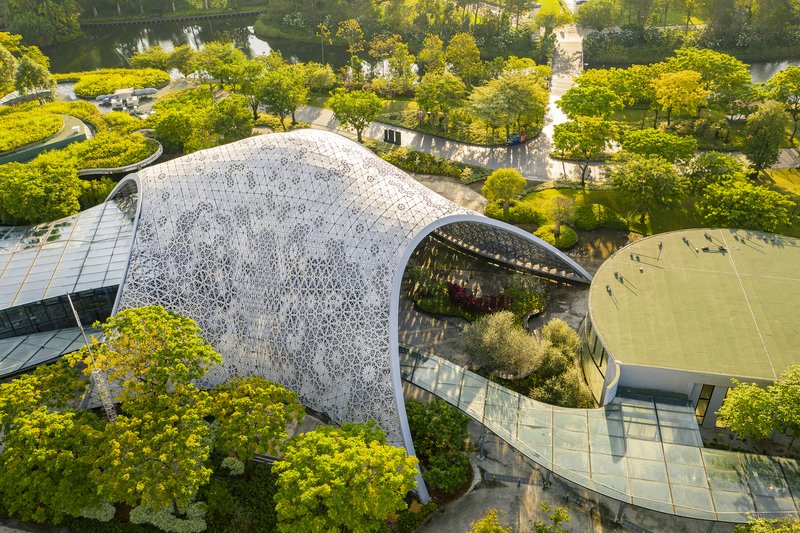
Beyond its architectural and environmental achievements, the Bayfront Pavilion serves as a dynamic public space for festivals, exhibitions, and community gatherings. Its adaptable, open design invites visitors from across the city, reinforcing its role as both a landmark destination and a community hub.
Global Recognition and Awards
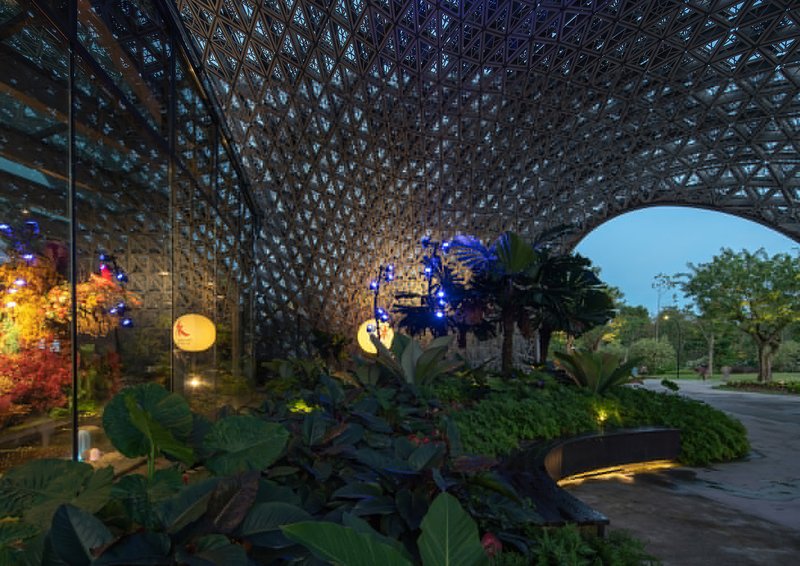
The Bayfront Pavilion has been celebrated internationally, receiving multiple prestigious awards, including:
- President’s Design Award (Singapore’s highest design honor)
- Singapore Good Design Award
- Golden Pin Design Award
- iF Design Award
- World Design Award by The Architecture Community
- Iconic Award: Innovative Architecture
- A' Design Platinum Award
These accolades highlight the pavilion’s significance as a global reference in innovative sustainable architecture.
The Bayfront (The Future of Us) Pavilion is more than just an architectural structure—it is a symbol of Singapore’s forward-looking vision, where design, sustainability, and community converge. Through its unique form, climate-responsive strategies, and cultural relevance, the pavilion demonstrates how architecture can address both environmental challenges and urban lifestyles, offering a model for the future of public architecture worldwide.