

Bioclimatic Tropical Villa in Vietnam: Sustainable Design by T3 ARCHITECTS and Kanopea Architecture Studio
This article explores the sustainable design and bioclimatic principles of the Bioclimatic Tropical Villa in Vietnam by T3 ARCHITECTS.


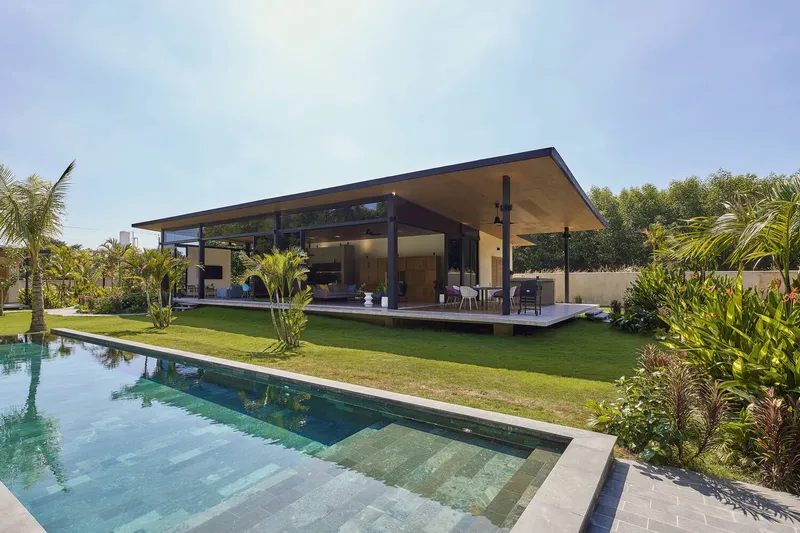
In the heart of Hồ Tràm, Vietnam, T3 ARCHITECTS and Kanopea Architecture Studio have crafted a Bioclimatic Tropical Villa that epitomizes sustainable design tailored for tropical climates. This 300 m² weekend retreat offers an innovative approach to architectural design, blending modern comforts with ecological mindfulness.

Sustainable Architectural Approach
Site Selection and Layout
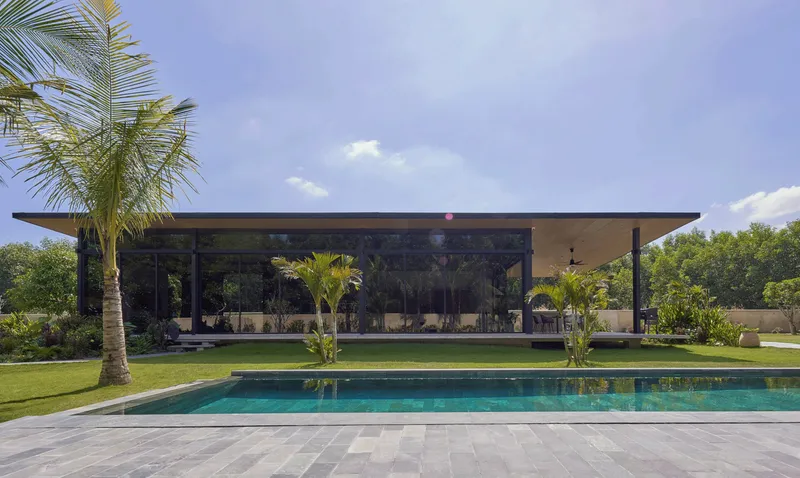
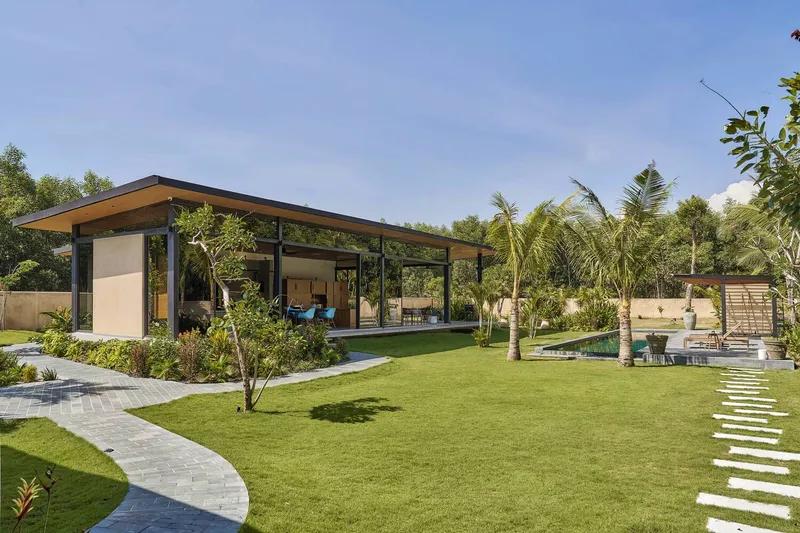
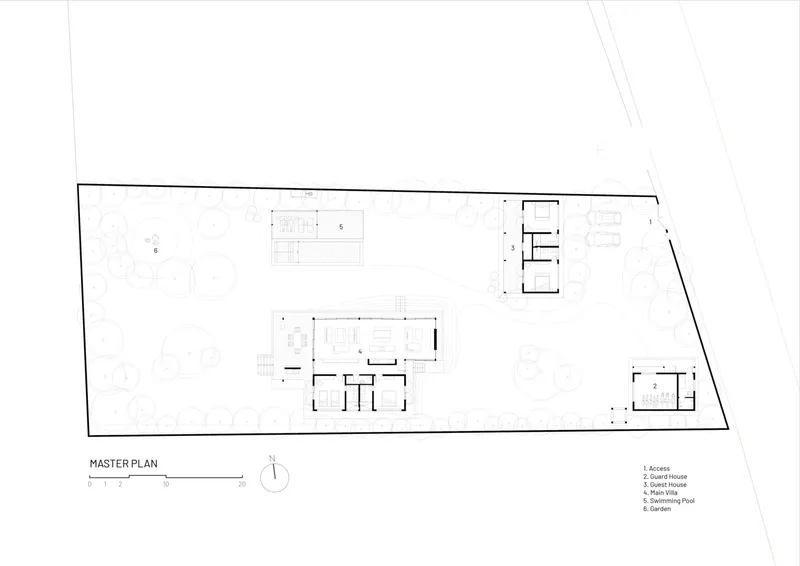
The villa is strategically located under a partial forest canopy to harness natural shade and thermal comfort. Positioned at the forest edge, it enjoys picturesque views of a tropical garden and pool. This thoughtful placement not only enhances aesthetic appeal but also maximizes environmental synergy.

Privacy and Noise Reduction
To ensure privacy and tranquility, guest accommodations are housed in separate buildings, creating a buffer zone from a nearby road. This arrangement minimizes noise intrusion and fosters a serene environment for relaxation.

Bioclimatic Principles in Action
Roof and Ventilation
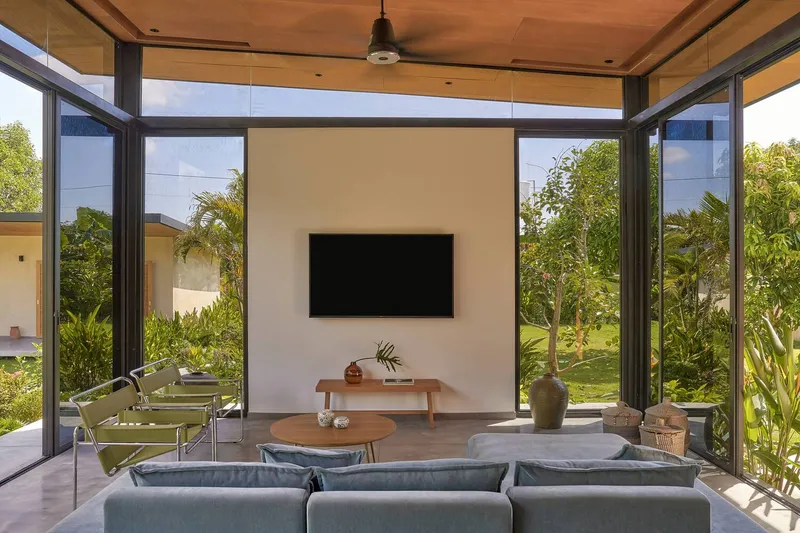
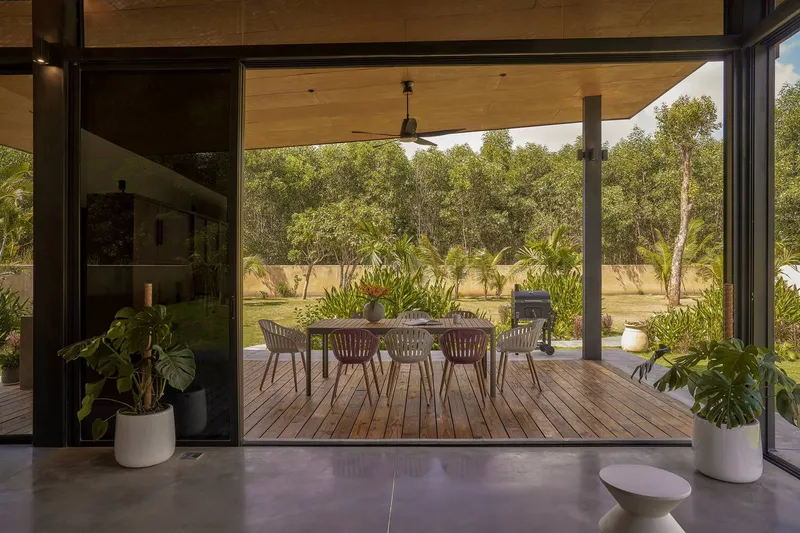
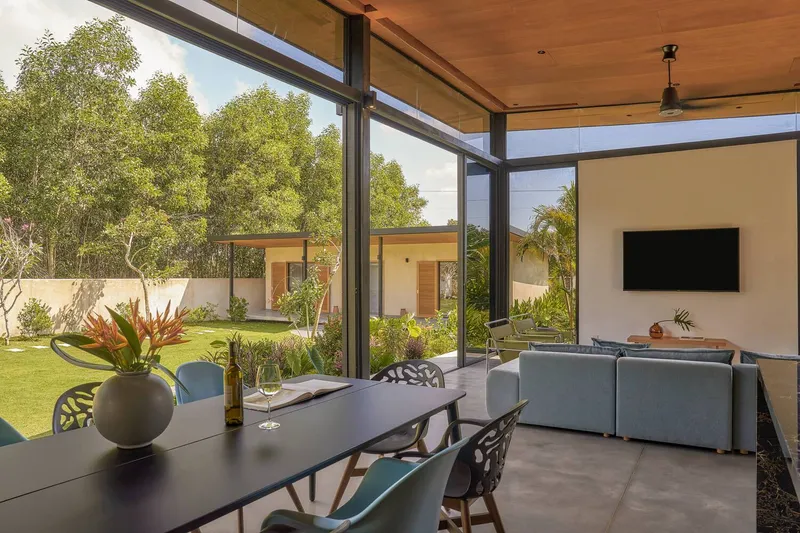
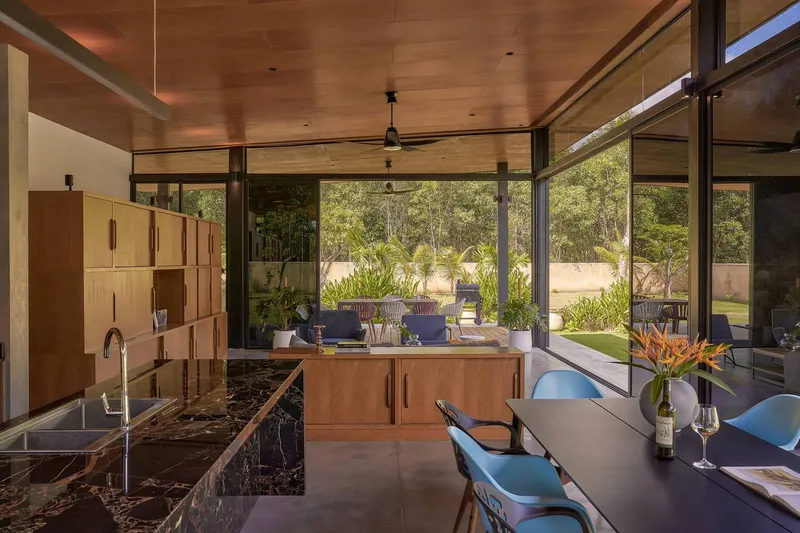
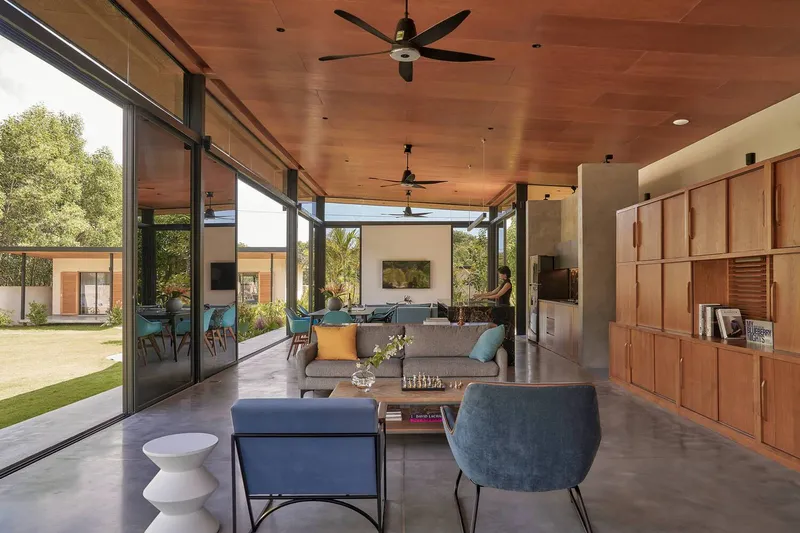
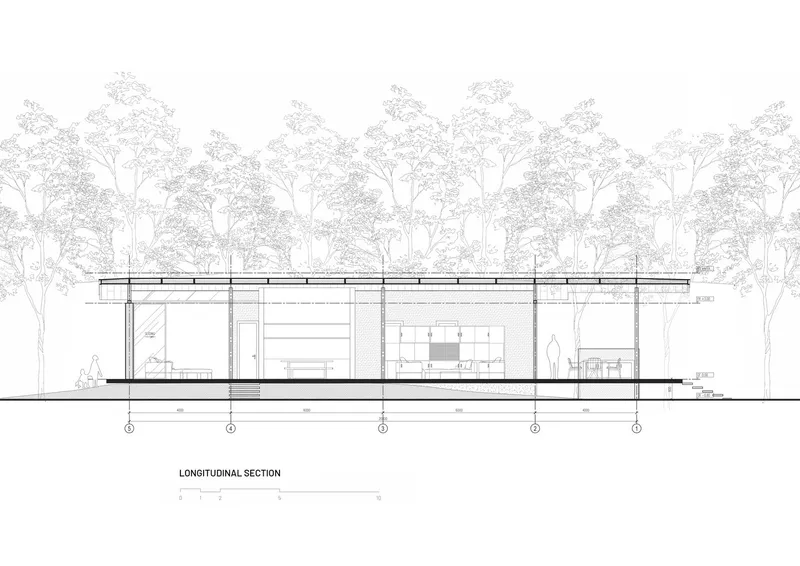
The villa’s large insulated roof covers all functional areas, adhering to bioclimatic principles. Common areas are designed for natural ventilation, eliminating the need for air conditioning. Efficient ceiling fans provide cooling, preserving the tropical ambiance while reducing energy consumption.


Insulation and Energy Efficiency
Bedrooms are well-insulated using rice husk for the roof and light concrete blocks for the walls. Double-glazing doors and windows further enhance thermal efficiency, ensuring comfortable indoor temperatures even with minimal air conditioning use.
Materials and Construction
Local and Low-Carbon Materials
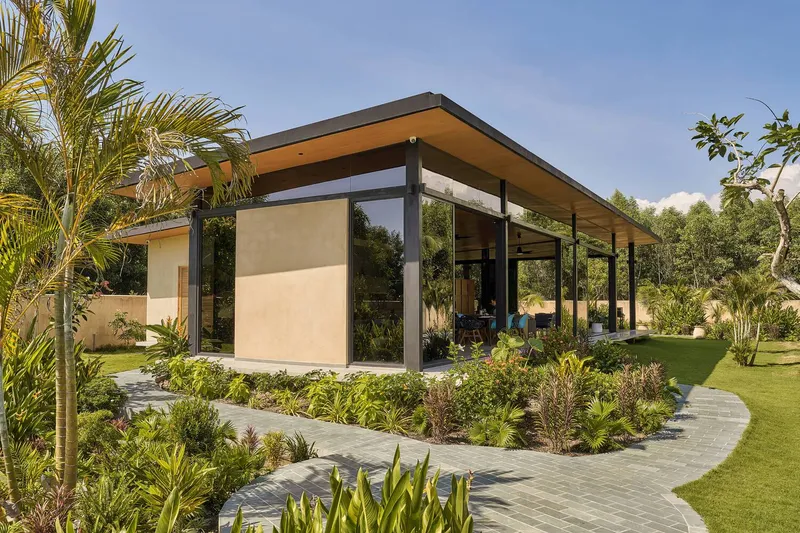
Exterior walls are plastered with lime using locally sourced sand, creating a natural aesthetic and reducing the carbon footprint. The villa’s design emphasizes the use of geo-sourced materials, aligning with an eco-friendly architectural philosophy.
Minimalist Interior Design
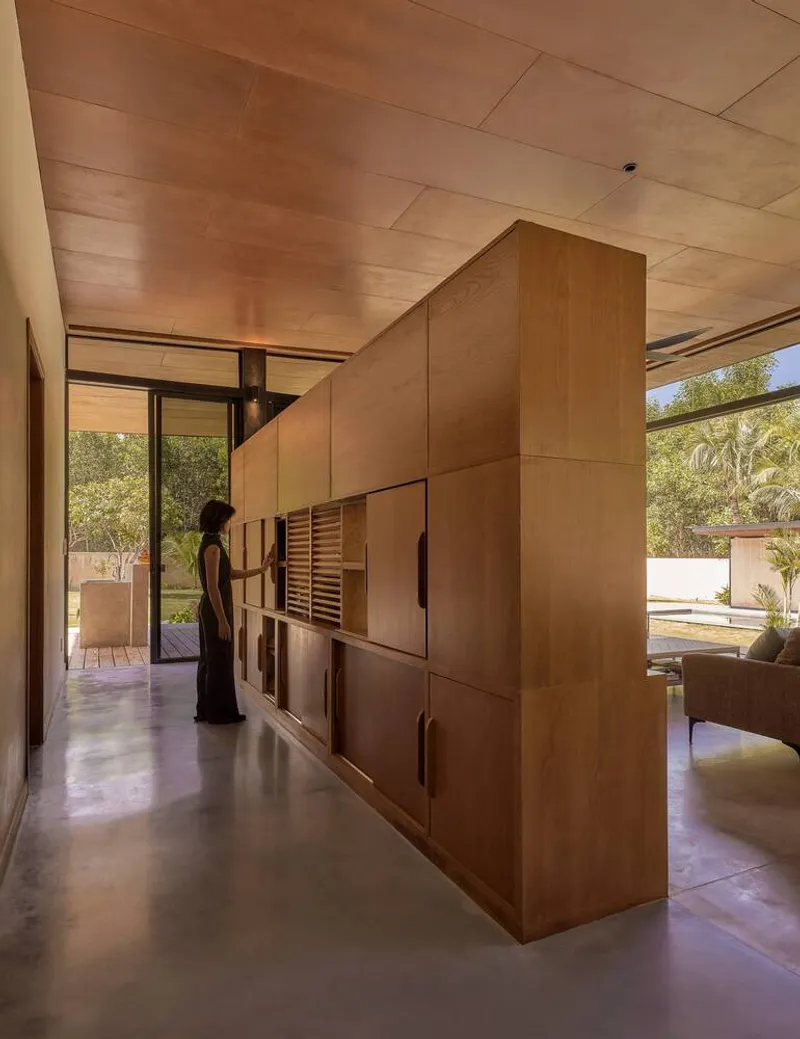
The interior design is intentionally minimalist to simplify maintenance and operation. Tailor-made cement tiles and solid wood furniture add a Vietnamese touch, while plywood false ceilings contribute to the villa’s cozy atmosphere.
Thoughtful Lighting Design
Lighting, designed by Kobi Studio, is strategically placed to preserve the night sky’s darkness, respecting the natural environment. Focused lighting ensures that only necessary areas, such as reading corners and dining spaces, are illuminated.
Landscape and Water Management
Native Vegetation
The landscape design promotes the use of native trees and plants, requiring minimal water and maintenance. This approach not only enhances the natural look but also ensures the landscape integrates seamlessly with the surrounding environment.
Eco-Friendly Pool System
The pool uses a saltwater system, eliminating the need for chlorine and reducing maintenance costs. With a depth of approximately 120 cm, the pool conserves water and minimizes equipment expenses.
The Bioclimatic Tropical Villa in Vietnam by T3 ARCHITECTS and Kanopea Architecture Studio stands as a testament to contemporary tropical architecture. It combines low-tech solutions with meaningful design, offering a sustainable and serene escape just 2.5 hours from Saigon. This villa is more than a weekend retreat; it is a manifesto for bioclimatic and eco-friendly architecture, harmoniously blending with its tropical surroundings.
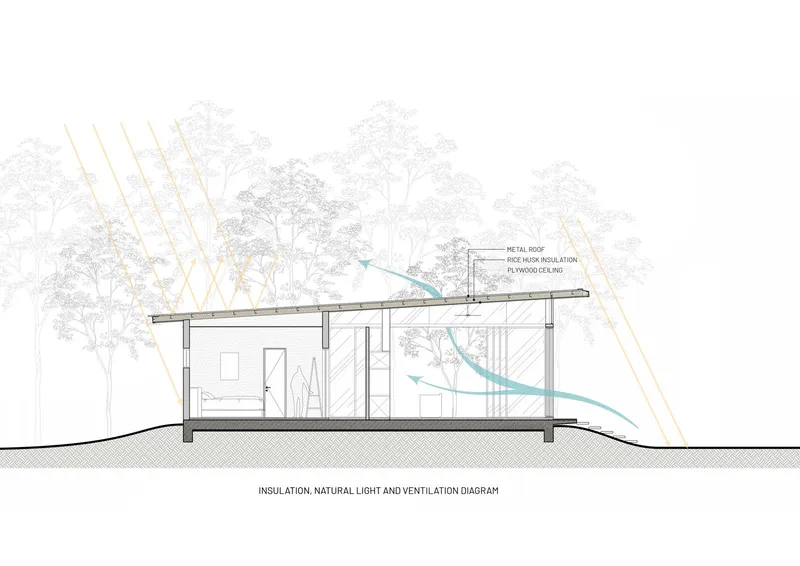
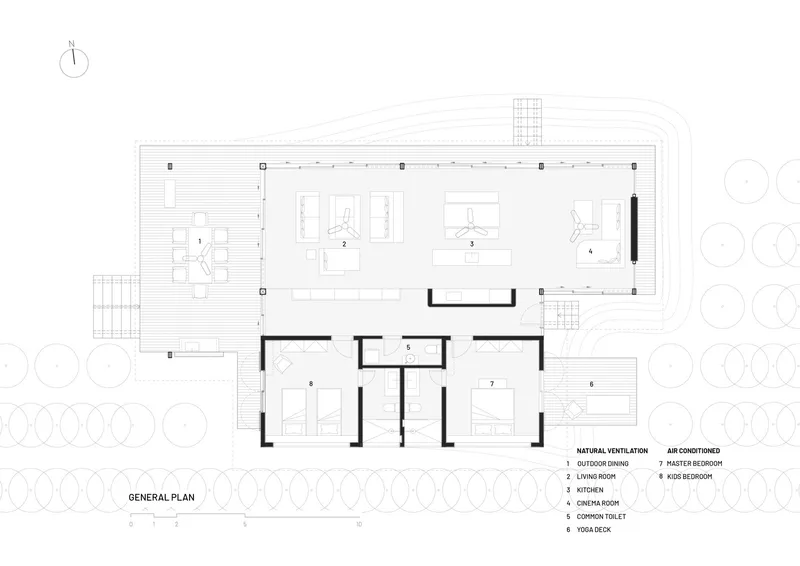
All photographs are work of Phu Dao


Popular Articles
Popular articles from the community


Cloaked Colonization: A Mobile Underwater Habitat That Moves Like a Fish
Micah Abaya's shortlisted EHC Pacific entry reimagines ocean settlement as a dispersed network of self-sustaining architectural organisms.
Temporary Home for Dogs: A Reversed Zoo Rethinks Animal Shelter Architecture
In Bucharest, a sinuous corridor and freed landscape flip the logic of containment, designing a shelter that works to make itself unnecessary.

Manzana Morphosis: Stretching Barcelona's Grid into a Living Landscape for 2050
A radical reworking of the Eixample manzana turns density into a tool for generous public space, vertical ecology, and environmental performance.

Singing Woman: Contemporary Architecture Inspired by Estonia’s Voice and the Sea
Singing Woman turns Estonia’s song culture into flowing opera house architecture, blending public life, landscape, sea, and national memory.

Similar Reads
You might also enjoy these articles


FAMM Arquitectura Organizes Ten Villas Around Courtyards and Jungle in Nosara, Costa Rica
El Molino pairs two elongated volumes with deep overhangs and timber louvers to build a compact coastal community five minutes from the beach.
Oscar Niemeyer's Ibirapuera Park Pavilions Define São Paulo's Cultural Identity in Concrete and Curve
A constellation of modernist volumes set within São Paulo's most important urban park, conceived for the city's 400th anniversary in 1954.
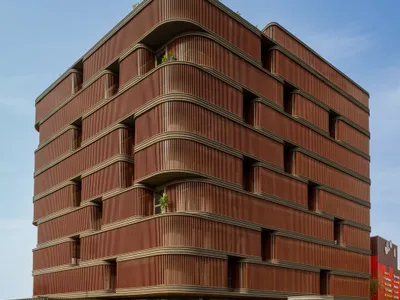
Sanjay Puri Architects Wraps a Jaipur Office Tower in Capsule-Shaped Green Buffers
A nine-level climate-responsive workplace near Jaipur Airport uses stacked planter terraces and aluminium screens to fight 40°C heat.
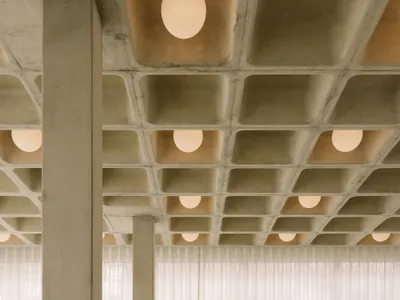
RHO Converts a Berlin Spree-Side Industrial Courtyard into Enkime's 1,000 m² Agency Headquarters
A social media agency's new home in Charlottenburg trades glossy branding for concrete waffle ceilings, glazed tile, and sheer curtains.

Explore Vietnam Architecture Competitions
Discover active competitions in this discipline

Challenge to reimagine the Iron Throne

Photograph architecture without architects

Illustrate the lost glory of Angkor Wat - Render Challenge

Design challenge to reuse E-waste
Comments (0)
Please login or sign up to add comments
No comments yet. Be the first to comment!