
Circles of Life: Modular Playgrounds Revitalizing Dadaab Refugee Camps
Sustainable, community-built modular playgrounds revitalizing Dadaab Refugee Camps, enhancing children's development and cultural identity.


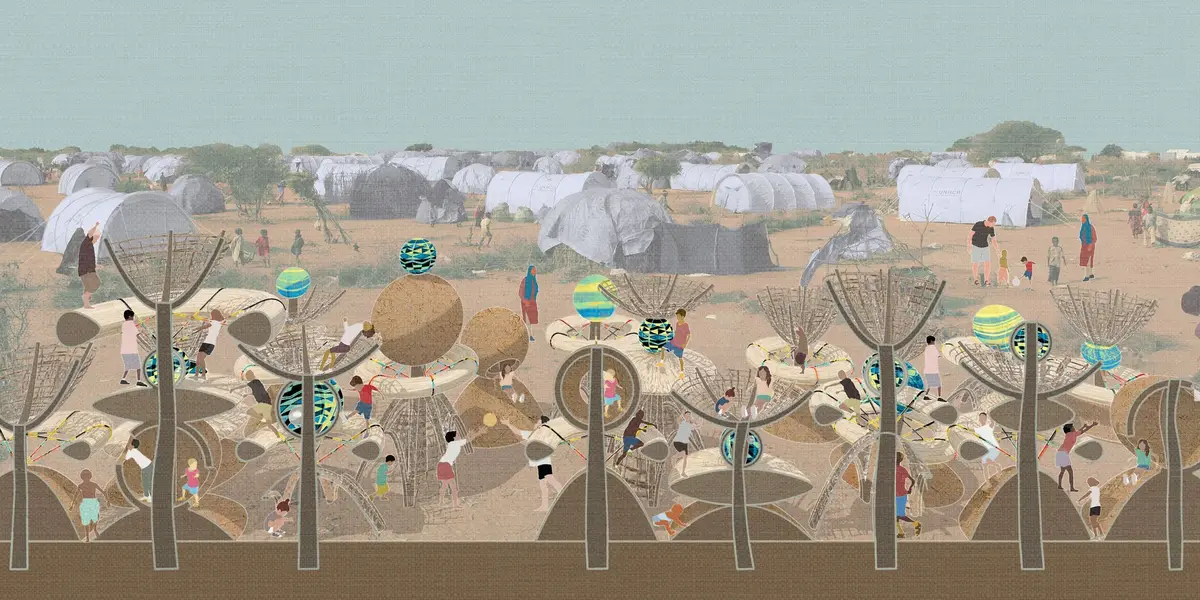
In the arid landscape of Dadaab Refugee Camps, where resources are scarce and the environment is harsh, innovative design projects can offer a glimmer of hope and transformation. The "Circles of Life" playgrounds, designed by Manyiu Cho, embody such innovation. These modular playgrounds aim not only to provide recreational spaces for children but also to strengthen and reconnect the vulnerable refugee community. This initiative is particularly vital for rebuilding the personal identities of children who have known only the transient life of the camps.
The Concept: Circles of Life
The Circles of Life project introduces modular playgrounds constructed with the active involvement of the community. The design, deeply rooted in vernacular Somali architecture, utilizes locally available materials and traditional craftsmanship. This approach ensures that the playgrounds are sustainable, culturally relevant, and built by the community for the community.
Vernacular Inspiration: Honoring Somali Heritage
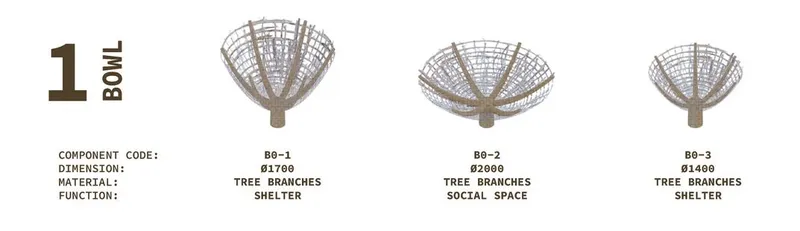
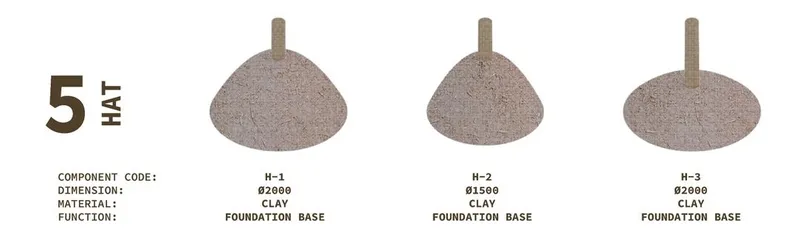
The design of the playgrounds takes inspiration from traditional Somali huts known as Aqals. These structures are typically made from locally sourced materials such as wood branches, twigs, earth, reed, grass thatch, and fabrics. By incorporating these elements, the playgrounds not only provide a familiar aesthetic but also ensure environmental sustainability. These materials are eco-friendly, requiring minimal embodied energy and leaving no trace after demolition.
Community-Centric Construction: Building Together
One of the most significant aspects of the Circles of Life project is its emphasis on community involvement. The construction methods mirror traditional Somali practices, enabling the community to take ownership of the project. Men typically handle the erection of wooden structures, while women and children contribute by weaving fabrics and plastering with earth. This collaborative effort strengthens community bonds and provides a sense of purpose and pride.

Modularity and Adaptability: A Flexible Design Approach
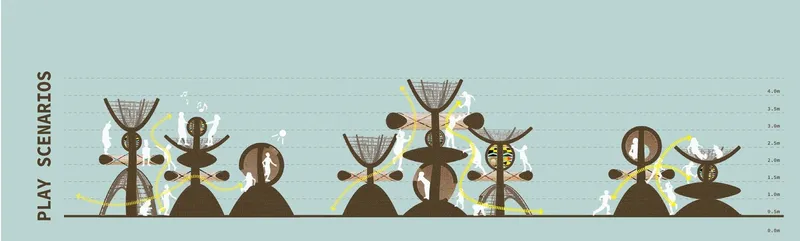
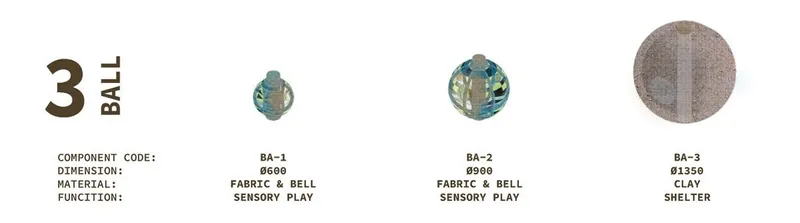
The modular design of the playgrounds allows for adaptability to various site conditions within the refugee camps. The system uses wooden columns ranging from 2 to 4 meters tall, onto which circular elements such as spheres, cones, disks, and torus shapes are mounted. These elements create totems of concentric circles, forming a unique and engaging play environment.
The columns are spaced 2 meters apart, creating zigzag negative spaces that offer various play experiences. This layout encourages children to climb, crawl, run, and navigate through the structures, promoting physical activity and social interaction. The modular system can be adjusted to fit different areas within the camps, from small alleyways to large community plazas.
Play Experiences: Fostering Growth and Development
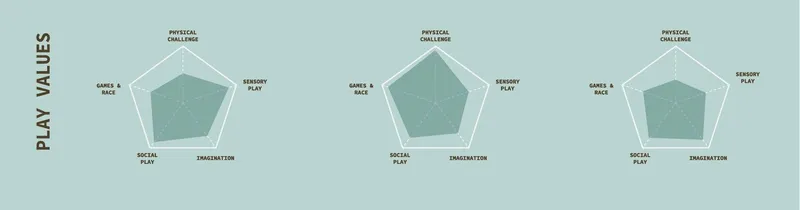
The playgrounds offer a rich variety of play experiences designed to stimulate physical, sensory, and social development. Children are challenged to crawl through narrow spaces, balance on uneven surfaces, climb among the columns, and collaborate with peers to navigate the structures. These activities are essential for comprehensive development, fostering physical strength, imagination, collaboration, and competitiveness.

Impact on the Community: Rebuilding Identity and Connections
For many children in Dadaab, the playgrounds represent more than just a place to play. They are spaces where personal identities are rebuilt, and a sense of belonging is fostered. The design and construction process, involving local materials and traditional methods, helps preserve cultural heritage and imparts valuable skills to the younger generation.
Moreover, these playgrounds serve as community hubs, doubling as plazas for social gatherings and cultural activities. They provide a safe and welcoming environment where children and adults alike can connect and support one another.
A Model for Sustainable Development
The Circles of Life project exemplifies how sustainable architecture can transform refugee camps, providing not only physical structures but also fostering community resilience and cultural continuity. By prioritizing local materials, traditional craftsmanship, and community involvement, this project offers a model for future developments in similar settings.
As we look towards the future, the principles embodied in the Circles of Life playgrounds – sustainability, cultural relevance, and community empowerment – should guide the design and implementation of humanitarian architecture projects worldwide. Through thoughtful and inclusive design, we can create spaces that uplift and inspire, even in the most challenging environments.


Popular Articles
Popular articles from the community


The Musturak Paradise: Senior Living Architecture for a Connected Future in Temara, Morocco
The Musturak Paradise reimagines senior living architecture in Temara via private homes, social spaces, culture, community, and shared care.

Play: Fragments of Their World
Familiar architecture becomes modular playground design, creating safe spaces where displaced children can learn, connect, imagine and play.

Co-life: Sustainable Architecture for Age-Friendly Community Living
Co-life reimagines sustainable architecture for seniors through courtyards, rammed earth, shared gardens, and spaces designed for belonging.

Lunar Spiral: Space Architecture Shaped by the Mathematics of the Universe
Lunar Spiral reimagines space architecture through Fibonacci geometry, lunar regolith, levitating habitats, and self-sustaining Moon living.

Similar Reads
You might also enjoy these articles

Day and Night Park: A Time-Based Urban Newsstand in Beijing
A temporary urban newsstand in Beijing blending travel, light, and reading through poetic colors, compact form, and community-focused design.

Modernist Patio Renovation in El Masnou, Barcelona by Oliver Segura Arquitectura + Cebrià Arquitectura
Modernist patio renovation blending tradition and innovation with a movable pool, leveled floors, and Catalan materials in El Masnou.

Alto Residencial Coop: Cooperative Housing Development in Santiago de Compostela by Carbajo Barrios Arquitectos
A linear cooperative housing complex blending white volumes and perforated metal façades, enhancing community living, natural light, privacy, and urban integration.
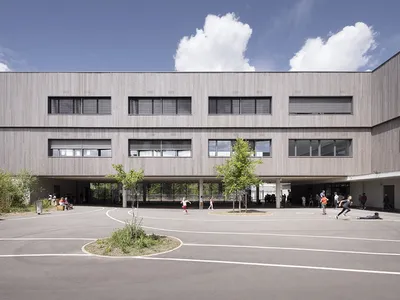
Vil Genis School by BPA ARCHITECTURE – Massy, France
Vil Genis School in Massy, France, features sustainable design, south-facing classrooms, community integration, accessible spaces, and modern educational architecture.
Explore Playground Competitions
Discover active competitions in this discipline

Challenge to reimagine the Iron Throne

Photograph architecture without architects

Illustrate the lost glory of Angkor Wat - Render Challenge

Design challenge to reuse E-waste
Comments (0)
Please login or sign up to add comments
No comments yet. Be the first to comment!