Climate-Adaptive Educational Architecture: Jacques Majorelle School in Benguerir by ZArchitecture Studio
A climate-adaptive educational campus in Morocco, blending tradition, sustainability, and modern design for community-focused learning environments.


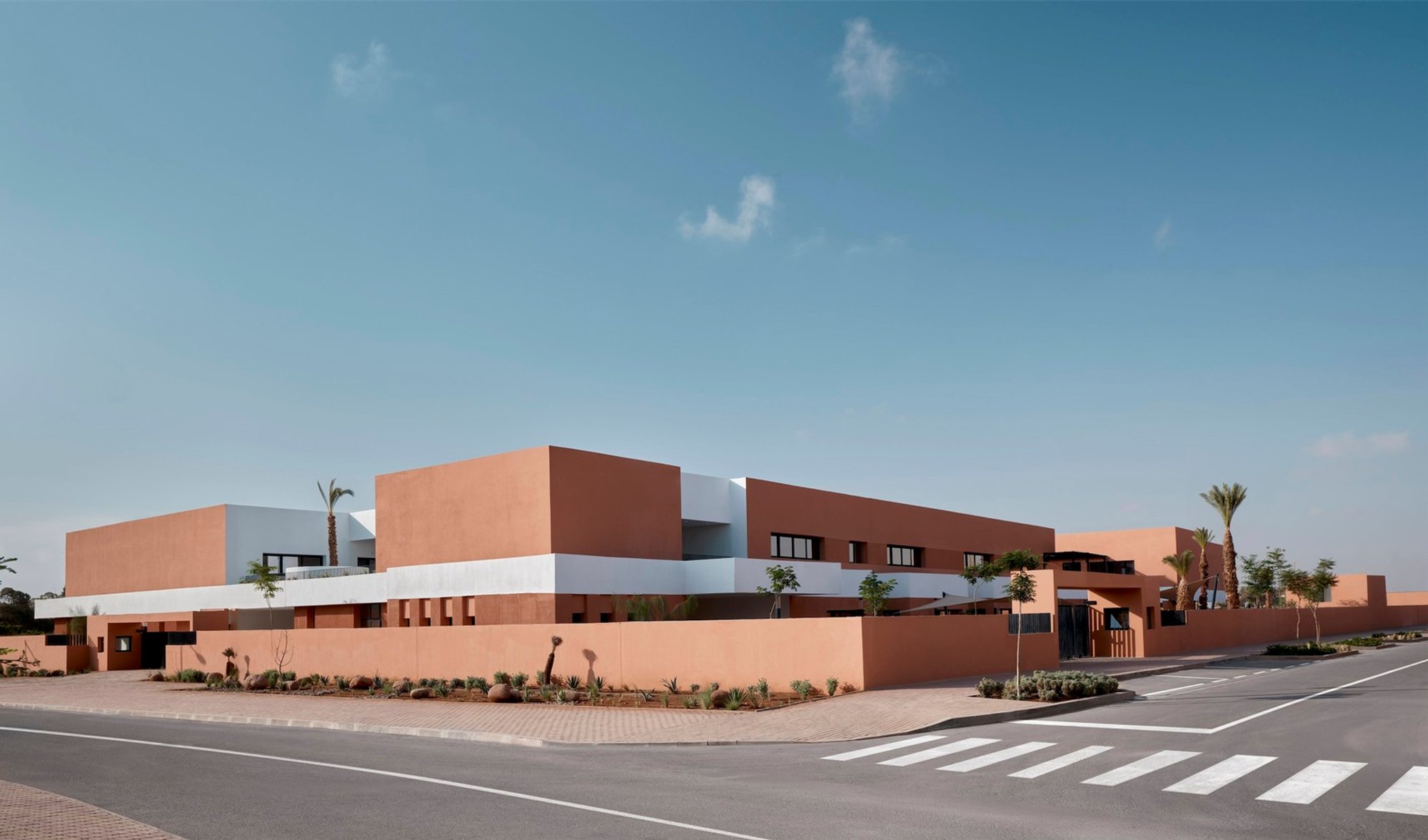
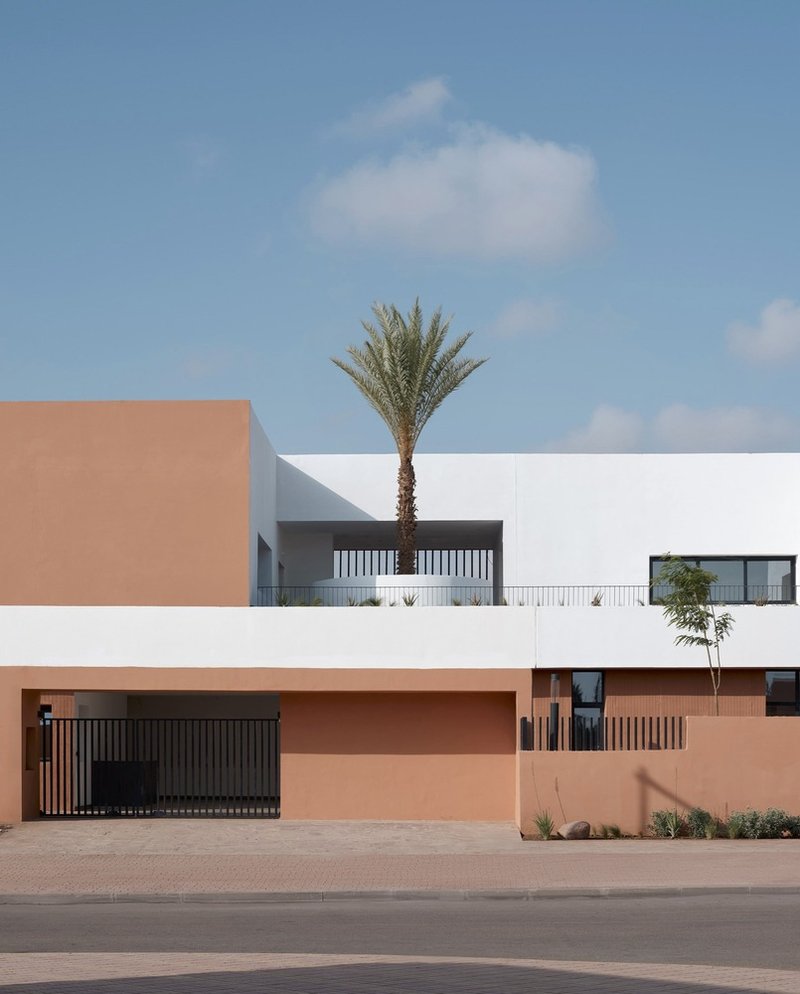
The Jacques Majorelle School, located in the Green City of Benguerir, Morocco, is a striking example of climate-adaptive educational architecture. Designed by ZArchitecture Studio in collaboration with Mohammed VI Polytechnic University and OSUI, the project redefines sustainable design within an educational context. Completed in 2024, the 6,110-square-meter campus balances rapid execution with thoughtful, climate-sensitive planning, setting a new standard for educational infrastructure in Morocco.
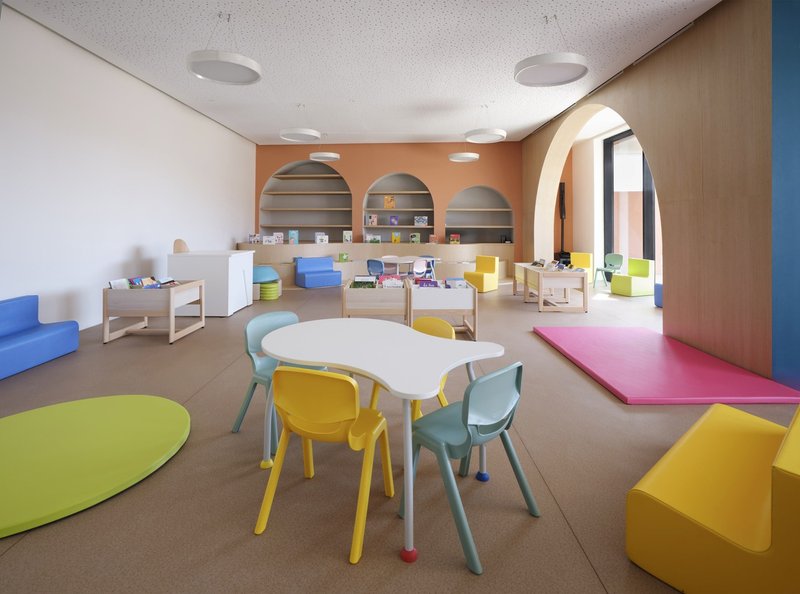
Integrating Tradition and Innovation
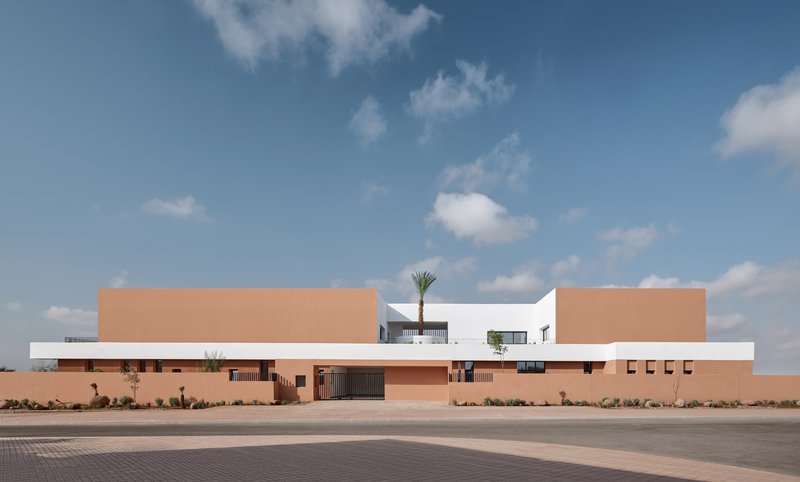
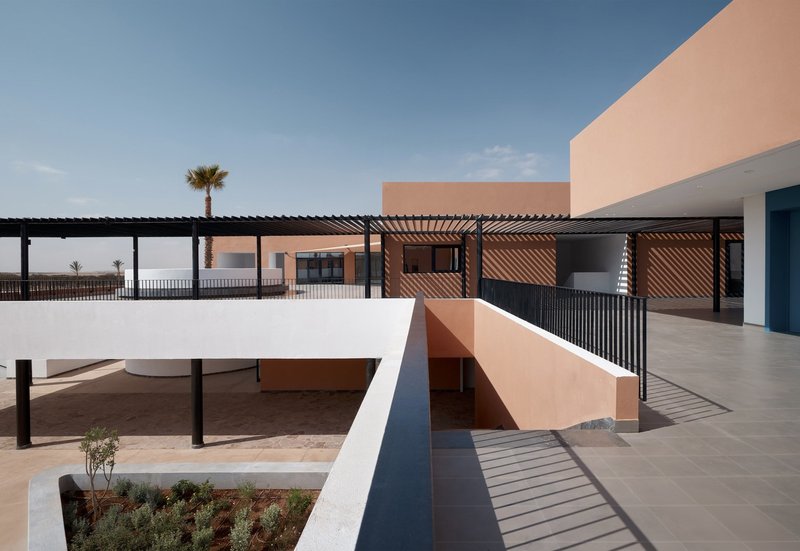
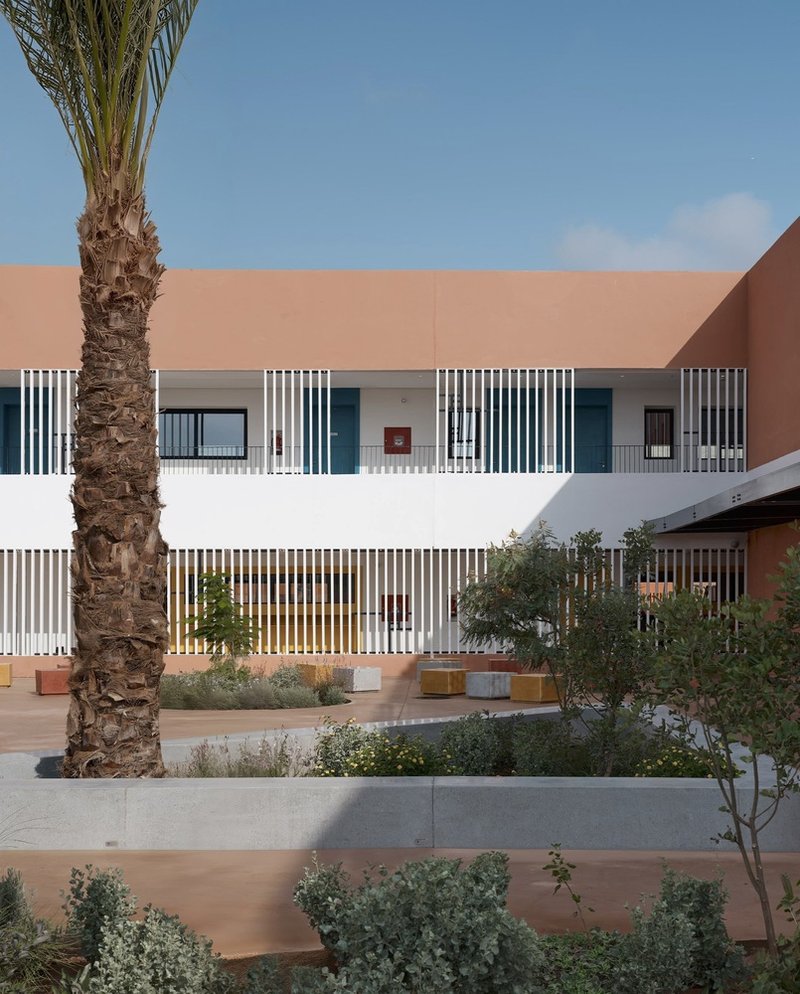
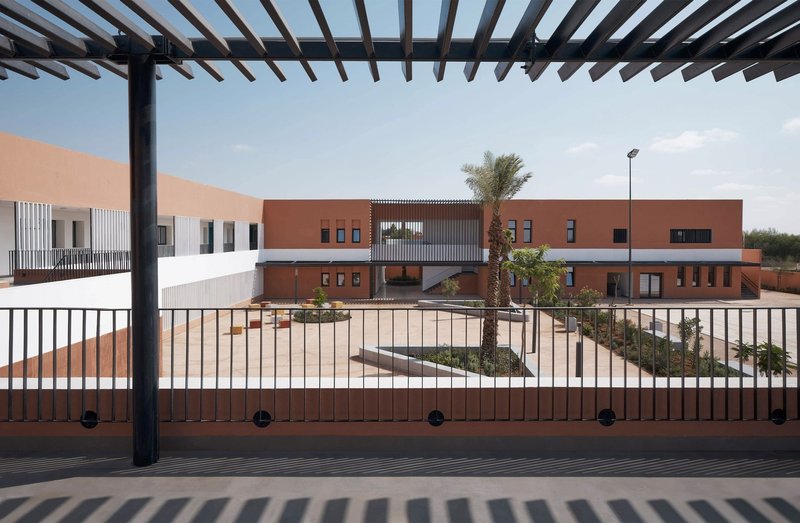
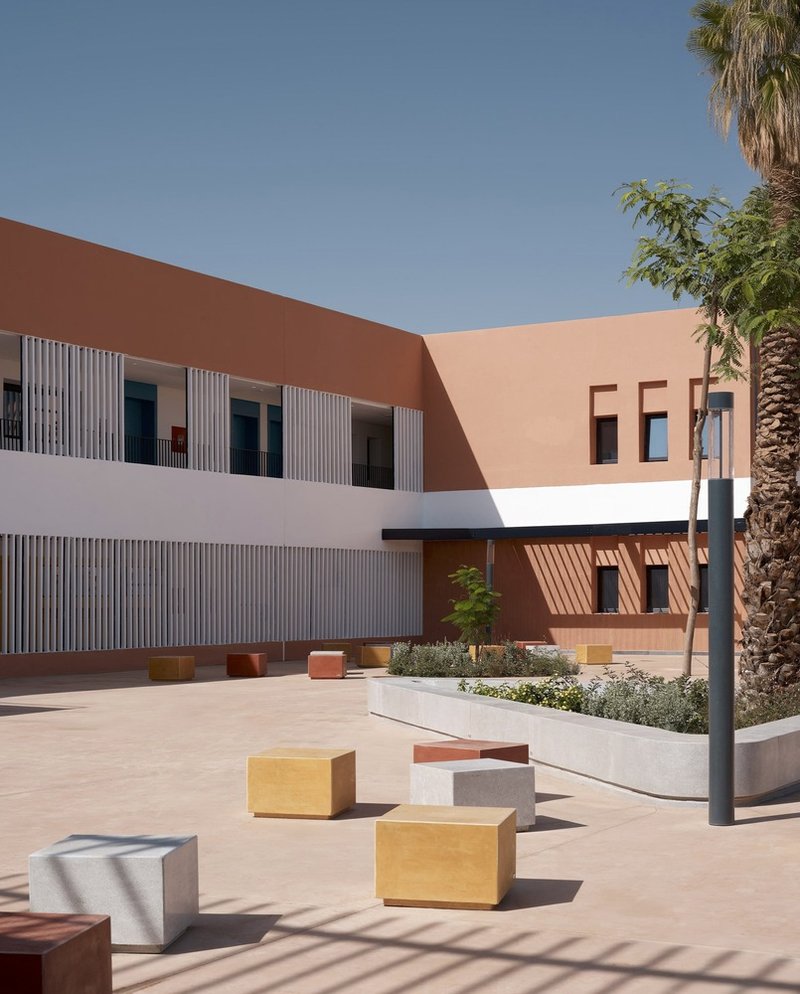
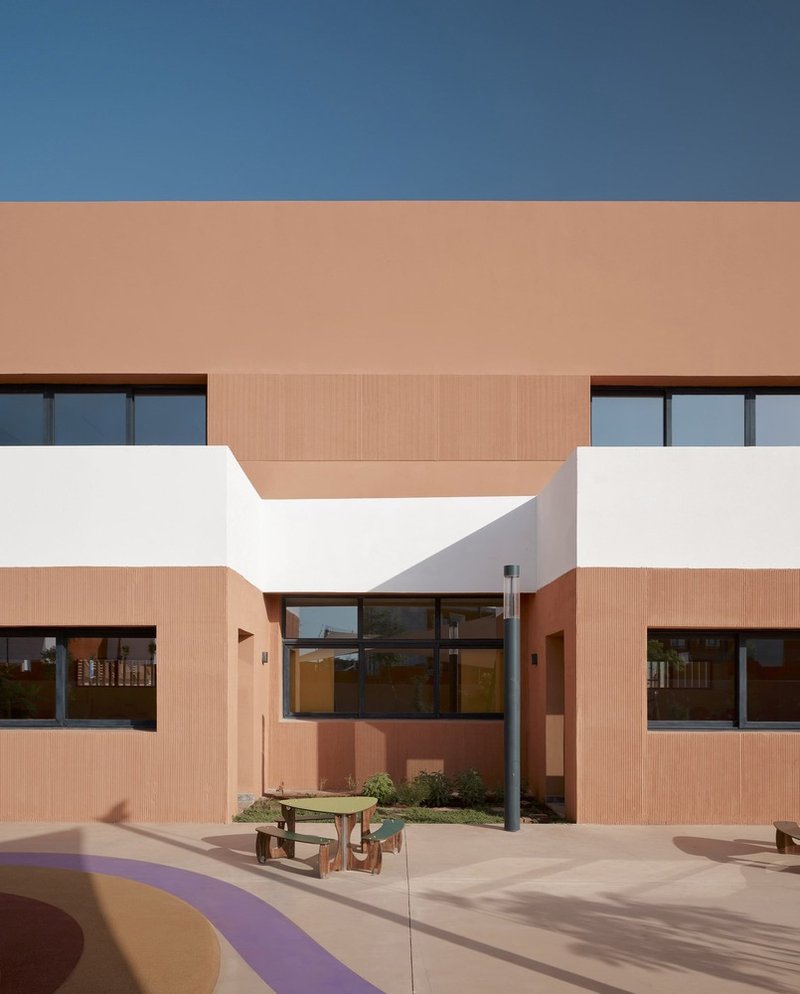
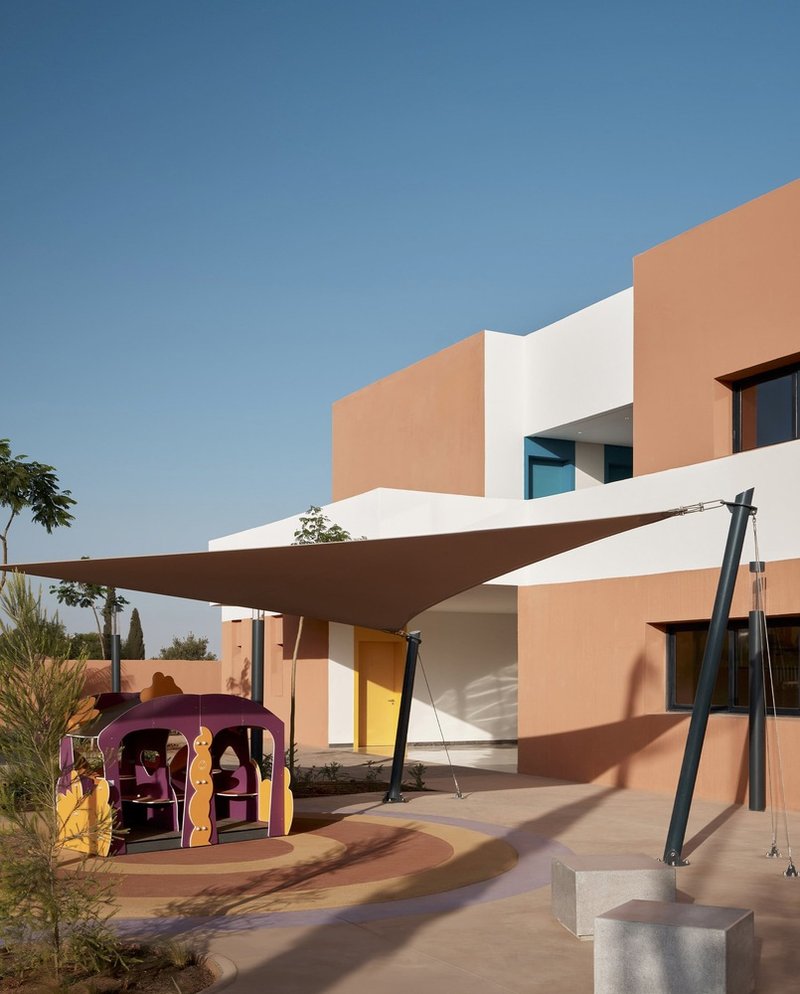
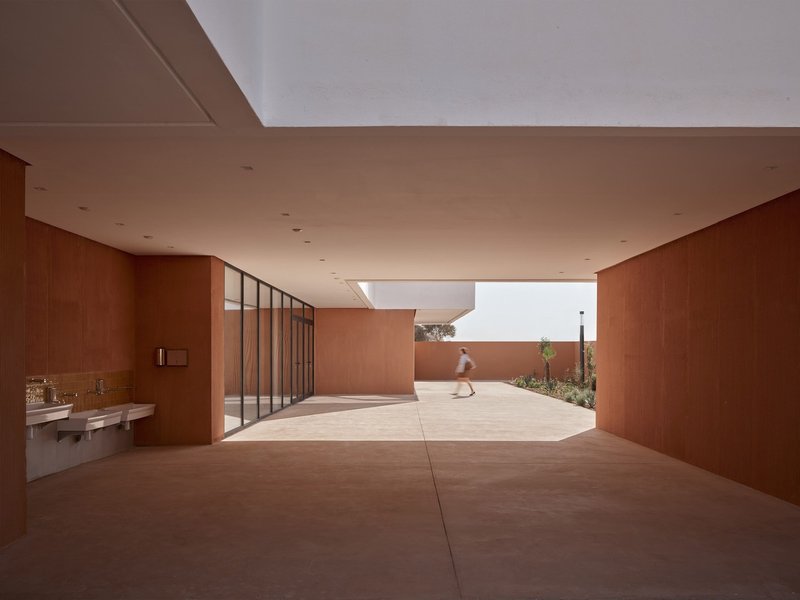
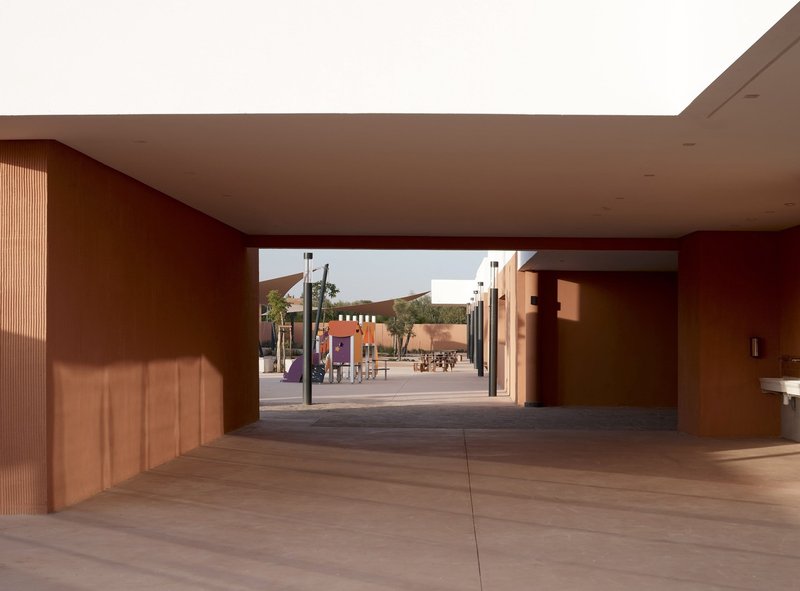
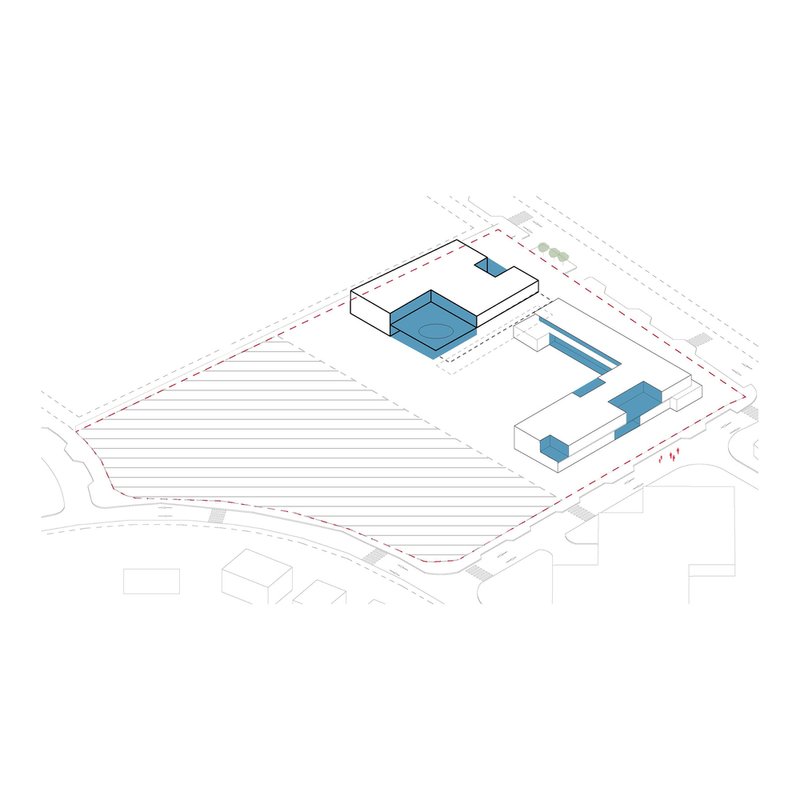
Inspired by Morocco's traditional educational architecture, the design employs courtyards as central elements for natural ventilation, communal engagement, and environmental comfort. These multifunctional patios act as buffer zones, offering shaded areas essential to the user experience while enhancing the building’s energy efficiency.
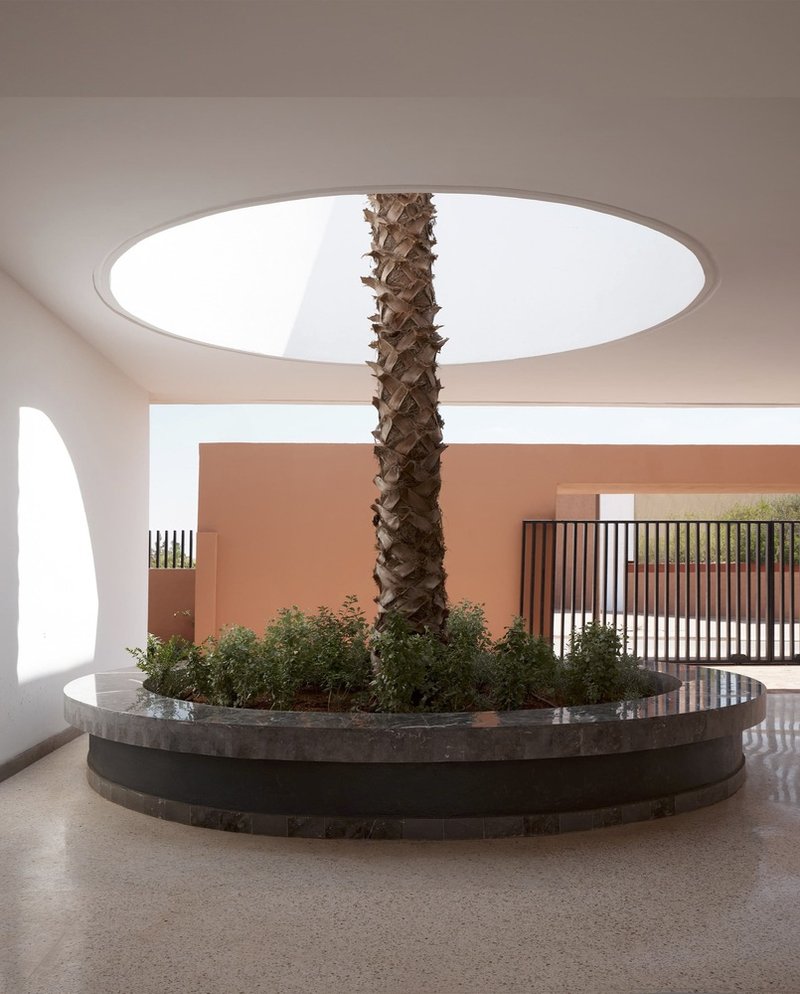
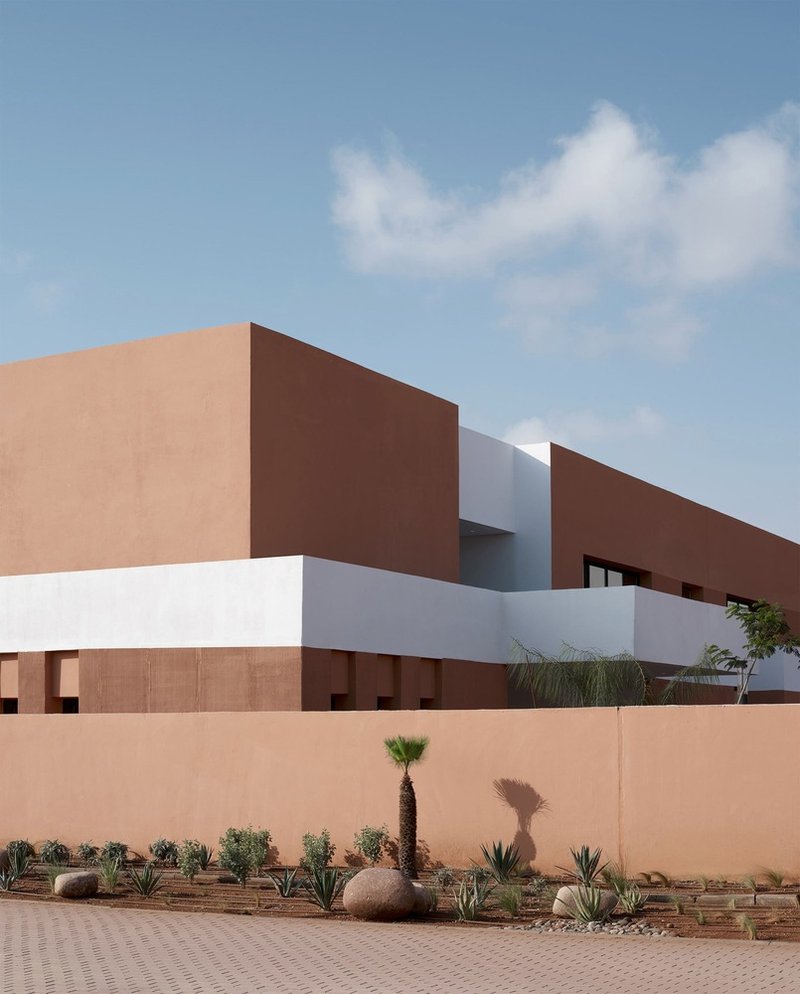
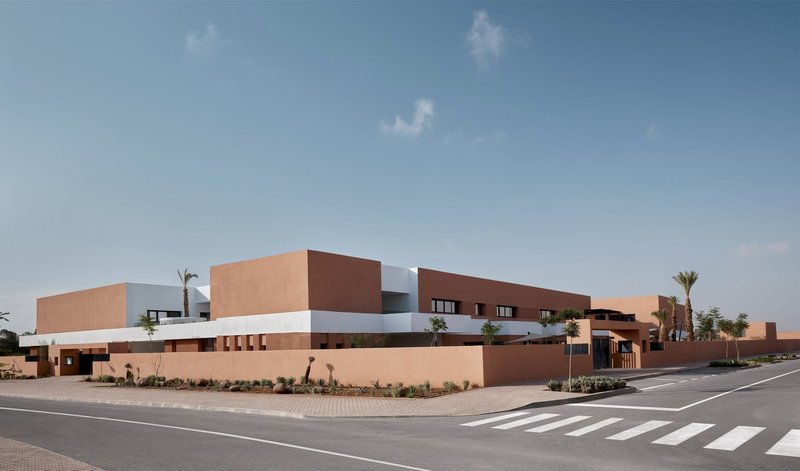
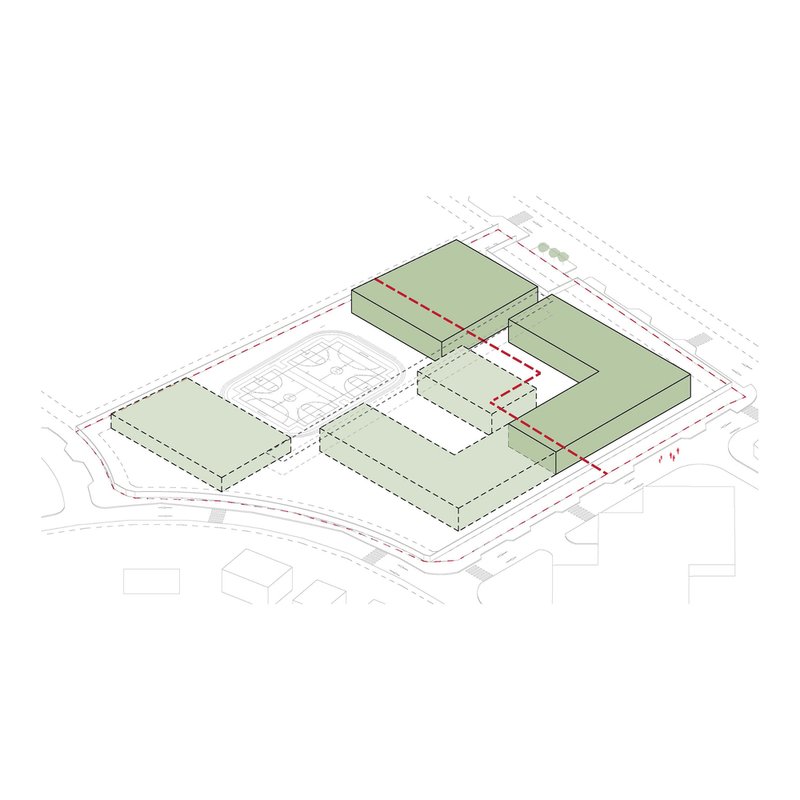
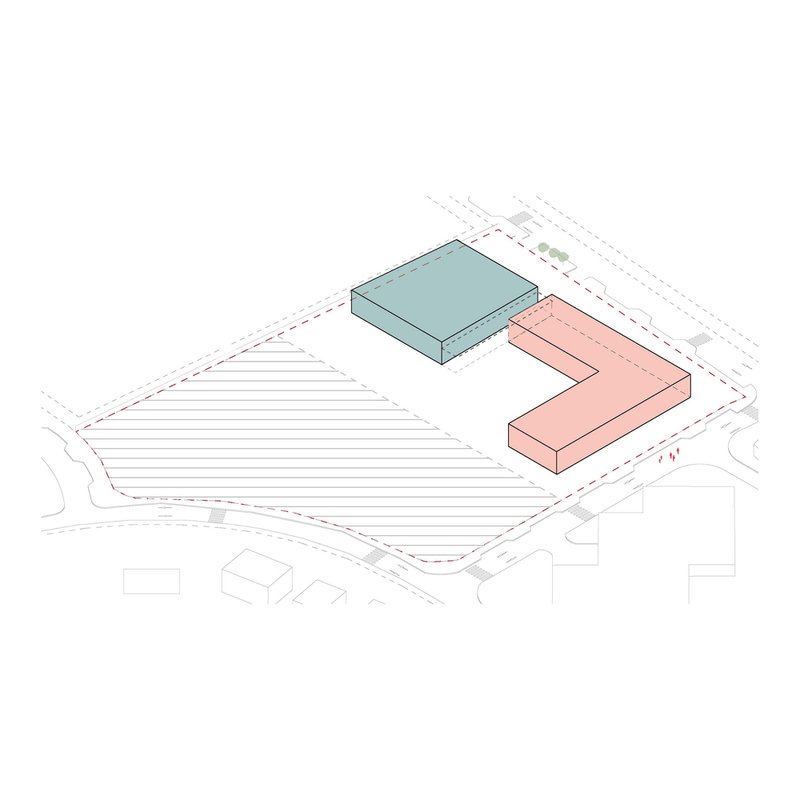
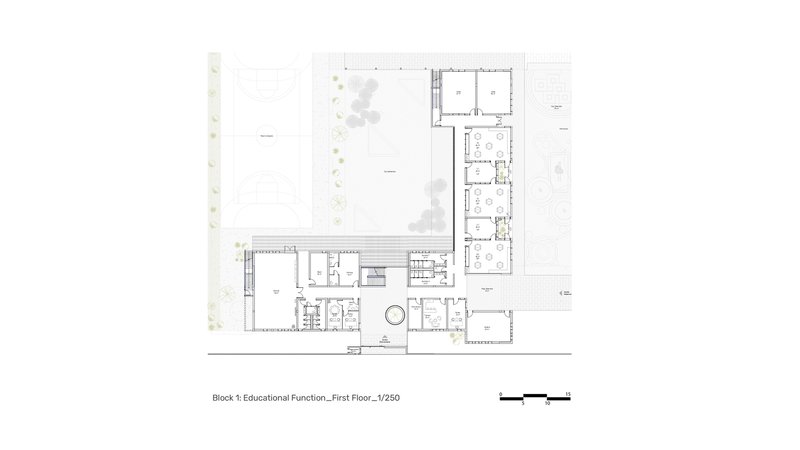
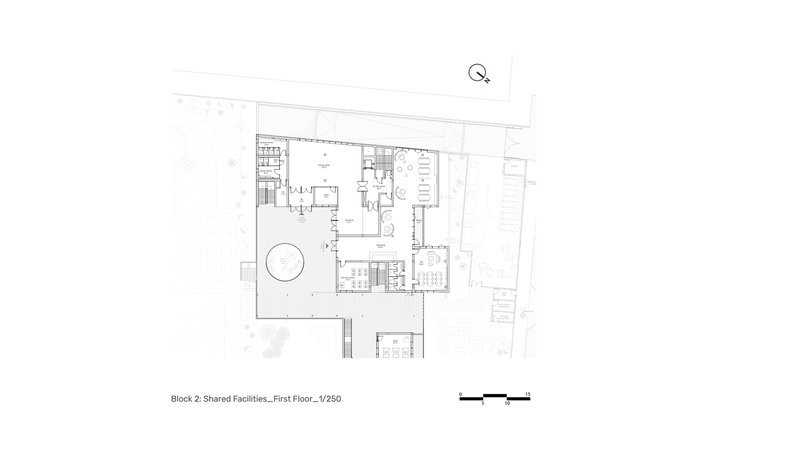
The "comb-like" spatial arrangement organizes the campus into age-specific zones, ensuring clear delineation while maintaining visual and physical continuity. This thoughtful layout reflects the designers’ commitment to fostering a cohesive learning environment that respects local traditions while embracing modern functionality.
Overcoming Design Challenges in a Fast-Paced Timeline
The Jacques Majorelle School was conceived and completed within a demanding one-year timeline, requiring innovative approaches to design and construction. Local materials, such as Moroccan stone and natural finishes, were prioritized to streamline construction while establishing a connection to the region’s identity.
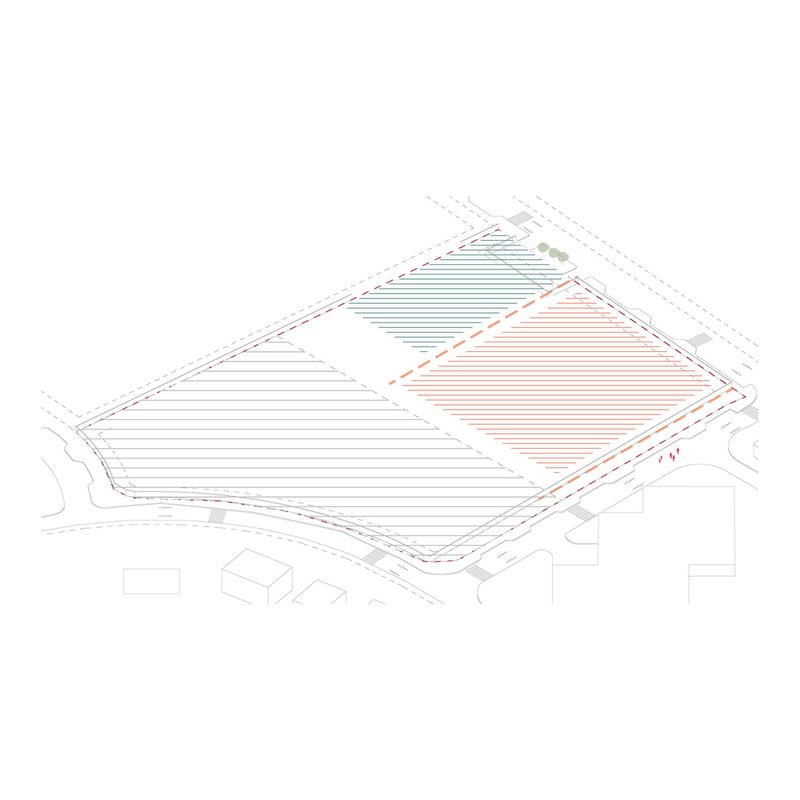
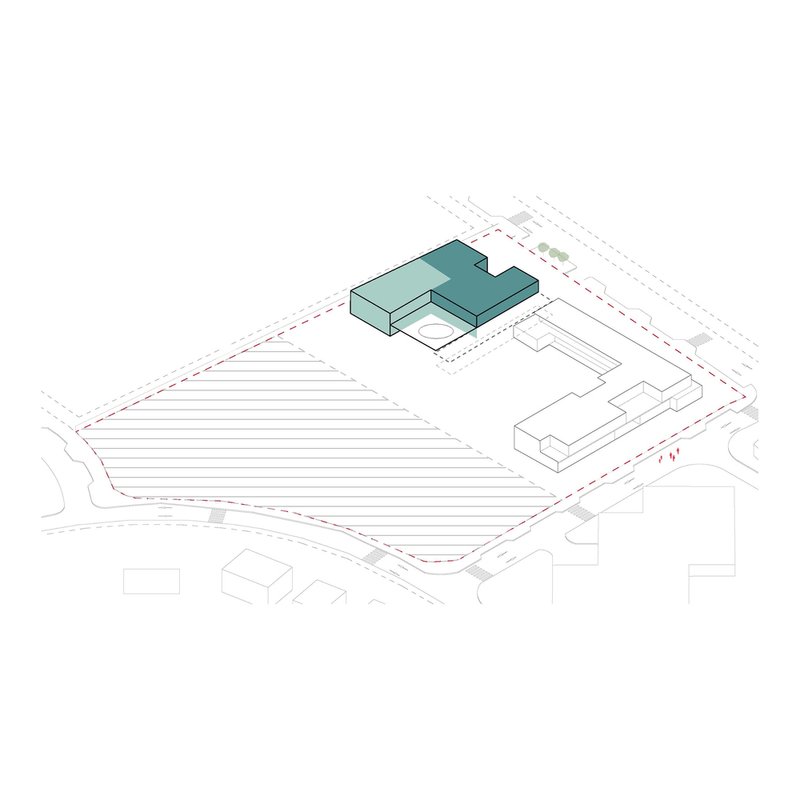
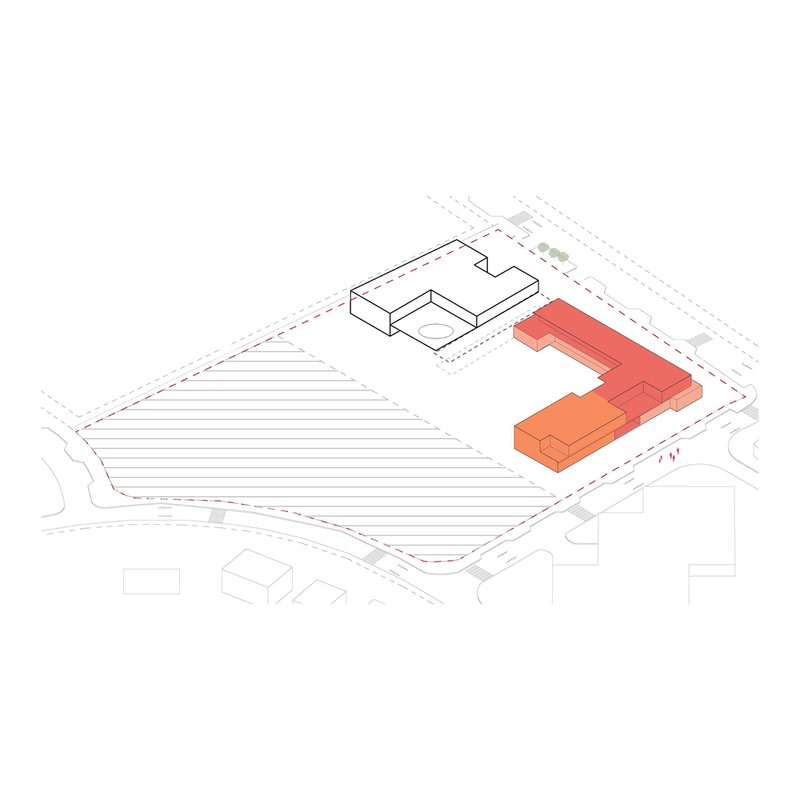
The phased development strategy ensured a smooth progression from Phase 1, which accommodates kindergarten and elementary education, to Phase 2, which will introduce secondary school facilities. This approach allowed the architects to meet the immediate needs of the community while planning for future growth.
Construction Techniques and Environmental Adaptation
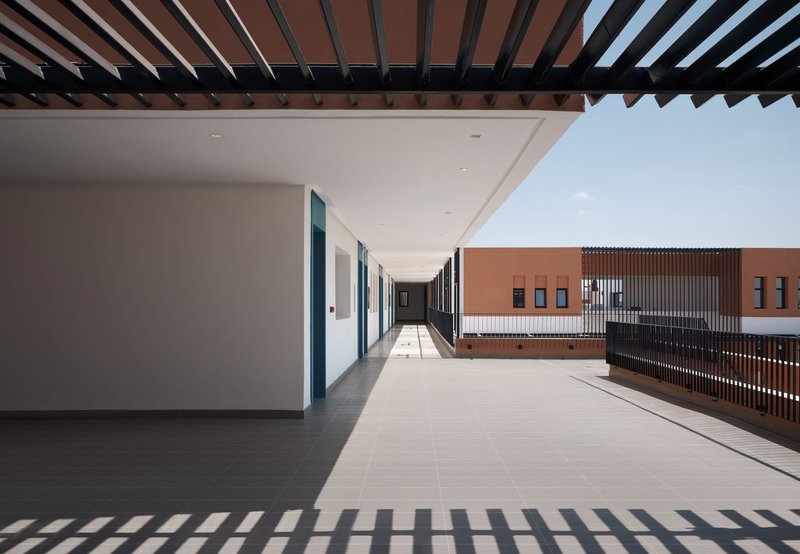
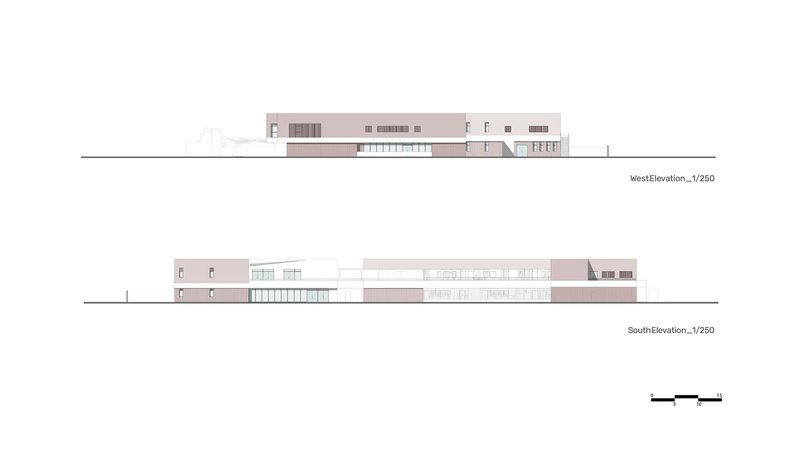
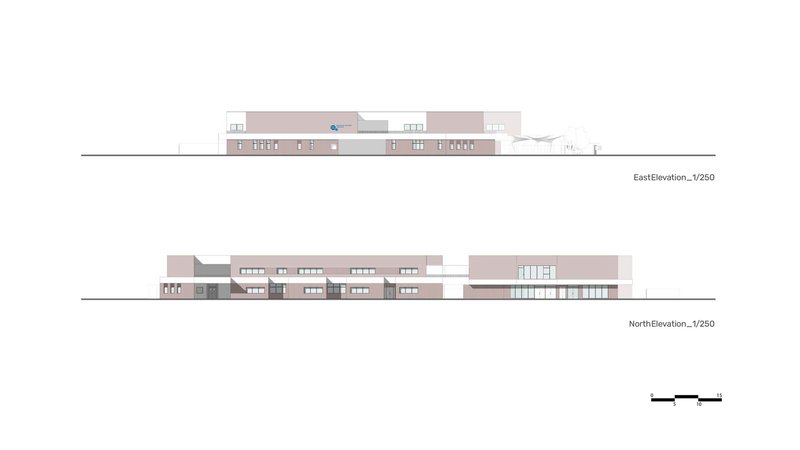
Reinforced concrete was selected as the primary structural material for its durability and efficiency. Shaded walkways and lightweight roofing over outdoor play areas were incorporated to mitigate heat gain and create a comfortable microclimate. These features, along with the use of natural finishes, promote sustainability while enhancing the campus's functionality.
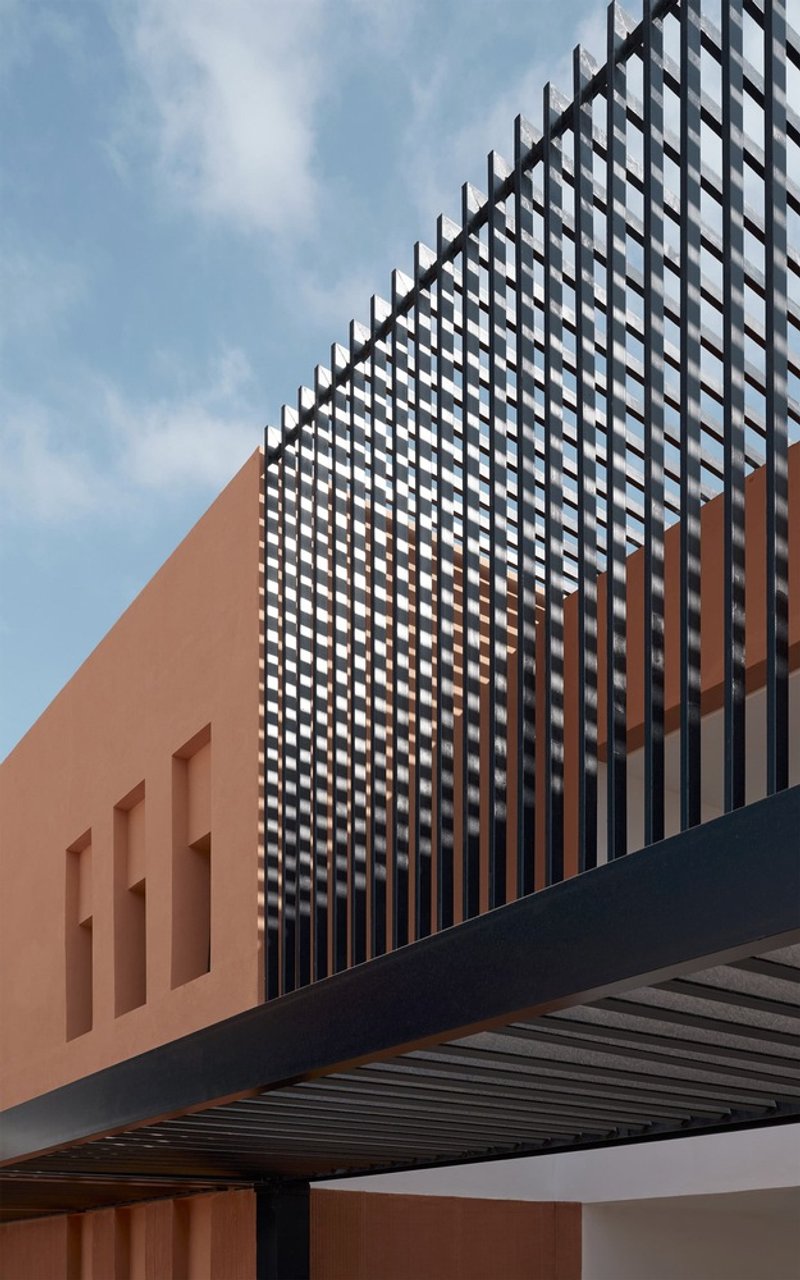
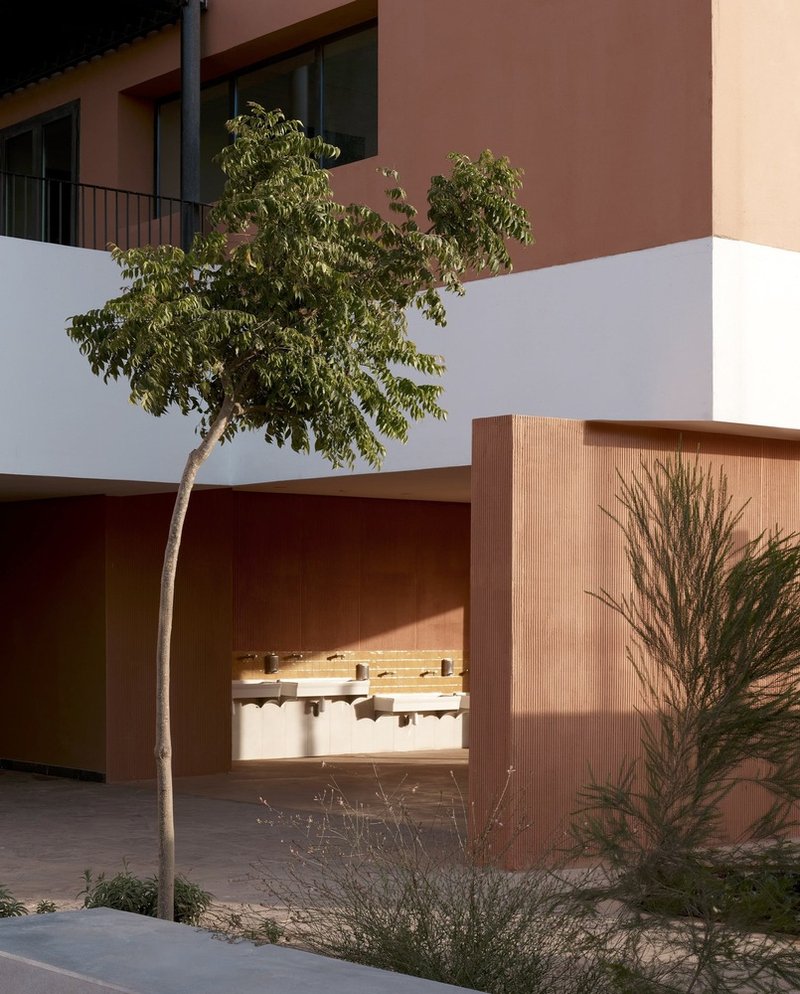
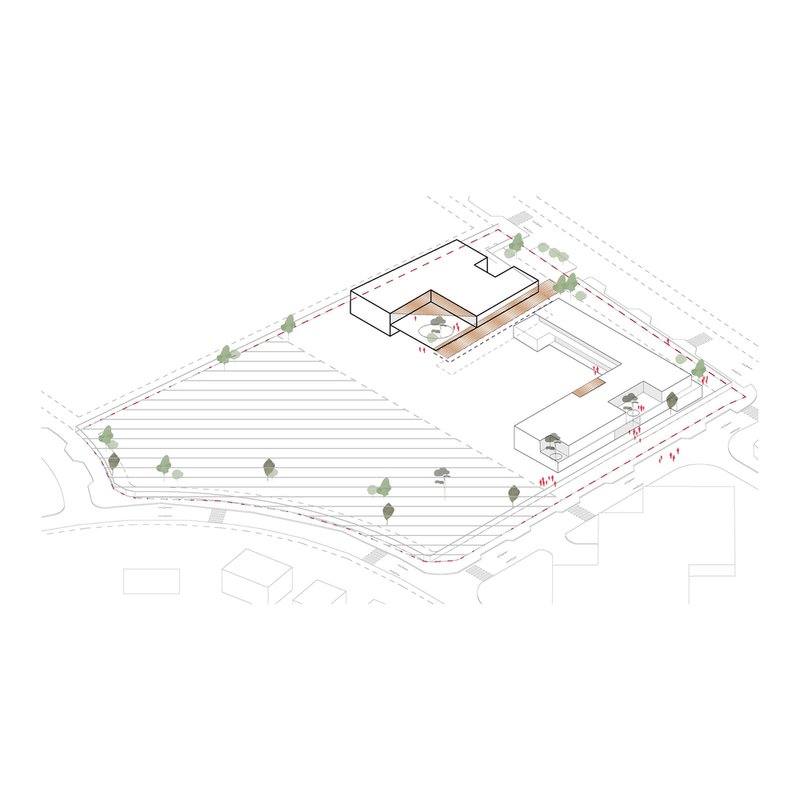
The strategic orientation of buildings minimizes solar exposure, reducing reliance on artificial cooling. This climate-adaptive strategy not only supports sustainability but also ensures that students and staff can thrive in a comfortable environment conducive to learning.
Spatial Organization for Accessibility and Safety
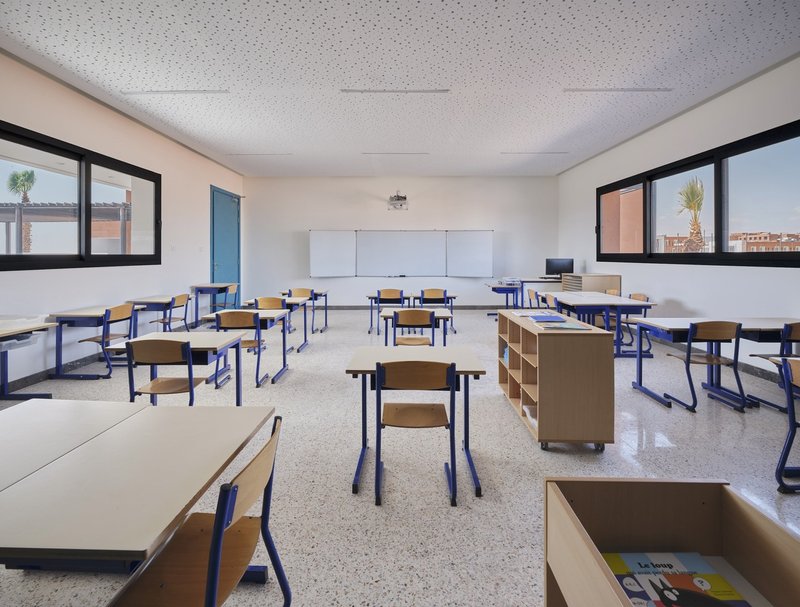
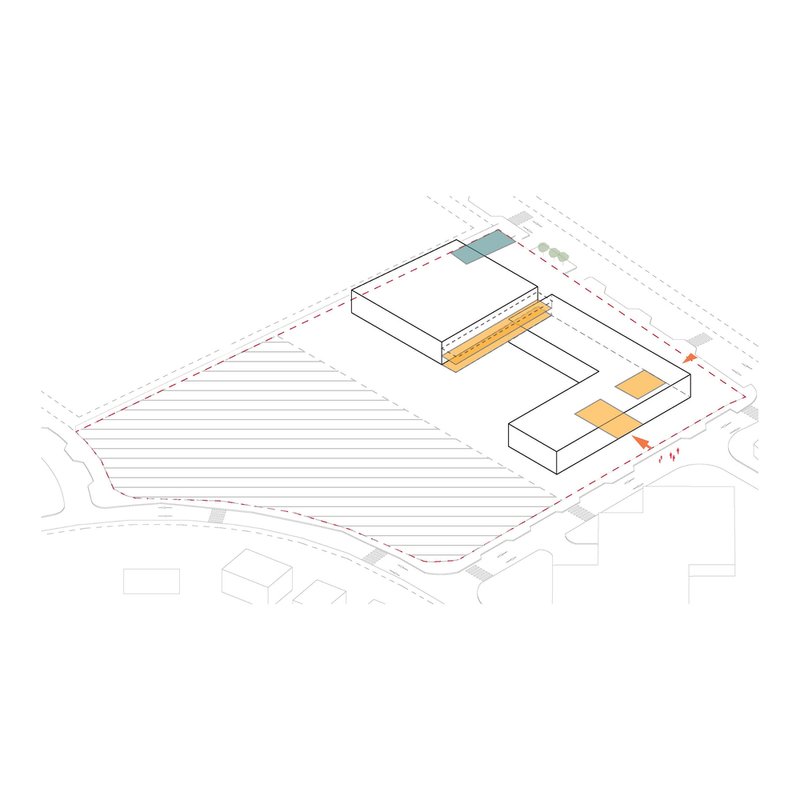
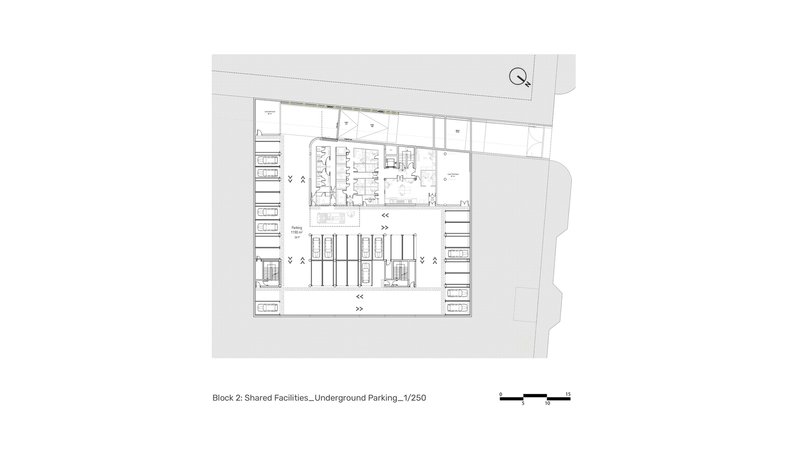
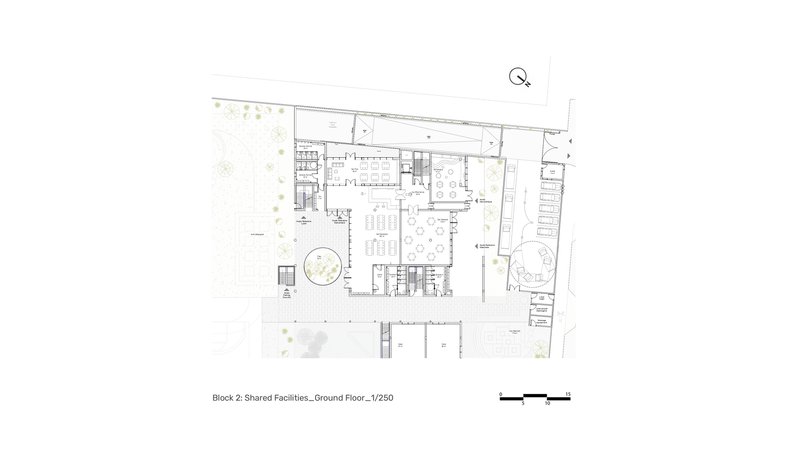
The campus is organized into two primary zones: educational buildings near the main road and shared facilities such as sports fields and the cafeteria at the rear. This layout facilitates safe circulation, with shaded walkways connecting ground-floor classrooms to outdoor spaces.
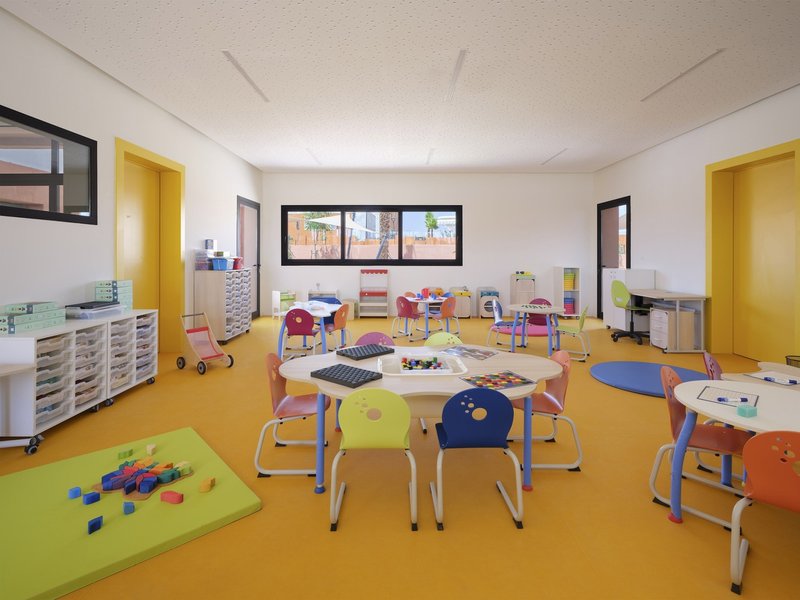
Phase 1 includes facilities for younger students, administrative offices, and an Environmental Knowledge and Culture Center, while Phase 2 will add a gymnasium and secondary education spaces. The "comb" layout ensures smooth transitions between zones while centralizing access to shared amenities.
A Landmark of Modern Educational Architecture
The Jacques Majorelle School stands as a forward-thinking model for educational design in Morocco. Its phased approach, climate-sensitive features, and respect for local traditions create a modern yet culturally grounded architectural identity.
As a project designed to adapt to the evolving needs of Benguerir's growing community, the school symbolizes the potential of educational architecture to harmonize functionality, sustainability, and cultural heritage.
The Jacques Majorelle School exemplifies the transformative potential of climate-adaptive educational architecture. By integrating traditional Moroccan design principles with modern sustainability strategies, ZArchitecture Studio has created an innovative space that fosters learning, community, and environmental responsibility.
This project is a testament to how thoughtful design can shape the future of education, providing a blueprint for institutions seeking to balance cultural identity with modern demands.
All Photographs are works of Omar Tajmouati