Community-Focused Nursery Architecture in Japan: SDJ Nursery by HIBINOSEKKEI + Youji no Shiro
The article explores SDJ Nursery’s innovative design, blending child development, community engagement, and sustainable architecture in Setagaya, Japan.


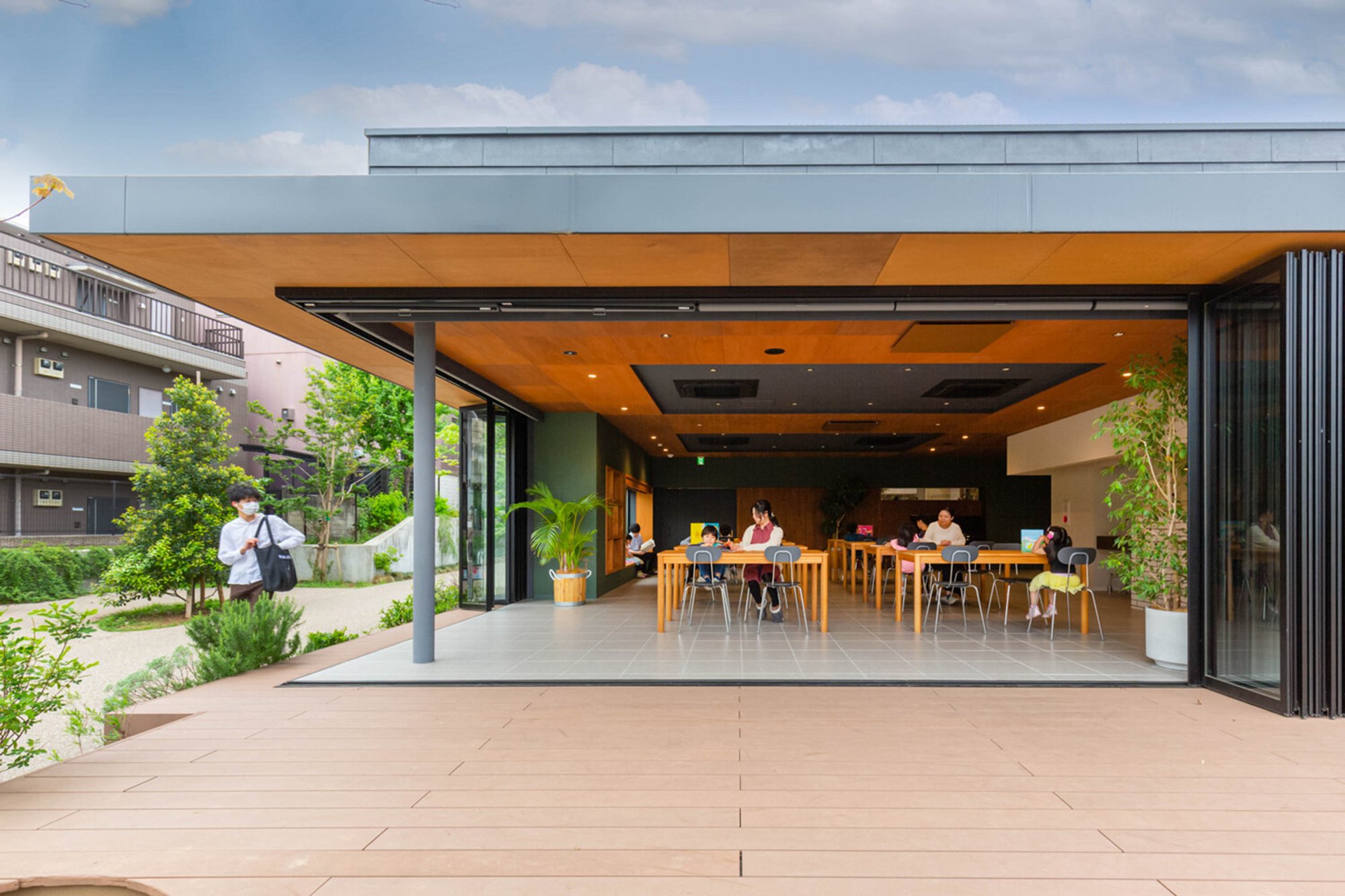
In the bustling urban setting of Setagaya City, Japan, SDJ Nursery emerges as a beacon of innovative architecture that prioritizes child development and community integration. Designed by HIBINOSEKKEI in collaboration with Youji no Shiro, the 1,379-square-meter structure, completed in 2020, redefines nursery spaces by bridging security and openness to foster learning and interaction.
The Concept: Reviving Community Bonds
Modern societal shifts, such as a declining birthrate, the rise of nuclear families, and increased urbanization, have distanced children from traditional community connections. The architects recognized the importance of rebuilding these ties, embedding principles from citizenship education and Education for Sustainable Development (ESD).
The design philosophy of the SDJ Nursery is rooted in cultivating independence, individuality, and civic values through active engagement with the local community. By offering children opportunities to interact with neighbors and participate in daily life, the nursery becomes a space where learning extends beyond the classroom.
Architectural Design: Where Security Meets Openness
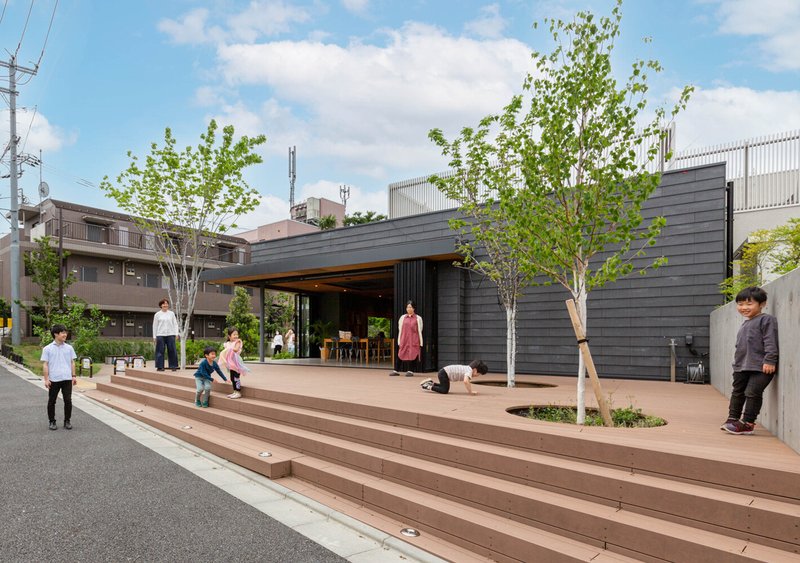
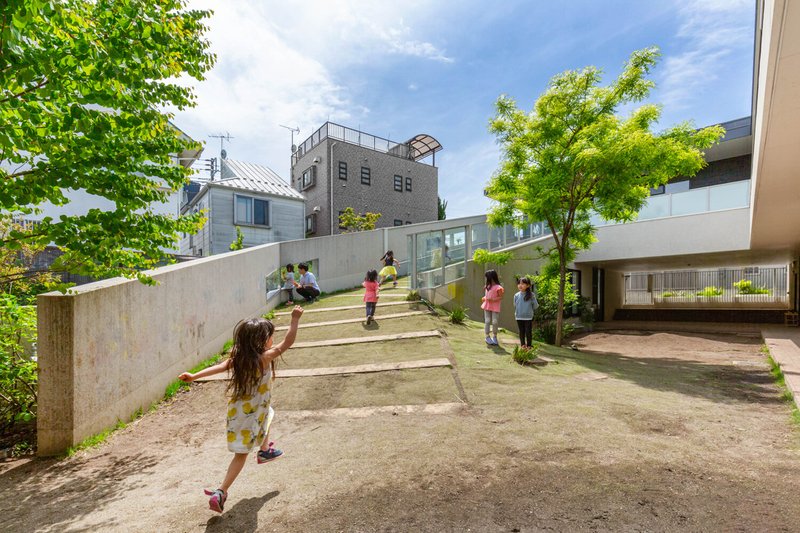
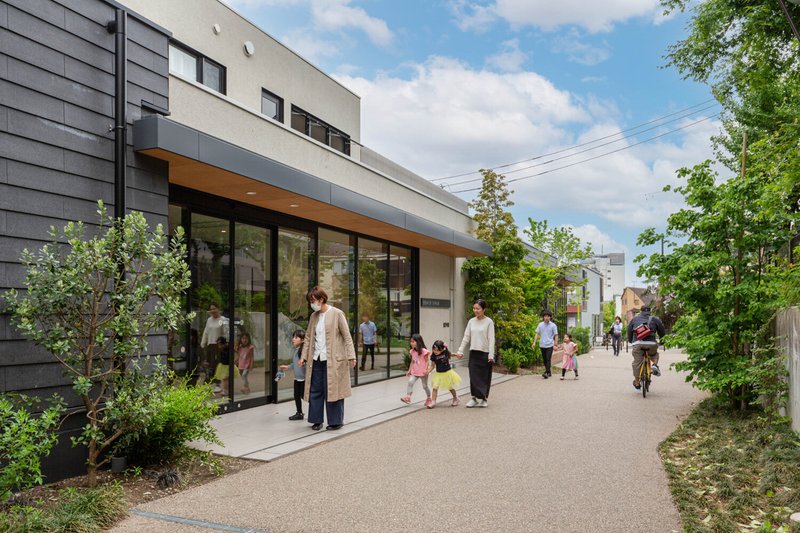
The architecture seamlessly blends security with open community zones. Located alongside a busy railroad track, the building ensures child safety without sacrificing opportunities for exploration and interaction. Key features include:
1. Community Zones
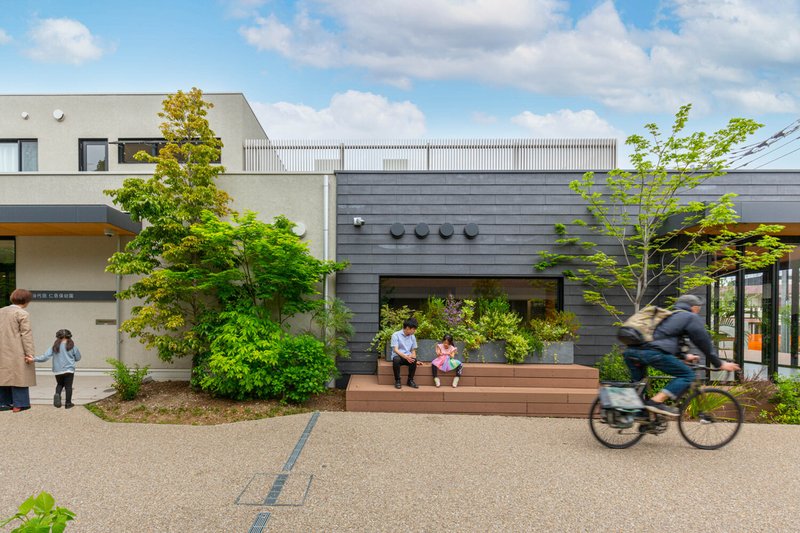
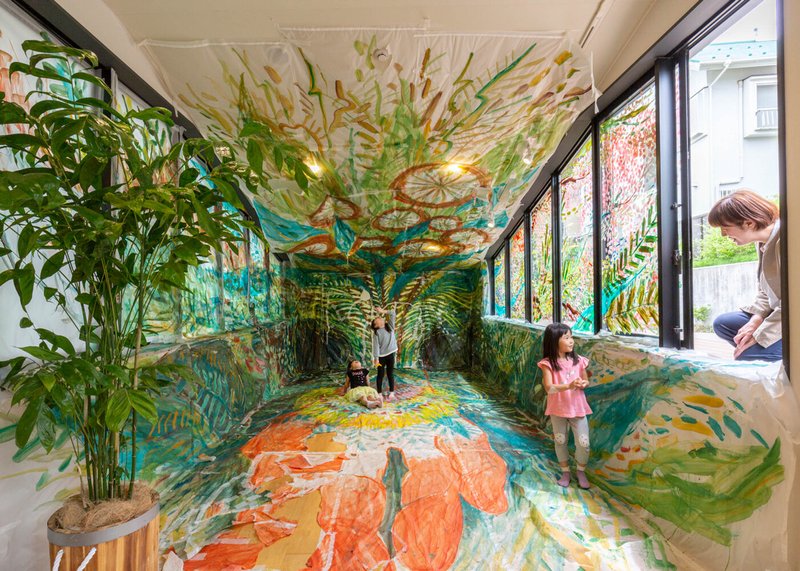
- Gallery and Garden: A space for children’s artwork that invites the community to pause and engage.
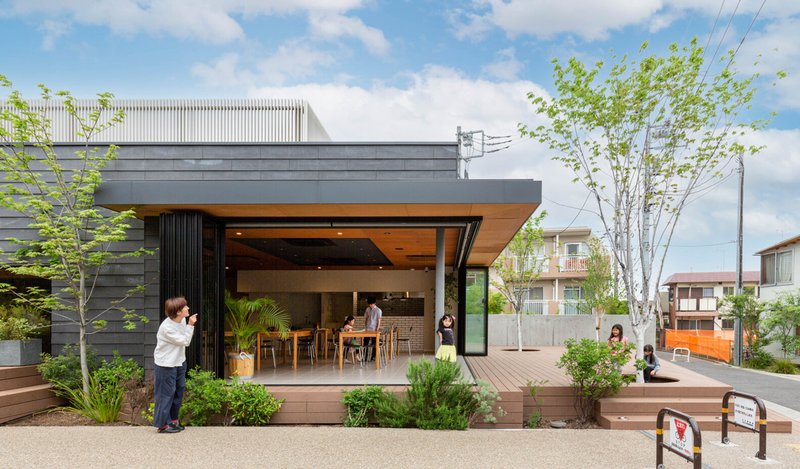
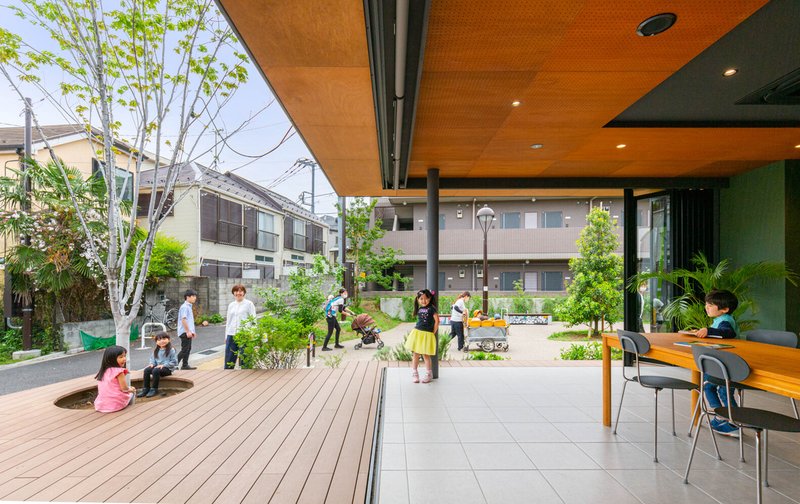
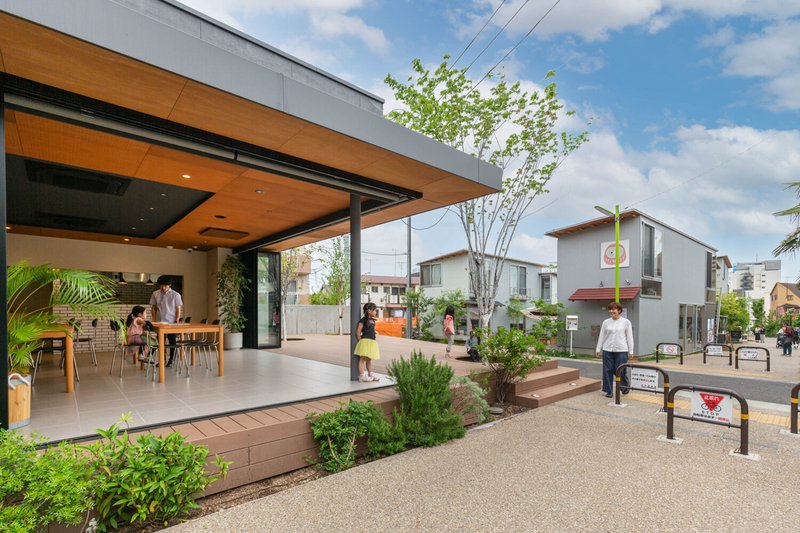
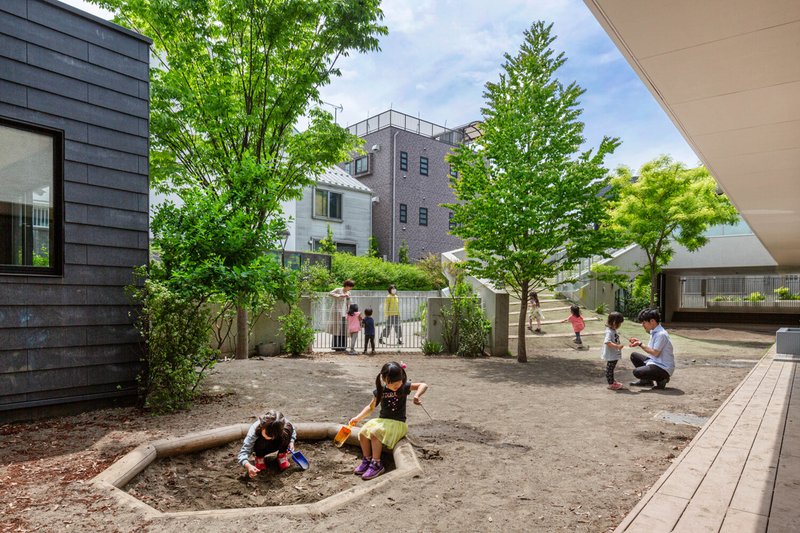
- Terraces and Outdoor Areas: Platforms for casual conversations between children and local residents.
2. Multifunctional Spaces
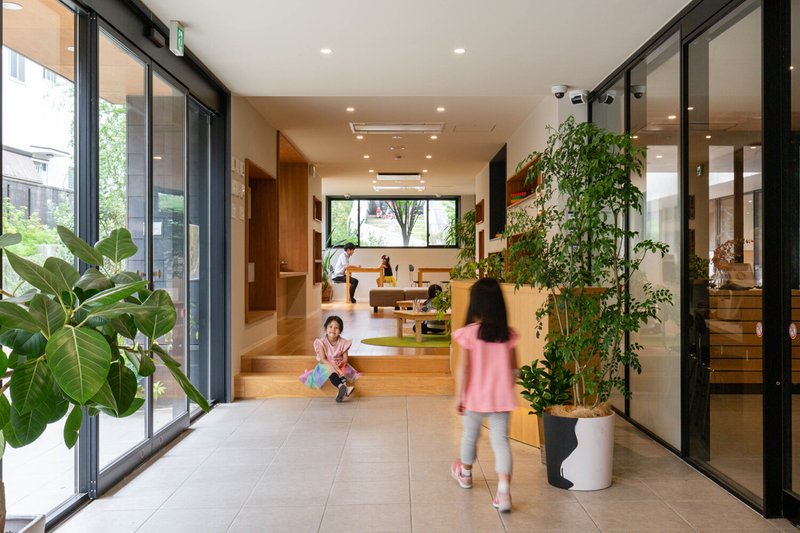
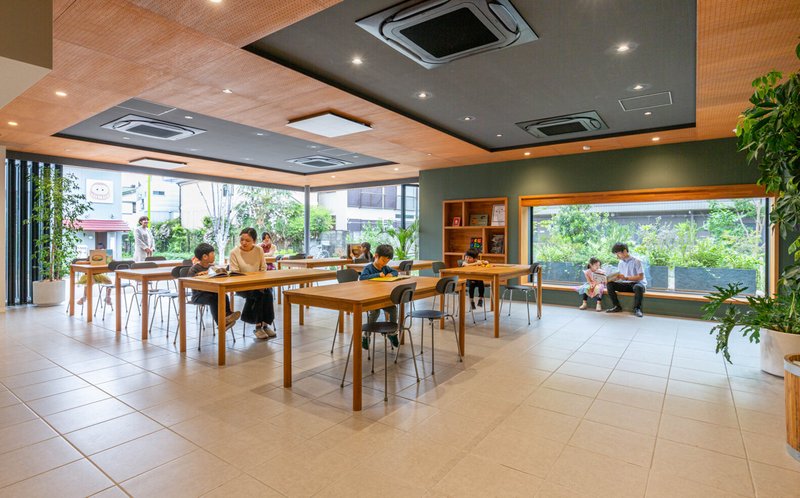
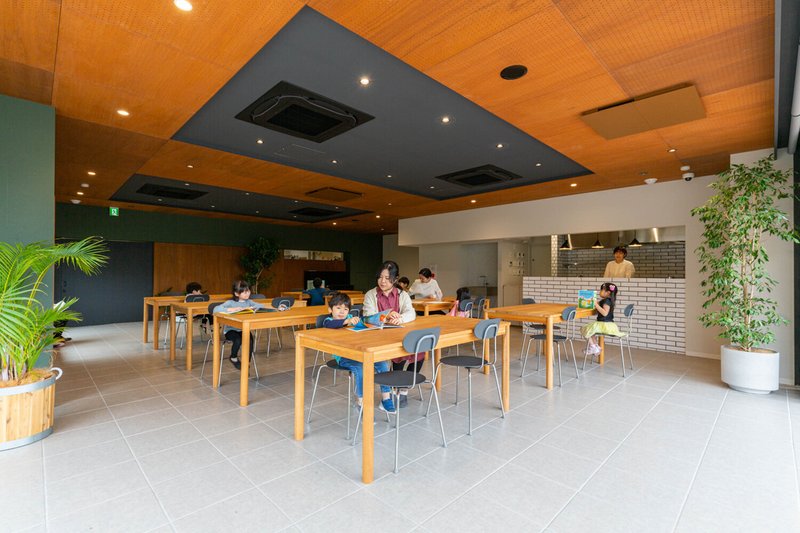
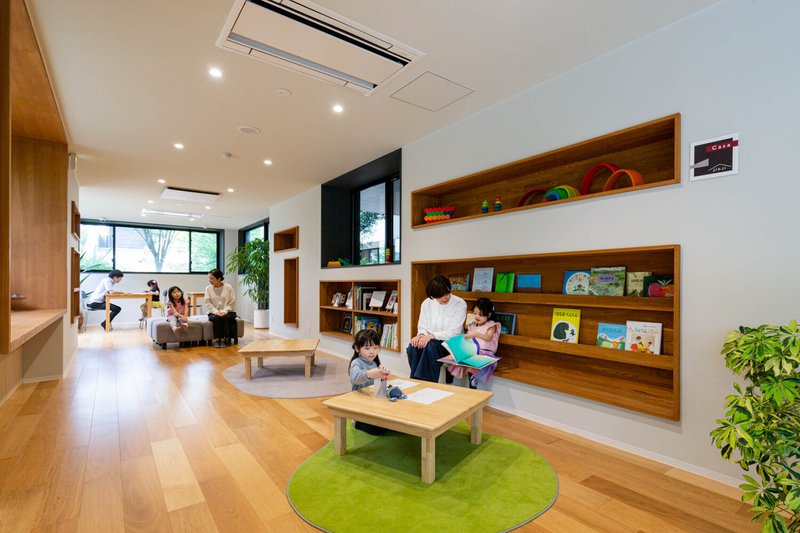
- Large and small community rooms serve as venues for events, such as exhibitions, concerts, and workshops.
- The design encourages flexibility, with areas adaptable for creative and cultural activities.
3. Integration with Nature
- Natural light floods the interior through expansive windows, creating a warm and inviting atmosphere.
- Green spaces around the nursery provide opportunities for outdoor play and environmental learning.
Impact on Child Development
The SDJ Nursery aligns with the Japanese Ministry of Education’s goals, emphasizing hands-on learning in a real-world context. This "community as a field of learning" approach nurtures children’s holistic growth by:
- Encouraging curiosity and creativity.
- Building confidence through interaction with diverse individuals.
- Instilling a sense of responsibility and belonging.
Daily interactions—whether through chats in the garden or participation in local festivals—embed cultural values and practical skills in young minds.
A Hub for Local Culture and Events
Beyond its role as a nursery, SDJ has become a vibrant cultural hub. The community-centric design allows the facility to host:
- Art exhibitions and children’s performances.
- Seasonal festivals that celebrate local traditions.
- Workshops led by creators, enriching the learning environment for children and adults alike.
Sustainable Design Practices
SDJ Nursery is also a testament to sustainability in architecture. By incorporating passive design strategies, such as:
- Maximizing natural ventilation and daylight.
- Utilizing environmentally friendly materials.The building reduces its ecological footprint while enhancing comfort.
The SDJ Nursery by HIBINOSEKKEI and Youji no Shiro exemplifies how architecture can address pressing societal challenges. By fostering a connection between children and their community, the design not only supports child development but also revitalizes the social fabric of Setagaya City. This innovative approach to community-focused nursery architecture stands as a model for similar urban settings worldwide.
All photographs are work of Studio Bauhaus