Construction Skills Training Center Design: Building the Future of Education in Architecture
This article explores the design of construction skills training centers, focusing on sustainability, flexibility, and community engagement in architecture.


Construction Skills Training Centers
In the evolving world of architecture and urban development, construction skills training centers play a pivotal role in preparing the workforce for the challenges of modern construction. The design of these centers must balance practicality, sustainability, and aesthetics, ensuring that they are not only functional but also inspiring spaces for learning and growth. One such example is the Construction Skills School designed by EBBA in London. This project showcases innovative design thinking that directly responds to the needs of both the educational sector and the local community.
The Importance of a Well-Designed Construction Skills Training Center
A construction skills training center design is crucial for several reasons. First, it provides an environment where learners can acquire hands-on experience, crucial in an industry that thrives on practical application. Second, the architecture of the center itself can influence how students engage with the learning process. A thoughtfully designed space can foster creativity, collaboration, and innovation, which are essential skills in the construction field.
Key Elements of a Construction Skills Training Center Design
When designing a construction skills training center, architects must consider various factors:
- Sustainability: In today’s world, sustainability isn’t just a buzzword—it’s a fundamental design principle. Using recycled materials, energy-efficient systems, and sustainable building methods reduces the environmental impact of the center and sets an example for students.
- Flexibility: As the construction industry constantly evolves, so too must the training facilities. A flexible design allows the building to adapt to changing educational needs, including the ability to reconfigure spaces for different training modules.
- Aesthetic Appeal: While functionality is paramount, the design should also inspire. A well-designed center can be a model of modern architecture, demonstrating to students the potential of design in their future careers.
- Community Integration: Construction skills training centers often serve as community hubs, providing local residents with the opportunity to develop essential skills. A good design connects the center to its surroundings, creating a positive relationship with the local community.
The EBBA-Designed Construction Skills School: A Case Study
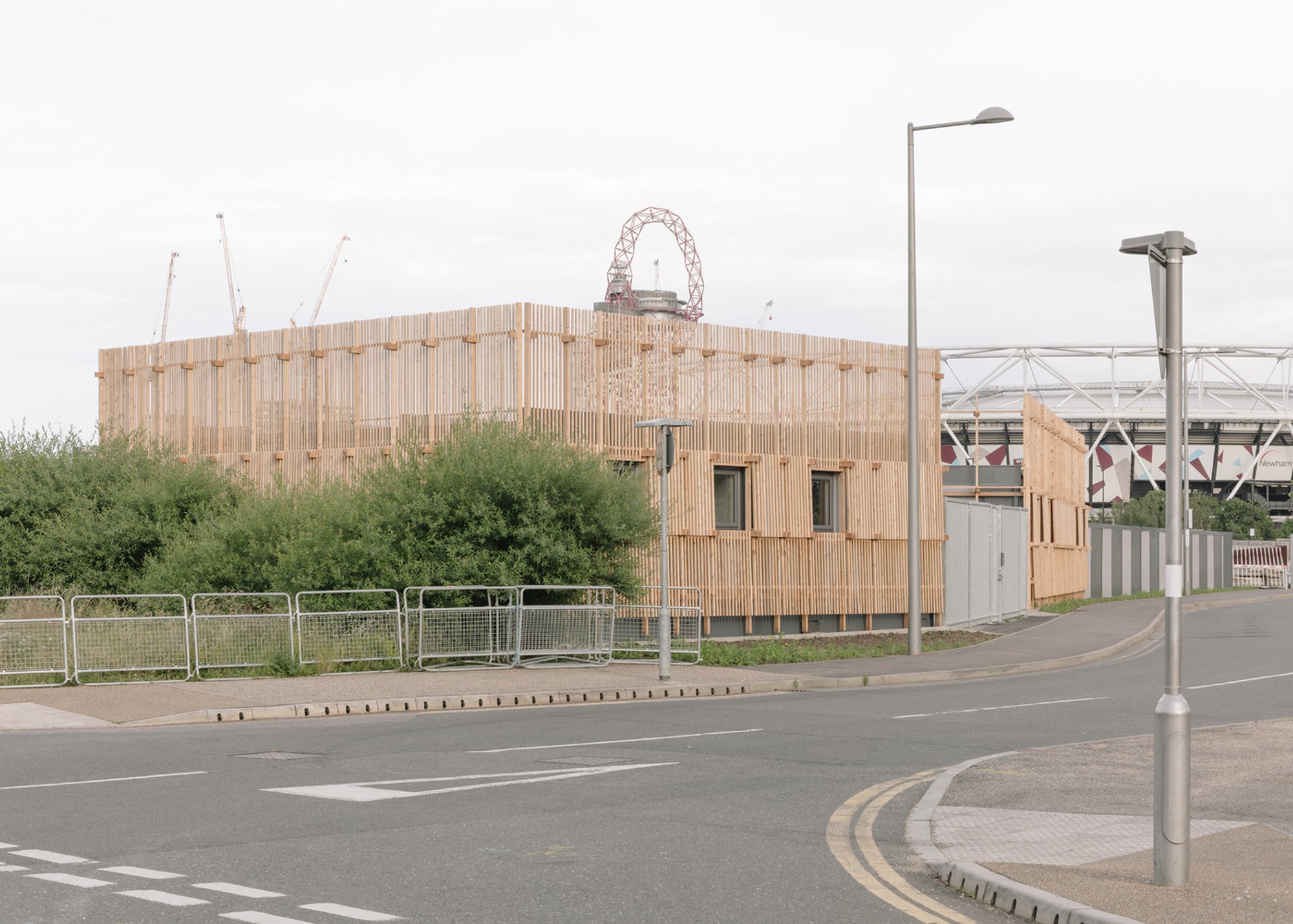
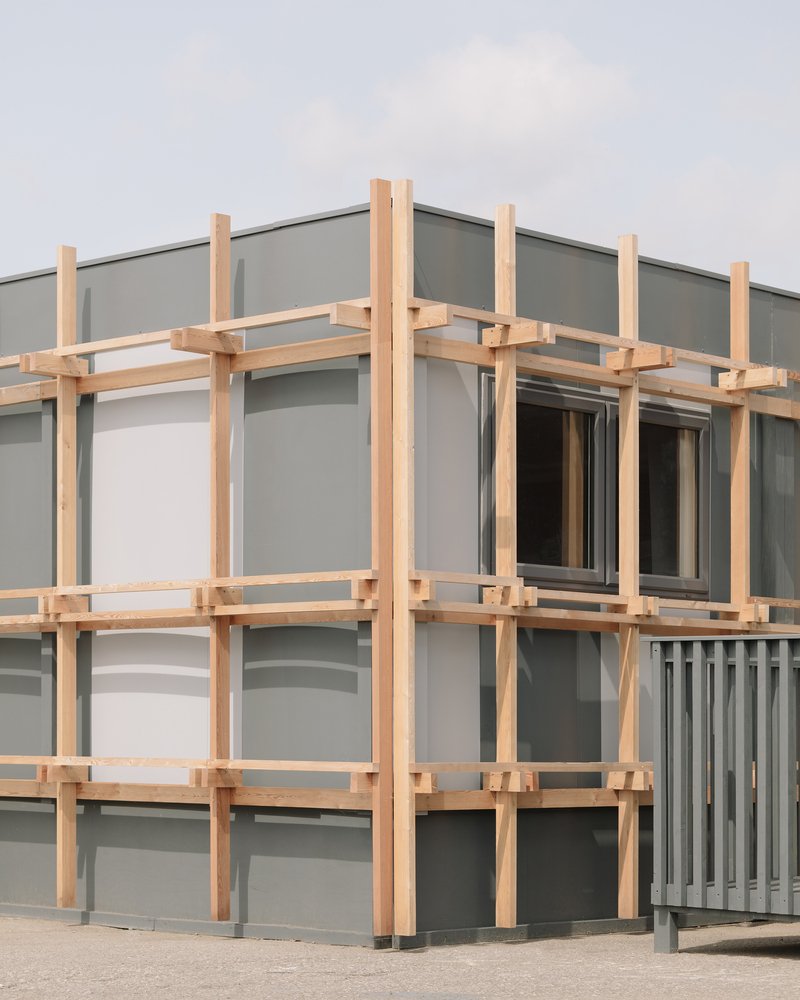
The Construction Skills School by EBBA, located in Hackney Wick, London, is a prime example of how effective construction skills training center design can benefit both the learners and the local community. Completed in 2021, this innovative project was designed with the goal of offering practical education in a real-world setting.
Sustainable and Flexible Design
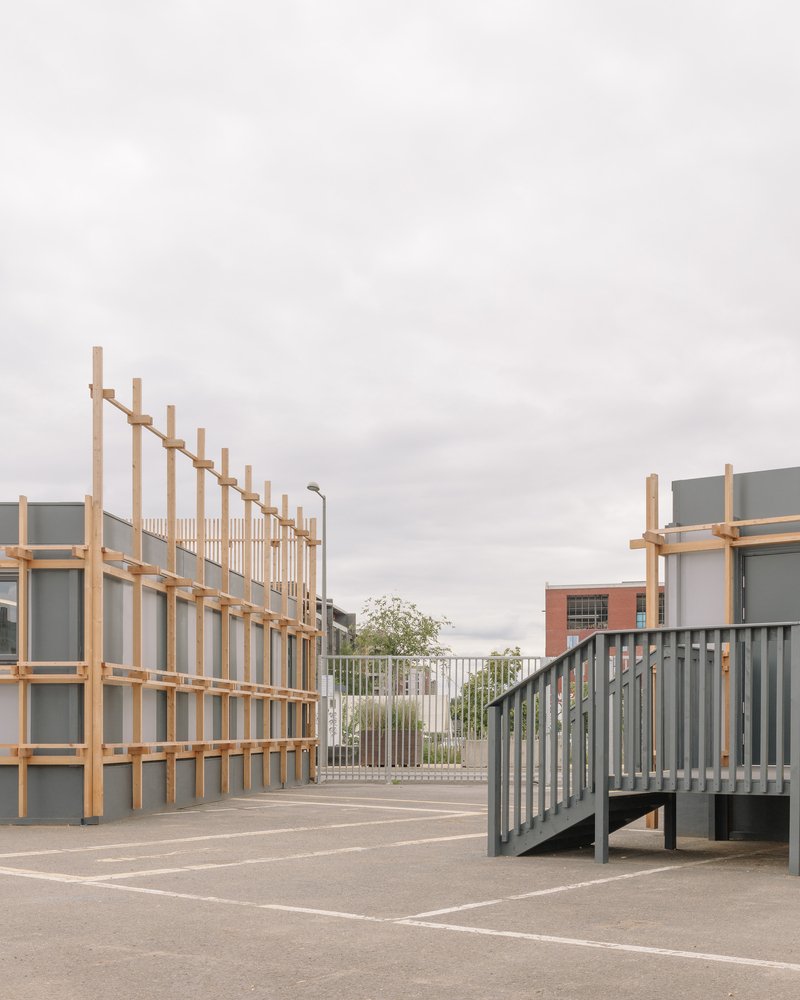
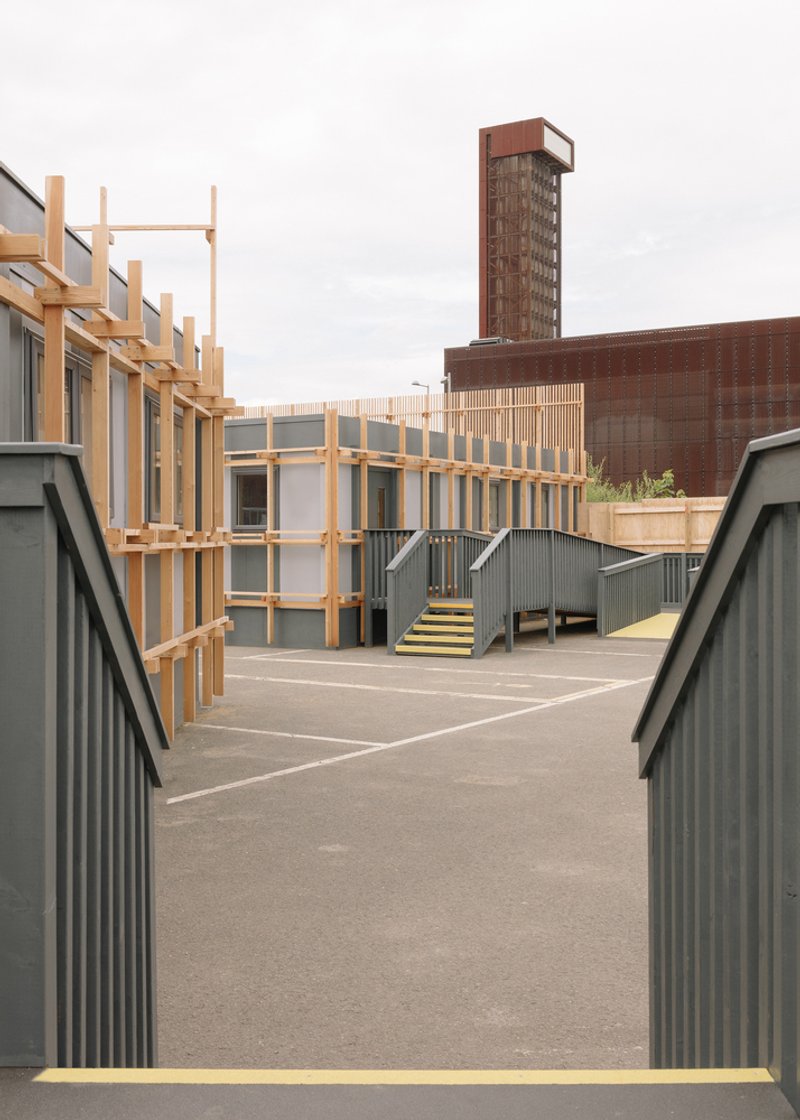
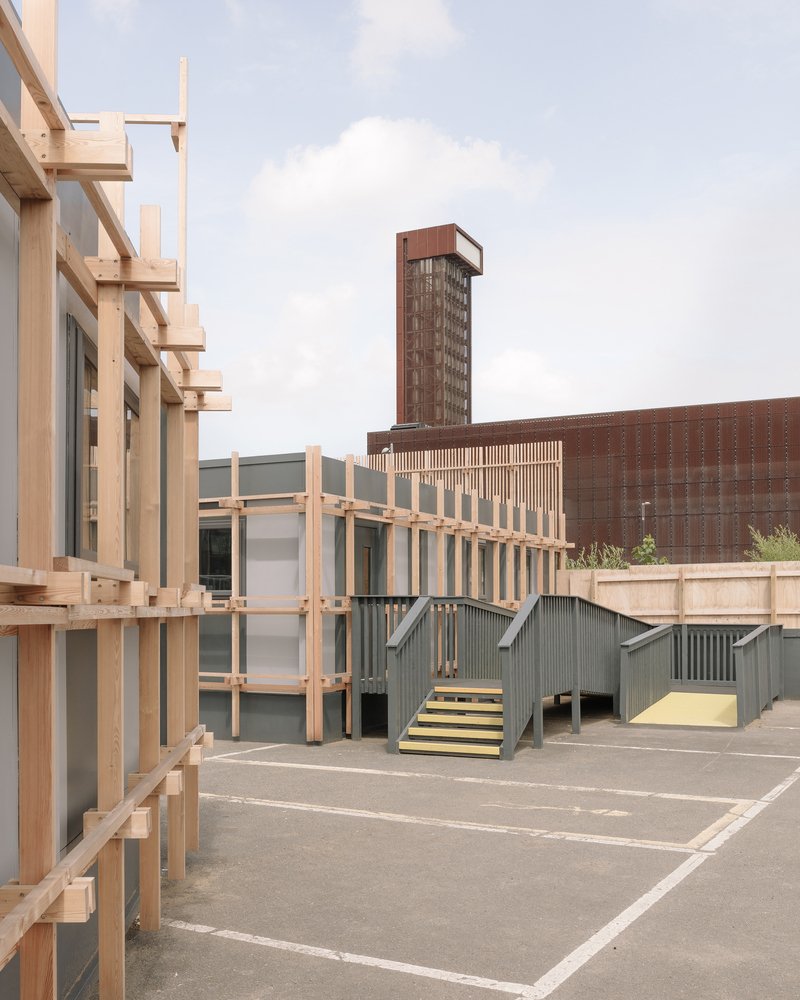
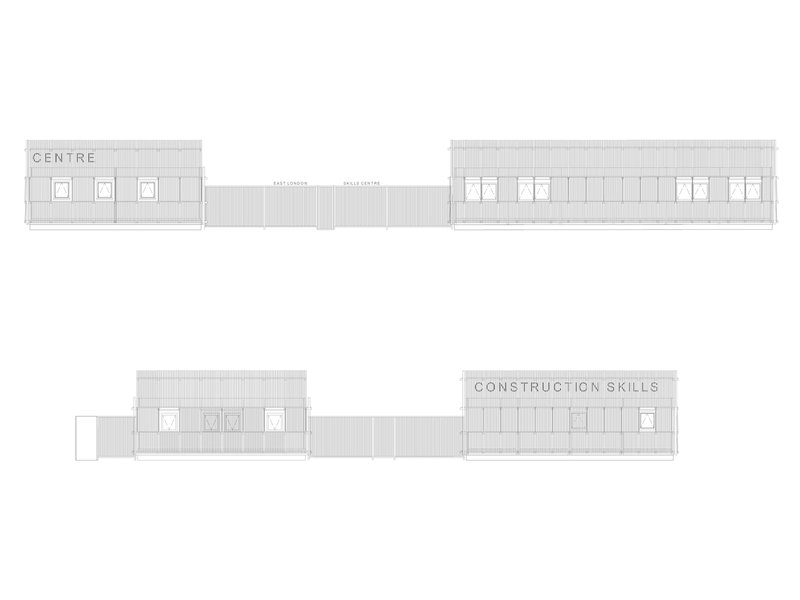
The school is made up of repurposed cabins, which were reconfigured and adapted to suit the needs of a modern construction training facility. This approach not only emphasizes sustainability through the reuse of existing materials but also allows for the flexibility to adapt the building layout to various educational needs.
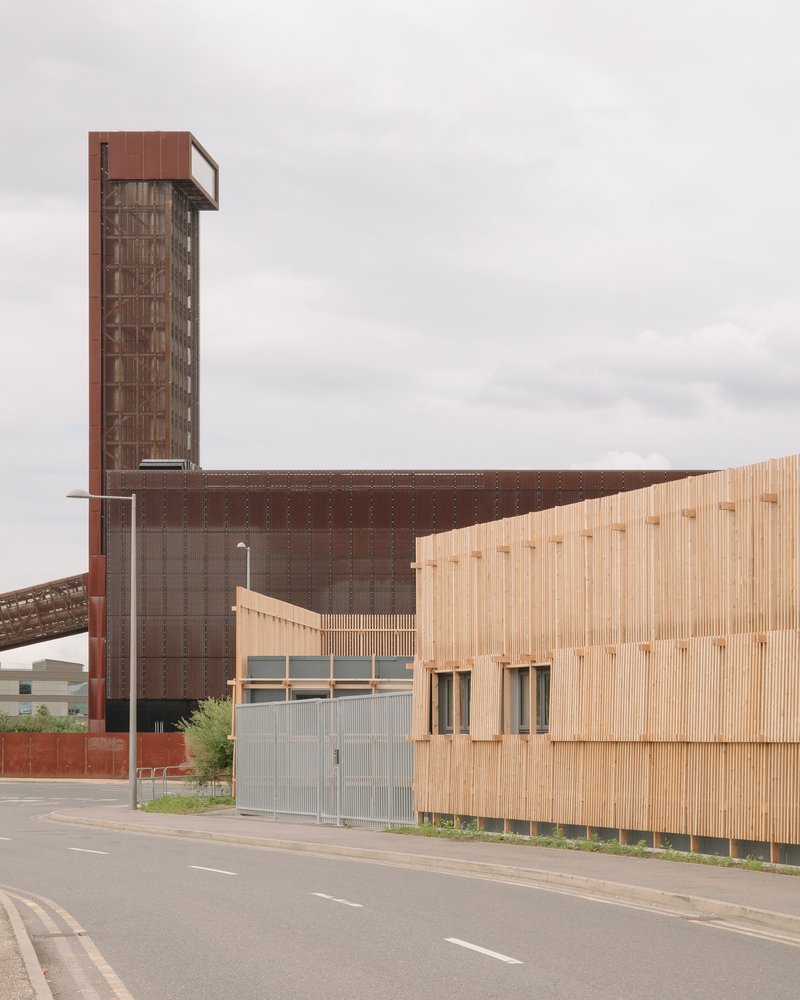
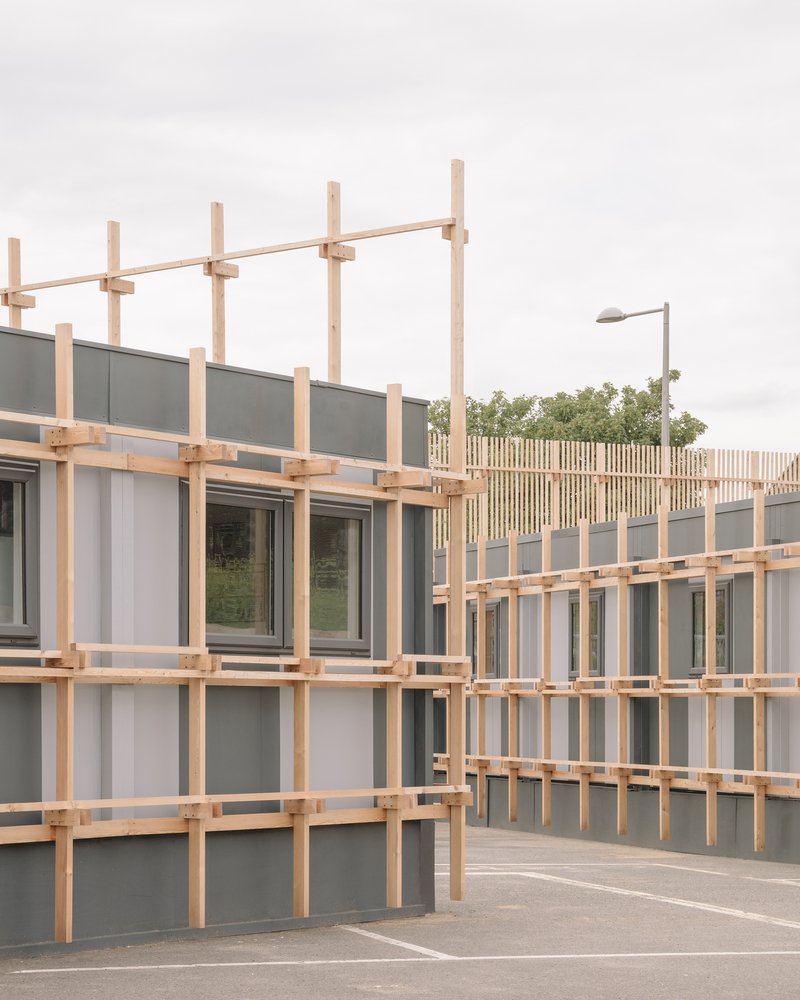
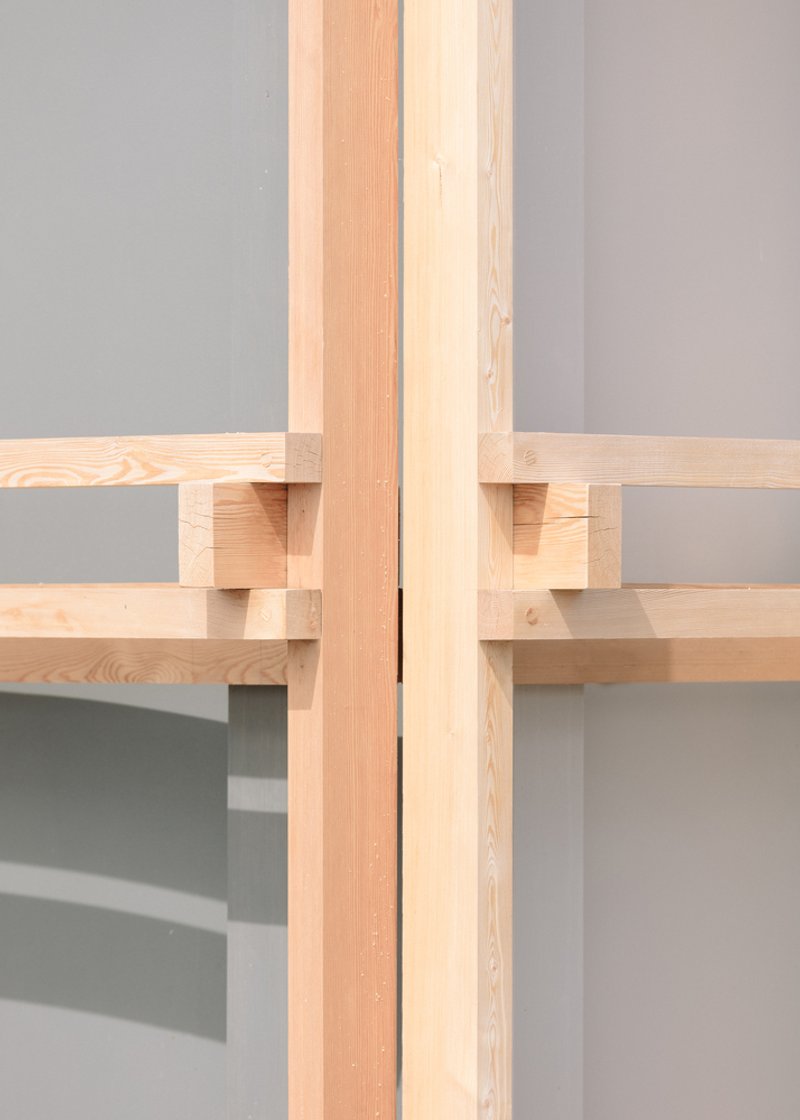
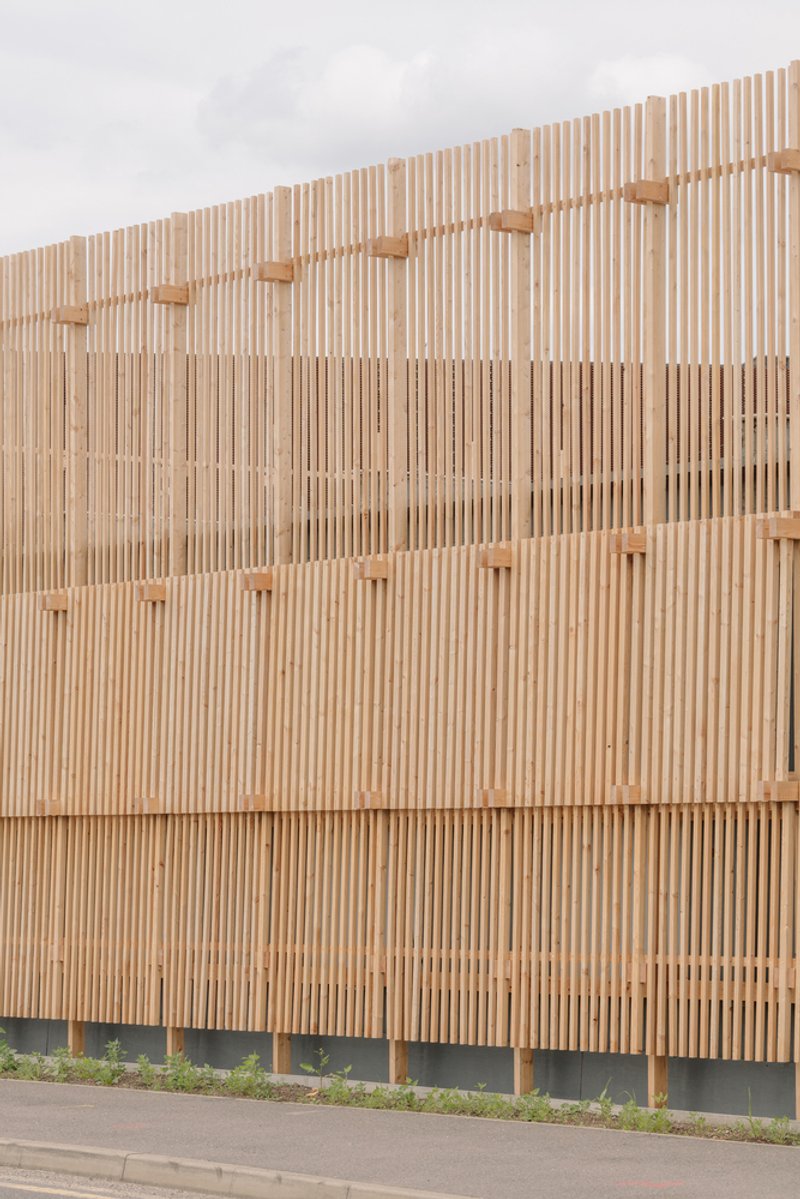
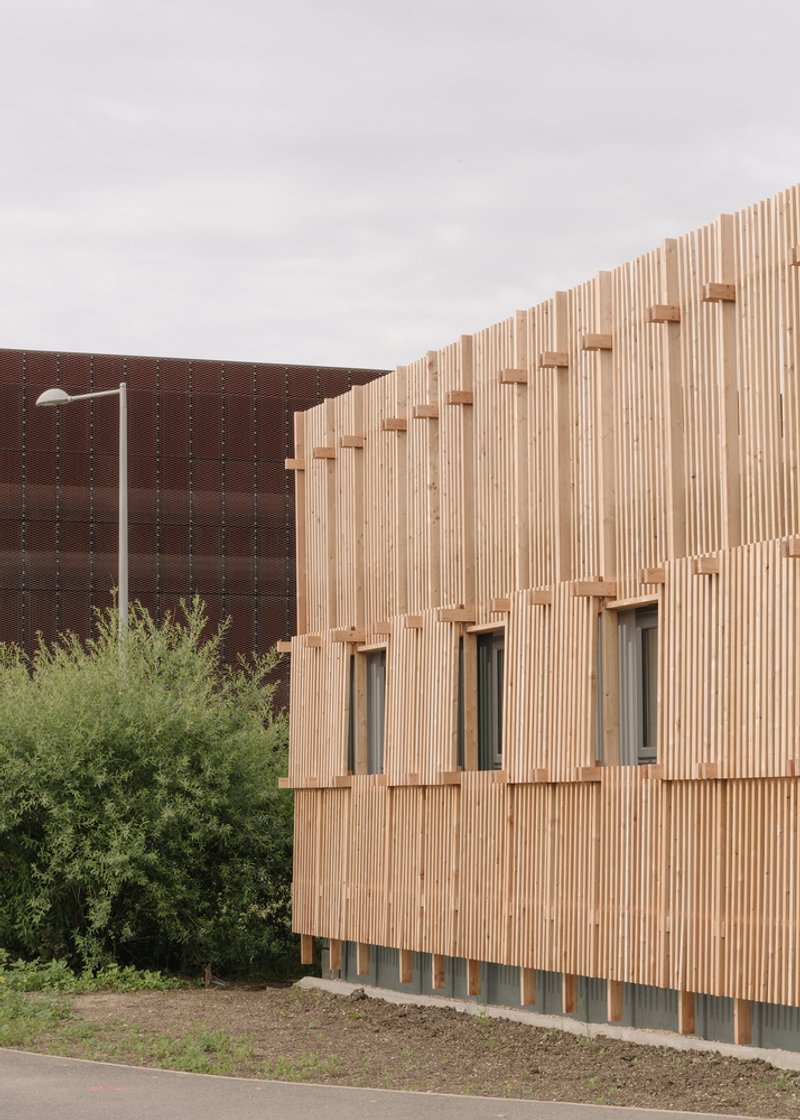
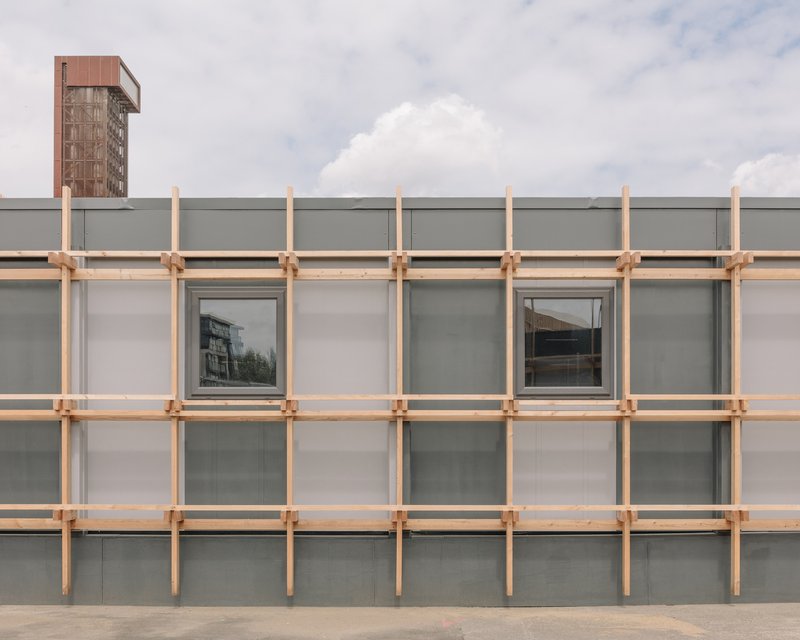
The exterior cladding, designed to reflect the construction process, is a prime example of how architecture can mirror the educational focus of the center. With screens and frames that can be easily assembled and reassembled, the design speaks directly to the hands-on nature of construction training.
Creating an Identity Through Architecture
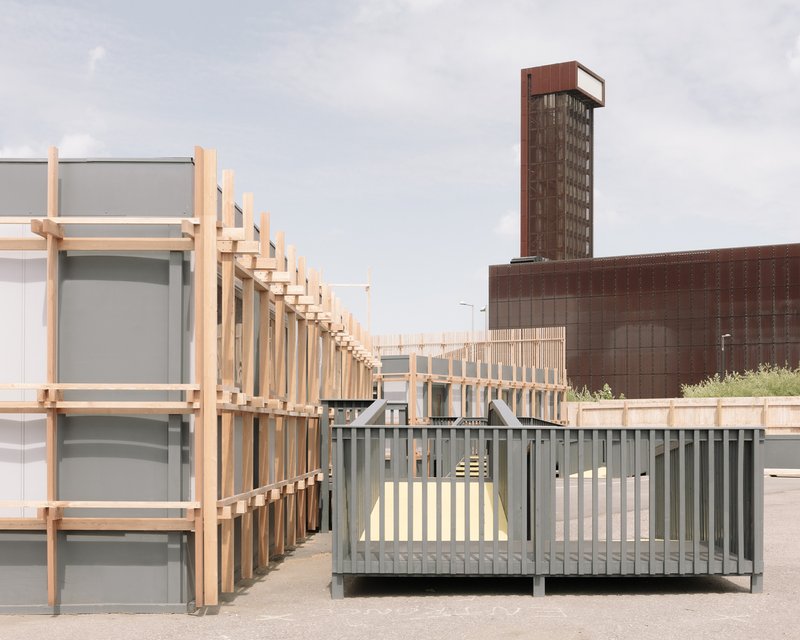
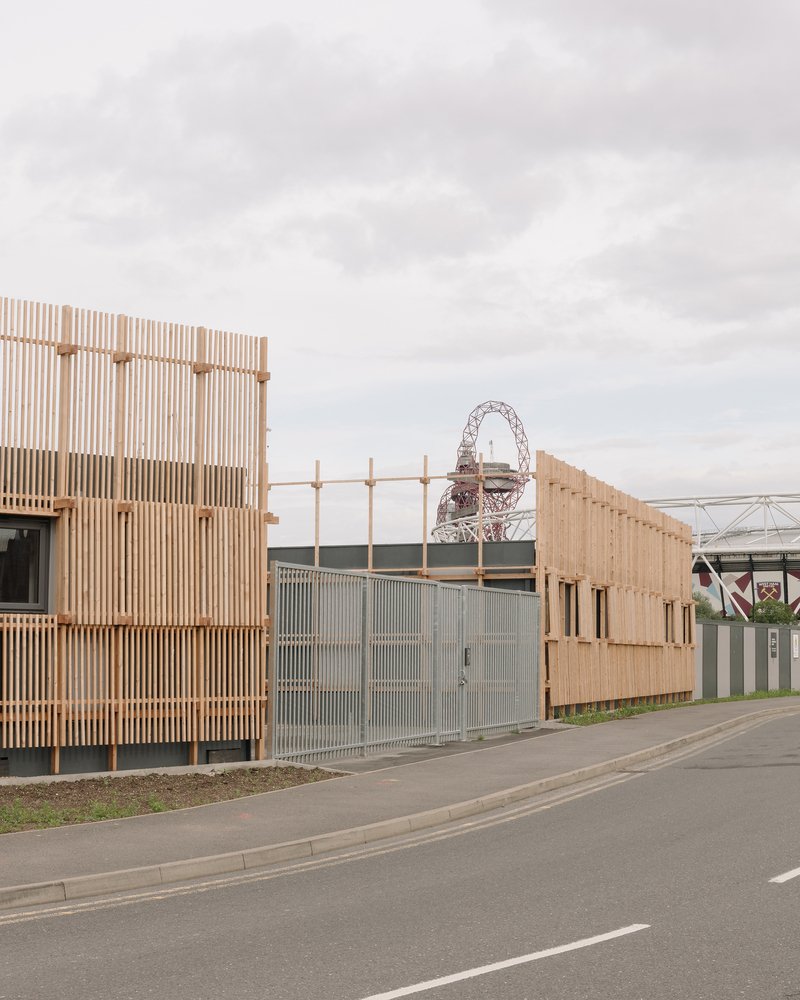
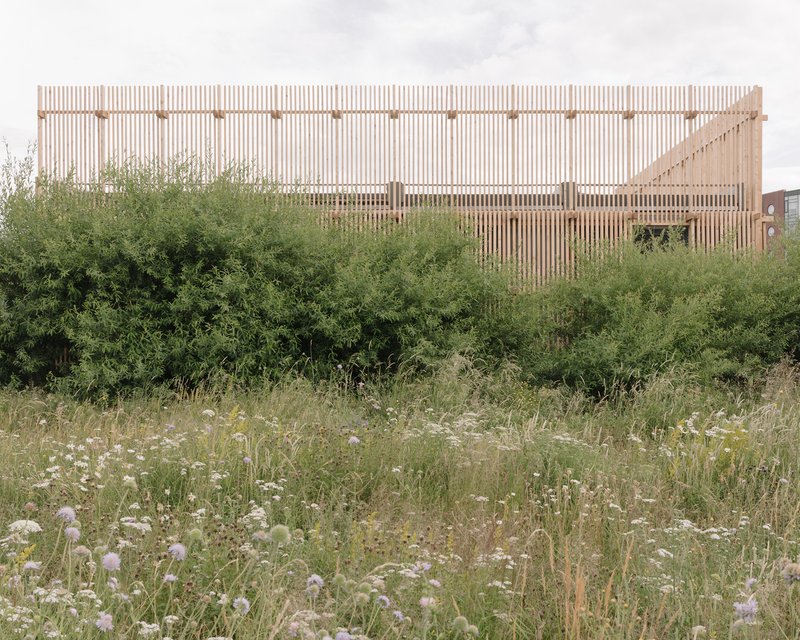
EBBA’s design for the Construction Skills School is not just functional; it’s also a statement. The building’s façade blends industrial aesthetics with the surrounding natural landscape, establishing a strong visual presence at the edge of the park. The architecture offers glimpses of the activities within, encouraging transparency and interaction with the local community.
The choice of materials and the design language, which incorporates repetitive elements, showcases the process of making and assembly. This not only aligns with the school’s mission but also instills a sense of pride and accomplishment in students as they engage with their environment.
Architectural Considerations in Training Center Design
Practicality Meets Creativity
The design of a construction skills training center must strike a balance between functionality and creativity. In the case of the Construction Skills School, the layout and materials are chosen to support an active learning environment, where students can engage in building projects and see the process come to life. The use of frames, screens, and modular elements makes the construction process visible, turning the building into a live demonstration of what students are learning.
Collaboration and Community Impact
A significant focus of the Construction Skills Training Center Design is the relationship between the facility and the surrounding community. The Construction Skills School in Hackney Wick is an excellent example of how these centers can engage with local residents. By offering accessible education and creating a community hub, the school is transforming the local landscape both physically and socially.
Future-Proofing Construction Education
As the construction industry continues to evolve with new technologies and techniques, so too must the design of training centers. A key feature of the Construction Skills School is its adaptability. The design allows for future modifications, ensuring that the building can evolve as educational needs change. This type of forward-thinking architecture ensures that construction training remains relevant and effective, even as the industry advances.
The Role of Architecture in Shaping the Future of Construction Education
The construction skills training center design is not just about building a structure—it’s about creating an environment where the next generation of builders, architects, and engineers can thrive. The Construction Skills School by EBBA serves as a model for how architecture can directly influence the quality of education, community engagement, and sustainability in the construction industry.
As we look to the future, it is clear that the design of these centers will continue to evolve. With sustainability, flexibility, and creativity at the forefront, construction skills training centers will remain essential in preparing a workforce that is capable of meeting the demands of a rapidly changing industry.
All Photographs are work of James Retief