Contemporary Architecture in Historic Buildings: A Harmonious Fusion of Old and New
The article explores how contemporary architecture integrates with historic buildings, highlighting the Hof B House as a prime example.


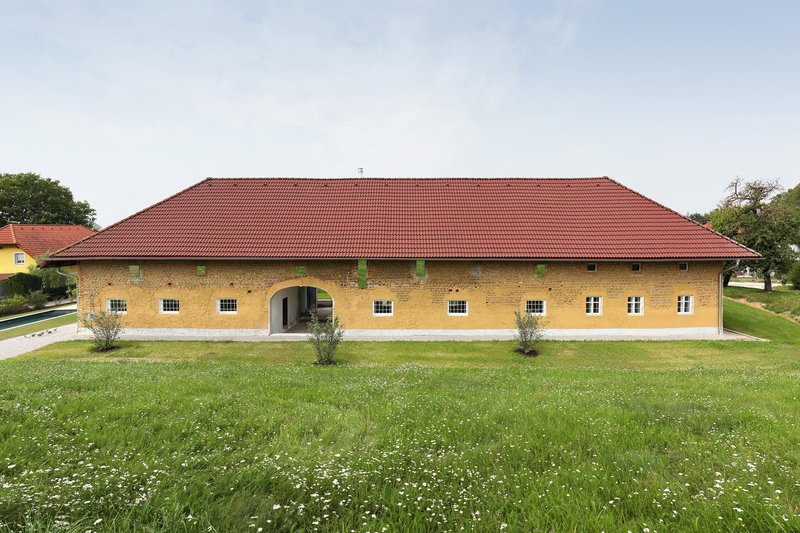
In the world of architecture, blending contemporary design with historic structures has become a powerful way to preserve the past while embracing the future. A prime example of this fusion is the Hof B House in Austria, designed by the talented architectural firm Moser und Hager Architekten. This project masterfully integrates modern architectural elements into a 200-year-old courtyard, proving that contemporary architecture can coexist harmoniously with historical buildings, enhancing both their aesthetic and functional value.
In this article, we’ll explore the importance of contemporary architecture in historic buildings, focusing on the Hof B House as a case study, and discuss the impact of such designs on sustainability, functionality, and cultural preservation.
What is Contemporary Architecture in Historic Buildings?
Contemporary architecture refers to modern design styles and building techniques that often incorporate innovative materials, technology, and spatial arrangements. When applied to historic buildings, contemporary architecture seeks to balance the original charm and character of the structure with new interventions that cater to present-day needs.
The aim is not to overshadow the historical value of the building but to enhance it by introducing elements that reflect current architectural trends and provide better functionality. This kind of approach is gaining popularity worldwide due to its ability to create spaces that are both respectful of history and relevant to the modern era.
Hof B House: A Masterclass in Combining Contemporary Architecture with History
The Historical Context
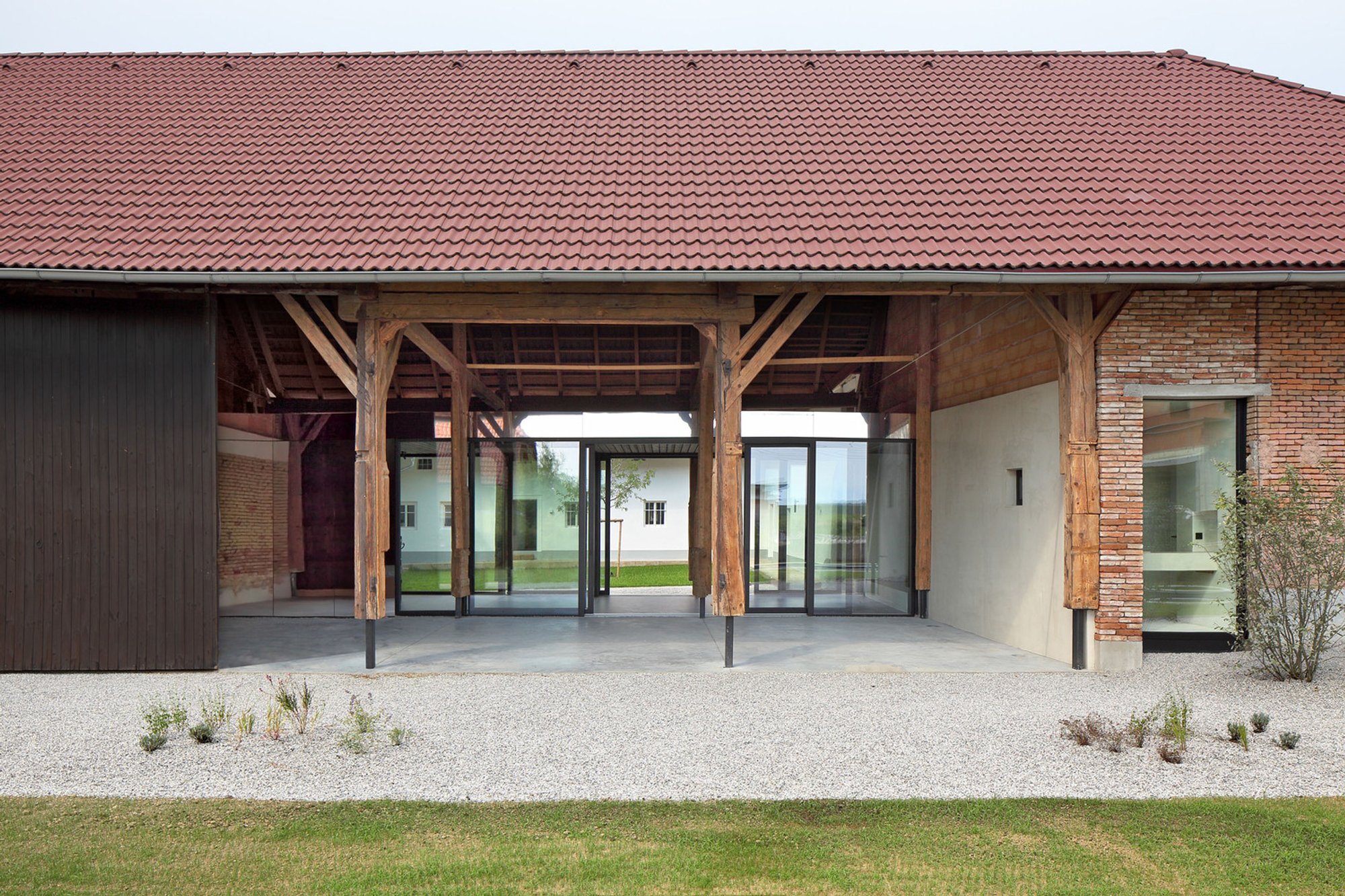
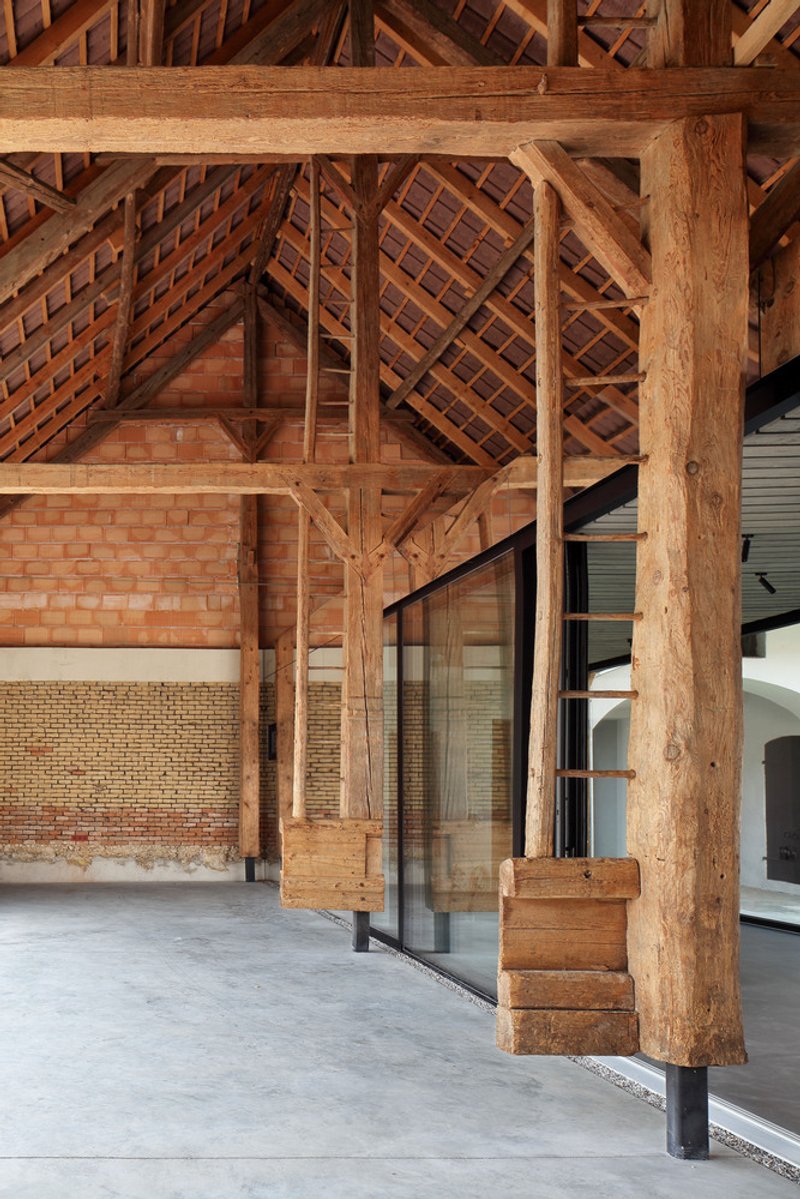
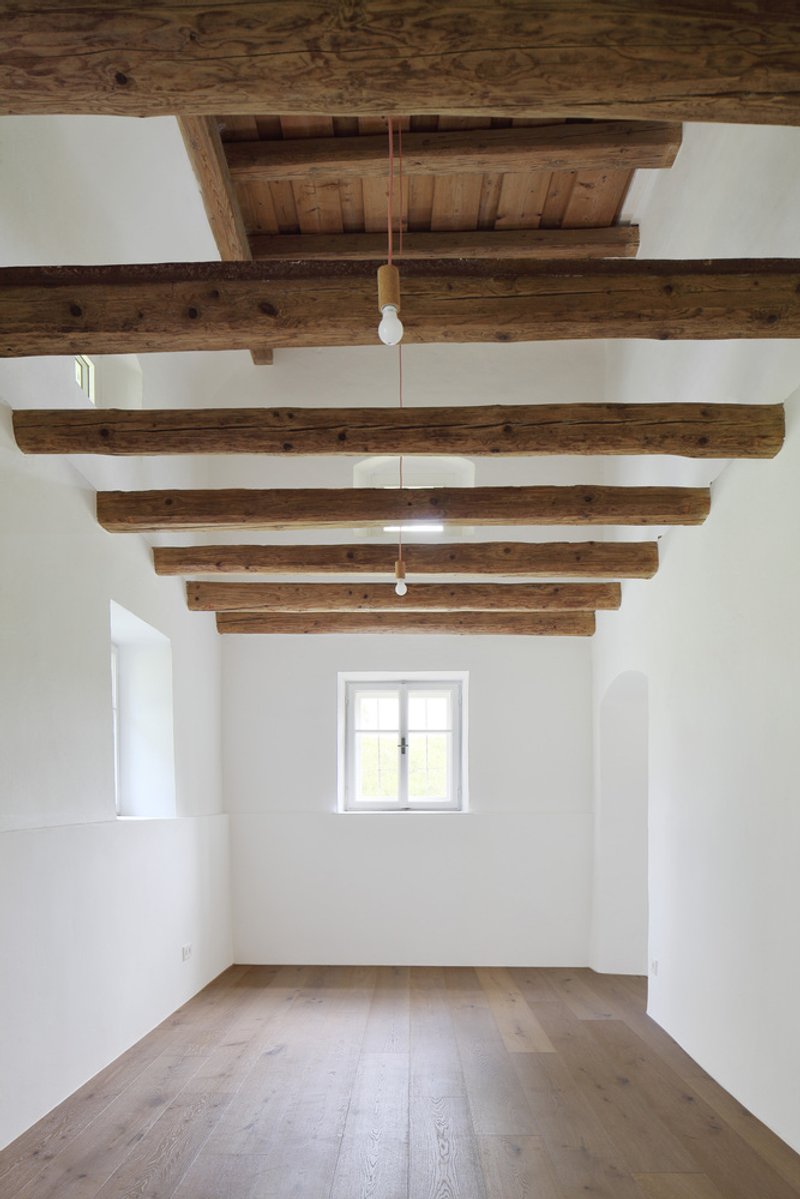
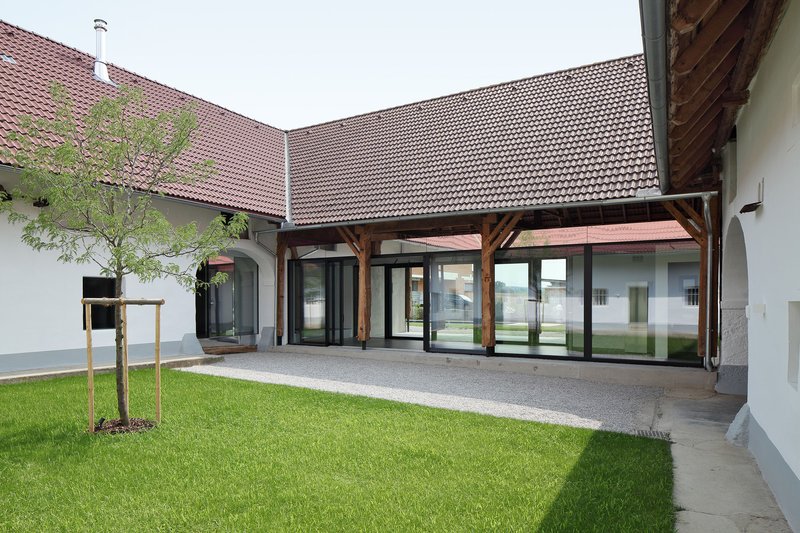
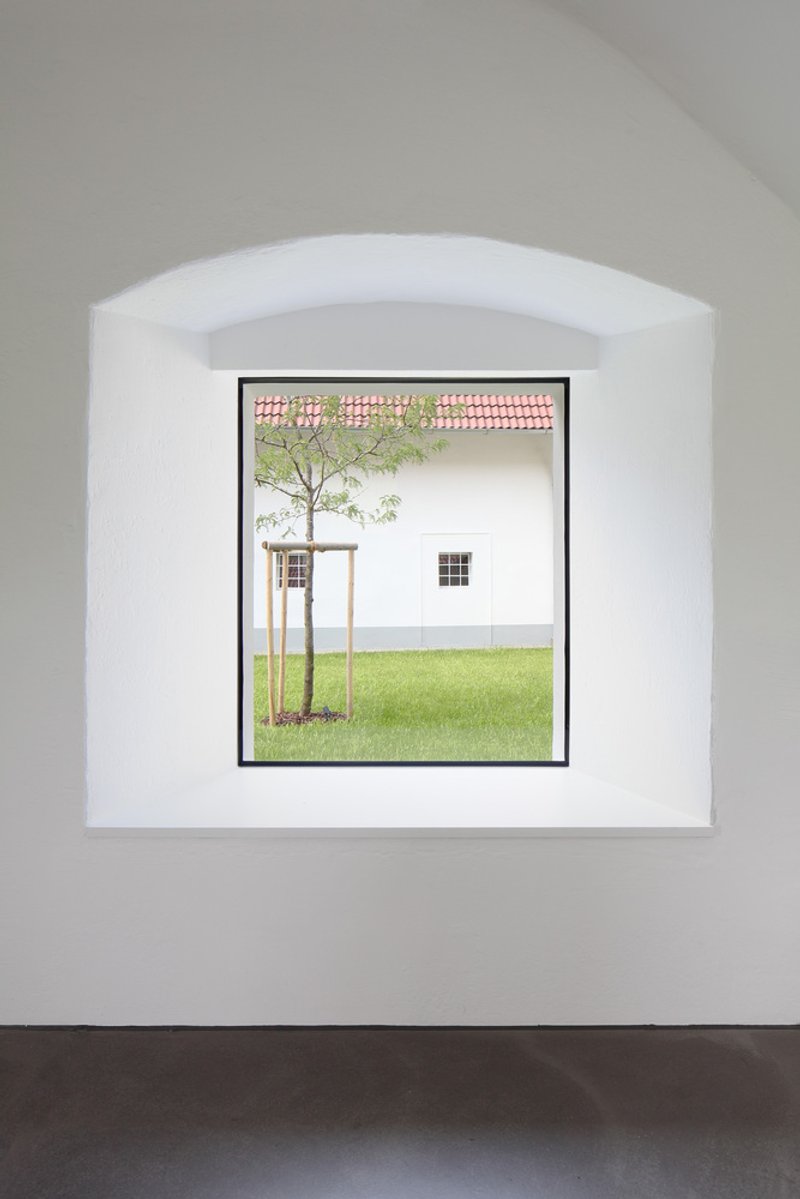
The Hof B House sits within a classic Austrian courtyard, which has remained largely unchanged for over 200 years. This traditional courtyard includes various structures, such as the main house, a cow and pig stall, and a threshing floor. The timeless nature of these buildings represents a significant cultural asset, making the challenge of integrating contemporary architecture into this context a delicate and thoughtful process.
The Design Philosophy
Moser und Hager Architekten approached the Hof B House project with a clear goal: to preserve the historical integrity of the courtyard while introducing a modern architectural volume. Their design philosophy was rooted in the idea of maintaining the original aesthetic qualities of the courtyard while using new materials and technologies to address contemporary living needs.
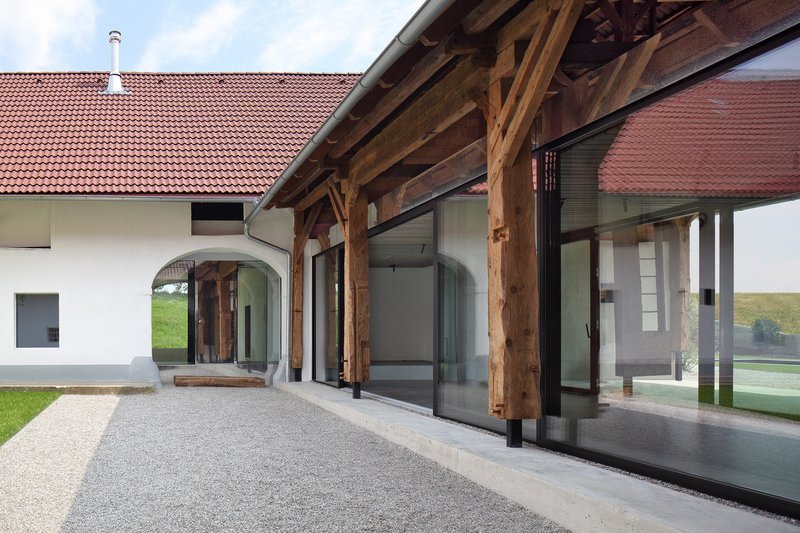
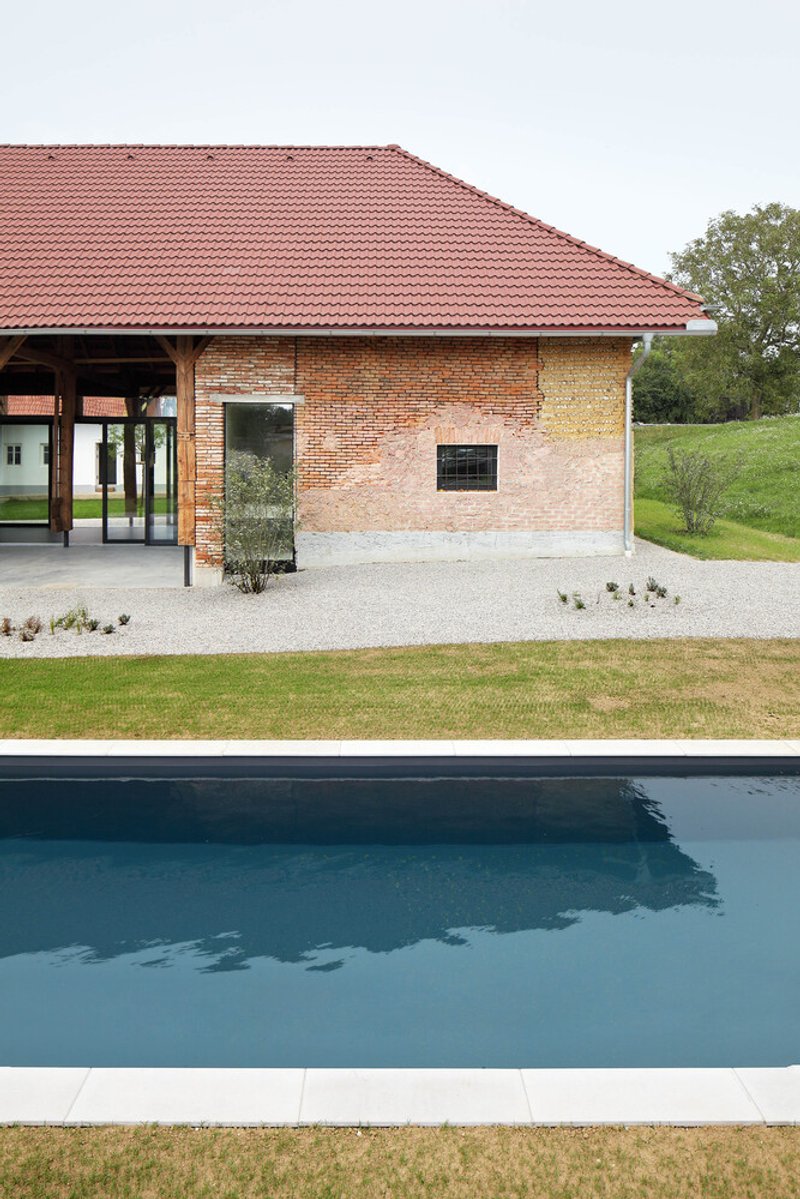
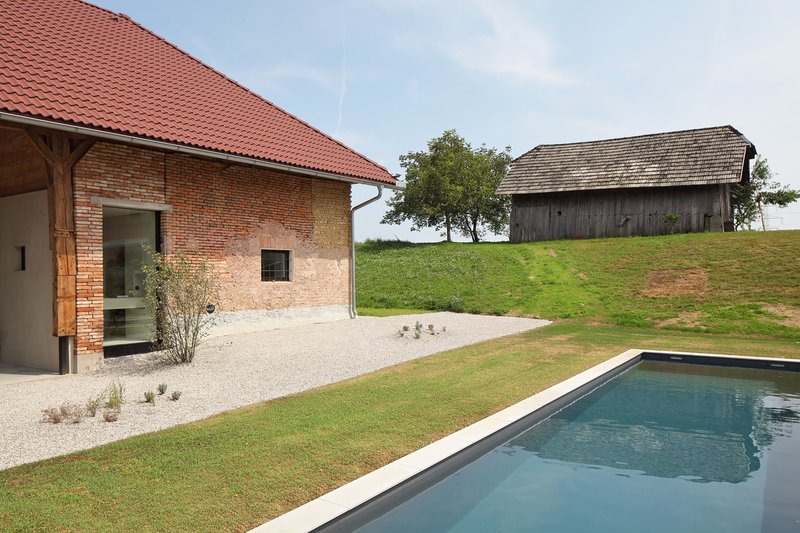
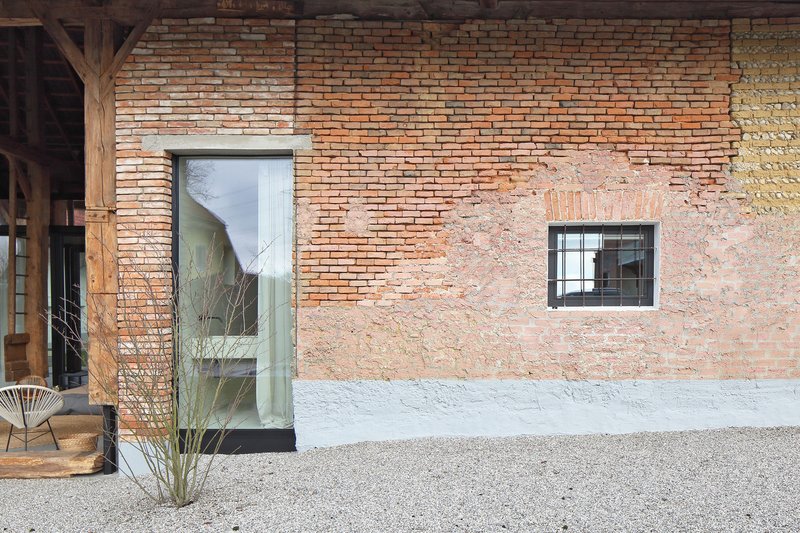
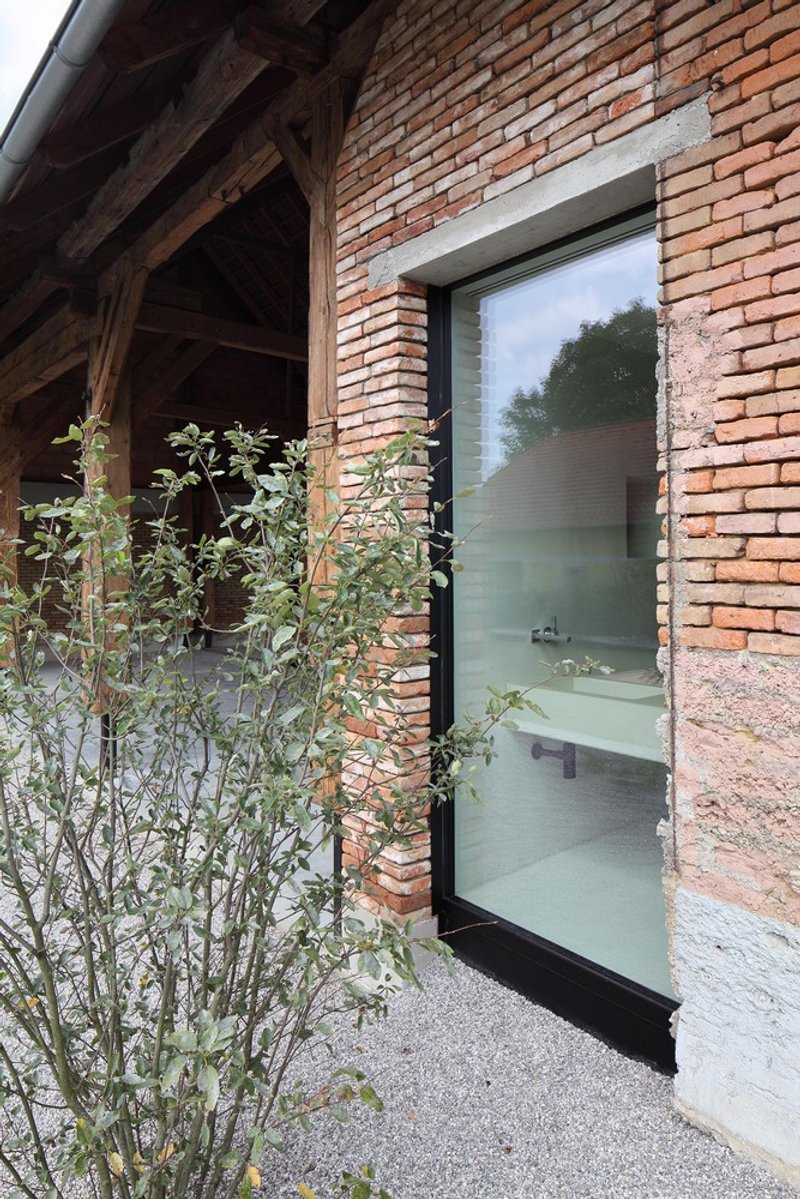
The new design incorporates a sleek, cubic structure placed on the former threshing floor, which contrasts the more traditional, meticulously restored parts of the property. This juxtaposition highlights the intersection of old and new, creating an interesting dialogue between the two.
The Modern Intervention: Glass and Mirrors
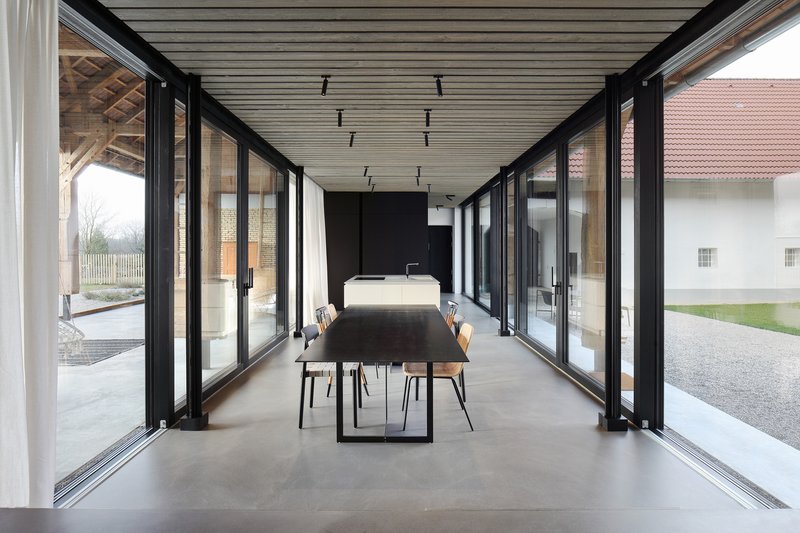
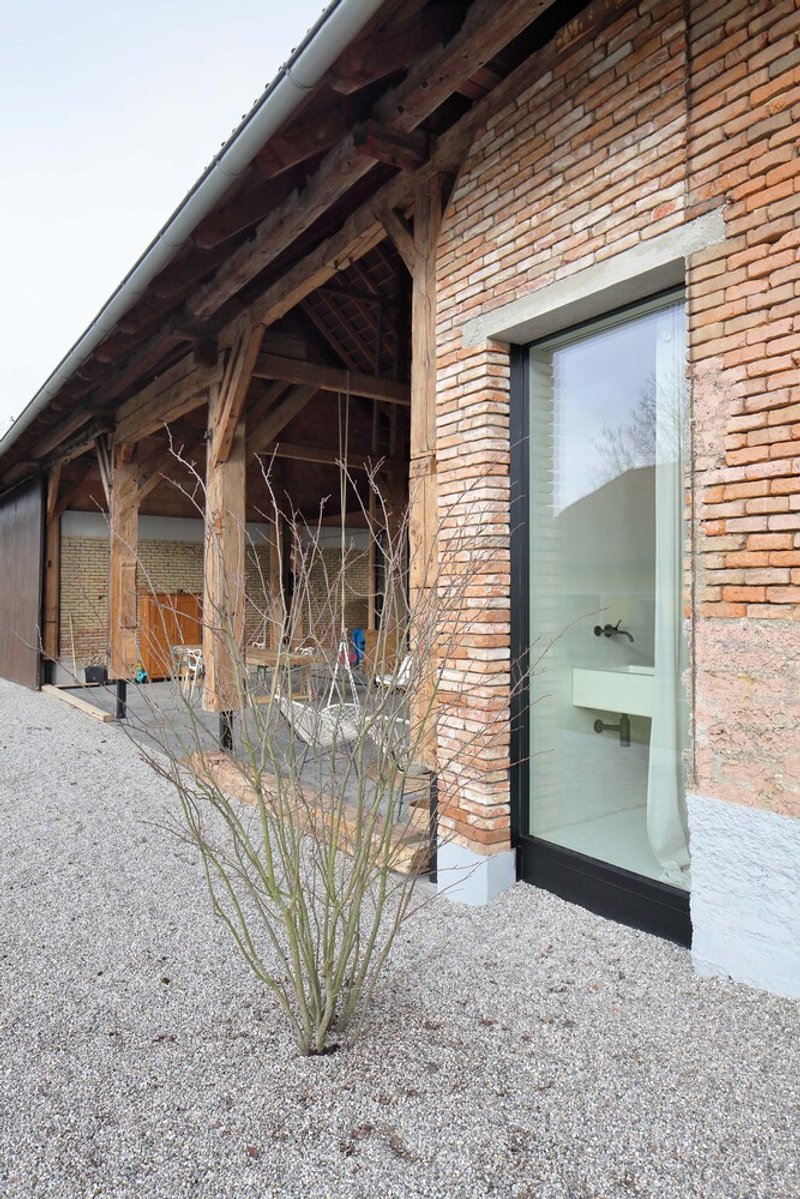
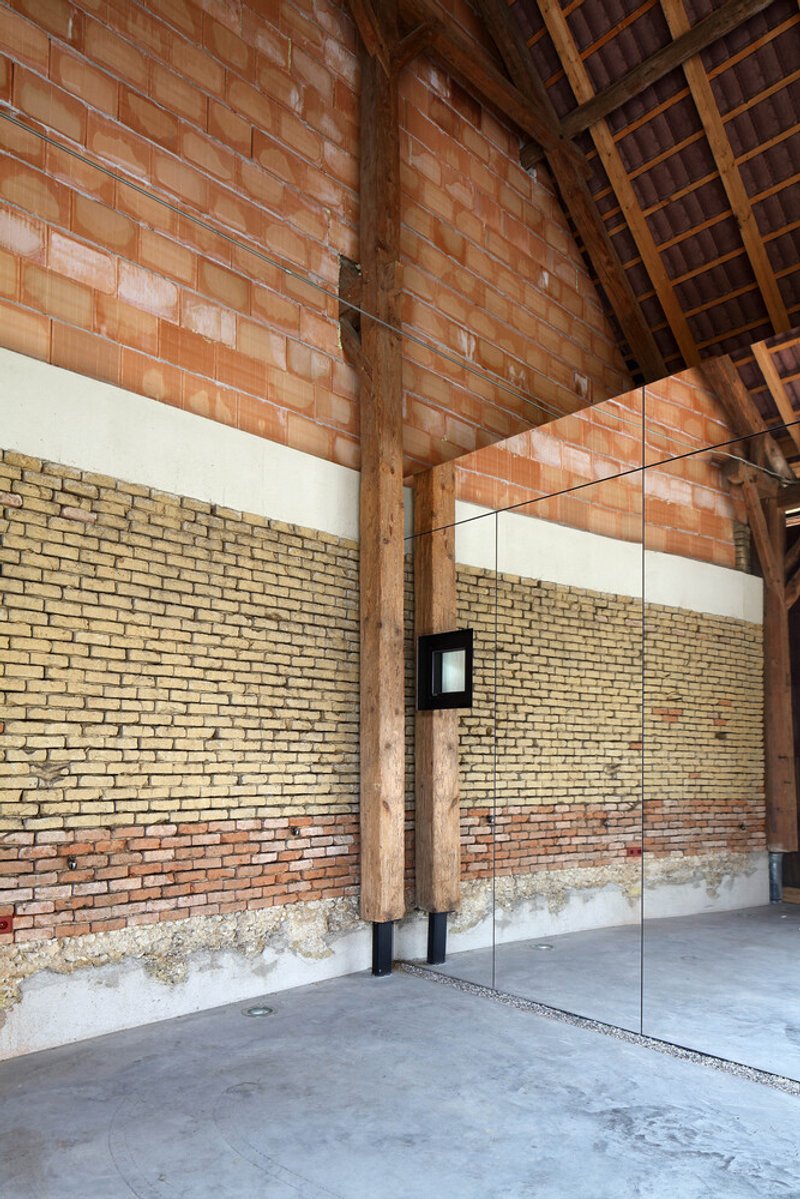
One of the most striking elements of the Hof B House is the cubic structure’s use of reflective materials, such as glass and mirrors. These materials are carefully chosen to create an almost unreal, ethereal effect within the courtyard. The glass surfaces reflect the surrounding buildings and landscape, blurring the boundaries between the indoors and outdoors, and creating an ever-changing atmosphere depending on the time of day and the weather.
The reflective surfaces also allow the structure to blend more seamlessly into its surroundings, ensuring that the modern addition does not overpower the historical elements. Only upon closer inspection does the domestic life inside the building become apparent, further emphasizing the sensitivity of the design.
Sustainability in Contemporary Architecture
Energy-Efficient Design Choices
One of the key aspects of contemporary architecture in historic buildings is its focus on sustainability. The Hof B House demonstrates a responsible approach to energy consumption and resource management. The project incorporates several eco-friendly features that minimize its environmental impact while enhancing its overall functionality.
- Air Heat Pump: The house uses an air heat pump for efficient heating, reducing the reliance on traditional heating systems.
- Photovoltaic Panels: To generate electricity, photovoltaic panels are installed, harnessing solar energy to power the home.
- Wastewater Management: The building connects to a communal sewage treatment plant, demonstrating the integration of modern infrastructure into a historic context.
These features not only make the building more energy-efficient but also demonstrate how contemporary architecture can address modern environmental concerns while respecting the integrity of historic structures.
The Cultural and Functional Impact of Contemporary Architecture in Historic Buildings
Preserving Cultural Heritage
By carefully incorporating contemporary architecture into historic buildings, architects can preserve cultural heritage without freezing it in time. The Hof B House is an excellent example of how historical buildings can be revitalized to meet modern needs without losing their intrinsic value.
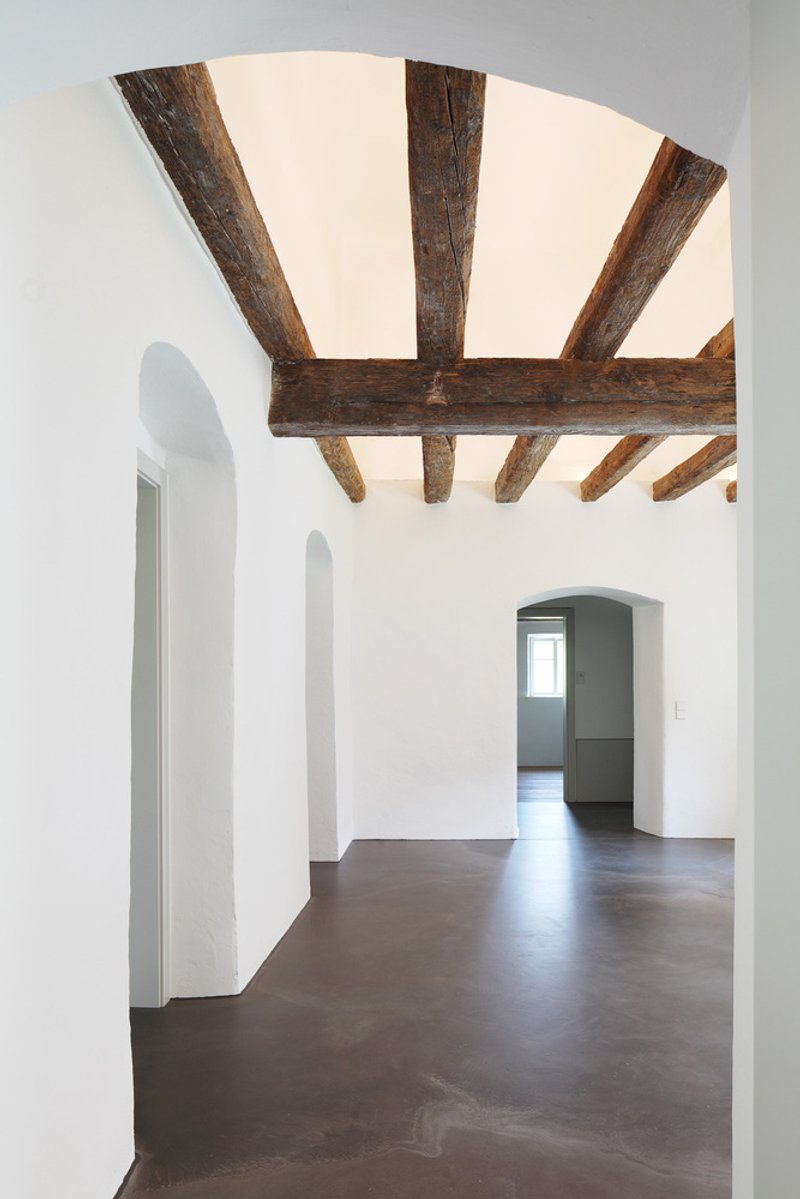
The project not only preserves the architectural character of the old courtyard but also opens up new possibilities for the space, turning it into a functional and vibrant home. The careful restoration of the old building and the thoughtful addition of modern elements create a lasting legacy that respects the past while embracing the future.
Enhancing Functionality
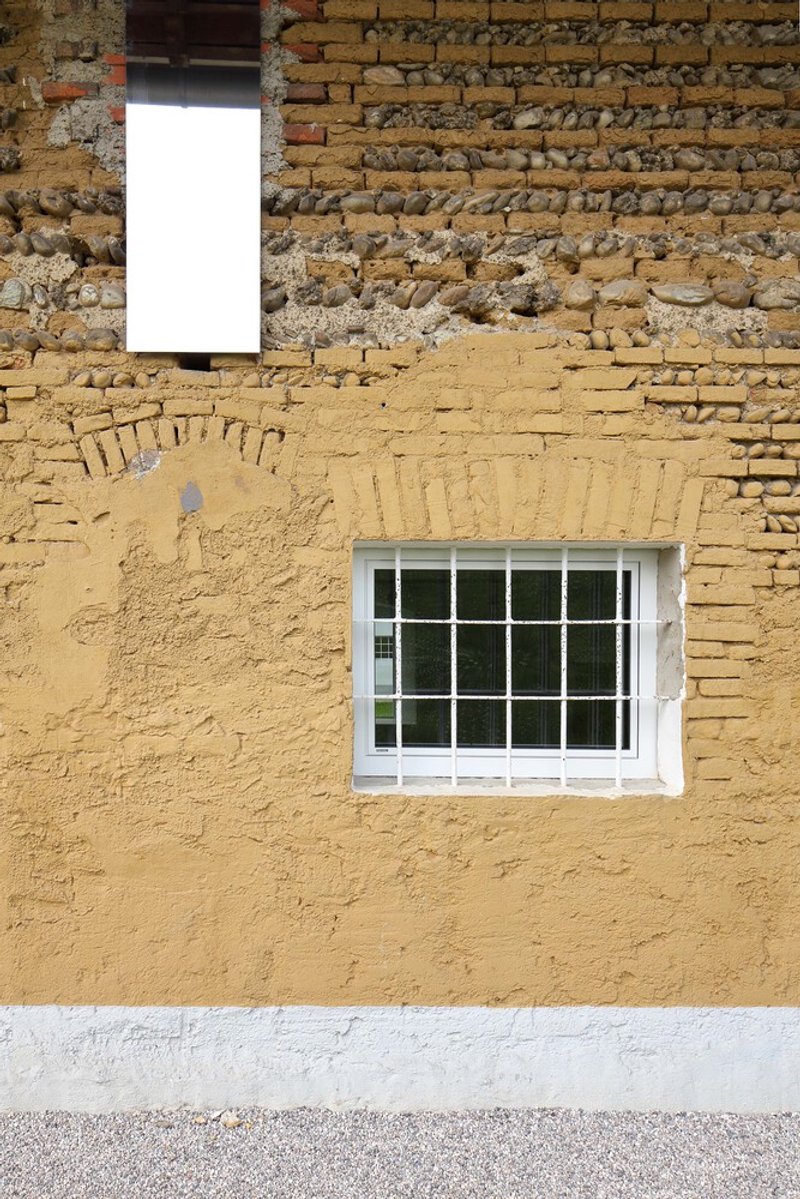
Historic buildings were often designed for different times and purposes, which may not suit current living standards. By introducing contemporary design elements, architects can reimagine spaces that better serve their inhabitants. The Hof B House illustrates this through its innovative use of modern materials and space planning, which transform the courtyard into a highly functional residential property.
The cubic addition provides additional space and modern amenities that were previously unavailable in the original structures. This allows the home to cater to contemporary lifestyles, from energy efficiency to aesthetic preferences, while still honoring its historic roots.
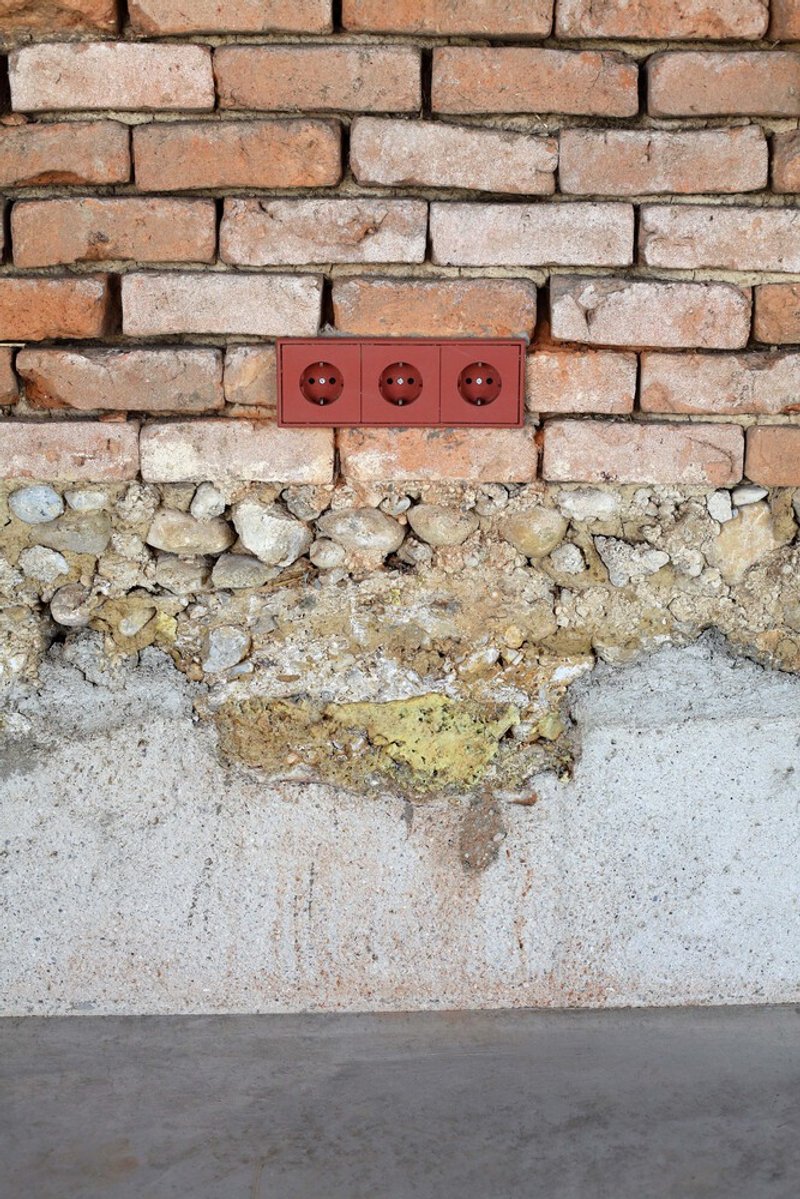
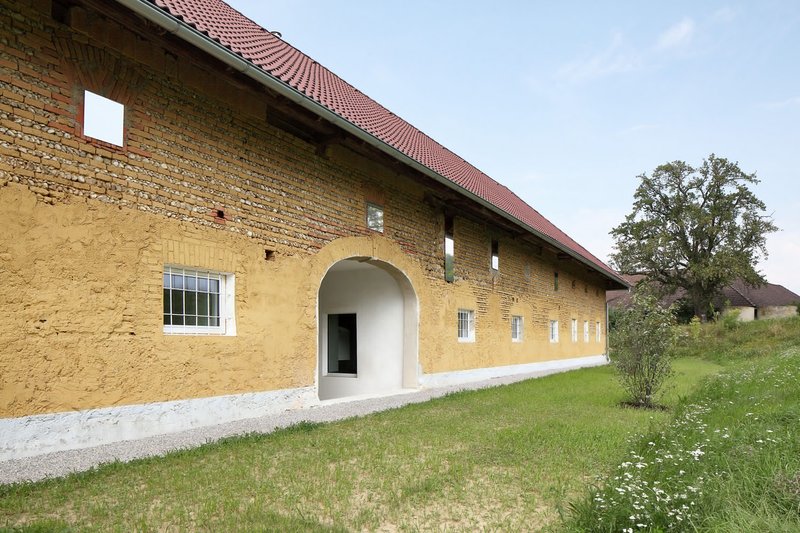
The integration of contemporary architecture into historic buildings is a delicate and rewarding process that requires careful consideration of both aesthetics and functionality. The Hof B House is a shining example of how modern design can coexist with and enhance historical structures. By maintaining the integrity of the original courtyard while introducing innovative architectural elements, Moser und Hager Architekten have created a space that respects the past and embraces the future.
This trend is not only important for preserving cultural heritage but also for meeting the challenges of sustainable living in the modern world. Contemporary architecture in historic buildings is an exciting field that continues to evolve, offering solutions to today’s design challenges while honoring the rich history of our built environment.
All Photographs are work of Gregor Graf