Design of a Commercial High-Rise Building: Redefining Vertical Architecture
Vertical spaces reimagined: connecting lives and nature through sustainable, innovative architecture overlooking Hatir Jheel.


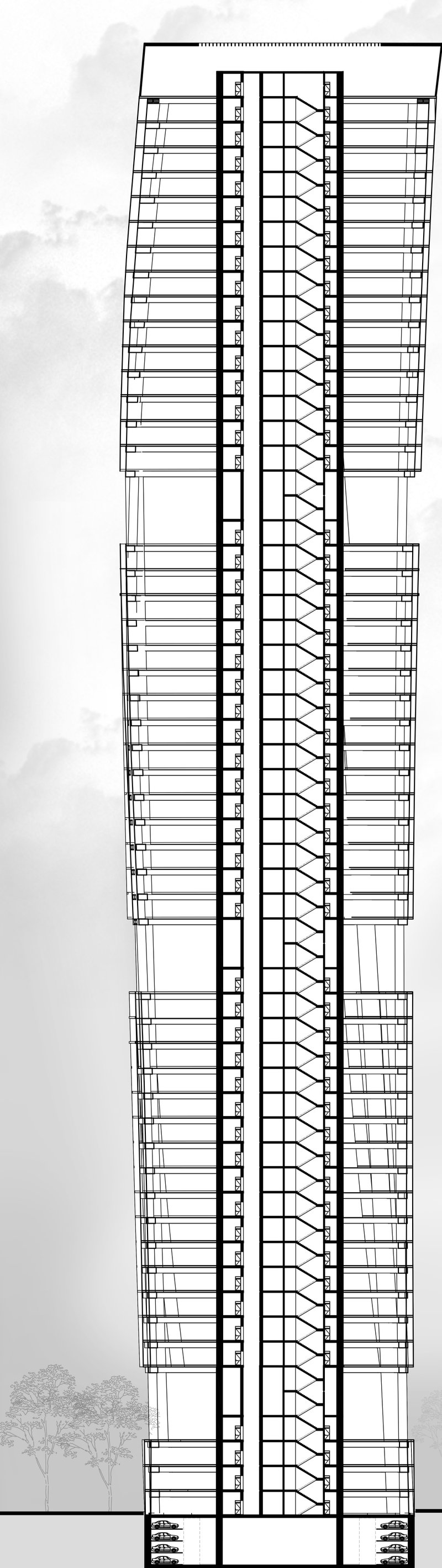
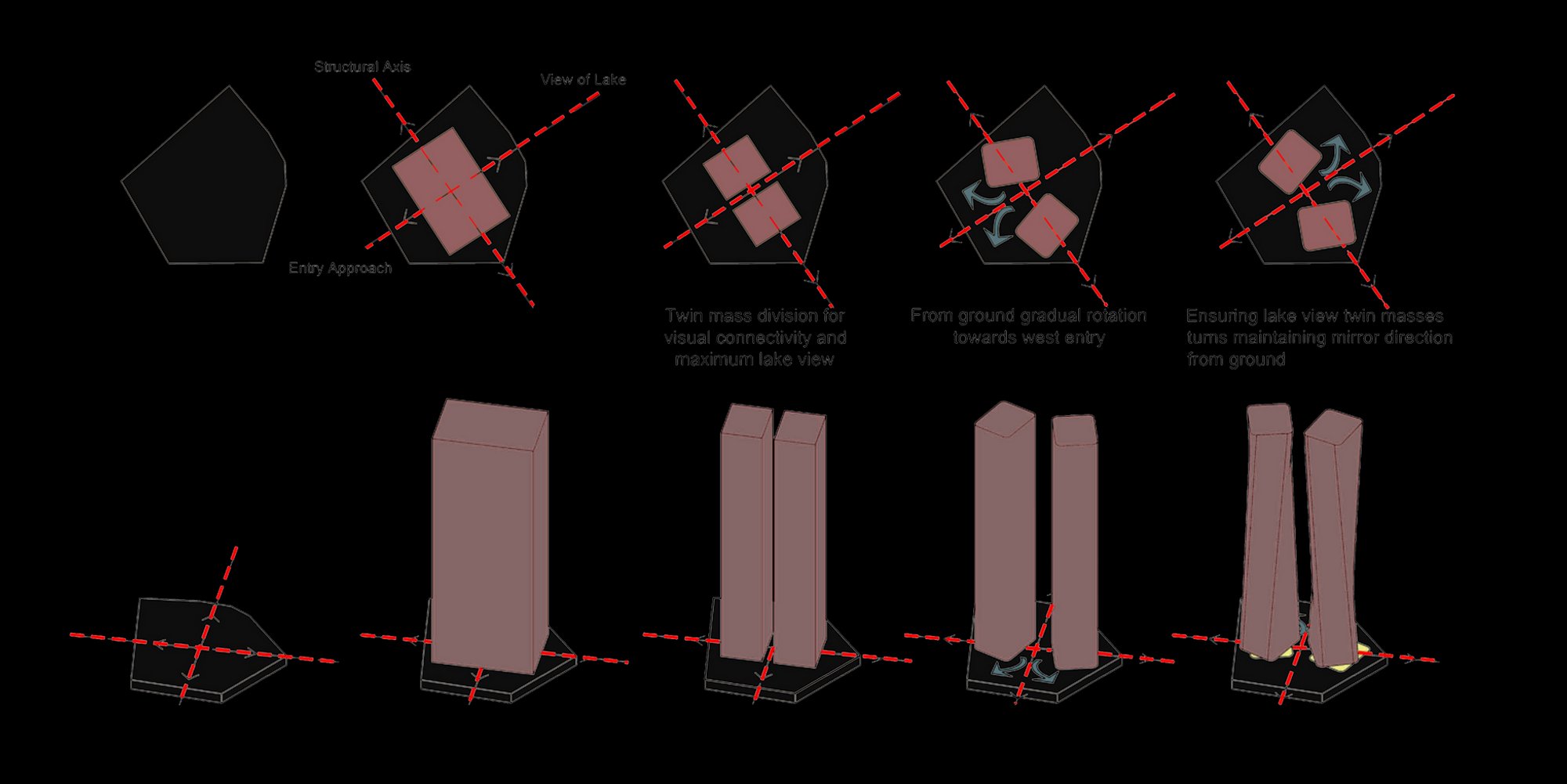
"Design of A Commercial High Rise Building" The concept focuses on capturing serene views of Hatir Jheel from various angles through a vertical extrusion. Designed by Akib Sikder, this project integrates architectural ingenuity with nature. The building maintains a seamless connection between users by incorporating innovative connecting floors and open spaces. These elements allow users to experience the beauty of the Jheel while enjoying elevated breakout spaces, blending architectural form with the natural landscape.
A Seamless Connection Between Nature and Architecture
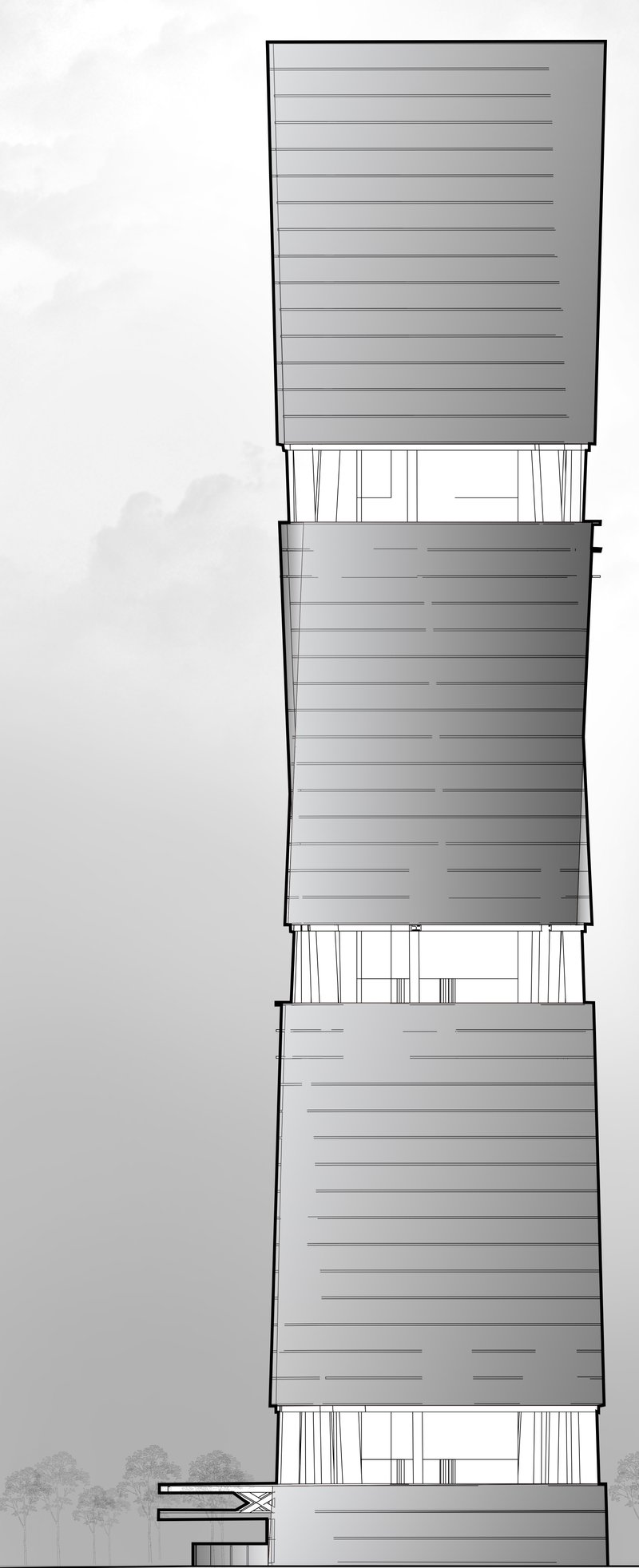
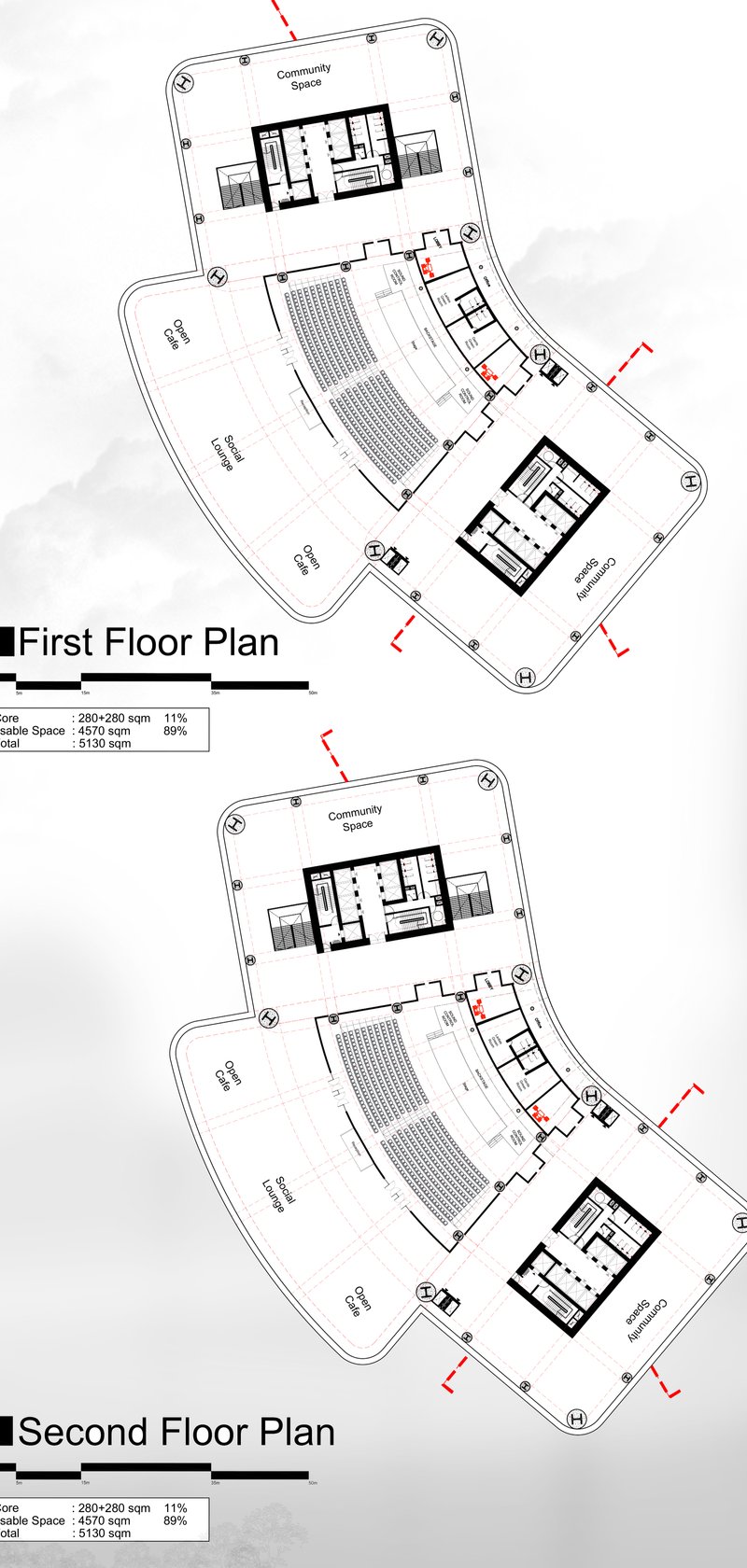
The high-rise incorporates innovative design features to maintain a seamless connection between users and the environment. The open spaces within the structure are not just aesthetic elements but functional areas that provide social interaction zones, relaxation spaces, and panoramic views of the surrounding landscape. These spaces break the monotony of a vertical structure, offering a dynamic and engaging experience for the occupants.
Sustainable Design Practices
One of the hallmarks of this project is its commitment to sustainability. The design incorporates several eco-friendly features, including:
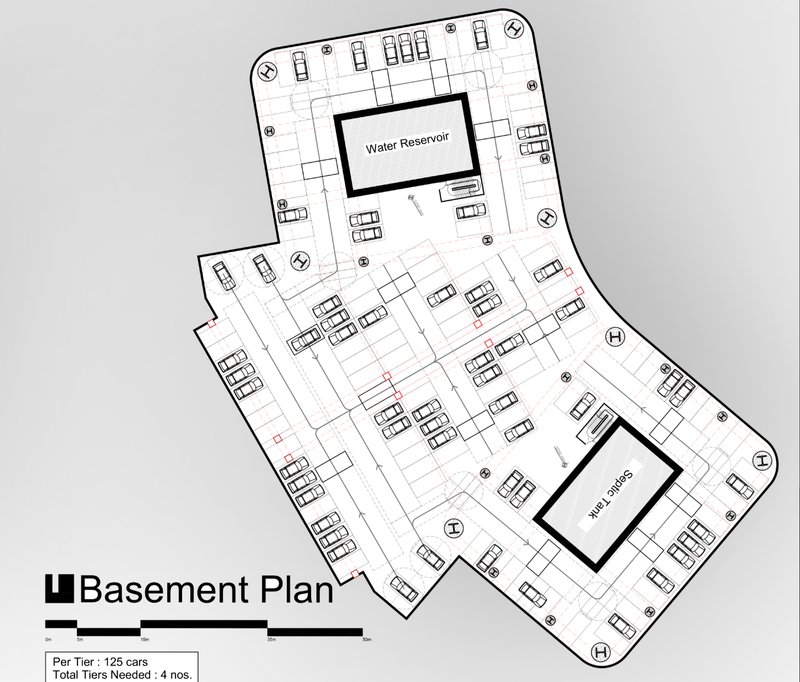
- Rainwater Collection Systems: A sophisticated system collects and stores rainwater, reducing the reliance on external water sources and promoting sustainable water management.
- Operable Sliding Windows: These windows optimize natural ventilation and reduce energy consumption by allowing fresh air to circulate throughout the building.
- Energy-Efficient Facade: The facade includes frosted and clear louvered glass panels that enhance natural lighting while minimizing heat gain, significantly improving the building's energy efficiency.
Functional and Flexible Spaces
The building’s layout is designed to accommodate diverse functions, from commercial offices to social interaction areas. Key design features include:
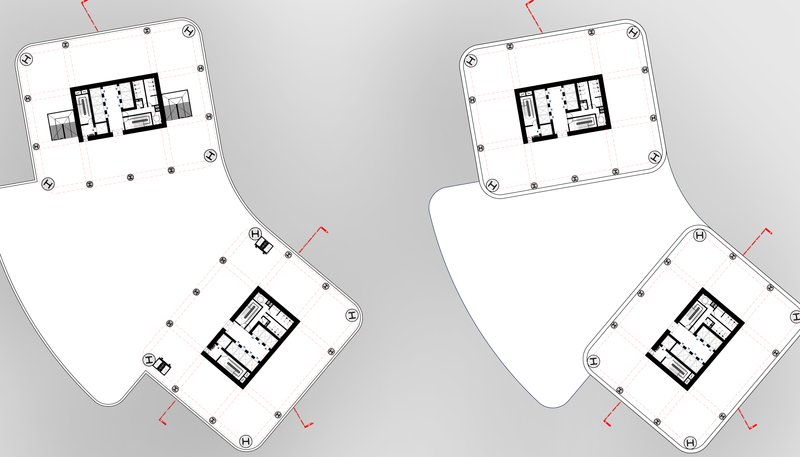
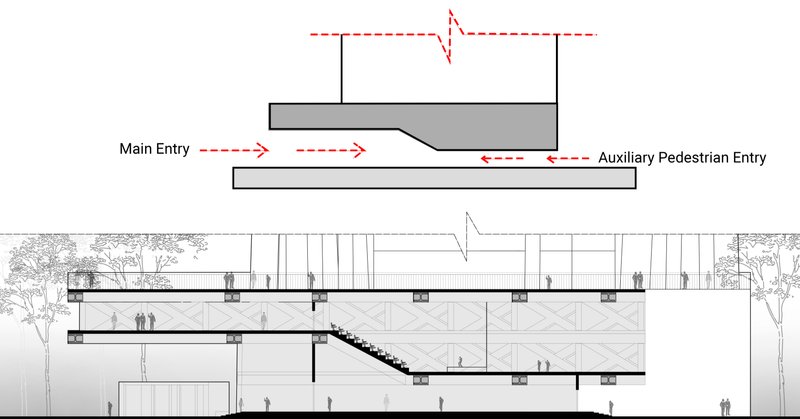
- Connecting Floors: These floors serve as bridging elements that enhance the flow of movement and maintain functional continuity between different levels.
- Podium and Community Spaces: The lower levels of the building include podium areas and community spaces, creating a welcoming and inclusive environment for both occupants and visitors.
- Modular Floor Plans: The adaptable floor plans cater to the changing needs of modern businesses, ensuring flexibility and efficiency in space utilization.
Architectural Innovation at Its Best
The high-rise’s facade design is a testament to architectural ingenuity. It incorporates movable louver systems that can rotate at 45 degrees, allowing users to control light and ventilation according to their preferences. This feature not only enhances the building’s aesthetic appeal but also contributes to its energy efficiency.
Enhancing the Urban Landscape
This project by Akib Sikder is more than just a building—it is a statement of how architecture can transform urban spaces. By harmonizing natural elements with innovative design, the high-rise sets a benchmark for future developments. Its strategic location overlooking Hatir Jheel makes it a beacon of sustainable and visionary architecture.
Key Features of the Design:
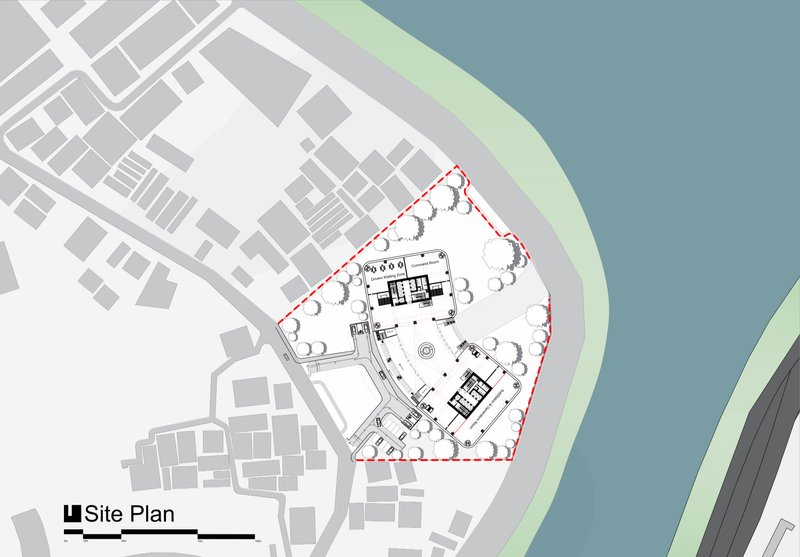
- Site Integration: The high-rise is strategically designed to enhance views of Hatir Jheel, creating an immersive connection with the surroundings.
- Open Spaces: Introducing open spaces within a high-rise provides unique breakout zones for relaxation and social interaction.
- Connecting Floors: The connecting floors maintain visual and functional continuity, ensuring a seamless user experience across different levels.
- Sustainability: The design incorporates rainwater collection systems and operable sliding windows to optimize natural resources.