

Eco-Friendly Architecture: Embracing Sustainability in Design
Exploring Huvila House's eco-friendly architecture, which harmonizes innovative design with environmental sustainability and personal health.


In the serene embrace of Pargas, Finland, lies a testament to contemporary architecture's capacity to harmonize with nature while catering to the specific health requirements of its inhabitants. Huvila House, designed by the talented Jenni Reuter, stands as a beacon of eco-friendly design, meticulously crafted to ensure a minimal environmental footprint and a sanctuary for those sensitive to chemicals and electromagnetic fields. This article delves into the architectural marvel that is Huvila House, showcasing its design philosophy, innovative use of materials, and the seamless integration of art and craftsmanship.


The Architectural Vision of Huvila House
At the heart of Huvila House's design is the ambition to create an environmentally friendly dwelling that is both gentle on the senses and grounded in simplicity and authenticity. The house embodies a contemporary aesthetic enriched with local handicrafts and art, situated at the forest's edge, overlooking a vast field. The challenge of designing for a client with chemical sensitivities led to an exploratory process of material selection, ensuring that each element contributed to a healthy living environment.


Material Innovation and Sensory Design
The architectural team embarked on a meticulous journey to identify materials that would meet the client's unique needs. The solution was found in monolithic materials known for their ability to regulate humidity and purify indoor air, thus fostering an atmosphere of well-being. The house divides spatially into a wooden section and a masonry section, utilizing massive, insulating burnt clay blocks and aspen logs, respectively. This choice of materials not only addresses the client's sensitivities but also minimizes the house's ecological footprint.


A Symphony of Light, Space, and Nature
Huvila House's spatial design is a masterclass in creating harmony between the interior and the natural world. The layout includes a wooden gabled roof structure, with a high-glazed orangery space and a veranda offering intimate connections with the surrounding nature. The positioning of windows and doors is meticulously planned to frame views of the forest and fields, controlling light and creating individualized, picturesque scenes from each room.


Artistry and Craftsmanship in Construction
The house's construction is a testament to skilled craftsmanship, with particular attention to wooden railings, shingle cladding walls, and natural stone work. Ceramics and contemporary art play a significant role in the interior design, with site-specific pieces by Kristina Riska enhancing the sensory experience of the space. The attention to detail in the handmade elements of Huvila House underscores the project's commitment to quality and personalization.


A Model for Future Eco-Friendly Architecture
Huvila House is more than just a residence; it's a model for future architectural endeavors that seek to balance human health needs with environmental sustainability. Its innovative use of materials, thoughtful design, and integration of art and craftsmanship set new standards for eco-friendly architecture. As the world continues to grapple with environmental challenges, projects like Huvila House offer hope and direction for a more sustainable and health-conscious approach to design.


All photographs are work of Marc Goodwin, Juha Ilonen


Popular Articles
Popular articles from the community


Tsunami Convergenics: Turning Catastrophic Ocean Forces into Underwater Housing Infrastructure
A speculative underwater settlement off the coast of Onagawa, Japan, treats tsunamis and typhoons as energy sources rather than threats.

Extended Shell: Retrofitting Kolkata's Balconies as Living Urban Thresholds
A modular retrofit system recovers the social and environmental intelligence of Kolkata's historic verandas for contemporary Park Street residents.

Cloaked Colonization: A Mobile Underwater Habitat That Moves Like a Fish
Micah Abaya's shortlisted EHC Pacific entry reimagines ocean settlement as a dispersed network of self-sustaining architectural organisms.
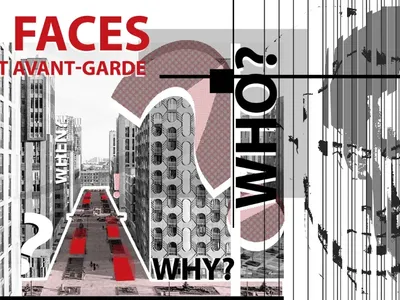
Faces of the Soviet Avant-Garde: Turning Moscow's Street Names into an Open-Air Museum
A network of sculptural installations across a Moscow residential district transforms forgotten architect names into spatial encounters with cultural memor

Similar Reads
You might also enjoy these articles


FAMM Arquitectura Organizes Ten Villas Around Courtyards and Jungle in Nosara, Costa Rica
El Molino pairs two elongated volumes with deep overhangs and timber louvers to build a compact coastal community five minutes from the beach.

Oscar Niemeyer's Ibirapuera Park Pavilions Define São Paulo's Cultural Identity in Concrete and Curve
A constellation of modernist volumes set within São Paulo's most important urban park, conceived for the city's 400th anniversary in 1954.

Sanjay Puri Architects Wraps a Jaipur Office Tower in Capsule-Shaped Green Buffers
A nine-level climate-responsive workplace near Jaipur Airport uses stacked planter terraces and aluminium screens to fight 40°C heat.
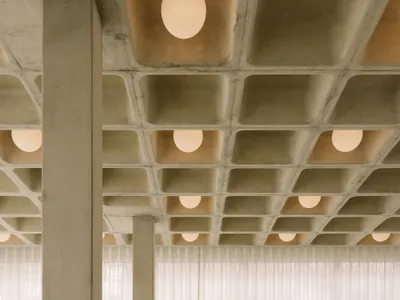
RHO Converts a Berlin Spree-Side Industrial Courtyard into Enkime's 1,000 m² Agency Headquarters
A social media agency's new home in Charlottenburg trades glossy branding for concrete waffle ceilings, glazed tile, and sheer curtains.

Explore Nordic Sustainable Architecture Competitions
Discover active competitions in this discipline

Challenge to reimagine the Iron Throne

Photograph architecture without architects

Illustrate the lost glory of Angkor Wat - Render Challenge

Design challenge to reuse E-waste
Comments (0)
Please login or sign up to add comments
No comments yet. Be the first to comment!