
Eco-Friendly Architecture in Urban Parks
Exploring eco-friendly architecture through Kunshan's Visitor Center, a model of sustainability and design harmony with nature.


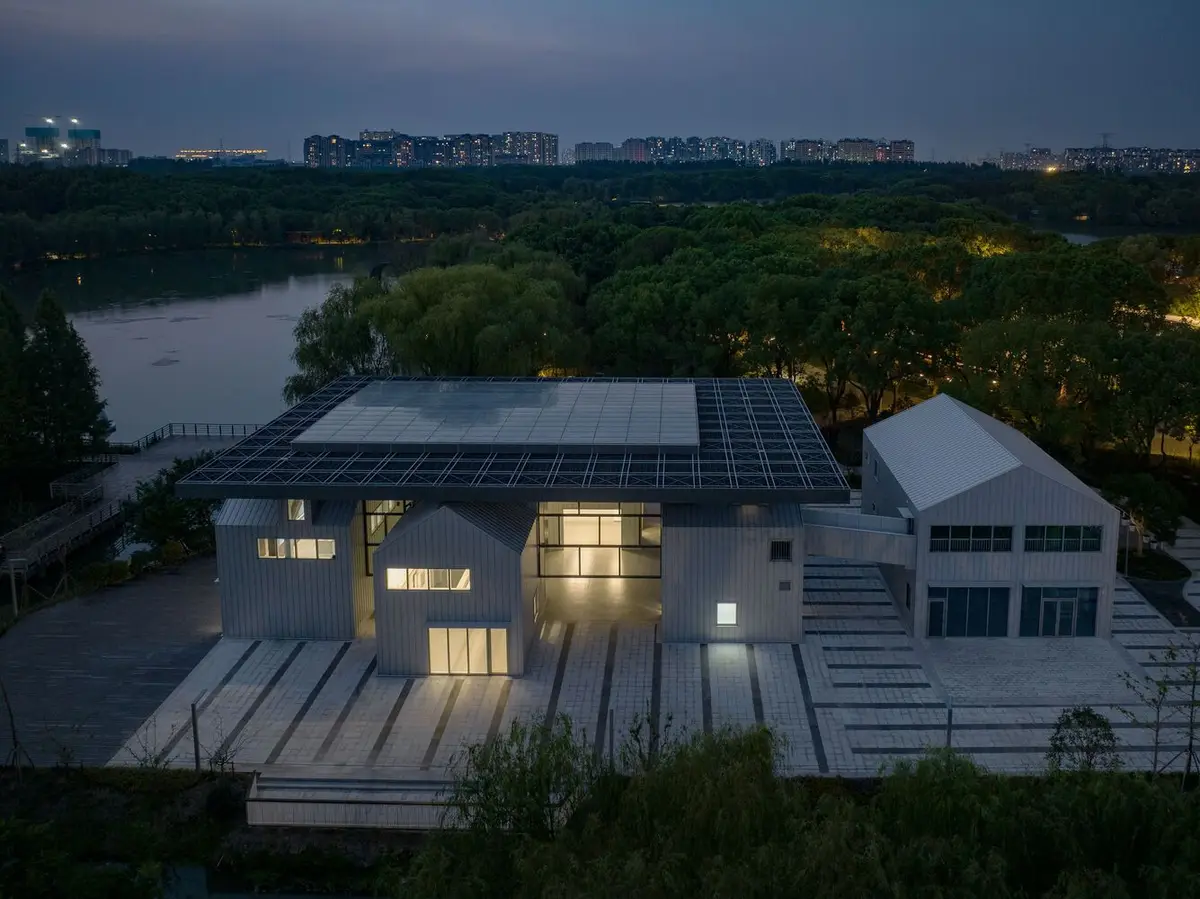
In the heart of Kunshan City lies a testament to modern architectural innovation and ecological harmony: the Visitor Center of Kunshan Urban Ecological Forest Park. Designed by Atelier Archmixing, this project is a paradigm of eco-friendly architecture, seamlessly integrating with its verdant surroundings to offer a serene oasis amid urban sprawl. Through thoughtful design and sustainable practices, the Visitor Center stands as a beacon of how architecture can coexist with nature, embodying the principles of eco-friendly architecture in urban parks.
The Genesis of an Eco-Friendly Design
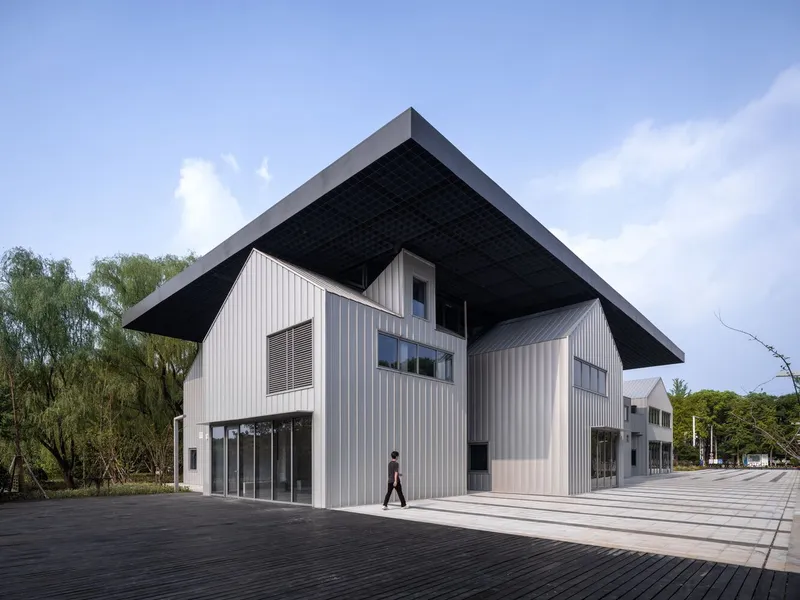
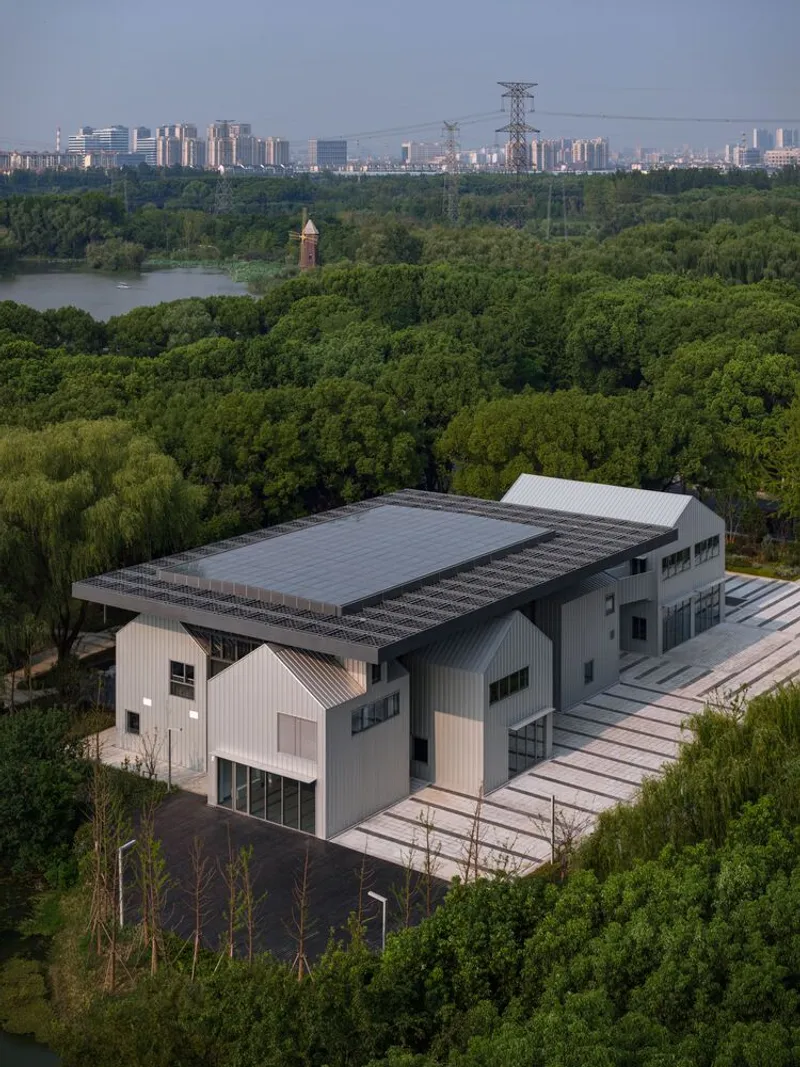
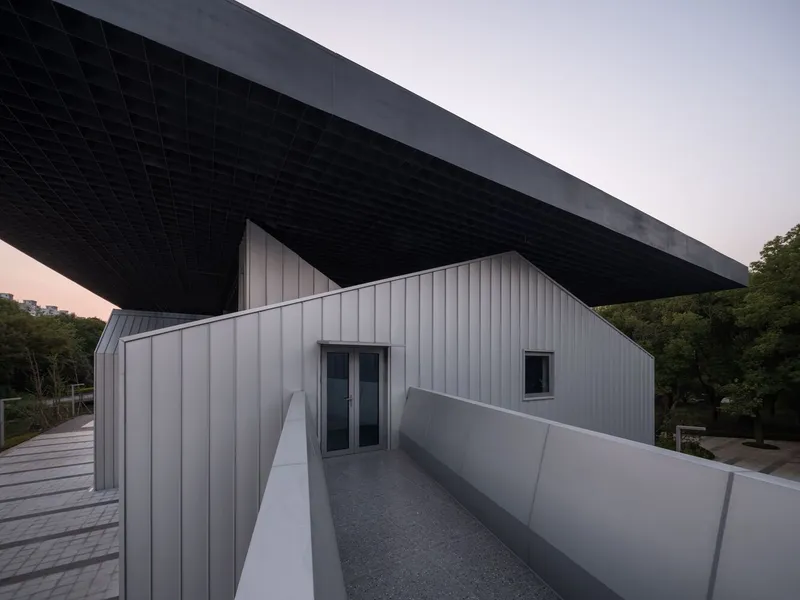
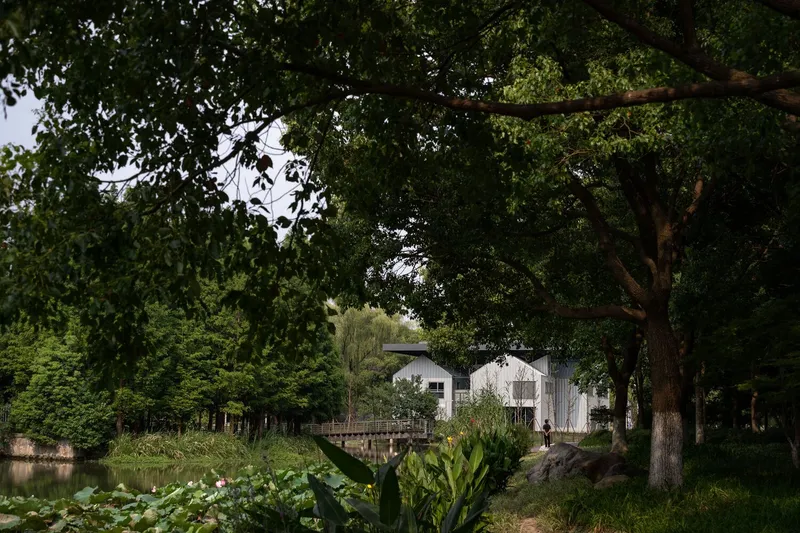
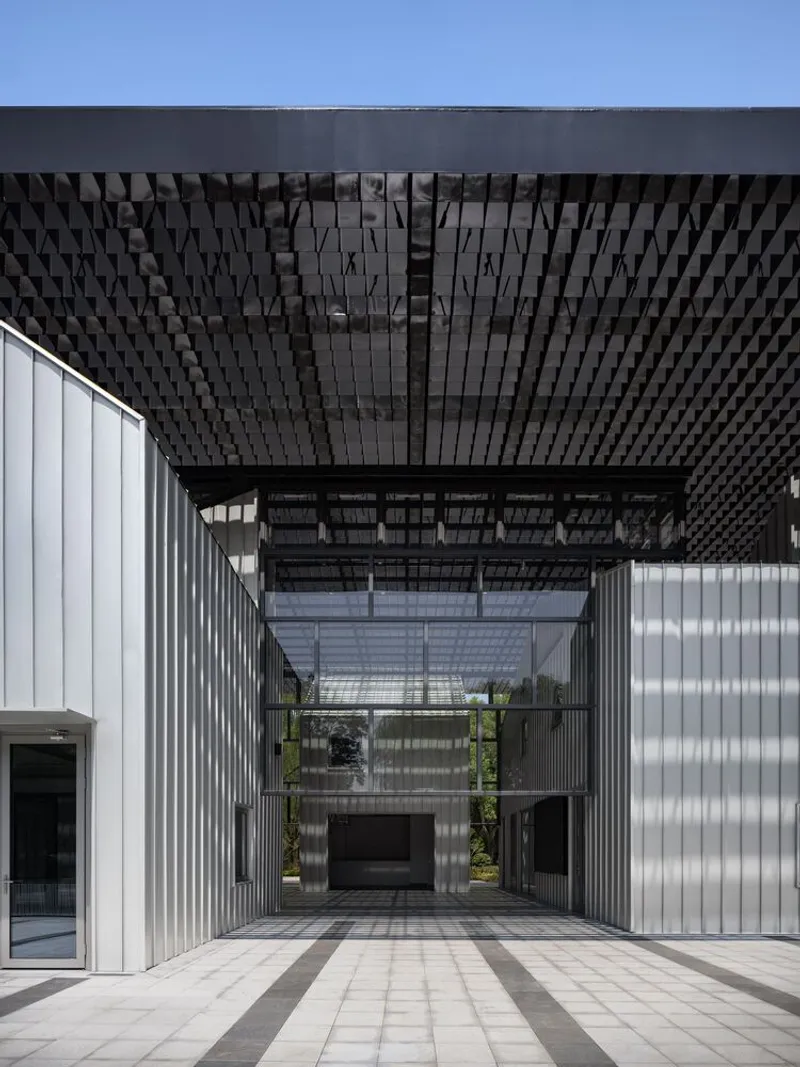
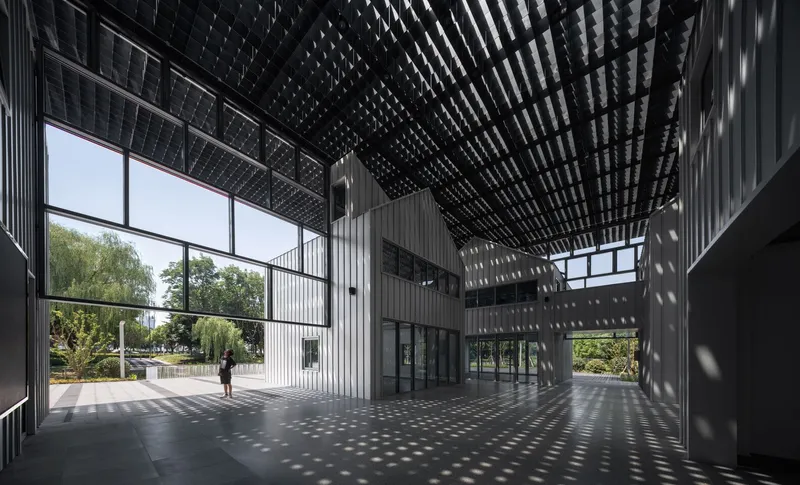
Nestled northwest of Kunshan City and spanning a significant 3,150 square meters, the Urban Ecological Forest Park serves as a green lung for the city. The architects faced the challenge of transforming a former sales office into a comprehensive visitor center that would not only cater to informational and administrative needs but also blend with the natural landscape. The solution was ingenious: a collection of small, interconnected buildings under a vast, perforated metal grille roof, creating a pavilion-like space that invites the outdoors in.
Breaking the Mold with Modular Spaces
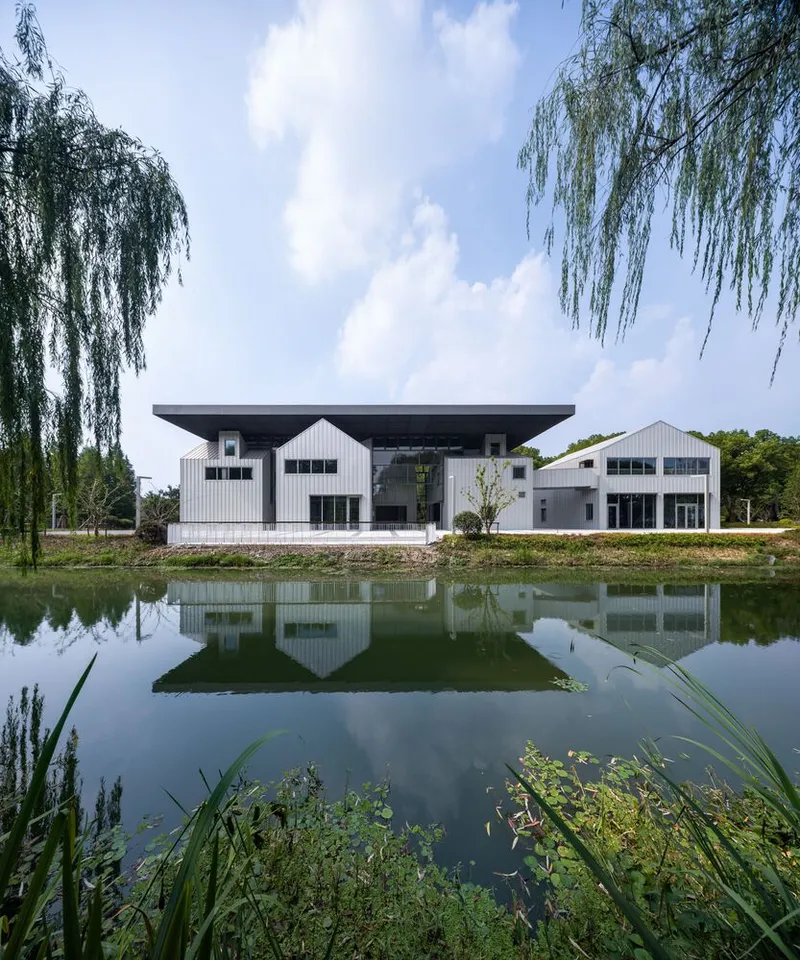
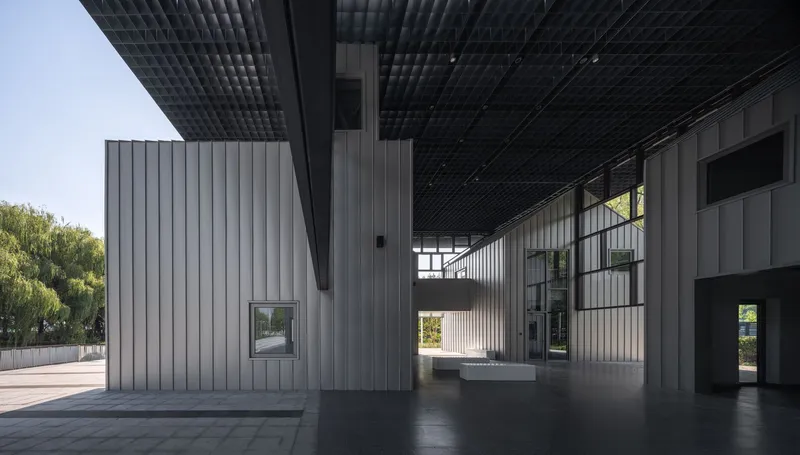
Atelier Archmixing's approach of "breaking up the whole into parts" resulted in a cluster of flexible, modular spaces. These buildings, with their simple yet functional design, are adaptable to future needs, ensuring the center's longevity. The design fosters a seamless flow between indoor spaces and the expansive greenery outside, enhancing visitors' experience of the park's natural beauty.
The Pavilion: A Symphony of Light and Shadow
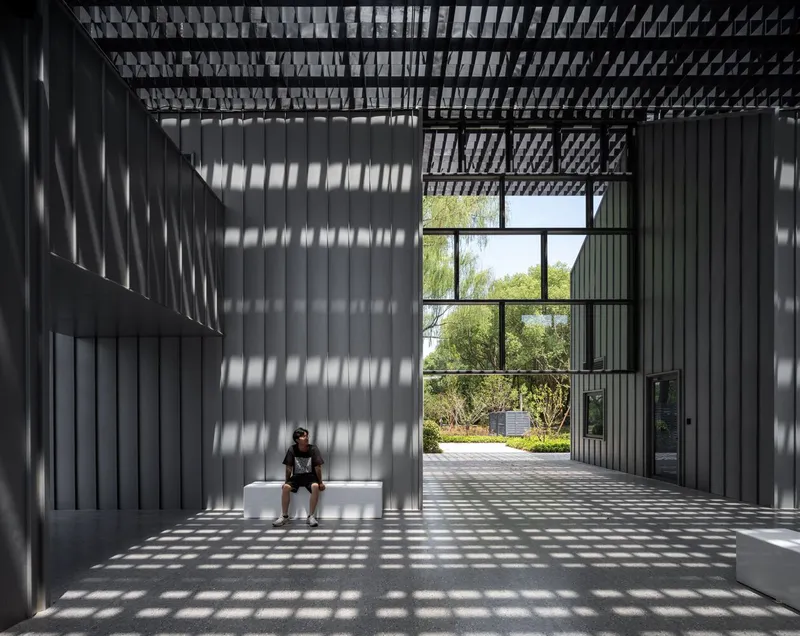
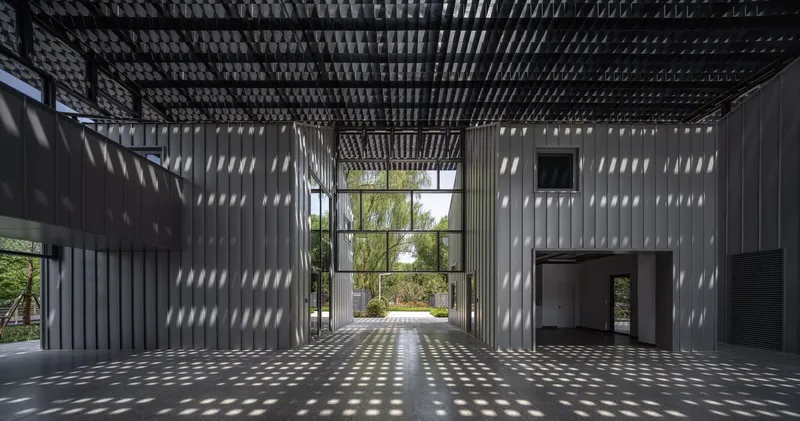
The centerpiece of the Visitor Center is its large pavilion, covered by a thin-walled steel plate square grid. This roof, a marvel of engineering and design, not only provides shelter but also plays with light and shadow to create a dynamic, ever-changing environment. It's a space where visitors can enjoy public events, relax, and immerse themselves in the tranquility of the park, all while protected from the elements.
A Commitment to Eco-Friendly Materials and Practices
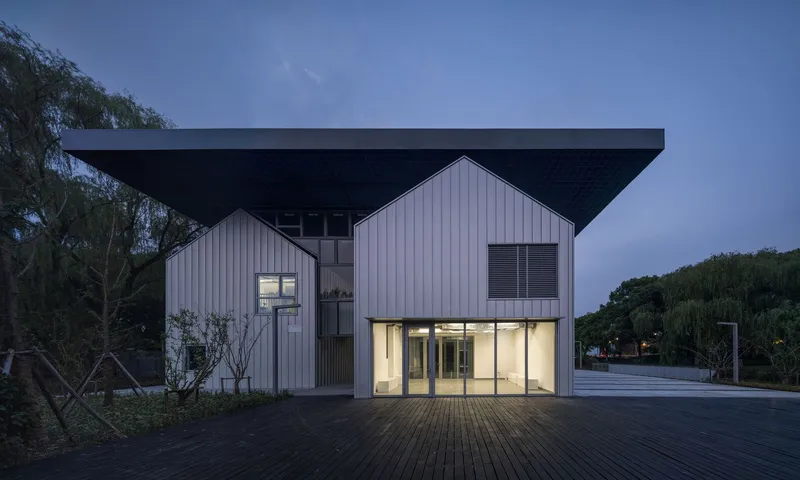
The Visitor Center's construction materials were chosen with sustainability in mind. Natural-colored aluminum-magnesium-manganese panels and glass dominate, reflecting the project's commitment to eco-friendly architecture. The innovative roof structure, made of thin-walled steel and aluminum grids, achieves a balance between aesthetic appeal and environmental responsibility.
Harnessing Natural Light
One of the project's most commendable features is its utilization of natural light. The architects designed the roof's grid system to create a shadowless indoor environment, maximizing the use of daylight and reducing the need for artificial lighting. This not only conserves energy but also enhances the natural ambiance within the center, making it a model for sustainable architectural design in urban settings.
A Blueprint for the Future
The Visitor Center of Kunshan Urban Ecological Forest Park is more than just a building; it's a statement on how architecture can enhance urban green spaces while respecting the environment. Atelier Archmixing has created a space that is not only functional and beautiful but also a benchmark for eco-friendly architecture in urban parks. As cities around the world grapple with the challenges of urbanization and environmental degradation, projects like this offer hope and direction for a sustainable future, where architecture and nature exist in harmony.
All photographs are work of Qingshan Wu


Popular Articles
Popular articles from the community


Little Red Riding Hood: Architectural Design as a Journey Through Fear, Light, and Storytelling
Little Red Riding Hood reimagines the fairy tale through architectural design shaped by fear, light, scale, memory, uncertainty, and choice.

Conexión: Biophilic Design Reimagines High-Rise Living in Hong Kong
Conexión reimagines high-rise living in Hong Kong through biophilic design, green facades, shared spaces, daylight, water and nature within.

Hill & Cross Opera: Sculptural Opera House Architecture Shaped by Tallinn’s Landscape and Identity
Hill & Cross Opera reimagines opera house architecture in Tallinn through its sculptural hill, civic plaza, glass wave and a luminous cross.

Play: Fragments of Their World
Familiar architecture becomes modular playground design, creating safe spaces where displaced children can learn, connect, imagine and play.

Similar Reads
You might also enjoy these articles

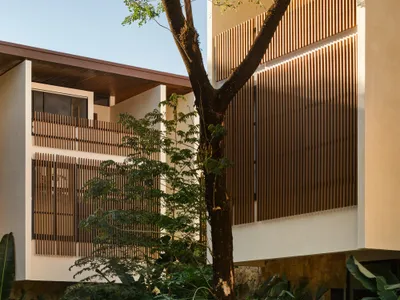
FAMM Arquitectura Organizes Ten Villas Around Courtyards and Jungle in Nosara, Costa Rica
El Molino pairs two elongated volumes with deep overhangs and timber louvers to build a compact coastal community five minutes from the beach.
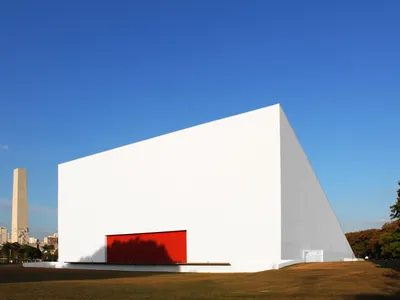
Oscar Niemeyer's Ibirapuera Park Pavilions Define São Paulo's Cultural Identity in Concrete and Curve
A constellation of modernist volumes set within São Paulo's most important urban park, conceived for the city's 400th anniversary in 1954.
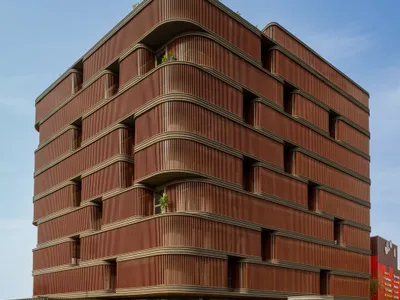
Sanjay Puri Architects Wraps a Jaipur Office Tower in Capsule-Shaped Green Buffers
A nine-level climate-responsive workplace near Jaipur Airport uses stacked planter terraces and aluminium screens to fight 40°C heat.
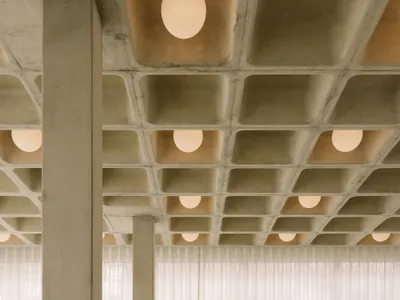
RHO Converts a Berlin Spree-Side Industrial Courtyard into Enkime's 1,000 m² Agency Headquarters
A social media agency's new home in Charlottenburg trades glossy branding for concrete waffle ceilings, glazed tile, and sheer curtains.

Explore Green Architecture Competitions
Discover active competitions in this discipline

Challenge to reimagine the Iron Throne

Photograph architecture without architects

Illustrate the lost glory of Angkor Wat - Render Challenge

Design challenge to reuse E-waste
Comments (0)
Please login or sign up to add comments
No comments yet. Be the first to comment!