
Commercial Buildings
Design and architecture of retail, hospitality, and commercial spaces that serve public and community functions.
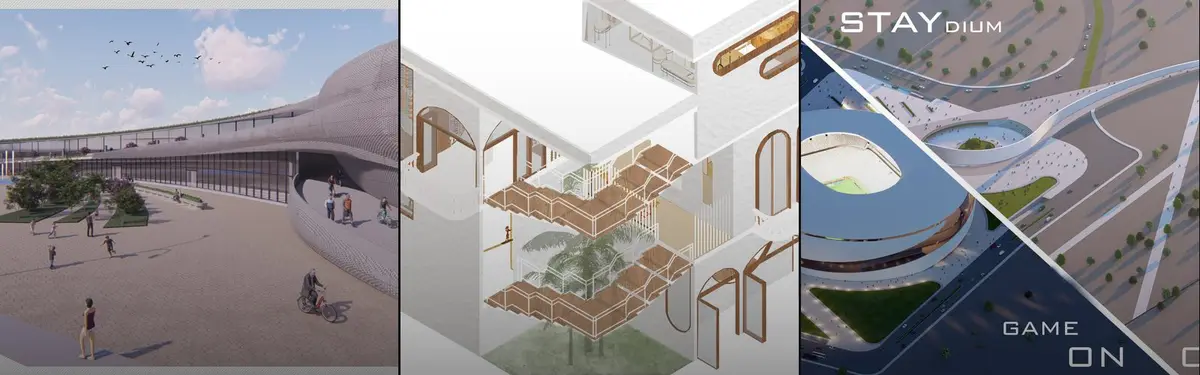
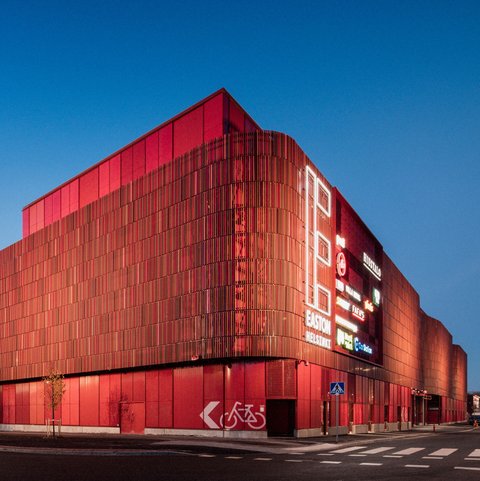
Commercial architecture is the design of buildings and structures for use by non-profit entities and/or institutions. This genre of architecture is focused on combining function with style to meet the needs of a wide range of business types, religious groups, and educational organizations. The impact of commercial architecture can be seen in any major city center, where almost all the buildings are commercial. Architecture is the designing and building of structures designed to provide protection from the elements. The simplest structural requirements are easily satisfied by building a shelter, but an architect's job is to combine good design elements into a building that meets both current and future needs. It is a form of architecture that's meant to be directly engaged by the everyday client. This can come in multiple forms. Perhaps you want a highly decorated building or you need something that's more standard but with added attention to particulars such as durability, sanitation, and security. Many commercial architects focus on developing ideal plans for business spaces including restaurants and stores, special events such as weddings or birthday parties and so forth. During this 14th century invention period, we saw an array of things built including palaces within Renaissance Europe with large halls which became major elements for instruction and also for other formal occasions like the reception of representative officials that came from across the globe. Img 1: Commercial structures can be seen towering the city skyline in the 21st century. In the last few decades, the architecture of commercial buildings has changed. In the past, there were sometimes multiple businesses in one building with no indication of what they did inside. That’s beginning to change. Today, architects are incorporating a visual relationship between the exterior and interior of their structures. They’ve made it a priority to highlight branding and business identity as well as create an indoor-outdoor experience for customers by ensuring a smooth connection between the two experiences or “worlds” that they occupy. Sometimes this is accomplished using decorative outer pieces like panels which serve as a uniting visual element before entering any structure while others are establishing brand cohesiveness from front to backside by matching up neutral elements such as color stories, materials, and motifs - so basically everything! Transformation of commercial architecture At its core, architecture is an art form. It’s abstract—a blend of aesthetics and imagination that challenges the status quo. Unlike other types of art, though, architecture relies heavily on function while preserving a sense of novelty and innovation. Commercial architecture is an art form and it is constantly evolving. This means that architects have to challenge the way things have been done, which adds a unique attribute to the profession. It requires great attention to detail because of budgetary, time, or material constraints which limits their creativity; but even then, commercial architects today managed to create some outstandingly beautiful designs for commercial buildings using modern and innovative approaches. Img 2: Architecture of commercial buildings is experiencing a wave of change with peppy and bold designs taking over mundane grey-box designed spaces. (Credits- Purnesh Dev Nikhanj) Modern architecture has begun to take on nature-inspired shapes. Commercial buildings used to focus exclusively on function alone. Now, through the infusion of straight and clean lines, open spaces, and perspective-bending shapes, commercial architecture has begun to reinvent itself. Old styles like basic architectural metal grilles have been paired with circular windows meant to provide a sense of fun, worldliness and whimsy as you unconsciously walk around them. They’ve done all they could with creating illusions while filling up the fabric between these round shapes that complement each other, show off their creativity and make a building stand out in the crowd or cityscape. Img 3: A commercial office space (Credits- Yoon Joonhwan) With innovation and exposure, more commercial spaces are looking to move away from the cubicle, monochromatic and boxy buildings of past times. Modern interior architecture is all about opening things up - yes the space needs to feel spacious but not necessarily by eliminating open spaces altogether. Creating spaces that adapt as you go along this can make it far less difficult to get from one place to another if your team moves around a lot and doesn't really have their own designated areas! For example, there could be a staircase where workers need to move up or down from one floor to another depending on what they're doing at any given moment rather than having the entire company working on just one level or floor. Types of commercial buildings Making sound design plans for a wide range of commercial structures, including office spaces, factories and breweries, hotels, retail spaces, and even sports and music arenas, is part of commercial construction. Img 4: Types of commercial buildings Futuristic trends in commercial architecture Buildings account for 40% of the world’s total carbon emissions and show no sign of slowing down. A growing human population combined with an increase in urbanization means there will be a high demand for new commercial buildings in the coming years and thus, great commercial building design will become more important than ever. Good commercial building design saves you money, conserves energy and enhances the quality of life for both humans and the natural environment - making it smart to invest in good quality building design that lasts instead of buying cheap, low-quality materials which break quickly. Img 5: 'Upcycling Retail' competition runner-up for Upcycling Retail Modern commercial buildings are intended to be energy-efficient, providing employees with a pleasant working environment. Open-plan offices may contribute to active and engaging workplace as there is more scope for communication and collaboration. While this style of setup may not be ideal for every other style of business, there are some elements that can be adapted for nearly any space - natural lighting being one such element! Lighting in commercial spaces is important for both the health of workers and the overall safety within a building, making it absolutely crucial that you choose the best services from industry leaders Lightworks Media . Examples of lighting systems they can provide include, but are not restricted to: Employees are productive within an environment that is comfortable, healthy, and happy! It makes sense then that productivity is increased when the working tools & resources in the office space are organized and placed in the proper place at the proper time. An effectively organized office promotes productivity. Also, each employee's preferred organization method can be accommodated when it comes to storage solutions at the workplace. This creates an easily accessible & aesthetically pleasing working environment for everyone (employees). Commercial buildings are among some of the most frequented structures in society. As such, it is crucial that commercial building design provide rooms fit for their purposes and accommodate occupant needs with both visual appeal and comfort. For architects, designing commercial spaces can be a stressful process requiring careful consideration and collaboration with other designers to create the best possible effect for building occupants. To aid the process of commercial building design, there are many advantages to be had when using modern technology and software to effectively aid in creating interesting architectural spaces to engage occupants. Architecture Competitions Architecture competitions have been a big part of historic construction innovation. For centuries, architecture competitions have helped source the best and most unique designs for projects, spurred community development (think: urban planning), and created huge publicity around new projects. Competitions are a great way to try out new things, make mistakes and learn from them. They're also a great opportunity for portfolio building because everything you submit gets contextualized based on where it ranks against everyone else's work. And perhaps most importantly, they give you extra insight into what the judges see in your submitted work as well as how they don't see it - which is yet another fantastic way to improve your designs in unexpected ways! Some of the competitions for commercial architecture being hosted all over the world are NGV Architecture Commission Design Competition, A' Architecture, Building and Structure Design Competition, and so on. Explore projects of commercial architecture published on the UNI website: UNI Design Competitions UNI is a global network of architects and designers who are solving some of the most challenging problems around the globe. UNI brings together the world's largest pool of design challenges that are curated by the finest architecture academicians and professionals globally. With over 200,000+ registered members, UNI brings academia and professional spheres of architecture together through a unique knowledge-sharing web platform. Since 2017, UNI has hosted more than 200+ architecture competitions for various idea level to realization level briefs. In the past, UNI has helped 50+ organizations, universities, and government bodies to use our platform to generate architecture and design solutions through competitions. There are many competitions hosted by UNI on our website for commercial architecture disciplines such as Retail of Tomorrow, Upcycling Retail, Blend, Economize, Digitail. Discover other competitions: https://uni.xyz/competitions