Farming for All: Redefining Urban Agriculture Architecture at Nine Elms
Building resilient cities through urban agriculture architecture that blends food, housing, culture, and sustainable living.


In the rapidly urbanizing world, the integration of sustainable food systems within city landscapes is becoming a necessity. The project "Farming for All" by Fanny Rozé, an Honorable Mention entry in the Urban Meal Mine competition, presents a forward-thinking approach that merges urban agriculture architecture with community living. By reimagining public spaces as multifunctional landscapes that foster food production, social interaction, and education, the project establishes a replicable framework for resilient cities.
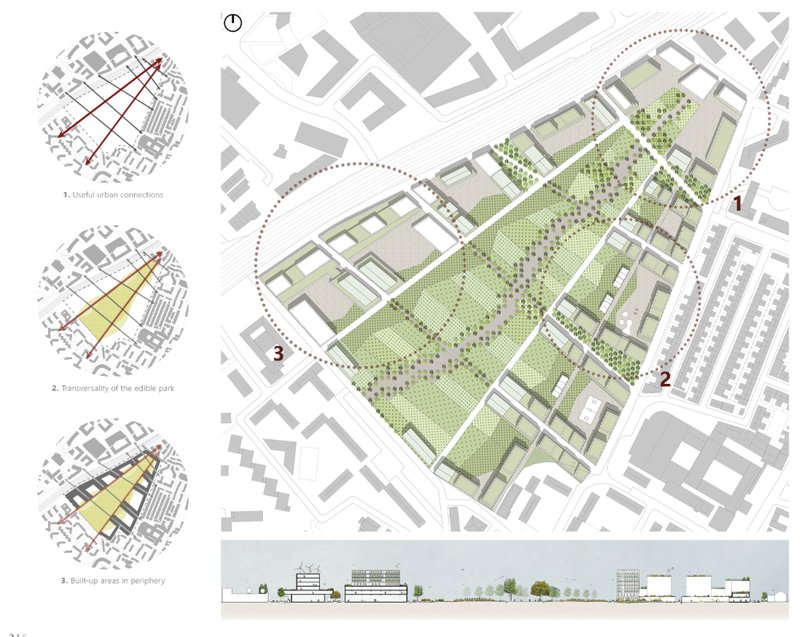
Urban Agriculture as a Perpetual Cycle
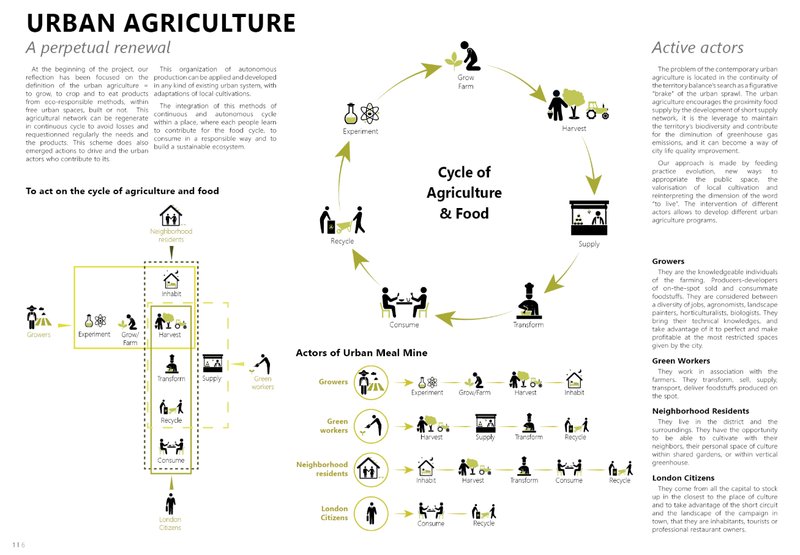
The foundation of this concept lies in treating urban agriculture as a continuous and self-sustaining cycle. From growing and harvesting to transforming, consuming, and recycling, the project emphasizes closing the loop of food systems within urban areas. This regenerative model not only minimizes waste but also redefines the urban environment as an active participant in sustainable food cycles.
Neighborhood residents, growers, green workers, and city citizens all contribute to this ecosystem, each playing a role in creating a balanced cycle of cultivation and consumption. By embedding agriculture directly into the urban fabric, the project encourages residents to reconnect with their food sources while fostering biodiversity and reducing greenhouse gas emissions.
The Edible Park at Nine Elms
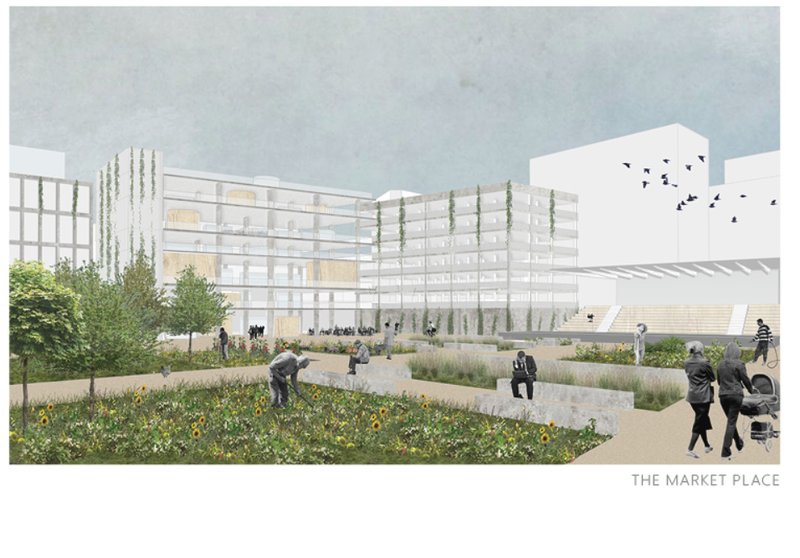
At the heart of the project is the Edible Park, strategically located in the Nine Elms district of London. Designed as a green corridor, the park serves as both a productive agricultural hub and a social gathering space. It reconnects fragmented urban fabrics, creating new alignments that tie housing, businesses, and cultural facilities together.
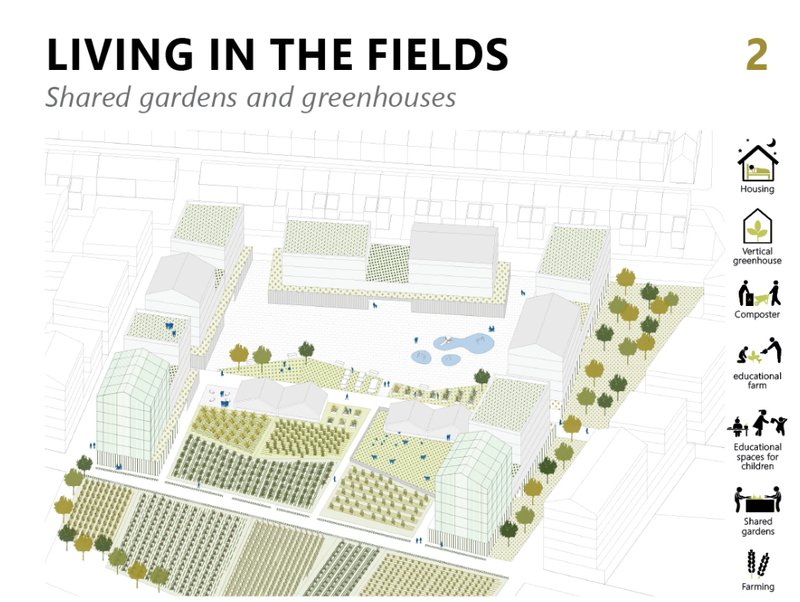
The Edible Park includes vertical greenhouses, community gardens, composting facilities, and food markets. These elements not only provide fresh produce but also invite citizens to engage in farming activities, cooking workshops, and cultural events. The design strengthens community ties while offering ecological and educational benefits.
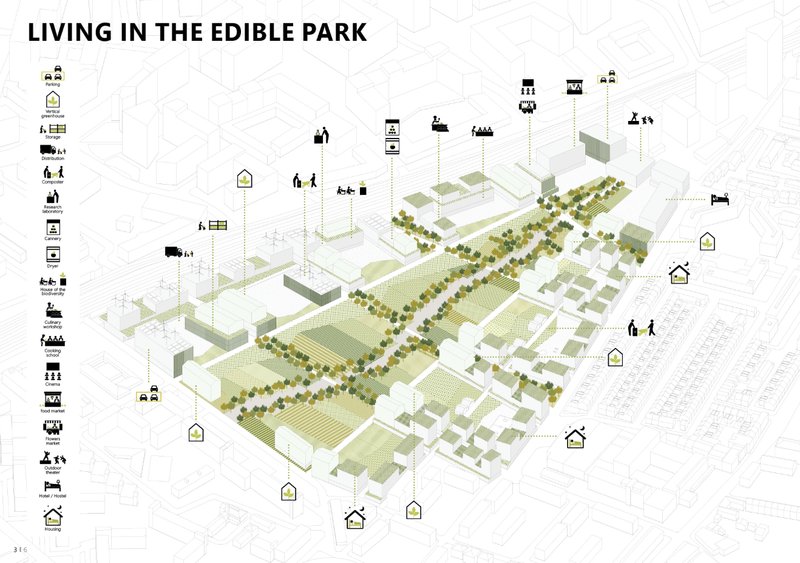
Living in the Edible Park
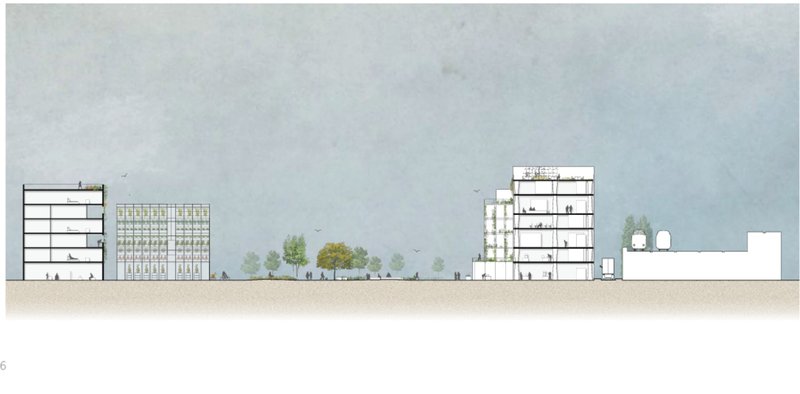
Beyond food production, the Edible Park is envisioned as a dynamic living environment. Shared gardens and vertical farms coexist with residential zones, schools, and cultural spaces, forming an integrated ecosystem. Educational farms and workshops empower future generations to learn about food cultivation, sustainability, and healthy diets.
The park also incorporates entertainment and leisure functions, including cinemas, outdoor theaters, and flower markets. This fusion of agriculture with everyday life redefines urban living, transforming the city into a participatory and resilient community.
Feeding the City
One of the core strengths of the project lies in its approach to food distribution. By creating localized food production networks, the Edible Park reduces dependence on long supply chains. Harvested crops are transformed and distributed within the city, ensuring freshness while reducing carbon footprints.
Green workers, growers, and local businesses collaborate to supply restaurants, markets, and households, creating a decentralized food economy. Rainwater harvesting systems and renewable energy technologies support the park’s self-sufficiency, making it a model of sustainable urban agriculture architecture.
Architectural Vision for Resilient Cities
"Farming for All" exemplifies how architecture for urban agriculture can move beyond aesthetics to serve as a vehicle for resilience, equity, and ecological regeneration. By blending housing, food systems, and cultural activities, the project positions urban architecture as a driver of sustainable lifestyles.
This vision aligns with broader global goals of combating urban sprawl, reducing food insecurity, and fostering inclusive communities. As cities worldwide face increasing pressure from climate change and rapid population growth, projects like Farming for All offer innovative pathways toward regenerative urban futures.
Through its layered integration of agriculture, housing, and cultural spaces, the Farming for All project redefines how cities can sustain both people and ecosystems. Fanny Rozé’s Honorable Mention in the Urban Meal Mine competition demonstrates that the future of cities lies in designing spaces where urban agriculture architecture becomes central to urban resilience, community engagement, and ecological balance.