From Sacred to Shared: Tectône Transforms Historic Chapel into Thrift Shop and Social Housing in Charenton-le-Pont
Tectône transforms a deconsecrated chapel into social housing and a thrift shop, blending heritage preservation with contemporary community purpose.


Reviving a Space of Compassion: The Emmaüs Legacy
Originally built in 1942, Sainte-Madeleine Sophie Barat’s chapel in Charenton-le-Pont has long served as a place of spiritual and social refuge. Once deconsecrated and acquired by Emmaüs Liberté in 1972—a branch of the Emmaüs movement founded by Abbé Pierre to combat poverty and homelessness—the former chapel was repurposed to house a thrift shop and offer social housing to formerly unhoused individuals, known in the community as “companions.” Over time, however, the site became overcrowded with makeshift extensions and deteriorated structures, many of which were non-compliant and laden with asbestos.
In 2018, Emmaüs commissioned Paris-based architecture practice Tectône to lead the full renovation and redevelopment of this historically and socially significant site. The brief was clear: craft a functional, dignified, and contemporary living and working environment for the community, while honoring the site's rich legacy.
Adaptive Reuse Strategy: Subtraction, Clarity, and Renewal
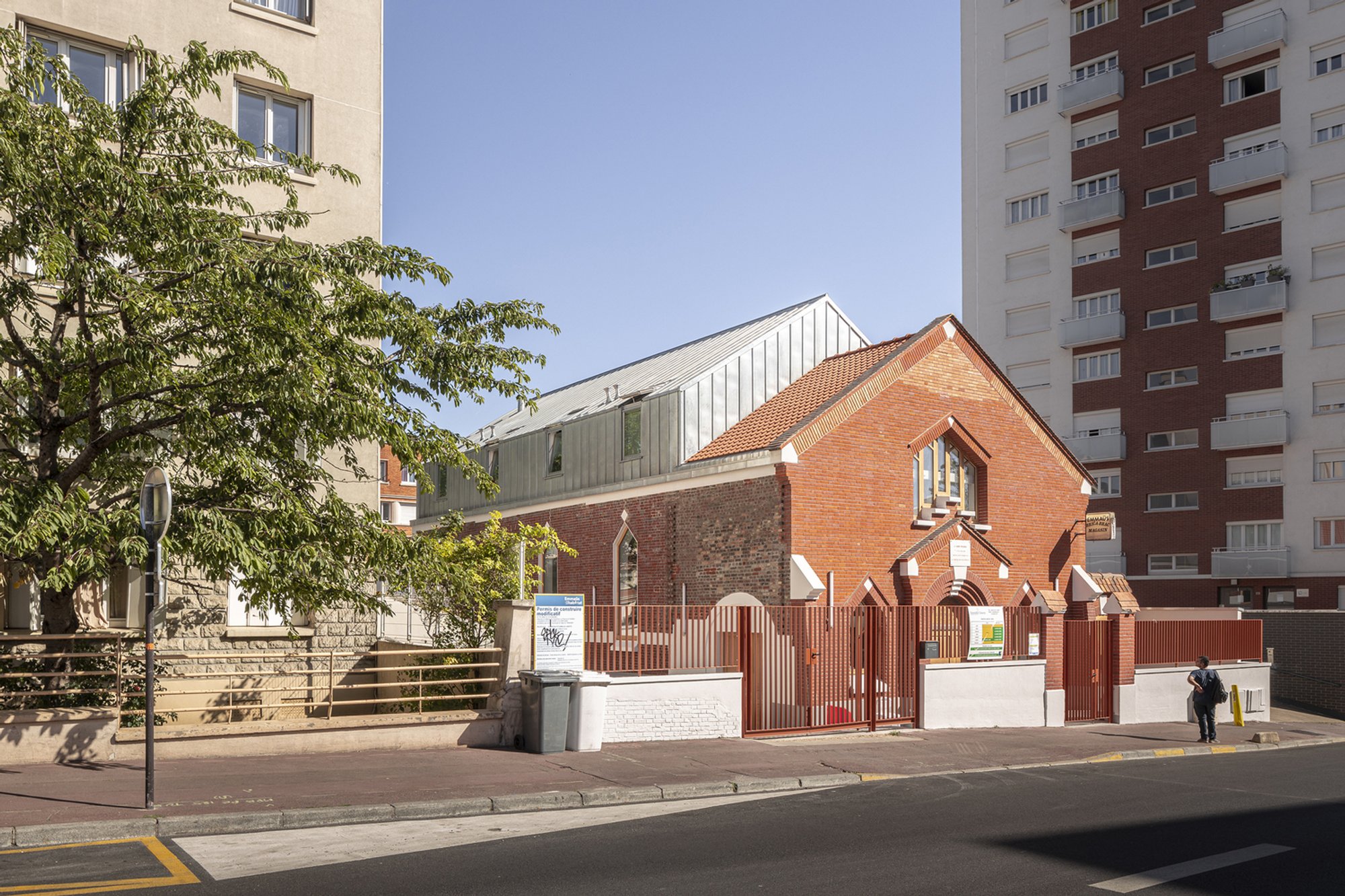
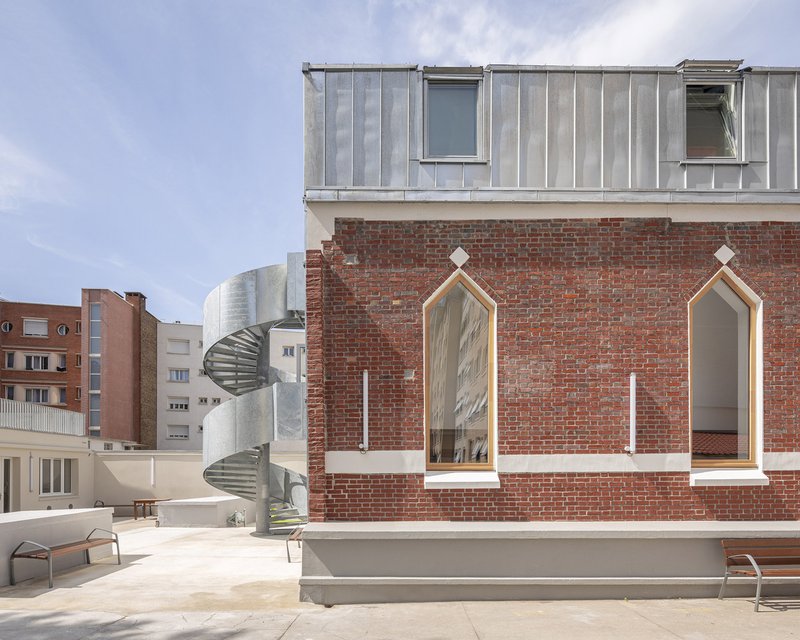
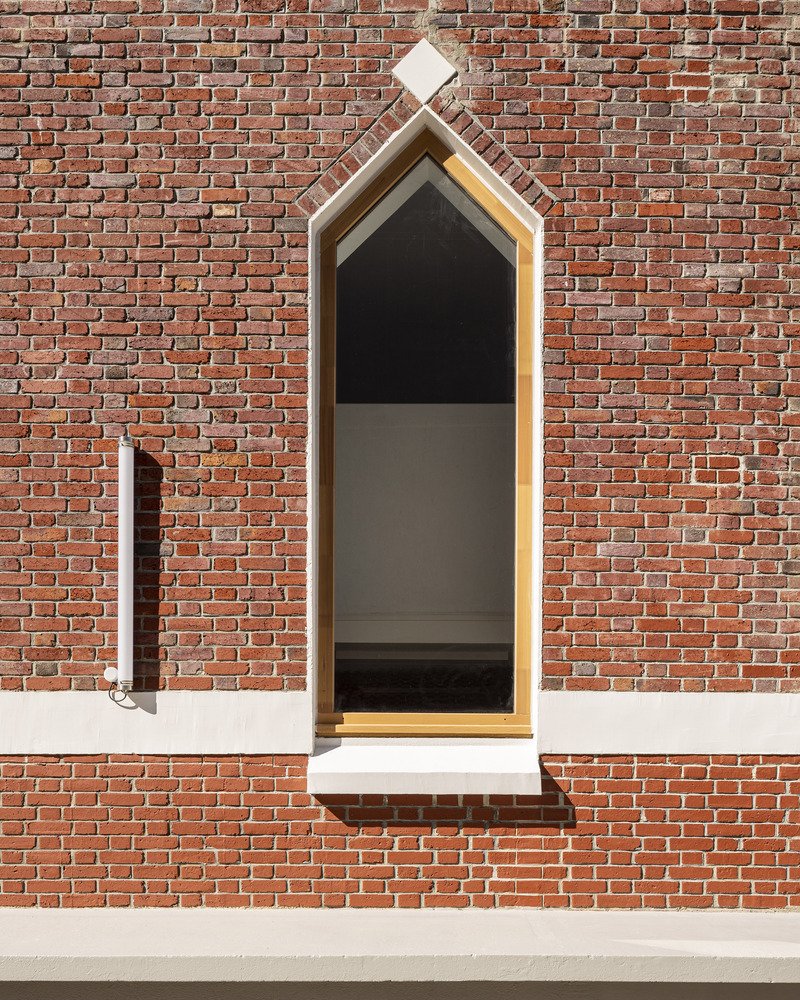
Tectône approached the project with a sensitive yet assertive strategy. Their first move was surgical—clearing away decades of chaotic and illegal additions that overwhelmed the chapel and obscured its architectural essence. Only two buildings were retained: the main chapel and a modest rear pavilion. These surviving elements were carefully restored and integrated into a renewed architectural framework that clarifies the site’s layout and opens up communal spaces.
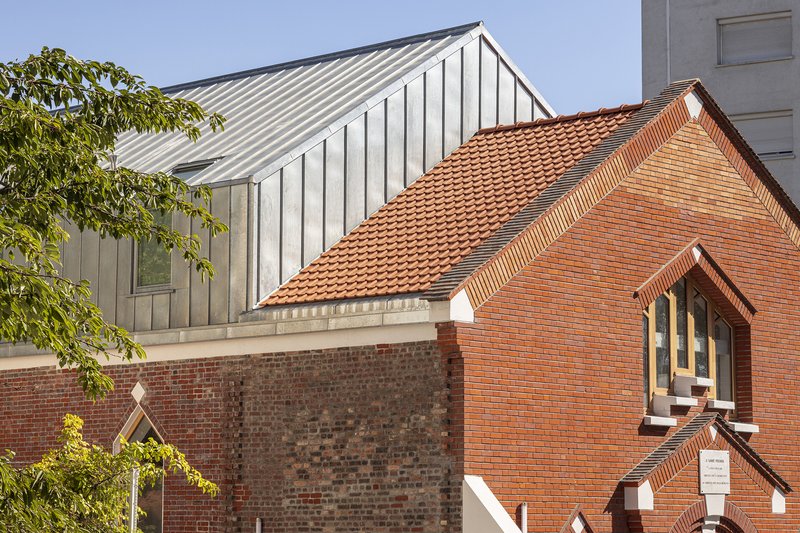
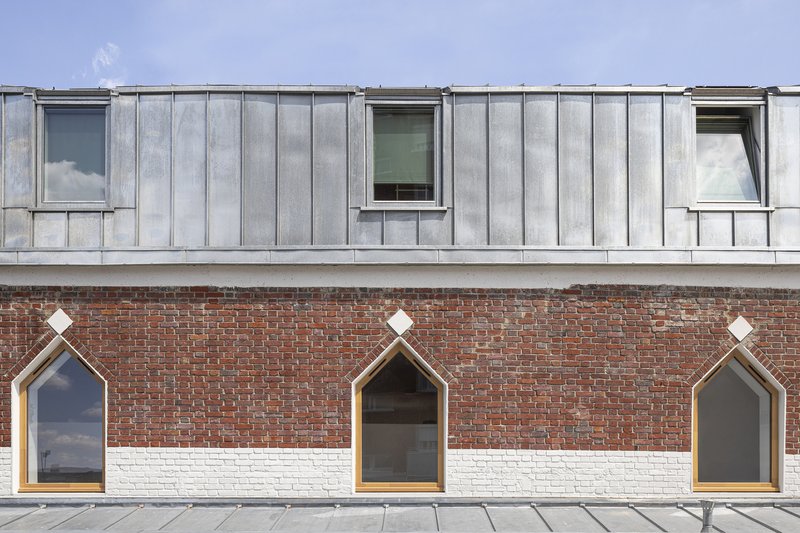
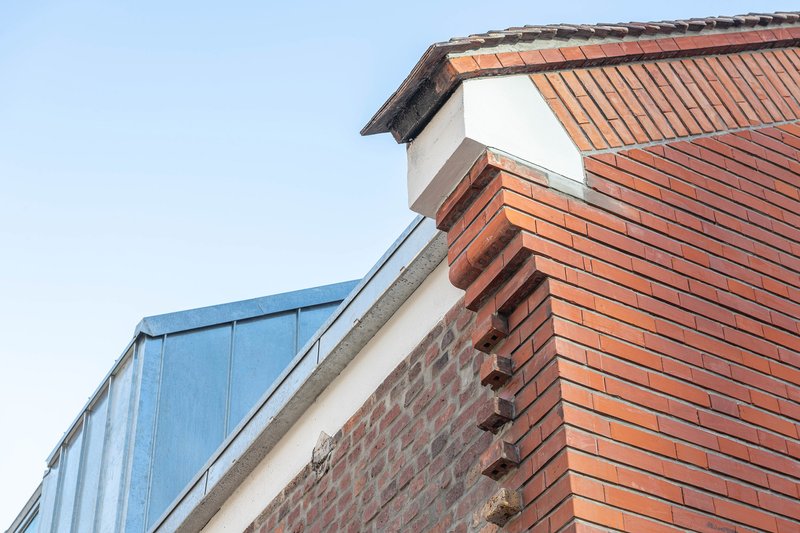
A defining gesture of the intervention was the addition of a lightweight zinc-clad volume atop the existing chapel, raising the ceiling height by 2.10 meters. This extension introduces a respectful contrast between old and new, while significantly increasing housing capacity for the Emmaüs companions. Its wood-and-steel structure, offset from the existing brick façade, ensures legibility between historic fabric and contemporary intervention.
Community Living Above, Thrift Shop Below
The redesigned structure is divided into two distinct functions:
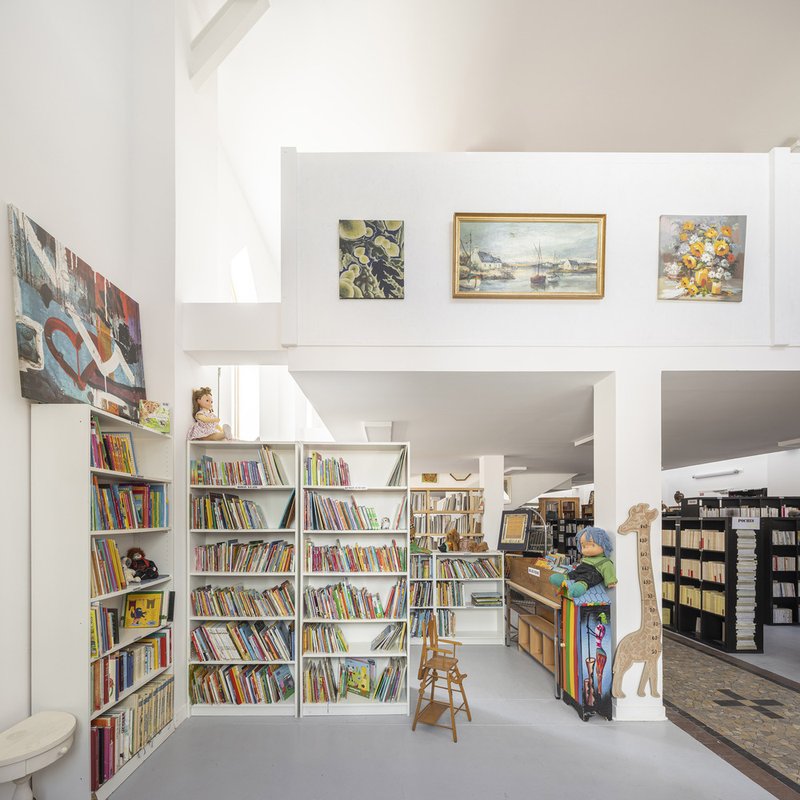
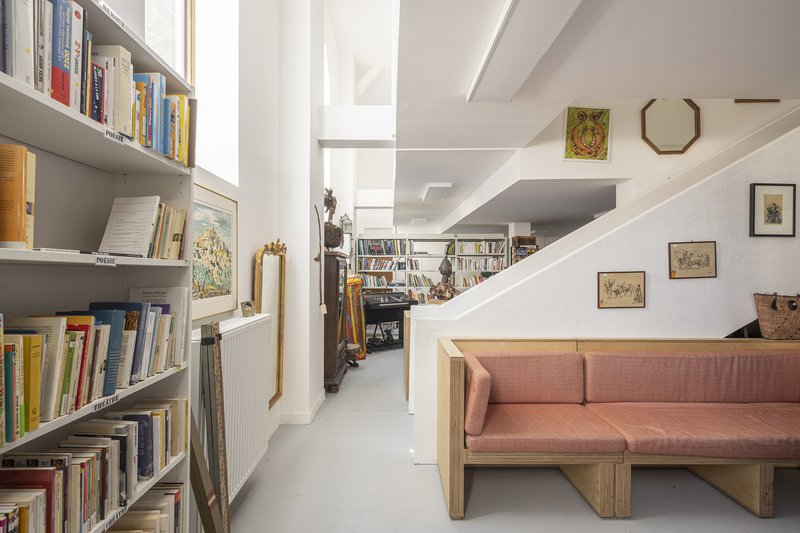
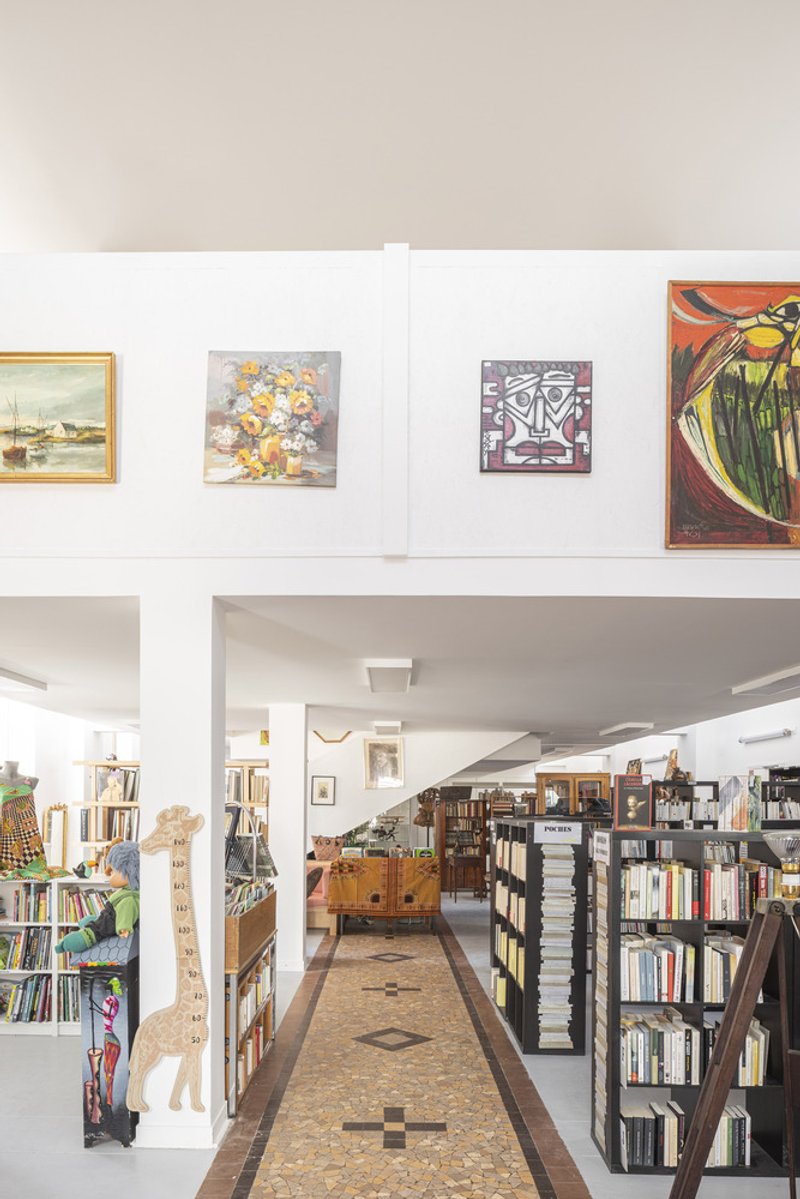
- Ground floor: A revitalized Emmaüs thrift shop, serving as a meaningful employment space for residents and a resource for the broader public.
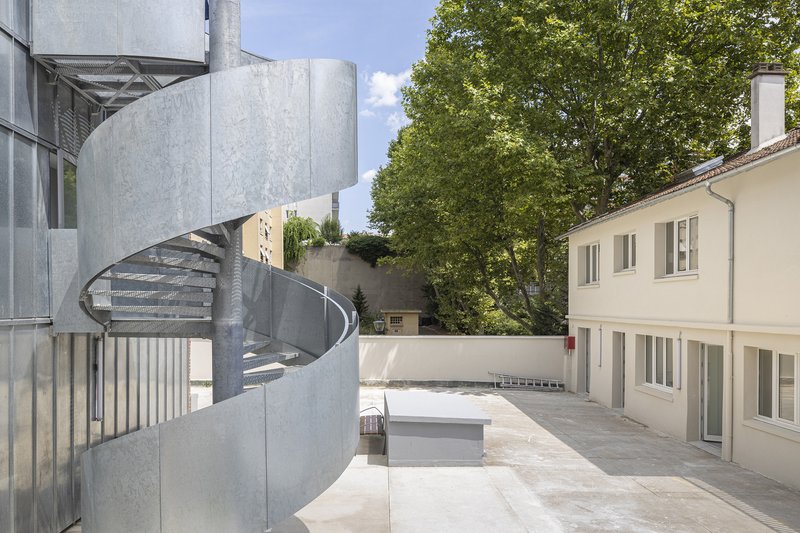
- Upper floors: Ten newly built individual apartments, each equipped with private bathrooms, designed to provide a sense of autonomy and dignity for the residents. A shared laundry room on the first floor fosters interaction while maintaining practicality.
This mixed-use architectural solution reflects Emmaüs’s founding ethos: to create spaces that not only shelter but also empower.
A Model of Human-Centered Urban Renewal
Tectône’s intervention demonstrates how adaptive reuse can transform historically and socially significant buildings into vibrant, inclusive architecture. By elevating the spatial dignity of both the chapel and its users, the project transcends basic refurbishment—it becomes a manifesto for architecture as social infrastructure.
All Photographs are works of Cyrille Lallement