Goldwin Harajuku Building by Studio Hashimura: A Sculpted Urban Flagship for The North Face
A compact, vertical retail building in Harajuku blending steel precision and natural interiors, designed by Studio Hashimura for Goldwin.


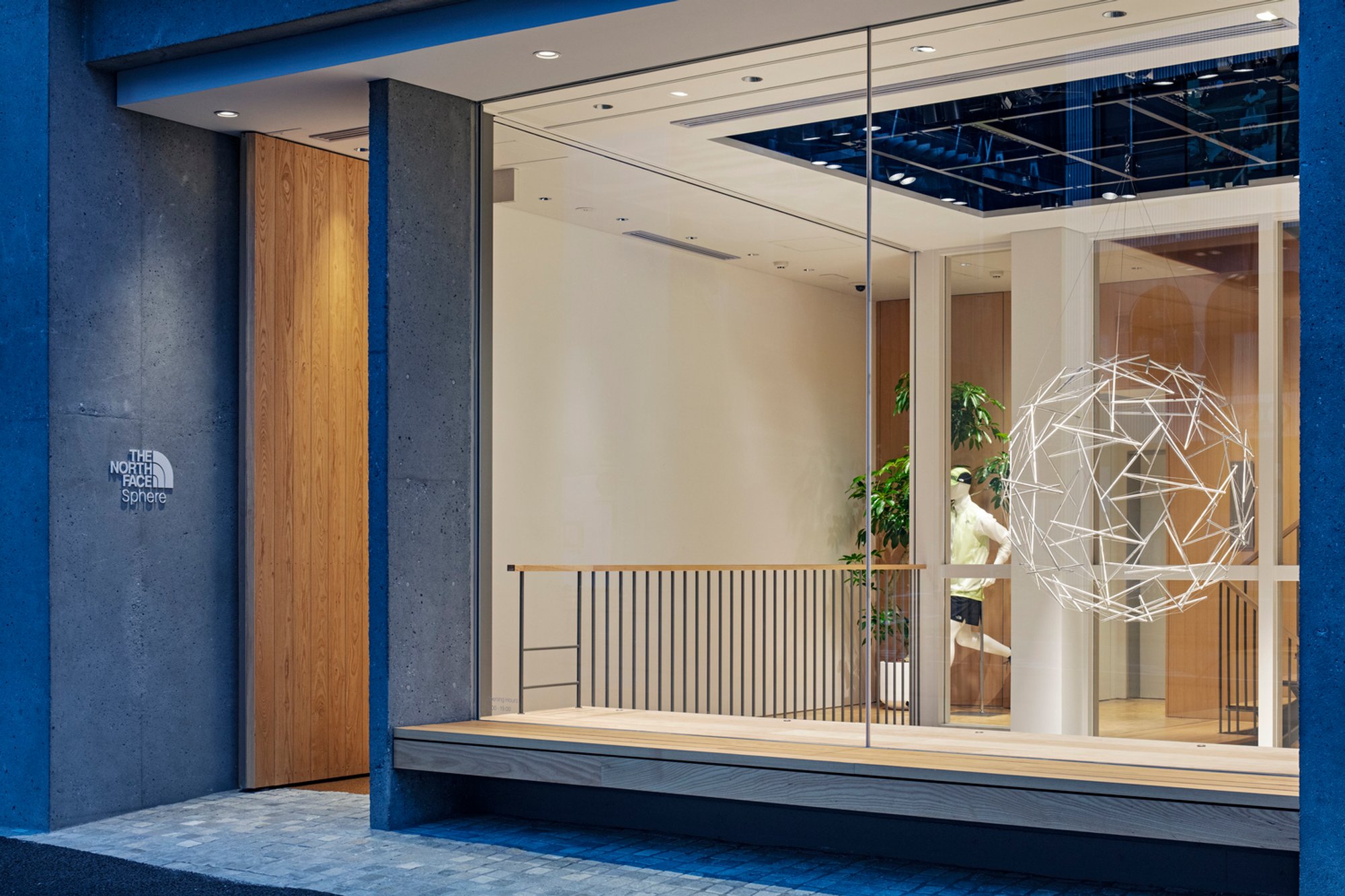
Located in the heart of Tokyo's fashion-forward Harajuku district, the Goldwin Harajuku Building designed by Studio Hashimura redefines retail and workplace architecture through refined spatial expression and precise urban integration. Completed in 2022, the 392-square-meter mixed-use commercial building serves as a flagship store for The North Face—a brand operated under Goldwin, Japan’s premier distributor of sports and outdoor apparel.
Harajuku holds deep historical and brand significance for Goldwin. The company opened its first directly managed store in this vibrant Tokyo neighborhood in the 1980s. This new structure marks not only a design evolution but also an emotional and cultural reconnection with its roots. Studio Hashimura was commissioned to handle the full design scope—from architectural form to bespoke interior fixtures—resulting in a holistic architectural statement.
An Urban Infill That Balances Constraints and Grandeur
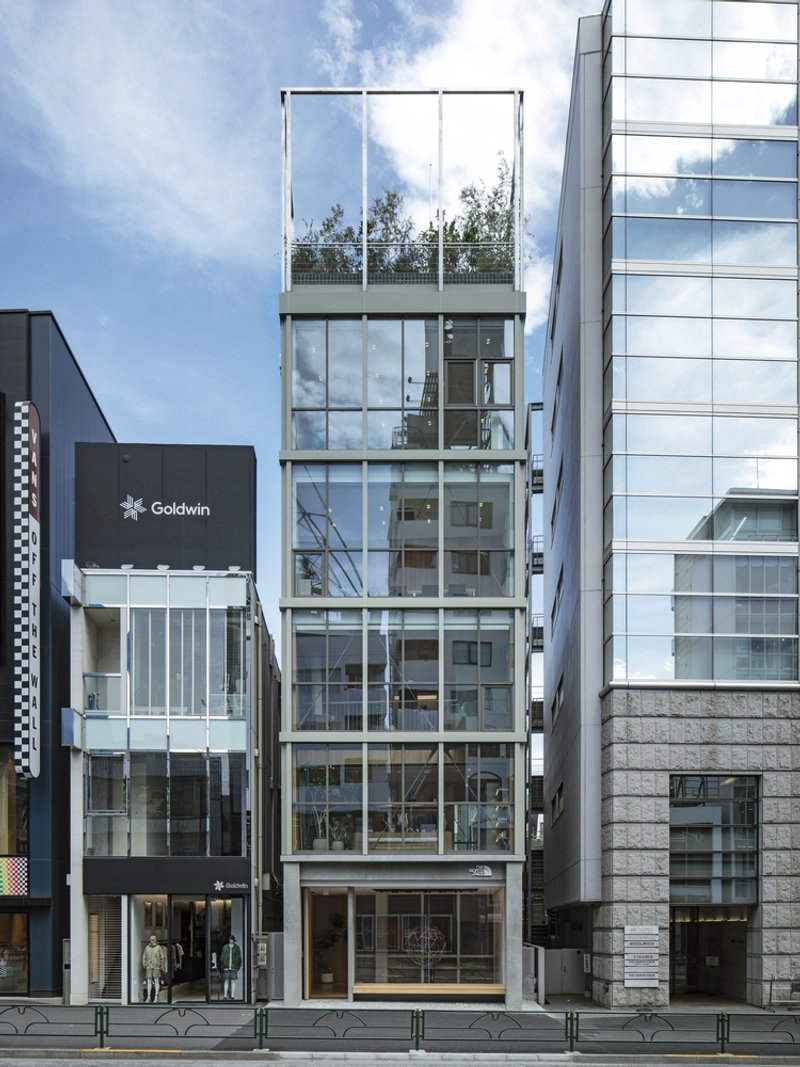
Set on a narrow and irregular site, the building responds with a form that is both contextual and sculptural. Inspired by the way medieval churches in dense European cities reconcile asymmetrical plots with symmetrical facades, the Goldwin Harajuku Building embraces distortion while maintaining a rhythmic and formal frontage.
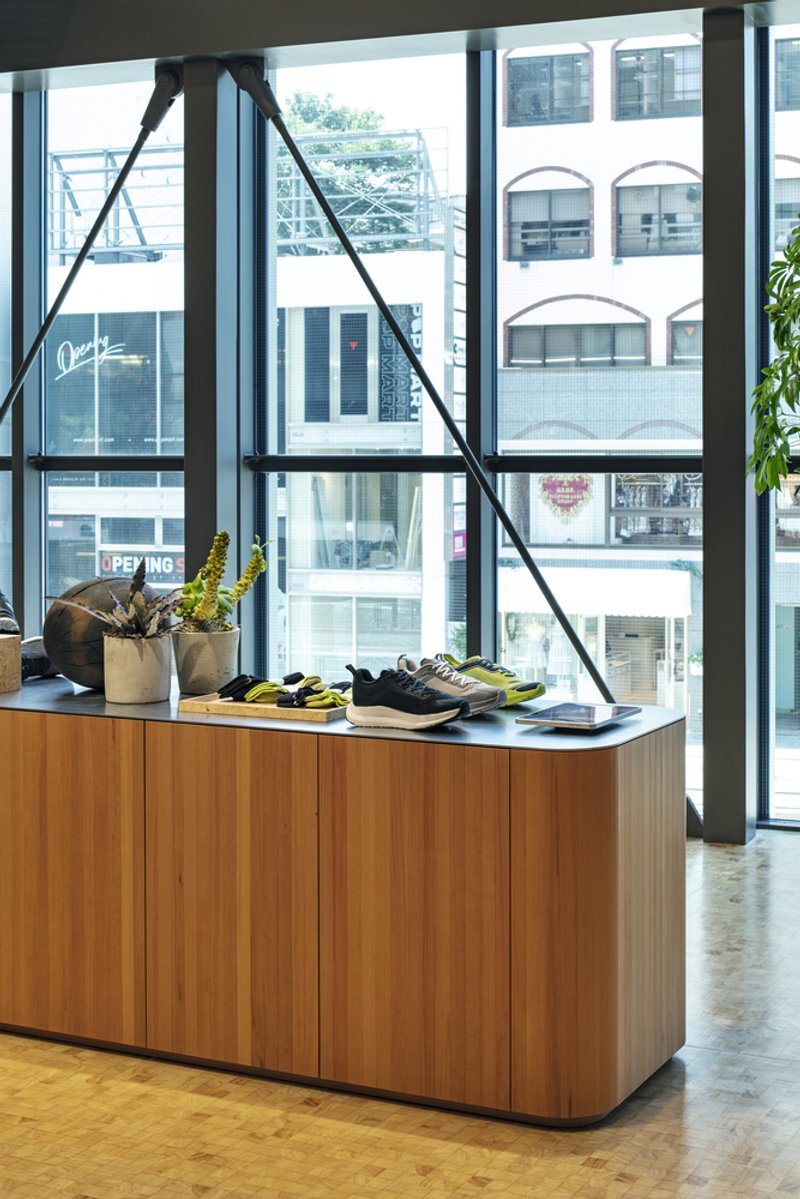
The curtain wall facade is trisected with precision. The mullions—meticulously designed to appear uniform—create a repeatable architectural pattern that visually enlarges the compact volume, asserting its identity within the bustling city block.
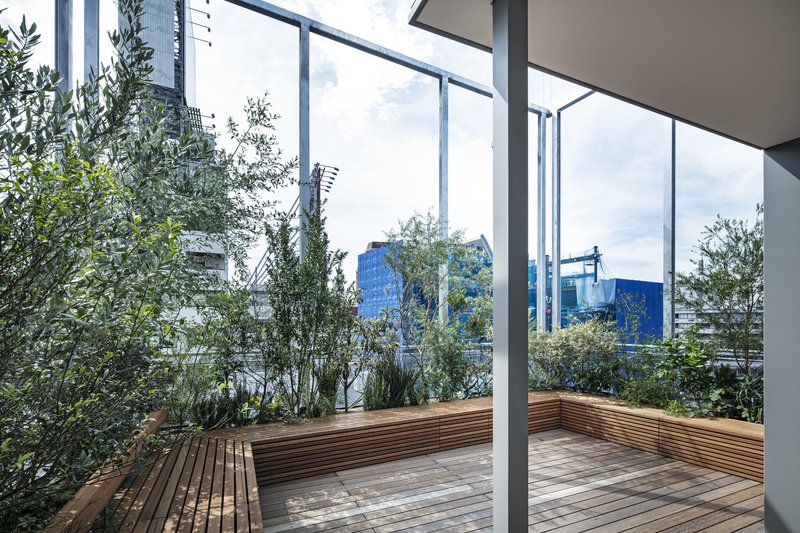
Verticality and Light as Spatial Strategy
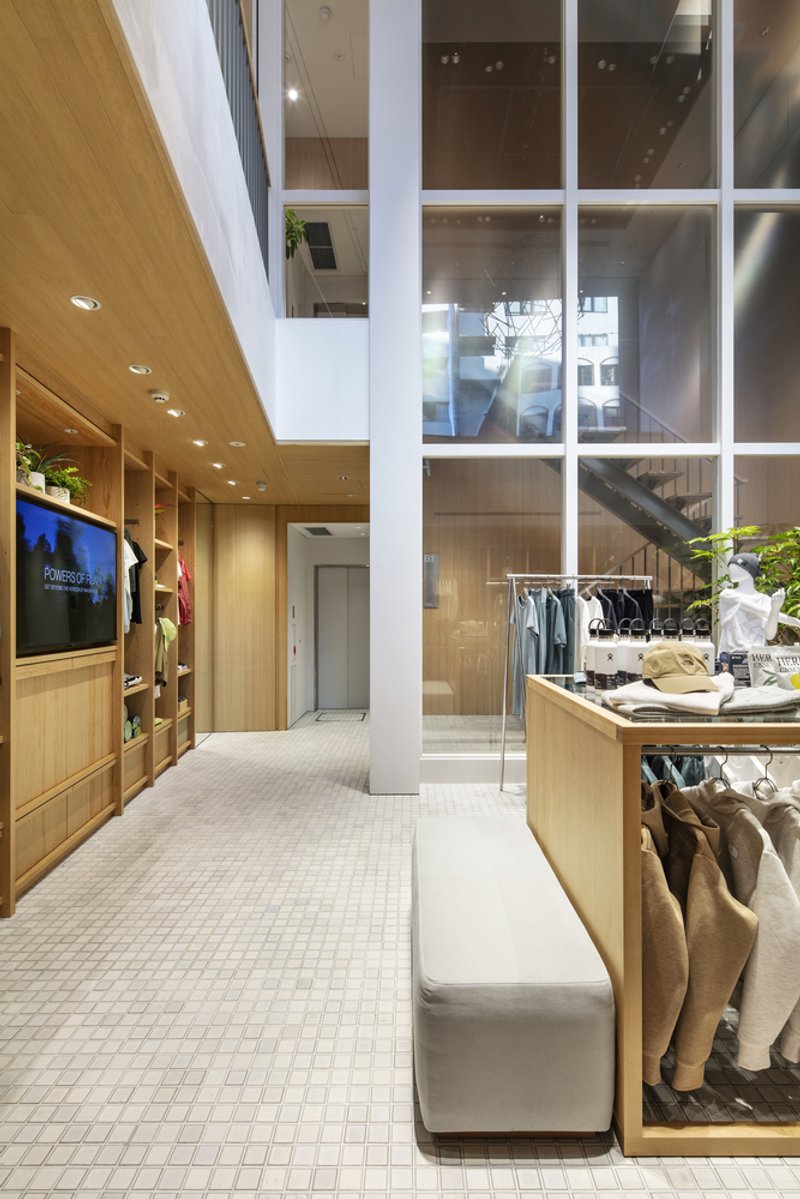
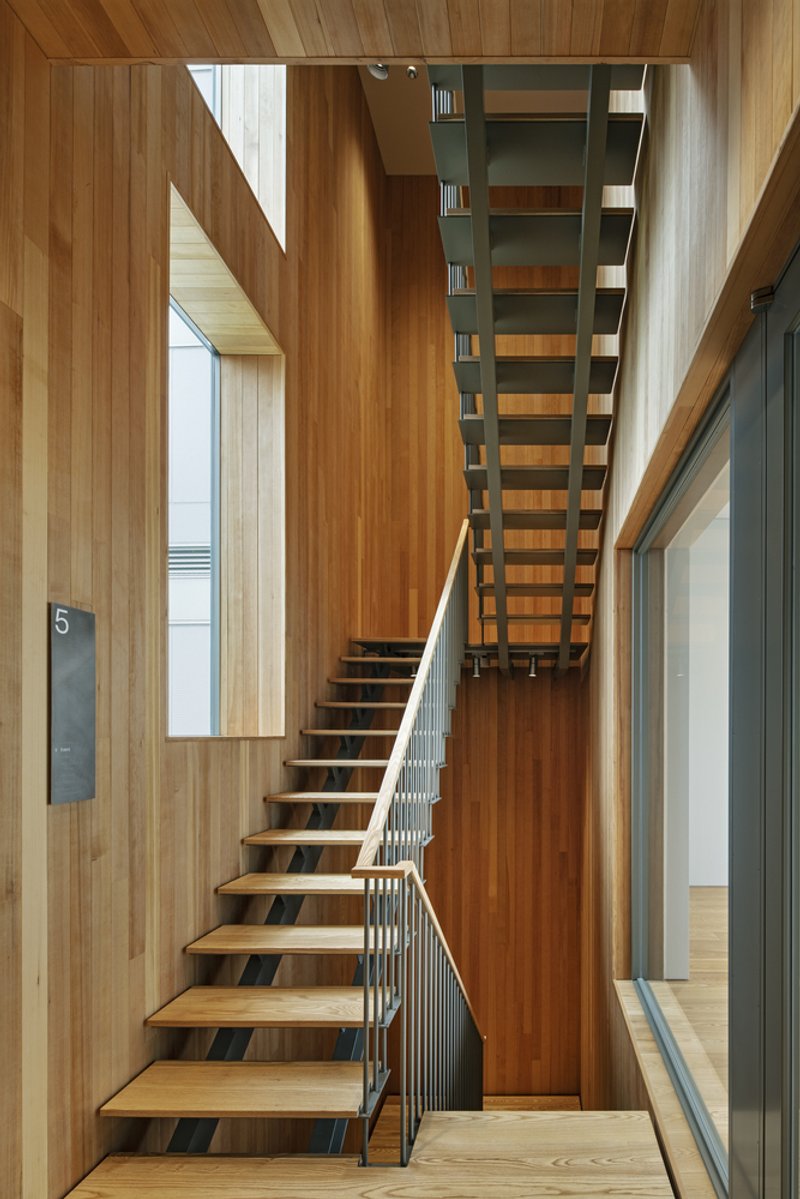
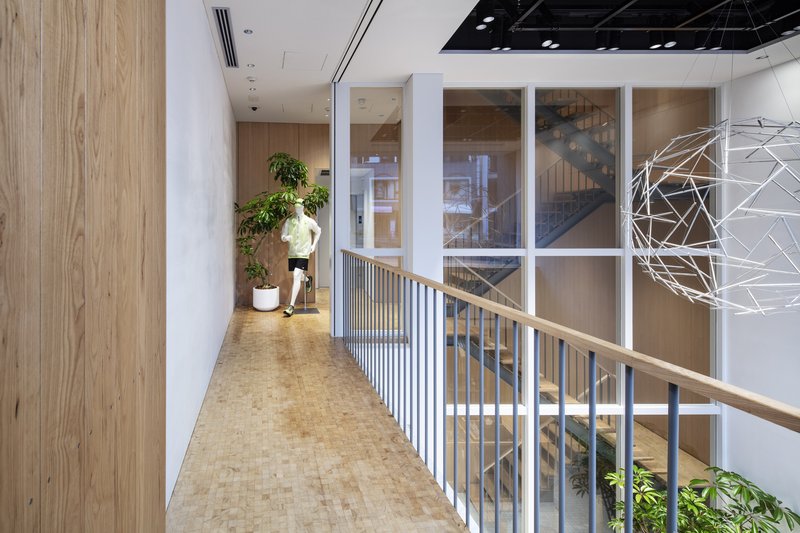
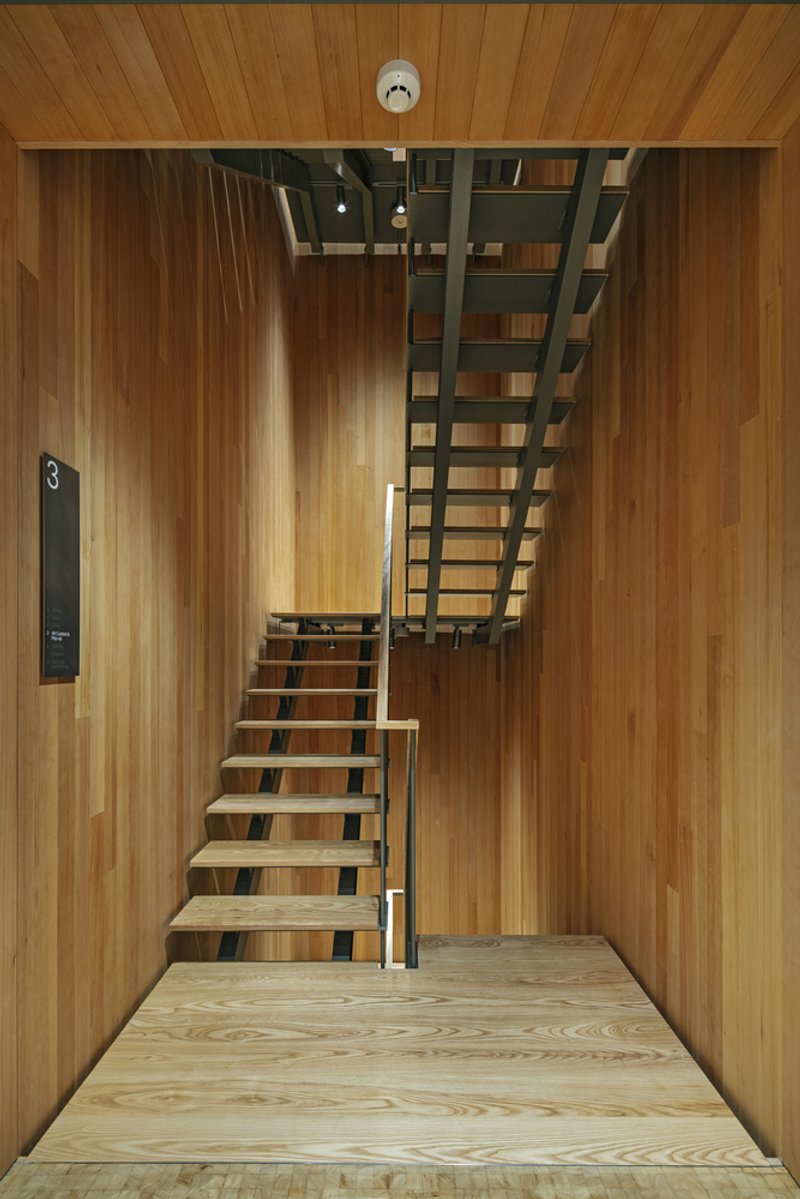
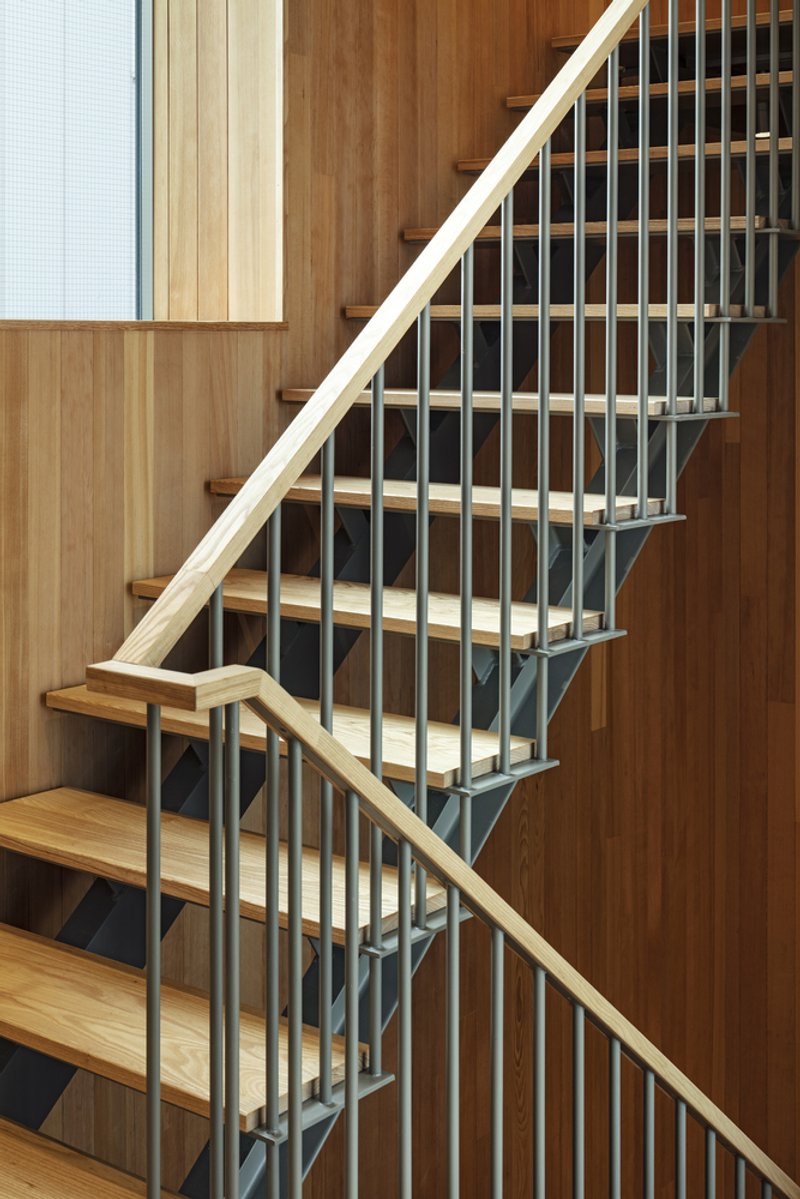
Due to site constraints, vertical circulation becomes a core element of the spatial organization. Each level increases in height as the building ascends, metaphorically echoing a plant's reach for sunlight. This vertical growth is not only expressed externally but also celebrated internally through interconnected atrium spaces, merging the basement and ground level, as well as the first and second floors. These voids cultivate openness and visual continuity within the dense footprint.
Interior Warmth Meets Exterior Precision
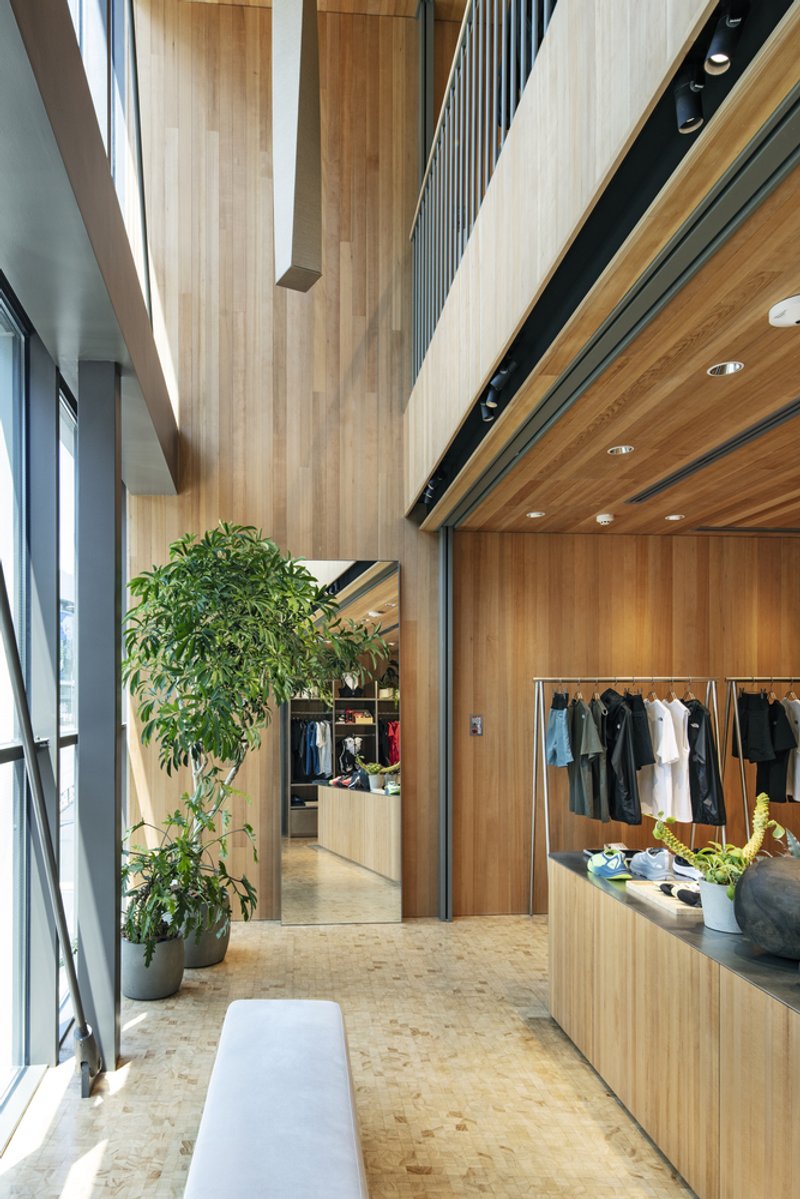
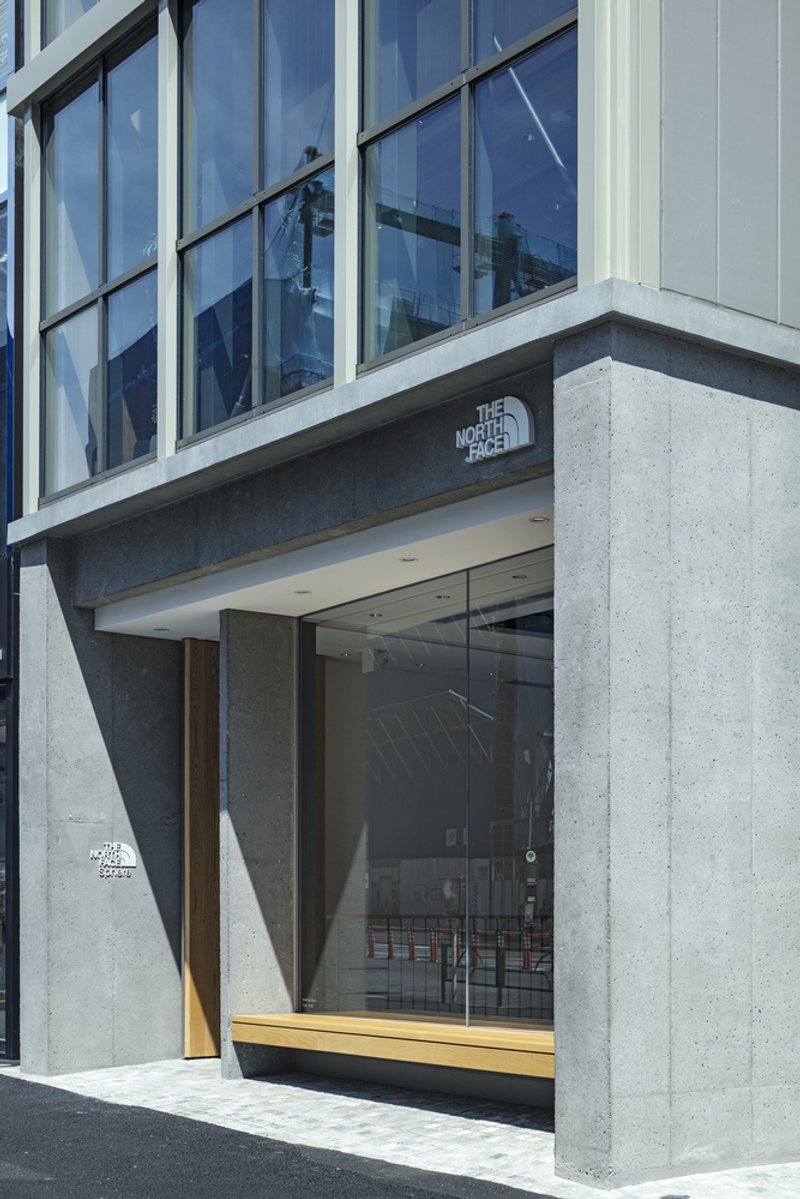
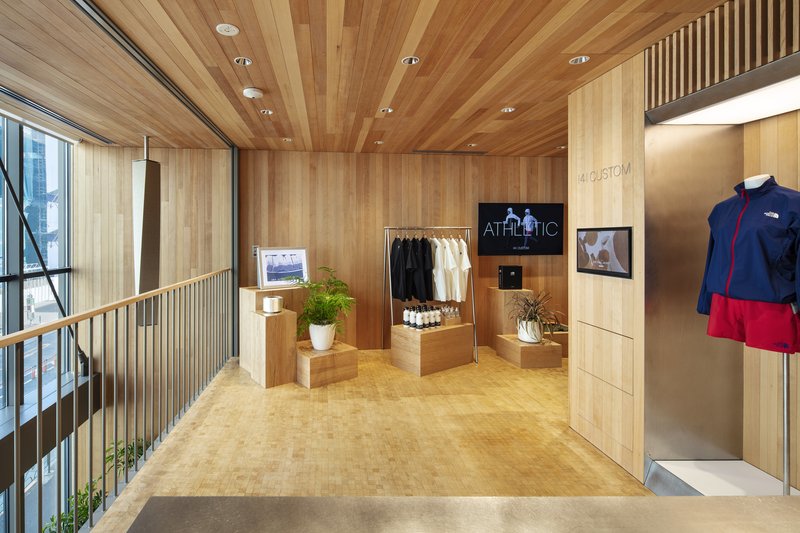
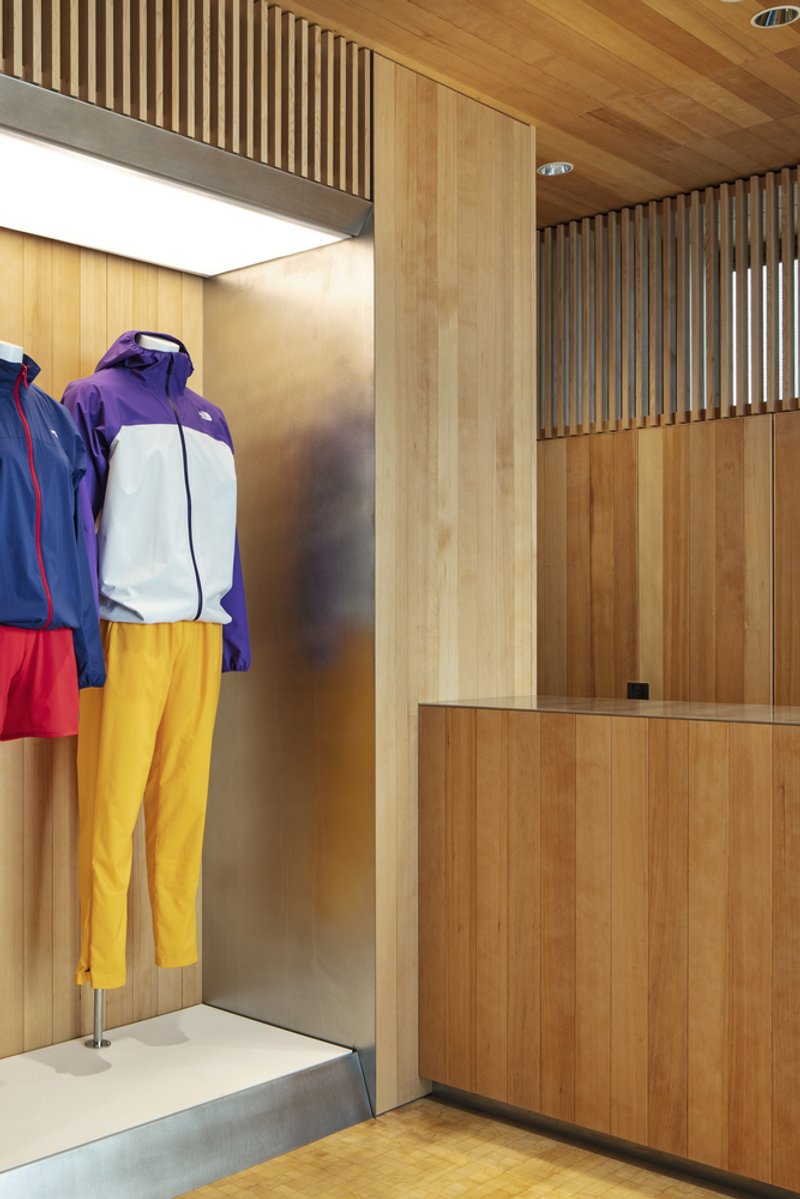
While the exterior emphasizes steel and glass modernism, the interior contrasts with a palette of natural and tactile materials. The lower floors are finished with plaster walls and handcrafted ceramic tile flooring by TAJIMI CUSTOM TILES, invoking durability and texture. In contrast, the upper floors offer a warm wooden envelope, wrapping the space in solid timber to enhance user comfort and a sense of retreat.
Lightweight Innovation on Unstable Ground
Beneath its design elegance lies a highly responsive structural strategy. The site’s soft ground and the existing oversized concrete piles from a previous building posed engineering challenges. Rather than removing them, the design team incorporated them into the new foundation. As a result, the structure was designed to be lightweight yet resilient.
A steel-braced framework was employed for its ability to provide strength with minimal material thickness. The use of autoclaved aerated concrete (AAC) panels for the floor slabs and exterior walls reduced structural load and improved thermal performance. This lightweight approach enabled a column-free interior, maximizing flexibility and openness in a limited footprint.
Craft, Context, and Clarity
Studio Hashimura’s design for the Goldwin Harajuku Building demonstrates how architectural clarity and contextual sensitivity can merge in a dense urban setting. With its deliberate geometry, refined materials, and vertical openness, the building acts as both a retail beacon and a corporate expression for a brand deeply intertwined with the city’s culture.
The project not only elevates retail architecture in Tokyo, but also serves as a case study in how constraints can catalyze innovation in urban infill development.
All Photographs are works of Kenta Hasegawa