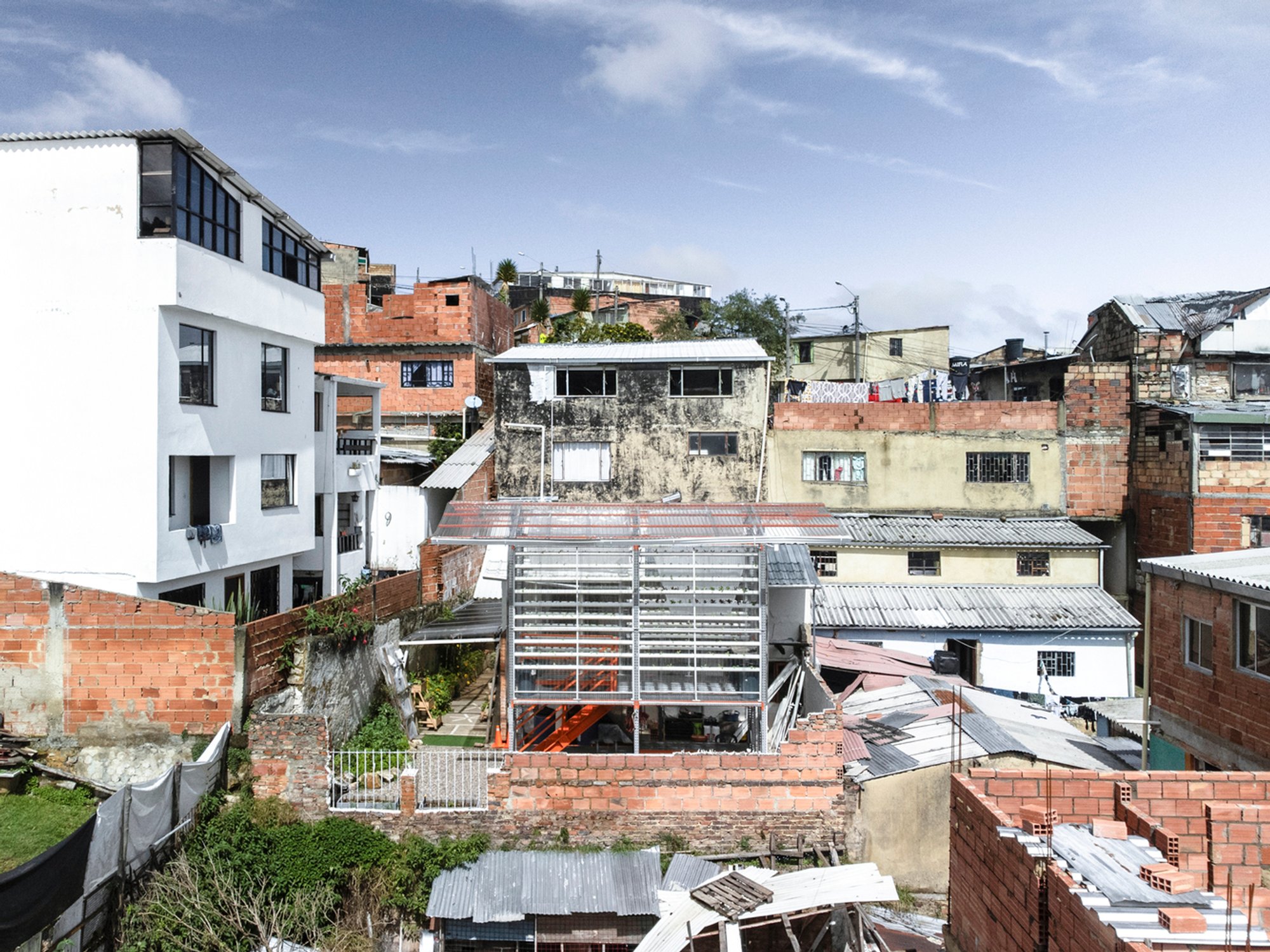
Hydroponics Module: A Sustainable Urban Farming Solution
A modular hydroponic farming system promoting sustainable urban agriculture, food security, and community engagement in Bogotá’s self-built settlements.


Innovative Hydroponic Farming in Bogotá’s Informal Settlements
The Hydroponics Module, designed by Alsar Atelier, Oscar Zamora, César Salomón, and Yazmin Crespo, is a groundbreaking architectural project that promotes urban agriculture, sustainable food production, and community engagement in Bogotá, Colombia. Developed in collaboration with Fondacio Altos del Cabo and Maya Tejedores de la Tierra, this initiative supports self-built neighborhoods by offering an alternative farming method that maximizes space and resources.
In Bogotá’s informal settlements, where food security is a growing concern and prevalent diseases such as obesity and diabetes affect many residents, hydroponics presents a viable solution for nutritious, locally grown produce. The module is part of an ongoing community effort that has impacted hundreds of families over the past seven years, enhancing both food sovereignty and environmental sustainability.
Hydroponic Farming: A Smart Alternative for Urban Agriculture
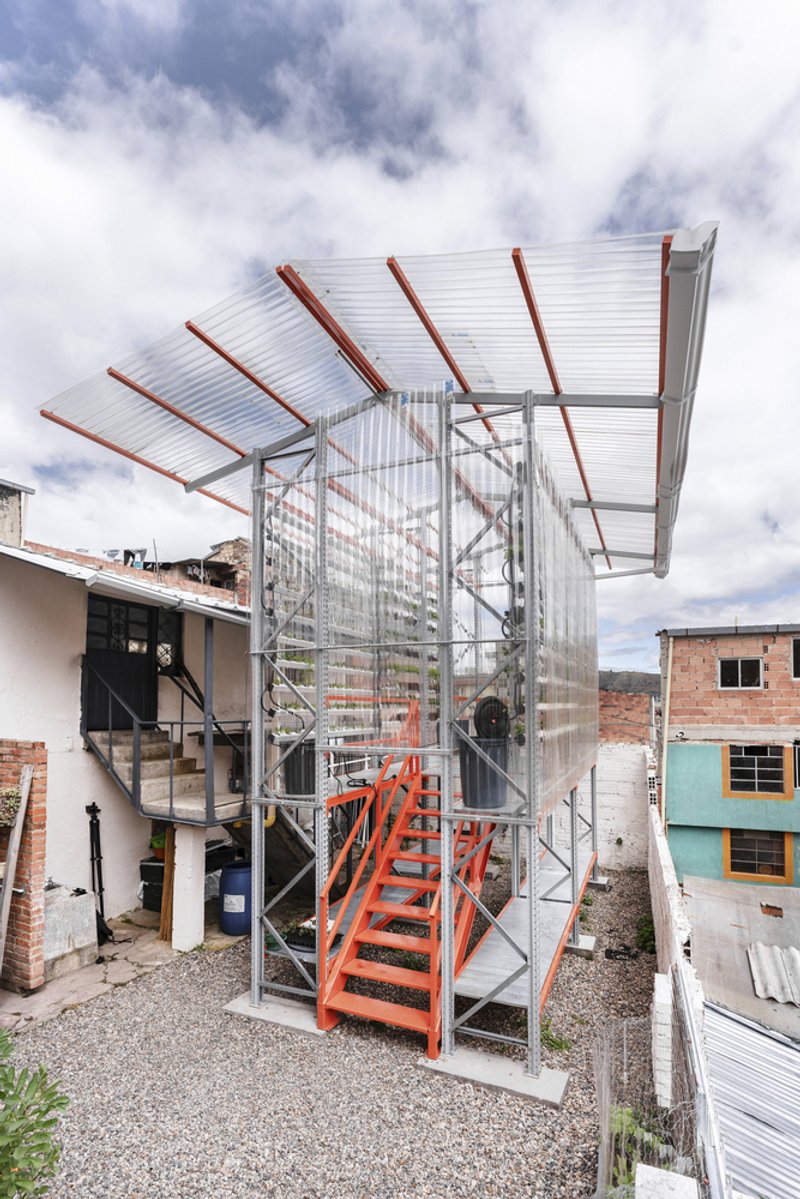
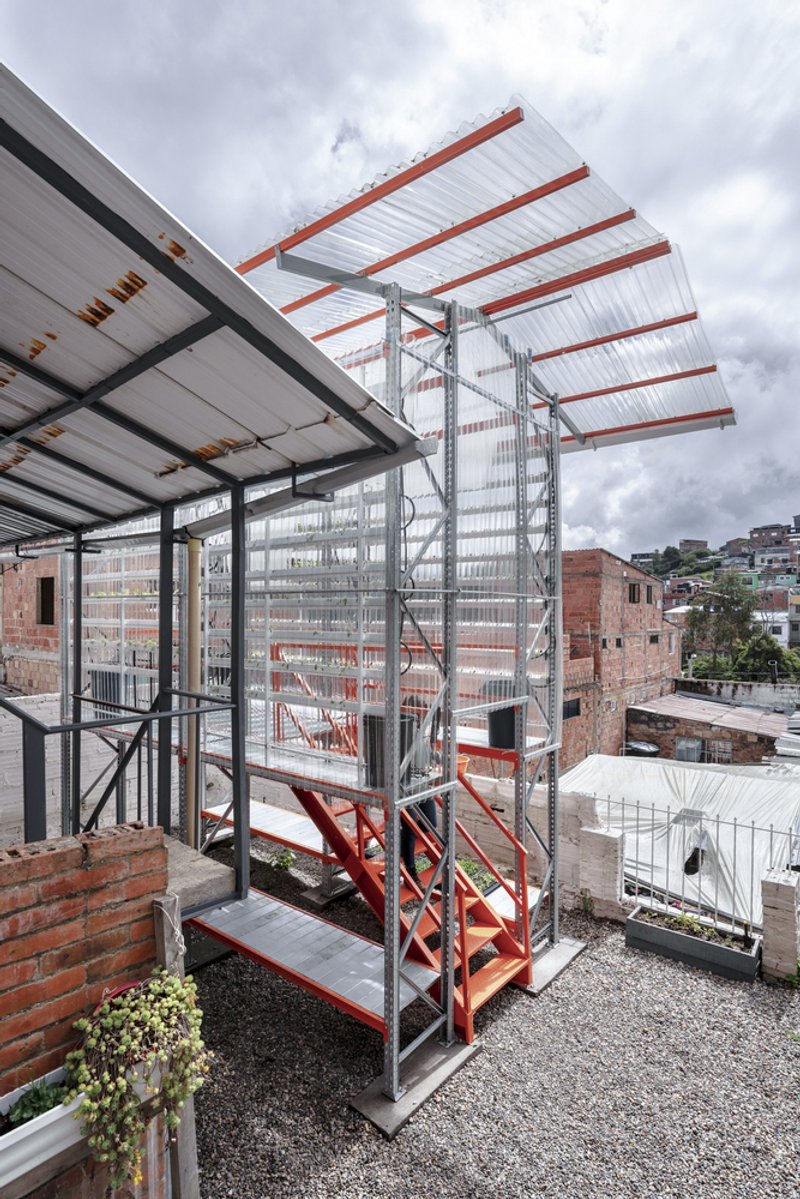
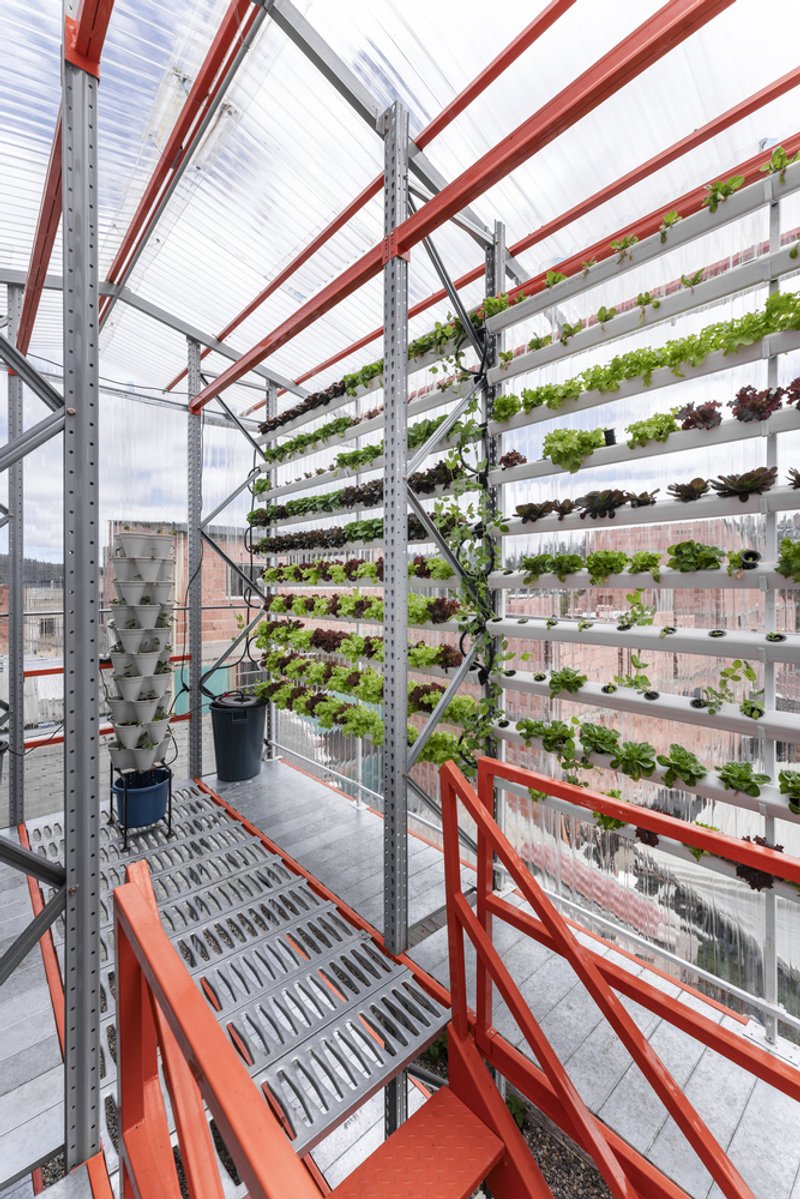
Hydroponics is a soil-free cultivation method where plants grow in a nutrient-rich water solution or an inert substrate. This technique allows crops to be arranged vertically, optimizing urban farming in high-density areas. The benefits of hydroponic systems include:
- 2 to 10 times higher crop yield compared to traditional farming.
- Up to 60% water savings, making it an efficient solution for water-scarce regions.
- Healthier, pesticide-free produce grown in controlled conditions.
- Year-round cultivation, independent of seasonal changes.
Given the challenges of limited space in self-built neighborhoods, hydroponics emerges as an ideal sustainable agriculture method, ensuring food resilience even in urban environments with restricted land availability.
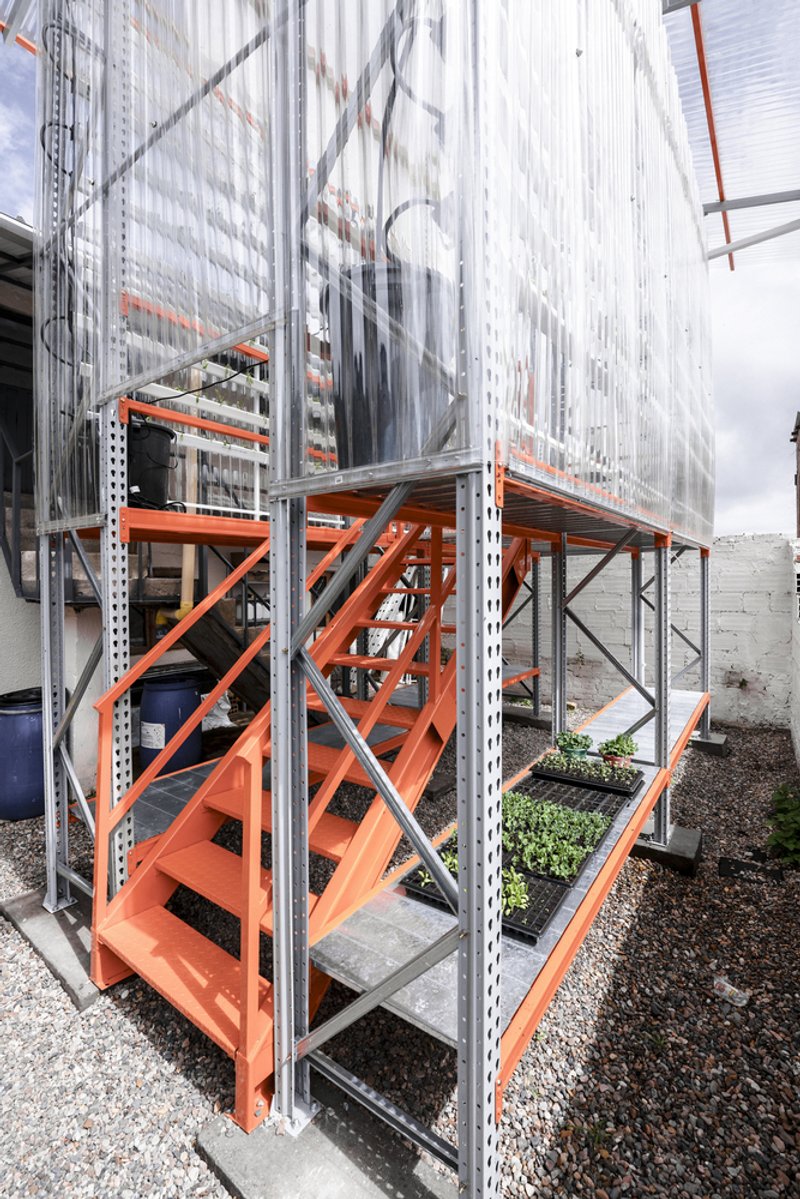
A Modular, Sustainable Architectural Approach
Designed with a modular and adaptable framework, the Hydroponics Module repurposes industrial shelving—a material typically associated with consumerism—into a functional, eco-friendly solution for urban agriculture. Funded by NEACOL, this lightweight and semi-permanent structure aligns with the territorial reality of informal settlements, where land occupation is often temporary.
Unlike traditional concrete and brick construction, which can be rigid and costly, this prefabricated hydroponic unit is designed to be:
- Easily assembled and disassembled, reducing construction time to just one week.
- Transportable, allowing for relocation and scalability.
- Waste-free, as its components can be repurposed or reintegrated into other projects.
This approach aligns with circular construction principles, reducing environmental impact and ensuring long-term sustainability.
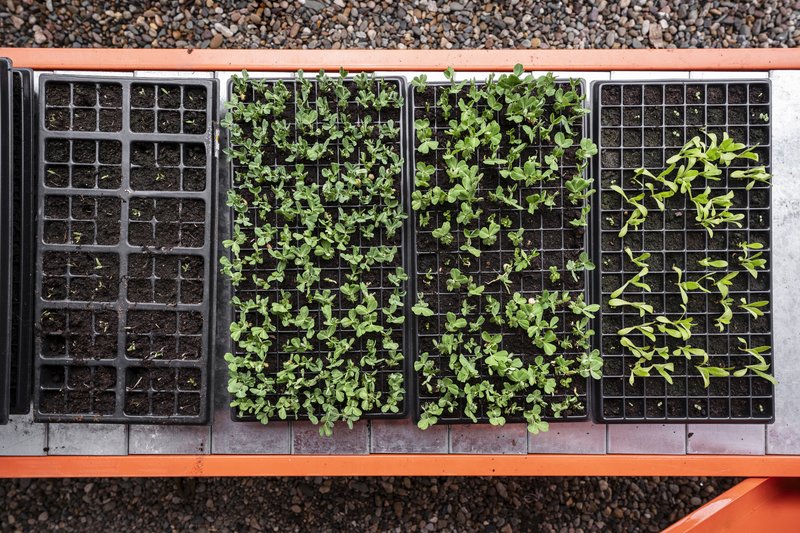
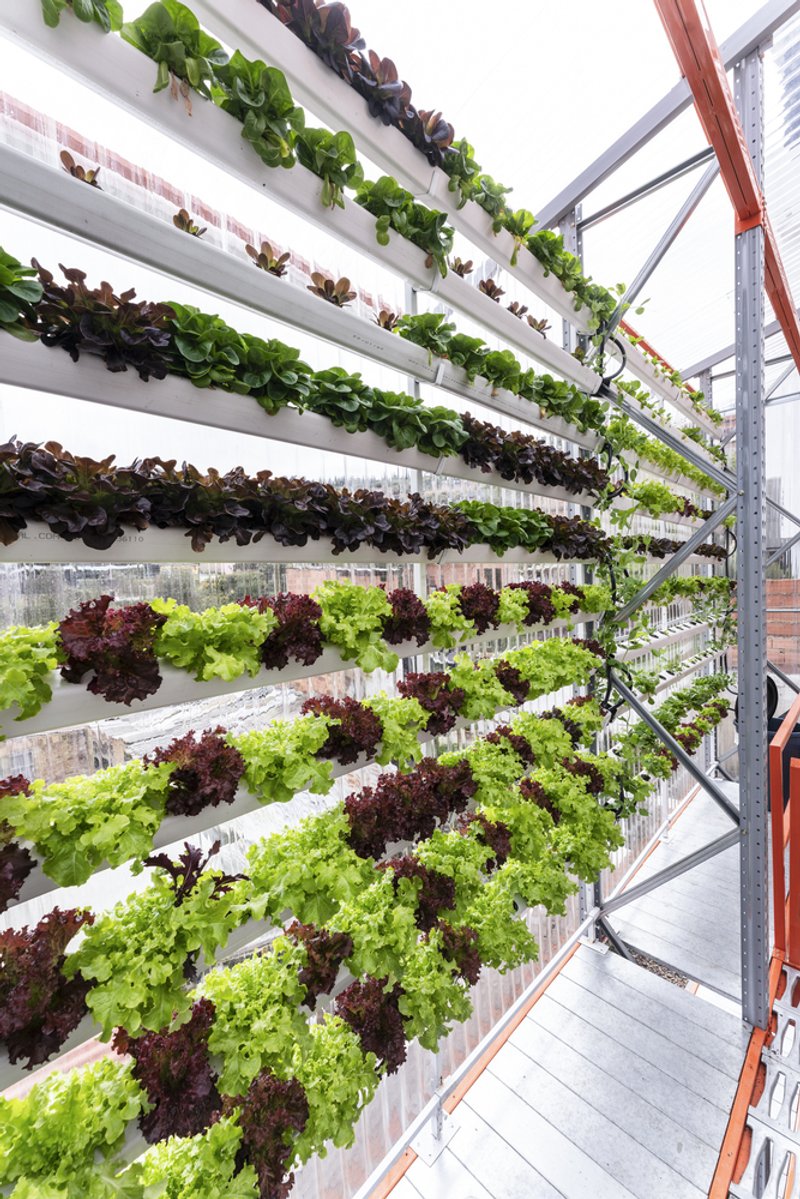
Beyond Farming: A Community Learning Hub
More than just a hydroponic farming module, this project functions as a learning center for urban agriculture. Integrated into the Altos del Cabo Center, the structure will host workshops on hydroponic cultivation, equipping the local community with skills to grow their own food. It will also facilitate sustainable water management, post-harvest processing, and seed preservation.
The Hydroponics Module houses the eighth Seed Bank of Chapinero, affiliated with the José Celestino Mutis Botanical Garden, preserving 43 native and heirloom plant species. This initiative strengthens biodiversity conservation while fostering a culture of self-sufficiency and environmental awareness.
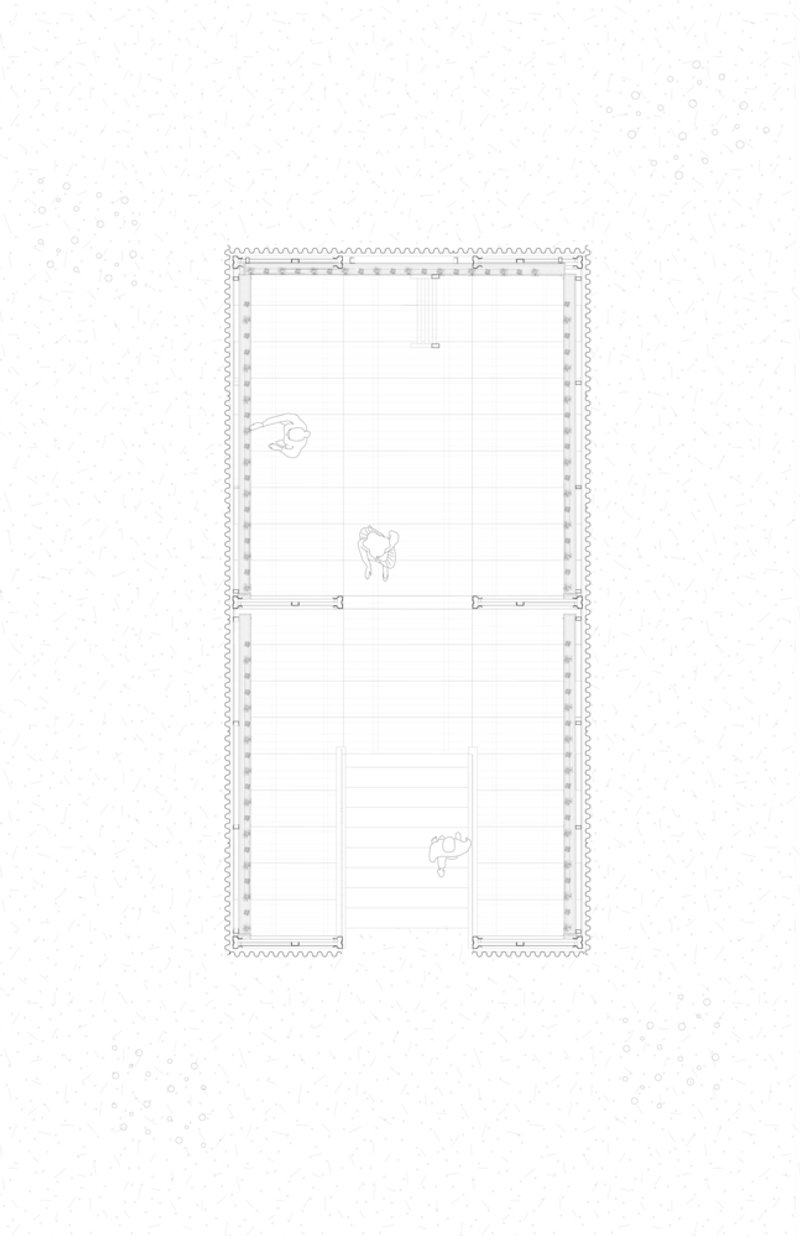
A Model for Tactical, Low-Cost, and Sustainable Architecture
By combining modular construction, urban farming, and community engagement, the Hydroponics Module sets a precedent for affordable, scalable, and adaptable architecture in developing urban environments. It demonstrates how innovative design solutions can address food insecurity, urban density challenges, and sustainable living.
All Photographs are works of Mateo Pérez