Industrialized Construction System in Architecture: Revolutionizing Building Practices
This article explores industrialized construction systems in architecture, highlighting their benefits, applications, and future potential for sustainable, efficient building.


Industrialized Construction Systems in Architecture
The construction industry is undergoing a profound transformation. In response to rising material costs, labor shortages, and environmental challenges, architects and builders are increasingly turning to industrialized construction systems. These systems, rooted in modular design, automation, and sustainable practices, offer a streamlined, cost-effective approach to construction. This article explores how industrialized construction systems are reshaping modern architecture, with a particular focus on their benefits, applications, and the future of building design.
What is an Industrialized Construction System?
An industrialized construction system refers to the use of prefabricated components, modular units, and advanced production techniques to build structures. The goal is to create high-quality buildings faster and more affordably by optimizing processes and materials. These systems draw inspiration from industries such as automotive and aerospace, where precision, efficiency, and standardization are paramount.
Key Components of Industrialized Construction
- Modular Design: Buildings are designed using standardized components that can be easily assembled or disassembled, allowing for flexibility and scalability.
- Sustainable Materials: Materials like wood, steel, and recycled products are used to reduce environmental impact. Additionally, energy-efficient systems and insulation are incorporated into the design to minimize long-term operating costs.
- Automation and Precision: Through technologies such as CNC machines and robotic assembly lines, parts are manufactured with high precision, ensuring consistency and quality in every component.
- Adaptability and Versatility: Industrialized systems can be tailored to meet the specific needs of different types of buildings, from residential homes to schools and healthcare centers.
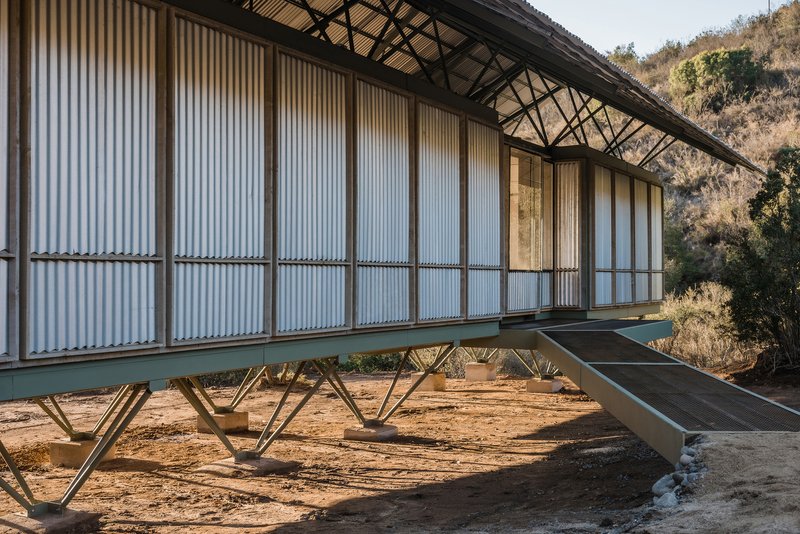
Benefits of Industrialized Construction Systems
1. Speed of Construction
One of the most significant advantages of industrialized construction is the reduction in building time. By using prefabricated modules and standardized parts, construction can be completed in a fraction of the time compared to traditional methods. This speed is essential in addressing housing shortages and meeting urgent infrastructure needs in areas affected by natural disasters or economic crises.
2. Cost Efficiency
Industrialized systems minimize material waste, optimize production, and reduce labor costs. Since much of the construction occurs off-site in controlled environments, it allows for more efficient use of resources, which translates into lower overall costs for developers and clients.
3. Quality and Precision
The use of automated manufacturing processes ensures that every component is made to the exact specifications. This high level of precision leads to consistent quality across all parts, reducing the likelihood of errors and costly repairs down the line.
4. Sustainability and Environmental Benefits
Industrialized construction systems are inherently more sustainable than traditional building methods. They reduce material waste, use eco-friendly materials, and often incorporate energy-efficient features such as passive ventilation and insulation. Additionally, the ability to disassemble and reassemble components means buildings can be repurposed or recycled more easily at the end of their life cycle.
5. Scalability and Flexibility
Another key benefit is the adaptability of industrialized systems. These systems can be easily expanded both horizontally and vertically, allowing them to meet the changing needs of growing communities. Whether used for single-family homes, schools, or even medium-rise buildings, industrialized systems offer incredible versatility.
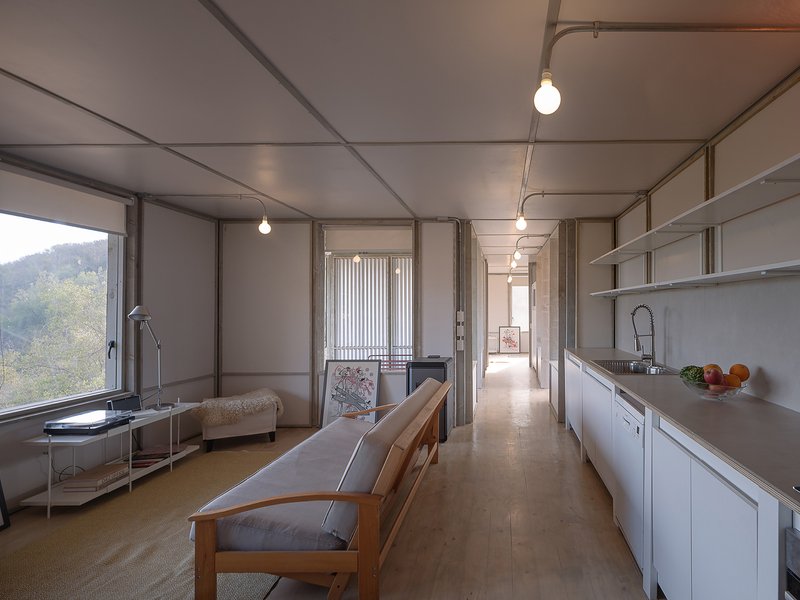
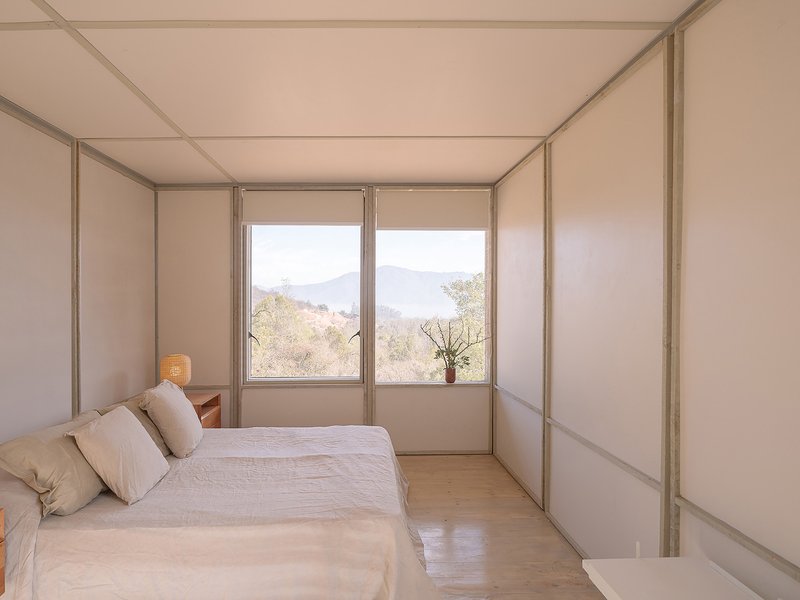
The Andes House: A Case Study in Industrialized Construction
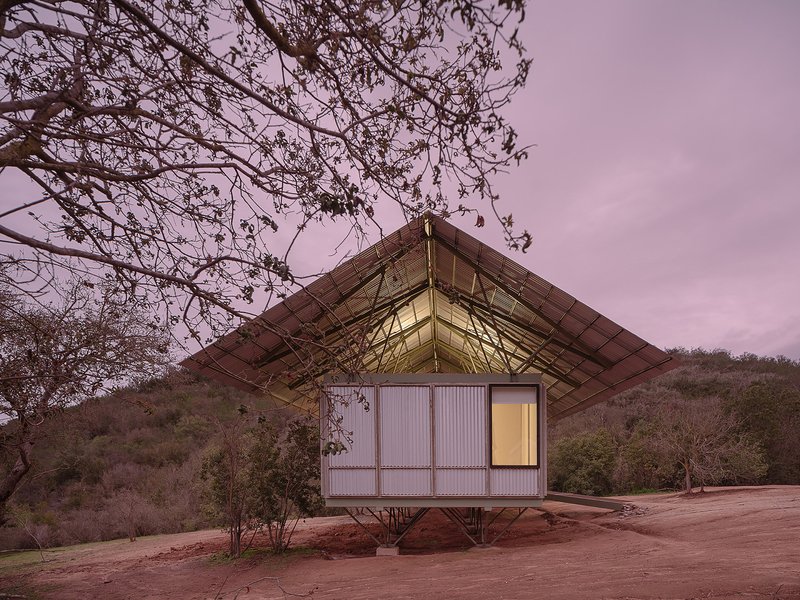
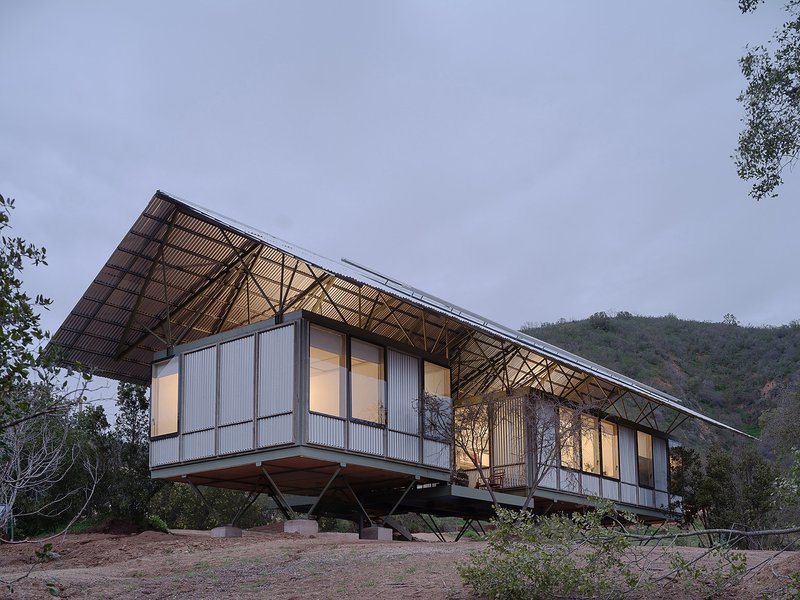
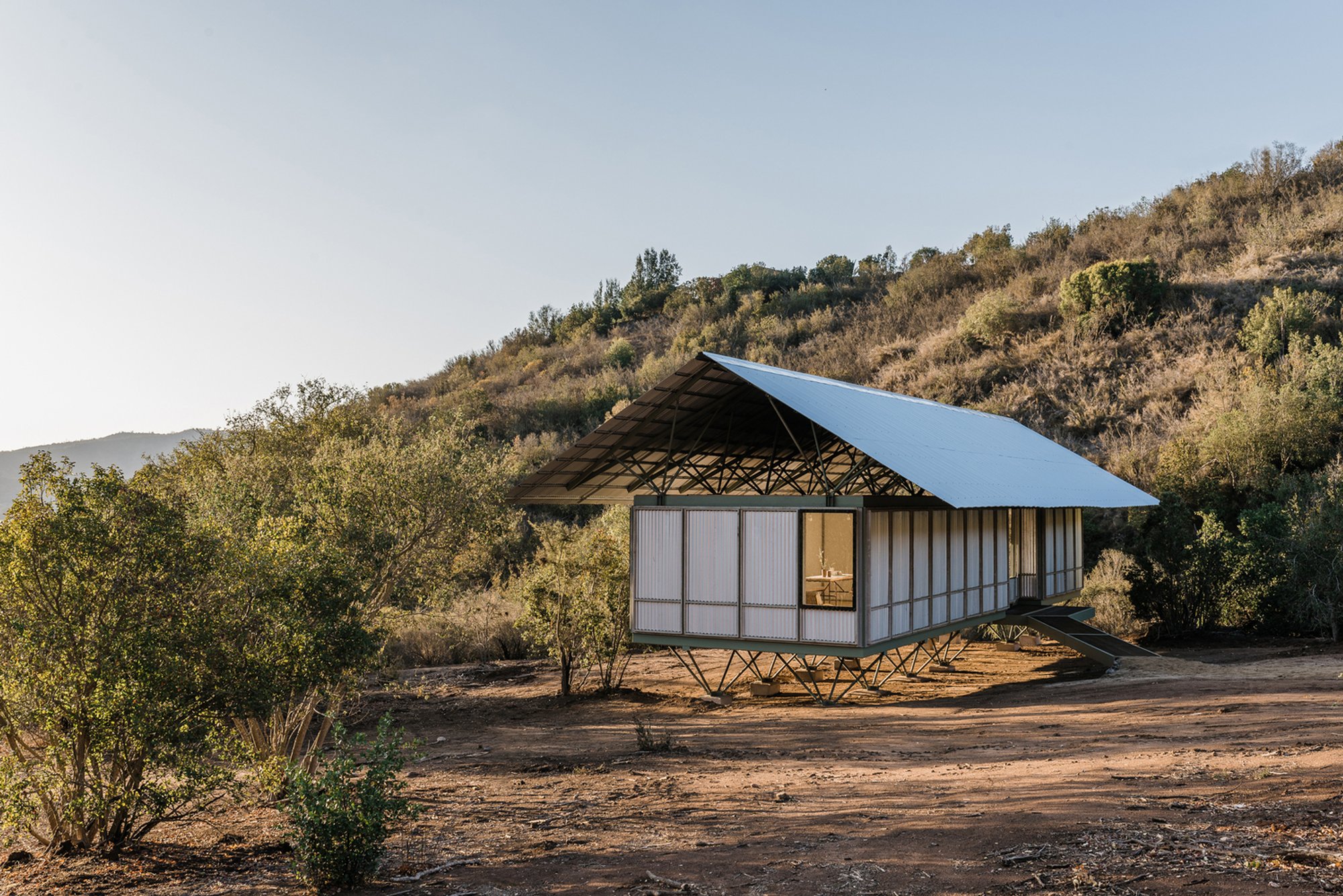
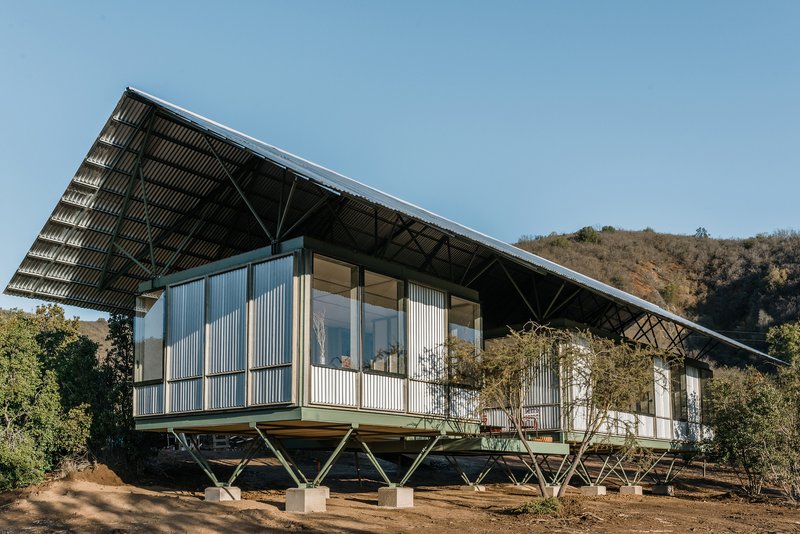
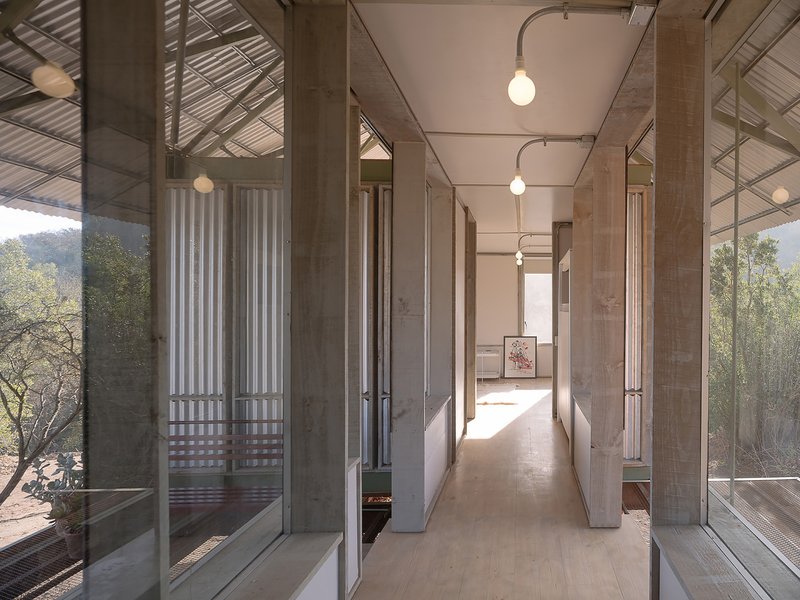
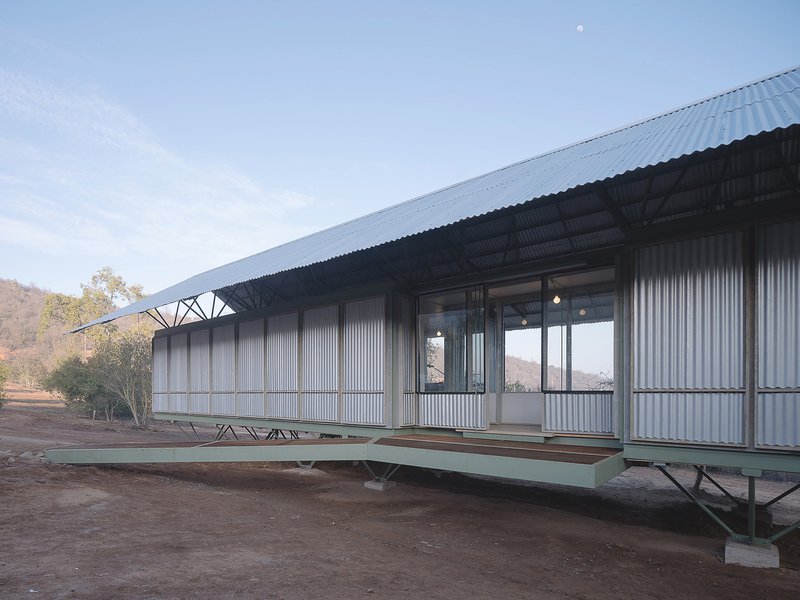
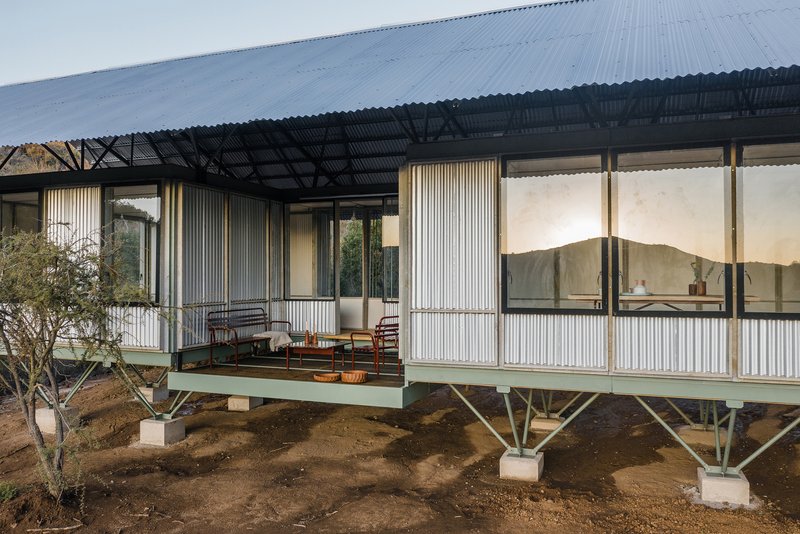
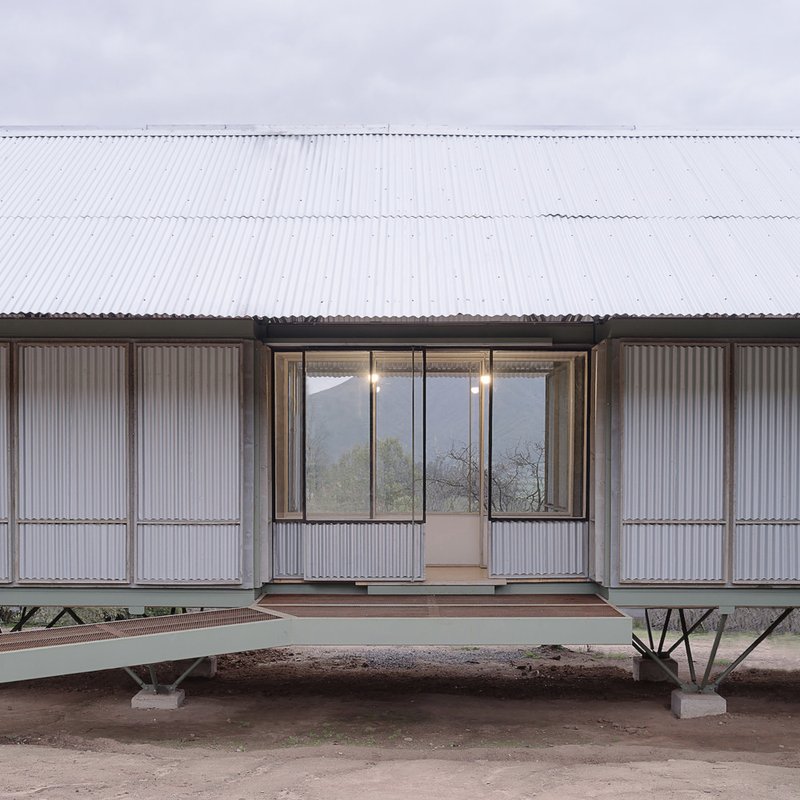
One excellent example of industrialized construction in action is The Andes House in Casablanca, Chile. Designed by Ignacio Rojas Hirigoyen Arquitectos in collaboration with The Andes House, this prototype emphasizes modularity, sustainability, and efficiency. Using an industrialized construction system, the project demonstrates how prefabricated components can create an aesthetically pleasing, energy-efficient home.
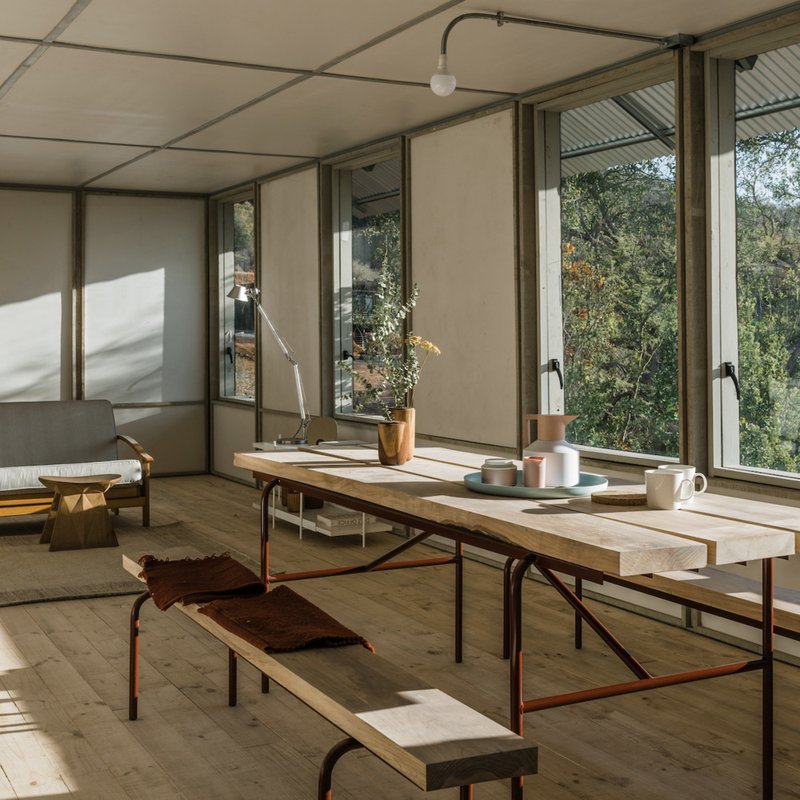
Key Features of The Andes House
- Modular Design: The house is built using standardized components that can be easily adapted for different uses and configurations.
- Sustainable Materials: The use of wood, steel, and wood fiber insulation ensures energy efficiency and reduces environmental impact.
- Efficient Assembly: The components are designed for quick assembly with minimal labor, requiring only basic tools like torque wrenches and electric screwdrivers.
- Energy Efficiency: The building incorporates passive ventilation, thermal insulation, and low-maintenance cladding to reduce energy consumption.
The Andes House exemplifies how industrialized construction systems can provide sustainable, affordable housing solutions while also offering scalability and adaptability to meet diverse architectural needs.
Applications of Industrialized Construction Systems in Architecture
1. Residential Housing
As the global population grows, there is an increasing demand for affordable, sustainable housing. Industrialized systems offer a fast and cost-effective solution, providing high-quality homes with minimal environmental impact. These systems are particularly beneficial in regions with housing shortages or after natural disasters, where speed of construction is critical.
2. Educational and Healthcare Buildings
Industrialized construction is also ideal for building schools, healthcare centers, and other public buildings. The modular nature of these systems allows for rapid deployment, and the flexibility of design ensures that they can meet the specific needs of different institutions.
3. Commercial and Mixed-Use Developments
As cities continue to grow, mixed-use developments that combine residential, commercial, and recreational spaces are becoming increasingly popular. Industrialized systems can be used to create buildings that are not only functional but also aesthetically appealing, offering a solution that meets the needs of modern urban environments.
Future of Industrialized Construction in Architecture
The future of industrialized construction systems looks promising. As technology continues to advance, we can expect even greater efficiencies, lower costs, and more sustainable materials. The integration of smart building technologies, such as IoT sensors and automated climate control, will further enhance the functionality of these systems. Additionally, the potential for 3D printing and robotic construction may revolutionize the way buildings are designed and assembled.
Industrialized construction systems are reshaping the landscape of modern architecture. By offering faster, more cost-effective, and sustainable building solutions, these systems are set to become an essential part of the future of construction. Whether used for residential, commercial, or public buildings, the flexibility, scalability, and efficiency of industrialized systems make them a vital tool for architects and builders looking to meet the challenges of the 21st century.