
Innovative School Architecture: Envisioning Education Through Design at The Thinkable
This article discusses "The Thinkable," a school combining innovative architecture with a holistic learning approach to educate and build character in students for the modern world.

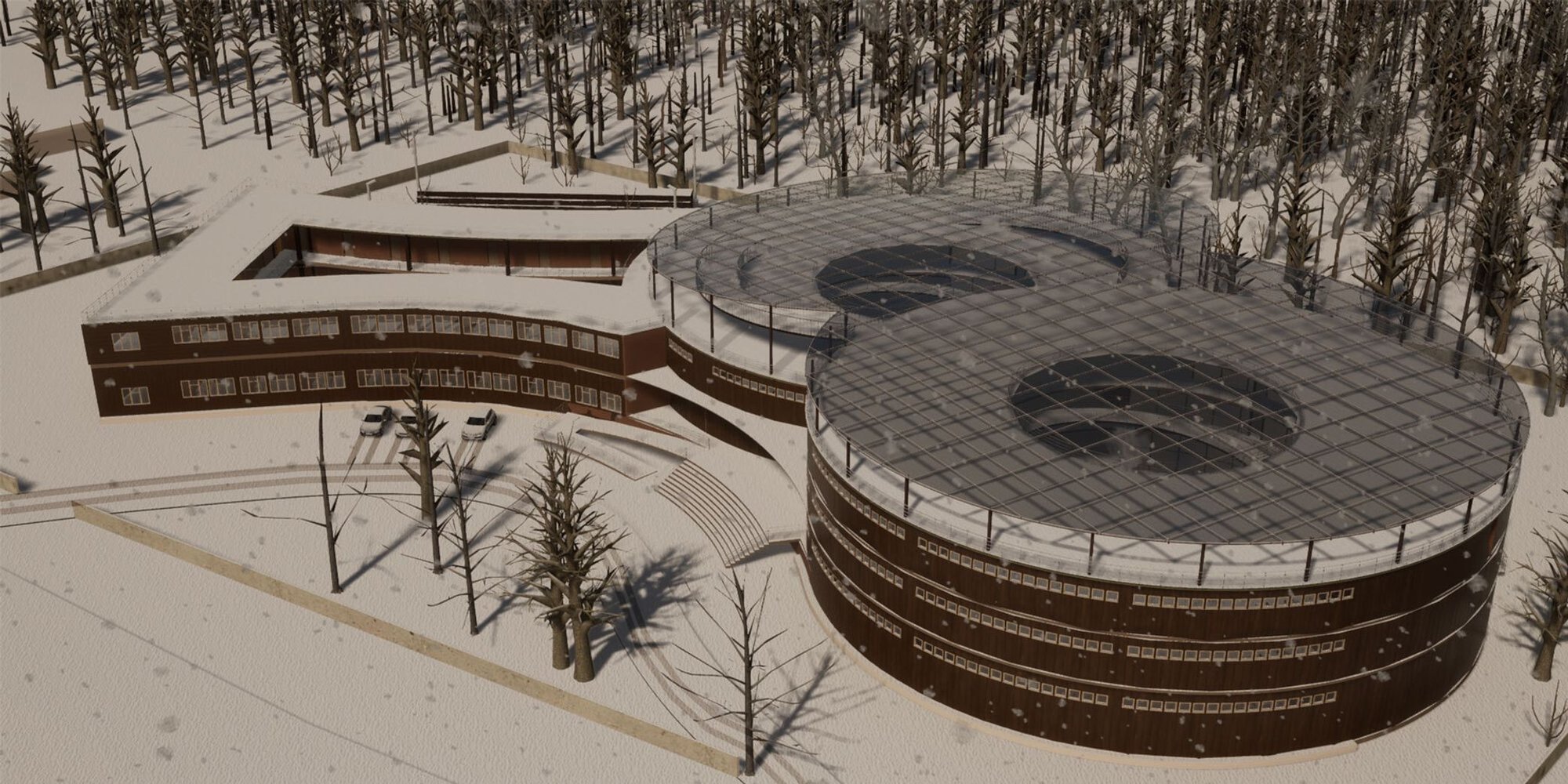
The face of education is ever-evolving, with the shift from traditional learning environments to spaces that foster growth, independence, and real-world skills. At the forefront of this transformation is "The Thinkable," by Krisha Jain, Ayushi Mistry Shortlisted entry of School of Thought a concept that reimagines educational spaces to blend learning with character and personality development.
The Philosophy of The Thinkable
A Paradigm Shift in Educational Spaces
"The Thinkable" challenges conventional school designs by prioritizing discussion-based learning and practical skill-building within its curriculum. This paradigm shift moves away from the standardized educational models to a more holistic approach, echoing the ancient Indian Gurukul system's values.
Bridging the Information Age and Education
In the Information Age, knowledge is readily accessible. Schools must transcend beyond being mere knowledge dispensaries to become crucibles for character and skill development. "The Thinkable" redefines the school's role in a student's life, offering more than a graduation certificate—it fosters the essence of education in the truest sense.
Designing for Holistic Development
Fostering Independence and Community
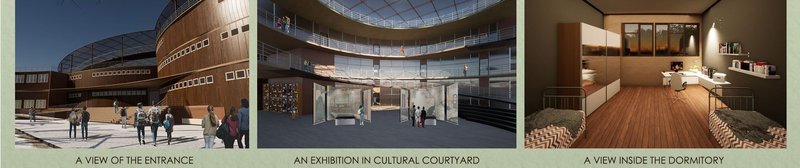
The architectural design of "The Thinkable" incorporates residential quarters for students, promoting independence and community responsibility. With a week-long stay each month, students engage in self-care, time management, and communal living, essential skills for adult life.
The Architectural Language of Inward-Facing Design
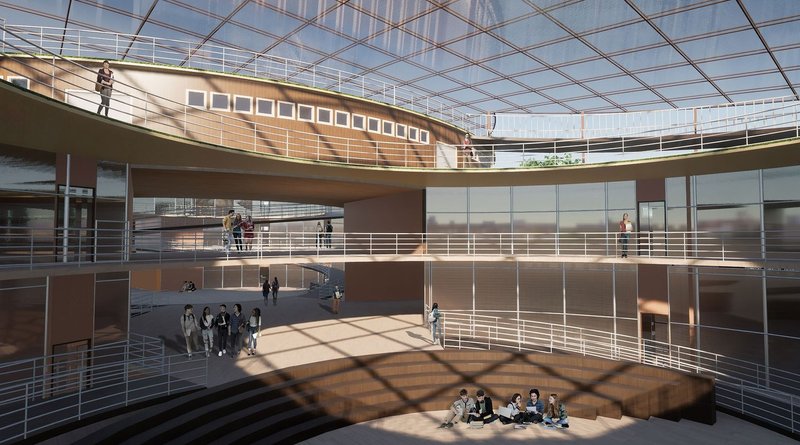
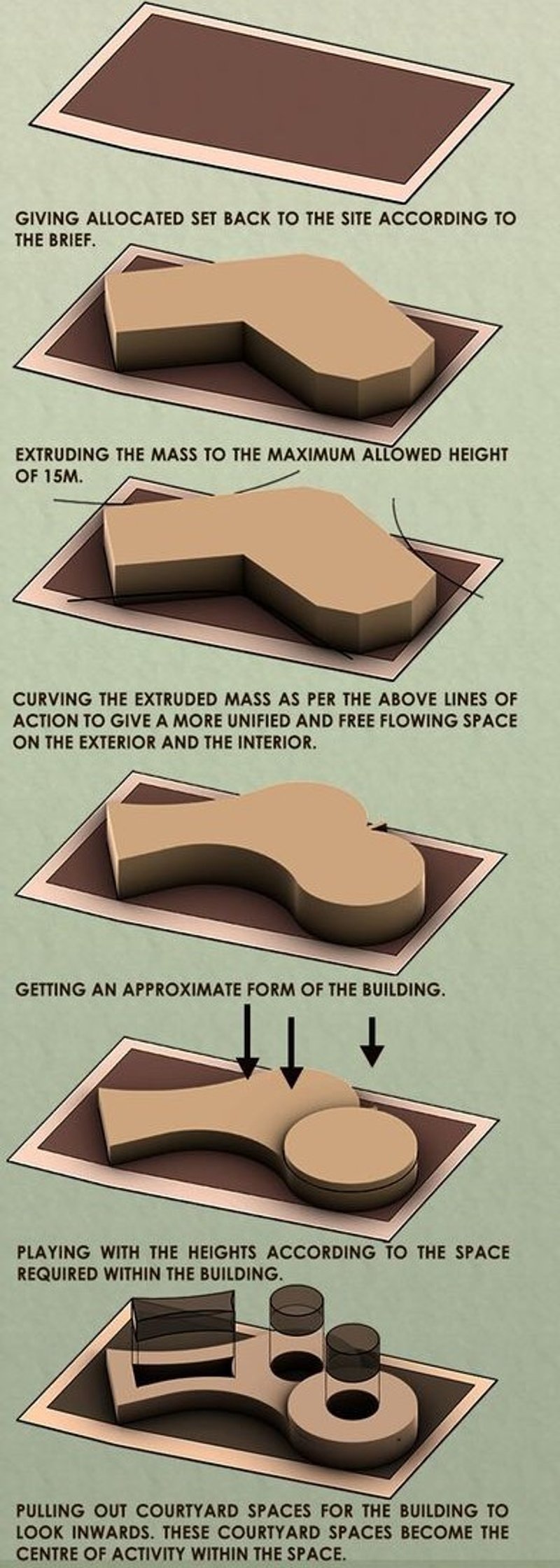
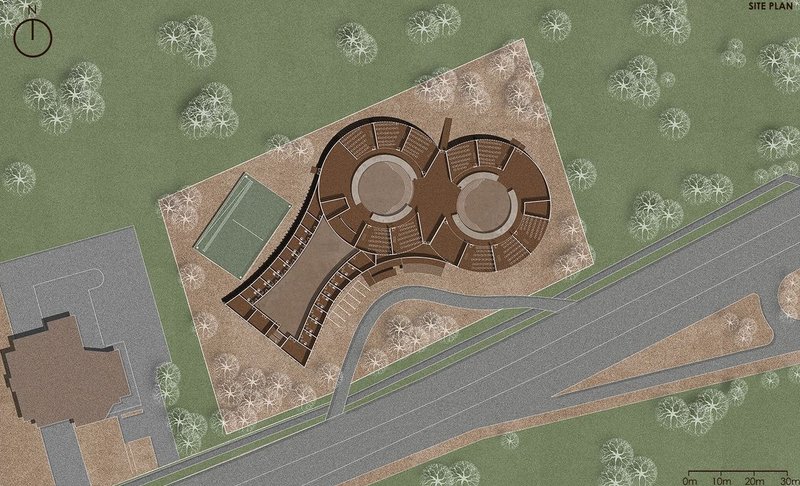
The school's design language encourages interaction and connection, with courtyards serving as the nexus of activity. The decision to opt for multiple courtyards facilitates intimate spaces for simultaneous, non-disruptive discussions.
The Architectural Language of Inward-Facing Design
The school's design language encourages interaction and connection, with courtyards serving as the nexus of activity. The decision to opt for multiple courtyards facilitates intimate spaces for simultaneous, non-disruptive discussions.
The Thinkable's Architectural Highlights
The Courtyards: Versatile Hubs of Activity
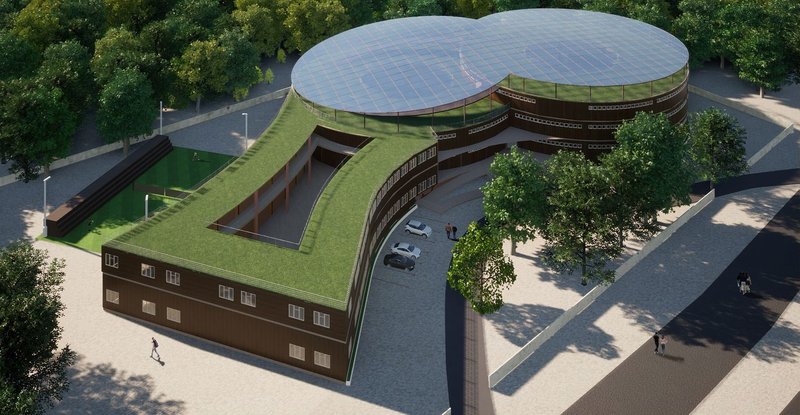
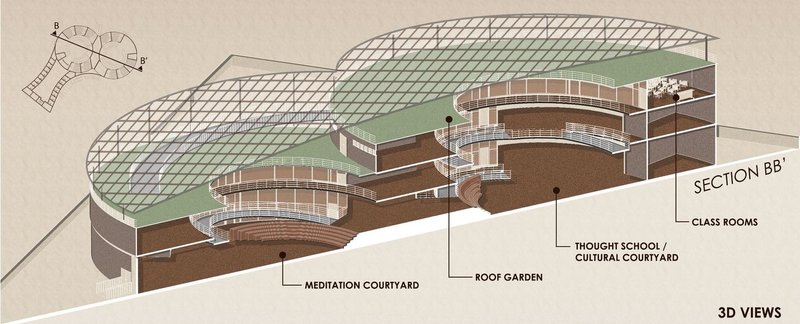
The courtyards at "The Thinkable" are not just open spaces but transformative hubs. They serve as meditation spots, exercise zones, and event spaces, adapting to the school's dynamic needs.
The Classroom Design: Inward Focus for Reduced Disturbances
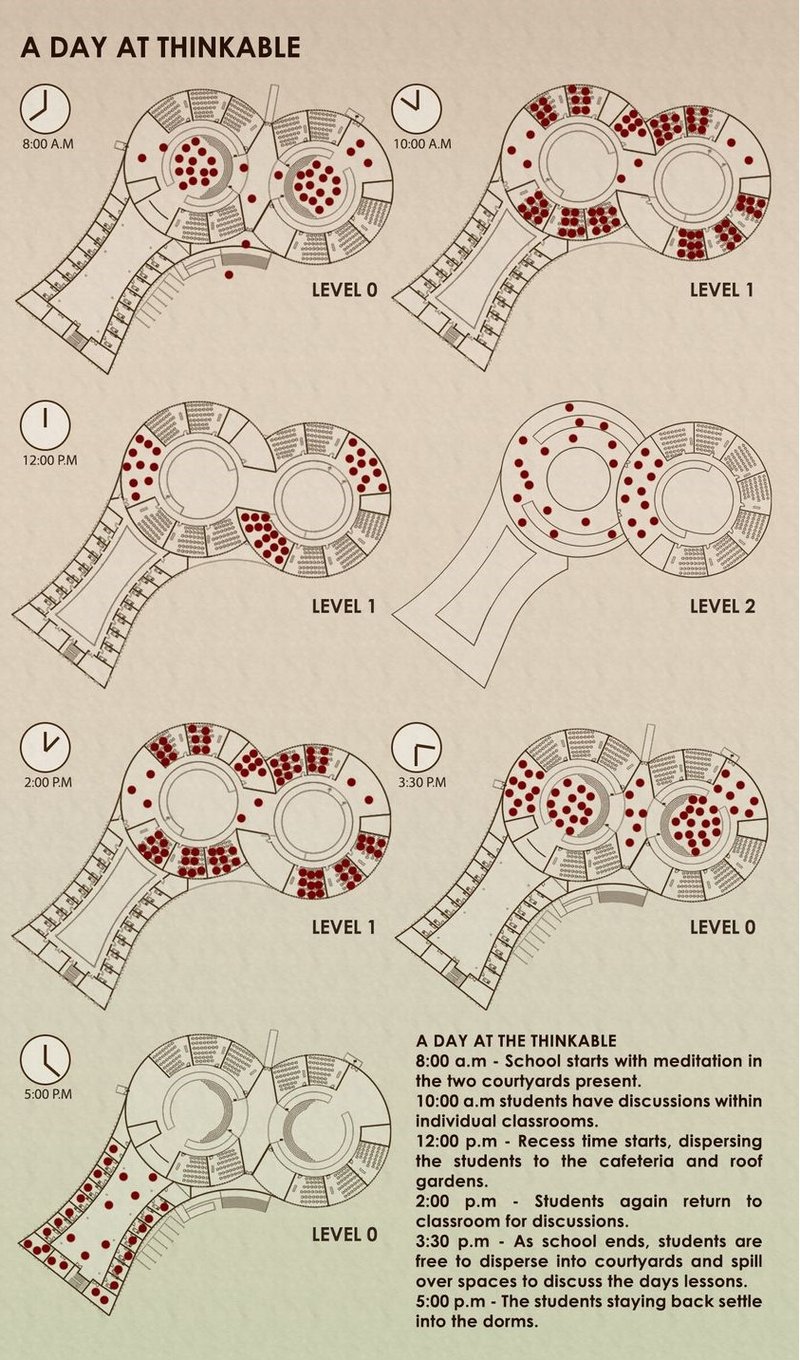
Classrooms are designed with inward-looking perspectives, ensuring that students' focus remains undisturbed by external activities. The use of curtain walls facilitates a visual connection with the school's internal pulse.
Spill-Over Spaces: Extending the Classroom Beyond Walls
To enhance student interaction and reduce noise, "The Thinkable" integrates spill-over spaces throughout its design. These zones provide students with the freedom to learn and interact in a less formal setting, enriching the educational experience.
World Philosophy and Life Skills
Preparing Students for Real-World Challenges
The curriculum includes "Think School" and "Life Skills" to prepare students for societal integration. These subjects cover moral philosophy, financial literacy, and practical life management, equipping students with the tools to navigate life confidently.
History of the World: A Subject for Global Citizens
An inclusive curriculum featuring "History of the World" exposes students to diverse cultures, languages, and histories. Frequent cultural exhibitions within the school enhance students' global awareness and acceptance.
"The Thinkable" exemplifies innovative school architecture by integrating inward-facing design with a holistic learning model. It stands as a testament to the power of architecture in shaping the educational experiences of tomorrow's leaders. As we embrace these innovative design principles, we set the stage for a future where the school is not just a place to learn but a space to grow, connect, and thrive in the modern world.




Popular Articles
Popular articles from the community


Old Creatures: Adaptive Reuse Architecture Reimagines an Oil Rig as a Sustainable Marine Community
Adaptive reuse architecture transforms an abandoned oil rig into a sustainable marine community for research, living, and culture.

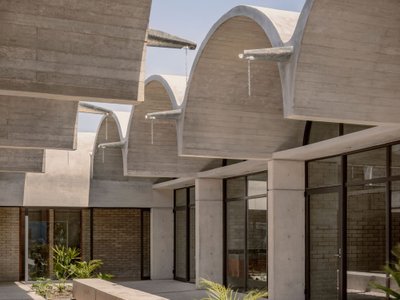
Kiltro Polaris and JC Arquitectura Line Up Six Barrel Vaults for a Health Center in Rural Mexico
A raw concrete clinic in Escárcega, Campeche, uses courtyards between structural bays to ventilate, light, and cool every room naturally.
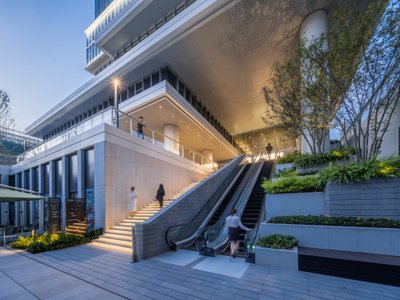
Superimpose Architecture Splits a Hangzhou Transit Hub into Valley and Cloud
A 72,000-square-meter mixed-use TOD complex near Alibaba's campus pairs human-scaled green terraces with serene tower volumes.
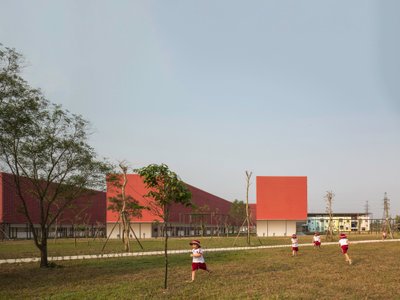
BHA Studio Wraps a 2,000-Student Campus in Terracotta Screens and Double-Layered Roofs in Central Vietnam
iSchool Quang Tri in Đông Hà uses perforated brick lattices and rainwater harvesting to keep 17,000 square meters cool and green.


Similar Reads
You might also enjoy these articles
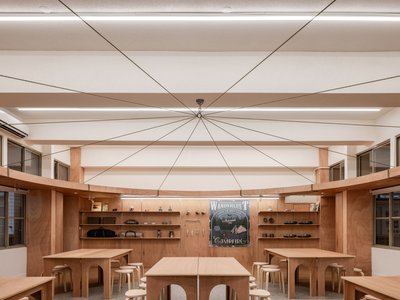
317studio Turns an 87 m² Classroom into a Forest Clearing for Scouts in New Taipei City
A rope canopy, student-made specimens, and campfire geometry replace rows of desks in this Scouting classroom in Xizhi District.
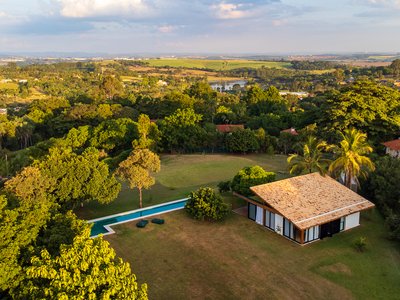
24 7 Arquitetura Builds a Timber Pavilion as a Family's First Act on a 5,000 m² Brazilian Plot
In Jaguariúna, a prefabricated glulam house nestles among mature trees as the opening move of a larger residential masterplan.
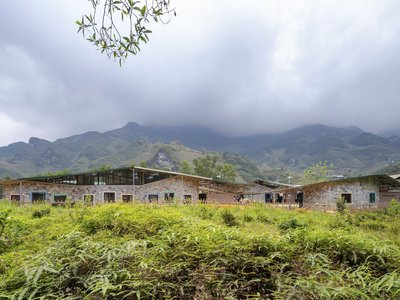
1+1>2 Architects Build a School from 900 Blocks of Hmong Stone on Vietnam's Rocky Plateau
On a barren valley in Ha Giang province, a community quarried its own stone to raise a kindergarten and primary school rooted in Hmong identity.
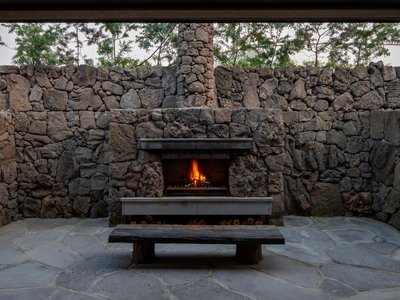
100A Associates Builds a Volcanic Stone Retreat on Jeju Island Rooted in Ritual and Restraint
Watarstay [Wa:Tar] in Bongseong-ri channels Jeju's basalt, reed, and hemp into a 150 m² hospitality space shaped by contemplation.
Explore Sustainable Design Competitions
Discover active competitions in this discipline




The Global Benchmark for Architecture Dissertation Awards


Challenge to design public laboratory


Design challenge to reuse E-waste
Comments (0)
Please login or sign up to add comments
No comments yet. Be the first to comment!