
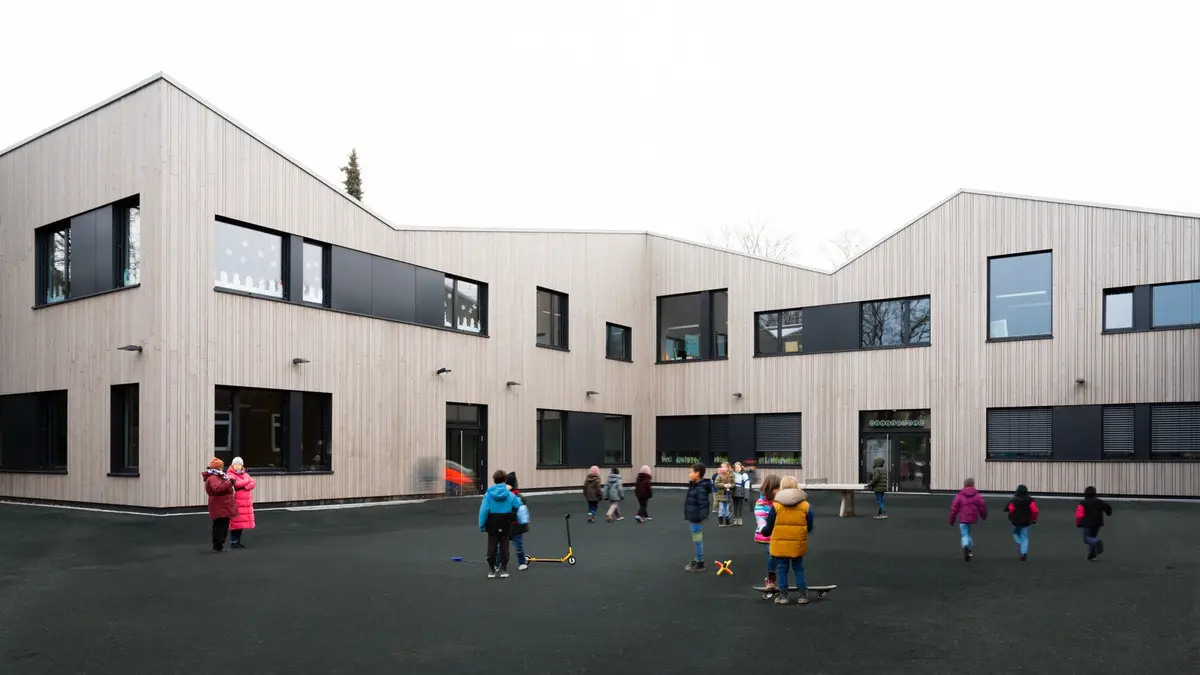
Innovative School Architecture in Germany: A Case Study of Learning Landscapes under Roof Landscapes by Sehw Architektur
Exploring Sehw Architektur's "Learning Landscapes under Roof Landscapes" in Essen, Germany, blending innovative design, sustainability, and community in school architecture.


The evolution of educational architecture represents a critical aspect of modern urban development, especially in Europe. In Essen, Germany, a groundbreaking project titled "Learning Landscapes under Roof Landscapes" by Sehw Architektur has set a new benchmark for how schools can blend innovative design with functionality and sustainability. This long-form article explores the architectural and educational philosophy behind this project, showcasing its role as a model of innovative school architecture in Germany.

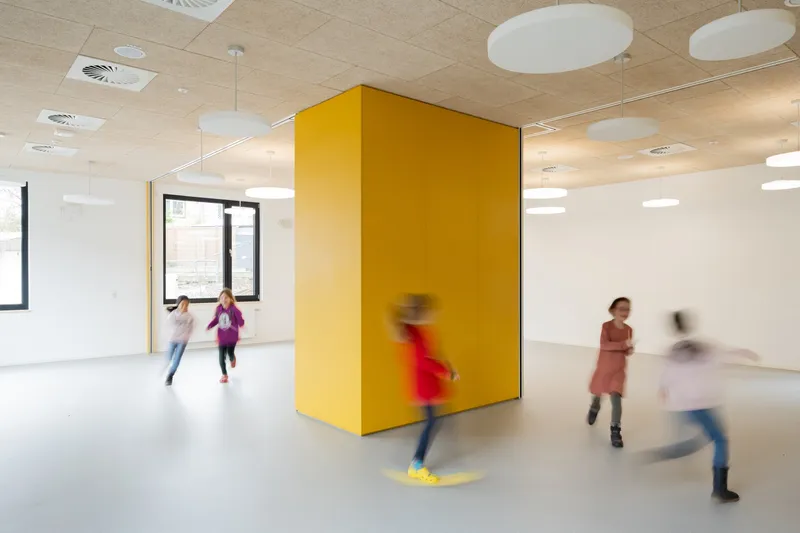
The Concept Behind Learning Landscapes
The Architectural Vision
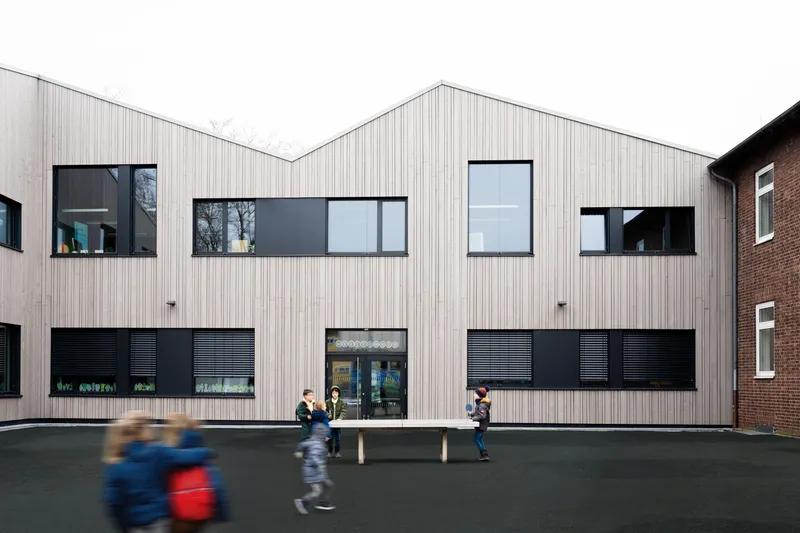
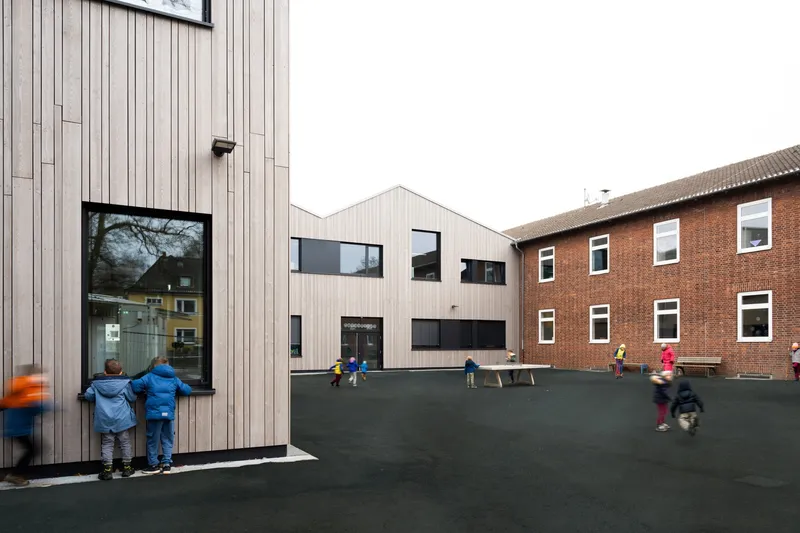
Sehw Architektur, renowned for their commitment to sustainability and innovation, embarked on a complex mission to renovate aging buildings from the 1950s and integrate them with new timber structures. Their goal was to foster a pedagogically inspiring environment that addresses the demands of contemporary education. The project stands out for its unique approach to creating a cohesive "learning village" that serves both an educational and community hub in the heart of Essen.
Sustainable Design and Construction
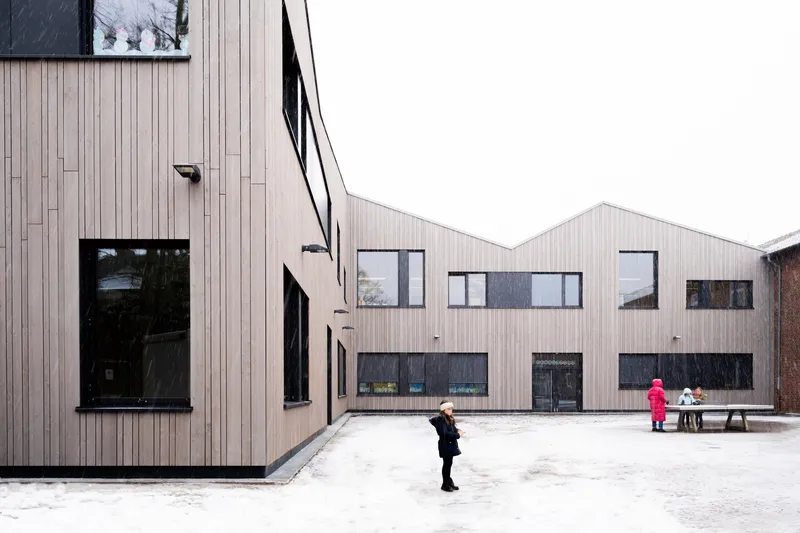
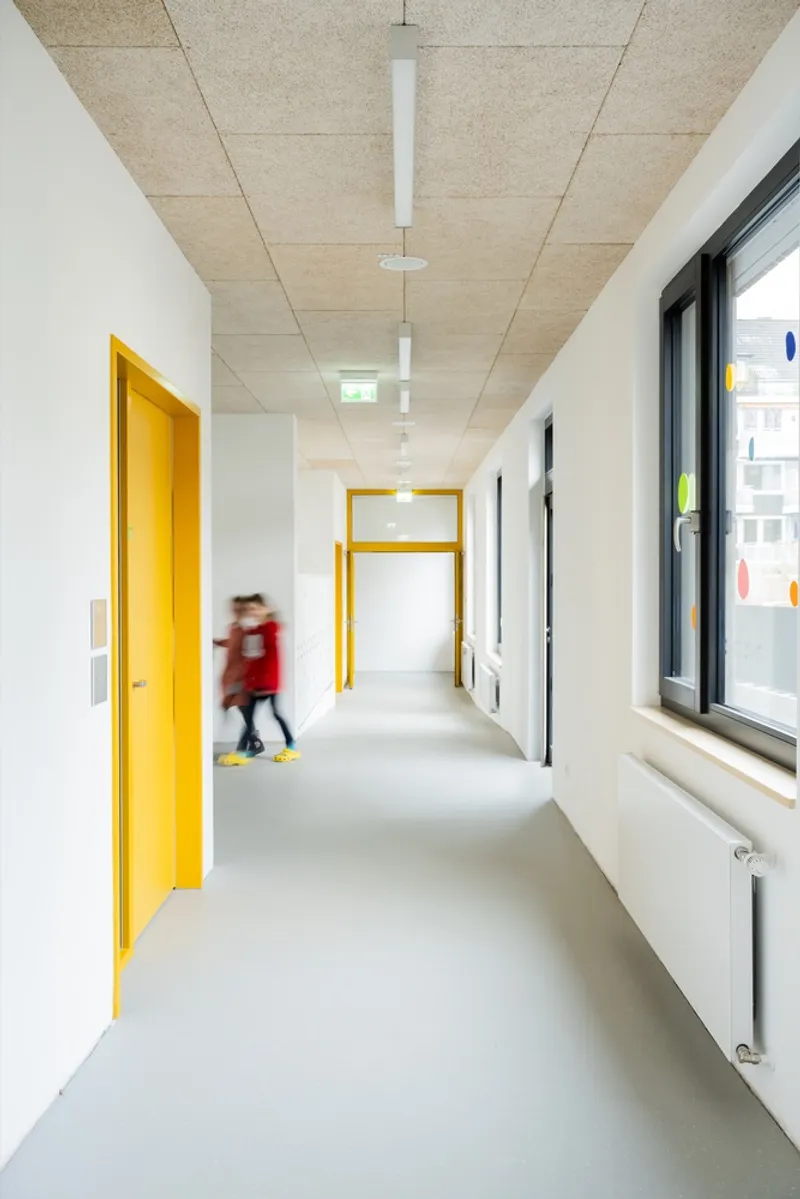
One of the hallmarks of this project is its emphasis on eco-friendly building practices. Prefabricated timber construction was chosen not only for its aesthetic appeal but also for its minimal environmental impact. This choice reflects a broader trend in innovative school architecture in Germany, where sustainability and rapid construction methods are increasingly prioritized. The project adheres to Passive House standards and incorporates features such as ventilation technology with heat recovery, sustainably produced district heating, and green roofs to enhance energy efficiency and biodiversity.

Navigating Challenges
Urban Constraints and Solutions
Executing such an ambitious project in a confined urban space, especially while keeping the school operational, posed significant challenges. The architects' strategic use of prefabricated elements and careful planning minimized disruption and maximized safety and efficiency. This approach underscores a growing trend in urban educational architecture, where the constraints of space and the need for continuity in school operations demand innovative solutions.
Architectural Features and Social Spaces
Creating a Community Hub
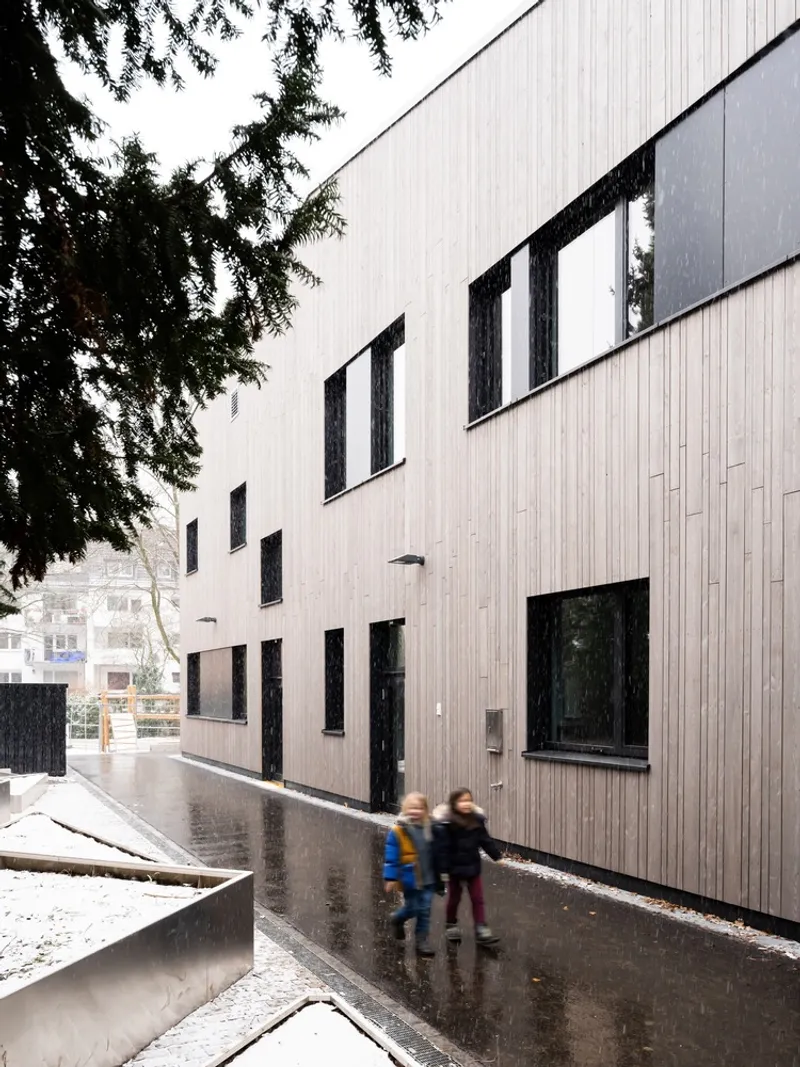
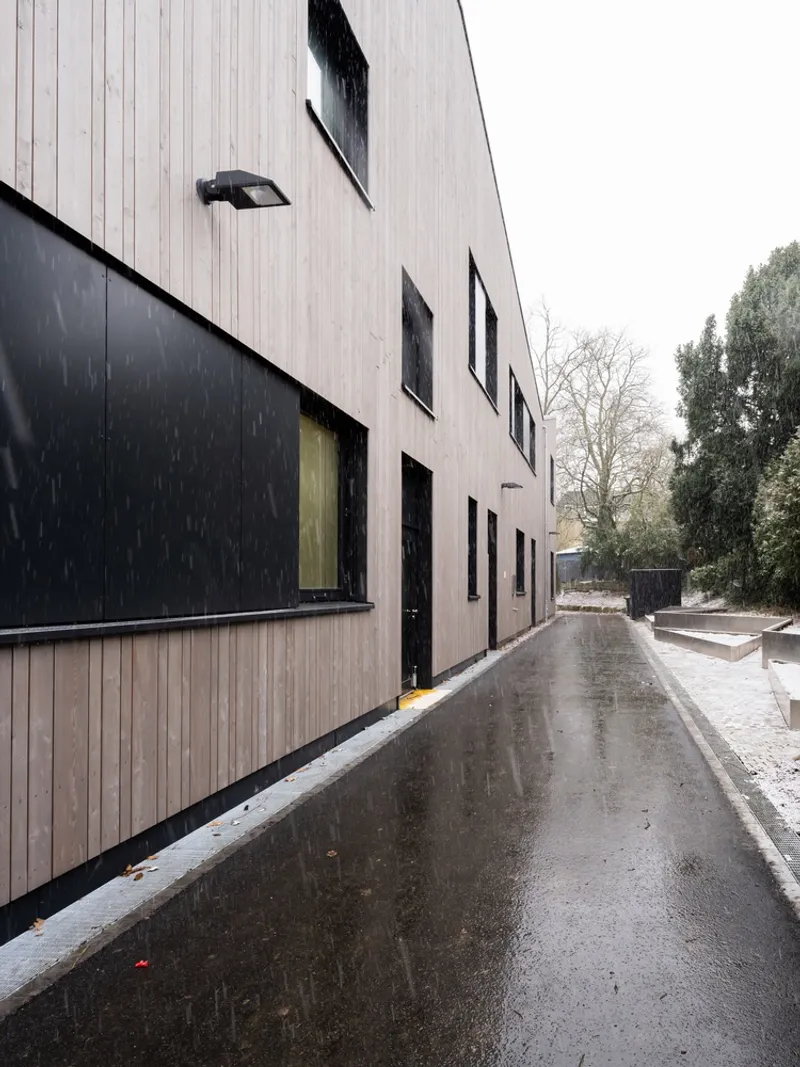
The design of "Learning Landscapes under Roof Landscapes" goes beyond educational functionality. It aims to foster community and social interaction through thoughtfully designed indoor and outdoor communal areas. Classrooms face quieter areas to ensure a conducive learning environment, while the positioning of windows optimizes natural light, enhancing the overall atmosphere. The project illustrates how innovative school architecture in Germany is not just about buildings but about creating spaces that support learning, communication, and community engagement.


Sehw Architektur's project in Essen is a testament to the possibilities of modern educational architecture. By balancing innovative design with sustainability and community values, "Learning Landscapes under Roof Landscapes" represents a forward-thinking approach to school construction. As this case study shows, innovative school architecture in Germany is leading the way in creating environments that nurture learning and foster a sense of community, setting a precedent for future projects worldwide.

All photographs are work of Helin Bereket


Popular Articles
Popular articles from the community


David Ortega Stacks a Two-Story Mexico City Penthouse Around a Steel Stair and a Pergola-Shaded Roof Terrace
In Colonia Roma, a 300 m² penthouse uses oak joinery, a planted steel stair and a slatted roof pergola to make a new-build apartment feel like a house.

Cube Design Draws an Ecological Corridor Between Two Shenzhen Hills with the Nankai Building
Beside Shenzhen's container docks, the Nankai Building pairs stacked balconies with a climbing green screen to connect two hillsides across its height.

ETEH Reworks the Shared Spaces of São Domingos School in Brazil Around Timber, Color and Hanging Plants
At São Domingos School in Brazil, 436 m² of hall, refectory and library are recast with timber joinery, a yellow and blue code and trailing greenery.


Aquadapt: An Underwater Habitat That Rewrites Its Rooms by the Hour
Curved modules ring the seabed while one shell shifts from breakfast room to cinema, farm and football pitch as residents' needs change.

Similar Reads
You might also enjoy these articles

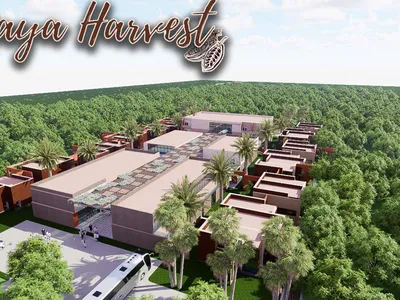
Maya Harvest: A Cacao Resort Village Rooted in Mayan Tradition and Local Craft
Situated within a Tabasco cacao plantation, this shortlisted resort proposal merges vernacular materials with hands-on cultural immersion.
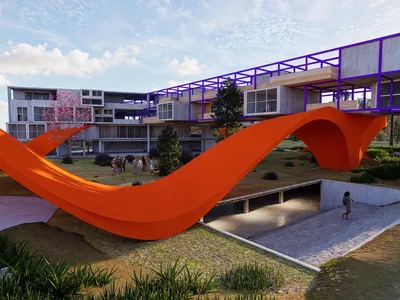
Harmonia: A River-Shaped Community That Grows Over Decades in Boa Vista
Curved pathways and modular grid structures along the Branco River create a phased settlement designed to evolve from 2030 to 2050.

The Architecture of Bathing: A Mughal Hammam Reimagined Across the Yamuna
Charlotte May's honorable mention entry for The Black Taj reinterprets Agra's bathing rituals through red sandstone, water, and framed views of the Taj Mah

Om-1: A Wall-Hung System That Moves Your Workspace Off the Desk
Modular plywood boards, magnetic pegs, and utility elements migrate clutter from the horizontal surface to the vertical plane.

Explore Educational Building Competitions
Discover active competitions in this discipline

Challenge to design public laboratory

Challenge to reimagine the Iron Throne

Photograph architecture without architects

Illustrate the lost glory of Angkor Wat - Render Challenge
Comments (0)
Please login or sign up to add comments
No comments yet. Be the first to comment!