
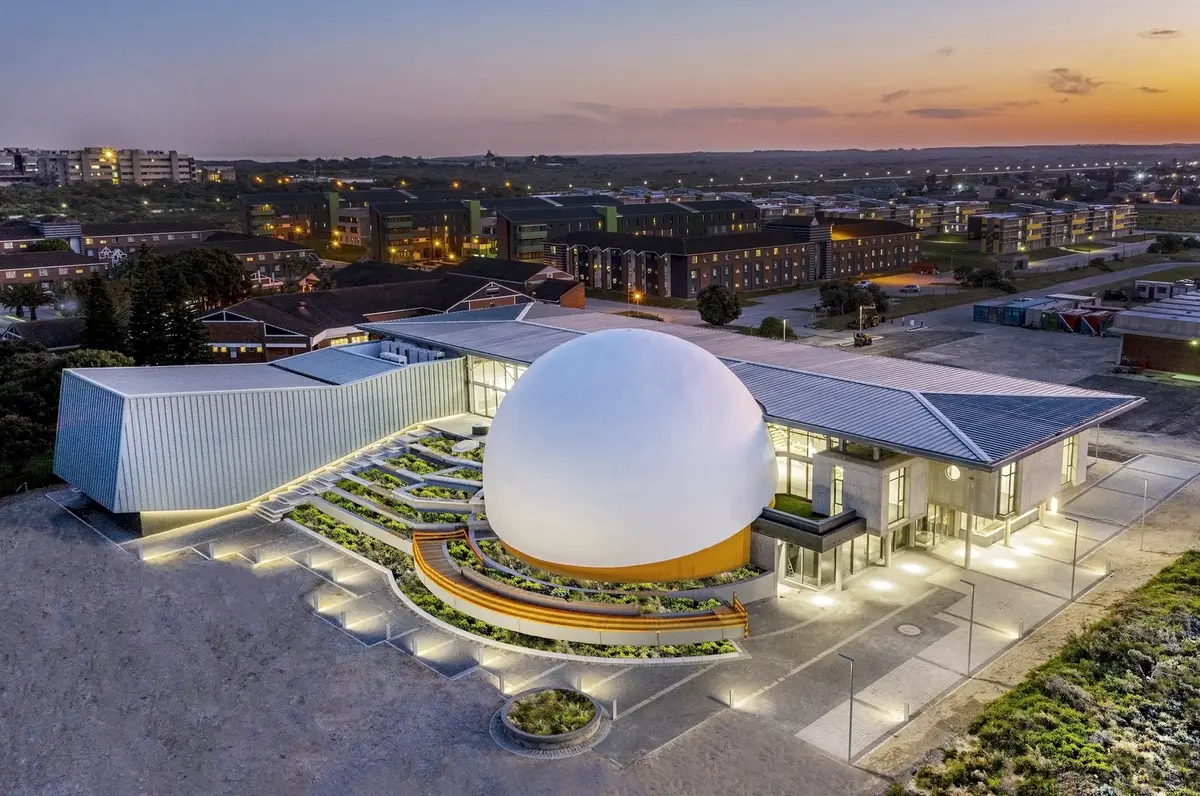
Innovative Science Center Design at Nelson Mandela University
The article showcases Nelson Mandela University's new Science Centre, highlighting its innovative design and integration with the surrounding environment by SVA International.


In the heart of Port Elizabeth, South Africa, Nelson Mandela University has unveiled its new Science Centre, a testament to innovative design and architecture. Conceptualized and brought to life by SVA International, this modern facility not only advances the realm of academic and research environments but also integrates seamlessly with its surrounding landscape, promoting open science. With photographs captured by Ray Truter Photography, the Science Centre stands as a beacon of contemporary aesthetics and functional design.
Project Overview
Architectural Vision
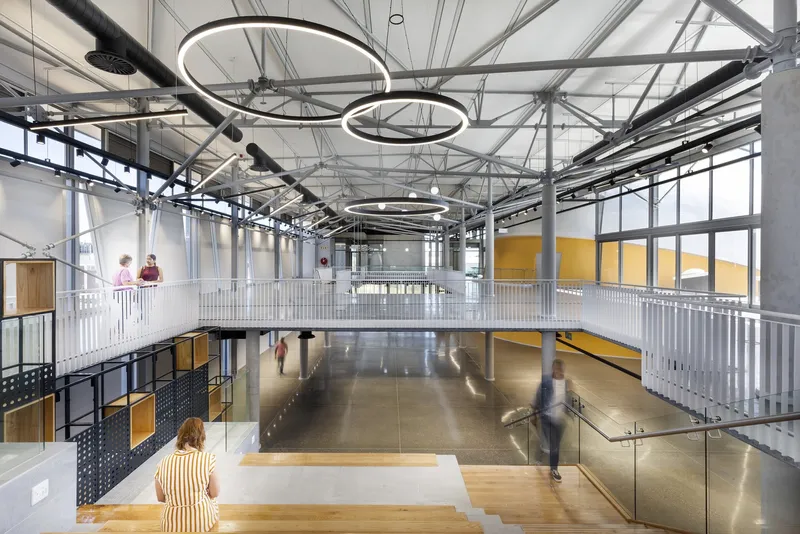
Led by Tony Danev, Stephanie Janse van Vuuren, and Judy Du Preez, the SVA International team embarked on a journey to create a multi-layered pavilion that encapsulates the spirit of science and academia. Spanning an area of 2900 m² and completed in 2023, the Science Centre is more than just a building; it's a dynamic space designed for flexibility, interaction, and discovery.
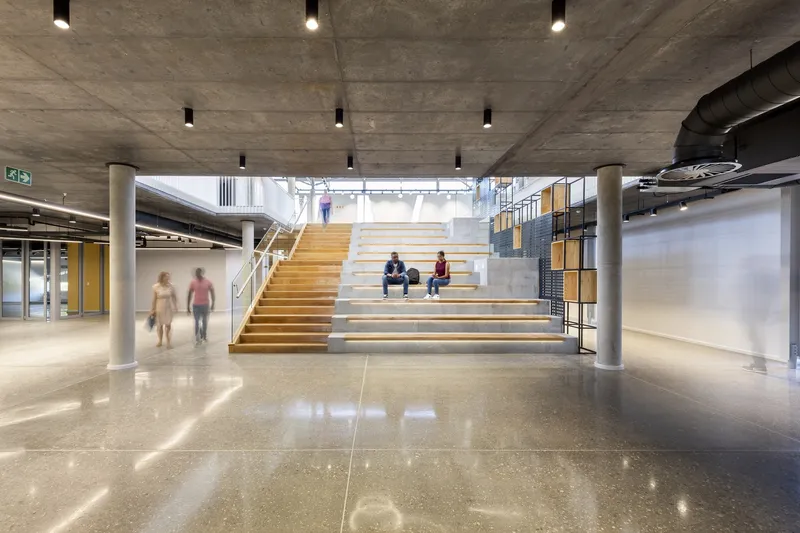
Strategic Placement and Design
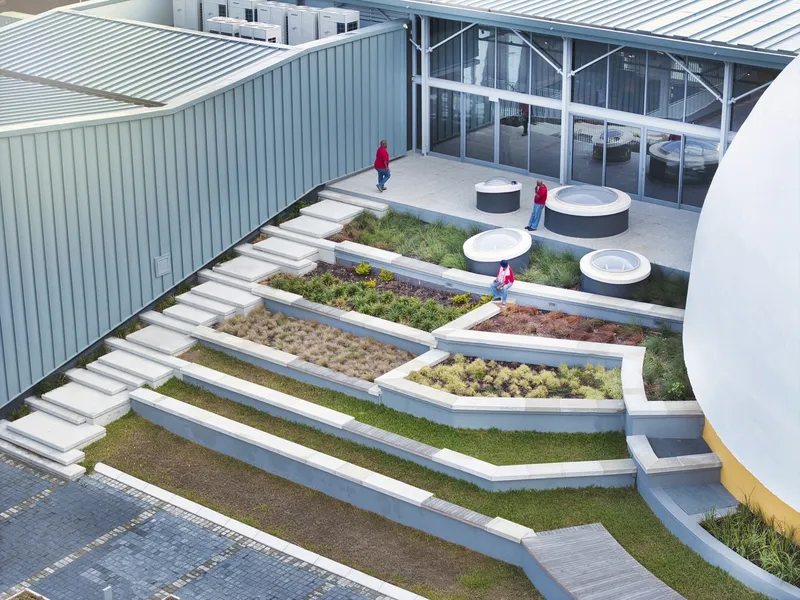
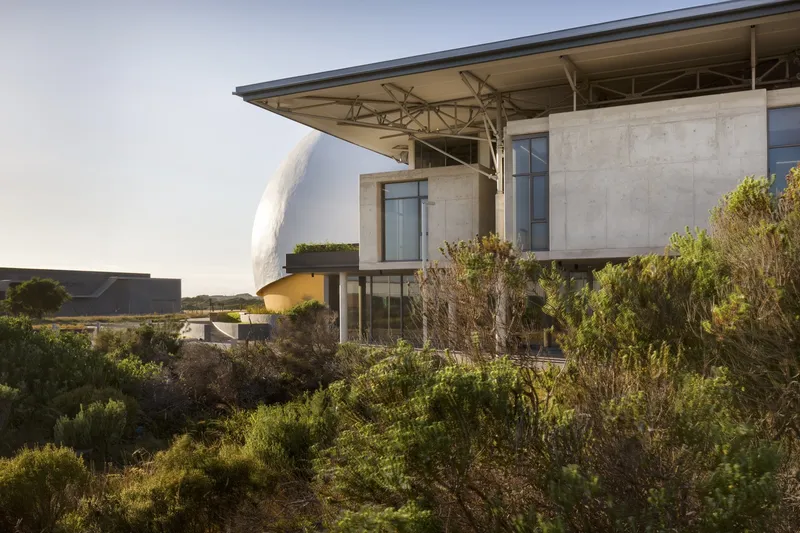
Understanding the importance of community and accessibility, the architects strategically placed the building back from the main arterial movement route. This decision not only enhances the public's engagement with the Centre but also extends its presence into the public realm through a ‘living edge’. This edge invites visitors to explore both vertically and horizontally, offering a multi-leveled terrace that blurs the lines between the built environment and nature.
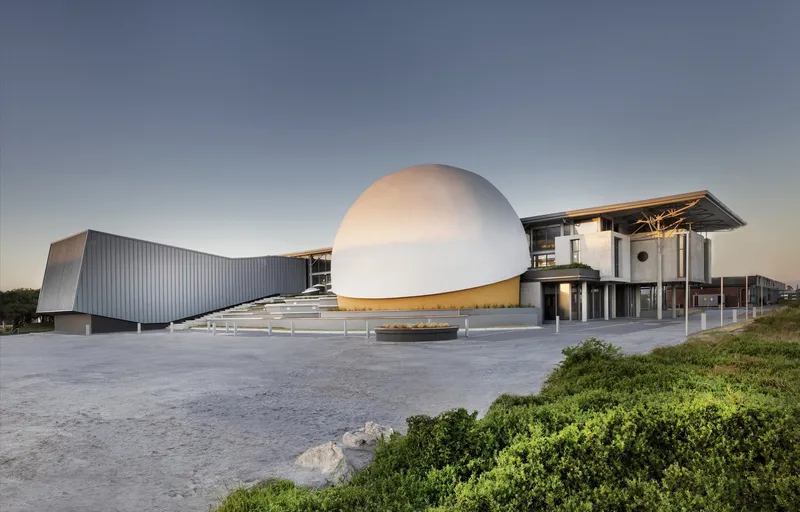
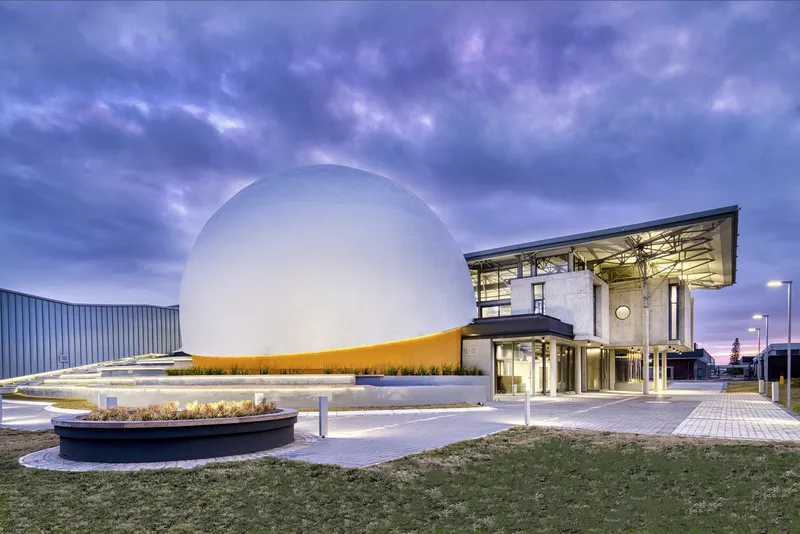
Core Components of the Design
The Planetarium Dome
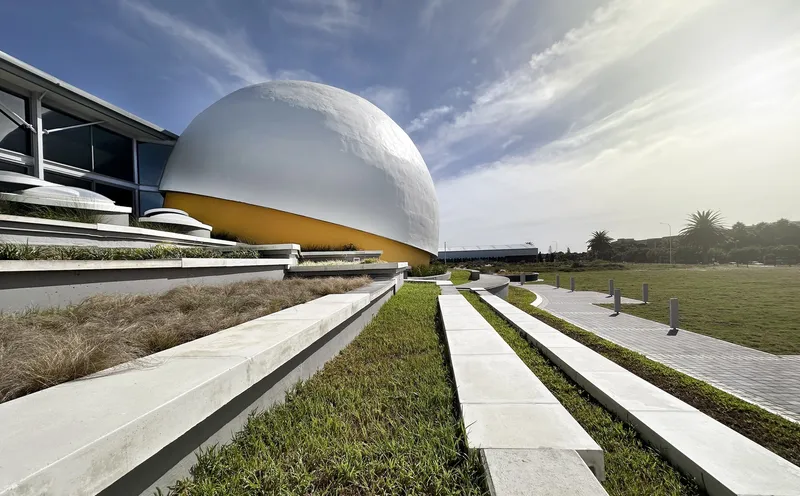
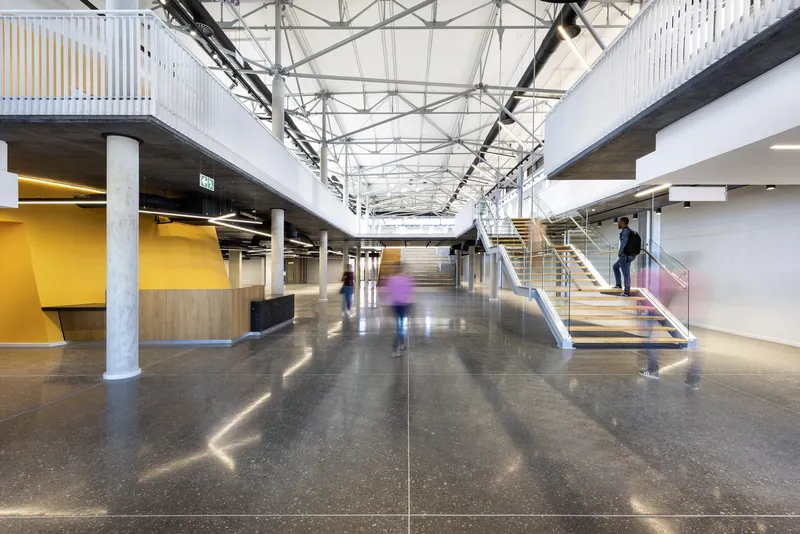
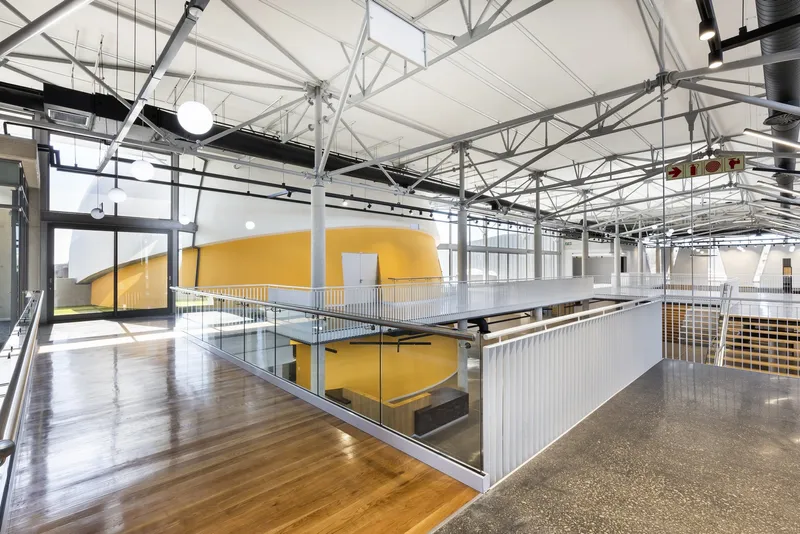
At the heart of the Science Centre's architectural marvel is the 150-seater digital planetarium. Positioned off-axis in the double-volume foyer, the dome serves as a central datum, guiding visitors on a prelude journey before they enter the immersive space. This feature accentuates the Centre's focus on science and exploration, providing an unparalleled educational experience.
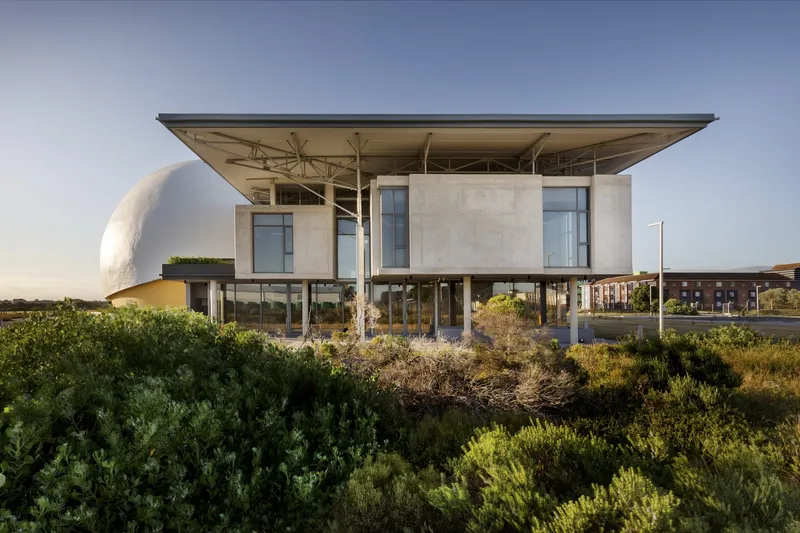
Materiality and Sustainability
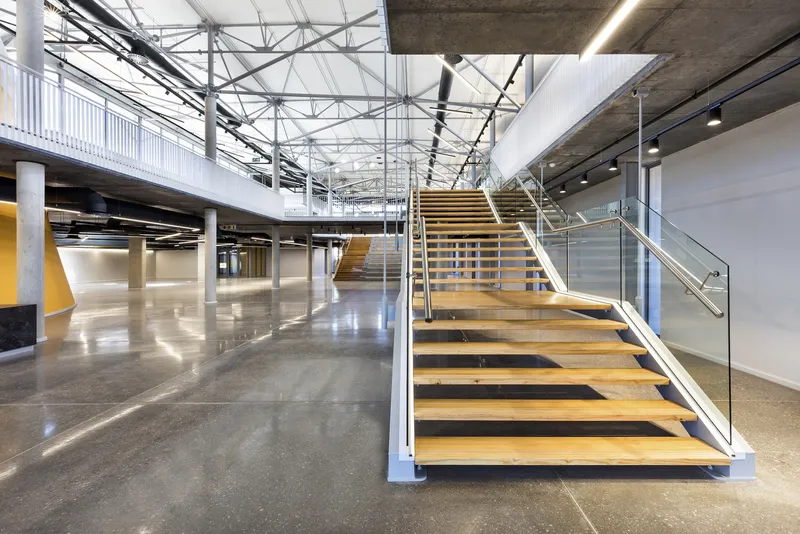
Choosing materials that reflect a contemporary aesthetic while being mindful of maintenance, especially given the Centre's proximity to the ocean, was crucial. The combination of steel and concrete for the dome, alongside contributions from manufacturers like Geberit, Neolith, and Hans Grohe, ensures durability and sustainability. The selection process underscores the project's commitment to innovative design that meets both the client's requirements and environmental considerations.
Landscaping and the Living Edge
An integral part of the Science Centre's design is its landscaping, particularly on the eastern 'living' edge. This area not only enhances the building's integration with its surroundings but also provides a layered, inviting space for engagement. It exemplifies how innovative science center design can extend beyond the physical structure, influencing the environment and community interaction.
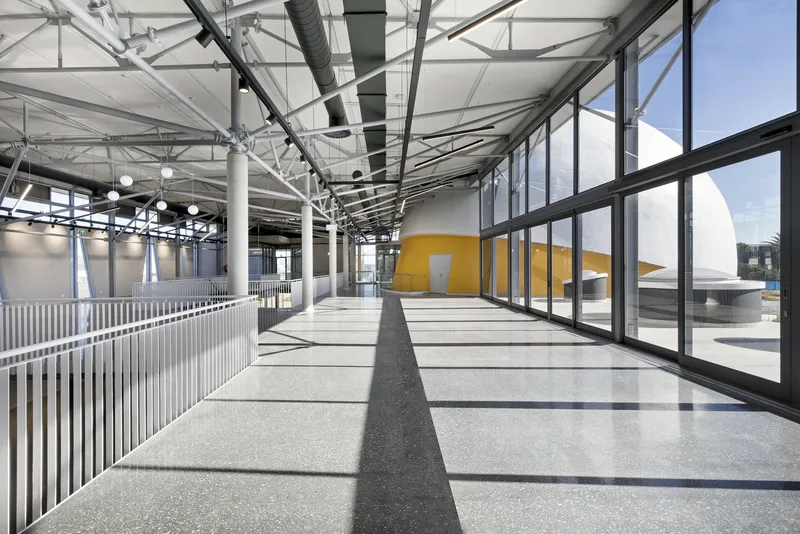
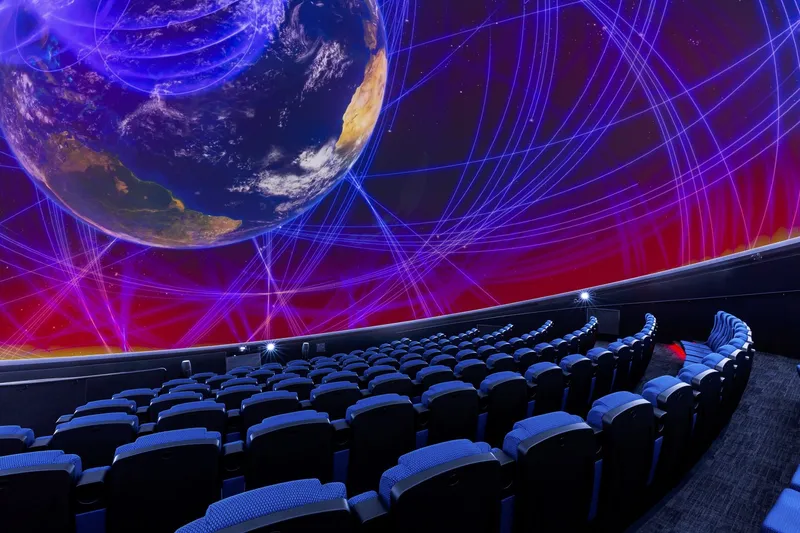
The New Science Centre at Nelson Mandela University is a landmark project by SVA International that embodies the principles of innovative science center design. Through strategic planning, architectural ingenuity, and a focus on sustainability, the project sets a new standard for educational facilities worldwide. It represents a significant step forward in promoting science, education, and community engagement, solidifying Nelson Mandela University's commitment to advancing open science.
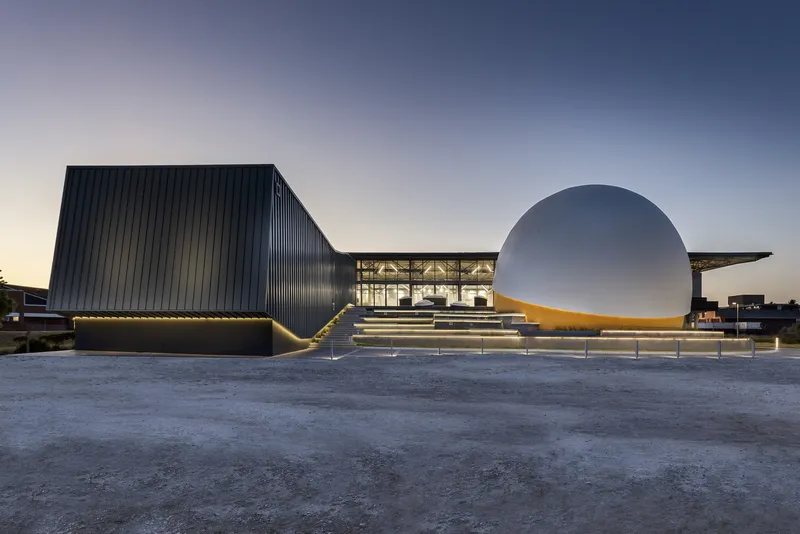
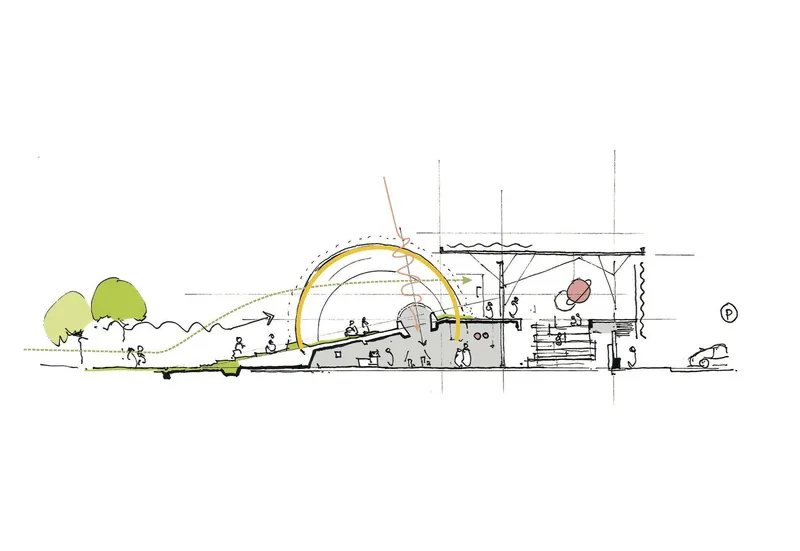
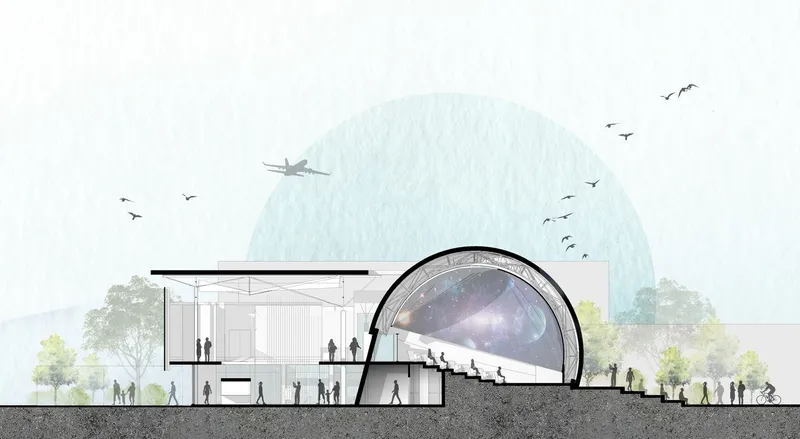
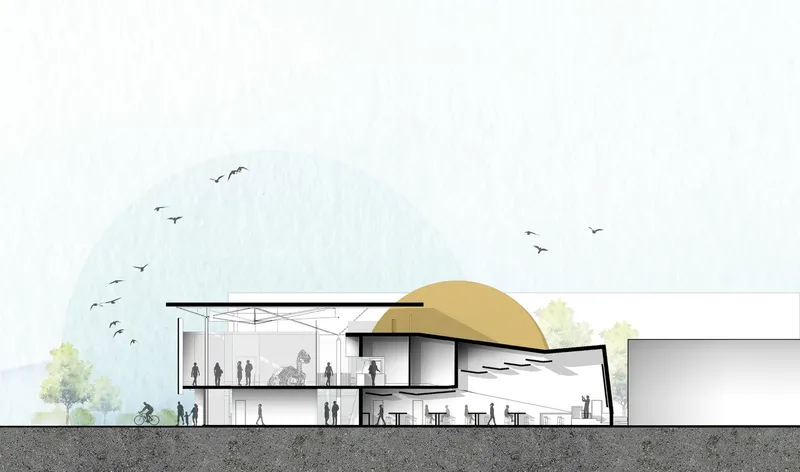
All photographs are work of Ray Truter Photography


Popular Articles
Popular articles from the community

Extended Shell: Retrofitting Kolkata's Balconies as Living Urban Thresholds
A modular retrofit system recovers the social and environmental intelligence of Kolkata's historic verandas for contemporary Park Street residents.

Faces of the Soviet Avant-Garde: Turning Moscow's Street Names into an Open-Air Museum
A network of sculptural installations across a Moscow residential district transforms forgotten architect names into spatial encounters with cultural memor

Manzana Morphosis: Stretching Barcelona's Grid into a Living Landscape for 2050
A radical reworking of the Eixample manzana turns density into a tool for generous public space, vertical ecology, and environmental performance.

Opera on the Sea: Driftwood Logic Shapes a Timber Opera House on Estonia's Coast
Trevor Orgill's opera house translates the entangled drift of floating timber into a civic building where wood, water, and music converge.

Similar Reads
You might also enjoy these articles


Hodi-Mandai Geram
Project Function: Preservation and revitalization of the Intangible heritage and socio-spatial identity of the Hodi by Housing, Cultural Memory Center, Sacred Grove, landscape, local tourism economy


Olio Towers: A Mid-Rise for Performers That Fuses Housing, Rehearsal, and Stage
Located blocks from Houston's Theater District, this modular tower stacks living units around a central performance atrium.

Oasis: Modular Green Housing Carved into Dhaka's Urban Fabric
A shortlisted Plugin Housing entry reclaims unauthorized settlements in Dhaka with stepped concrete volumes, green roofs, and ventilation-driven design.

Black Hole: A Floating Megastructure for the Post-Physical Era
Emiliano Mazzarotto envisions a spherical, self-scaling arena where e-sports, digital hotels, and holographic stadiums replace traditional public space.

Explore Educational Building Competitions
Discover active competitions in this discipline

Challenge to design public laboratory

Challenge to reimagine the Iron Throne

Photograph architecture without architects

Illustrate the lost glory of Angkor Wat - Render Challenge
Comments (0)
Please login or sign up to add comments
No comments yet. Be the first to comment!