Kezouin Fuchu-shi Cemetery by Love Architecture: A New Paradigm in Japanese Memorial Design
A serene Japanese cemetery blending natural stone, moss gardens, and algorithmic design to honor evolving memorial traditions and spiritual continuity.


Located in the quiet surroundings of Fuchu City, Tokyo, the Kezouin Fuchu-shi Cemetery by Love Architecture redefines how we engage with memory, nature, and architecture. Completed in 2023, this cemetery is more than a place of rest—it is a thoughtfully crafted landscape that embraces the evolving family structures and rituals of modern Japanese society. With design rooted in Japanese garden traditions, algorithmic thinking, and sustainable materials, the project harmonizes spiritual legacy with natural continuity.
Rethinking Memorial Space in Contemporary Japan
In recent decades, Japanese burial culture has seen a profound shift. With a declining birthrate, aging population, and growing number of single-person households—now 29.5%—traditional family-based burial customs have lost dominance. The societal focus has gradually moved from ancestor veneration to relationships among the living, prompting the need for new memorial practices.
The once-standard family tombs, labeled with ancestral inscriptions and passed down by bloodline, are increasingly being replaced by shared graves, tree burials, and individual ossuaries. These modern alternatives reflect a shift toward personalized memorial experiences over lineage-based inheritance. Kezouin Cemetery embraces this evolution, not as an exception but as a thoughtful architectural response.
Yoyo-no-Niwa: A Japanese Garden of Life and Death
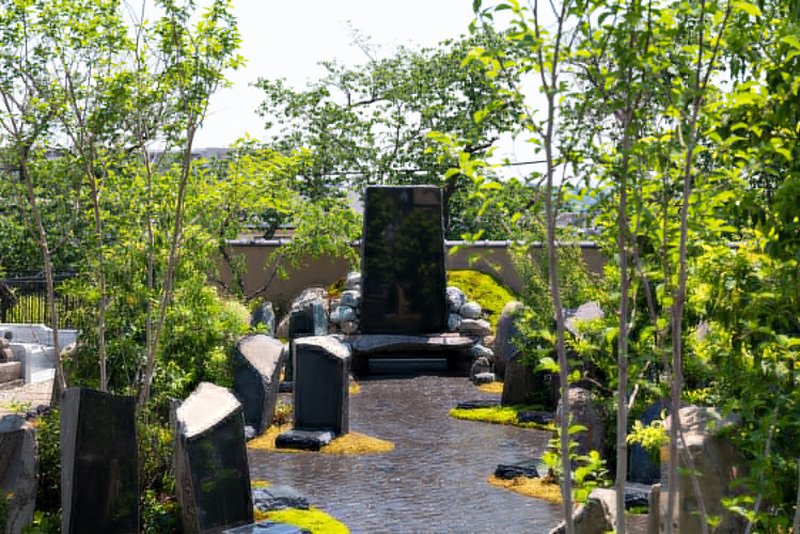
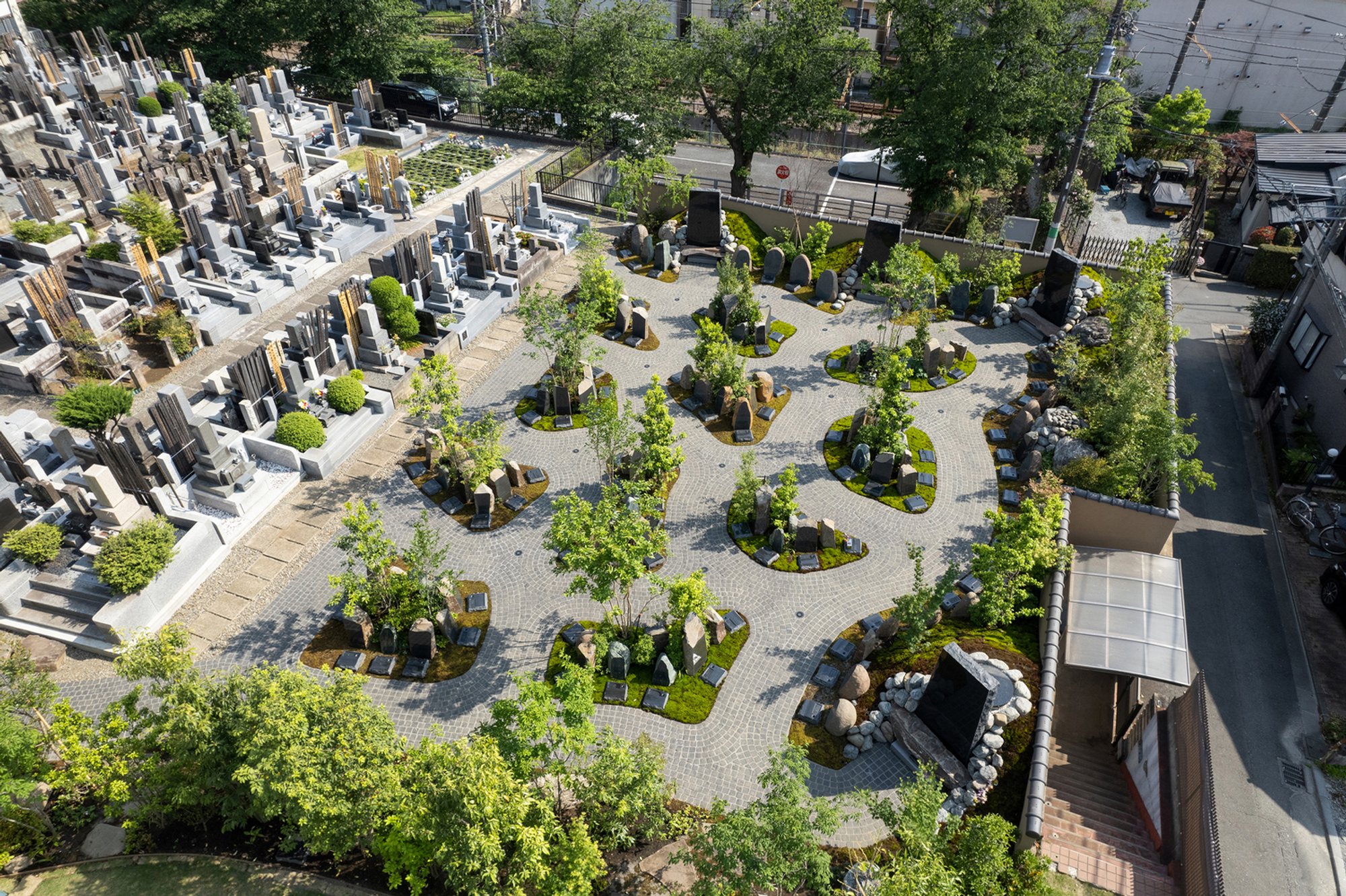
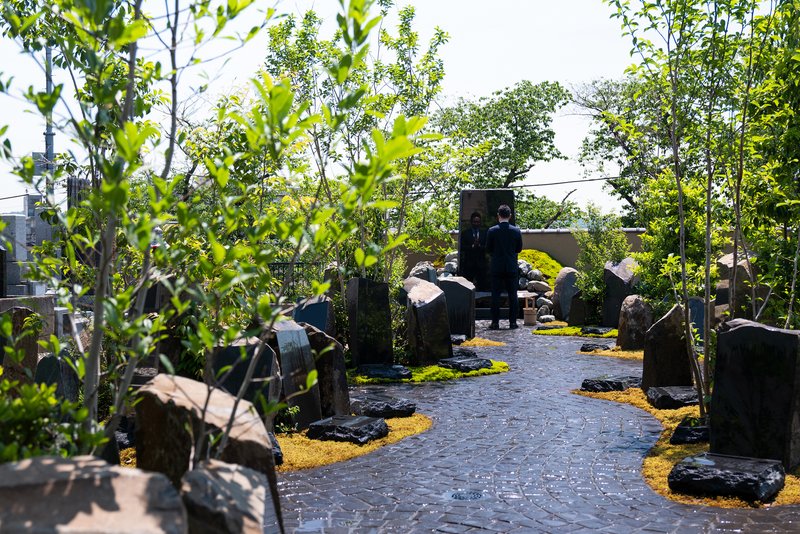
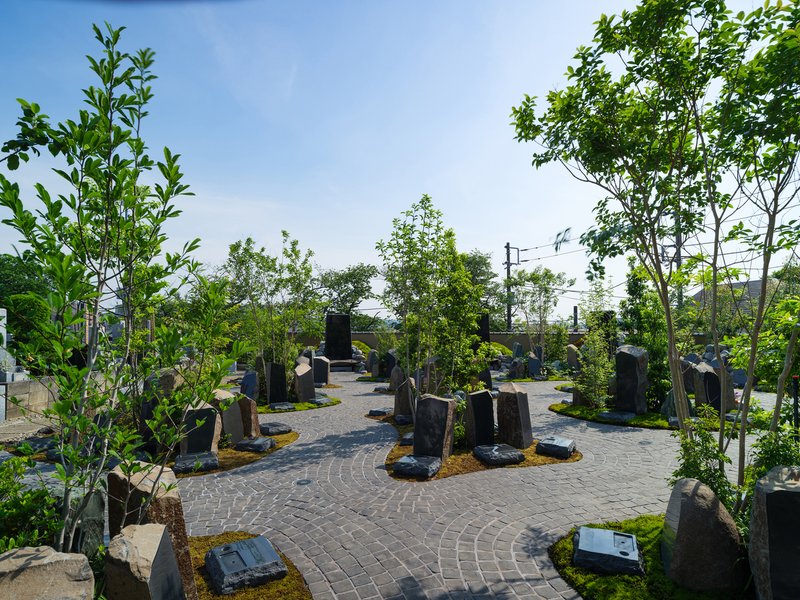
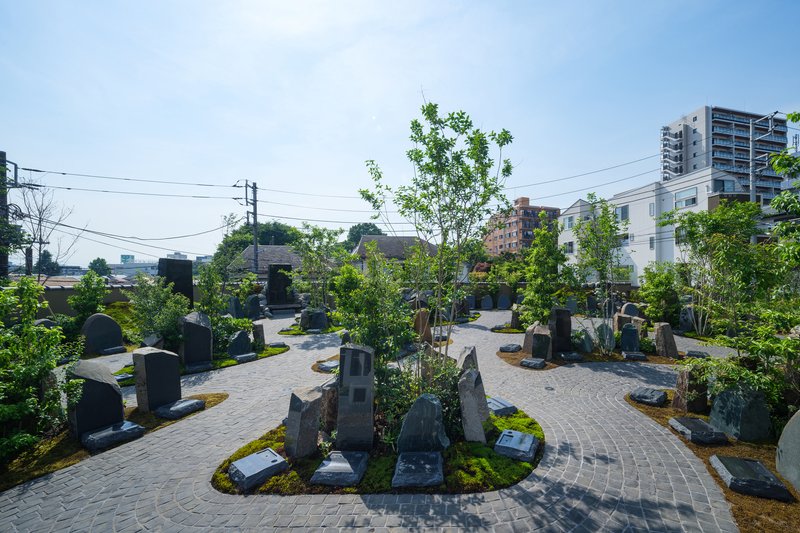
At the heart of the cemetery is the “Yoyo-no-Niwa,” a circular Japanese memorial garden that seamlessly blends graves into a landscape of moss-covered mounds and tranquil pathways. Drawing inspiration from the Karesansui dry landscape tradition, the garden is an architectural metaphor for the cycle of life, integrating memory and renewal.
The garden operates on a unique burial system: individual remains can be transferred to a joint grave on the 33rd anniversary of death—a symbolic passing of generations. This approach reflects Buddhist memorial customs and offers an elegant solution for families without heirs, ensuring a perpetual resting place while preserving cultural continuity.
Natural Integration of Architecture and Landscape
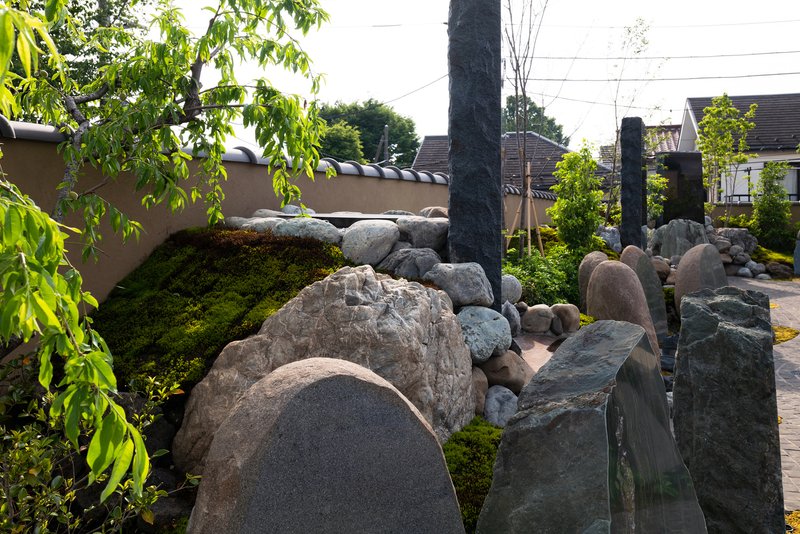
The design of the cemetery is based on the Japanese concept of shakkei, or borrowed scenery, where nature is both a backdrop and a participant in the experience. The graves are subtly inserted into the landscape:
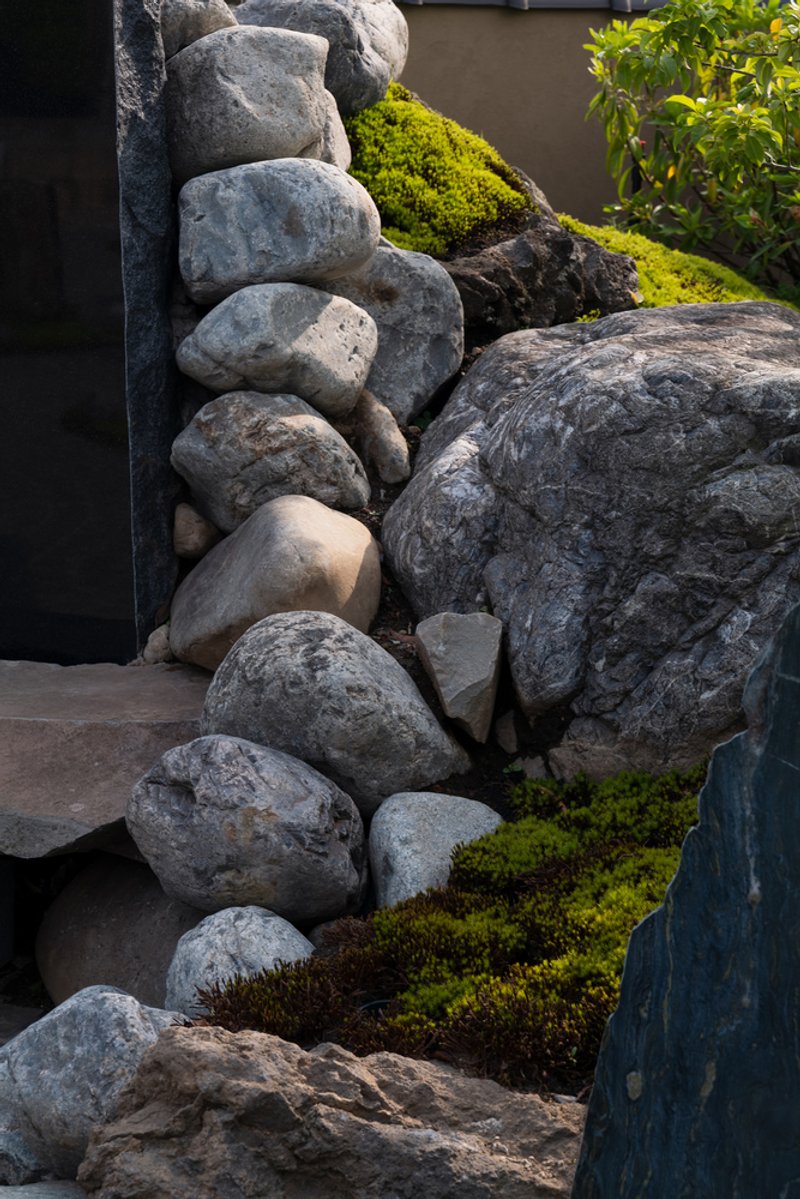
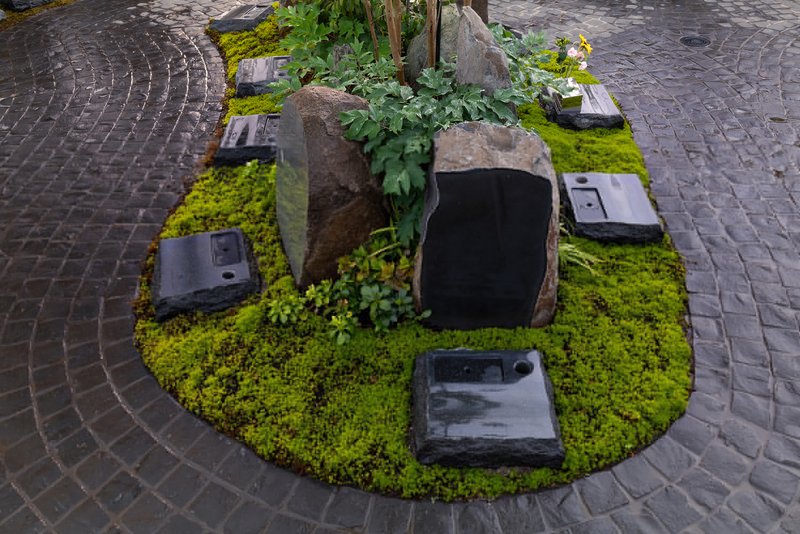
- The Hill of Moss hosts four graves that evoke mountainous terrain.
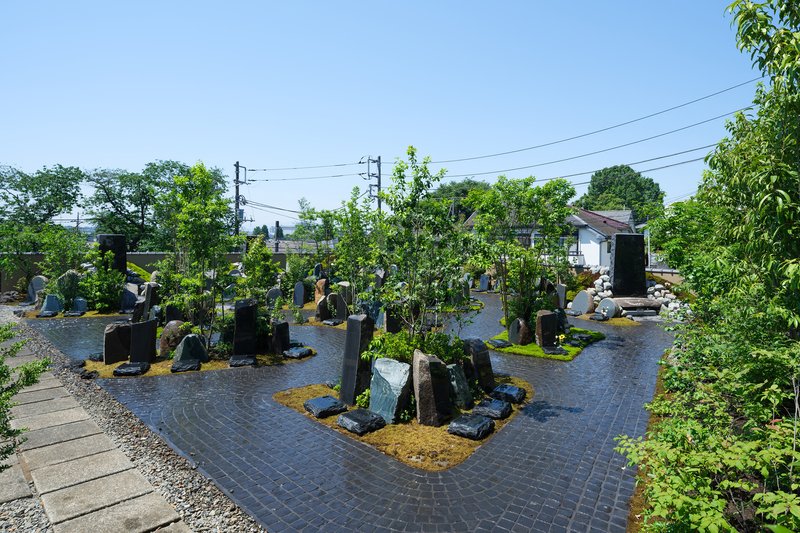
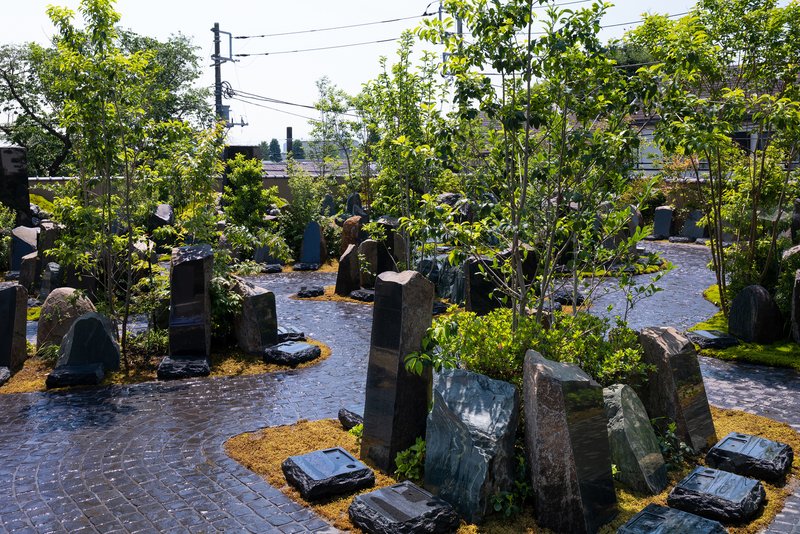
- The Plain of Moss, representing foothills, contains 116 individual grave plots arranged like natural formations.
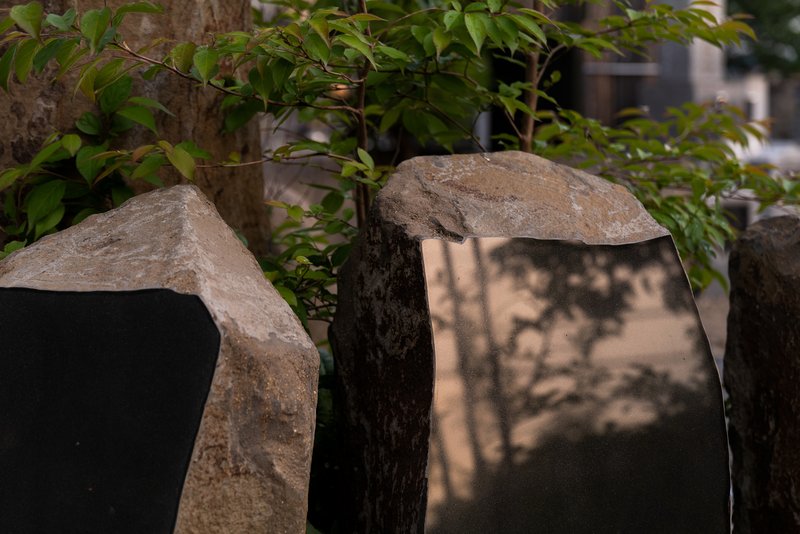
All grave markers, incense holders, and headstones are crafted from natural stone, minimally processed to enhance individuality while integrating seamlessly into the garden’s layout. This deliberate choice creates a delicate balance between personal identity and collective harmony—a poetic coexistence of self and environment.
An Organic Form Born from Algorithmic Logic
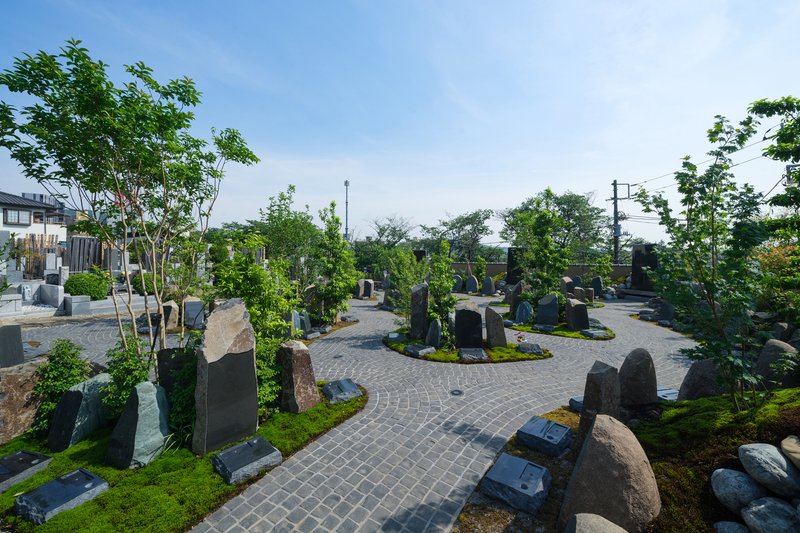
Despite its serene appearance, the layout of the garden is underpinned by mathematical precision. The circular plan, meandering paths, and non-repeating plot arrangements are derived through algorithmic design principles. Paths are spaced at 1.2 meters—wide enough for two people to walk side by side—branching in natural patterns to connect various zones within the cemetery.
This organic geometry allows for a dynamic and contemplative walking experience, encouraging visitors to engage with the spiritual landscape as they would a traditional Japanese stroll garden. The rippling effect of the Karesansui sand patterns radiates from each Plain of Moss, creating a continuous visual dialogue between stone, plant, and path.
Sacred Permanence in a Changing Society
While social norms evolve, the fundamental need for sacred, dignified spaces remains unchanged. Kezouin Cemetery addresses this with a sense of timelessness. Each natural stone grave marker anchors the memory of the deceased, while the interplay between individual and collective graves affirms the permanence of life’s cycle.
The garden becomes a place where the living and the departed coexist—where memory is nurtured through ritual, space, and nature. In this way, the cemetery transcends its function and becomes a sanctuary of return, a quiet reaffirmation of humanity’s place within the natural world.
Project Details
- Project Name: Kezouin Fuchu-shi Cemetery
- Architects: Love Architecture
- Location: Fuchu, Tokyo, Japan
- Year Completed: 2023
- Photography: Masao Nishikawa
- Landscape Type: Japanese Cemetery Garden
- Design Features: Circular garden, moss hills, natural stone grave markers, Karesansui patterns, algorithmic layout