Kyoto Machiya Renovation: A Fusion of Traditional Craftsmanship and Modern Design at Hotel Nazuna Kyoto Higashihonganji
This article explores the renovation of Hotel Nazuna Kyoto Higashihonganji, blending traditional Kyoto machiya architecture with modern luxury design.


Revitalizing Kyoto's Heritage
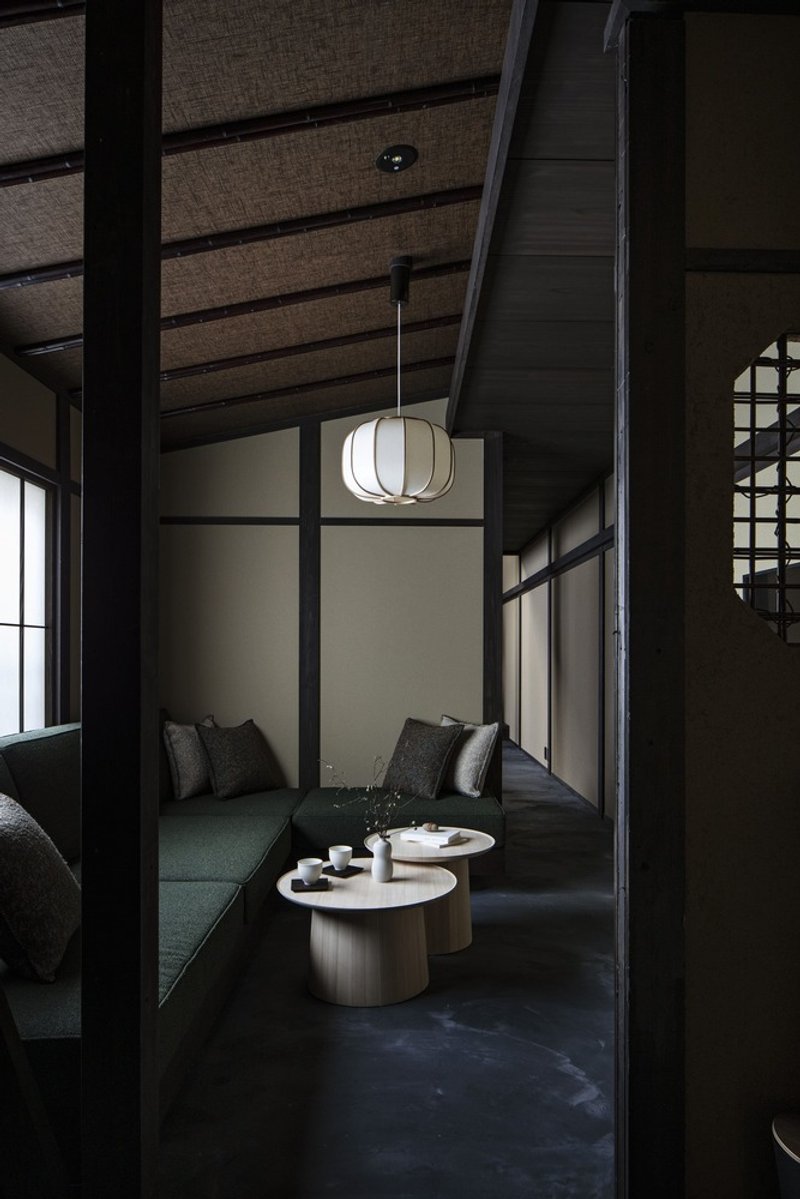
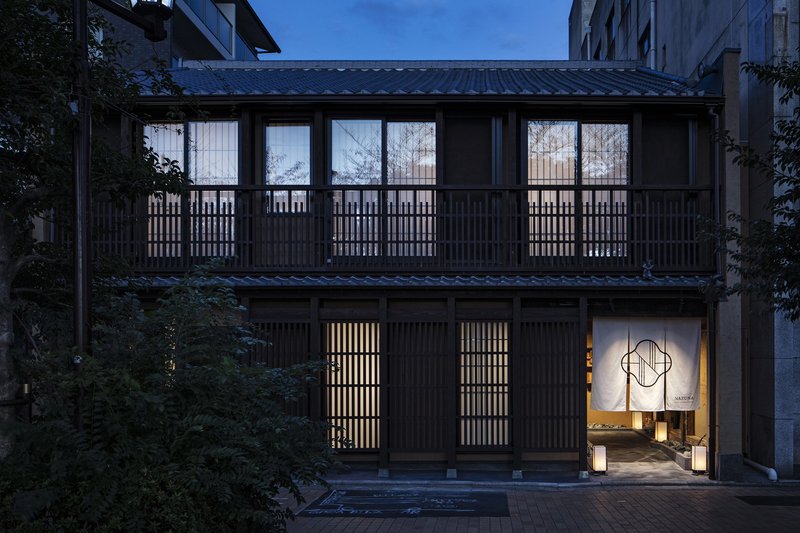
The Hotel Nazuna Kyoto Higashihonganji is a remarkable example of Kyoto Machiya renovation, seamlessly blending centuries-old craftsmanship with contemporary design elements. Located on the main street in front of the Mikage-do Gate of Higashi Honganji Temple, this historic townhouse, or "machiya," has been meticulously renovated to preserve its heritage while offering a luxurious, modern guest experience. The project showcases how preserving the architectural charm of Kyoto’s traditional buildings can harmoniously coexist with innovative design strategies.
A Journey Through Time: The Machiya’s Evolution
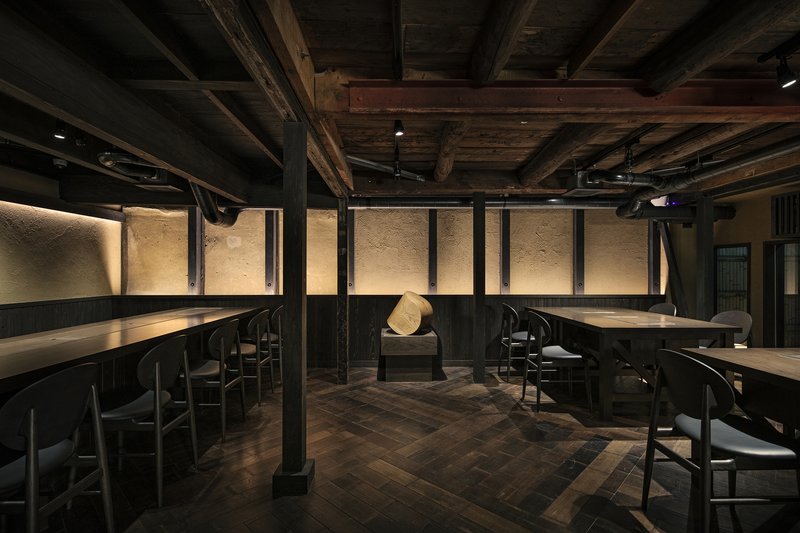
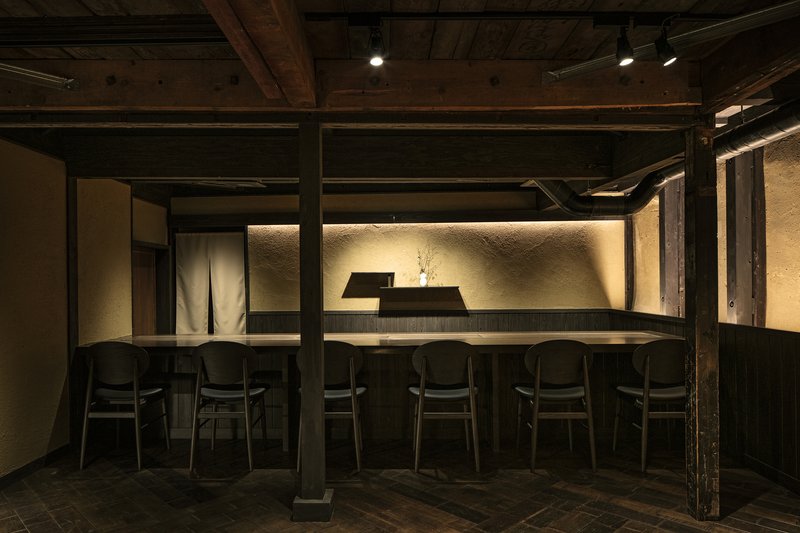
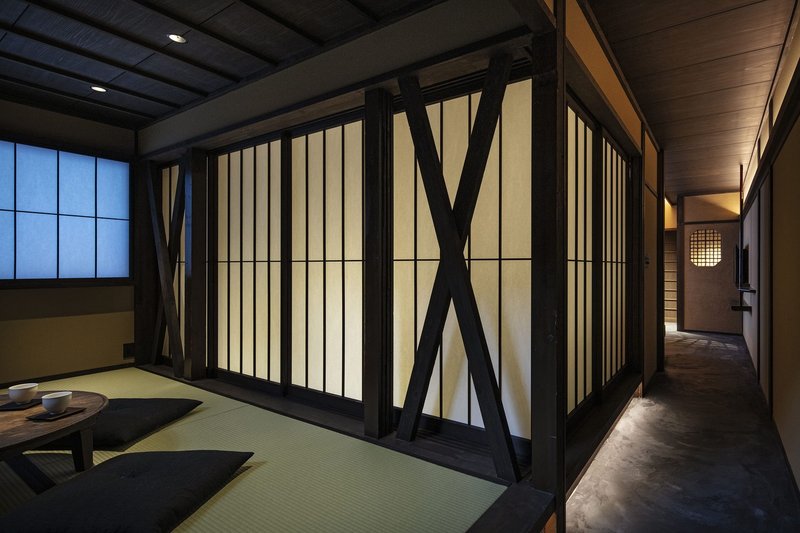
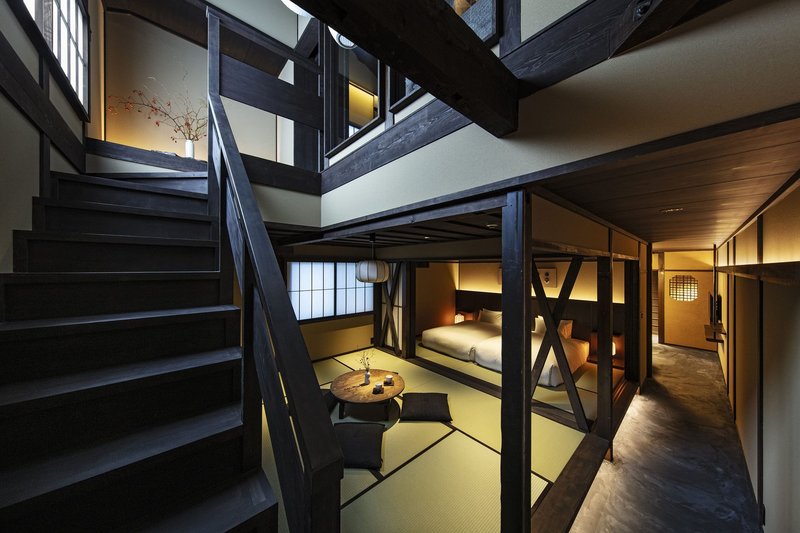
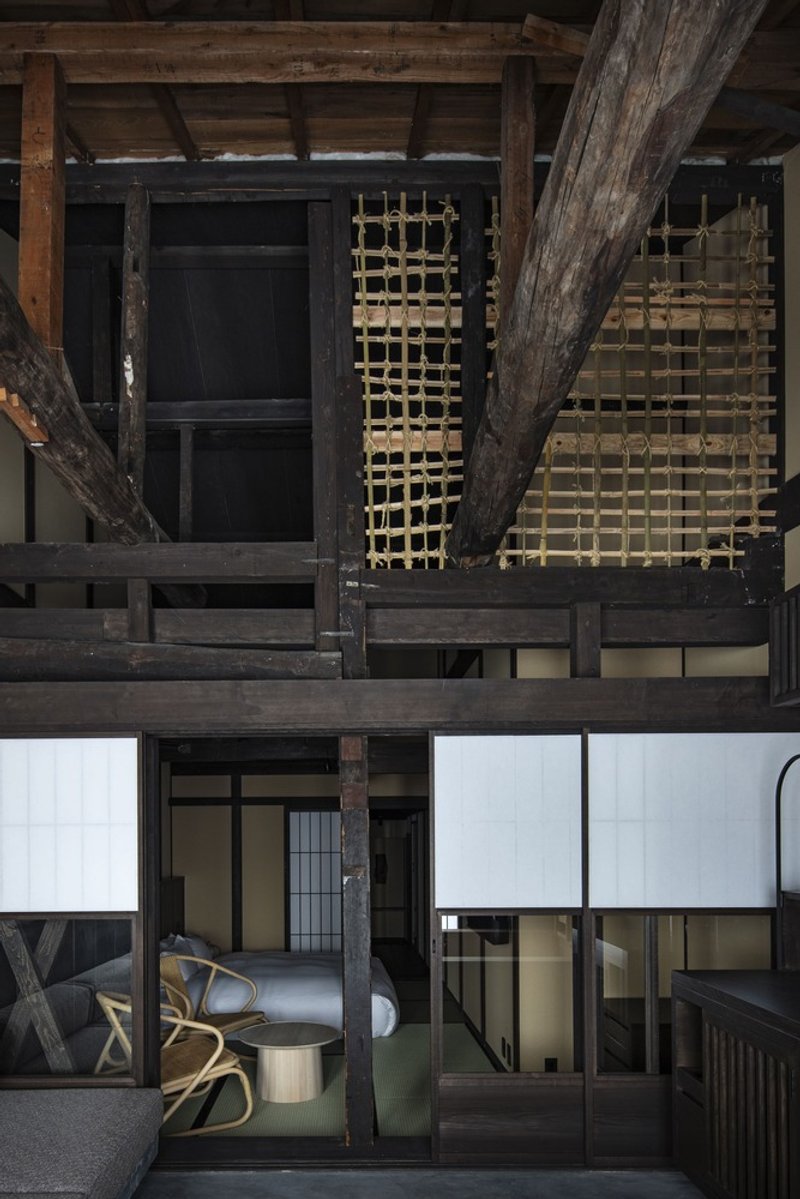
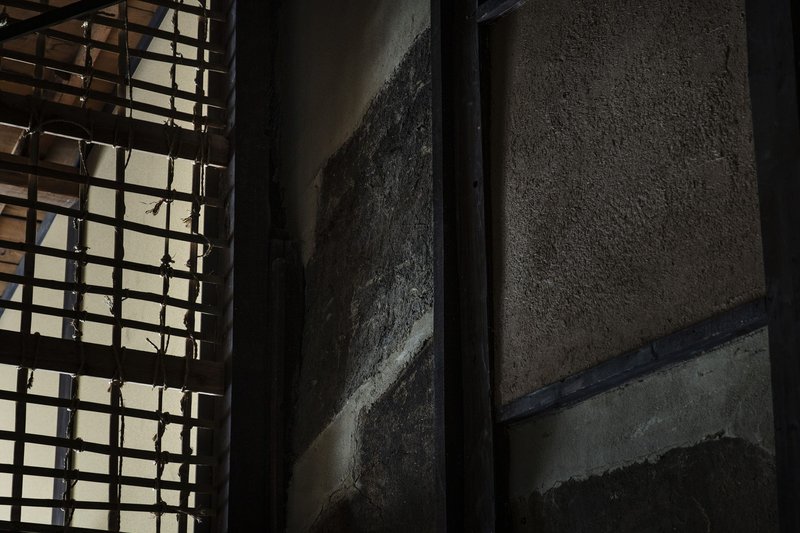
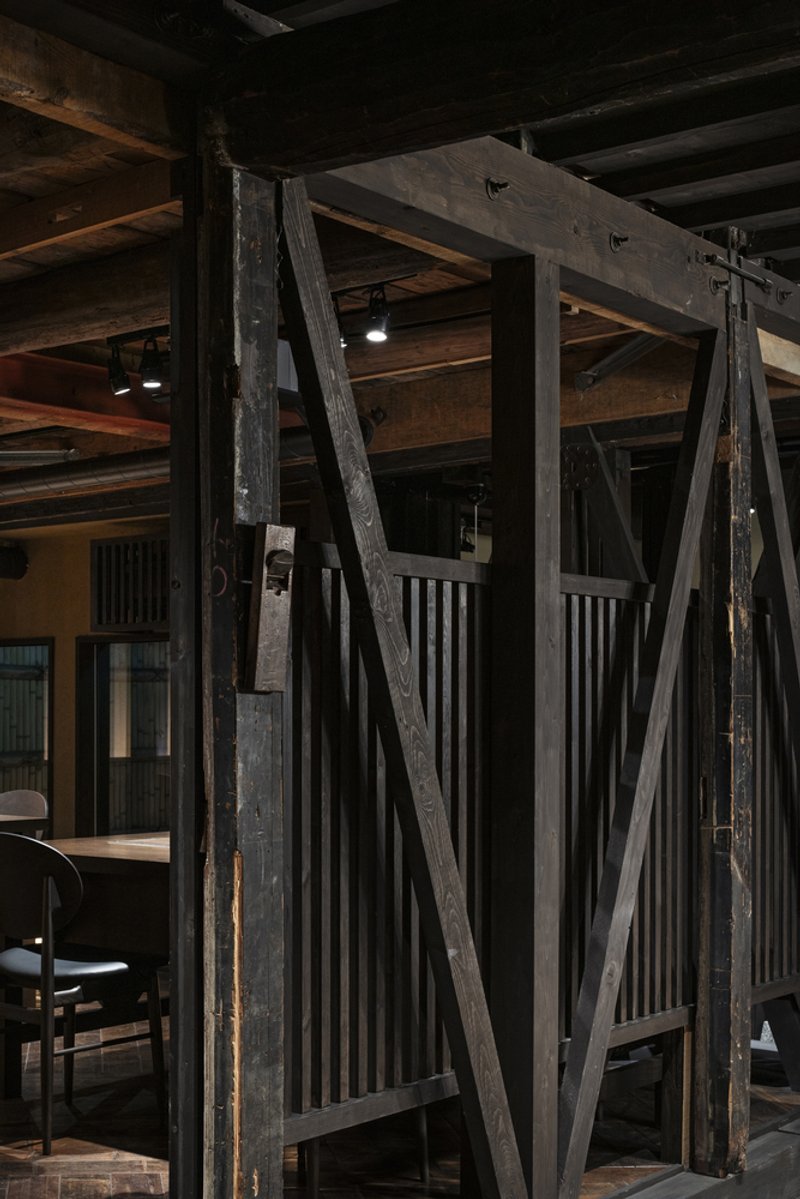
The renovation of the Hotel Nazuna Kyoto Higashihonganji began with the careful dismantling of the original building, which had been subjected to several renovations over the years. The structure of the machiya, with its historical scars, revealed the natural aging of wood, subtle shifts in construction, and the marks of previous interventions. The architects, Jun Kameda and Hirona Sasaki of STUDIO ALUC, took this history into consideration, aiming to fortify the structure while preserving the character of the building. They used reinforcements to address any weaknesses while maintaining as much of the original wooden framework and finishings as possible.
Preserving the Beauty of the Past: Architectural Highlights
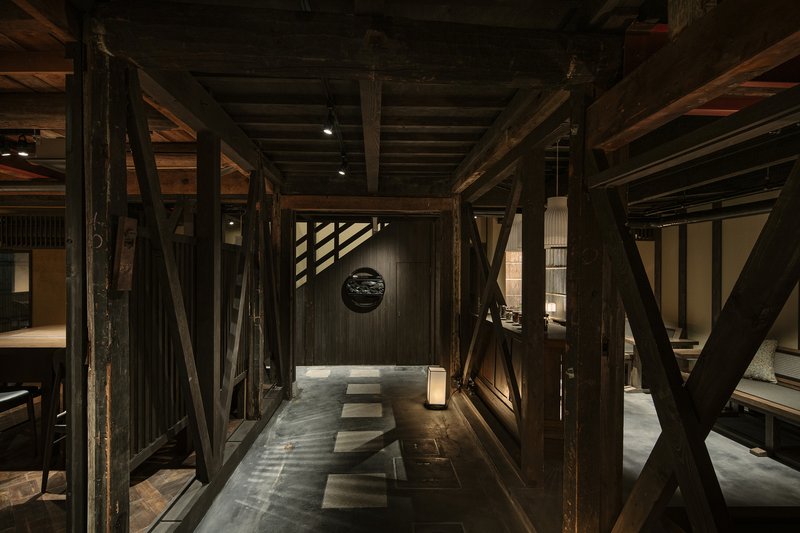
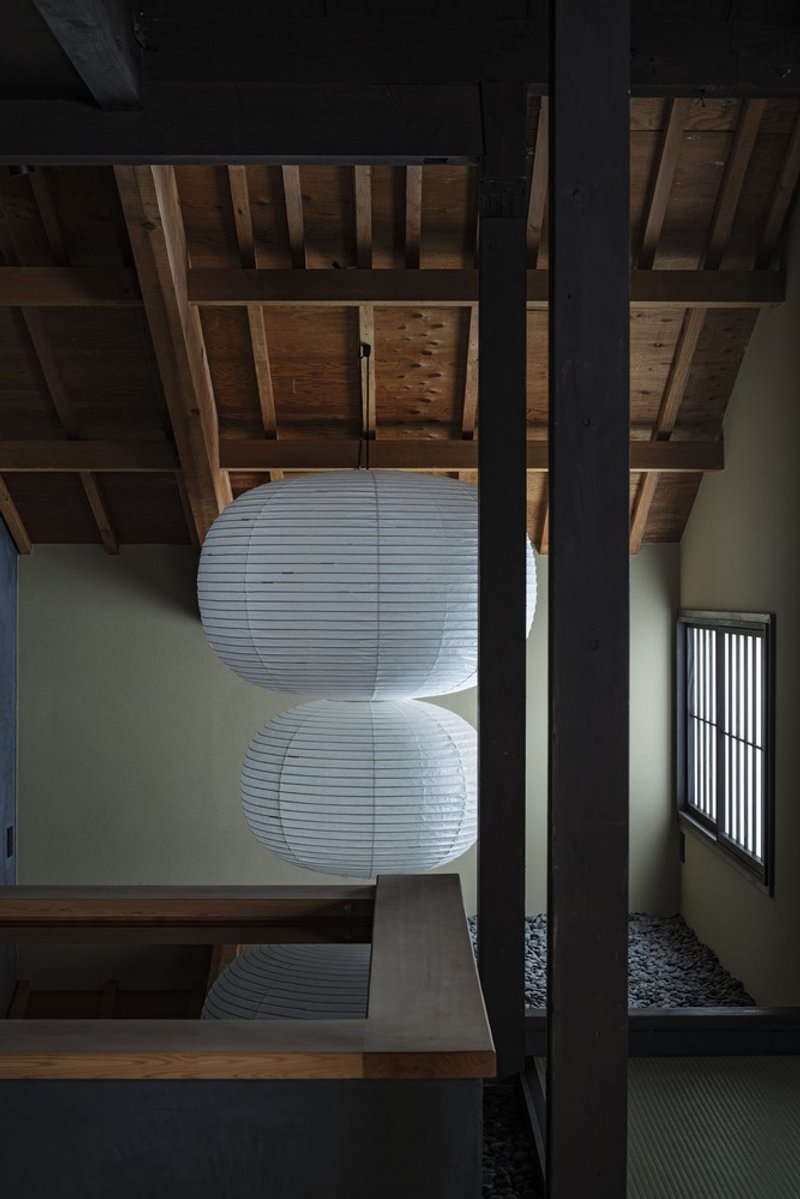
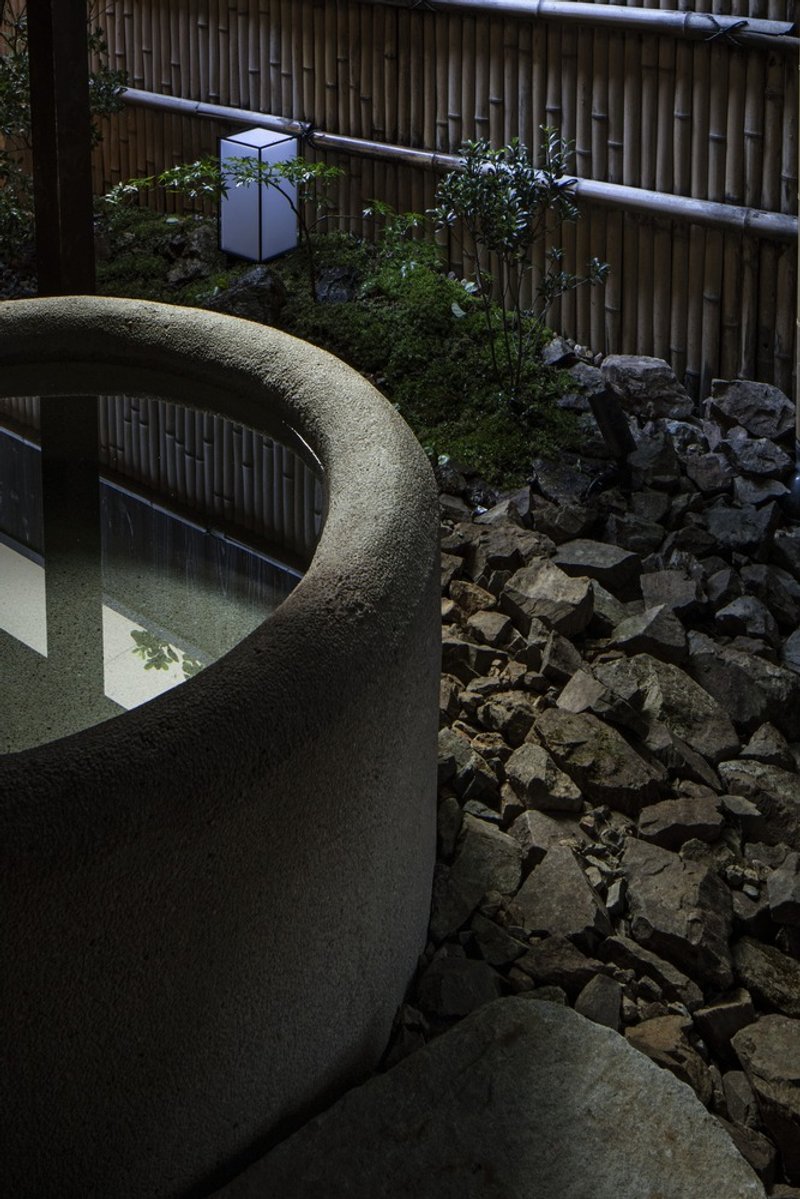
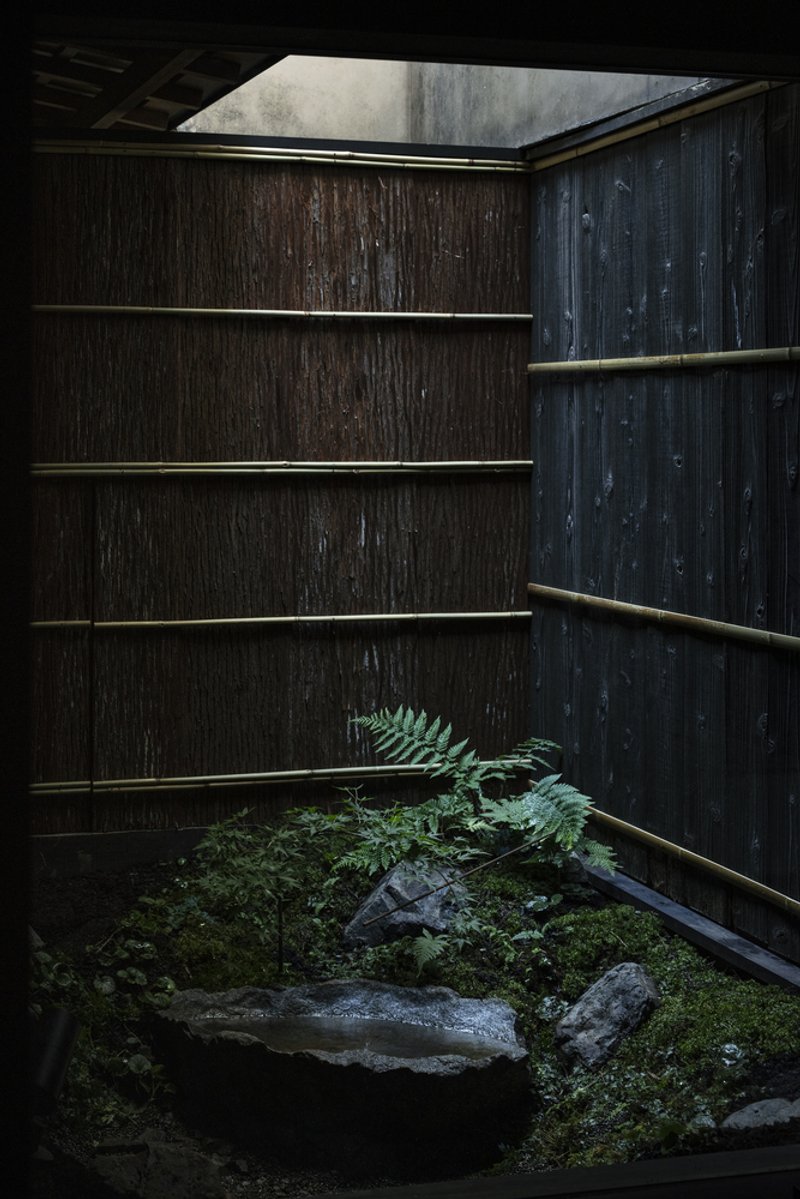
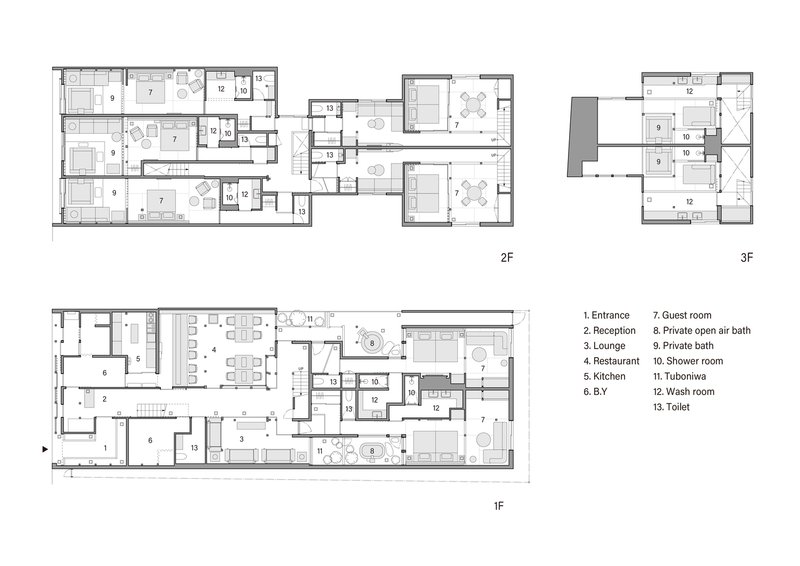
The renovation preserved several integral elements of the machiya’s original design. Notably, the west wing retained its earthen floor (doma), an iconic feature of traditional Kyoto architecture. This area now connects to two small courtyard gardens, or tsuboniwa, which were designed to infuse natural light into the space. The courtyards are a serene haven, bringing nature into the interiors, despite the challenges posed by traditional machiya lighting techniques. Additionally, the steep, narrow stairs typical of machiya design were retained, offering visitors an authentic experience of the space.
Contemporary Amenities with a Nod to Tradition
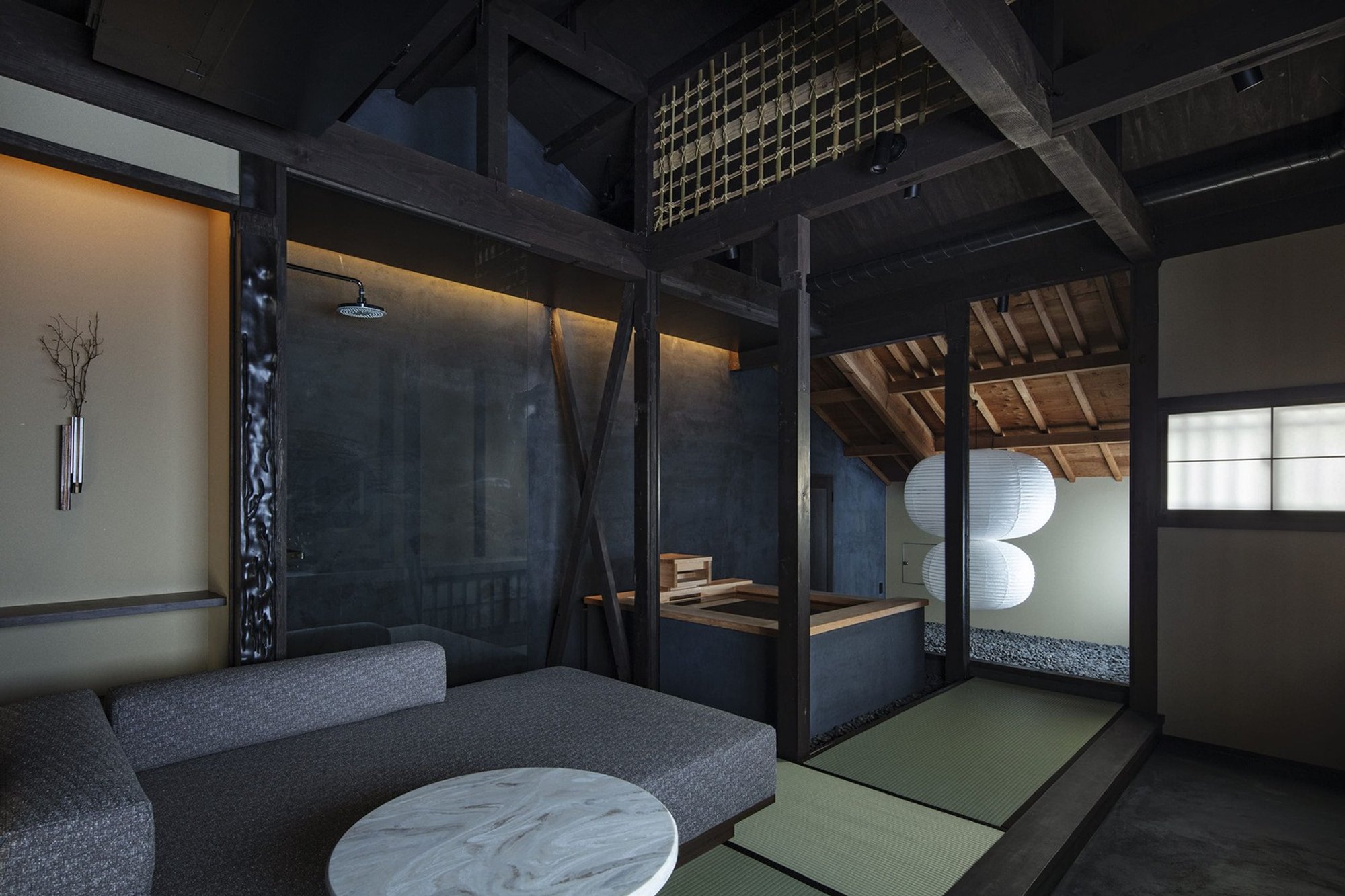
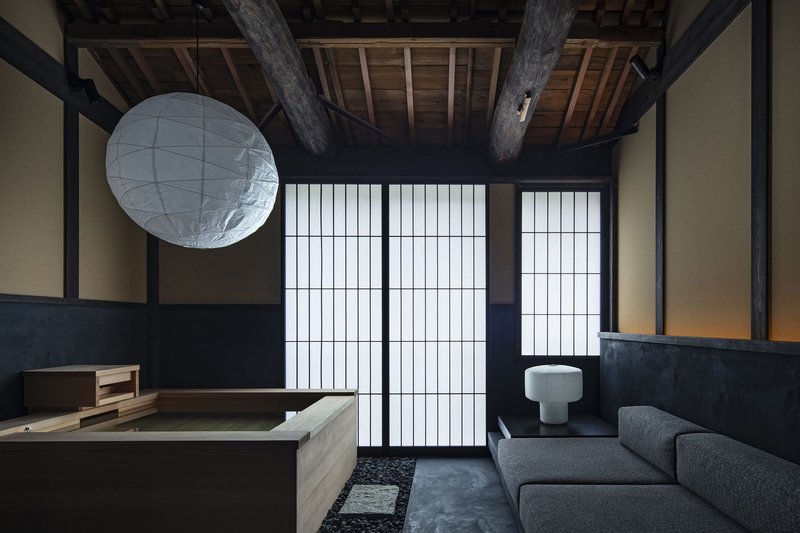
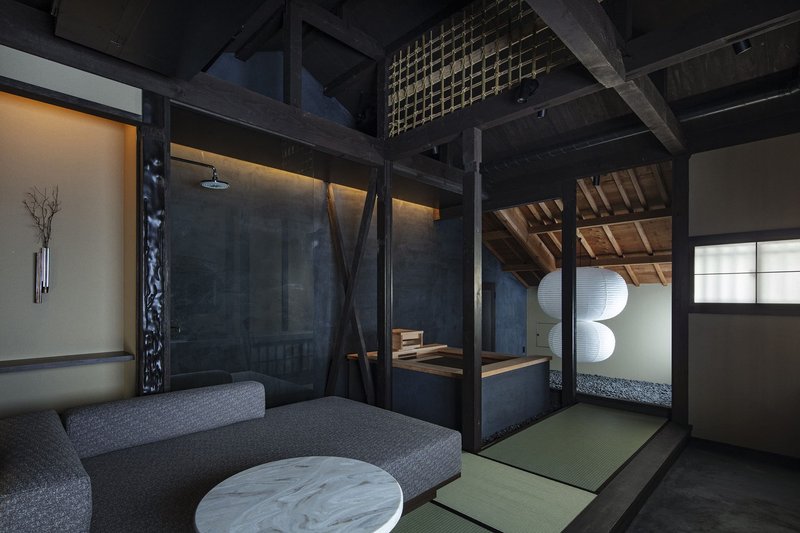
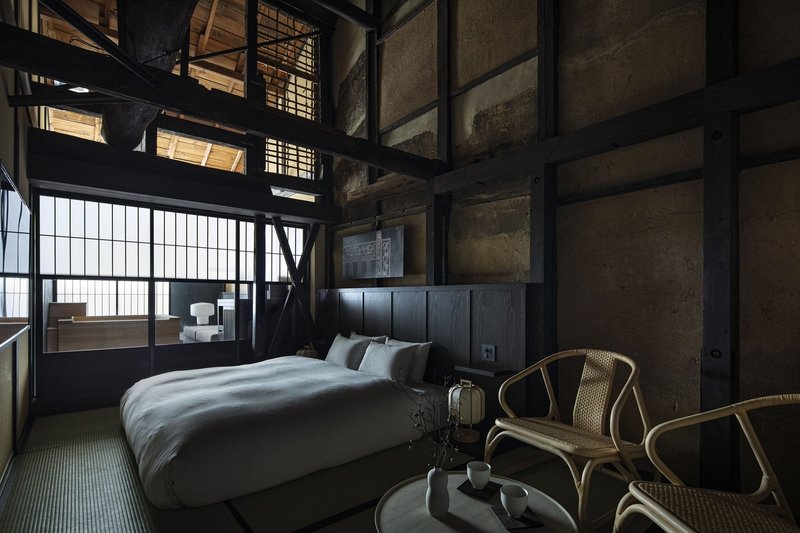
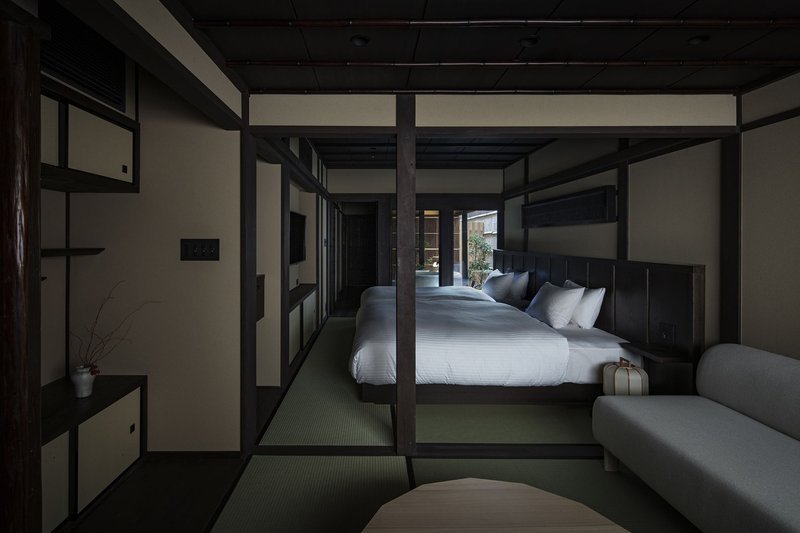
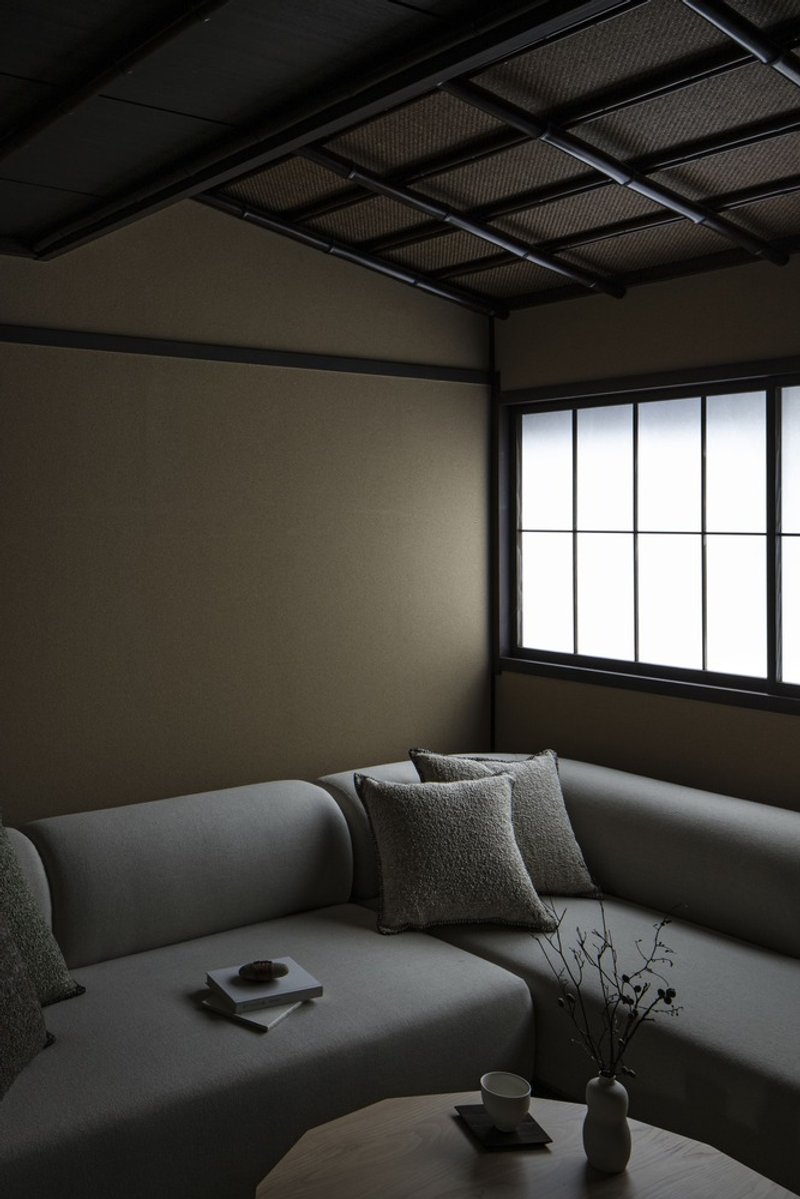
While the machiya's original features were honored, modern amenities were carefully integrated to enhance guest comfort. The second-floor rooms in the west wing offer stunning views of Higashi Honganji Temple framed by cherry blossoms. These rooms feature luxurious hinoki cypress baths, offering visitors a tranquil space to relax while soaking in the historic views. The attic area above the bath still showcases the exposed roof beams and earthen walls, giving guests a glimpse of the craftsmanship of the original structure.
Connecting with Nature: Private Courtyards and Open-Air Baths
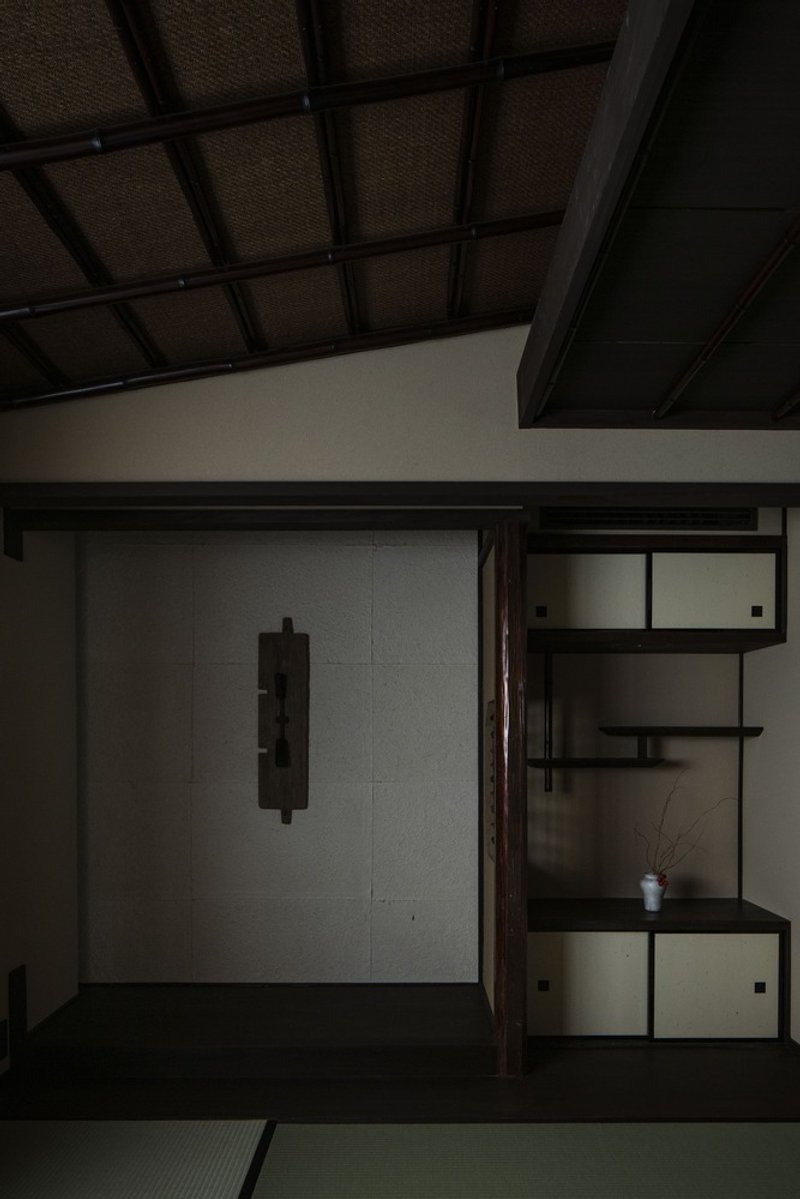
One of the standout features of the renovation is the connection between the indoor and outdoor spaces. The two rooms on the first floor of the east wing feature alcoves, or tokonoma, made from reclaimed materials. These alcoves, adorned with art inspired by traditional carpentry, create a space of tranquility and reflection. The open-air baths, positioned next to the beds, blend seamlessly with the courtyards, offering guests privacy and a deep connection to nature. This design element is particularly significant, as it evokes the ancient practice of immersing oneself in natural beauty while resting.
A Bridge Between the Past and Future
With great respect for Kyoto's rich cultural heritage, the renovation of Hotel Nazuna Kyoto Higashihonganji is more than just a restoration. It is a celebration of Kyoto’s architectural past, now combined with the comforts and sensibilities of modern living. This unique blend allows visitors to experience traditional Japanese craftsmanship while enjoying contemporary luxury. The project not only highlights the importance of preserving historical buildings but also demonstrates how thoughtful design can revitalize a space for future generations.
Kyoto's Cultural Legacy in a Modern World
Hotel Nazuna Kyoto Higashihonganji is an example of the harmonious coexistence of history and modernity. This Kyoto Machiya renovation brings together Kyoto's cultural legacy with innovative architectural design, creating a tranquil and luxurious retreat for visitors. By respecting the past and looking toward the future, this project serves as a bridge, ensuring that Kyoto's rich history is preserved while offering a space for reflection and rejuvenation.
All Photographs are works of Kenta Hasegawa