
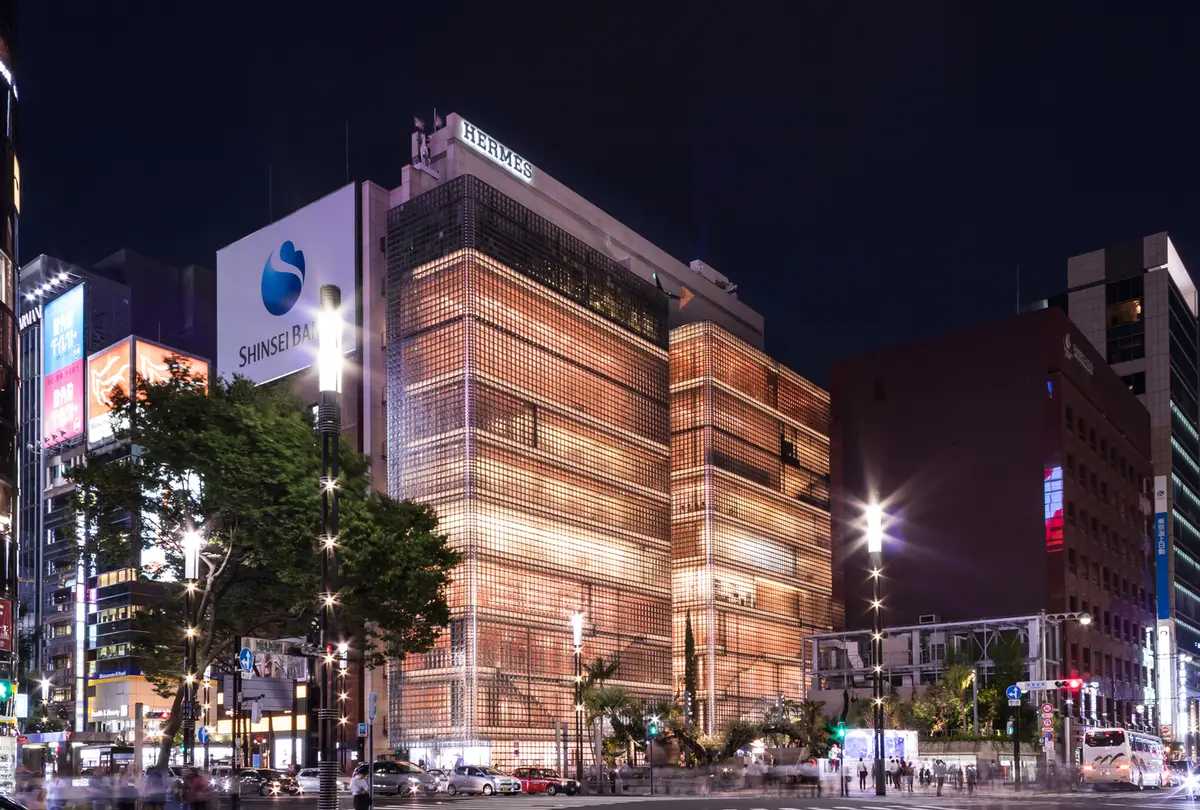
Maison Hermès Tokyo: A Masterpiece by Renzo Piano Building Workshop
Maison Hermès in Tokyo, designed by Renzo Piano, is a luminous glass landmark blending luxury, sustainability, and architectural innovation seamlessly.


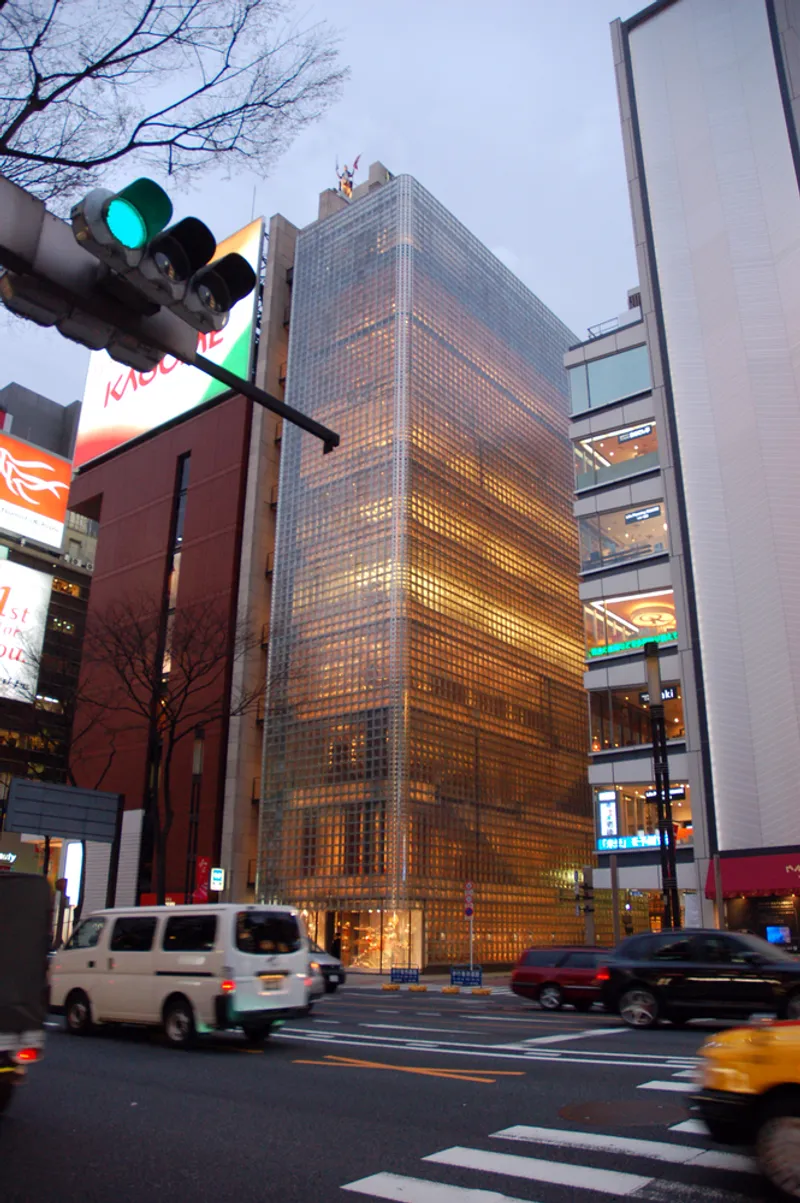
In the heart of Tokyo’s vibrant Ginza district, where luxury retail architecture meets modern urban design, Maison Hermès stands as a striking example of contemporary craftsmanship and architectural innovation. Designed by the renowned Renzo Piano Building Workshop and completed in 2001, this 15-story glass-clad landmark serves as the Japanese headquarters of Hermès, the iconic French luxury brand known for its impeccable craftsmanship and timeless elegance.
Blending Tradition with Innovation
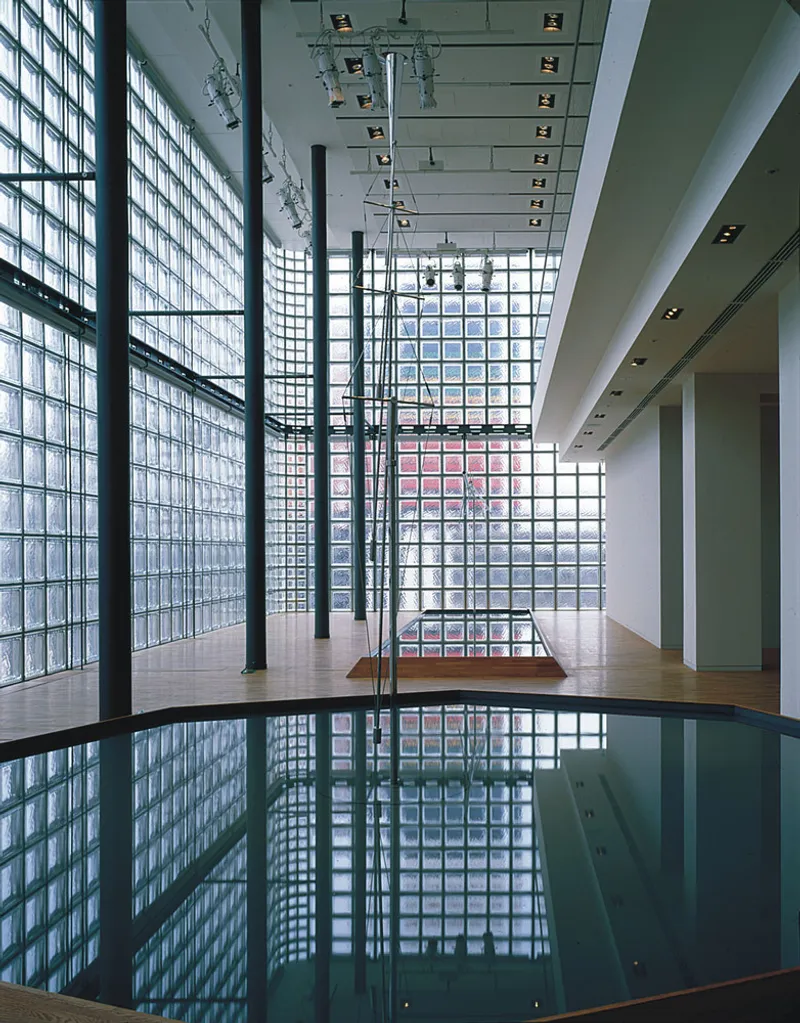
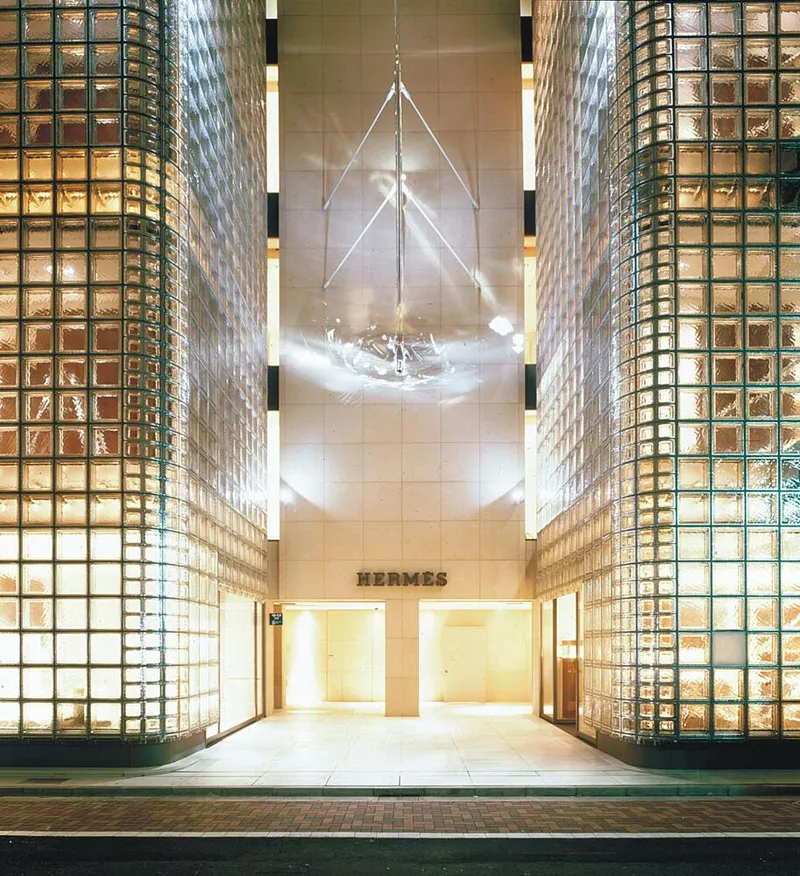
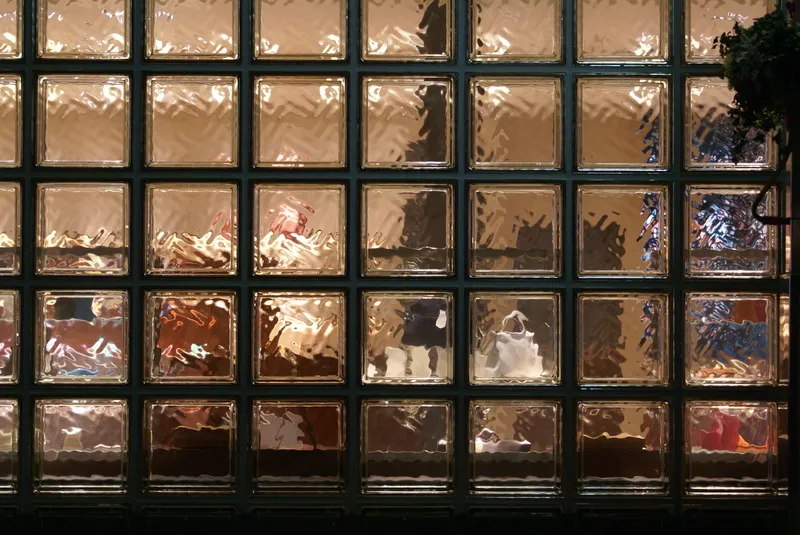
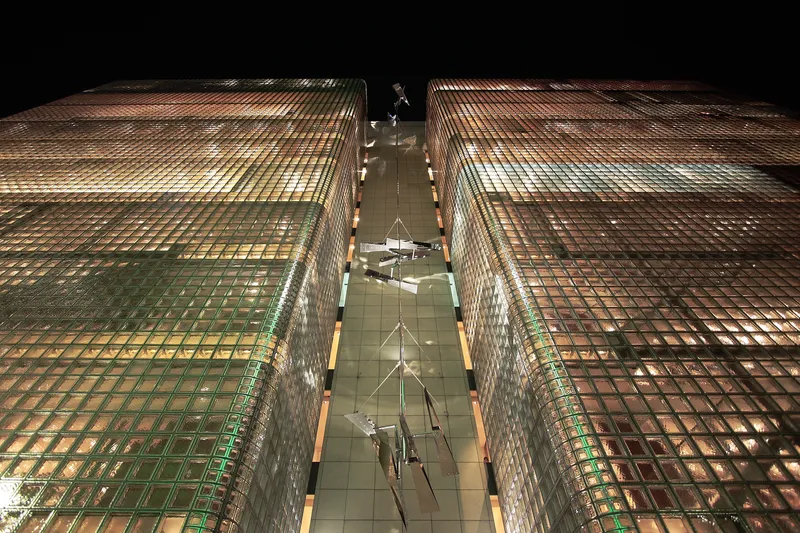
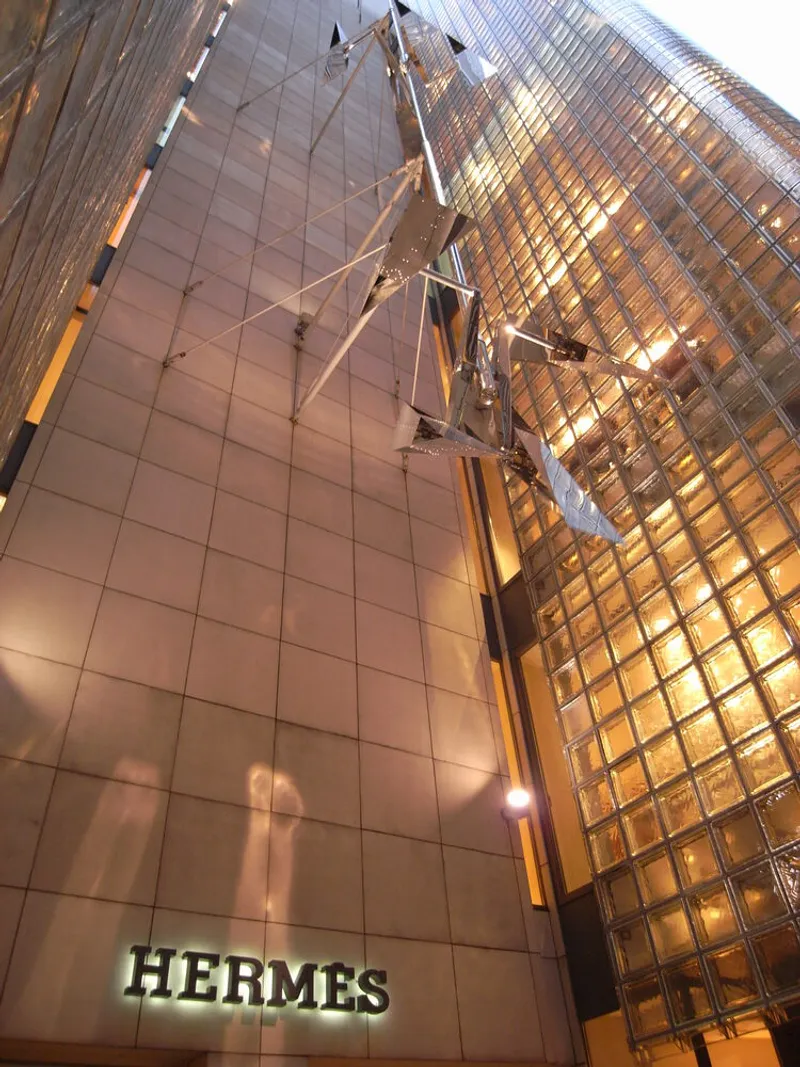
Maison Hermès is more than a flagship store; it is a symbol of architectural storytelling, where light, materiality, and cultural heritage merge seamlessly. Situated on a compact 11-meter-wide and 56-meter-deep plot, the slender vertical composition of the building responds to Tokyo’s dense urban fabric. Inspired by the Japanese tradition of paper lanterns, its iconic glass façade, composed of over 13,000 custom glass blocks, glows day and night, reflecting the vibrant cityscape while maintaining an intimate, warm ambiance.
A Luminous Glass Façade: Architectural Brilliance
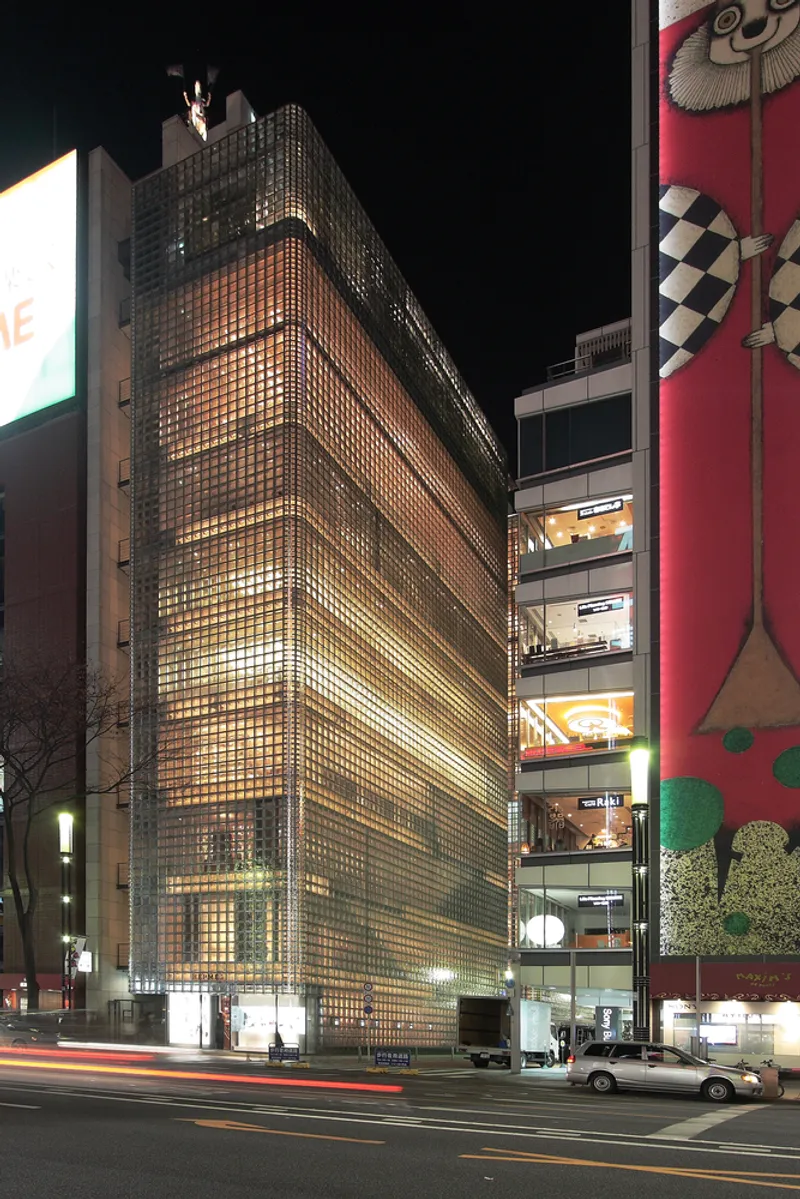
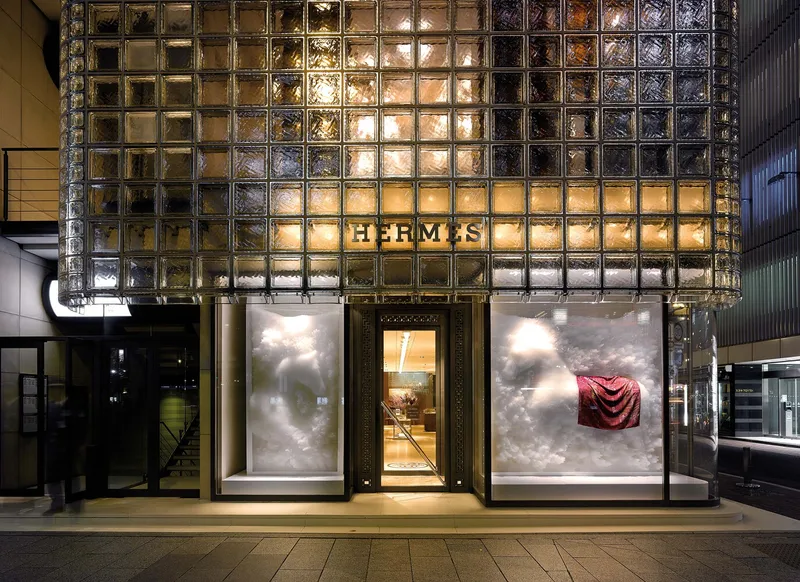
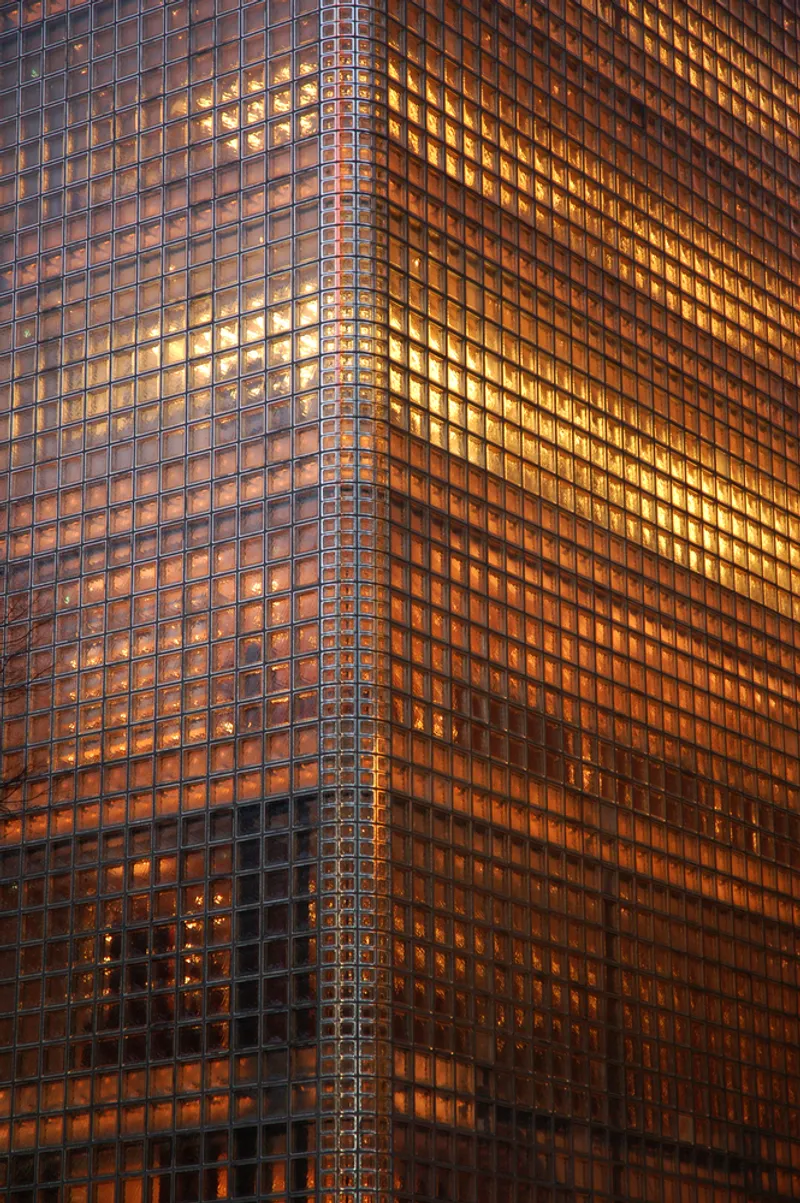
The defining feature of Maison Hermès is its translucent glass block façade, meticulously crafted by Vetroarredo in Florence, Italy. Each 450 mm square glass block is significantly larger than conventional glass bricks and features a textured finish, allowing natural light diffusion while maintaining privacy and opacity. This design choice enhances the ethereal glow of the structure, creating an ever-changing interplay between transparency and reflection.
- By day, the façade captures and refracts sunlight, mirroring the dynamism of Ginza.
- By night, it transforms into a radiant beacon, echoing the traditional Japanese and Parisian design ethos.
The curved glass corners of the building soften its rectilinear form, blending with the urban surroundings while revealing a subtle interplay between interior and exterior spaces. The glass blocks, suspended using a flexible silicone-sealed steel support system, allow the façade to move slightly—an essential feature in a city prone to earthquakes, enhancing both seismic resilience and aesthetic integrity.
Functionality Meets Artistry: Interior Design and Spatial Planning
Spanning 6,000 square meters across 15 floors (including three subterranean levels), Maison Hermès seamlessly integrates retail, office, exhibition, and cultural spaces into a cohesive architectural composition:
- Ground to 4th Floor – The flagship Hermès boutique, where customers immerse themselves in an elevated luxury retail experience.
- 5th to 6th Floor – Corporate offices and design ateliers, fostering creativity and collaboration.
- 7th Floor – A double-height exhibition gallery, showcasing Hermès' artistic heritage and contemporary expressions.
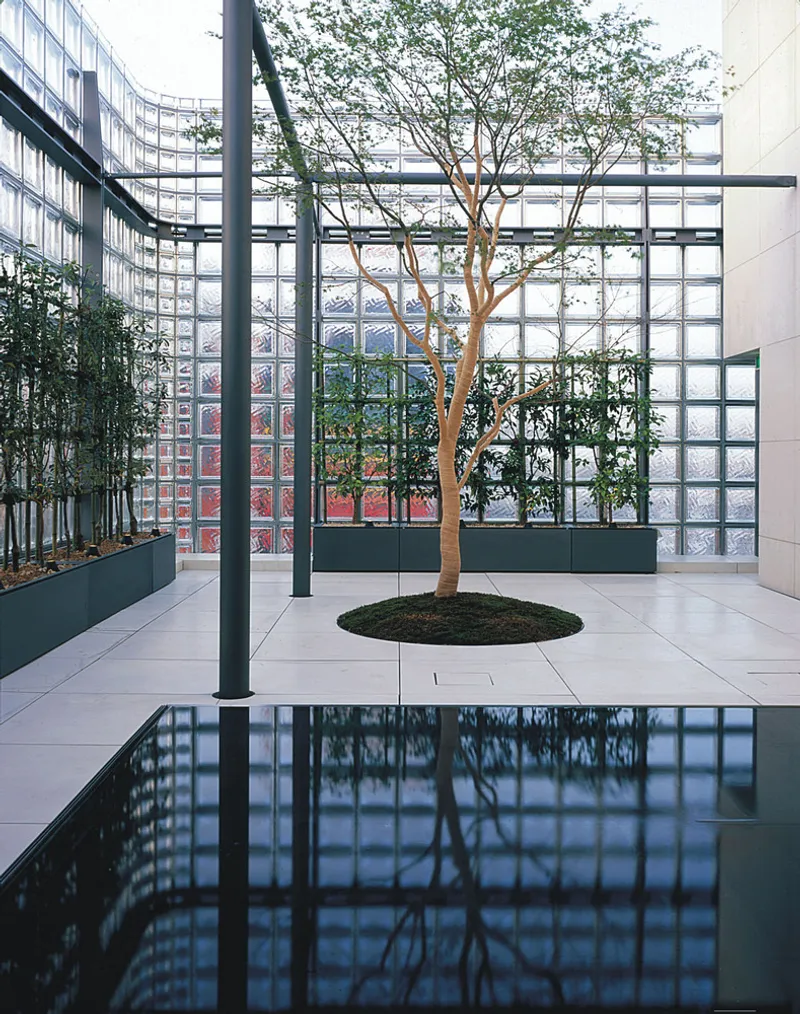
- Rooftop Courtyard – A French-style garden, enclosed by glass, offering a serene retreat amidst the urban density of Tokyo.
Inside, the interiors reflect Hermès’ craftsmanship ethos, with bespoke finishes, handcrafted elements, and design contributions by Rena Dumas Architecture Intérieure. The interplay of natural light, warm materials, and delicate detailing ensures that the brand’s legacy is not only represented but felt throughout the space.
Sustainability and Structural Innovation
Beyond aesthetics, Maison Hermès is an architectural feat in sustainable design. The glass façade serves as a thermal buffer, reducing heat gain while optimizing natural daylighting. This passive design strategy minimizes energy consumption, aligning with contemporary sustainable architecture principles.
Moreover, the flexible façade system enhances seismic durability, ensuring that the building remains structurally sound while preserving its delicate luminosity. This approach underscores Renzo Piano’s mastery in merging technical precision with artistic expression.
A Timeless Landmark in Contemporary Architecture
Over two decades since its completion, Maison Hermès remains one of Tokyo’s most celebrated architectural icons. It stands as a testament to Renzo Piano’s vision, embodying the delicate balance between tradition and modernity, functionality and artistry, identity and innovation.
As the Ginza skyline evolves, Maison Hermès continues to captivate and inspire, proving that architecture is not just about buildings—but about crafting experiences, evoking emotions, and telling stories through space, light, and materiality.


Popular Articles
Popular articles from the community


Conexión: Biophilic Design Reimagines High-Rise Living in Hong Kong
Conexión reimagines high-rise living in Hong Kong through biophilic design, green facades, shared spaces, daylight, water and nature within.

Co-life: Sustainable Architecture for Age-Friendly Community Living
Co-life reimagines sustainable architecture for seniors through courtyards, rammed earth, shared gardens, and spaces designed for belonging.

Little Red Riding Hood: Architectural Design as a Journey Through Fear, Light, and Storytelling
Little Red Riding Hood reimagines the fairy tale through architectural design shaped by fear, light, scale, memory, uncertainty, and choice.

Play: Fragments of Their World
Familiar architecture becomes modular playground design, creating safe spaces where displaced children can learn, connect, imagine and play.

Similar Reads
You might also enjoy these articles


Hodi-Mandai Geram
Project Function: Preservation and revitalization of the Intangible heritage and socio-spatial identity of the Hodi by Housing, Cultural Memory Center, Sacred Grove, landscape, local tourism economy


Olio Towers: A Mid-Rise for Performers That Fuses Housing, Rehearsal, and Stage
Located blocks from Houston's Theater District, this modular tower stacks living units around a central performance atrium.

Oasis: Modular Green Housing Carved into Dhaka's Urban Fabric
A shortlisted Plugin Housing entry reclaims unauthorized settlements in Dhaka with stepped concrete volumes, green roofs, and ventilation-driven design.

Black Hole: A Floating Megastructure for the Post-Physical Era
Emiliano Mazzarotto envisions a spherical, self-scaling arena where e-sports, digital hotels, and holographic stadiums replace traditional public space.

Explore Urban Design Competitions
Discover active competitions in this discipline

Challenge to reimagine the Iron Throne

Photograph architecture without architects

Illustrate the lost glory of Angkor Wat - Render Challenge

Design challenge to reuse E-waste
Comments (0)
Please login or sign up to add comments
No comments yet. Be the first to comment!