Modern Retail Store Design: ADSB Andersson Bell Hyundai Pangyo by Studio Tama
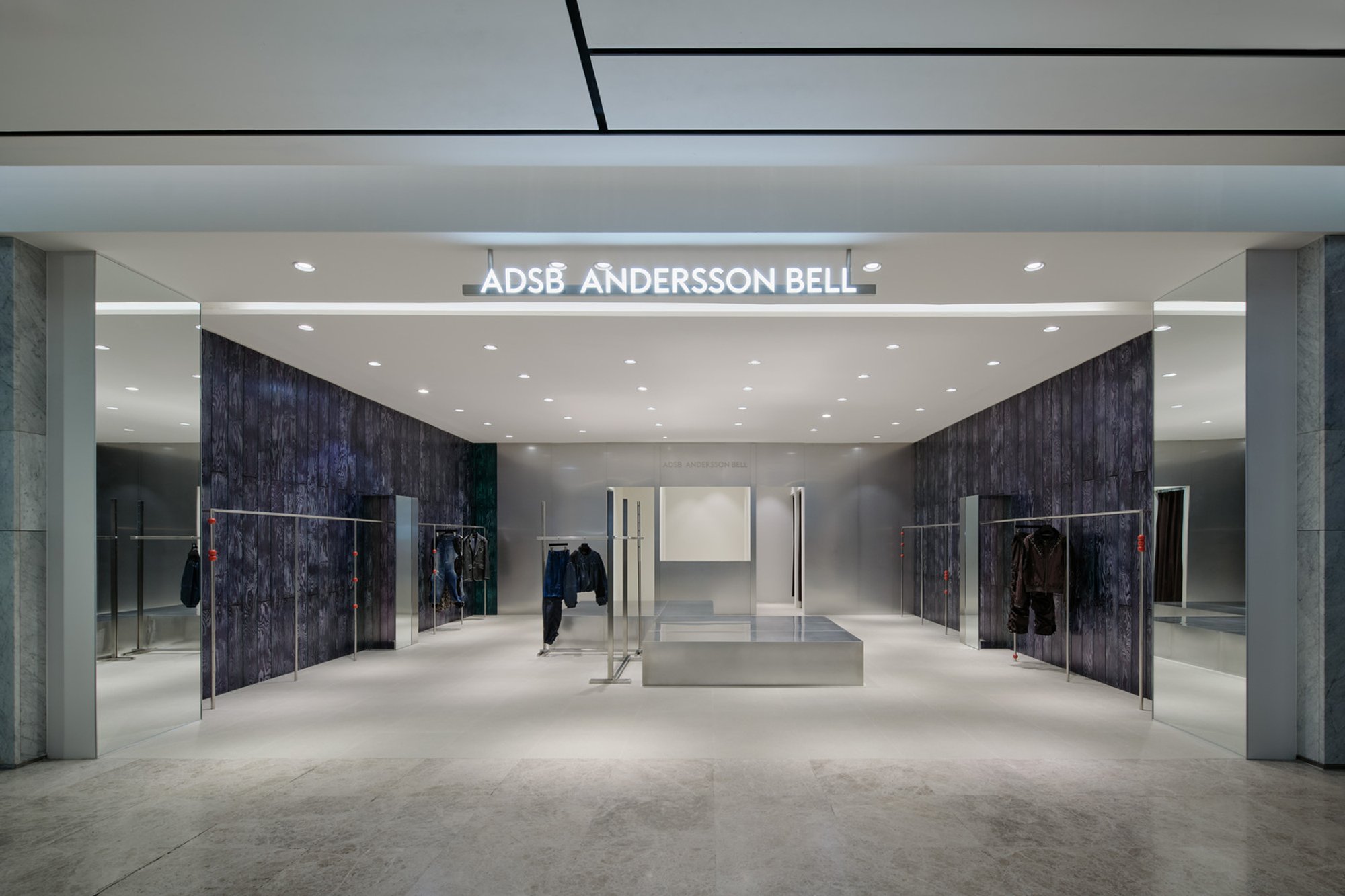
Studio Tama's modern retail store design for ADSB Andersson Bell Hyundai Pangyo blends bold textures, mirrored surfaces, and experimental materiality.


A Unique Retail Space Redefining Fashion Store Interiors
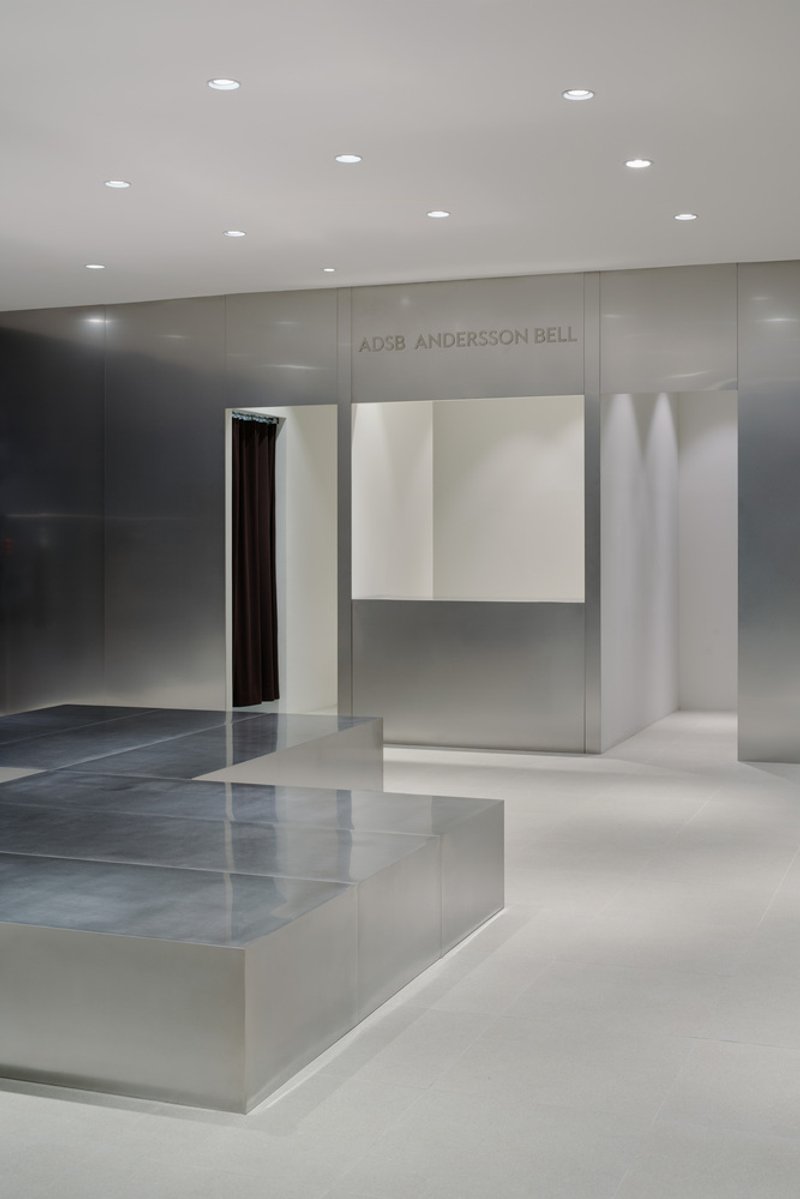
The ADSB Andersson Bell Hyundai Pangyo Store, designed by Studio Tama, is a striking example of modern retail store design that seamlessly integrates bold aesthetics with functional elements. Located in Pangyo, South Korea, the store represents the brand’s avant-garde identity, using a grotesque-inspired concept, layered textures, and innovative material applications to create an immersive shopping experience.
Architectural Concept: A Fusion of Patterns and Textures
A Grid-Based Minimalist Structure with Bold Details
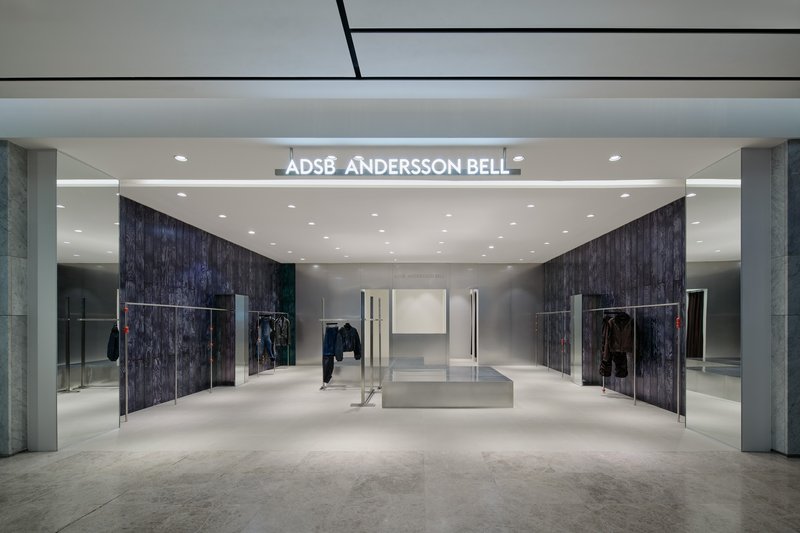
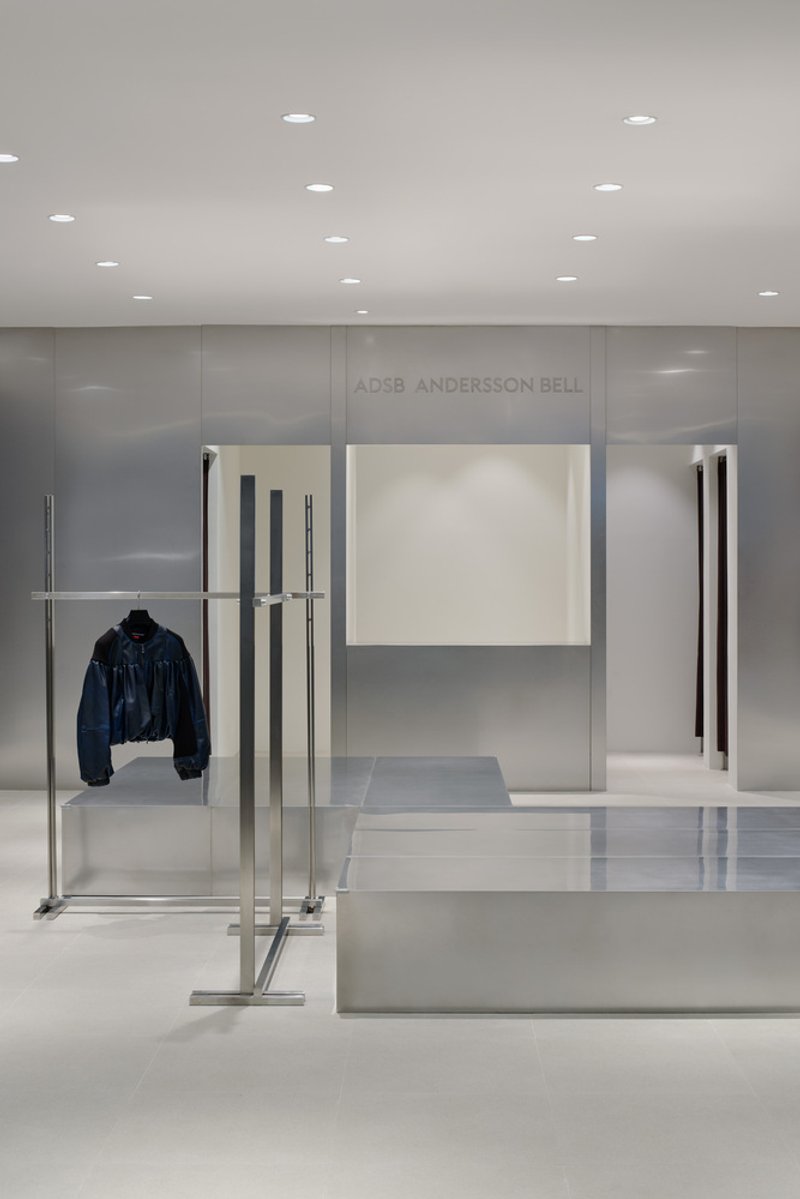
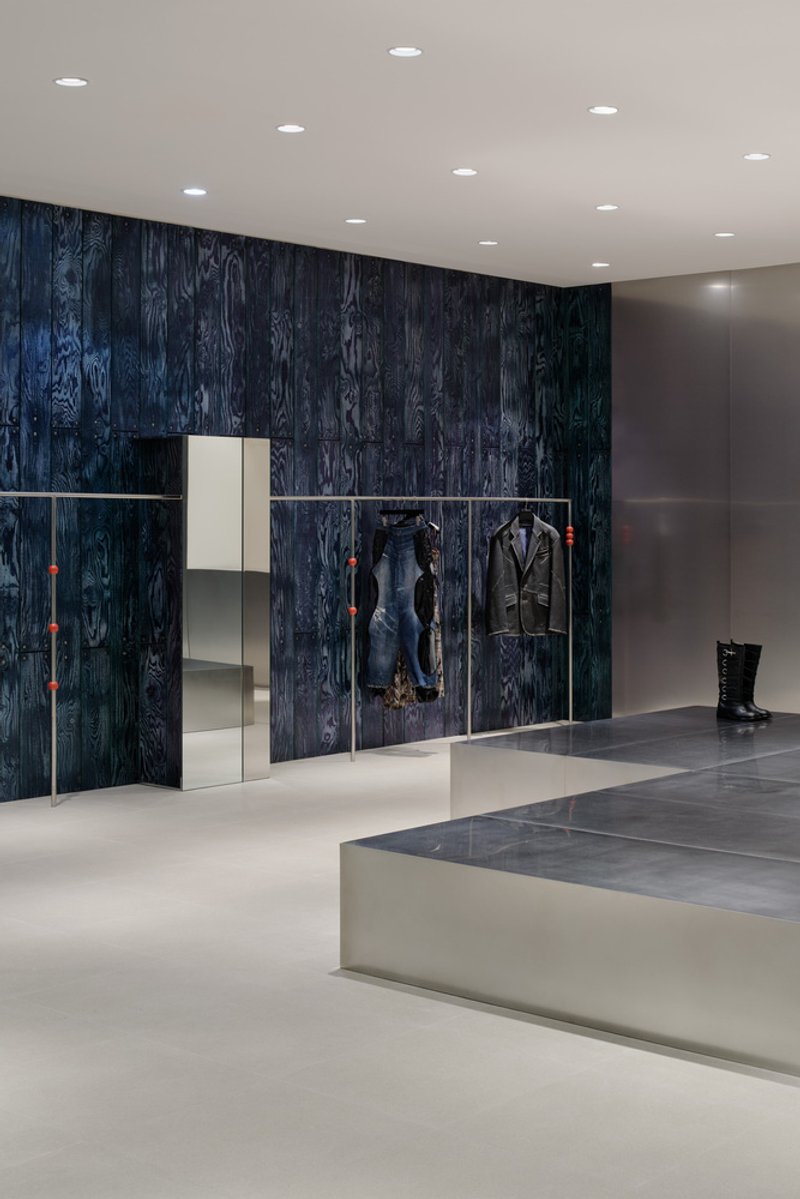
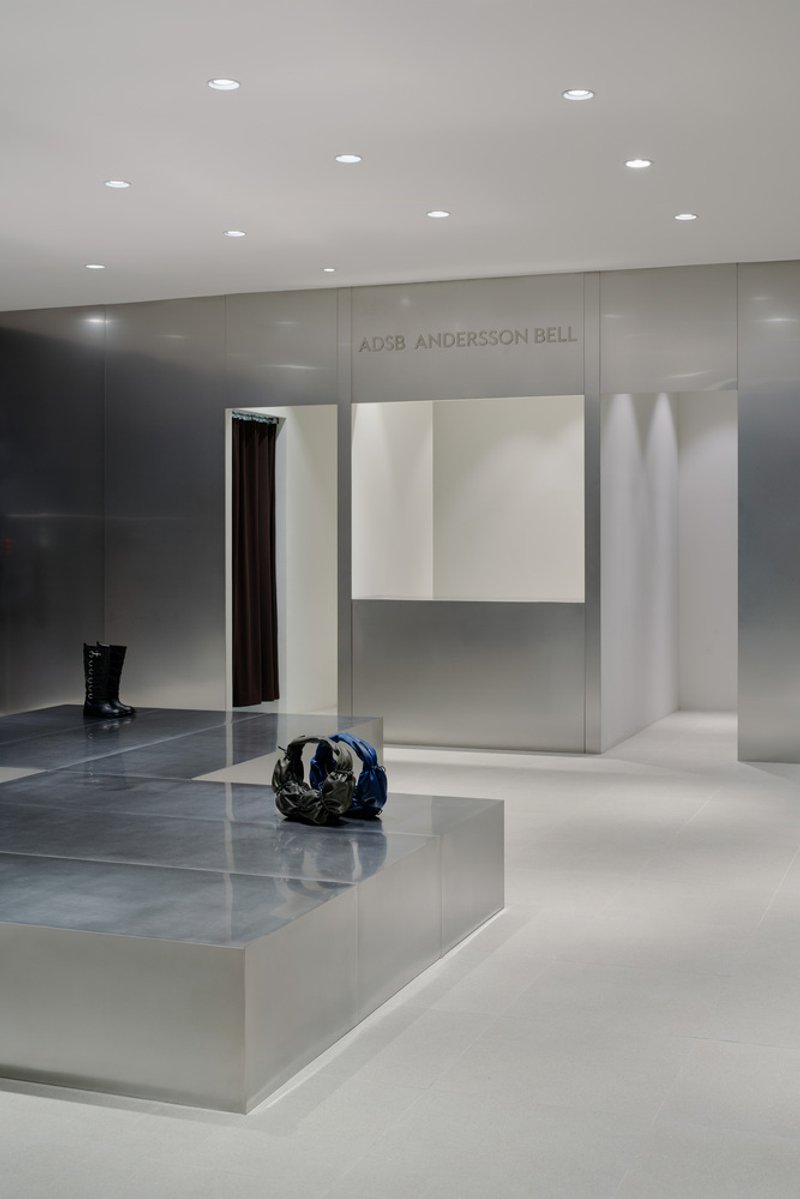
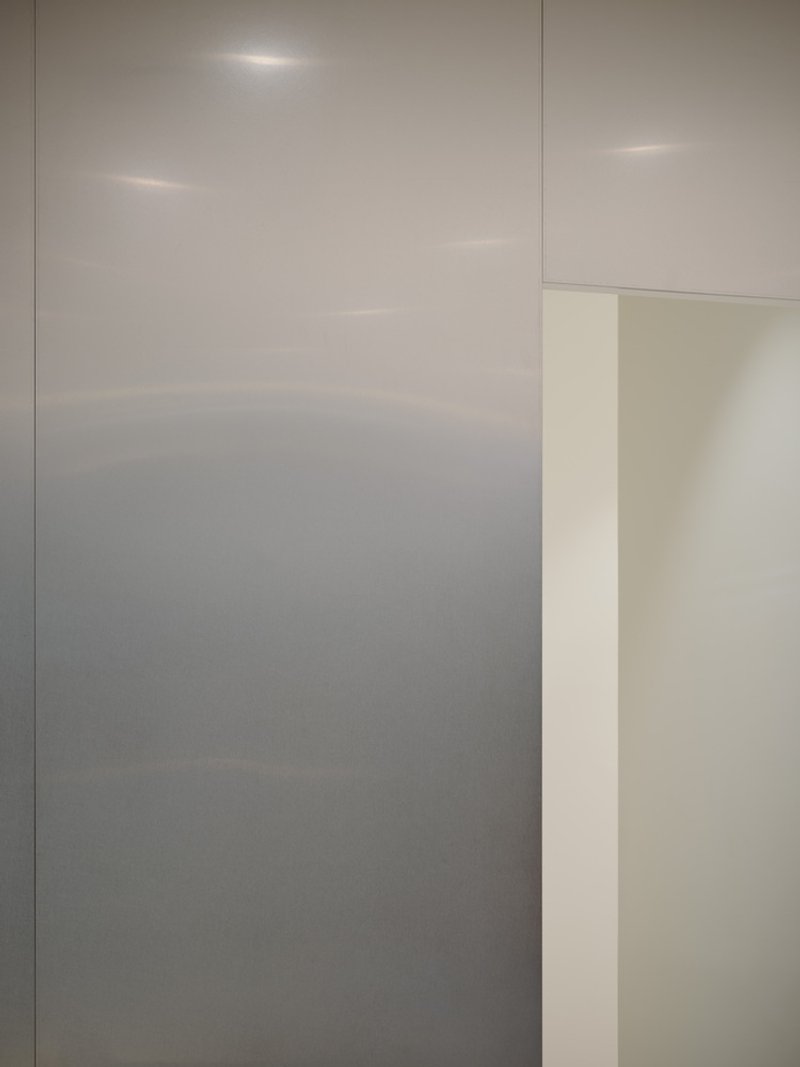
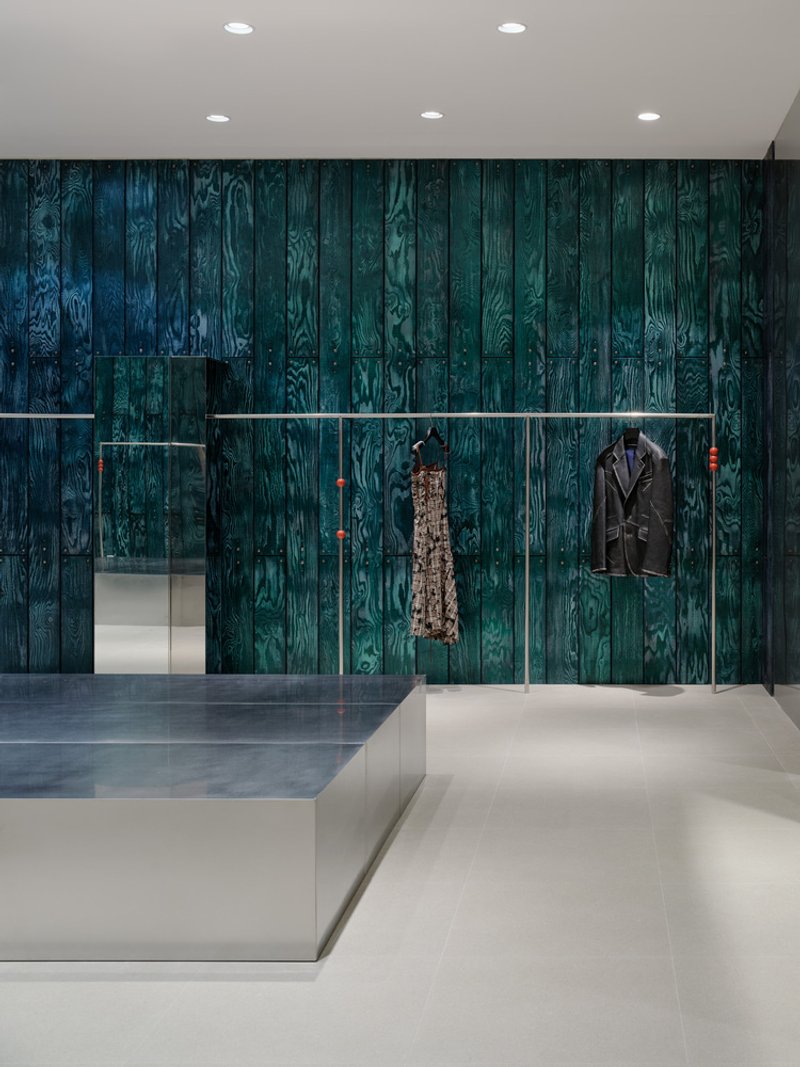
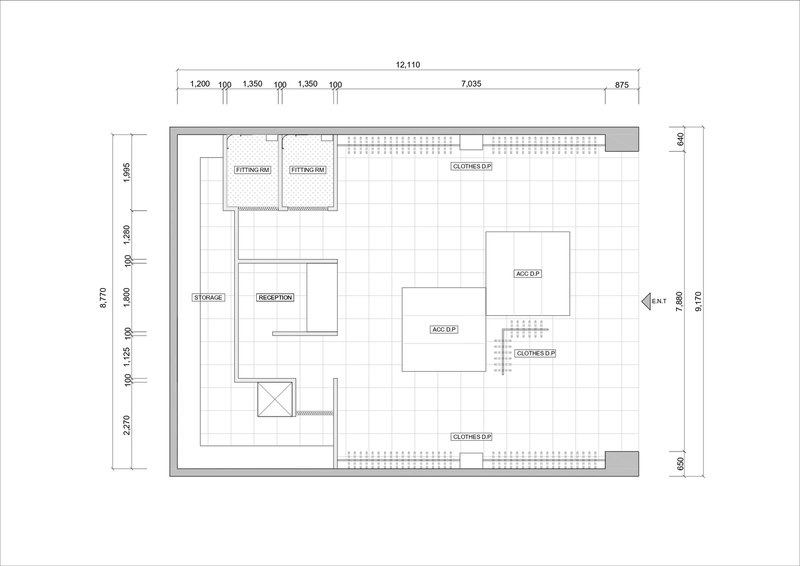
The architectural approach embraces a structured yet expressive design, where grid patterns and box-shaped counters establish a foundation of order. This minimalist structure contrasts with the vibrant wooden textures and fabric finishes, emphasizing Andersson Bell’s distinctive fashion philosophy. Every detail is meticulously curated to ensure the space reflects the brand’s unique aesthetic, creating a synergistic relationship between retail and design.
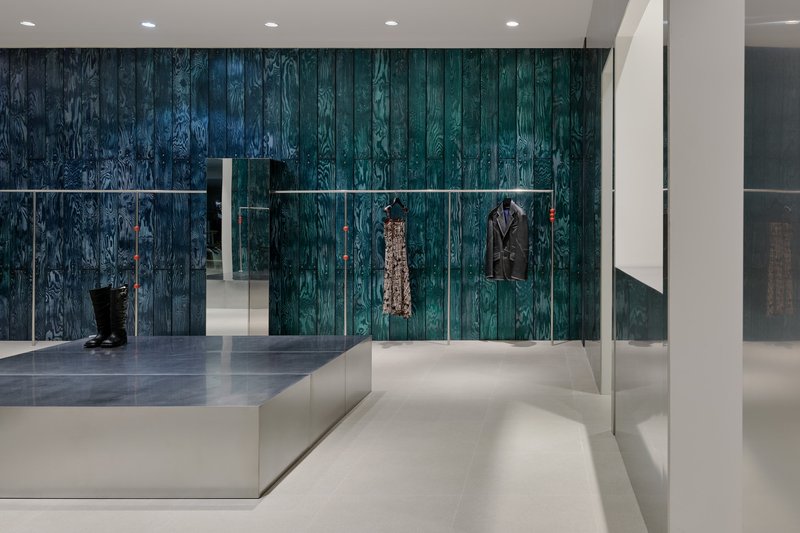
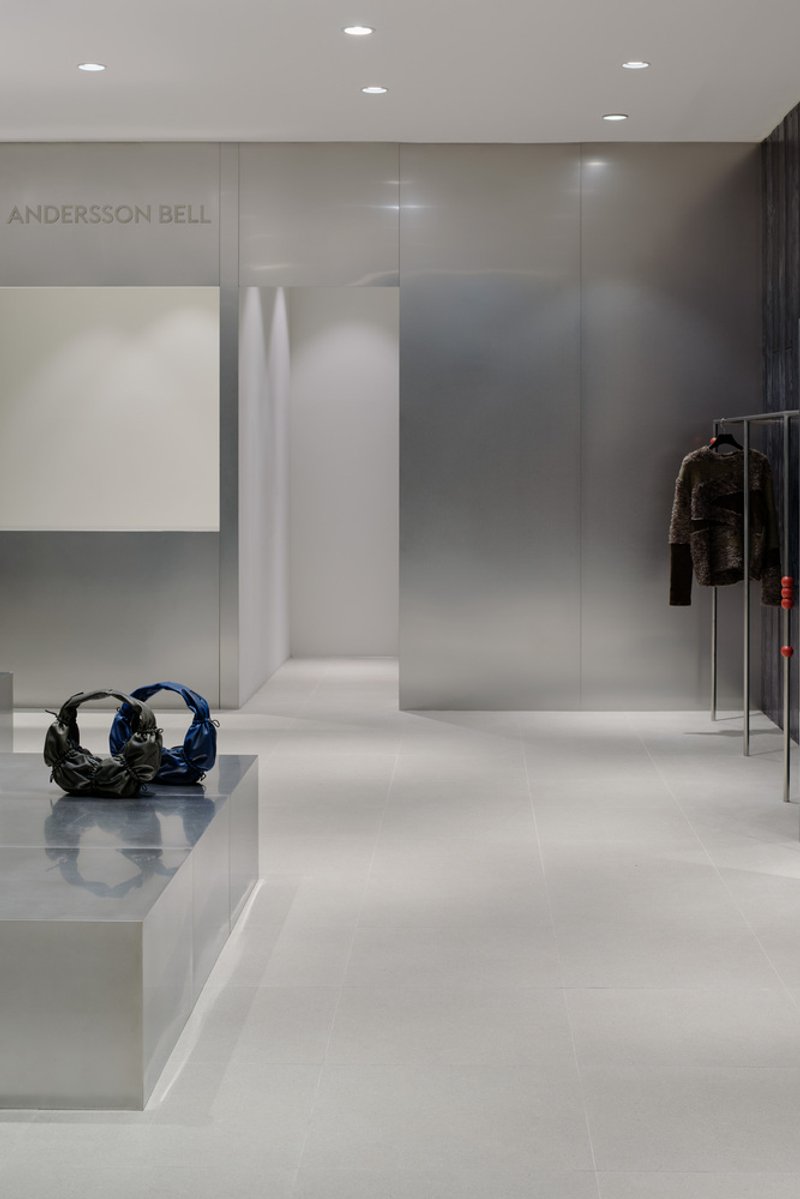
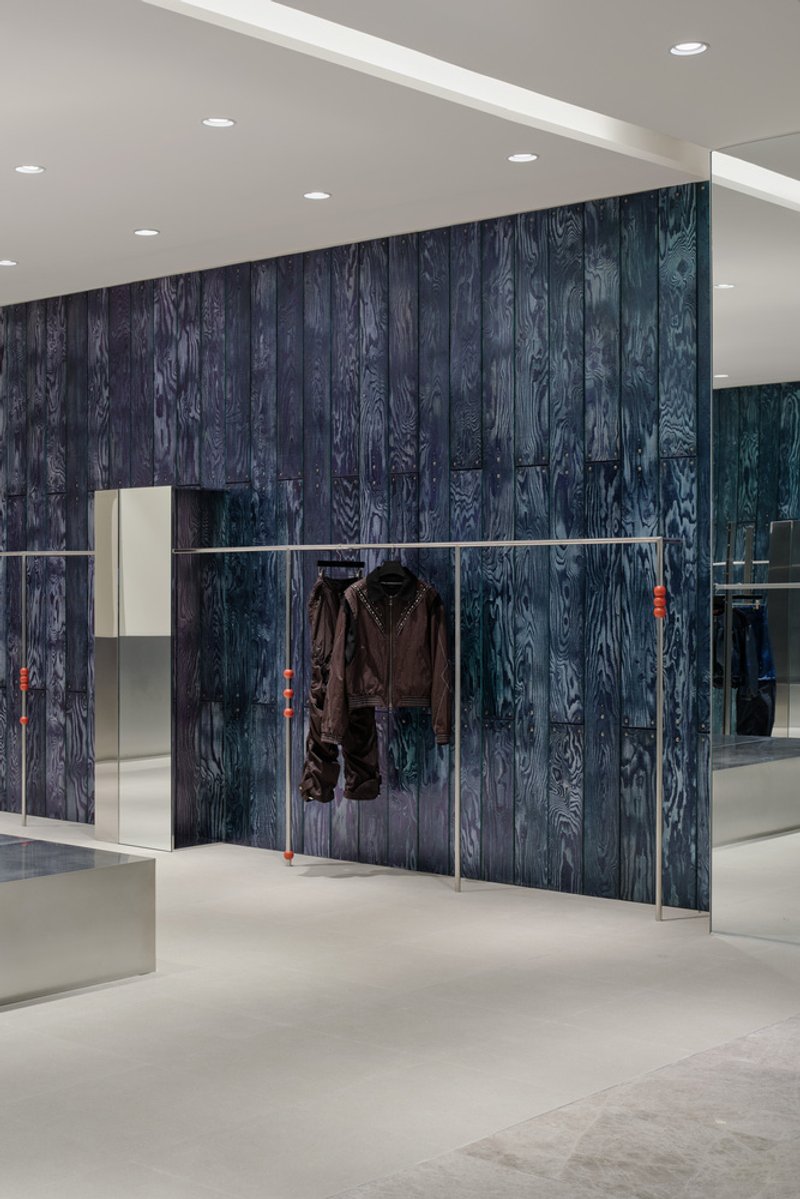
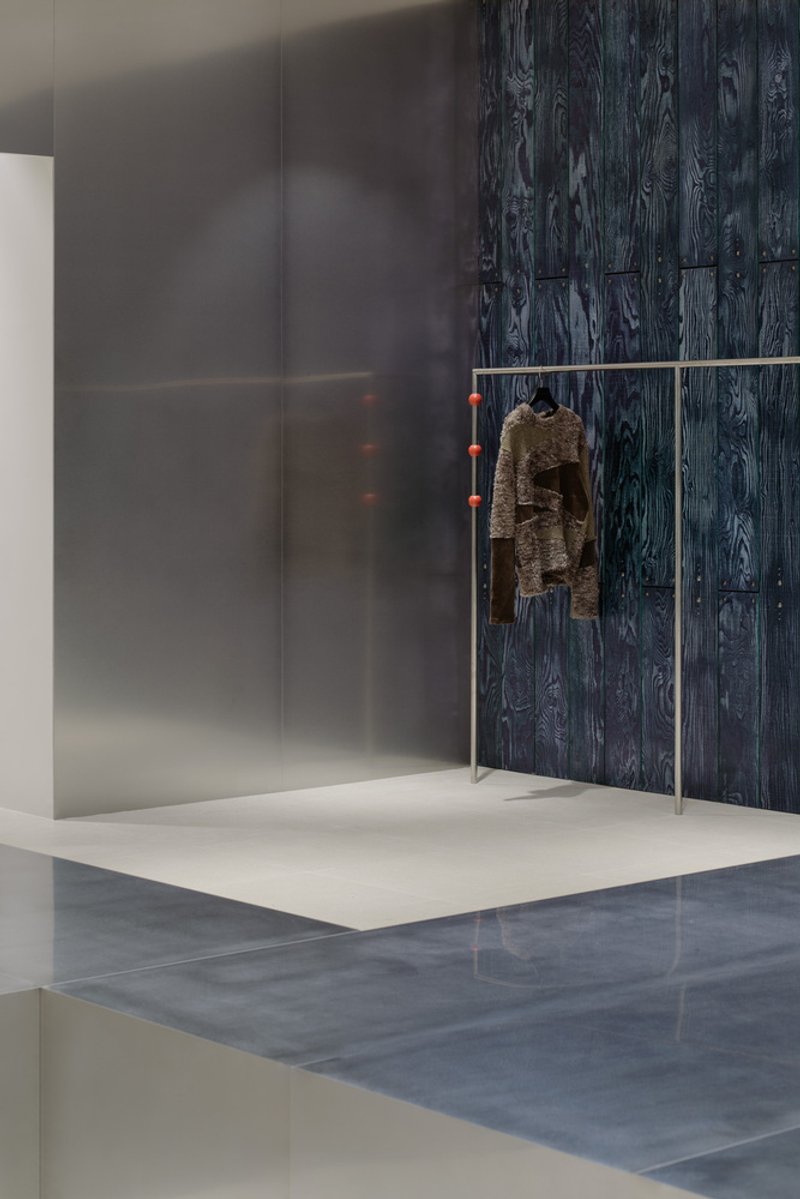
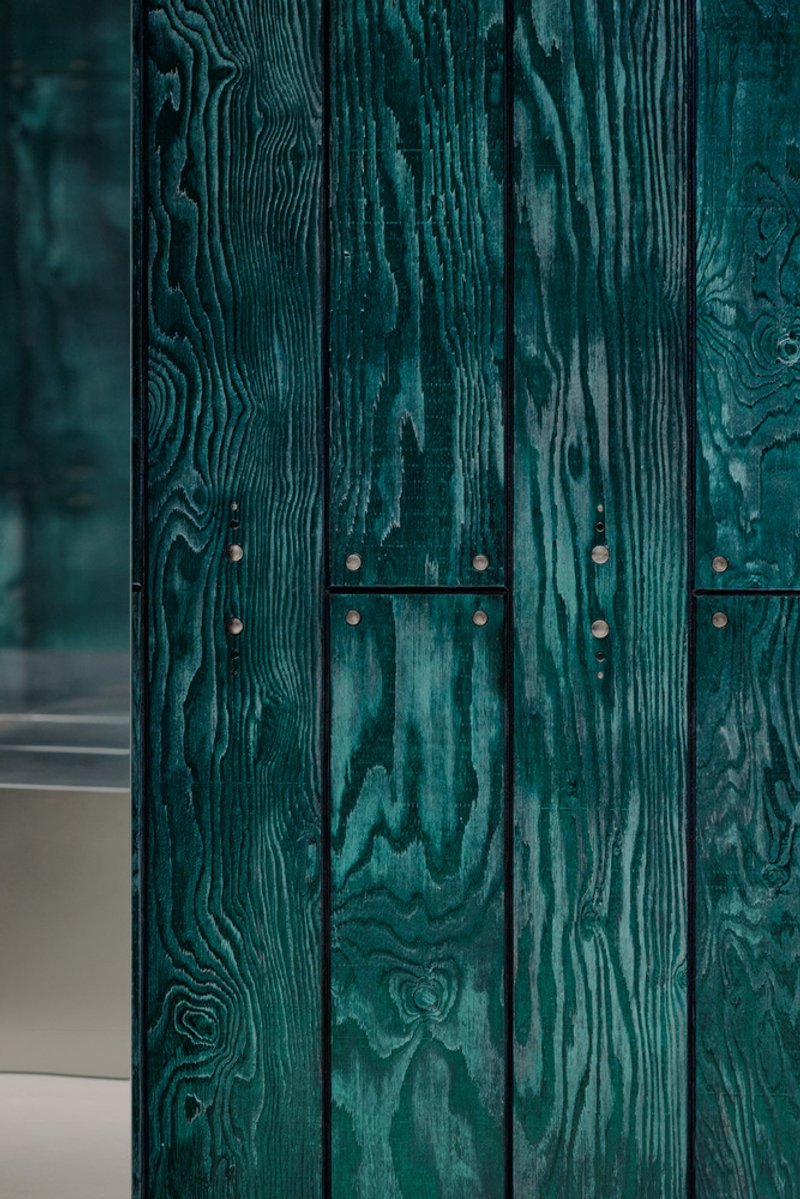
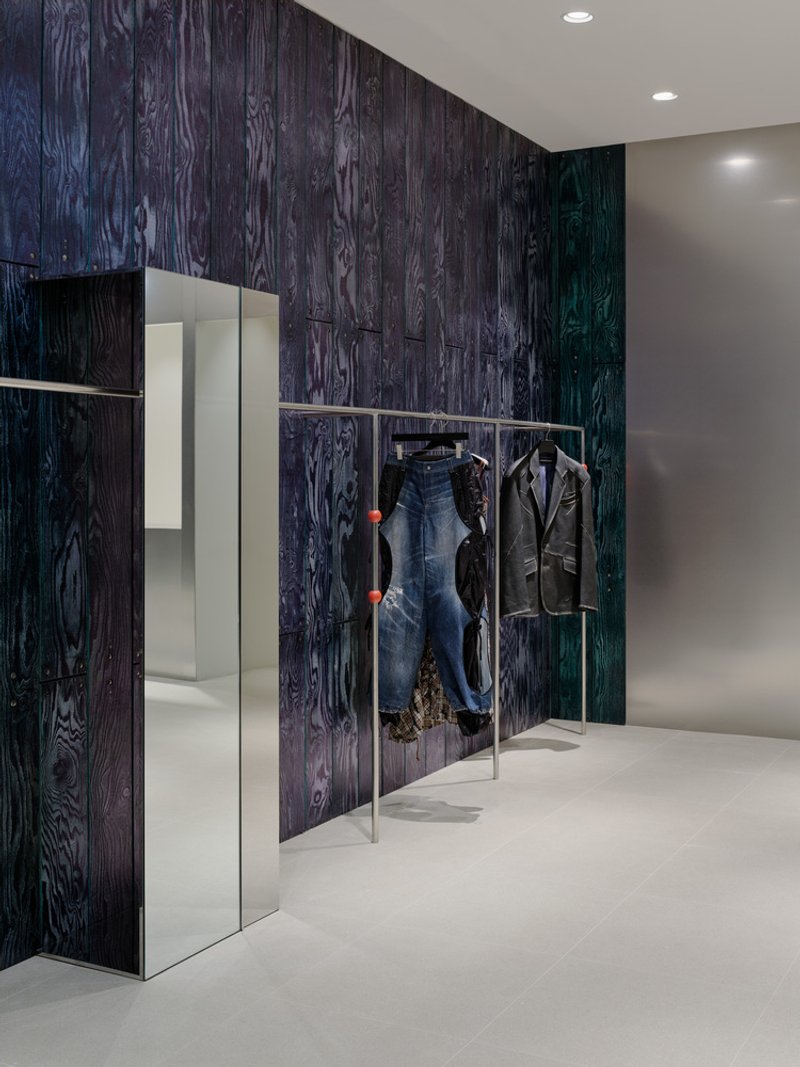
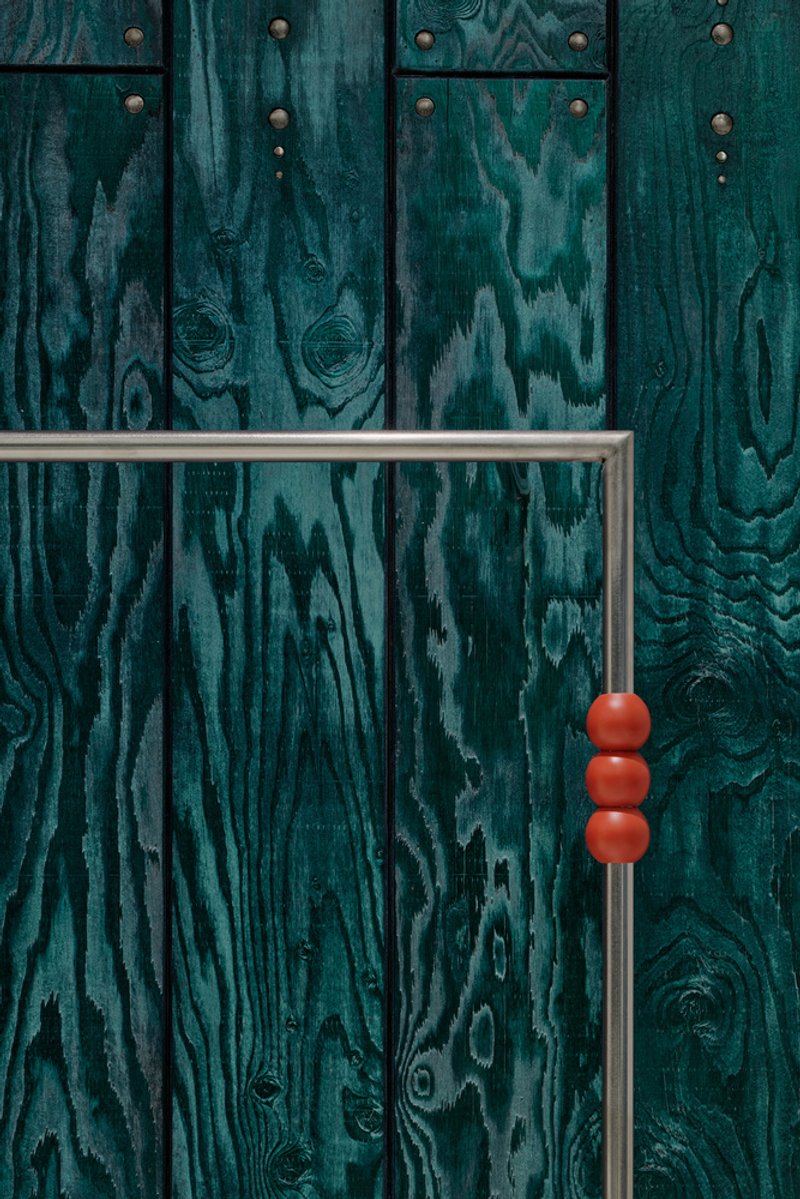
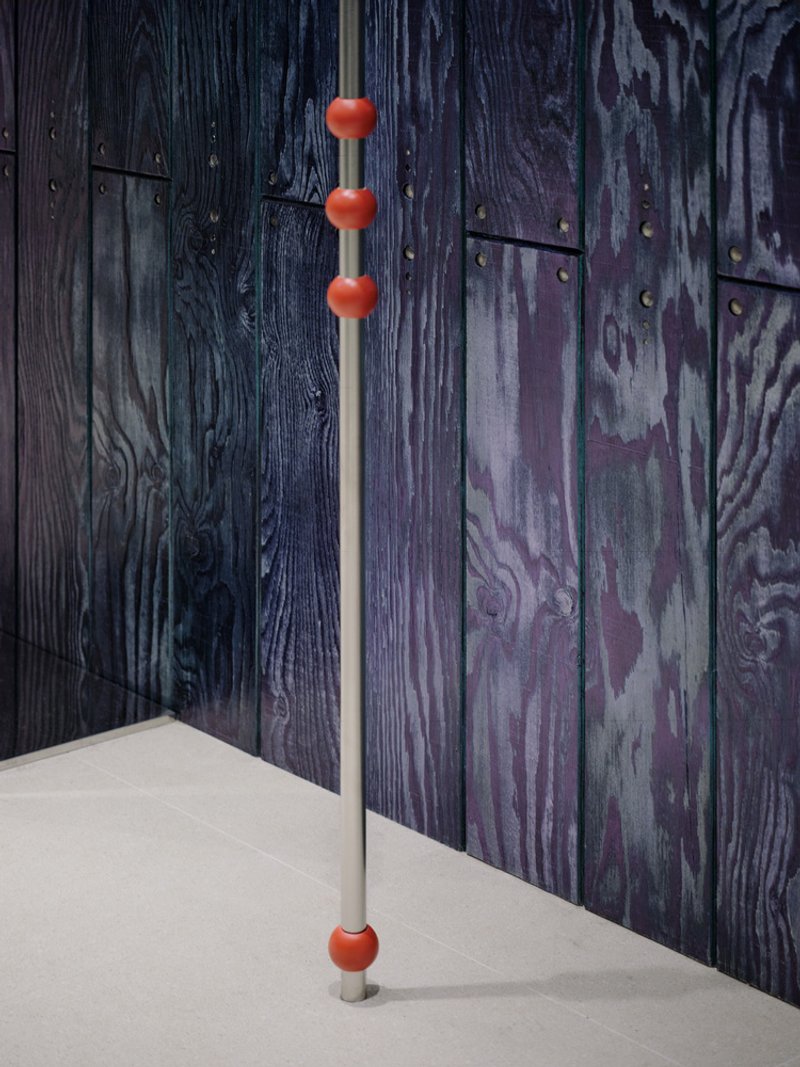
One of the most striking features of the store is its gradient-colored wooden plywood patterns, which introduce a sense of fluidity and movement within the structured layout. The incorporation of rivet details, commonly seen in garment production, further ties the store’s design to the craftsmanship of fashion, reinforcing the connection between architecture and apparel.
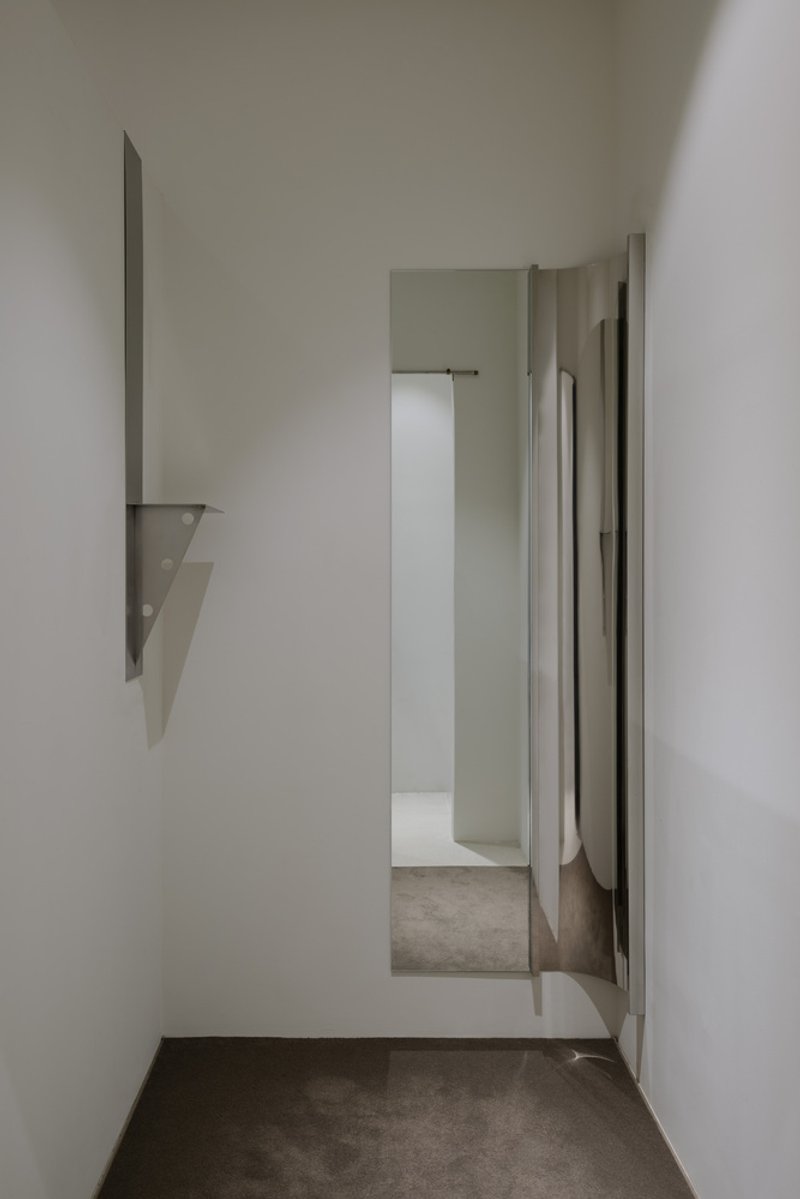
The Role of Mirrors in Expanding Space
An entire wall of mirrors extends the visual impact of the patterned surfaces, creating a continuity of design that enhances spatial perception. The reflections not only amplify the depth and diversity of textures but also contribute to the store’s immersive atmosphere, making it appear larger than its 113 m² footprint. The diagonally placed flooring adds another dimension, reflecting and reshaping the space dynamically with every movement.
Materiality and Experimental Elements
Industrial Textures and Layered Design
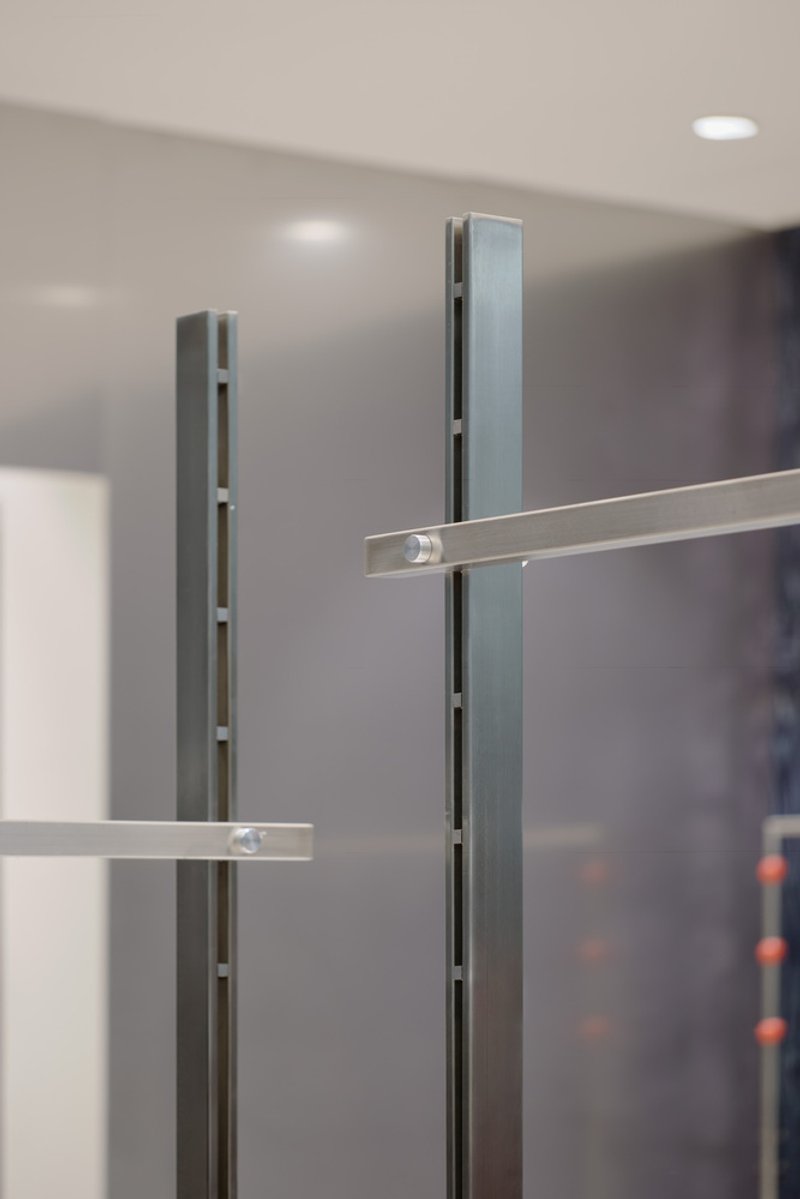
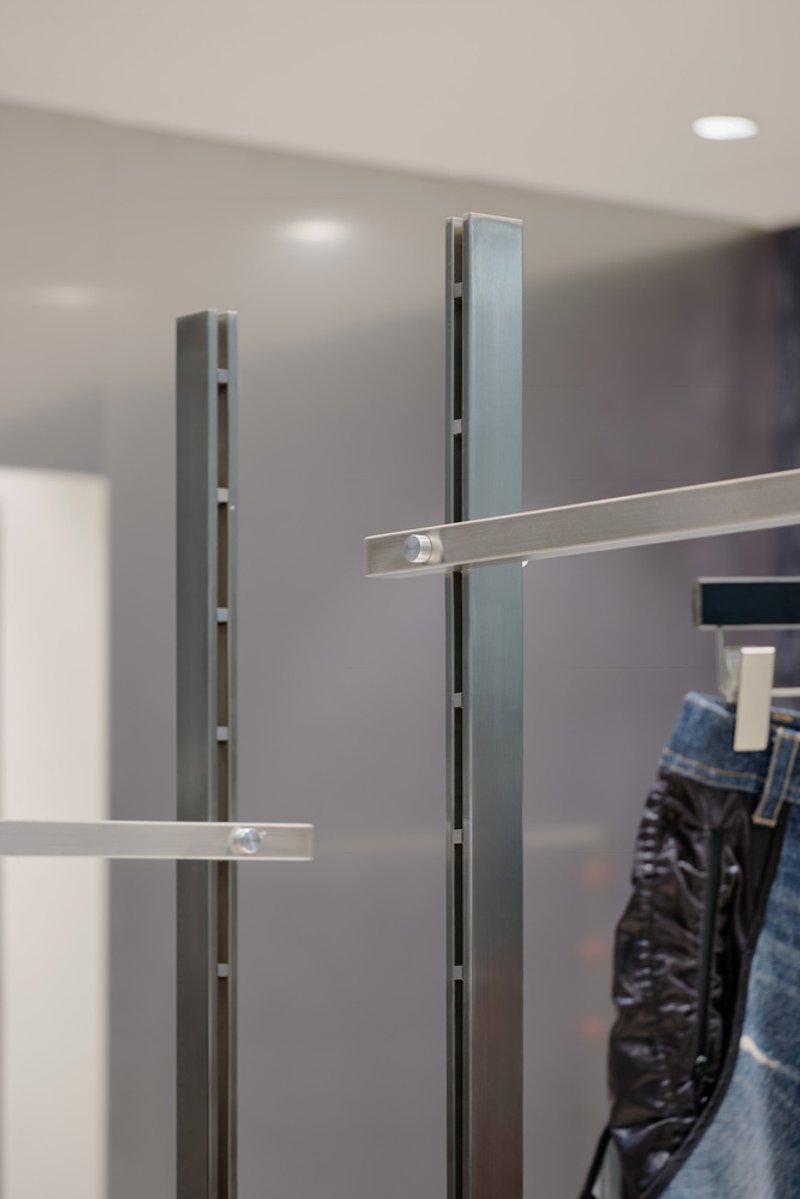
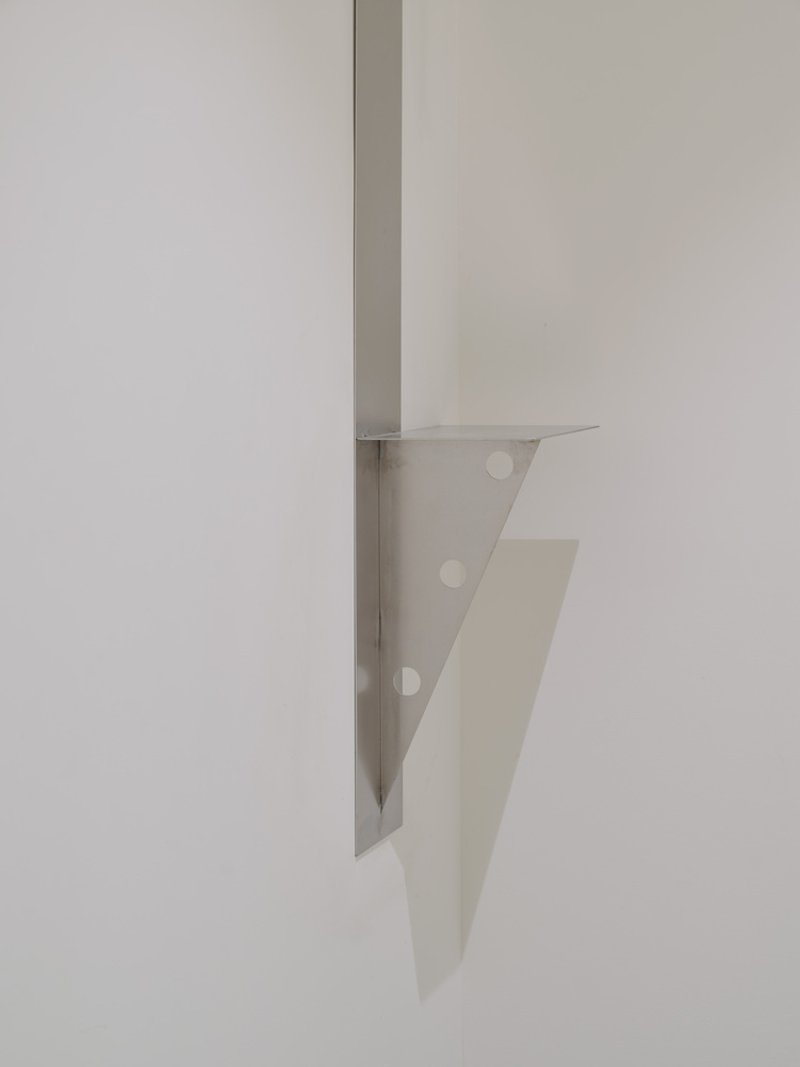
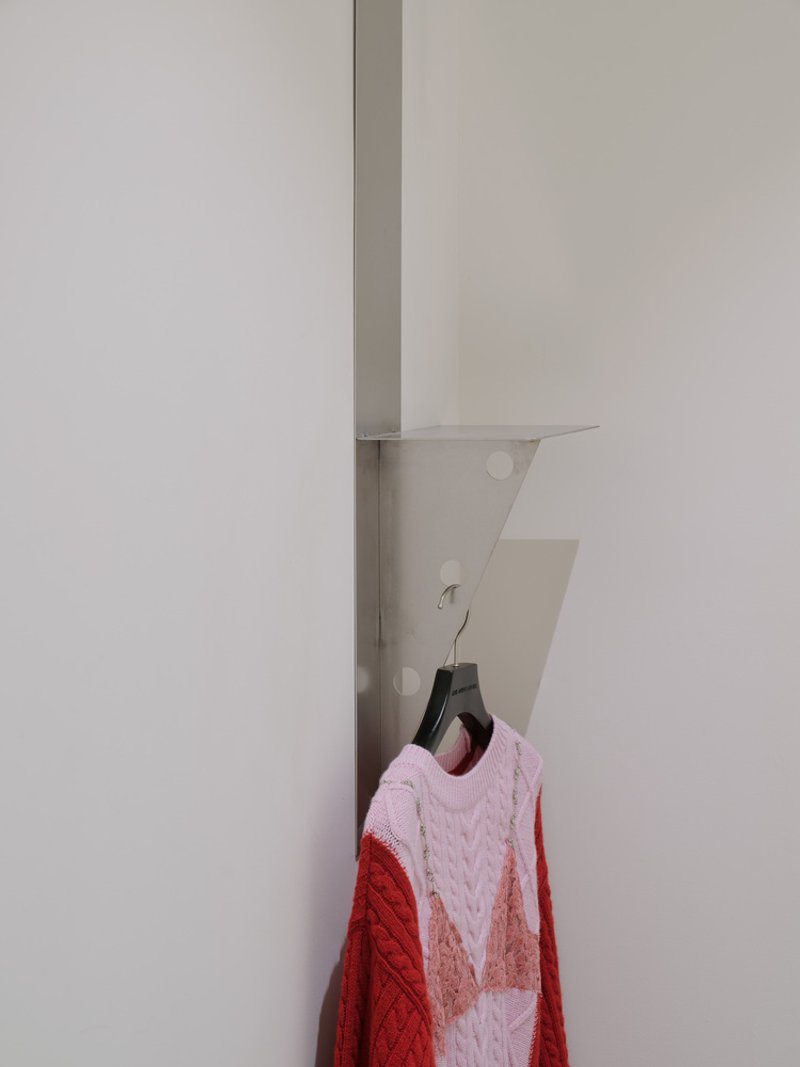
The opposite side of the store contrasts sharply with its mirrored counterpart, featuring rough, industrial textures and perforated metal rods over three meters long. These rods serve as structural elements while also integrating woven wire installations, where knitting techniques deconstruct traditional retail aesthetics into an expressive form of design. This intricate layering introduces a tactile and sculptural quality, enhancing the store’s avant-garde retail concept.
Multimedia Integration for a Dynamic Shopping Experience
The store’s multi-layered experience extends beyond material choices. Two screens of varying proportions display fashion shows and promotional visuals, adding an interactive and sensory dimension to the retail experience. This fusion of digital media and architectural elements transforms the store into more than just a shopping destination—it becomes an artistic space that engages visitors on multiple levels.
A New Standard in Modern Retail Store Design
The Future of Fashion Retail Architecture
The ADSB Andersson Bell Hyundai Pangyo Store represents a shift in modern retail store design, where spatial design, brand identity, and customer engagement converge into a singular experience. Through bold material choices, reflective surfaces, and layered visual compositions, Studio Tama has crafted an interior that not only showcases fashion but also embodies it.
This innovative approach sets a new benchmark for contemporary retail spaces, proving that a fashion store can be more than just a point of sale—it can be a gallery, an installation, and a transformative space.
All Photographs are works of Donggyu Kim