
All things sweet
Challenge to design a confectionery store
Overview
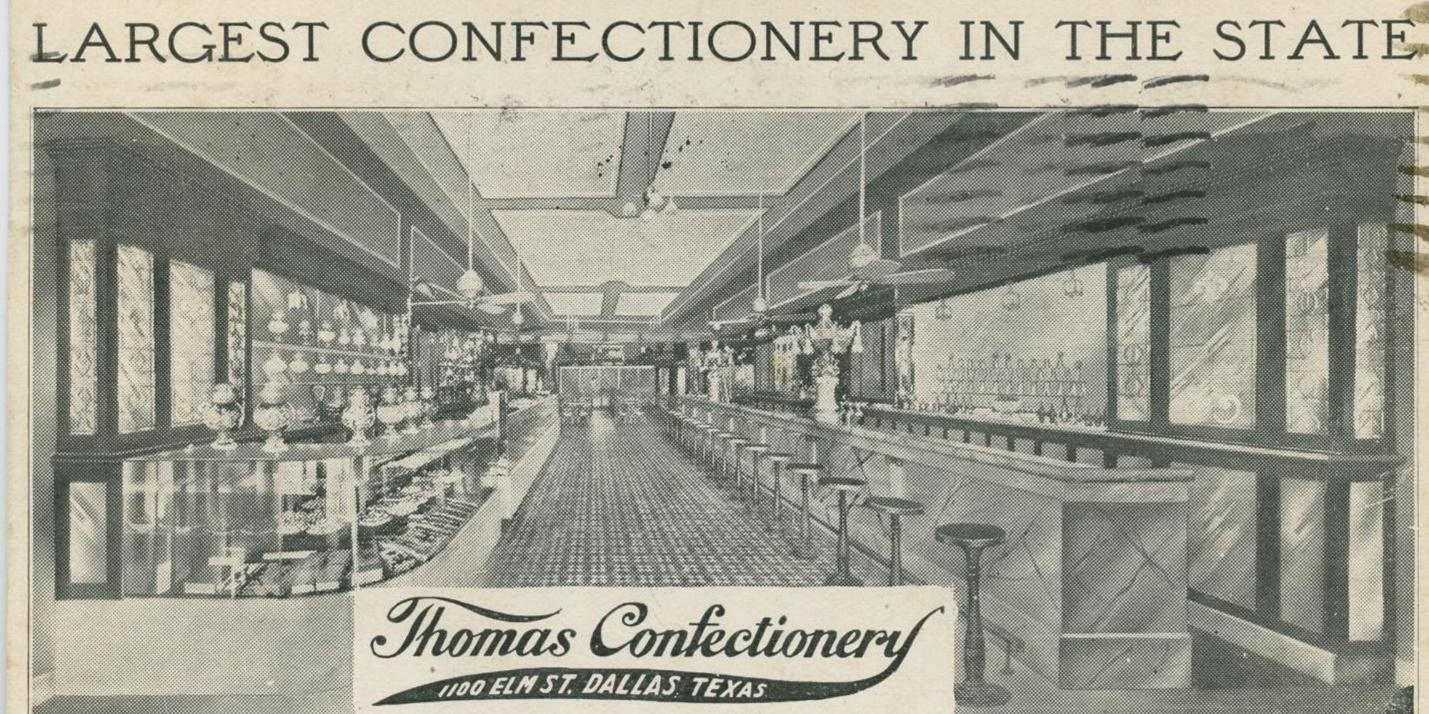 Fig: 1 – Postcard of the largest confectionery in the state in 1911 - Thomas Confectionery (Credits- A Portal to Texas History)
PREMISE
Whilst much evidence is anecdotal, it is generally believed that cavemen first established the concept of enjoying a sweet treat. Long before sugar, the Egyptians, Chinese and Indians also liked to combine honey with fruits and nuts to make natural sweet treats. With sugar being realized back in Roman times, it became identified as a sweetener but most importantly as a product that could offer many healing properties.
Thus, the first sweet shops were conceived as pharmacies that helped to take the bitter medicine taste away. However, when sugar processing was discovered in the 13th century, it became a sought-after commodity and was highly traded. When cocoa came into the picture with colonised west indies it was experimented with sugar to produce handmade chocolate.
Thus, a more systematic history of confectionery can be traced to the Middle Ages when highly skilled and regarded confectioners became established in key cities, creating sweetmeats and treats for the wealthy.
Only after the mass predictions and spread of confectionery sweet shops became more of a commonplace.
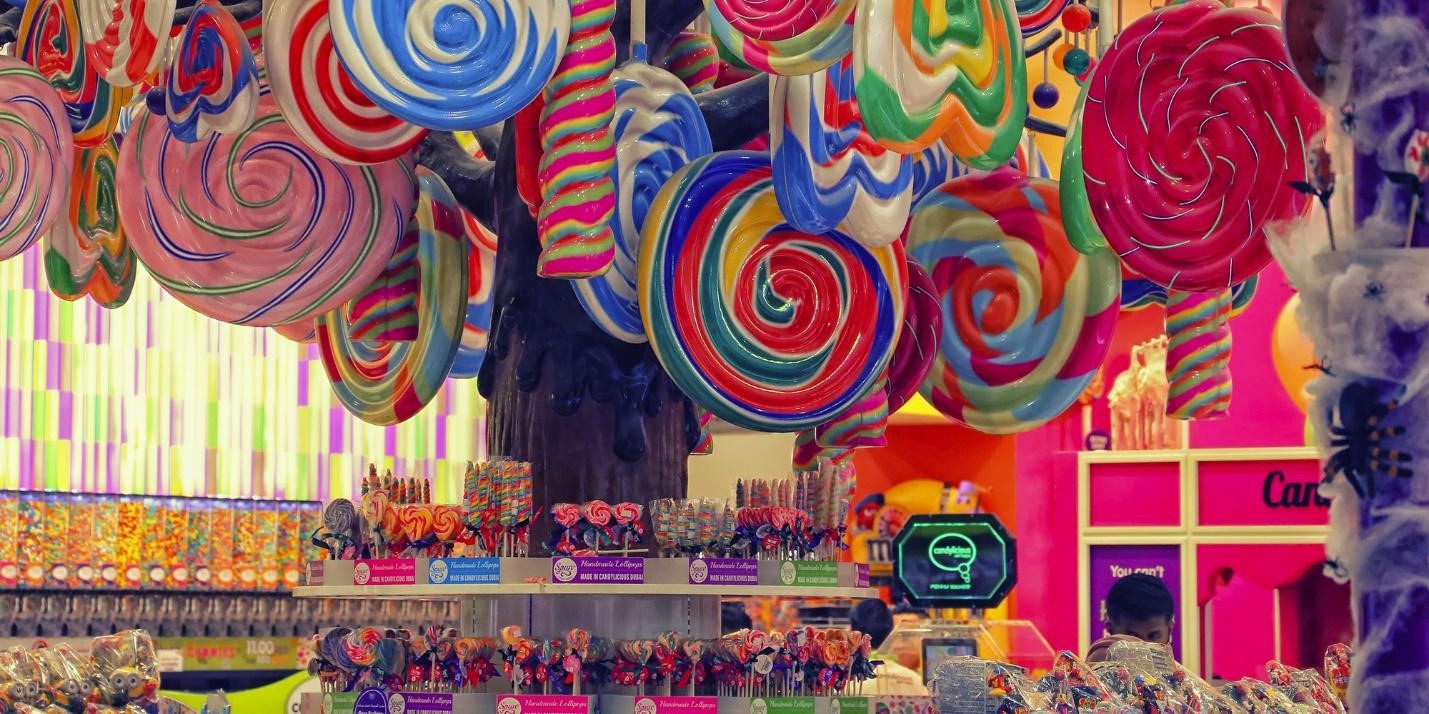 Fig: 2 – Sweets of all kinds (Credits-Iwona-castiello-d-antonio)
ALWAYS SWEET
Due to industrialization and mass production confectionery became something people of all classes ate. The village of Pateley Bridge claims to have the oldest confectionery store in England.
Very often unchanged in their atmosphere due to the very products they sell since inception, confectioneries are known for their warming, colourful and nostalgic feel. And these stores even after a massive economic decline or mass production manage to remain a popular part of our lives each time. The new flavours, trends through the evolution of technology, confectionery has changed in shape, size, form and colours.
Now it accommodates variety and still serves every generation from different backgrounds under one roof. It may be different in taste and forms but the sense of belonging to the sweetness and pleasure it brings transcends emotions and brings a universal feeling of joy. Although even after transformations in the product itself, the typology that serves it has more or less remained the same.
Can we take this opportunity and reinvent it in a way that it doesn't just sell, but also celebrates and forms community space?
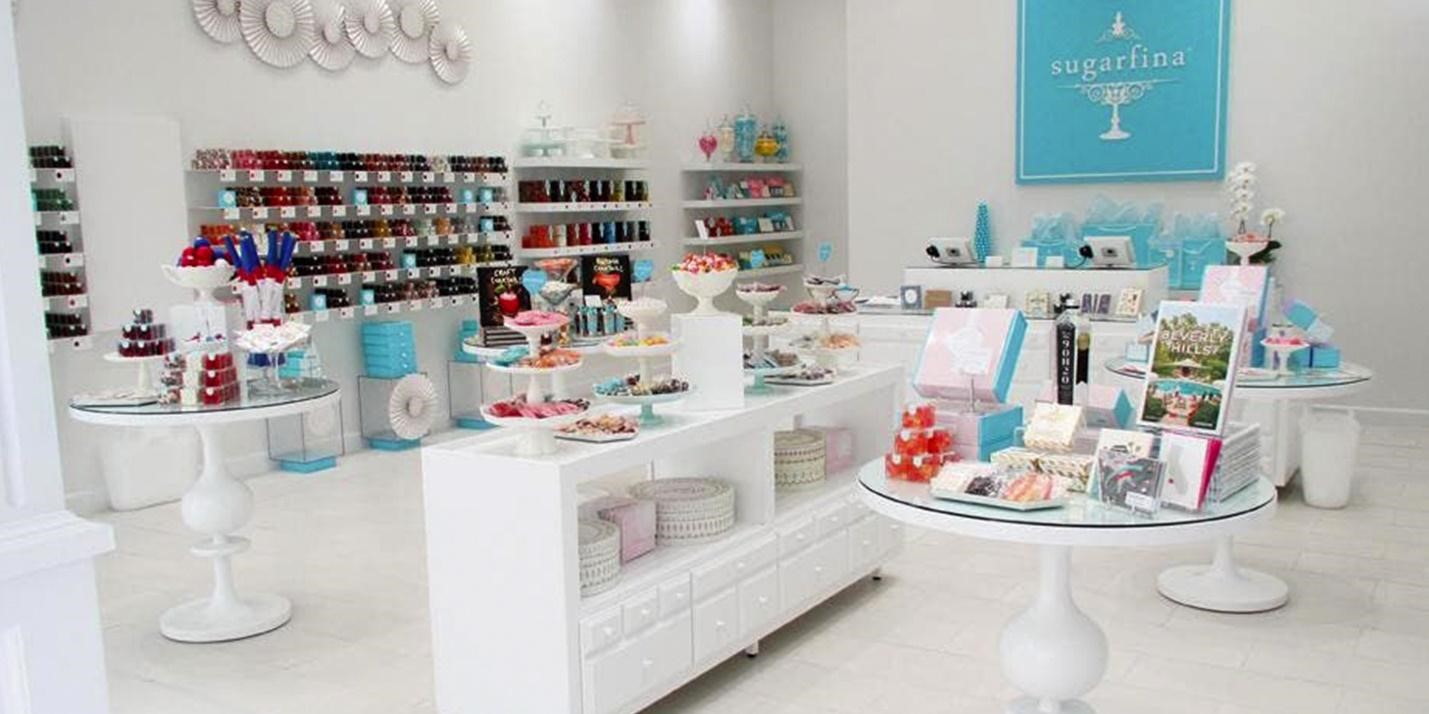 Fig: 3 – A confectionery store in California (Credits- Sugarfina)
BRIEF OF THE COMPETITION
Before the mass production of confectionery in the 19th century, they were hand-made and specially curated by a confectioner. They both made and sold it at the same location. Such smaller confectionary stores either further expanded into selling more than just sweets and chocolates or grew into larger factories.
The existing and new confectionary stores remain in the line of retail stores and sell mass-produced confectioneries on an urban street. Thus, disappearing in the row of common retail typologies. For such an important element of our culture and our emotions for sweets, can we give the typology a revamp to make it more than a store?
The challenge is to design a confectionary store. The store aims to transform spaces for buying and having sweets into the identity of the confectionary itself.
The challenge is to design for a culturally inclusive environment that inspires human connection. The aim is to help micro-planning of spaces & services, translating the emotions of sweet treats into furniture and finishes.
OBJECTIVES
- Imaginative: Apart from the primary functions of a confectionary store, what other spaces will be there in your sweet shop?
- Interiors: Furniture, colour palette, flooring, finishes and lighting.
- Planning: Micro-planning of spaces to accommodate services and functional activities.
- Celebrate: Design in a way that celebrates the universal cultural quality of sweet
The objectives can be a point of beginning to conceive this design. Participants are free to experiment with typology.
SITE
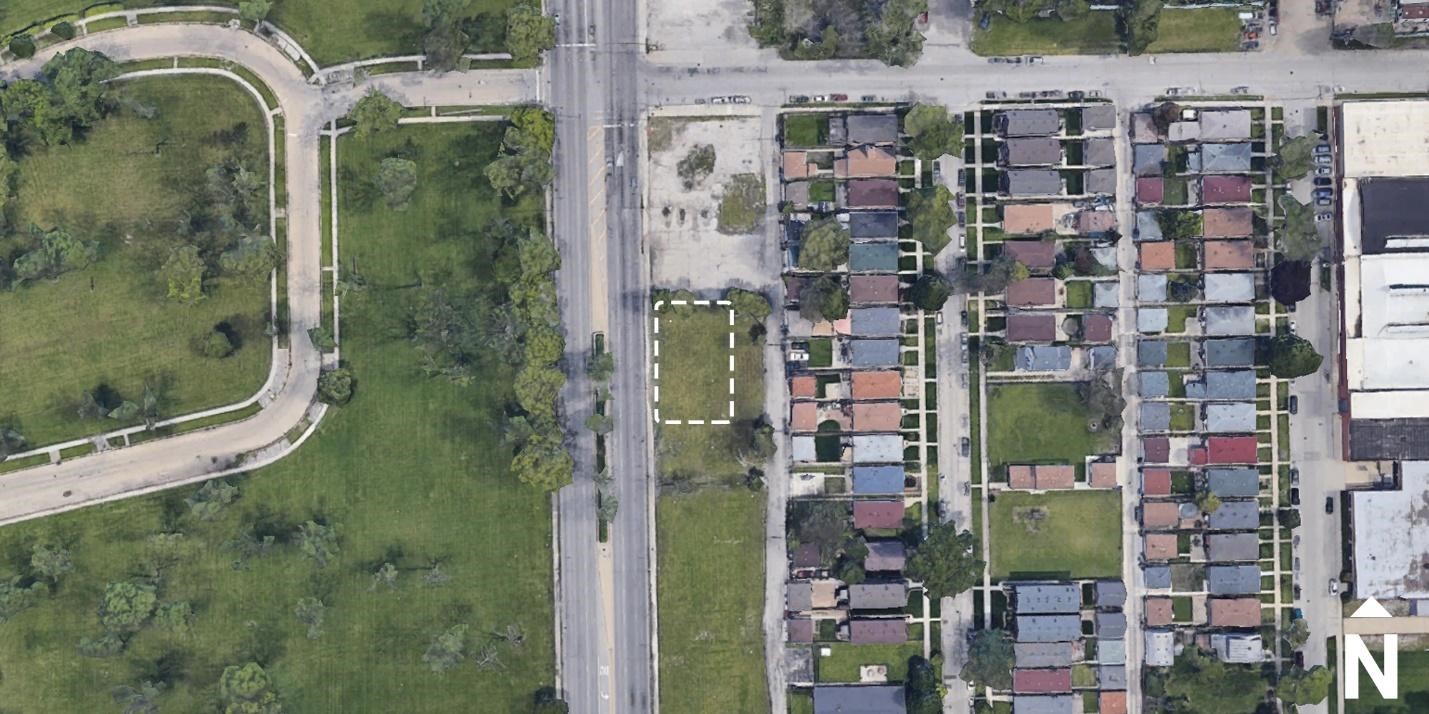
Illinois, Chicago
Chicago has been the candy capital of the world since the late 1800s. Tootsie Rolls, Brach's, Frango, Wrigley Gum, Fannie May, and Mars Candy all have roots in Chicago. There are many confectionery stores in the city, which allows us to explore the typology in both experimental and multicultural contexts. The site was selected near a developed neighbourhood and would serve as a store that could bring the community together.
Coordinates: 41.8140449 -87.7432001
Site Area: 500 sqm
Similar Competitions
Discover competitions you might be interested in


Design challenge to reuse E-waste

Designing a staircase for a client

Illustrate the lost glory of Angkor Wat - Render Challenge

VR headsets Storefront design competition