
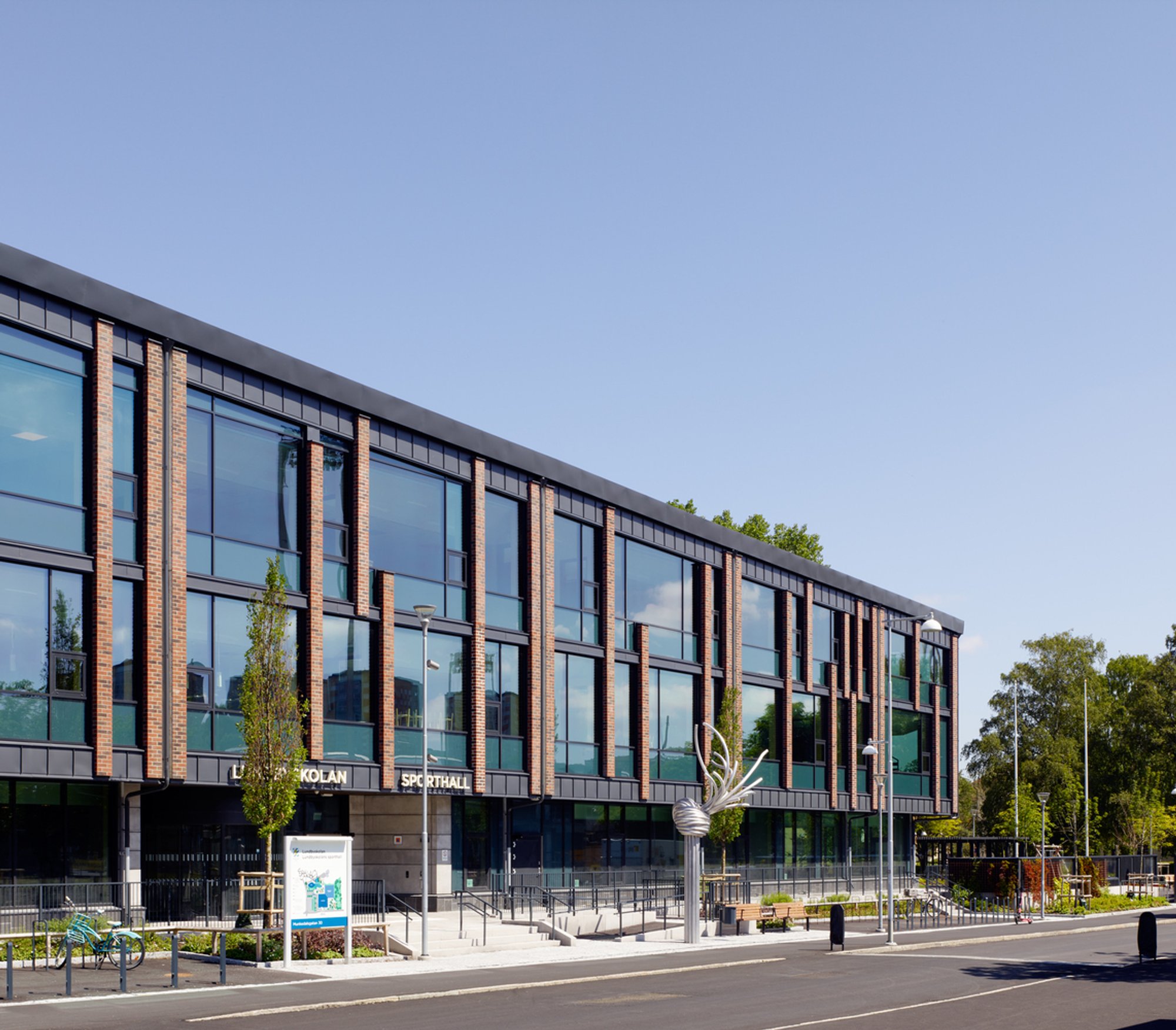
Modern School Architecture Design: Lundby School by D Office arkitekter
Lundby School in Gothenburg exemplifies modern school architecture, combining functionality, inclusivity, and community-centered design in a sustainable facility.

Lundby School in Hisingen, Gothenburg, Sweden, designed by D Office arkitekter, exemplifies a forward-thinking approach to modern school architecture design. Completed in 2024, this 15,300 m² educational facility integrates academic, cultural, and recreational spaces to create a holistic learning environment. With a capacity to accommodate 630 students, including those with intellectual disabilities, the school is a contemporary space that prioritizes inclusivity, sustainability, and community engagement.
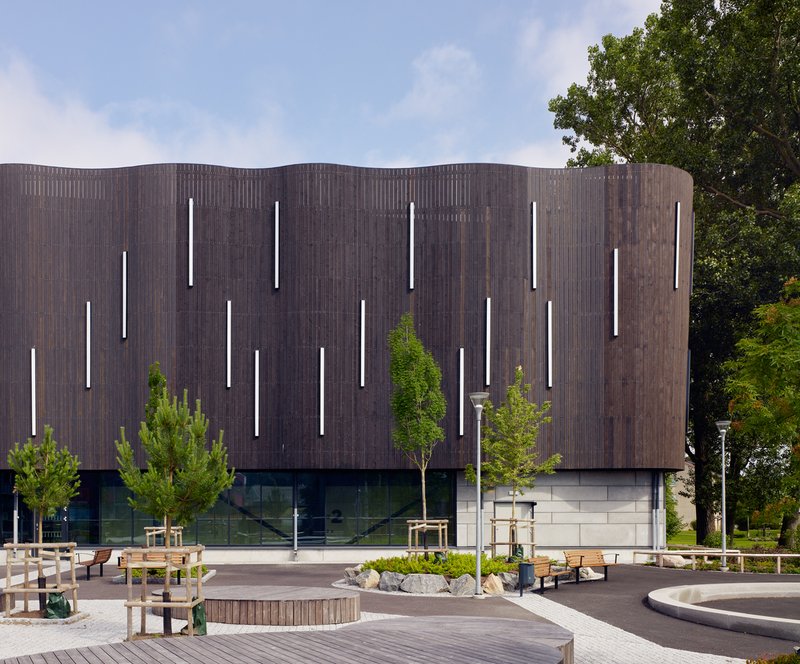
A Vision for Safe and Inclusive Learning
The design of Lundby School is centered on creating a safe and welcoming environment for students, both during and after school hours. By combining functionality with aesthetics, the architects have crafted a space that fosters a sense of belonging and well-being.
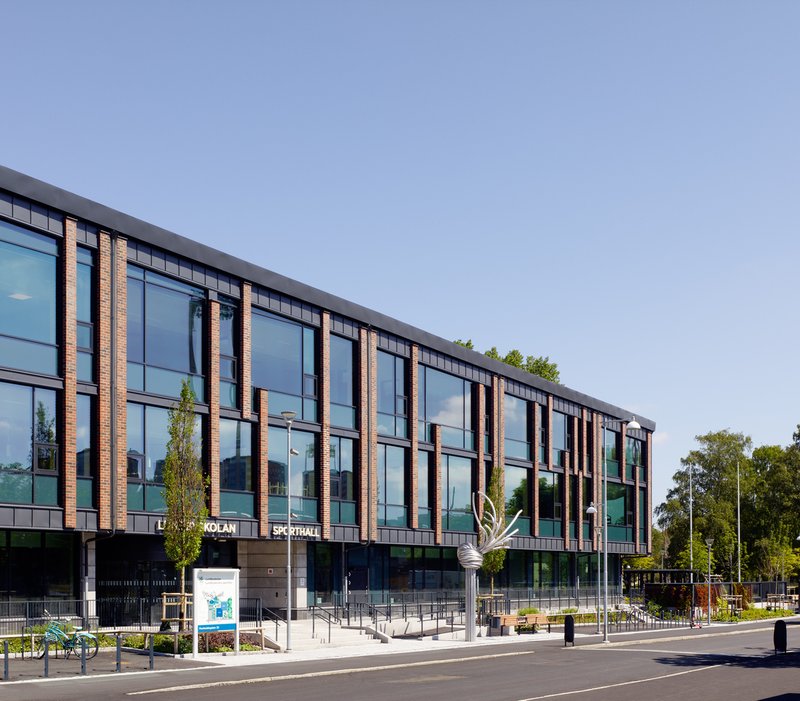
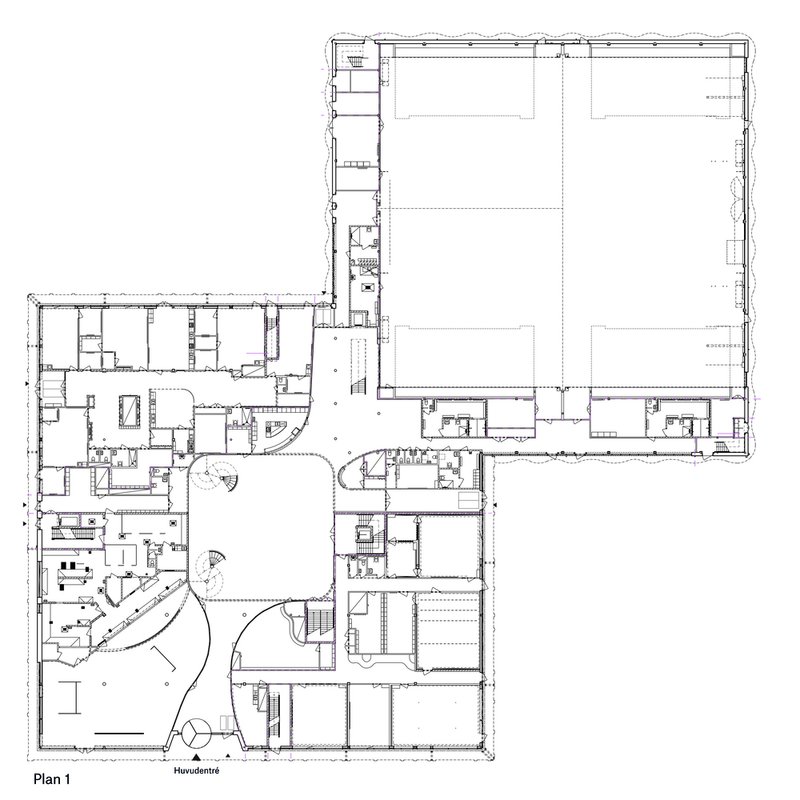
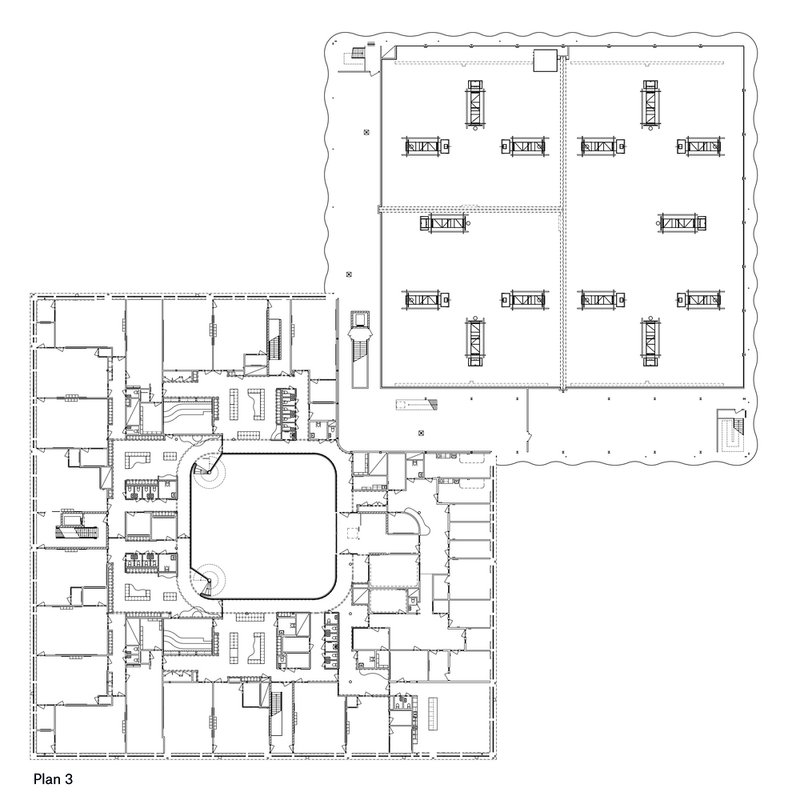
The building houses classrooms, a cultural school, and a sports hall, each contributing to the multifaceted educational experience. The inclusion of a cultural school and facilities for sports and association administration further underscores the project's commitment to community integration and accessibility.
Exterior Design: Blending Heritage and Modernity
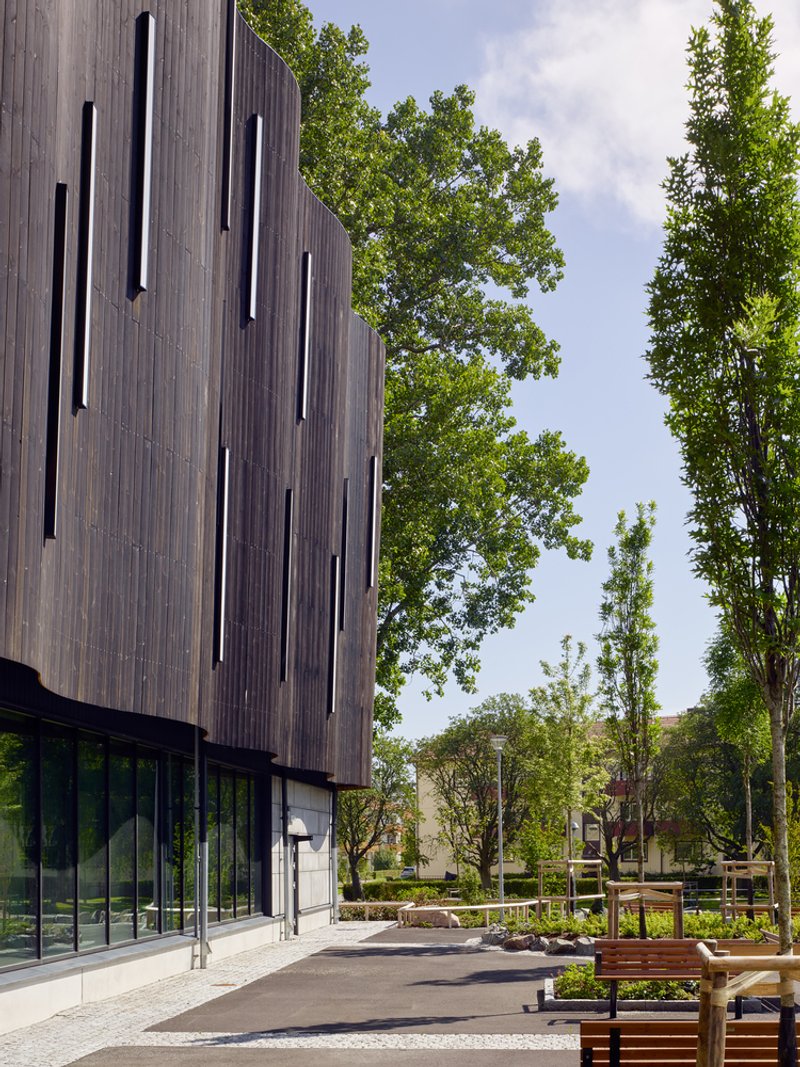
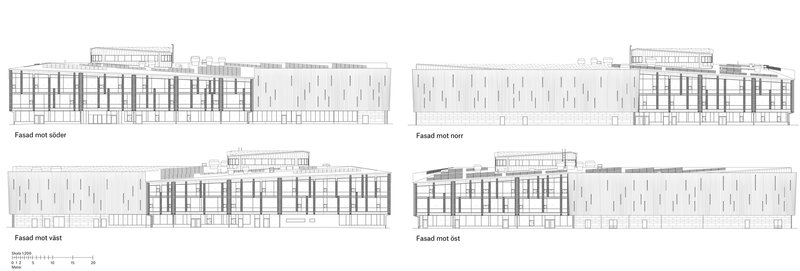
The exterior of Lundby School reflects a harmonious balance between tradition and innovation. The architects incorporated red brick and traditional materials to connect the design to the historic school building, part of which has been preserved. This respectful nod to history is juxtaposed with modern elements, such as large glass sections that showcase the building’s activities and enhance transparency.
These expansive glass facades illuminate the surrounding area, creating safe outdoor spaces and fostering a sense of openness. The interplay of historic and contemporary materials ensures the building is firmly rooted in its context while addressing the needs of a modern educational facility.
Interior Design: A Calming and Natural Environment
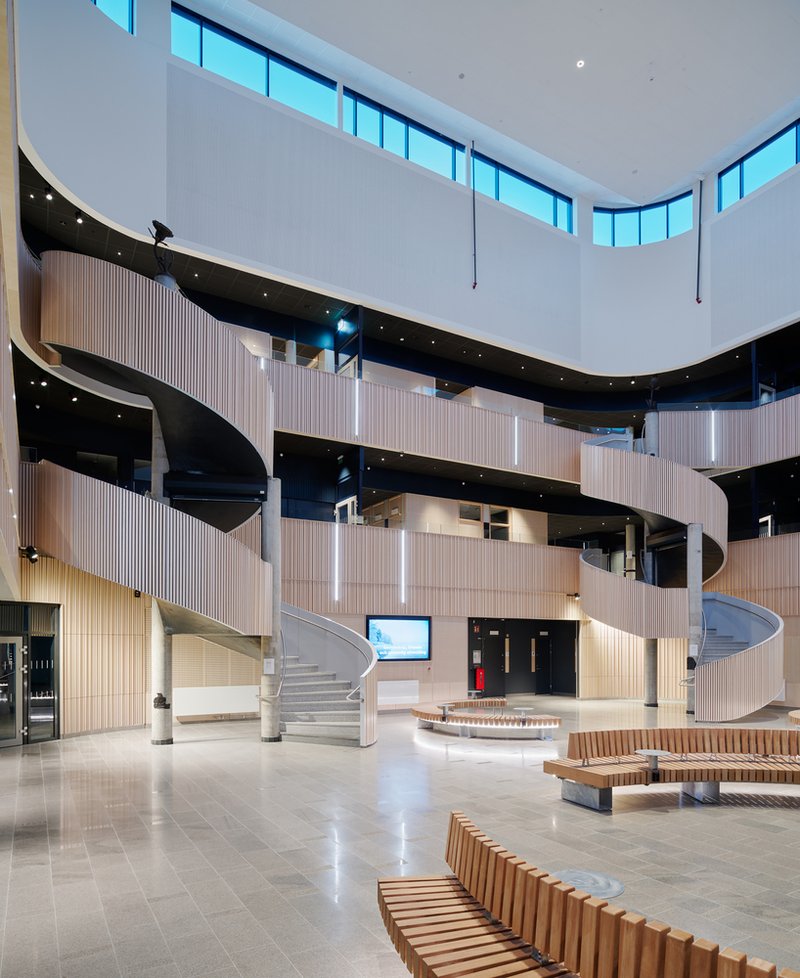
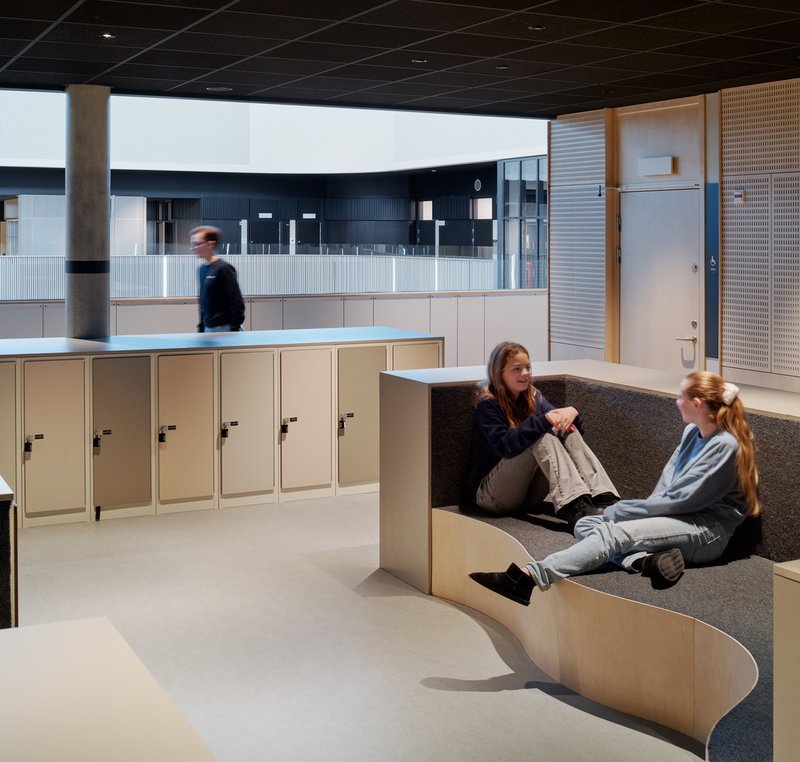
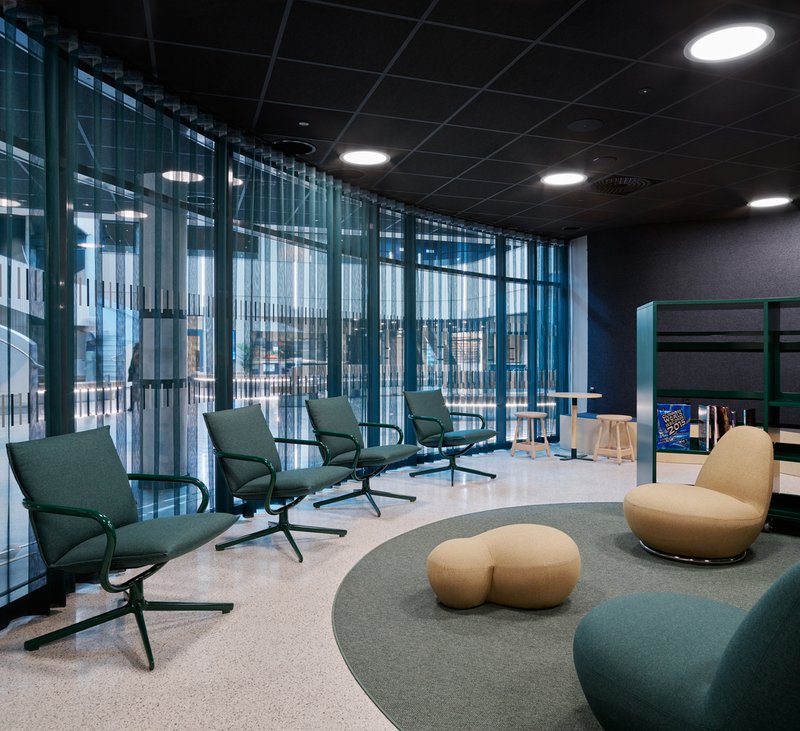
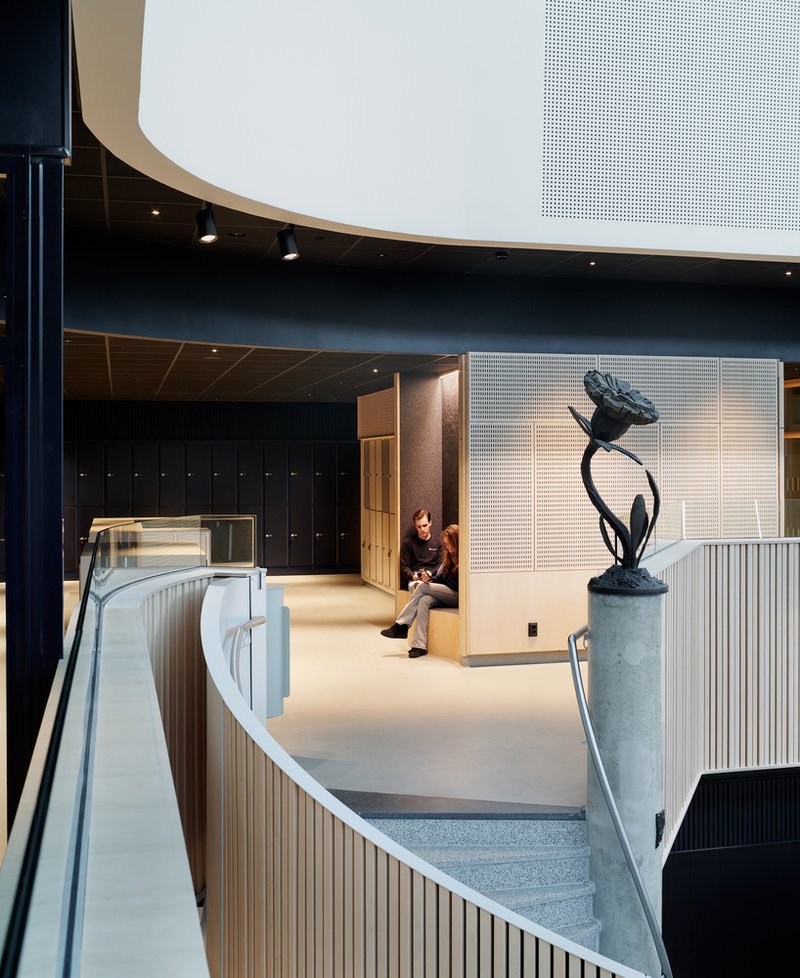
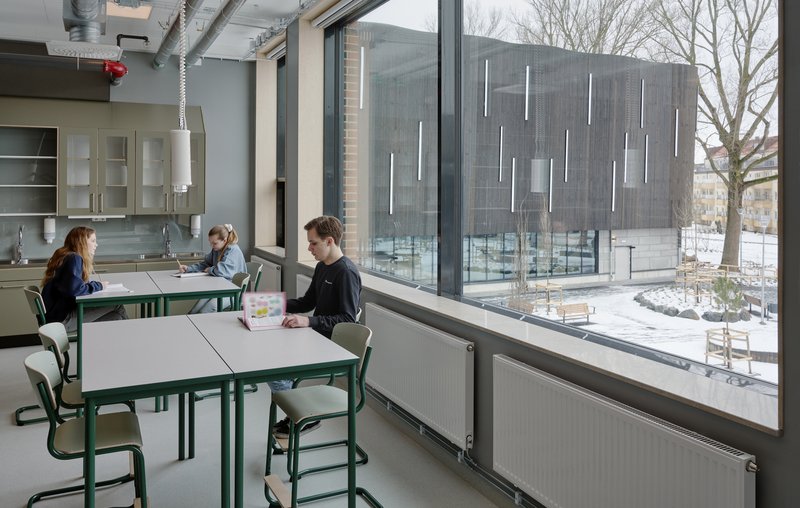
The interior design of Lundby School emphasizes calmness and harmony, achieved through the use of natural materials like slate and wood. A subdued color palette with dark tones contributes to a serene atmosphere, helping students feel at ease.
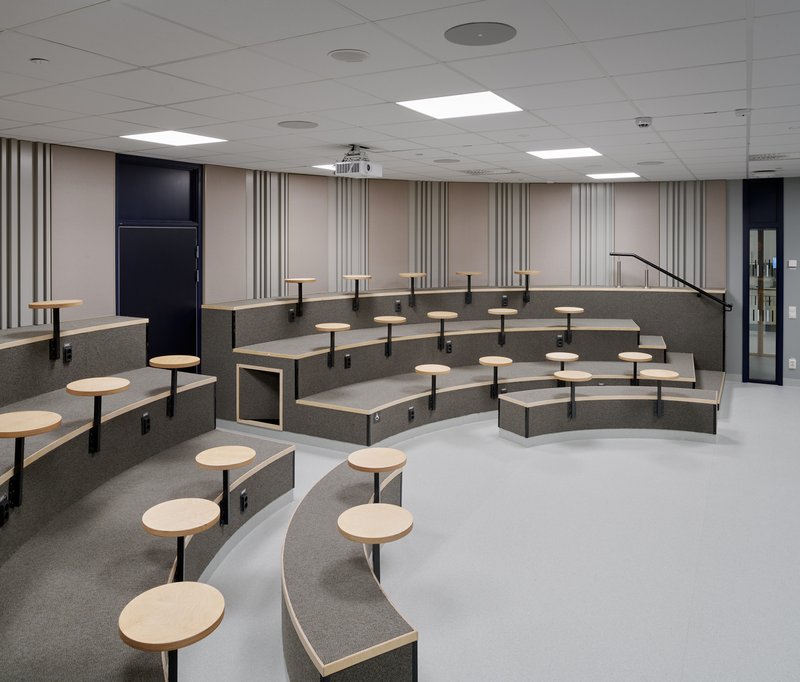
Classrooms and common areas are designed to encourage interaction and creativity, while the spatial layout ensures functionality and adaptability. The integration of natural light throughout the interiors further enhances the connection to the outdoors and supports a healthy, productive learning environment.
The Sports Hall: A Versatile Community Hub
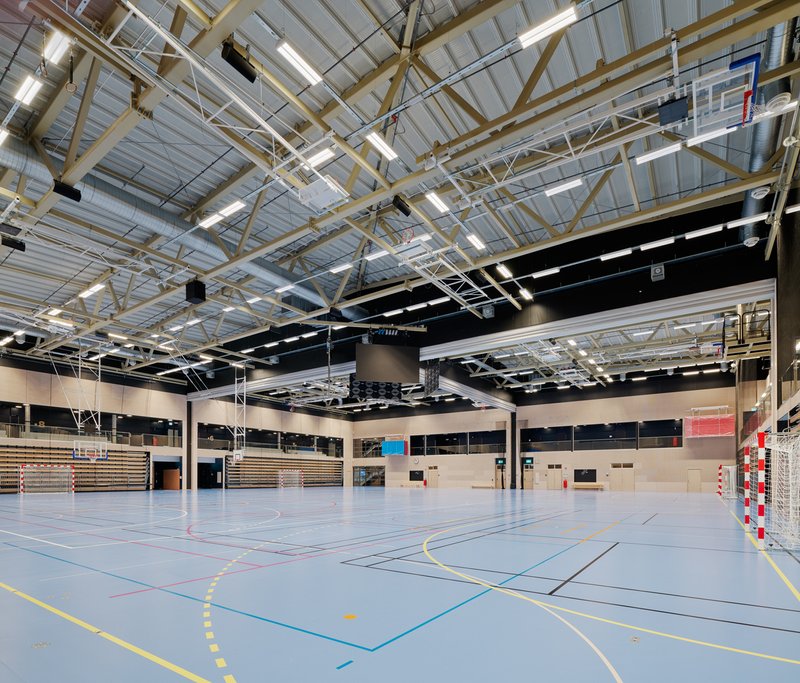
The sports hall is a standout feature of Lundby School, designed to accommodate both school activities and community events. With retractable bleachers for up to 1,000 spectators and a 10-meter-high ceiling, the space is highly versatile.
The hall can be divided into two full-sized courts using a curtain wall, allowing for simultaneous use by multiple groups. This multifunctionality ensures that the sports facilities are optimized for both school and community needs, reinforcing the building’s role as a hub for local engagement.
Sustainability and Community Integration
Sustainability is a core principle of Lundby School’s design. The architects employed energy-efficient materials and systems, ensuring the building meets contemporary environmental standards. Additionally, the integration of cultural and recreational facilities demonstrates a commitment to the broader community, making the school a vital part of the neighborhood’s social and cultural fabric.
The design also prioritizes accessibility, ensuring all students, regardless of ability, can fully engage with the school’s spaces and programs. By creating an inclusive environment, Lundby School sets a benchmark for future educational architecture projects.
A Model for Modern Educational Spaces
Lundby School by D Office arkitekter is a testament to the power of thoughtful, innovative design in shaping modern educational spaces. Its blend of heritage and contemporary elements, emphasis on inclusivity and community, and focus on sustainability make it a model for future school architecture.
This project showcases how educational buildings can transcend their functional purpose to become vibrant, inclusive, and inspiring environments for students and the broader community.
All Photographs are works of Bert Leandersson




Popular Articles
Popular articles from the community

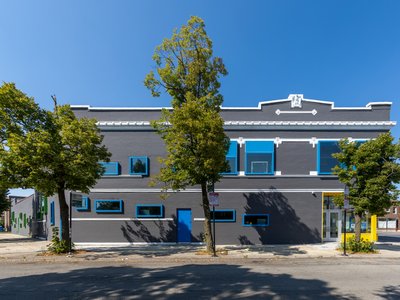
Gads Hill Early Learning Center by JGMA: Adaptive Reuse Shaping Community-Focused Educational Architecture
Adaptive reuse transforms fragmented structure into vibrant early learning center with playful façade, natural light, and community-focused sustainable design.

Solar Steam: A Climate-Responsive Architecture That Redefines the Monument
A climate-responsive memorial architecture that transforms heat, decay, and time into a living system reflecting humanity’s ecological impact.
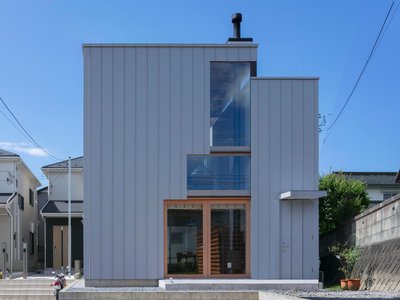
Split House: A Compact Urban Home Blending Privacy, Light, and Flexible Living in Japan
Compact Japanese home featuring DOMA space, flexible café potential, passive lighting, privacy zoning, and sustainable urban living design.
Atelier Macri Concept Store Interior Design by CASE-REAL
Atelier Macri store features a "ko" counter, walnut wood details, cork displays, blending retail, gallery, and seamless customer experiences.


Similar Reads
You might also enjoy these articles


The Ken Roberts Memorial Delineation Competition (Krob)
As the most senior architectural drawing competition currently in operation anywhere in the world, it draws hundreds of entries each year, awarding the very best submissions in a series of medium-based categories.


Waterfront Redevelopment and Urban Revitalization in Mumbai: Forging a New Dawn for Darukhana
A transformative waterfront redevelopment project reimagining Darukhana’s shipbreaking heritage into an inclusive urban future.

OUT-OF-MAP: A Call for Postcards on Feminist Narratives of Public Space
Rhizoma Design and Research Lab invites artists, designers, architects, researchers, and students to reflect on how feminist perspectives can reshape public space. Selected works will be exhibited in Barcelona, October 2026. Submissions open until 15 April 2026.


Documentation Work on Buddhist Wooden Temple
Architectural syncretism and cultural hybridity: A comparative study of the Buddhist temples in Chattogram Hill tracks


Explore Architecture Competitions
Discover active competitions in this discipline




The International Standard for Design Portfolios


The Global Benchmark for Architecture Dissertation Awards


The Global Benchmark for Graduation Excellence


Challenge to design public laboratory
Comments (0)
Please login or sign up to add comments
No comments yet. Be the first to comment!