
Navigating the World of International Architecture Competitions: A Comprehensive Guide
An essential guide for architects on navigating international competitions, from finding opportunities to submitting winning designs, fostering innovation and sustainability.


In the quest to propel humanity towards a Type 1 civilization—a society that harmoniously manages the energy and resources of its entire planet—architecture plays a pivotal role. International architecture competitions stand at the forefront of this ambitious journey, serving as catalysts for innovative ideas and solutions that address the complex challenges of sustainable living, energy efficiency, and harmonious coexistence with our environment.
These competitions are not merely contests of creativity; they are incubators for the groundbreaking ideas needed to advance our civilization. By challenging architects and designers from all corners of the globe to envision and create structures that are both innovative and sustainable, these competitions do more than just push the boundaries of design. They invite us to reimagine our future and lay the groundwork for a society that thrives on the principles of efficiency, sustainability, and inclusivity.
As we delve into the world of international architecture competitions, we embark on a journey that is about much more than the pursuit of architectural excellence. It is a quest to uncover the ideas that will steer humanity towards a brighter, more sustainable future. This comprehensive guide aims not only to navigate the practical aspects of participating in these competitions but also to inspire architects to contribute their vision towards achieving a Type 1 civilization. Through the lens of architecture, we have the opportunity to shape a world that harnesses the power of its resources wisely, ensuring a sustainable and prosperous future for generations to come.
The Essence of Architecture Competitions
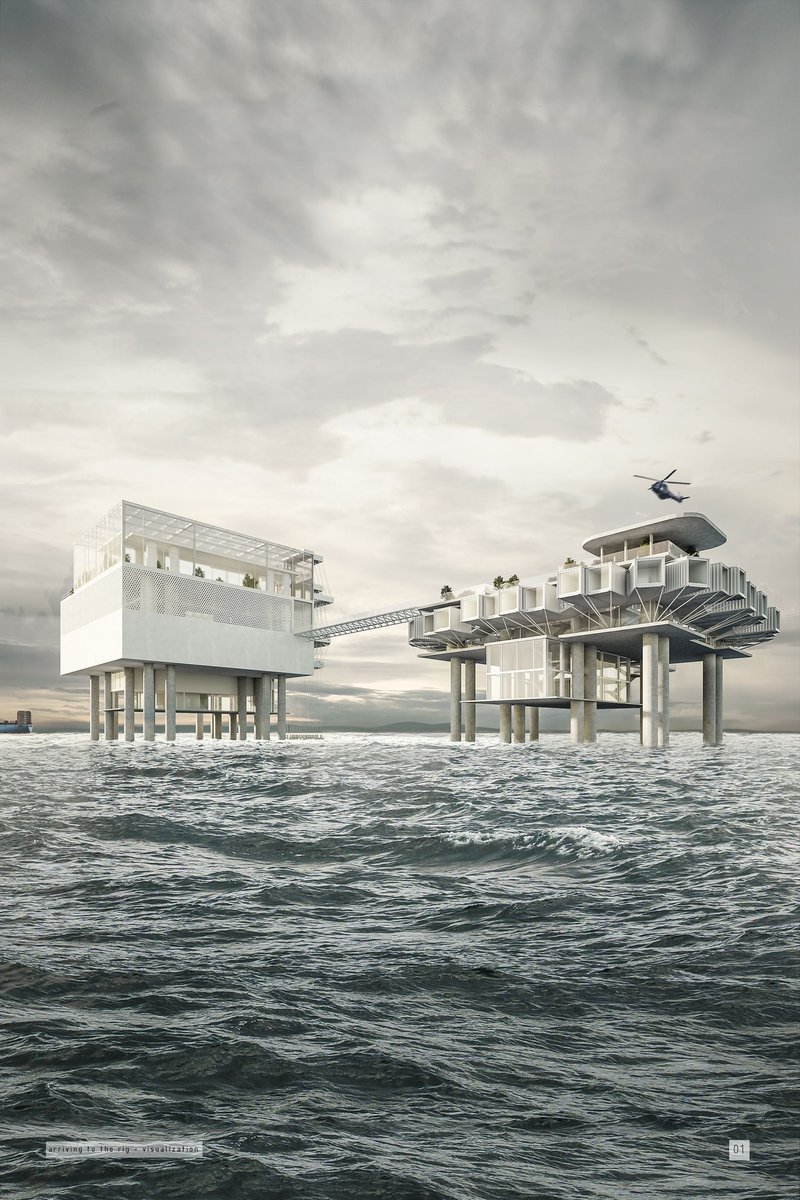
At the heart of every architectural competition is the pursuit of innovation. These contests are far more than mere opportunities for professional recognition; they are the breeding ground for ideas that challenge conventional thinking and inspire a new vision for our future. International architecture competitions invite the brightest minds to solve pressing global issues through design, pushing the envelope of what is possible in architecture and urban planning.
Historical Context and Evolution
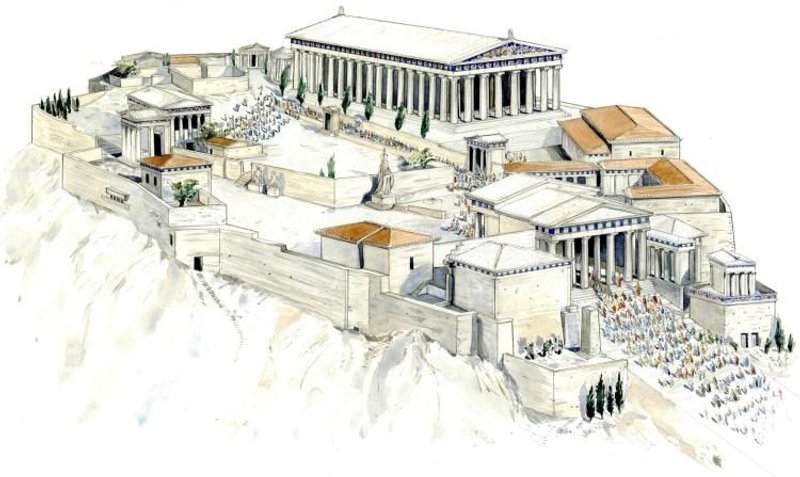
The tradition of architecture competitions dates back to ancient civilizations, where they were used to find the best designs for public buildings and monuments. This tradition has evolved over the centuries, adapting to the needs and challenges of each era. Today, these competitions are global events that not only celebrate creativity but also address critical issues such as climate change, urbanization, and sustainability. They reflect the architectural community's commitment to finding solutions that will lead humanity towards a more sustainable and efficient future.
Value and Impact
The value of architecture competitions lies in their ability to gather diverse perspectives and solutions to common problems. By drawing on the collective genius of architects worldwide, these competitions facilitate a cross-pollination of ideas, cultures, and technologies. The impact of winning or even participating in such competitions can be profound, both for the individual architect and for society at large. Winners gain not just prestige but also the opportunity to see their visionary projects come to life, often becoming benchmarks for innovation in the field.
Moreover, these competitions serve as a vital link between theoretical ideas and practical solutions, offering a platform for concepts that might otherwise remain unexplored. They challenge participants to think beyond the present, considering the long-term implications of their designs on the environment, society, and the advancement towards a Type 1 civilization.
A Catalyst for Sustainable Innovation
In their quest for groundbreaking designs, international architecture competitions encourage architects to incorporate sustainable practices, renewable energy sources, and innovative materials into their projects. This focus on sustainability is crucial for the transition towards a Type 1 civilization, where efficient use of the planet's resources is paramount. Through these competitions, architects are not just designing buildings; they are redefining the future of living on Earth, making strides towards a society that lives in harmony with its environment.
By participating in architecture competitions, architects contribute to a global dialogue on sustainability, resilience, and innovation. Each competition is an opportunity to experiment with new ideas and technologies, pushing the boundaries of what is possible. The solutions and concepts developed for these competitions often inspire broader changes in the industry, influencing how buildings are designed and constructed worldwide.
Different Types of Competitions
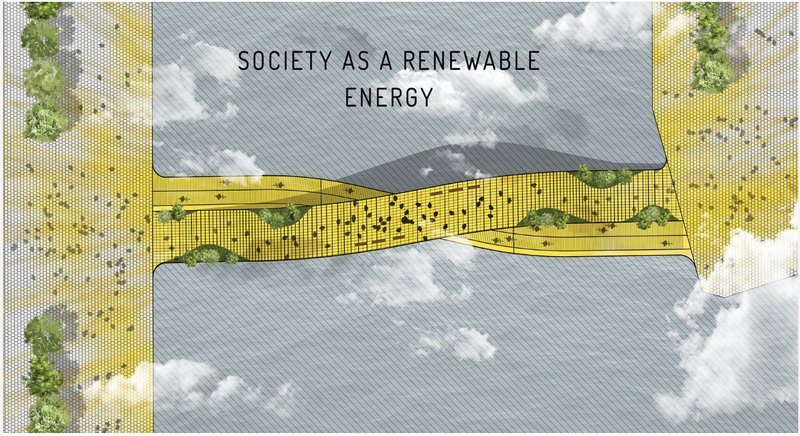
The world of international architecture competitions is diverse, with each competition offering a unique platform for architects to showcase their creativity and respond to global challenges. Understanding the various types of competitions is crucial for participants, as each comes with its own set of rules, objectives, and opportunities. This diversity allows architects to find contests that align with their skills, interests, and visions for the future, including those that contribute to the advancement towards a Type 1 civilization.
Open Competitions
Open competitions are accessible to all, inviting architects and designers from around the globe to submit their proposals. These competitions are particularly valuable for gathering a wide range of solutions and ideas, embodying the democratic spirit of collective problem-solving. They often tackle broad themes such as sustainable urban development, affordable housing, and innovative use of technology, all of which are pivotal in the journey towards a Type 1 civilization.
Invited Competitions
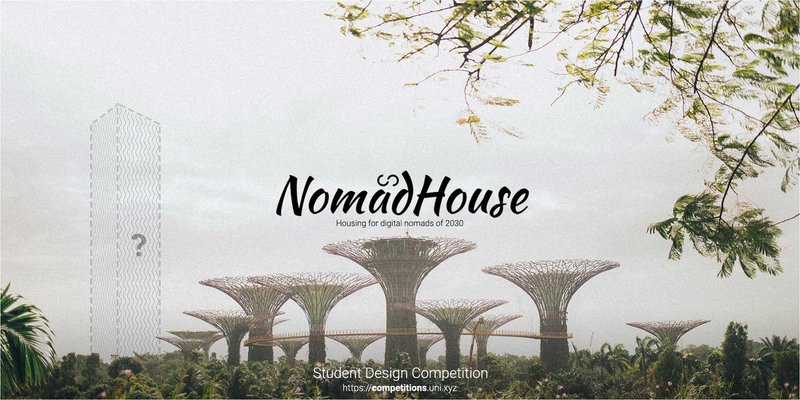
Invited competitions, on the other hand, are selective, targeting experienced architects or firms with specific expertise. Though less inclusive, they foster high-caliber solutions to complex architectural and societal challenges, often commissioned by governments, corporations, or institutions. Invited competitions can directly influence the built environment, paving the way for significant advancements in sustainable living and efficient resource management.
Student vs. Professional Competitions
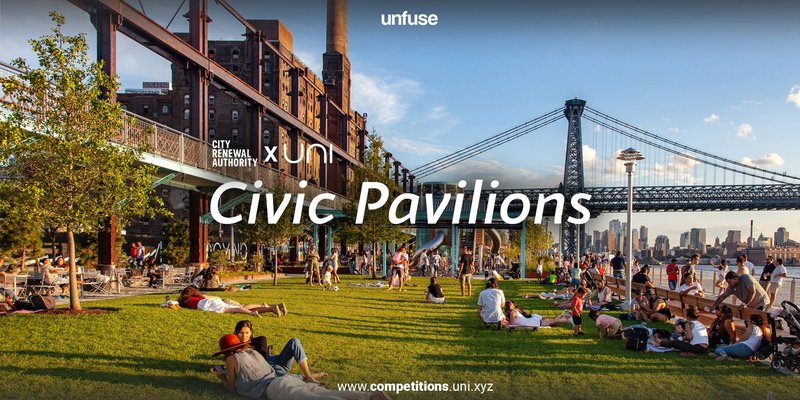
Distinguishing between student and professional competitions helps in nurturing the next generation of architects while leveraging the experience of seasoned professionals. Student competitions often focus on innovative concepts and futuristic designs, encouraging young architects to think critically about their role in shaping a sustainable future. Professional competitions, meanwhile, tend to emphasize practical, implementable solutions that can be integrated into current architectural practices.

Thematic and Issue-Based Competitions
Thematic competitions concentrate on specific issues or themes, such as climate resilience, energy efficiency, or the integration of nature into urban settings. These competitions are instrumental in advancing specific aspects of the Type 1 civilization agenda, such as developing carbon-neutral buildings or creating self-sustaining urban ecosystems. By addressing these focused areas, architects can contribute to solving the puzzle of sustainable planetary management piece by piece.

The Role of Competitions in Propelling Humanity Forward
Each type of competition plays a distinct role in the architectural ecosystem, offering different pathways for innovation and progress. Open and thematic competitions encourage a broad spectrum of ideas, promoting diversity in thought and design. Invited and professional competitions, by focusing on implementable solutions, help bridge the gap between visionary concepts and real-world applications. Student competitions ensure the continuous infusion of fresh ideas and perspectives, vital for long-term sustainability and innovation.

Through these varied platforms, architecture competitions are more than mere contests; they are a means to engage with and address the global challenges that stand in the way of achieving a Type 1 civilization. By participating in these competitions, architects not only showcase their skills and creativity but also contribute to the collective effort of building a sustainable, efficient, and harmonious world.
Identifying and Selecting Competitions
Finding and choosing the right architecture competition is a critical step for architects aiming to make a significant impact. The vast landscape of international competitions offers myriad opportunities, each with the potential to propel humanity towards a more sustainable and integrated civilization. This section guides architects on identifying competitions that align with their expertise, interests, and the broader vision of advancing towards a Type 1 civilization.
Criteria for Selection
- Alignment with Vision and Expertise: Seek competitions that resonate with your personal or firm's vision for the future and areas of expertise. Whether it’s sustainable urban development, innovative use of technology, or enhancing community living, selecting competitions that match your passions can drive more meaningful and impactful designs.
- Scope and Impact: Consider the competition’s potential impact on both your career and the architectural field. Competitions that challenge you to address significant global issues like climate change, resource management, and social equity can contribute to the larger goal of evolving towards a Type 1 civilization.
- Requirements and Constraints: Analyze the competition brief carefully. Understand the requirements, deliverables, and constraints to ensure your submission can fully address the competition's objectives while showcasing your unique approach and solutions.

Finding Competitions
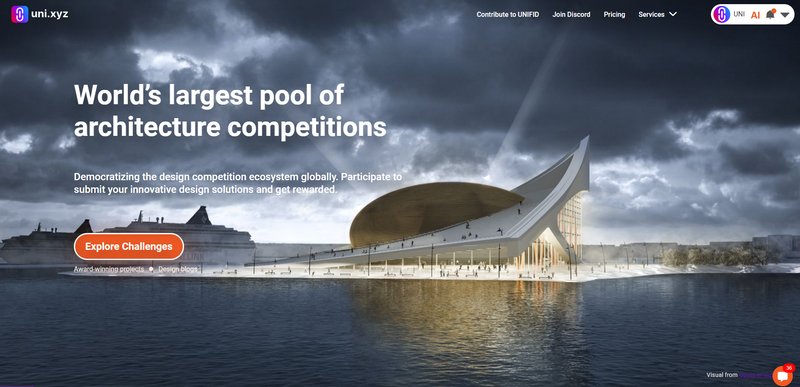
- Architecture Platforms and Websites: Platforms like UNI.xyz, ArchDaily, and Bustler regularly post announcements and details of upcoming architecture competitions worldwide, serving as invaluable resources for architects.
- Professional Networks and Associations: Engage with professional networks and architectural associations that often have insider information on various competitions, including those that are by invitation only.
- Social Media and Forums: Leverage social media channels and online forums where fellow architects and designers share and discuss upcoming competitions. These communities can also offer insights and feedback on past competitions, enriching your understanding and strategy for participation.
Evaluating Competition Briefs
- Understanding the Theme: Each competition has a unique theme or problem it seeks to address. Look for themes that offer the opportunity to explore designs contributing to sustainable development, efficient energy use, and innovative community solutions.
- Judging Criteria: Familiarize yourself with the judging criteria. Competitions that prioritize sustainability, innovation, and social impact may align more closely with the goals of a Type 1 civilization.
- Submission Guidelines: Pay attention to submission guidelines to ensure your proposal meets all technical requirements and is judged on its merits.
Strategic Participation
- Long-Term Engagement: View participation not just as a one-off event but as part of a long-term strategy to build your portfolio, sharpen your skills, and contribute to critical conversations in the field of architecture.
- Collaboration and Networking: Competitions provide a unique platform for collaboration among architects, engineers, and other professionals. They also offer networking opportunities with jurors, sponsors, and peers, opening doors to future projects and partnerships.
Selecting the right competition is about more than just the possibility of winning. It’s an opportunity to test ideas that can address some of the most pressing challenges facing our planet. By strategically choosing competitions that align with the journey towards a Type 1 civilization, architects can play a pivotal role in shaping a future where architecture not only reflects beauty and innovation but also embodies the principles of sustainability, equity, and global stewardship.
Preparation for Submission
Successfully navigating the preparation phase of an architecture competition requires a blend of creativity, strategic planning, and meticulous attention to detail. This stage is crucial for transforming abstract ideas into compelling submissions that resonate with the competition's goals and criteria. Here’s how architects can effectively prepare their entries to not only compete but also contribute to the global push towards a Type 1 civilization.
Understanding the Competition Brief
- Deep Dive into the Brief: Begin with a thorough analysis of the competition brief. Understand the problem statement, objectives, and the community or environment the project will serve. Consider how your design can address these needs while contributing to broader goals like sustainability, energy efficiency, and social cohesion.
- Research and Contextual Analysis: Conduct comprehensive research on the project’s context, including environmental, cultural, and social aspects. This understanding can inspire solutions that are both innovative and deeply rooted in the site's specific needs and opportunities.
- Identify Key Challenges and Opportunities: Highlight challenges posed by the brief and identify opportunities for innovation. Consider how your design can leverage technology, sustainable materials, and novel architectural practices to overcome these challenges and set a precedent for future projects.
Concept Development
- Brainstorming Sessions: Organize brainstorming sessions with your team to explore various ideas and approaches. Encourage free thinking and the exploration of unconventional solutions that push the boundaries of current architectural practices.
- Sketching and Conceptualization: Begin sketching and developing your concept. Visual representations can help crystallize ideas and facilitate the exploration of different design avenues.
- Sustainability and Innovation: Focus on integrating sustainable design principles and innovative technologies from the outset. Consider how your project can contribute to the development of a Type 1 civilization through efficient energy use, minimizing environmental impact, and enhancing the quality of life for its inhabitants.
Team Composition
- Build a Multidisciplinary Team: Assemble a team that brings together diverse skills and perspectives. Including specialists in sustainability, engineering, and urban planning can enrich your proposal and ensure it addresses the competition's multifaceted challenges.
- Roles and Responsibilities: Clearly define each team member's roles and responsibilities to streamline the design process and ensure that all aspects of the competition brief are addressed comprehensively.
Design Development
- Iterative Design Process: Employ an iterative process, refining your concept with each iteration based on feedback and further analysis. This approach can help you develop a more resilient and adaptive design.
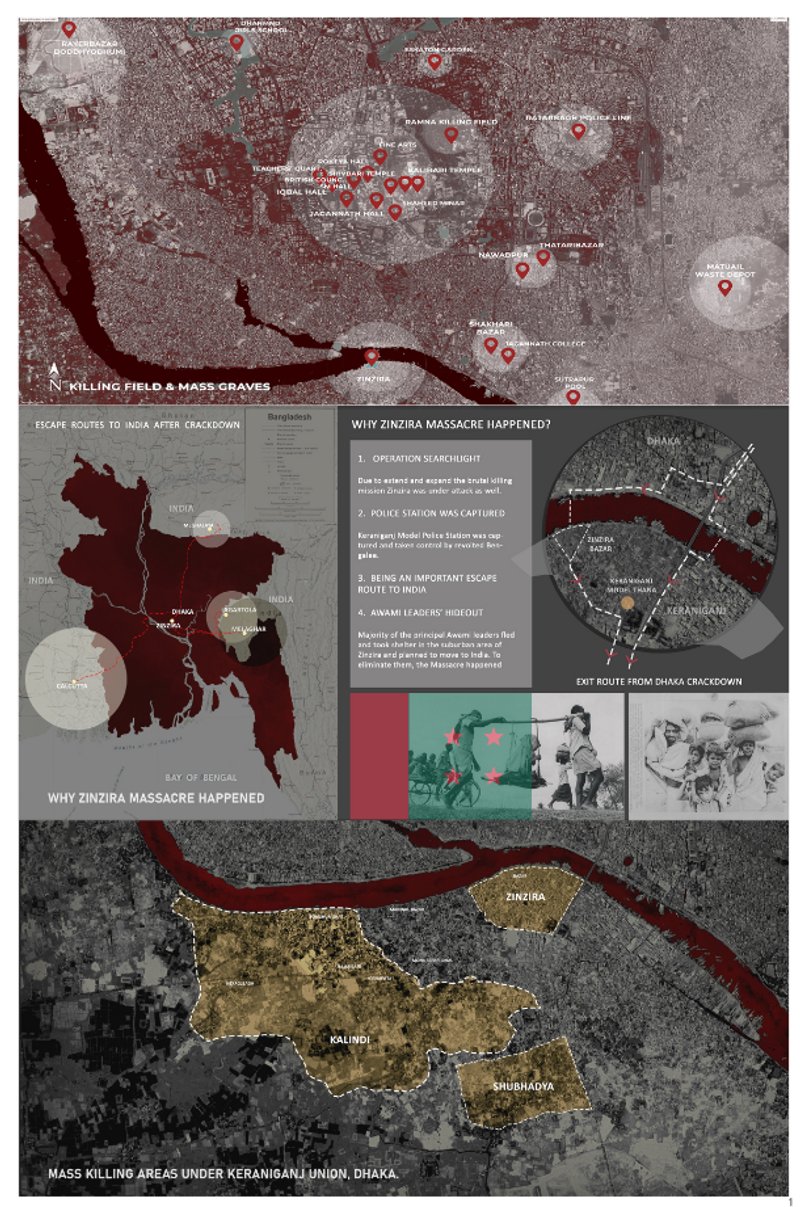
- Visualization and Presentation Materials: Invest time in creating high-quality visuals, including renderings, diagrams, and models, to effectively communicate your design concept. These materials should convey the essence of your proposal and how it addresses the competition's objectives.
- Narrative and Documentation: Craft a compelling narrative that articulates the vision, strategy, and impact of your design. Accompanying documentation should clearly explain how your project meets the competition criteria and contributes to the broader goals of sustainable and innovative development.
Feedback and Revision
- Seek External Feedback: Before finalizing your submission, seek feedback from peers, mentors, or professionals outside your team. Fresh eyes can provide valuable insights and identify areas for improvement.
- Final Revisions: Incorporate feedback and conduct final revisions. Ensure that your submission is cohesive, meets all competition requirements, and effectively communicates your vision and solutions.
The preparation phase is a critical period where visionary ideas are shaped into tangible proposals. By meticulously understanding the brief, developing innovative concepts, and clearly communicating their impact, architects can create submissions that not only vie for accolades in competitions but also contribute to the architectural discourse and the global movement towards a Type 1 civilization.

Effective Submission Strategies
Creating an effective competition submission involves more than just innovative design and technical proficiency; it requires a strategic approach to presentation and storytelling that captures the essence of your concept and its relevance to the competition’s goals. Here’s how to ensure your submission not only meets the criteria but also resonates with the jury and aligns with the broader objectives of advancing towards a Type 1 civilization.
Adherence to Guidelines
- Follow Submission Rules: Carefully review and adhere to all submission guidelines, including format, size, and content requirements. Deviations from these rules can result in disqualification or reduce the impact of your submission.
- Timely Submission: Plan your schedule to allow for final reviews and adjustments, ensuring your entry is submitted well before the deadline. Last-minute submissions risk technical issues and may not reflect your best work.

Presentation Techniques
- Clear and Concise Presentation: Organize your presentation boards or digital submissions to communicate your ideas clearly and concisely. Use a logical structure that guides the jury through your design concept, process, and final solution.
- Visual Impact: Employ high-quality visuals, including renderings, diagrams, and models, that effectively convey the aesthetic and functional aspects of your design. These visuals should highlight the innovation and sustainability of your proposal, reflecting the push towards a Type 1 civilization.
- Narrative and Storytelling: Craft a compelling narrative that ties your design to the competition’s theme and objectives. Tell the story of how your design addresses the brief’s challenges, contributes to the community or environment, and embodies principles of sustainability and innovation.
Innovation and Originality
- Showcase Innovative Solutions: Highlight the unique aspects of your design and how they contribute to solving the competition’s challenges. Innovations in sustainability, energy efficiency, material use, and social impact are particularly relevant to the goals of a Type 1 civilization.
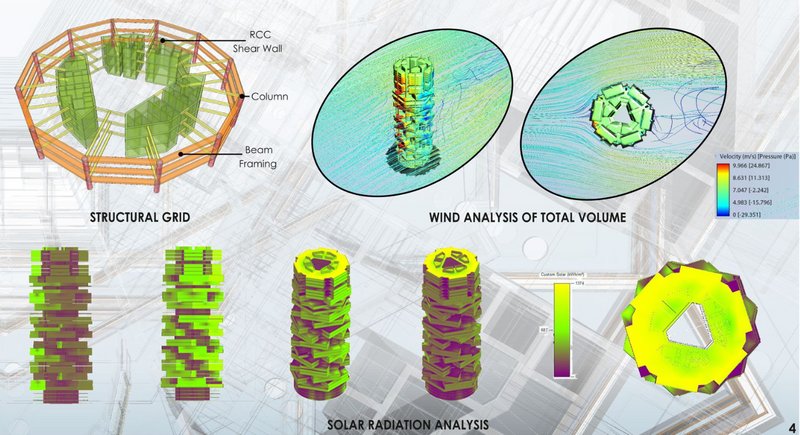
- Evidence-Based Design: Where possible, support your design decisions with research, case studies, or simulations that demonstrate their effectiveness and feasibility.
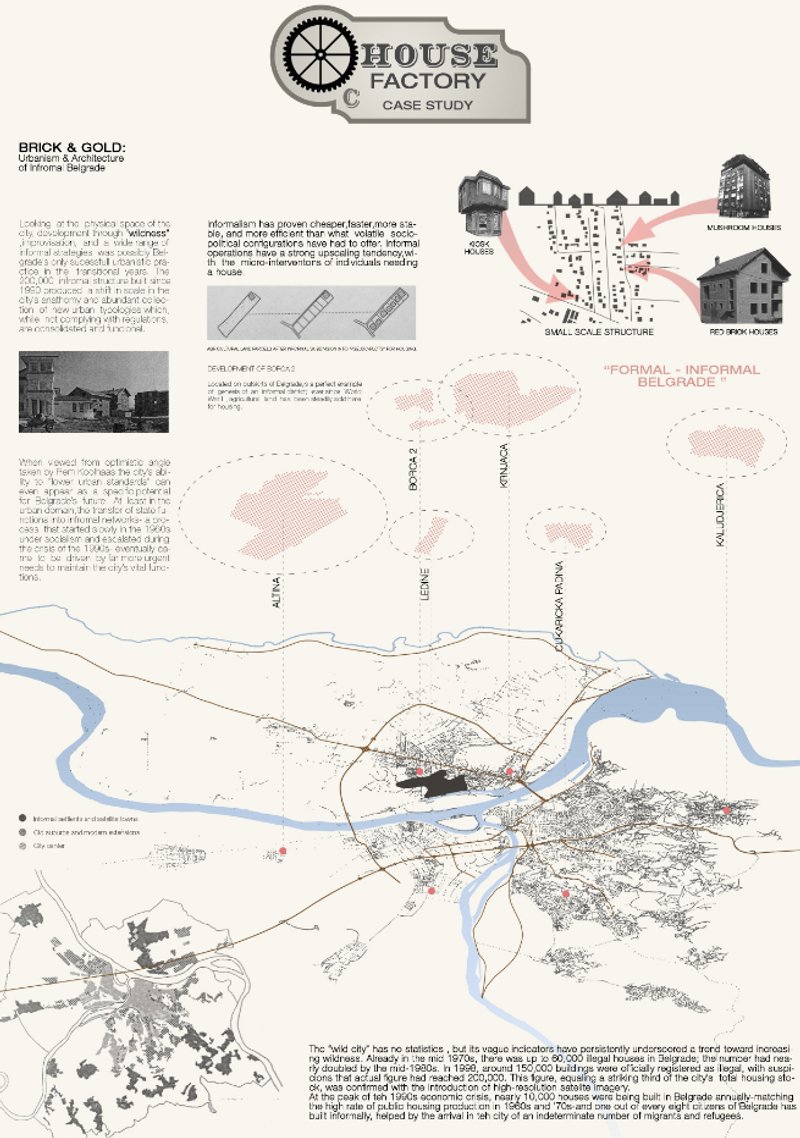
Balancing Aesthetics and Functionality
- Integrated Design Approach: Ensure your submission demonstrates a balance between aesthetic appeal and functional, sustainable solutions. Show how your design is not only visually striking but also practical, resilient, and adaptable to future needs.
- Contextual Sensitivity: Highlight how your design respects and integrates with its intended context, whether it’s an urban setting, natural landscape, or a specific cultural or historical environment. This sensitivity can underscore the project’s potential for positive impact.
Feedback and Iteration
- Incorporate Pre-Submission Feedback: If possible, seek feedback on your proposal from peers, mentors, or professionals before finalizing your submission. Use this feedback to refine and strengthen your presentation.
- Reflection and Self-Critique: Engage in a critical review of your own work. Identify any potential weaknesses or areas for improvement and address them in your submission. This process can enhance the clarity and effectiveness of your proposal.
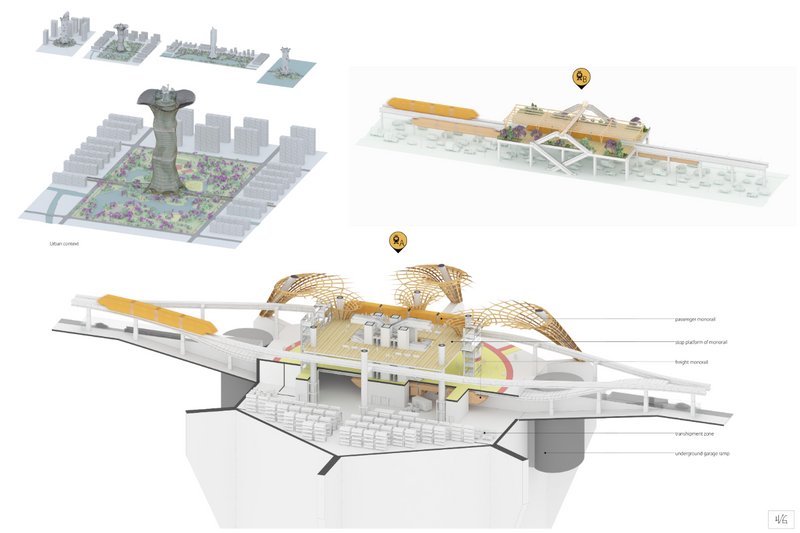
Strategic Focus on Sustainability and Future Impact
- Emphasize Long-Term Benefits: Clearly articulate the long-term environmental, social, and economic benefits of your design. Demonstrating how your project contributes to the sustainable advancement of society aligns with the principles of a Type 1 civilization and can set your submission apart.
By employing these effective submission strategies, architects can enhance the quality and impact of their competition entries. These strategies not only increase the chances of success in the competition but also contribute to the broader discourse on sustainable and innovative architecture, driving us closer to the realization of a Type 1 civilization.
Post-Submission Insights
After submitting an entry to an international architecture competition, the journey is far from over. This phase is crucial for personal and professional growth, offering valuable insights regardless of the outcome. Understanding the post-submission process can prepare participants for what lies ahead, including the review process, potential outcomes, and strategies for leveraging the experience.
Understanding the Judging Process
- Review Criteria: Familiarize yourself with the competition's judging criteria if available. This knowledge can provide insights into what the jury values and how decisions might be made.
- Anonymity and Fairness: Most competitions ensure anonymity to maintain fairness, with projects evaluated solely on their merits. Understanding this can reassure participants of an unbiased review. On UNI juror's review your entry without knowing the participants name.
- Jury Composition: Knowing who the jurors are can offer insights into the perspectives that will influence the evaluation process. Jurors often come from diverse backgrounds, including renowned architects, academics, and industry experts.

Navigating Outcomes
- Winning or Placing: Winning or receiving an honorable mention can be a significant career milestone, offering recognition, prizes, and sometimes the opportunity to realize the proposed project. It can also open doors to new professional opportunities and collaborations.
- Feedback and Critique: Some competitions provide feedback to participants. Whether your entry wins or not, constructive criticism is invaluable for growth. It offers a unique opportunity to see your work through the eyes of industry leaders and to refine your approach in future projects.
- Exhibition and Publication: Winning and notable entries are often featured in exhibitions, publications, and online platforms, providing exposure and the opportunity to contribute to the architectural discourse.
Learning and Growth
- Reflect on the Experience: Take the time to reflect on your competition experience. Consider what worked well, what didn’t, and how the process contributed to your development as an architect.
- Apply Lessons Learned: Use the insights gained from the competition to inform future projects and competitions. Each competition is a learning opportunity, helping you hone your skills, creativity, and presentation techniques.
Building on the Experience
- Networking: Use the competition as a networking opportunity. Engaging with other participants, jurors, and organizers can expand your professional network and open up new avenues for collaboration and growth.
- Portfolio Development: Include your competition entry in your portfolio, regardless of the outcome. Each entry represents your ideas and skills, contributing to a body of work that showcases your ability to tackle complex design challenges.
- Future Participation: Encourage yourself and your team to continue participating in competitions. Each entry builds your experience, resilience, and ability to innovate, key qualities for architects aiming to impact the field significantly.

Contributing to a Type 1 Civilization
- Share Your Ideas: Whether you win or not, consider sharing your ideas through professional forums, social media, or architectural publications. Contributing to the broader conversation about sustainable and innovative architecture can inspire others and drive the industry towards the goals of a Type 1 civilization.
- Engage in Sustainable Practices: Use the competition as a catalyst to further engage in sustainable design practices in your regular work, advocating for projects that embody the principles of efficiency, sustainability, and social responsibility.
Post-submission, the journey through international architecture competitions is as much about introspection and learning as it is about recognition. Each competition offers a unique platform to test ideas, receive feedback, and engage with a global community of architects committed to addressing the challenges of our time. By embracing this journey, architects can contribute significantly to the evolution of our built environment, moving us closer to achieving a sustainable and harmonious Type 1 civilization.
Case Studies and Success Stories
Exploring case studies and success stories from international architecture competitions can provide invaluable insights and inspiration for architects. These narratives not only highlight innovative design solutions but also reveal the strategic thinking and processes behind successful competition entries. Understanding these success stories can offer guidance on navigating competitions effectively, contributing to the broader goals of sustainable development and innovation in architecture.
Analyzing Winning Designs
- Innovative Solutions: Examine how winning designs have addressed the competition brief with innovative solutions. Focus on the integration of sustainable practices, use of new materials and technologies, and approaches to community and environmental challenges.
- Presentation Excellence: Look at the presentation techniques that made these entries stand out. Successful submissions often excel in clearly communicating complex ideas through compelling visuals and narratives.
- Adherence to Criteria: Winning projects typically excel in aligning closely with the competition’s judging criteria. Analyzing these projects can provide insights into the balance between creativity, functionality, and sustainability.
UNI hosts a library of over 10,000+ projects for your reference and case studies from other competitions.

Insights from Winners
- Design Process: Winners often share their design process, from initial concept development through to final submission. These insights can shed light on effective strategies for brainstorming, collaboration, and iteration. On UNI Designers often share their design process in addition to FAQs. This provides a great learning resource for the budding architect and designers a
- Challenges Overcome: Learning about the challenges faced by winning teams and how they overcame them can be particularly instructive. It highlights the resilience and problem-solving skills necessary for success.
- Impact of Winning: Understanding the impact of winning on the architects and their practices can underscore the value of participating in competitions. This includes professional recognition, networking opportunities, and potential project commissions.
Implementing Lessons Learned
- Application to Future Projects: Identify lessons from these case studies that can be applied to your future competition entries or architectural projects. This could involve innovative design principles, sustainability strategies, or presentation techniques.
- Adapting to Different Contexts: Consider how the concepts and solutions from winning entries can be adapted to different geographical, cultural, and environmental contexts. This adaptability is crucial for addressing the global challenges of building a Type 1 civilization.

Contributing to the Architectural Discourse
- Sharing Knowledge: Winners and participants in architecture competitions are encouraged to share their experiences and insights through lectures, publications, and online platforms. This contributes to the collective knowledge of the architectural community.
- Inspiring Future Generations: Success stories serve as inspiration for emerging architects and students, encouraging them to participate in competitions and pursue innovative solutions to architectural challenges.
Driving Towards a Type 1 Civilization
- Global Solutions: Case studies of successful competition entries often demonstrate how architecture can address global challenges such as sustainability, urbanization, and social equity. These solutions contribute to the gradual advancement towards a Type 1 civilization, where human society harmoniously integrates with the planet’s ecosystems.
- Innovation and Sustainability: By highlighting projects that push the boundaries of sustainable design and technological innovation, these success stories inspire the architectural community to pursue projects that not only meet the needs of the present but also safeguard the future.
Exploring case studies and success stories from international architecture competitions is a powerful way to understand the dynamics of success in this competitive field. These narratives not only celebrate creativity and innovation but also serve as a beacon, guiding the architectural community towards the collective goal of creating a sustainable, efficient, and inclusive global society.

The Future Landscape of Architecture Competitions
As we look towards the future, the landscape of international architecture competitions is poised to evolve in response to global trends, technological advancements, and the pressing need for sustainable development. These platforms for architectural innovation are expected to increasingly focus on challenges that align with the objectives of achieving a Type 1 civilization, where humanity lives in harmony with the Earth's resources. This section explores the emerging trends and how they will shape the future of architecture competitions.
Emerging Trends in Architecture Competitions
- Sustainability and Resilience: Competitions are increasingly emphasizing designs that address climate change, promote sustainability, and enhance resilience to environmental challenges. This shift reflects a global recognition of the urgent need to mitigate the impact of human activities on the planet.
- Integration of Technology: The use of advanced technologies, including Artificial intelligence, virtual reality, and digital fabrication, is becoming more prevalent in competitions. These technologies offer new ways to imagine, design, and construct architectural projects, pushing the boundaries of what is possible.
- Community and Social Impact: There is a growing focus on projects that positively impact communities, promoting social equity, inclusivity, and accessibility. Competitions are seeking solutions that address the needs of underserved populations and foster a sense of community.
- Interdisciplinary Collaboration: The complexity of contemporary architectural challenges is encouraging interdisciplinary collaboration in competitions. Architects are teaming up with environmental scientists, engineers, urban planners, and other specialists to develop holistic and innovative solutions.
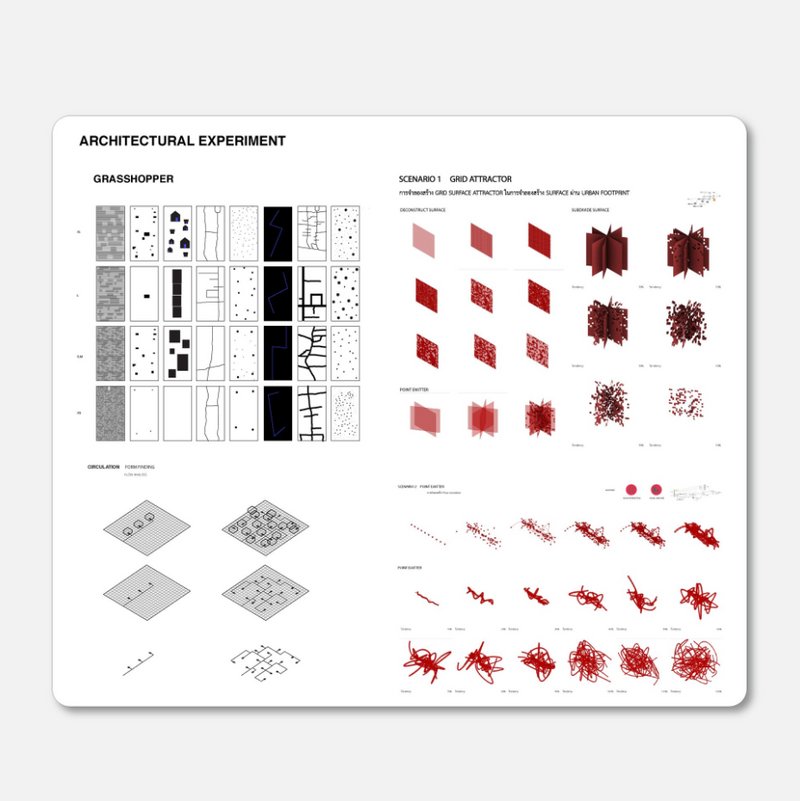
The Role of Competitions in Advancing Towards a Type 1 Civilization
- Catalysts for Innovation: Competitions act as catalysts for innovation, challenging architects to develop solutions that could lead humanity towards a more sustainable and efficient use of the planet's resources. They provide a platform for exploring how architecture can contribute to energy sustainability, waste reduction, and the creation of self-sustaining ecosystems.
- Global Platform for Ideas: Architecture competitions offer a global stage for presenting and testing ideas that address universal challenges. By bringing together diverse perspectives from around the world, these competitions facilitate a cross-cultural exchange of solutions that can be adapted and implemented in various contexts.
- Educational Value: Competitions have significant educational value, exposing architects and students to real-world challenges and the latest trends in sustainable design and technology. This learning experience is vital for preparing the next generation of architects to contribute effectively to the advancement of society.
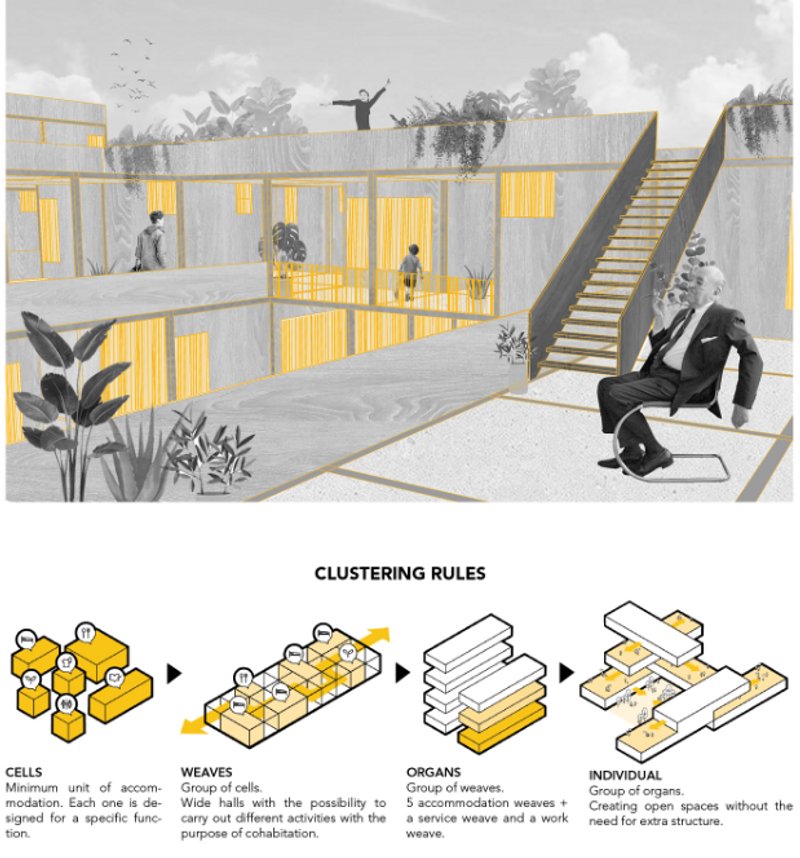
Predictions for the Future
- Increased Accessibility: Digital platforms and virtual presentation techniques are expected to make competitions more accessible, allowing broader participation from architects and designers worldwide, regardless of geographical location.
- Focus on Regenerative Design: Future competitions will likely place a greater emphasis on regenerative design principles, promoting projects that not only minimize harm to the environment but actively contribute to its restoration and enhancement.
- Public Engagement: There may be a shift towards greater public engagement in the competition process, with communities being involved in setting briefs, reviewing proposals, and even participating in the jury process. This approach could ensure that projects are more closely aligned with the needs and values of the communities they aim to serve.
As we navigate the evolving landscape of international architecture competitions, it is clear that these platforms will continue to play a crucial role in shaping the future of architecture. By fostering innovation, promoting sustainability, and encouraging global collaboration, architecture competitions are helping to pave the way towards a Type 1 civilization, where architectural practice is fully integrated with the goals of environmental stewardship, social equity, and technological advancement.
Resources and Tools for Competitors
For architects and designers looking to engage with international architecture competitions, having access to the right resources and tools is crucial for success. This arsenal not only aids in finding and selecting relevant competitions but also supports the entire process from conceptualization to submission. Here's a guide to essential resources and tools that can enhance your competition experience, improve your designs, and potentially increase your chances of winning.
Finding and Tracking Competitions
- Competition Platforms: Websites like ArchDaily, Bustler, and UNI.xyz are invaluable for staying updated on upcoming architecture competitions. They offer detailed information on a wide range of international contests, including briefs, submission deadlines, and entry requirements.
- Professional Associations: Architectural associations and organizations often list competitions and awards relevant to their members. These can be national bodies like the American Institute of Architects (AIA) or international ones like the International Union of Architects (UIA).
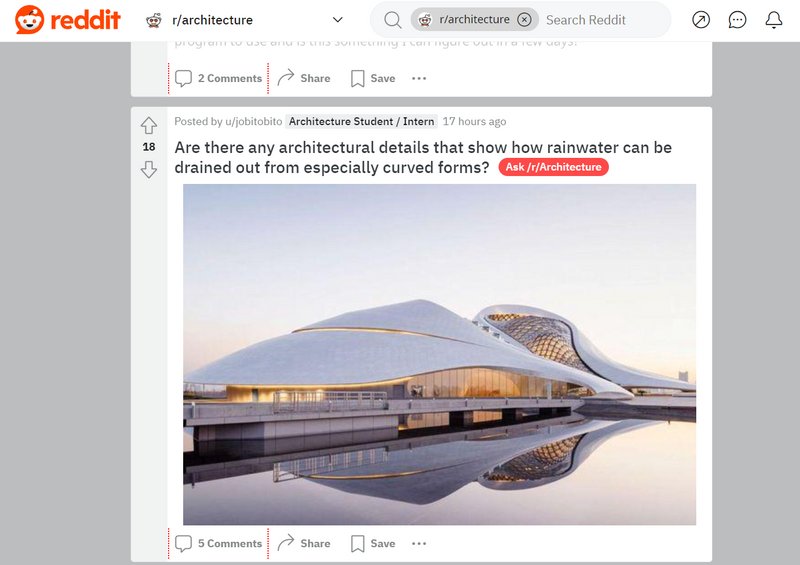
- Social Media and Forums: Leveraging social media platforms and online forums can provide insights into upcoming competitions and feedback on past ones. LinkedIn groups, Reddit communities, and Twitter (x) hashtags are useful for networking and sharing experiences with fellow architects.
Research and Inspiration
- Digital Libraries and Archives: Access to a vast array of design precedents, case studies, and architectural publications is essential for research. Online libraries like JSTOR, Archinect, and specific university archives can be valuable resources.
- Inspiration Platforms: Websites such as Pinterest, Architizer, and Dezeen offer a wealth of architectural designs and concepts that can spark creativity and provide insight into current trends and innovative solutions.
Design and Presentation Tools
- CAD and BIM Software: Tools like AutoCAD, Revit, and ArchiCAD are fundamental for creating precise architectural drawings and models. BIM (Building Information Modeling) software enhances the design process by providing detailed information about the project's physical and functional characteristics.
- Visualization Software: High-quality visuals are crucial for conveying your design concept. Software like Lumion, V-Ray for SketchUp, and Adobe Photoshop can help create compelling renderings and presentations.
- 3D Modeling Tools: Software such as SketchUp, Rhino, and Blender is essential for exploring complex forms and spatial relationships in your designs.
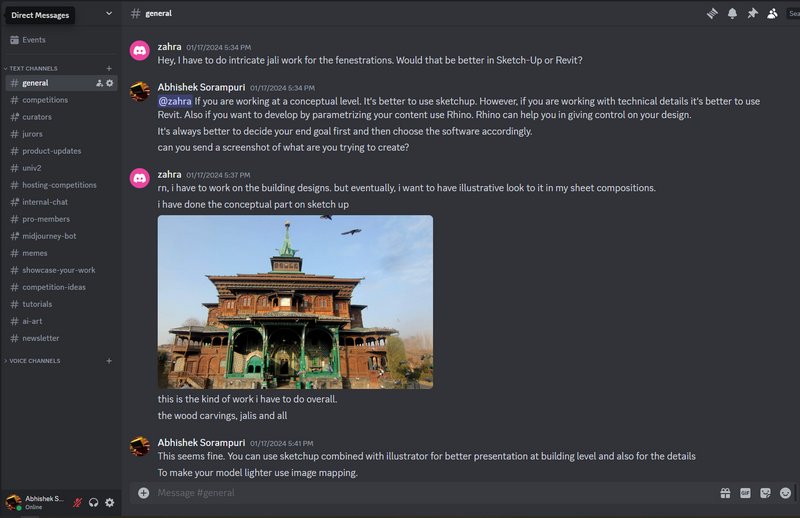
- Collaboration Platforms: Tools like Slack, Trello, and Microsoft Teams can facilitate team collaboration, especially when working remotely. These platforms help in managing tasks, sharing files, and maintaining clear communication among team members.
Submission and Documentation
- Document Editing Software: Creating a clear and concise submission document is crucial. Software like Adobe InDesign and Microsoft Word can help in compiling your proposal, ensuring it is well-organized and adheres to submission guidelines.
- Portfolio Platforms: Having a digital portfolio on platforms like Behance or your personal website can be useful for sharing your work with competition organizers, jurors, and the broader architectural community.
Learning and Skill Development
- Online Courses and Workshops: Platforms like Coursera, edX, and MasterClass offer courses on architecture, design, and software skills. Participating in workshops and webinars specific to architectural competitions can also provide valuable insights and strategies.
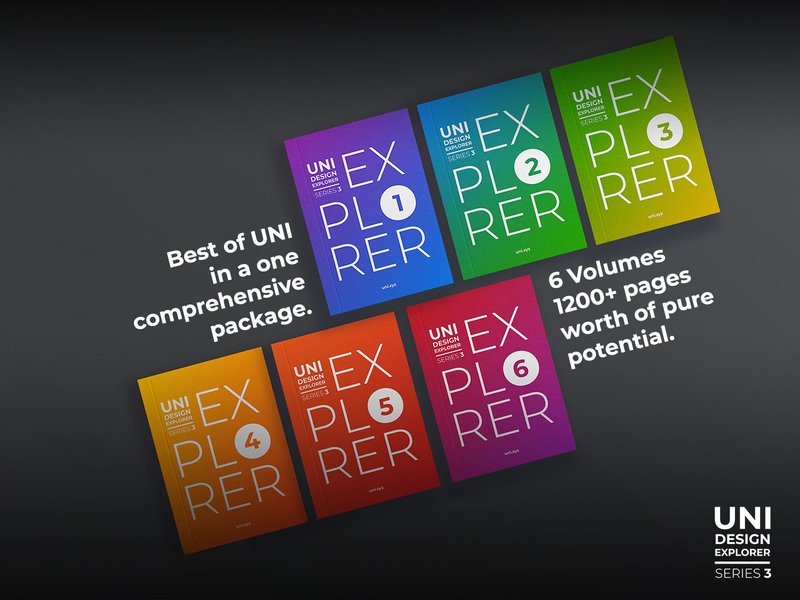
- Books and Publications: There are numerous books dedicated to architectural design, competition strategies, and sustainable practices. Reading widely can broaden your understanding of architecture and enhance your design approach.
Armed with these resources and tools, architects can navigate the complex landscape of international architecture competitions more effectively. From the initial search for competitions to the final submission of a proposal, these resources support creative exploration, informed design, and professional presentation, all of which are key to making a meaningful impact through architectural competitions.
Participating in international architecture competitions offers architects a unique platform to test their creativity, confront global challenges, and contribute to the discourse on the future of architecture. These competitions not only foster professional growth and recognition but also push the boundaries of what is achievable, driving the industry towards innovation, sustainability, and a deeper understanding of our societal needs.
The Journey Beyond Competitions
While the pursuit of winning is a natural aspect of any competition, the true value for participants often lies in the journey itself. This journey offers a multitude of learning opportunities, from understanding complex briefs and collaborating with diverse teams to engaging with the global architectural community. It's a process that hones critical thinking, design skills, and the ability to communicate complex ideas effectively.
A Platform for Global Dialogue
International architecture competitions serve as a global dialogue platform, where architects from varied backgrounds and expertise levels come together to solve common challenges. This exchange enriches the architectural profession, fostering a culture of learning and mutual respect. It encourages architects to look beyond their local contexts and consider the global implications of their work, aligning with the broader goals of achieving a Type 1 civilization.
Driving Towards Sustainable Futures
The emphasis on sustainability and resilience in many competitions reflects the architectural community's commitment to addressing the pressing environmental challenges of our time. By participating, architects contribute to a collective effort to find innovative solutions that reduce our ecological footprint, enhance the livability of our cities, and ensure the well-being of communities around the globe.
Embracing Technological Advancements
As technology continues to evolve, its integration into the architectural process becomes increasingly critical. Competitions often serve as testing grounds for new technologies, methodologies, and materials, pushing architects to explore the potential of digital tools, sustainable building practices, and innovative design strategies.

The Enduring Value of Competitions
Ultimately, the enduring value of participating in international architecture competitions lies in their ability to inspire, challenge, and elevate participants. They are a testament to the power of architecture to envision and create a better future. As architects, engaging in these competitions is not just about the accolades or the potential to see one's design realized; it's about being part of a larger conversation on how we shape our world, making it more sustainable, equitable, and beautiful for generations to come.
As we look forward, the landscape of architecture competitions will continue to evolve, reflecting the changing needs of our society and the planet. For architects willing to embrace this journey, competitions offer a pathway to professional growth, innovation, and the opportunity to make a lasting impact on the built environment.