
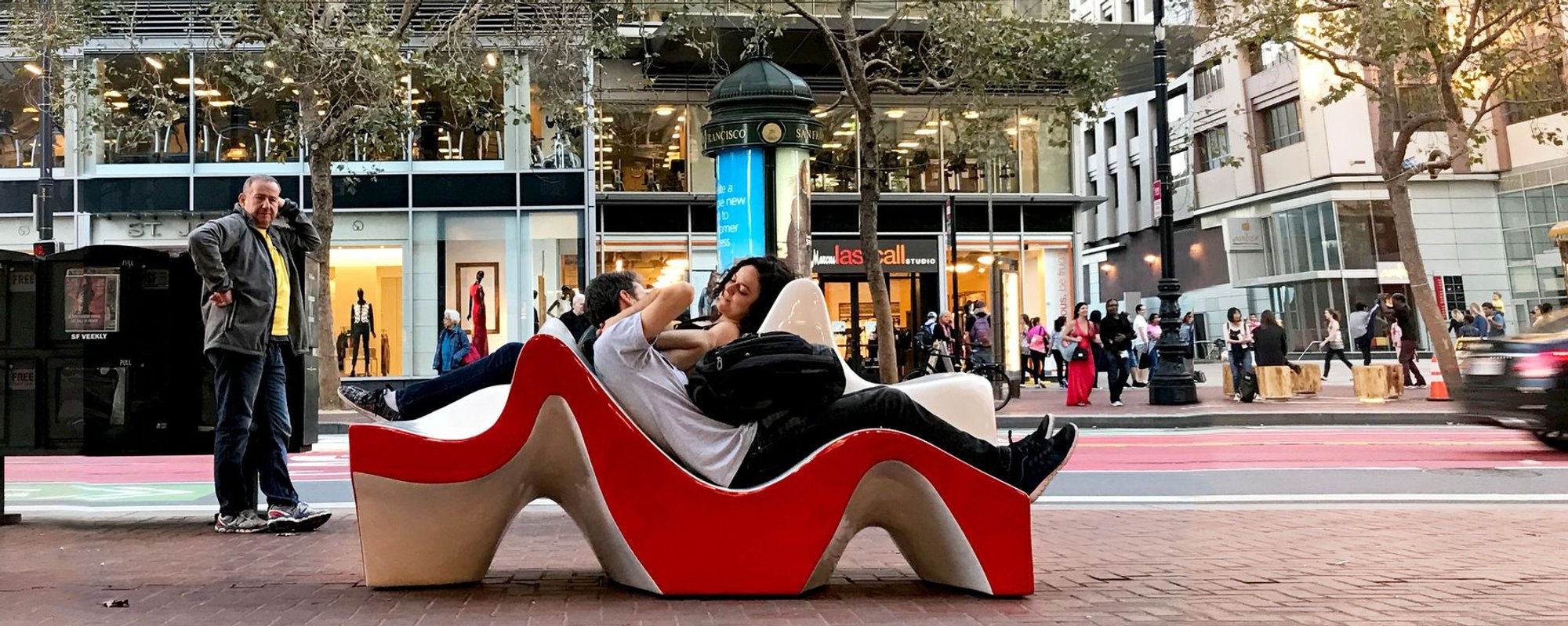
Pulse | Social Seating Structure
Pulse transforms urban furniture into a stage for connection, blending design, interaction, and architecture for healthier cities.

In the bustling rhythm of city life, architecture has the power to shape not only our surroundings but also our social experiences. Pulse social seating structure, designed by Danielle Aspitz, redefines urban furniture as more than just a place to sit — it becomes a catalyst for human connection and shared moments in public spaces.
Set within the context of the Market Street Prototyping Festival, Pulse challenges conventional street furniture design by merging architectural form with social intention. Inspired by the flowing curves of the human body and the continuous pulse of city life, this innovative seating structure creates a sculptural presence that is both functional and inviting.
Design Concept: Flow, Interaction, and Community
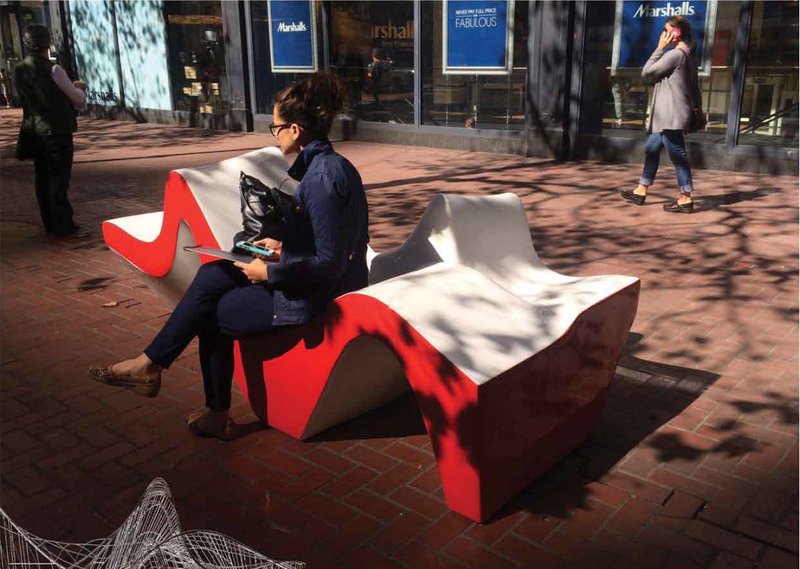
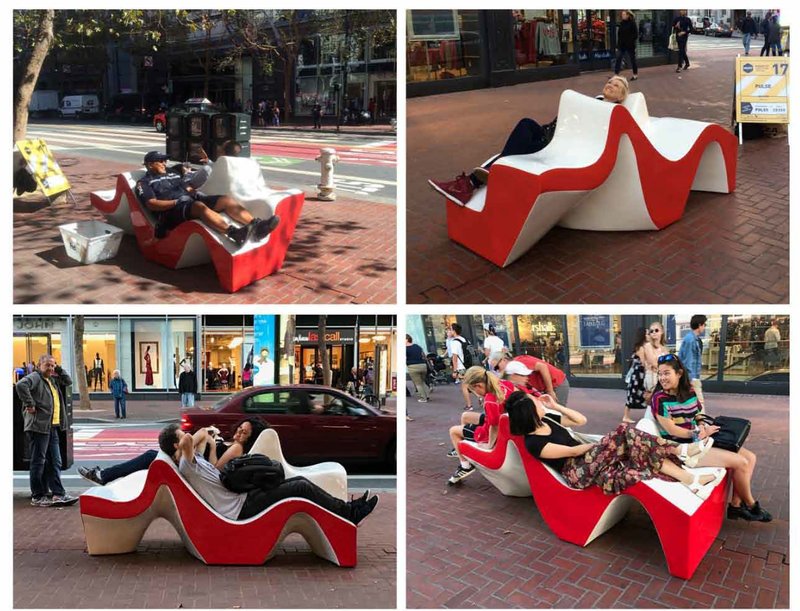
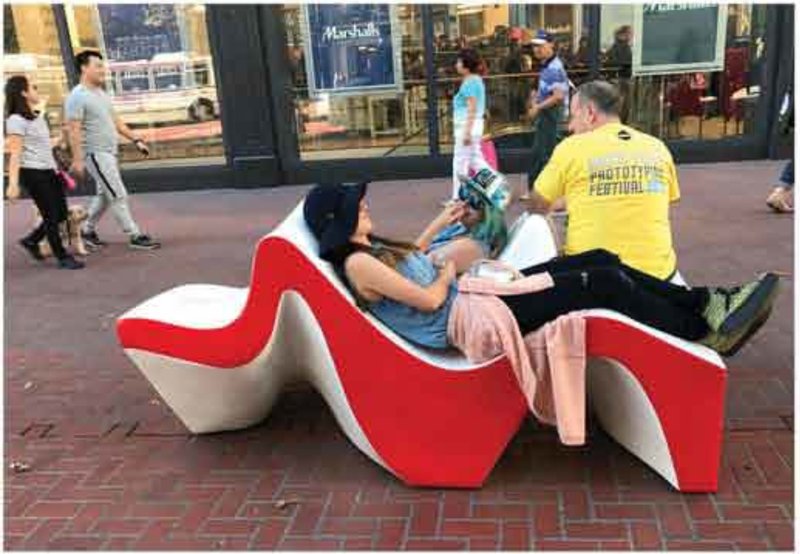
At first glance, Pulse presents itself as a bold, red-and-white sculptural installation, but its true strength lies in the way it fosters spontaneous interaction. Each seat is subtly defined, giving individuals a sense of personal space, while its interconnected curves encourage proximity and connection. This balance allows strangers to share the same structure without feeling isolated — a reflection of the social dynamics of urban living.
The modular design accommodates multiple seating positions — sitting upright, reclining, lounging, or even stretching. The sculptural wave-like form opens up possibilities for different body postures, inviting playful engagement for children and comfortable relaxation for adults. By doing so, Pulse blurs the boundary between public art, architecture, and functional street furniture.
A Prototype for Socially Connected Cities
In an age when digital interactions dominate, Pulse emphasizes the importance of face-to-face encounters. By bringing people physically closer, it creates a microcosm of social exchange — a reminder that cities thrive on human connection. Whether it’s a brief conversation between strangers or friends gathering in a new way, the installation sparks meaningful encounters in urban space.
Through its innovative form, Pulse offers more than just utility; it creates a sense of place and belonging. It represents a vision for future urban furniture design where every element of the streetscape is seen as an opportunity for interaction and inclusivity.
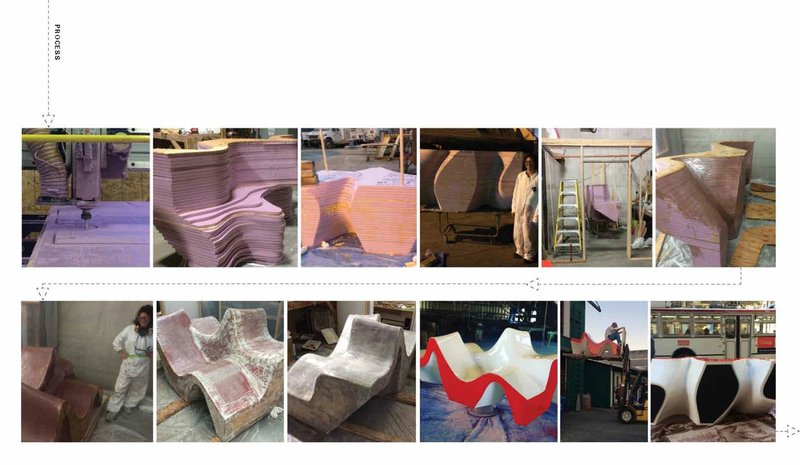
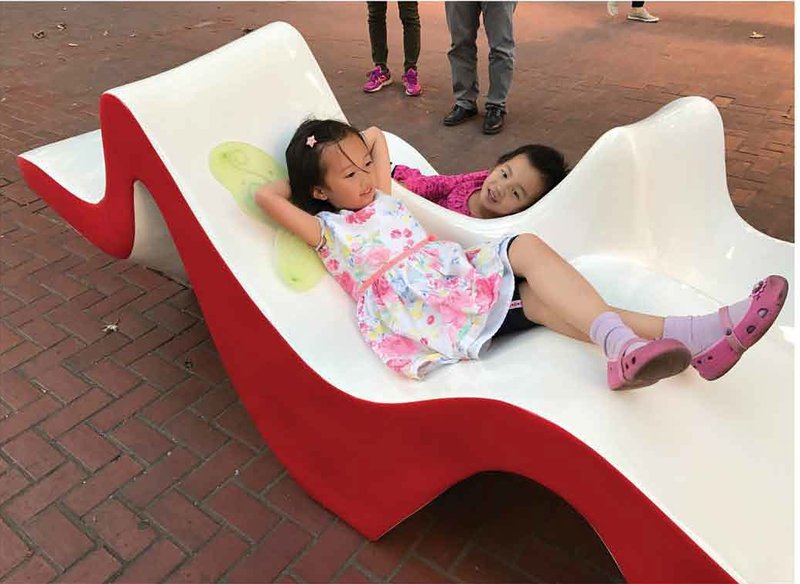
The Making of Pulse: From Concept to Reality
The creation of Pulse involved a meticulous design and prototyping process. Layers of material were sculpted, refined, and finished to achieve its smooth, undulating form. The final product not only withstands the demands of outdoor urban use but also retains the tactile and aesthetic qualities of sculptural architecture.
Each stage of the process — from digital modeling to full-scale fabrication — reflects the merging of architectural innovation with practical functionality. The outcome is a seating structure that serves as both an artistic statement and a durable piece of public infrastructure.
Impact: Architecture as Social Infrastructure
Pulse is more than an urban furniture prototype; it is an exploration of how architecture influences behavior in public spaces. By providing a shared environment for relaxation and interaction, it highlights the role of design in creating healthier, more connected urban communities.
Its presence on city streets demonstrates how thoughtfully designed public furniture can foster inclusivity, spark joy, and encourage people to pause, connect, and experience the city differently.
The Pulse seating structure by Danielle Aspitz is a visionary example of interactive architecture in urban design. It challenges the traditional notion of benches and seating by creating a sculptural, multi-functional space that embodies both art and utility. In doing so, it reaffirms the belief that architecture, even at the scale of a bench, can transform how we experience public life.




Popular Articles
Popular articles from the community

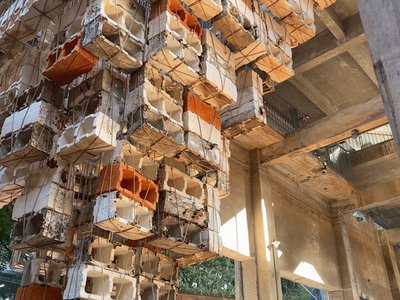
Inverted Architecture Installation by Studio Link-Arc: Exploring the Intersection of Architecture and Living Organisms
Inverted Architecture Installation by Studio Link-Arc blends mycelium, sustainability, inverted design, ecological cycles, and urban adaptive architecture in Shenzhen.

The Ken Roberts Memorial Delineation Competition (Krob)
As the most senior architectural drawing competition currently in operation anywhere in the world, it draws hundreds of entries each year, awarding the very best submissions in a series of medium-based categories.
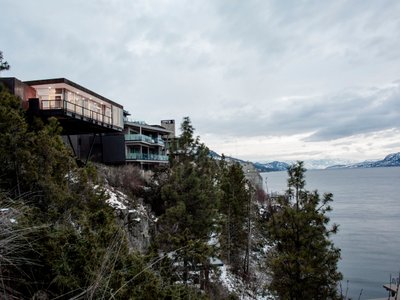
Alton Cliff House: A Harmonious Retreat by f2a Architecture in Lake Country, Canada
Alton Cliff House blends corten steel, prefabrication, and sustainable design, creating a luxurious, energy-efficient retreat perched on Canadian cliffs.
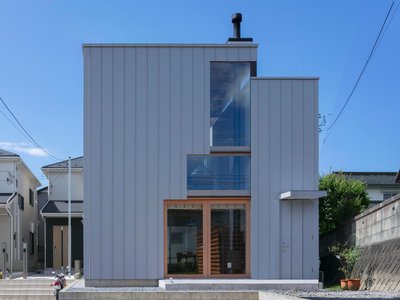
Split House: A Compact Urban Home Blending Privacy, Light, and Flexible Living in Japan
Compact Japanese home featuring DOMA space, flexible café potential, passive lighting, privacy zoning, and sustainable urban living design.


Similar Reads
You might also enjoy these articles

Free Architecture Competitions You Can Enter Right Now
No entry fees, real prizes. Here are the best free architecture competitions open for submissions in 2026.

Top 15 Architecture Competitions to Enter in 2026
From student-friendly idea competitions to prestigious international awards, here are the best architecture competitions open for entries in 2026. Updated regularly.

DIY & Engineering in Computational Design : Enter the BeeGraphy Design Awards
Showcase Your Creativity with Computational Design and Open Source Projects
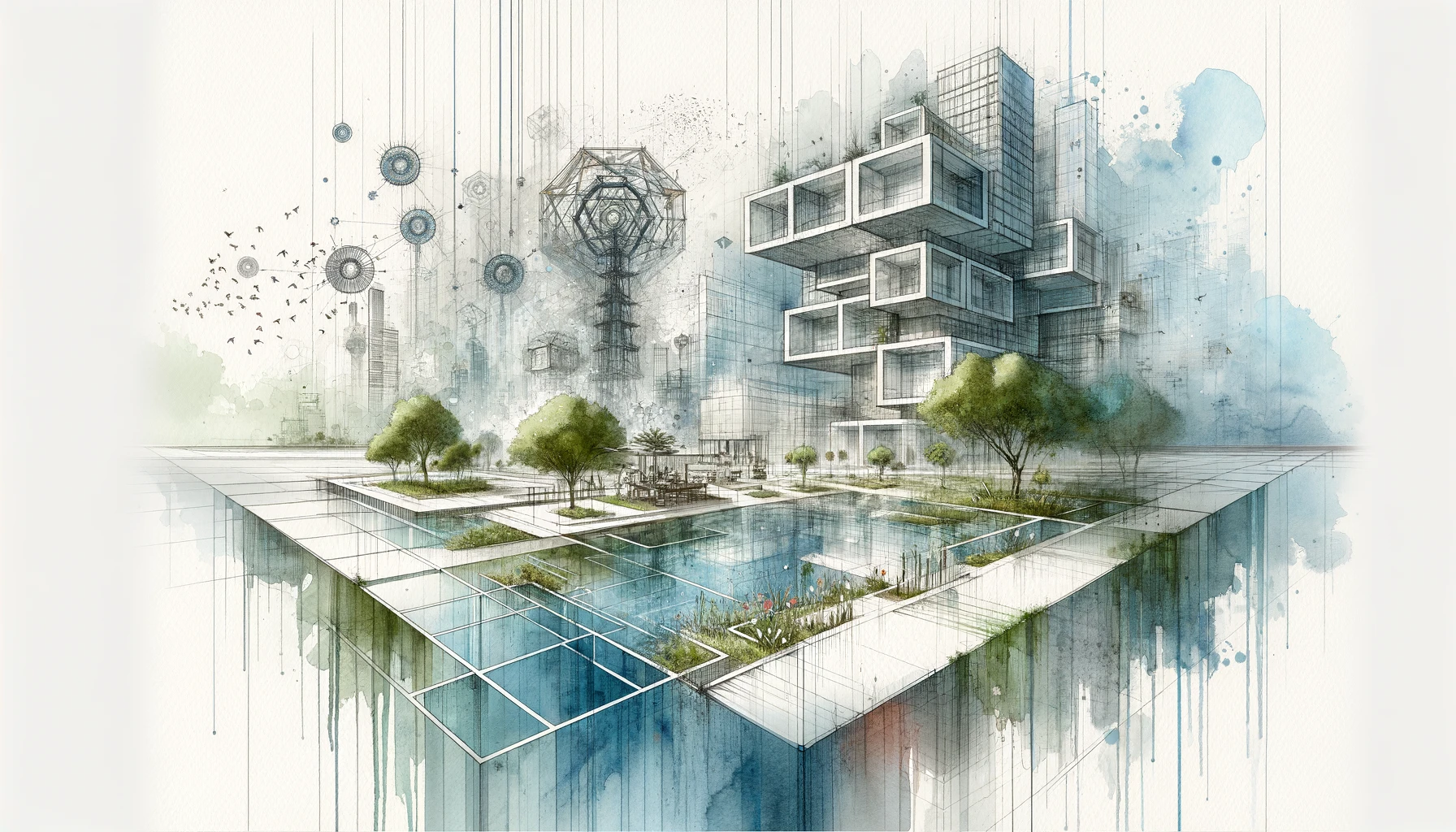
Innovative Design Solutions: Award-Winning Projects from Recent Architecture Competitions
Exploring award-winning architectural projects shaping the future of design, sustainability, and community.


Explore Product Design Competitions
Discover active competitions in this discipline




The Global Benchmark for Architecture Dissertation Awards


Challenge to merge furniture with learning

Design challenge to equip cities with modern furniture


Competition to design a workstation for architects
Comments (0)
Please login or sign up to add comments
No comments yet. Be the first to comment!