

Split House: A Compact Urban Home Blending Privacy, Light, and Flexible Living in Japan
Compact Japanese home featuring DOMA space, flexible café potential, passive lighting, privacy zoning, and sustainable urban living design.


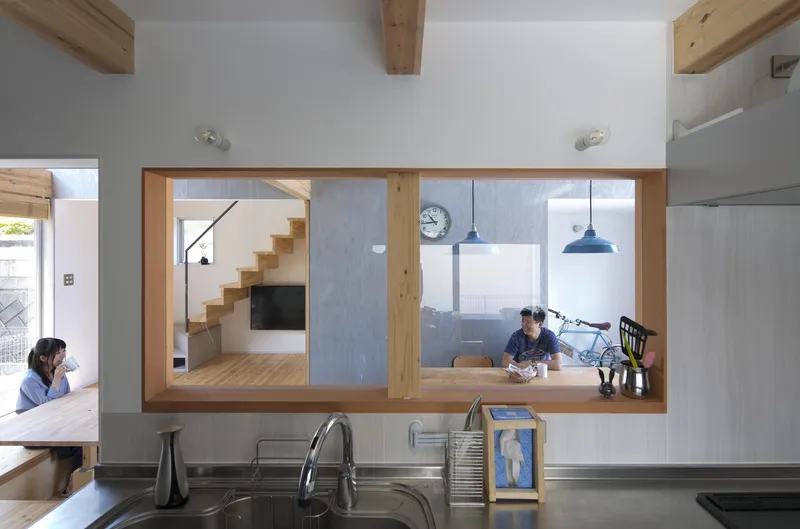
Designed by Shinsuke Fujii Architects, Split House is a thoughtfully crafted 90 m² urban residence in Japan, completed in 2022. Tailored for a DINK (Double Income, No Kids) lifestyle, the project explores how compact architecture can balance openness, privacy, and future adaptability within dense city conditions.
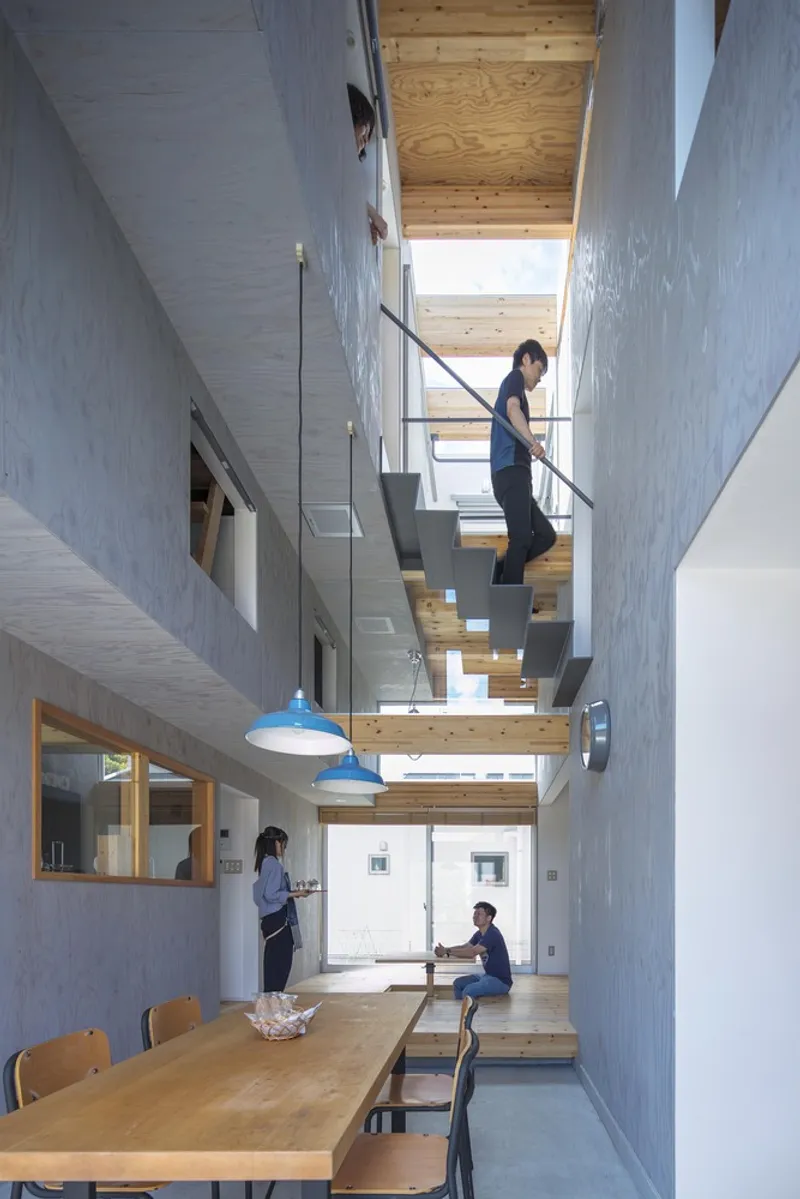
At the core of the design is a generous DOMA (earthen floor) space on the ground level, envisioned as a flexible zone that can eventually transform into a café. This multifunctional area anchors the house, creating a seamless connection between domestic life and potential public engagement. A large street-facing window invites natural light and ventilation deep into the interior, while maintaining a subtle boundary between the home and the urban surroundings.
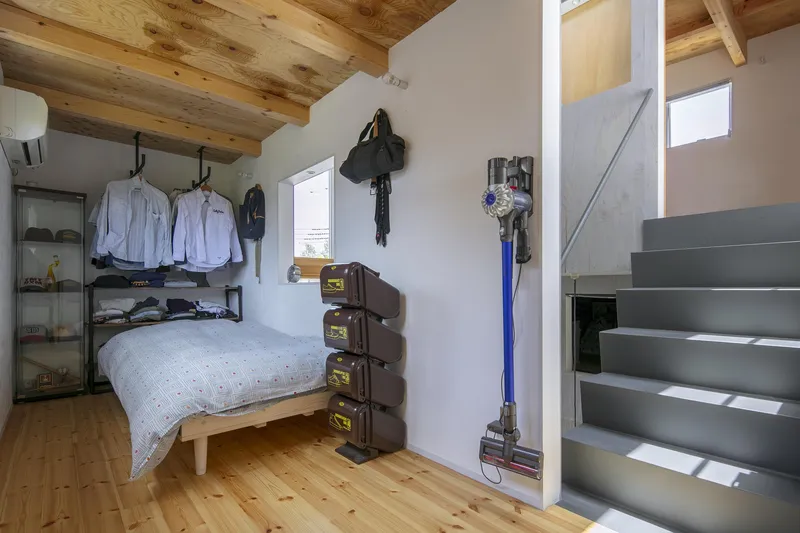
The spatial concept revolves around a careful “split” between openness and enclosure. While certain areas are designed to foster connection, with tunnel-like visual continuity linking the interior to the city, other zones ensure privacy, even between the residents themselves. This nuanced layering of spaces reflects contemporary urban living needs in compact environments.
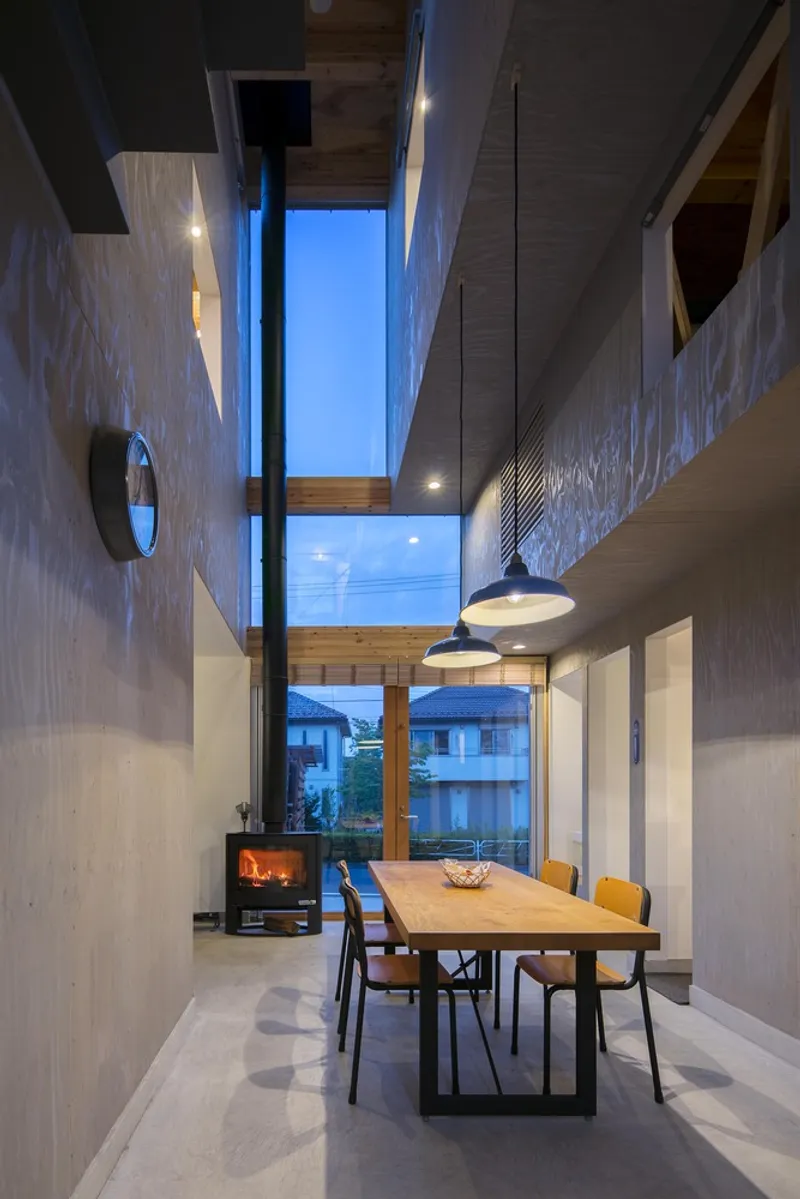
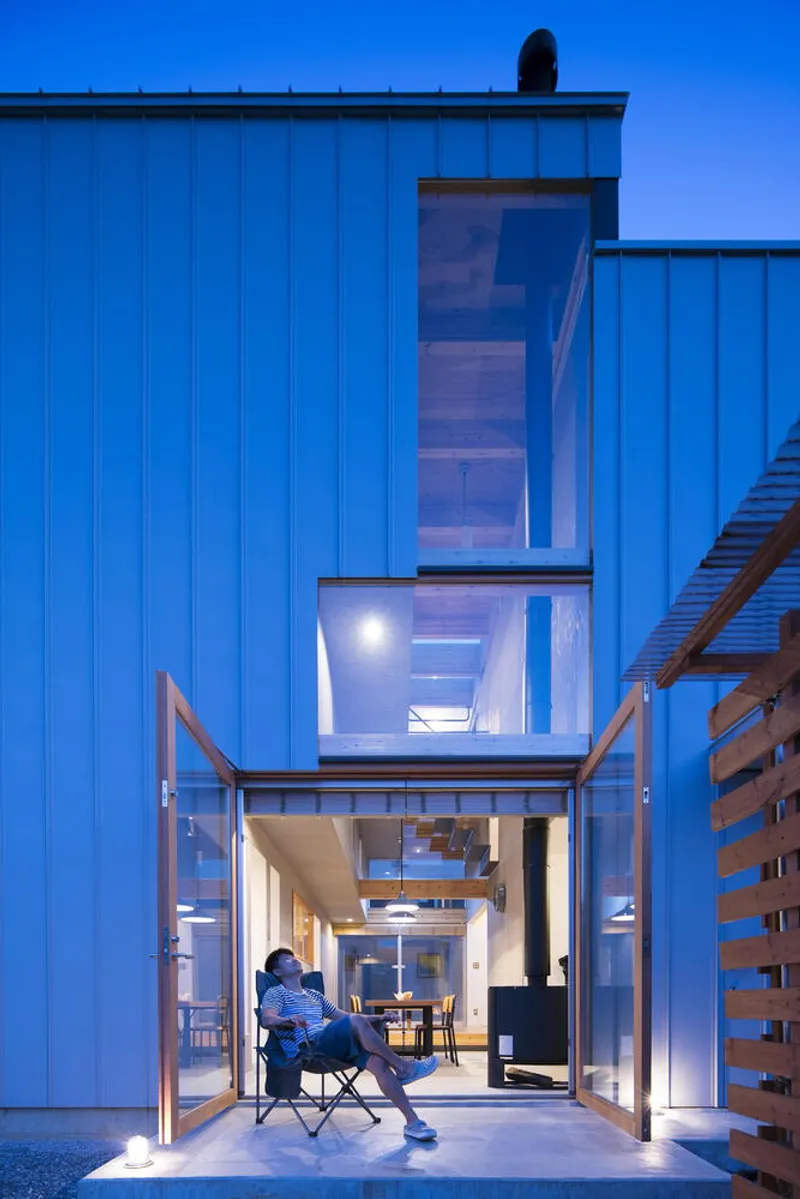
A wood-burning stove positioned within the DOMA space enhances thermal comfort, supported by a vertical chimney that extends through the atrium to distribute heat efficiently across levels. The design further integrates passive strategies, including high-side windows on the west, which allow consistent daylight penetration without relying heavily on artificial lighting, even in tightly built residential neighborhoods.
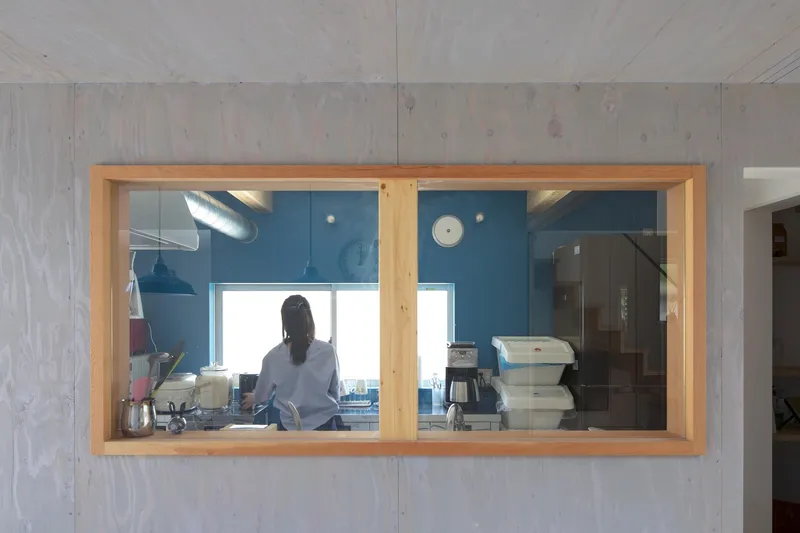
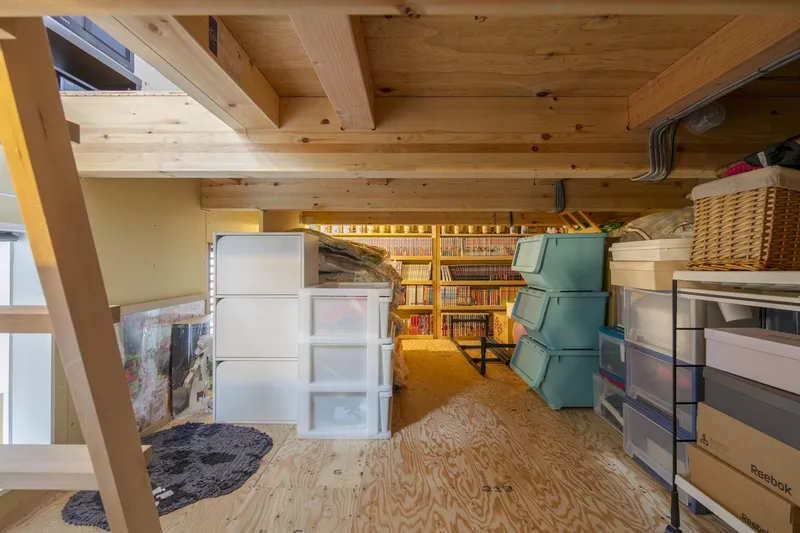
Seasonal adaptability is another key feature. Soft natural light filters through elevated openings, creating dynamic interior atmospheres that shift throughout the day and across seasons. This approach also reduces dependency on air conditioning during warmer months, reinforcing the home’s energy-efficient design.
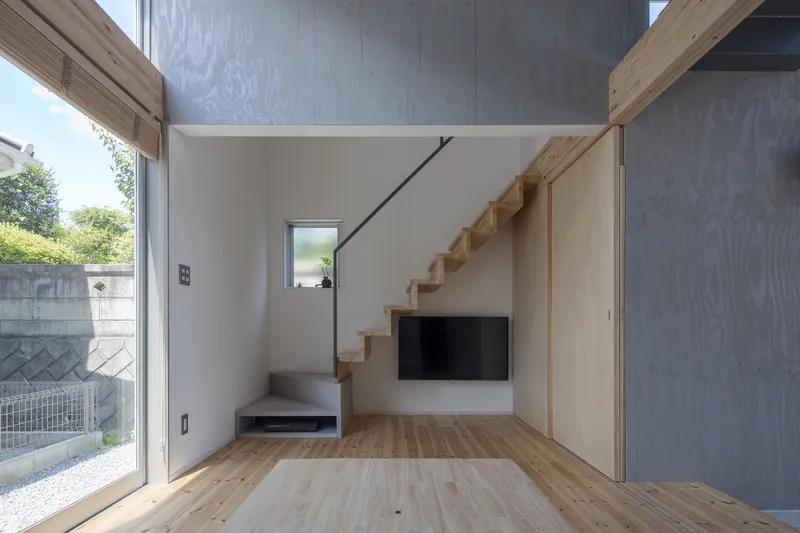
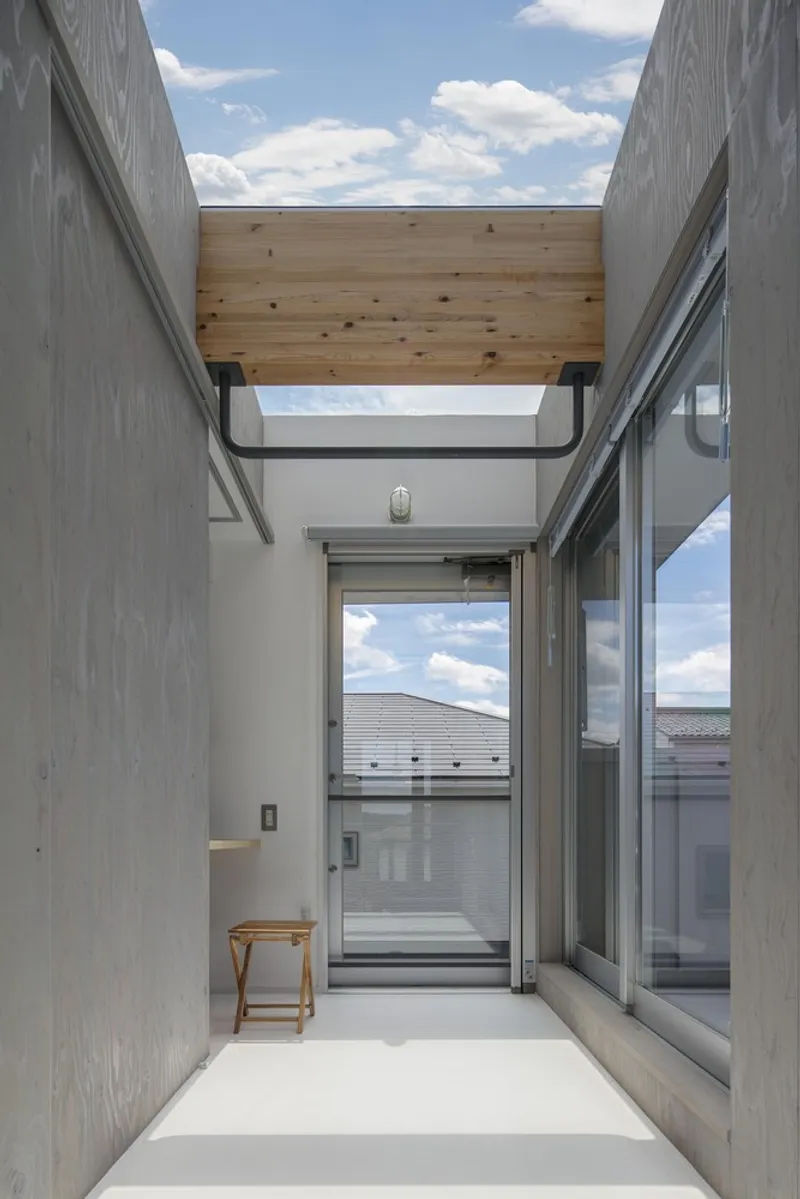
Split House exemplifies how small-scale residential architecture can integrate flexibility, sustainability, and spatial richness. By merging traditional elements like the DOMA with modern urban requirements, the project offers a refined model for future-ready living in dense cities.
All photographs are works of
Tsukui Teruaki


Popular Articles
Popular articles from the community


ETEH Reworks the Shared Spaces of São Domingos School in Brazil Around Timber, Color and Hanging Plants
At São Domingos School in Brazil, 436 m² of hall, refectory and library are recast with timber joinery, a yellow and blue code and trailing greenery.


The Amber Palace Opera: A Geological Fiction Surfaces on Tallinn's Baltic Waterfront
Pierre Brillard reimagines a Baltic legend as a public landscape, opera house, and waterfront promenade rooted in Tallinn's coastal identity.

graciastudio Turns a Viewless Tijuana Lot Inward Around a Courtyard of Concrete, Timber and Trees
In Tijuana, Jorge Gracia's GA2 House stacks a timber-clad private floor over exposed concrete and replaces a missing view with a planted interior patio.

Manzana Morphosis: Stretching Barcelona's Grid into a Living Landscape for 2050
A radical reworking of the Eixample manzana turns density into a tool for generous public space, vertical ecology, and environmental performance.

Similar Reads
You might also enjoy these articles

Cube Design Draws an Ecological Corridor Between Two Shenzhen Hills with the Nankai Building
Beside Shenzhen's container docks, the Nankai Building pairs stacked balconies with a climbing green screen to connect two hillsides across its height.

Praksis A and Studio Sted Bend a Red Timber Cabin Across the Granite of Norway's Southern Coast
On the southern Norwegian coast, a 105 m² cabin follows the rock on slender posts, pairing red cladding outside with pine, brick and plywood within.

David Ortega Stacks a Two-Story Mexico City Penthouse Around a Steel Stair and a Pergola-Shaded Roof Terrace
In Colonia Roma, a 300 m² penthouse uses oak joinery, a planted steel stair and a slatted roof pergola to make a new-build apartment feel like a house.

PARALELA and LB2 Thread a Public Walkway Through the Base of a Las Condes Residential Tower
In Las Condes, Santiago, the Hamlet Building gives its fenceless ground floor to a 70-metre wooded passage linking two streets and the metro.

Explore Architecture Competitions
Discover active competitions in this discipline

Challenge to reimagine the Iron Throne

Photograph architecture without architects

Illustrate the lost glory of Angkor Wat - Render Challenge

Design challenge to reuse E-waste
Comments (0)
Please login or sign up to add comments
No comments yet. Be the first to comment!