
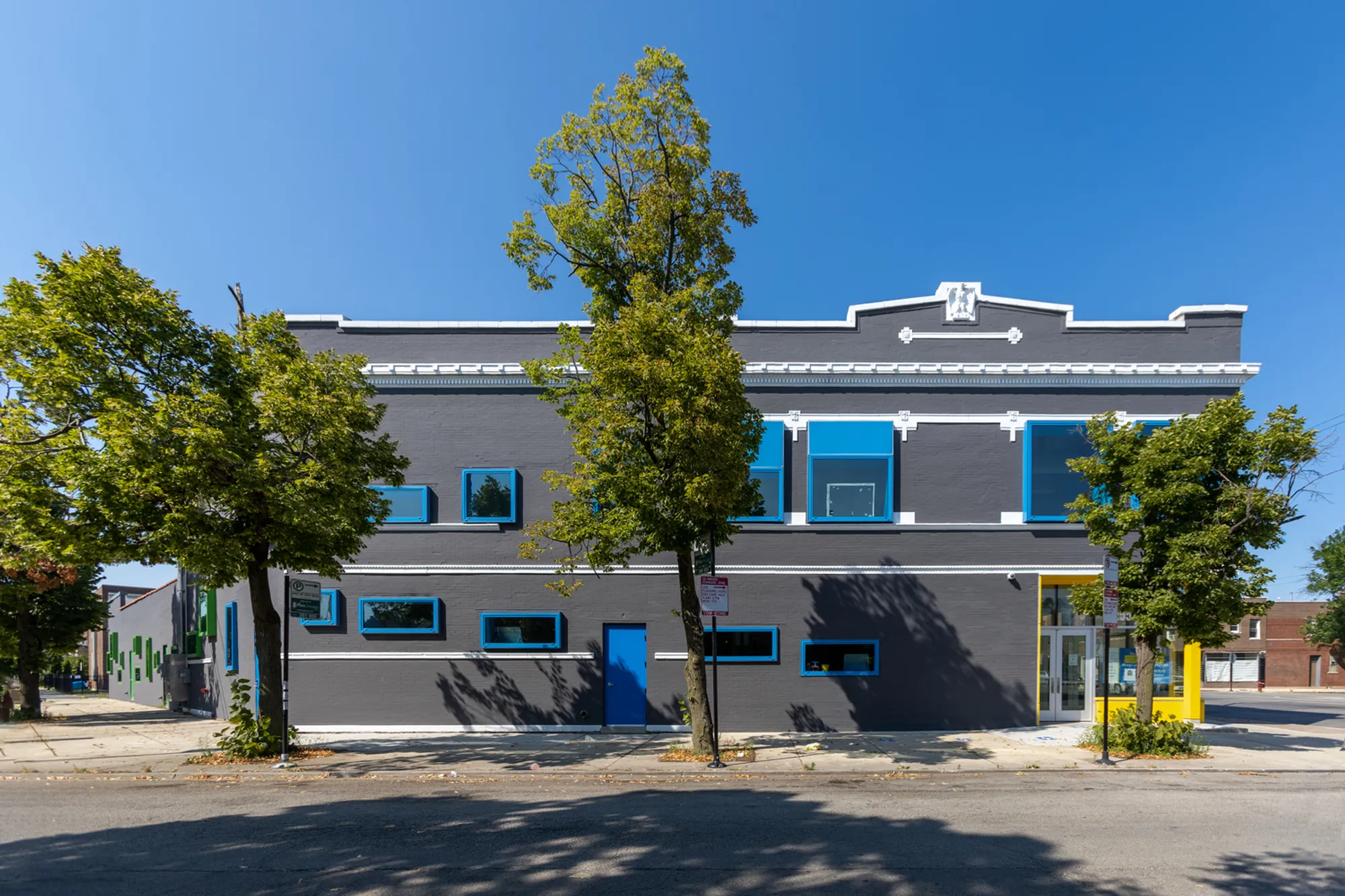
Gads Hill Early Learning Center by JGMA: Adaptive Reuse Shaping Community-Focused Educational Architecture
Adaptive reuse transforms fragmented structure into vibrant early learning center with playful façade, natural light, and community-focused sustainable design.


The Gads Hill Early Learning Center, designed by JGMA in Chicago, represents a powerful example of adaptive reuse in contemporary educational architecture. Completed in 2019, this 18,000-square-foot kindergarten facility transforms an underutilized, fragmented structure into a vibrant, child-centered learning environment that reflects both community identity and forward-thinking design.
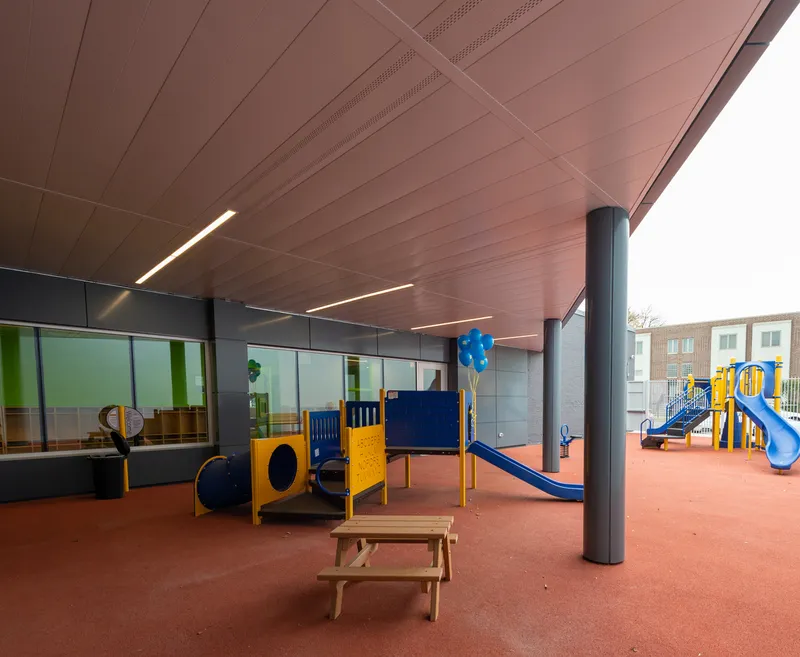
Originally established in 1898, Gads Hill Center has long been dedicated to supporting families through education, childcare, and social resources. The expansion into Brighton Park required a spatial solution that could embody its mission while addressing the constraints of an irregular, historically layered site.
Adaptive Reuse and Urban Context Integration
Rather than demolishing the existing structure, JGMA embraced its architectural inconsistencies, an assemblage of brick forms developed over decades, and reinterpreted them as a cohesive urban fabric. This approach aligns with sustainable design strategies, reducing material waste while preserving neighborhood character.
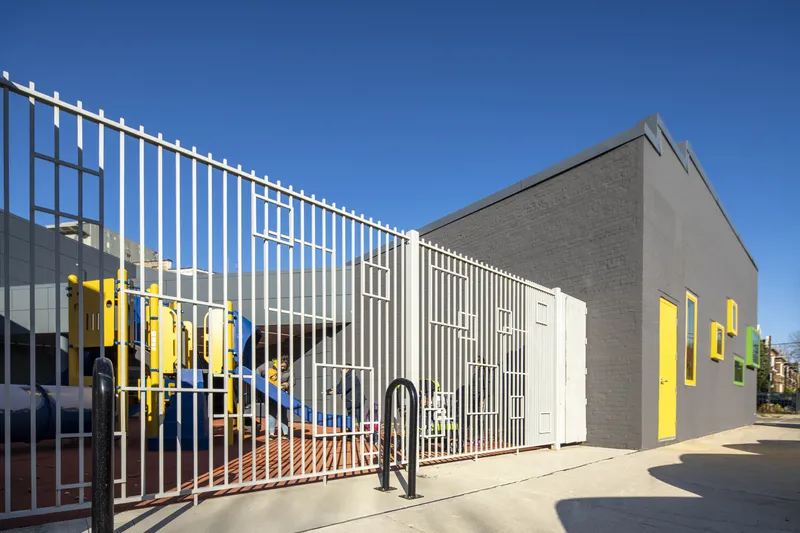
The building’s fragmented condition, including inaccessible sections due to adjacent property encroachments, posed significant design challenges. Instead of forcing reconstruction, the architects strategically removed unusable portions, converting them into an outdoor courtyard and playground. This intervention not only resolved circulation issues but also introduced valuable open space for early childhood development.
Playful Facade as Educational Expression
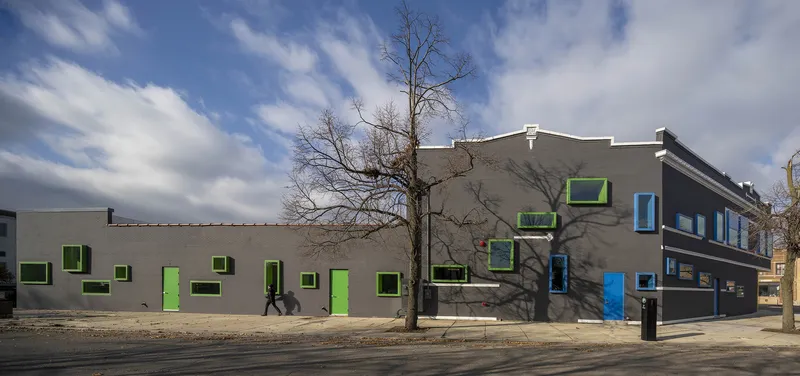
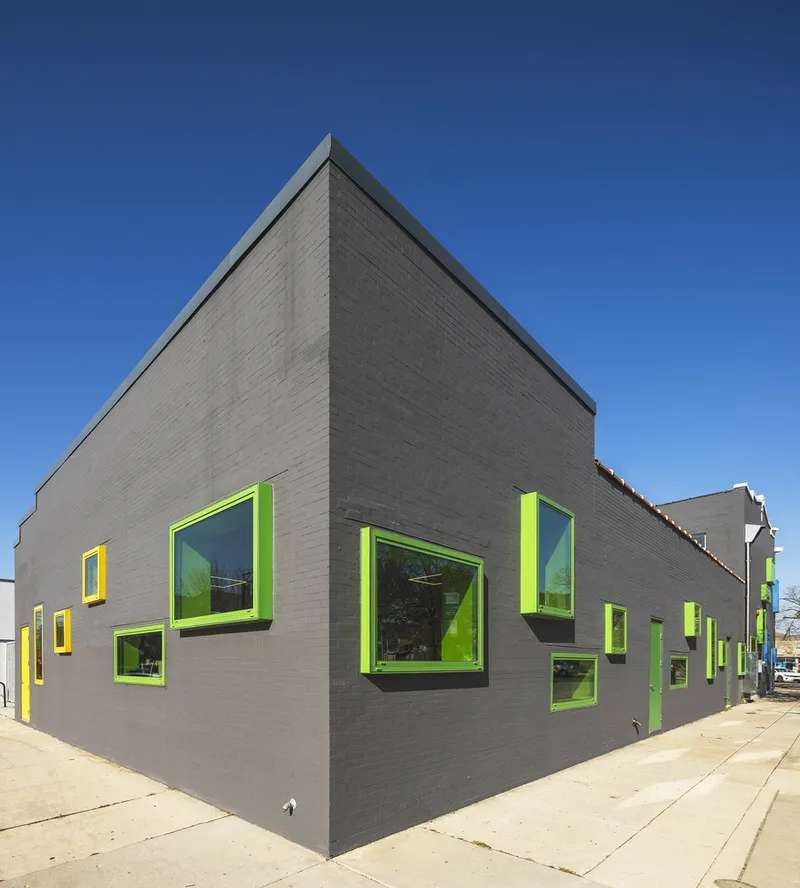
A defining feature of the project is its dynamic façade, composed of projecting box windows that punctuate the existing brick envelope. These colorful, geometric elements serve both functional and symbolic purposes. Internally, they create varied spatial experiences for children, while externally, they express the energy and creativity of learning activities.
This architectural language transforms the building into an engaging visual landmark within the neighborhood, reinforcing the idea that educational spaces can be both functional and joyful.
Interior Design and Spatial Experience
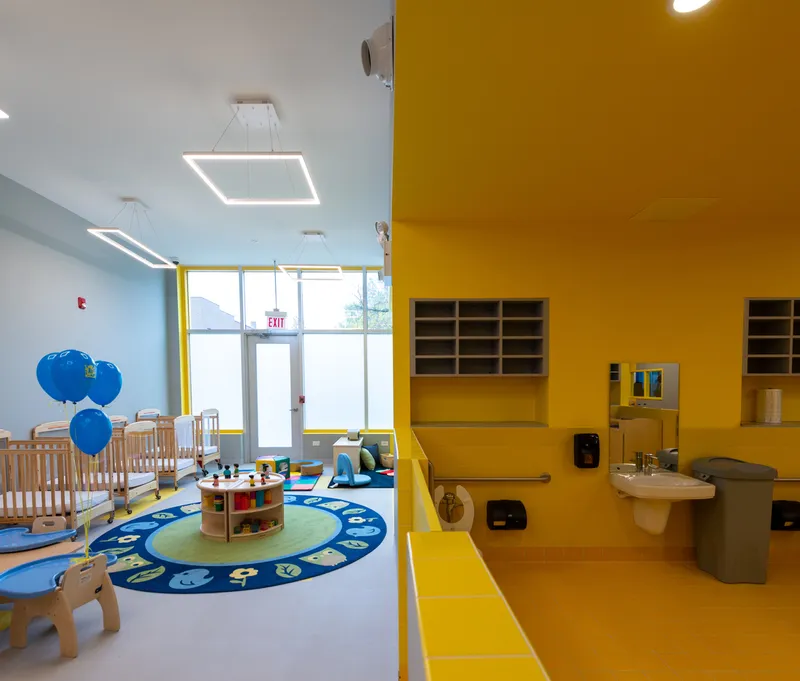
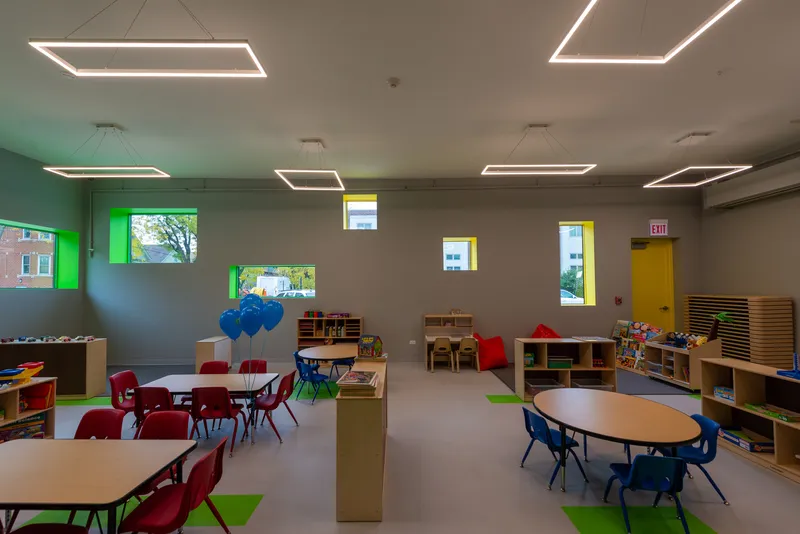
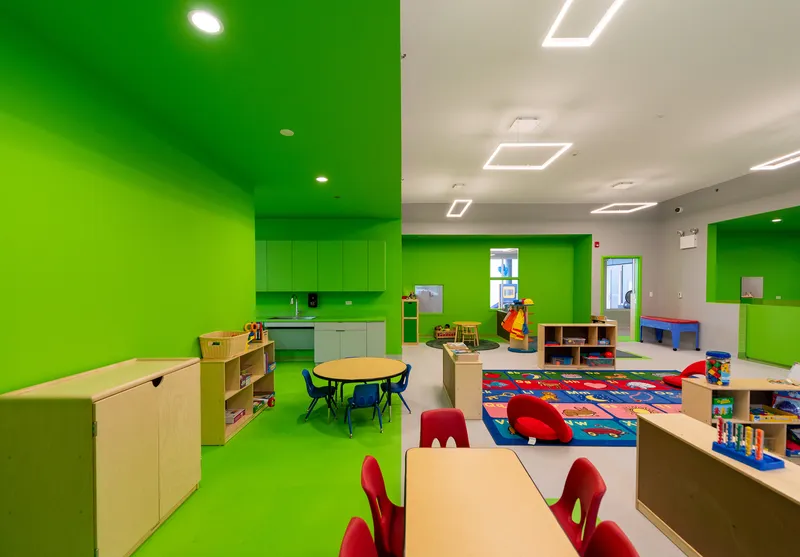
Inside, the design prioritizes natural light, flexibility, and openness. Large windows enhance daylight penetration, supporting a healthy learning environment, while adaptable classroom layouts accommodate diverse educational activities. The integration of durable, child-friendly materials ensures longevity and safety without compromising aesthetic quality.
The spatial organization reflects a clear pedagogical approach, where circulation, classrooms, and communal areas are seamlessly connected, fostering interaction and exploration.
Sustainability and Community Impact
The project exemplifies sustainable architecture through its reuse strategy, material efficiency, and contextual sensitivity. By preserving and enhancing an existing structure, the design reduces environmental impact while maintaining a tangible connection to the neighborhood’s history.
More importantly, the Gads Hill Early Learning Center acts as a social catalyst, strengthening community ties and providing essential educational infrastructure. It demonstrates how architecture can empower underserved communities by creating spaces that are inclusive, inspiring, and deeply rooted in their context.
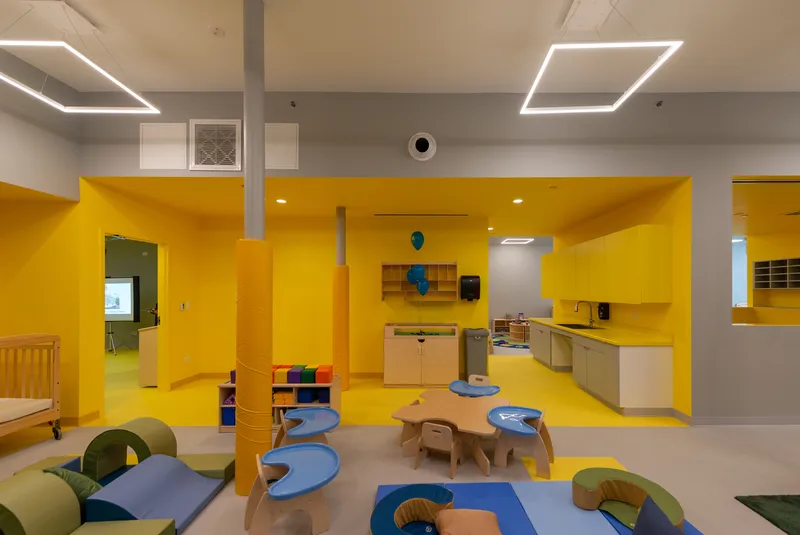
JGMA’s design for the Gads Hill Early Learning Center redefines the potential of adaptive reuse in educational architecture. By blending history with innovation, the project not only preserves the past but actively shapes a more vibrant and equitable future for the Brighton Park community.
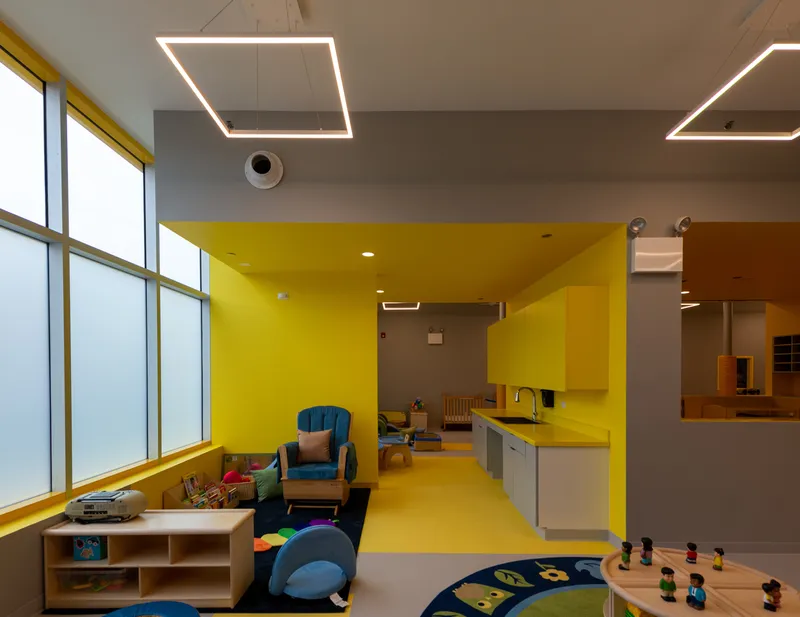
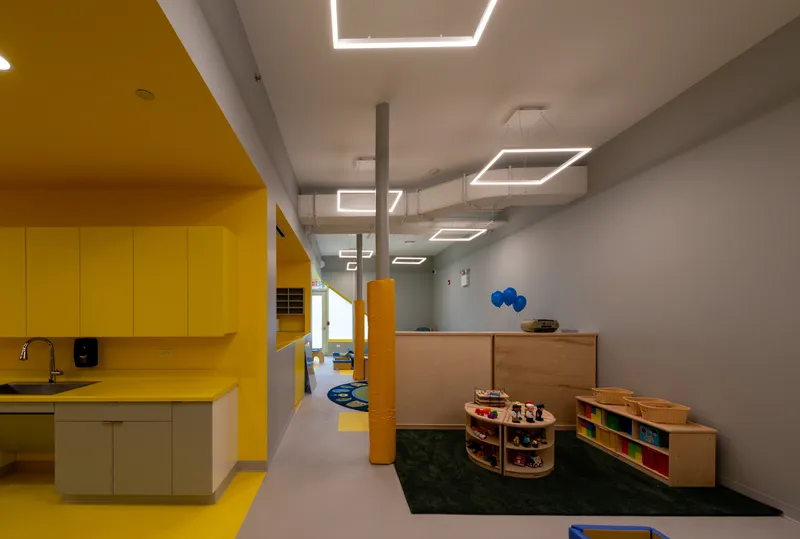
All photographs are works of
Tom Rossiter




Popular Articles
Popular articles from the community


The Musturak Paradise: Senior Living Architecture for a Connected Future in Temara, Morocco
The Musturak Paradise reimagines senior living architecture in Temara via private homes, social spaces, culture, community, and shared care.

Lunar Spiral: Space Architecture Shaped by the Mathematics of the Universe
Lunar Spiral reimagines space architecture through Fibonacci geometry, lunar regolith, levitating habitats, and self-sustaining Moon living.

Conexión: Biophilic Design Reimagines High-Rise Living in Hong Kong
Conexión reimagines high-rise living in Hong Kong through biophilic design, green facades, shared spaces, daylight, water and nature within.

The Earth Pod: 3D Printed Homes for Resilient Refugee Communities
The Earth Pod reimagines refugee housing through 3D printed homes made from clay, combining resilience, self-sufficiency, and rapid shelter.

Similar Reads
You might also enjoy these articles

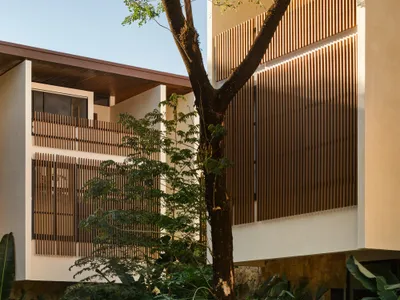
FAMM Arquitectura Organizes Ten Villas Around Courtyards and Jungle in Nosara, Costa Rica
El Molino pairs two elongated volumes with deep overhangs and timber louvers to build a compact coastal community five minutes from the beach.
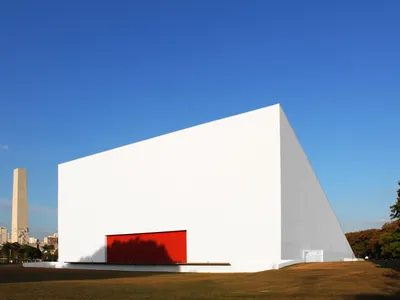
Oscar Niemeyer's Ibirapuera Park Pavilions Define São Paulo's Cultural Identity in Concrete and Curve
A constellation of modernist volumes set within São Paulo's most important urban park, conceived for the city's 400th anniversary in 1954.
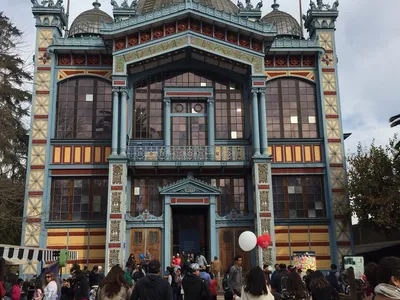
How Henri Picq's 1889 Paris Pavilion Traveled 11,000 Kilometers to Become Santiago's Artequín Museum
A prefabricated iron and glass pavilion built for the Paris Universal Exposition found a second life as a children's art museum in Chile.
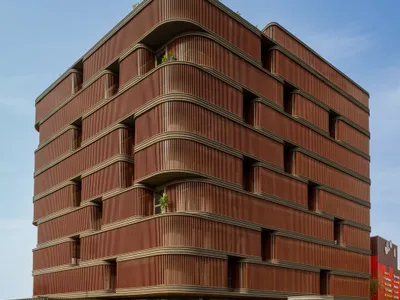
Sanjay Puri Architects Wraps a Jaipur Office Tower in Capsule-Shaped Green Buffers
A nine-level climate-responsive workplace near Jaipur Airport uses stacked planter terraces and aluminium screens to fight 40°C heat.


Explore Architecture Competitions
Discover active competitions in this discipline



Challenge to design public laboratory


Challenge to reimagine the Iron Throne


Photograph architecture without architects


Illustrate the lost glory of Angkor Wat - Render Challenge
Comments (0)
Please login or sign up to add comments
No comments yet. Be the first to comment!