Rahma Mosque by AWMA: A Community-Centric Mosque of Mercy in Mardan, Pakistan
Rahma Mosque by AWMA blends tradition and innovation, using local materials to create a spiritually resonant, community-built sanctuary in Pakistan.


A Contemporary Expression of Spirituality and Tradition
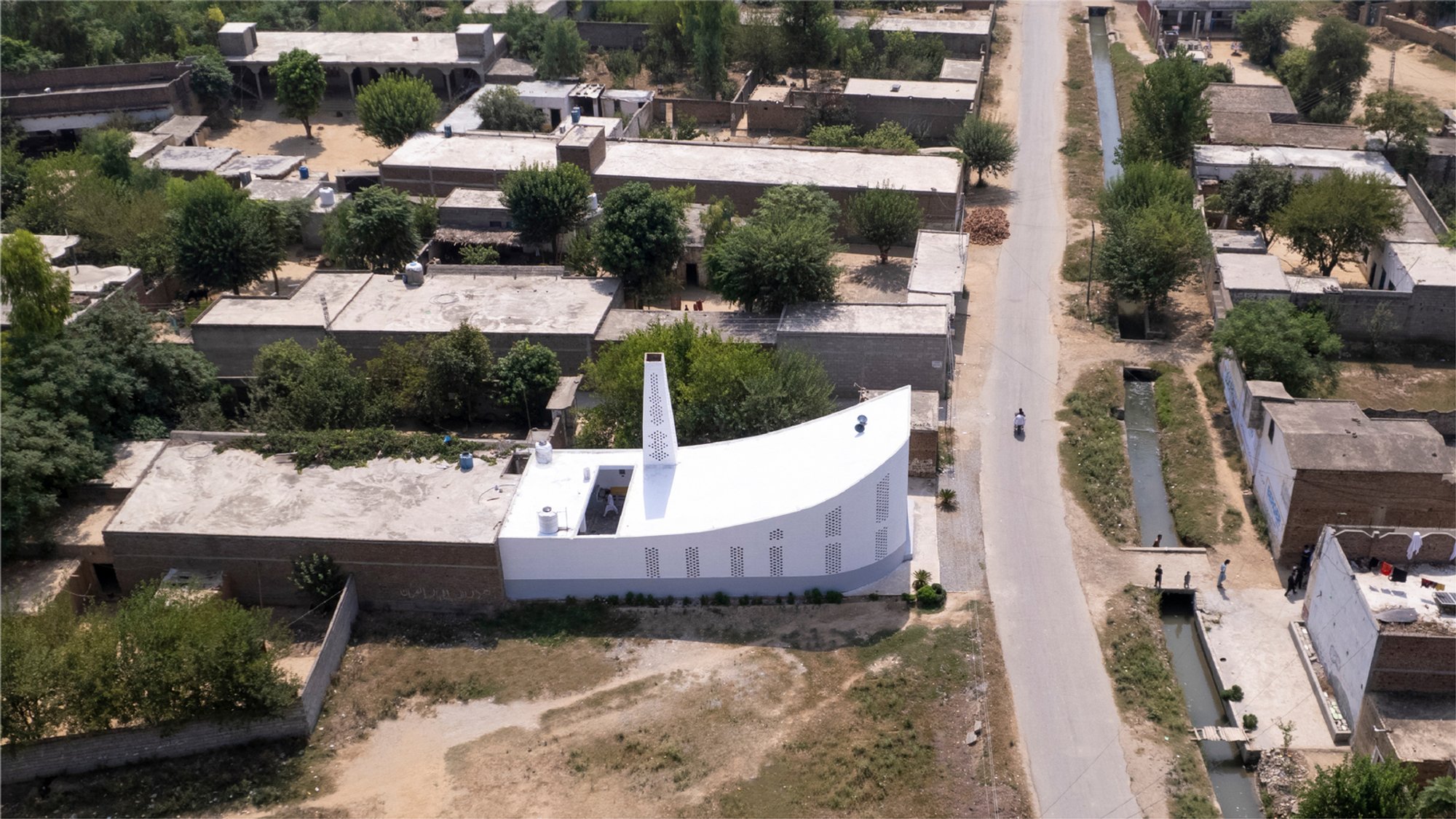
Located in a rural village outside the city of Mardan in Pakistan’s northeastern region, Rahma Mosque—meaning Mercy Mosque—is a profound architectural response by AWMA (Architects Without Margins and Agendas). This 165-square-meter mosque reinterprets Islamic architectural traditions with a thoughtful and contemporary approach, emphasizing community engagement, spiritual symbolism, and sustainable local construction. Completed in 2022 with Penny Appeal as the local delivery partner, the project is a testament to compassionate, grassroots architecture.
The Meaning Behind “Rahma”
The name Rahma (رَحمة), derived from the Arabic root for womb (Rahm رَحم), signifies God’s boundless mercy and compassion in Islamic theology. Referenced repeatedly in the Qur’an, the concept of Rahma is deeply intertwined with ideas of protection, care, and spiritual connection. This theological foundation becomes the guiding principle behind the mosque’s design, which seeks to physically embody these values through form, space, and materiality.
Architectural Design Rooted in Spiritual Symbolism
Curved Brick Envelope and the Direction of Prayer
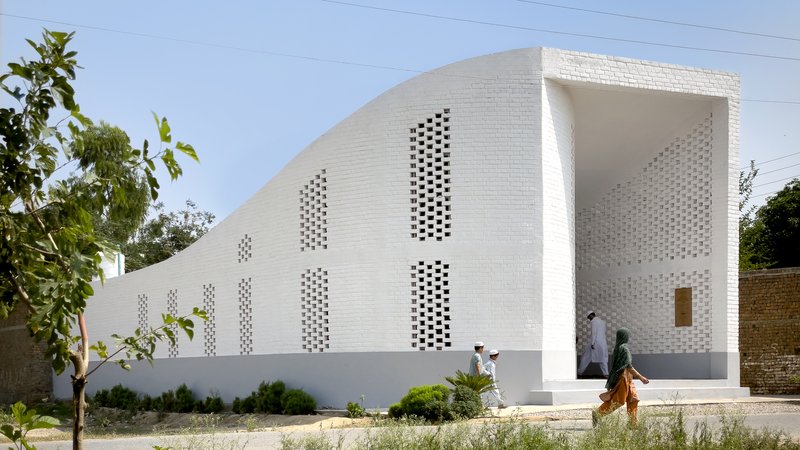
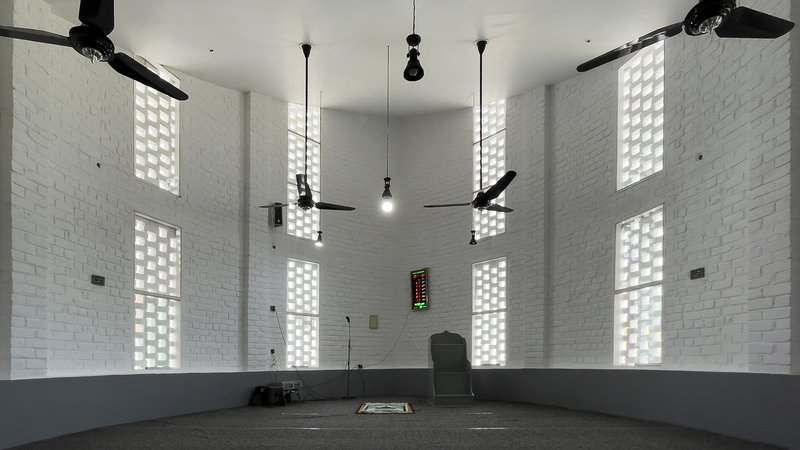
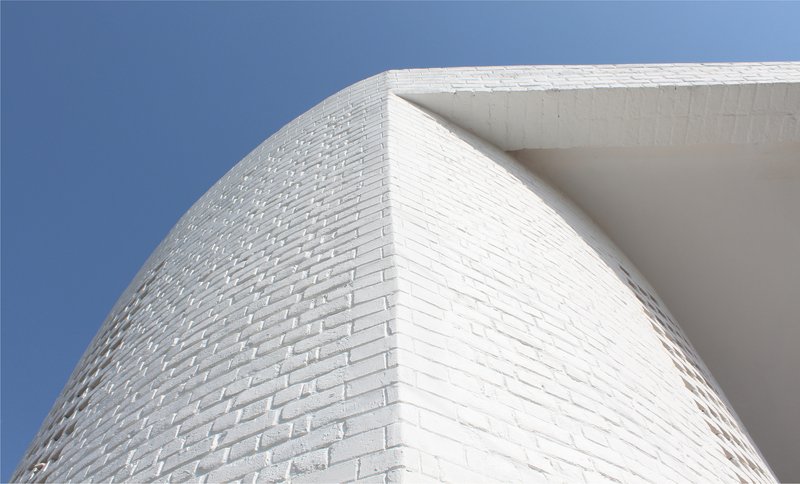
One of the most striking features of the mosque is its arched, perforated brick façade. This gently curving envelope not only pays homage to traditional Islamic forms but also guides worshippers toward the Qibla, the direction of Mecca. This design creates a spiritual alignment and enhances Khushu—the mindful presence in prayer—through subtle spatial cues.
The carefully arranged bricks allow natural light to permeate the structure, casting shifting patterns across the interior and reinforcing the mosque’s ethereal and contemplative atmosphere. This architectural gesture fosters collective unity, drawing people together in a shared spiritual experience.
Reinterpreting the Minaret: A Visual Call to Prayer
A Symbolic Shift in Mosque Architecture
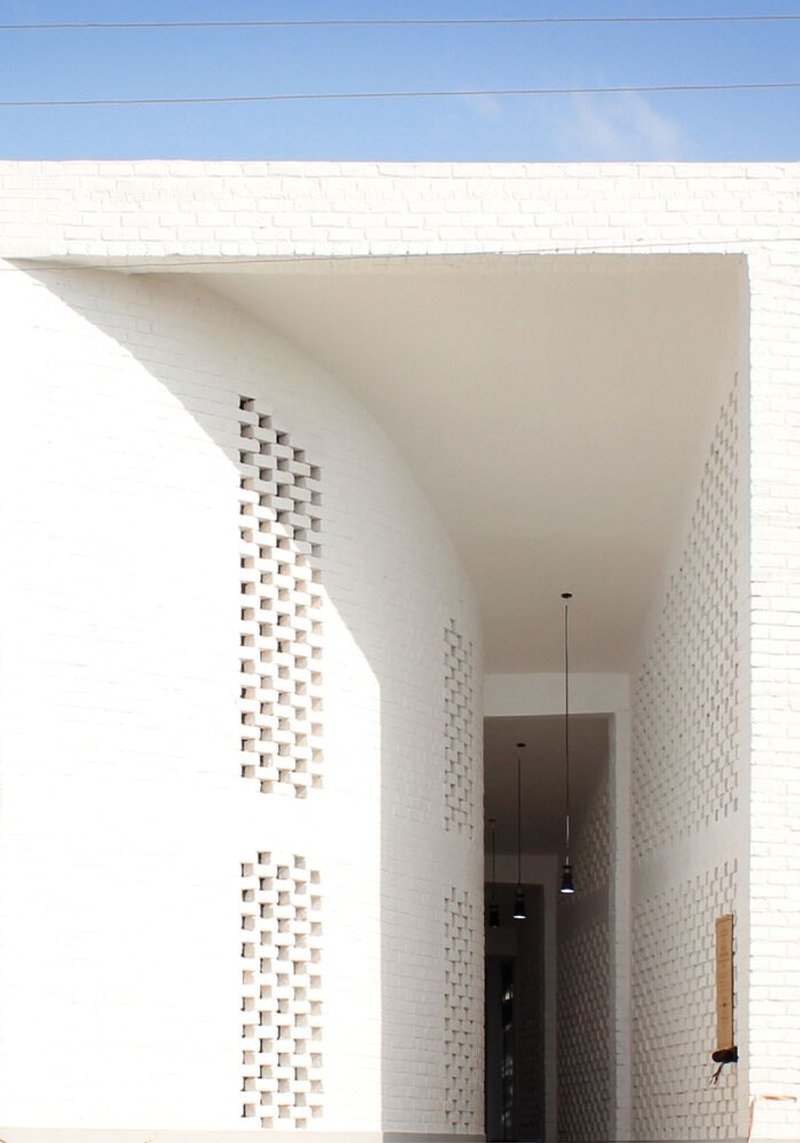
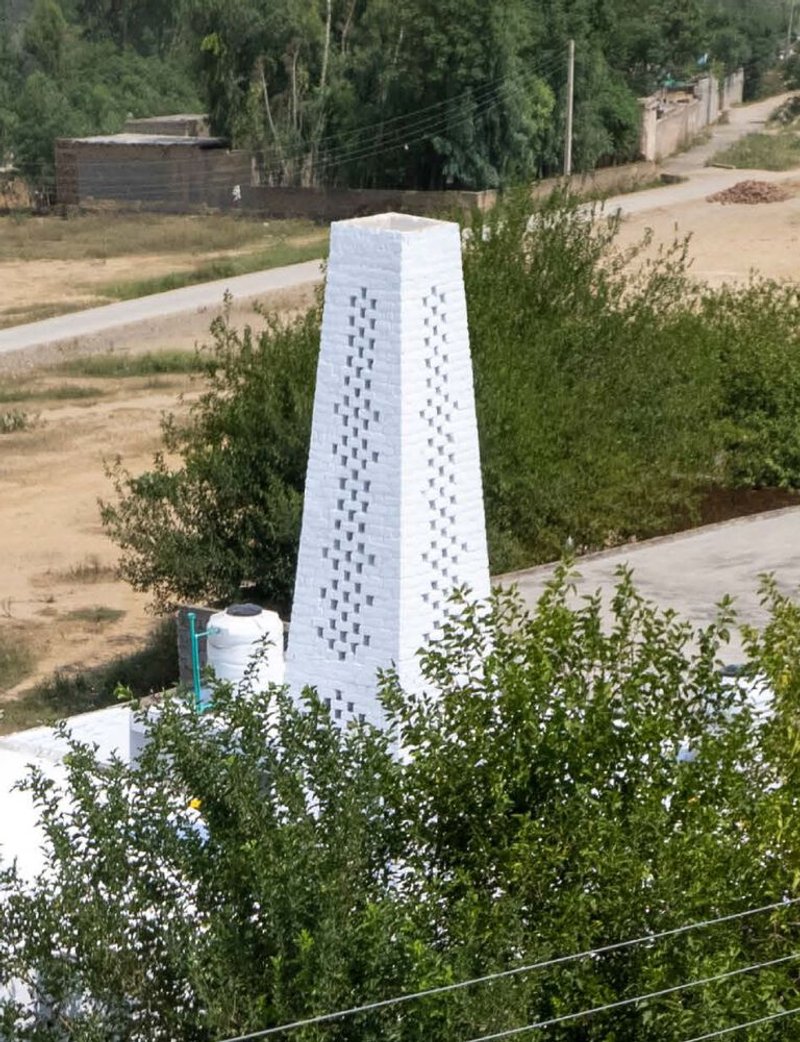
Traditionally, the minaret serves as a vertical structure from which the call to prayer (adhan) is delivered. In a bold reinterpretation, AWMA rotated the minaret 180 degrees and positioned it above the mosque’s entrance, making it accessible from the ground rather than a tower ascended from within. This inversion allows the minaret to function as a visual call to prayer, inviting both individuals and the community inward.
Inspired by AWMA’s previous work, The Hubb in London, this approach activates the entrance with a symbolic structure that replaces sound with sight—creating an architectural gesture of reflection and openness. Visitors are encouraged to step inside the base of the minaret, transforming it into a space for individual contemplation and spiritual awakening.
Sustainable Building Methods and Local Engagement
Constructed by the Community, for the Community
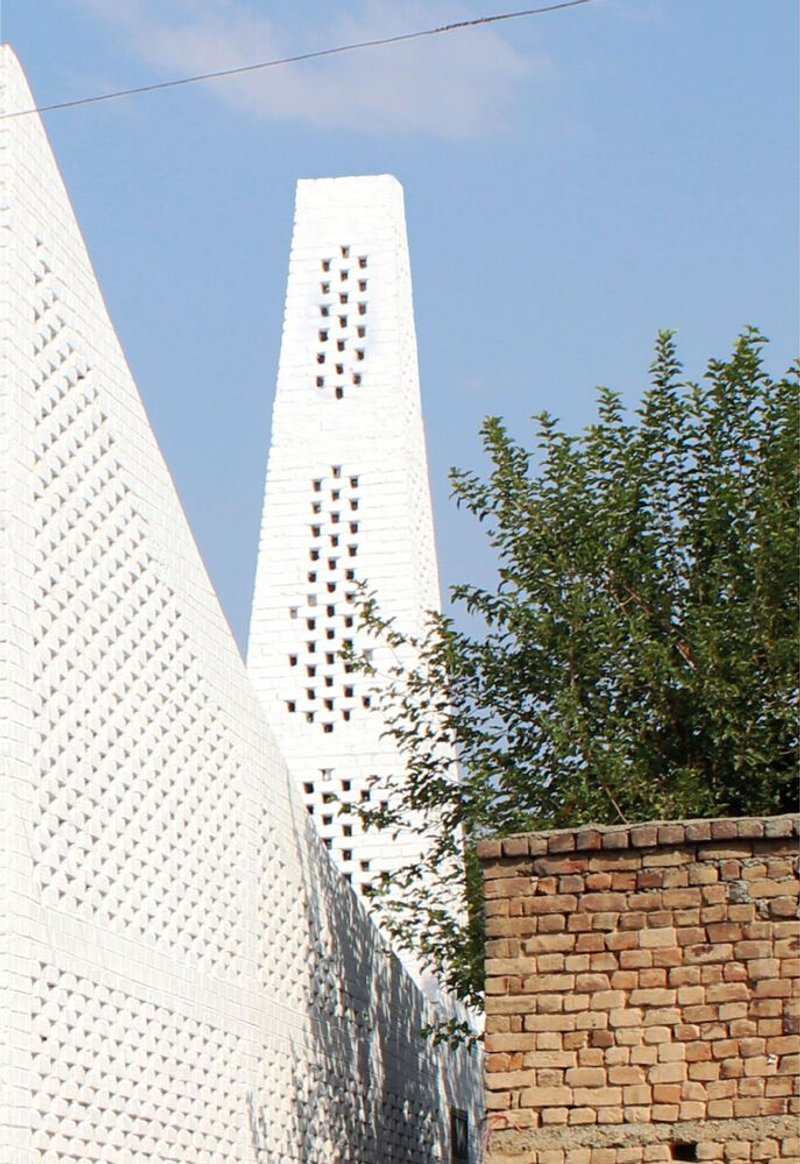
Rahma Mosque is not just an architectural structure—it is a community-built sanctuary. AWMA intentionally utilized local materials and low-tech building techniques to ensure that the construction process could engage local craftspeople and remain accessible in both cost and maintenance. The use of brickwork ties the structure to its physical and cultural context, reflecting a deep respect for local identity and resources.
This collaborative approach was made possible through the partnership with Penny Appeal, whose on-the-ground expertise helped bridge the vision of the architects with the practicalities of local implementation. The result is an inclusive and empowering place of worship, wholly supported, operated, and cherished by the community it serves.
A Living Manifestation of Mercy and Unity
Rahma Mosque stands as a powerful example of architecture as a vessel for empathy, spirituality, and unity. Every element—from the arched prayer wall to the grounded minaret—serves a purpose that transcends aesthetics. It embodies a design philosophy rooted in compassion, blending Islamic heritage, modern interpretation, and socio-spiritual relevance.
Through its spatial poetry and grounded execution, the mosque becomes more than a place of prayer—it is a beacon of community spirit, inviting reflection, interaction, and collective growth.
Project Details
- Project Name: Rahma Mosque (Mercy Mosque)
- Architects: AWMA
- Location: Mardan, Pakistan
- Area: 165 m²
- Year Completed: 2022
- Photography: Silverhood Photography / AWMA
- Project Manager / Delivery Partner: Penny Appeal
- Construction Methods: Low-tech, community-built
- Materials: Local brick and sustainable materials
- All photographs are works of Silverhood Photography / AWMA