Raw Materials Pavilion by OficinaTransversal: Harmonizing Architecture with Nature in Chihuahua, Mexico
The Raw Materials Pavilion by OficinaTransversal blends concrete architecture with nature, offering shaded patios, sustainable landscaping, and timeless, event-ready spaces in Chihuahua.


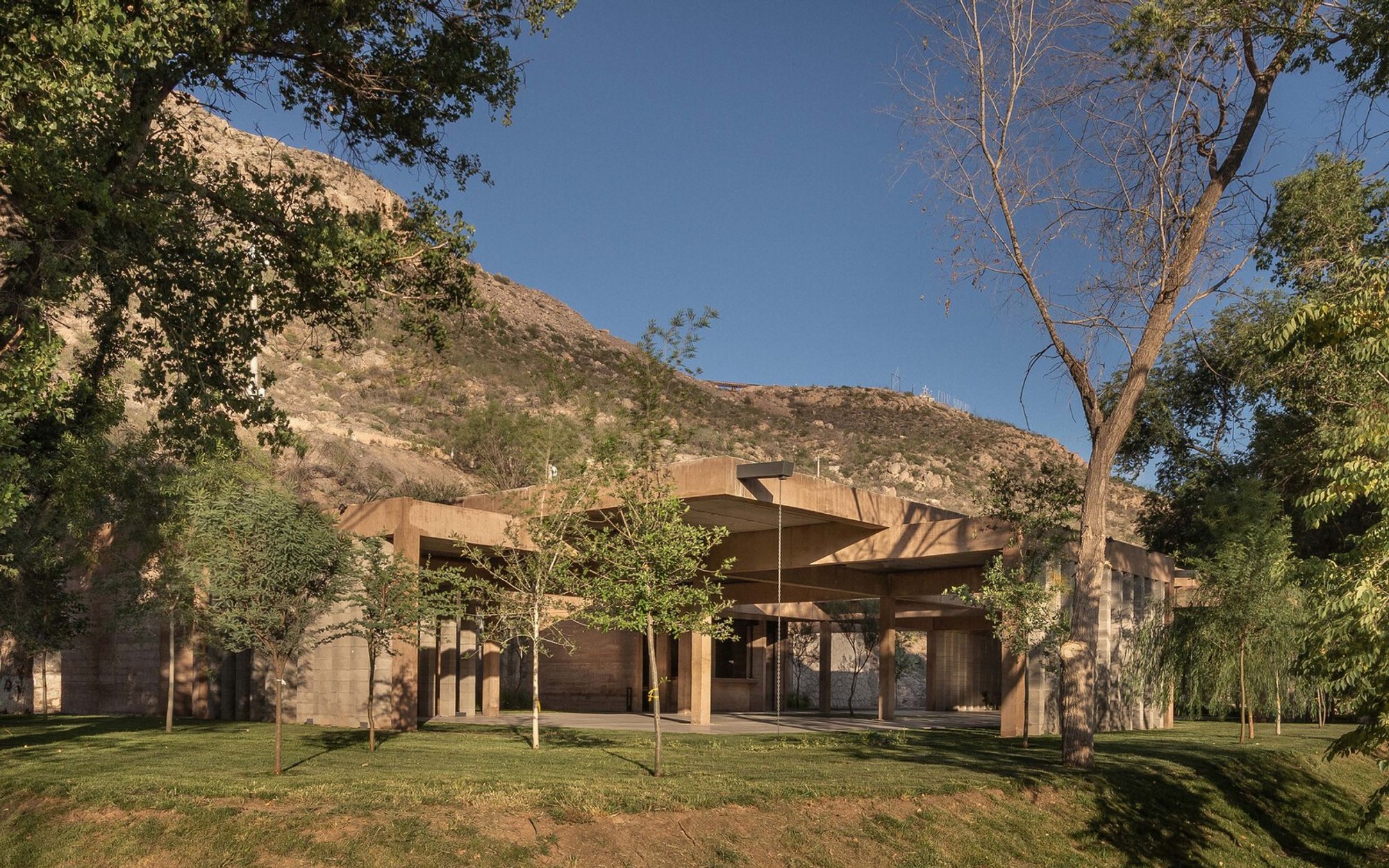
The Raw Materials Pavilion, designed by OficinaTransversal, stands as a striking example of contemporary architecture that seamlessly blends with its natural surroundings. Located at the edge of Chihuahua’s urban sprawl, between the Sacramento River and the Sierra de Nombre de Dios, this pavilion is a versatile venue for corporate and social events. Completed in 2025, the 850 m² structure was envisioned as a sustainable habitat that frames and enhances the landscape while offering functional, engaging spaces for visitors.
Architectural Concept and Site Integration
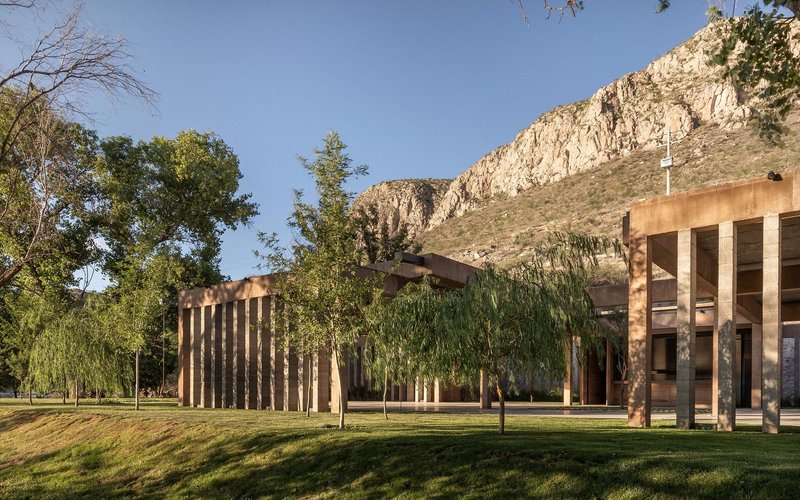
Positioned at the foot of a hill, adjacent to an existing masonry wall and among mature trees, the pavilion occupies a raised embankment that elevates views across the surrounding terrain. The design concept emphasizes landscape integration, turning the building into a mediator between architecture and nature. The placement encourages interaction with the natural environment, offering moments of respite from the urban rhythm.
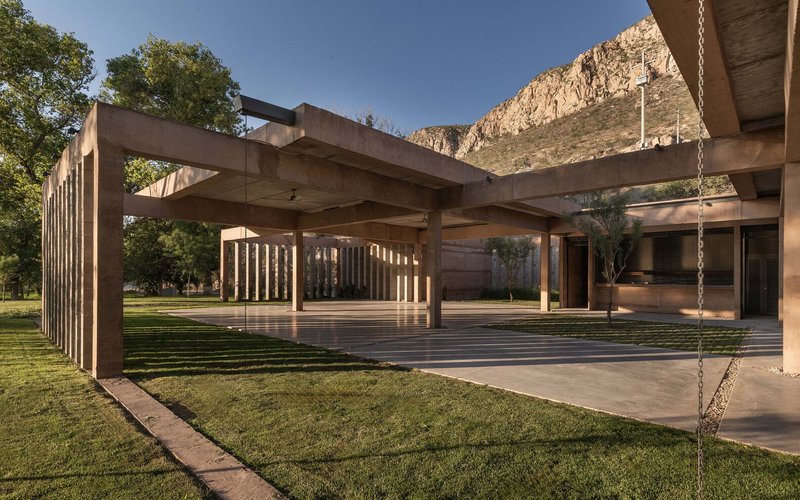
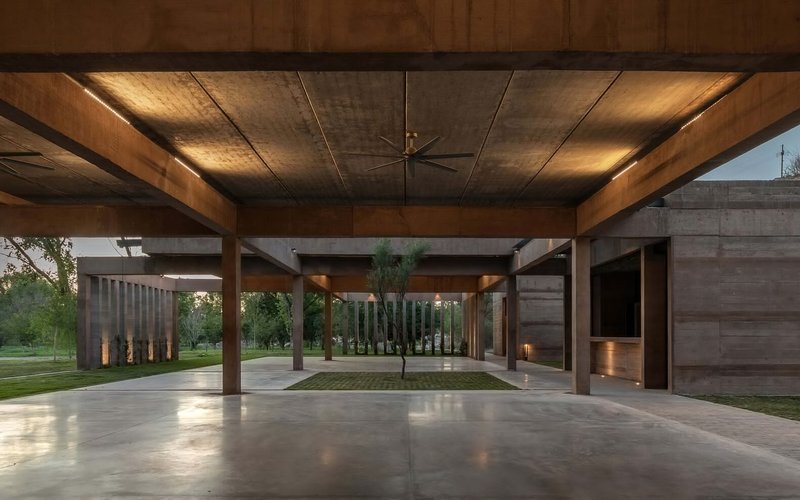
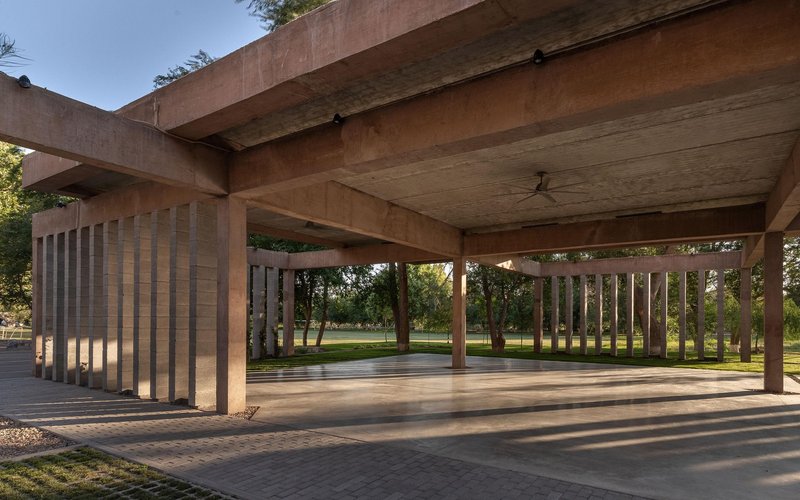
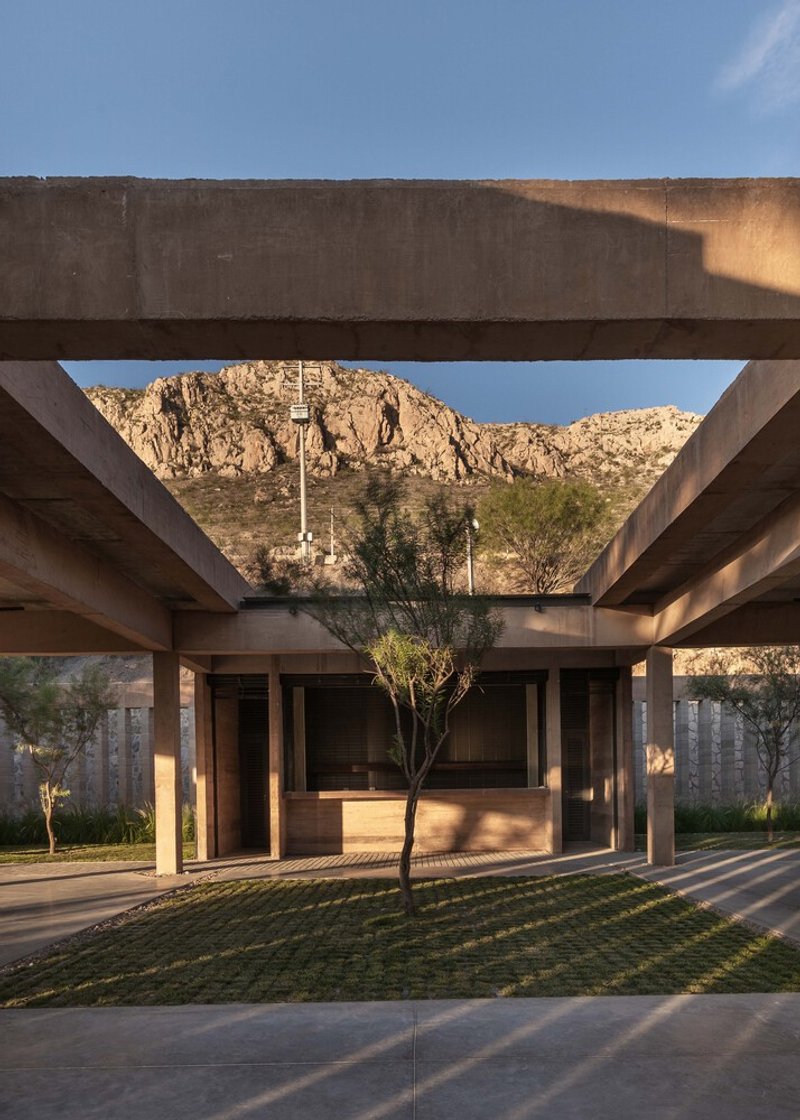
Organized around a grid of concrete frames, the pavilion supports a series of roofs that create interconnected patios and shaded areas. This spatial arrangement ensures a dynamic flow of natural light, air circulation, and vegetation, which define the pavilion’s atmosphere. Users experience a rhythmic sequence of open and semi-open spaces that foster relaxation, contemplation, and social engagement.
Materiality and Structural Design
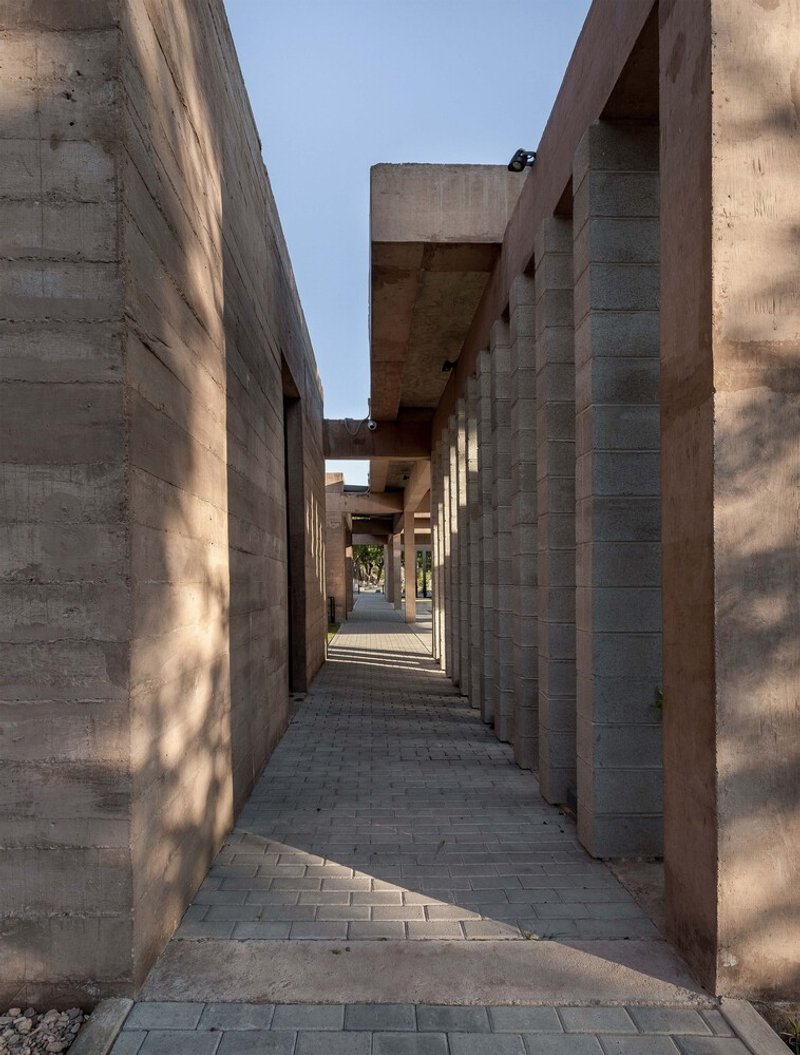
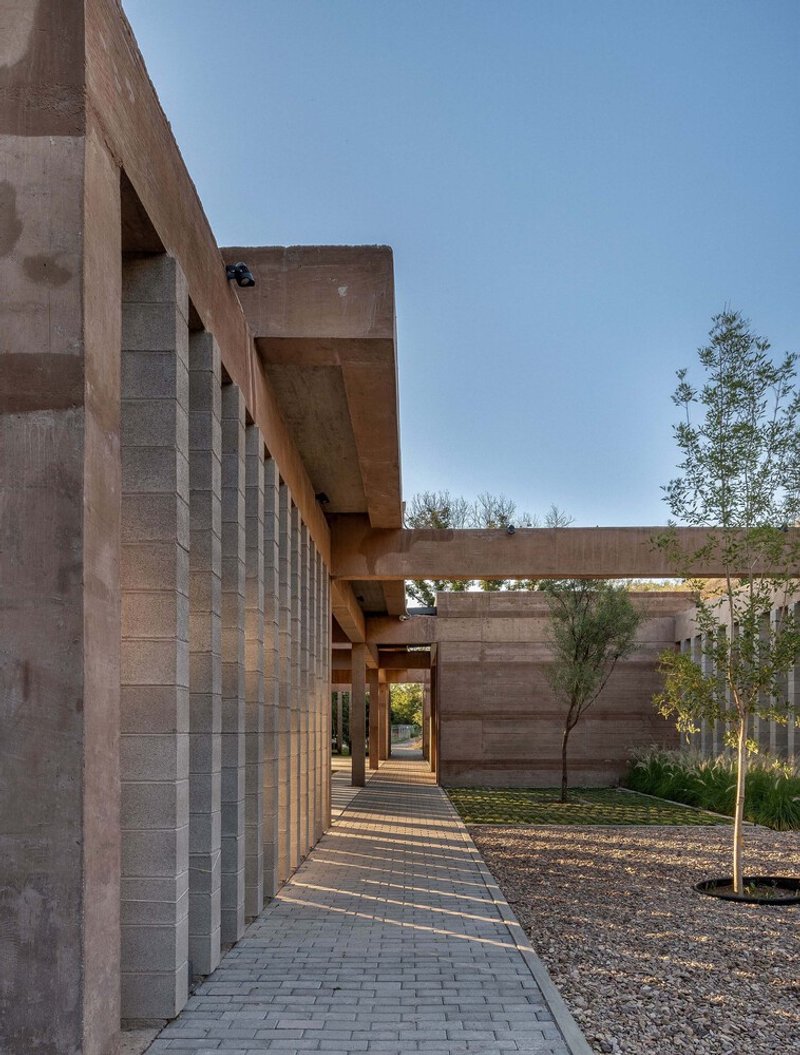
Concrete, the pavilion’s primary material, is explored in both prefabricated and cast-in-place formats. On-site structural elements were pigmented in earthy tones, while prefabricated blocks, cobblestones, and hollow core slabs maintain natural color palettes. This combination produces a timeless and inviting environment, harmoniously merging the pavilion with the desert and forested surroundings.
The architects intentionally chose materials and finishes to emphasize durability, tactile experience, and visual warmth. The interplay of light and shadow on the volumes further accentuates the pavilion’s presence, highlighting the expressiveness of its forms without overpowering the landscape.
Landscaping and Biodiversity
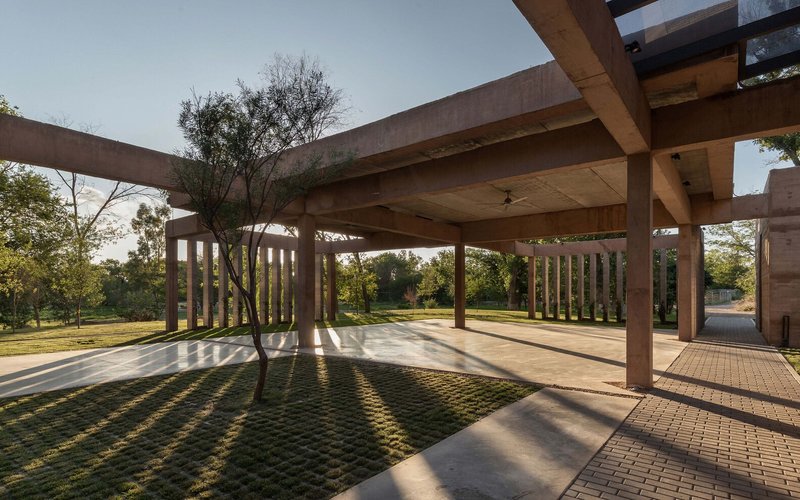
To enhance climatic comfort and promote biodiversity, a carefully curated selection of vegetation surrounds the pavilion. Plant species range from desert flora to oak forest elements, ornamental ground covers, and gallery plantings. Over time, this ecological layer will mature, creating a sustainable and self-regulating environment that complements the pavilion’s architecture. The integration of greenery not only improves microclimatic conditions but also reinforces the pavilion’s connection to its natural context.
A Pavilion for Permanence
The Raw Materials Pavilion exemplifies architecture designed for longevity. It celebrates the essence of place, showcasing the expressive potential of concrete while respecting and amplifying the beauty of Chihuahua’s landscape. With its thoughtful integration of materials, natural light, vegetation, and spatial sequencing, the pavilion offers a timeless setting for social gatherings, corporate events, and cultural experiences.
All photographs are works of Ricardo Arellano