
Rethinking Technical Education: An Award-Winning Architectural Design for a Bristol Institute
A modern and functional design fosters collaboration and innovation in this technical institute.

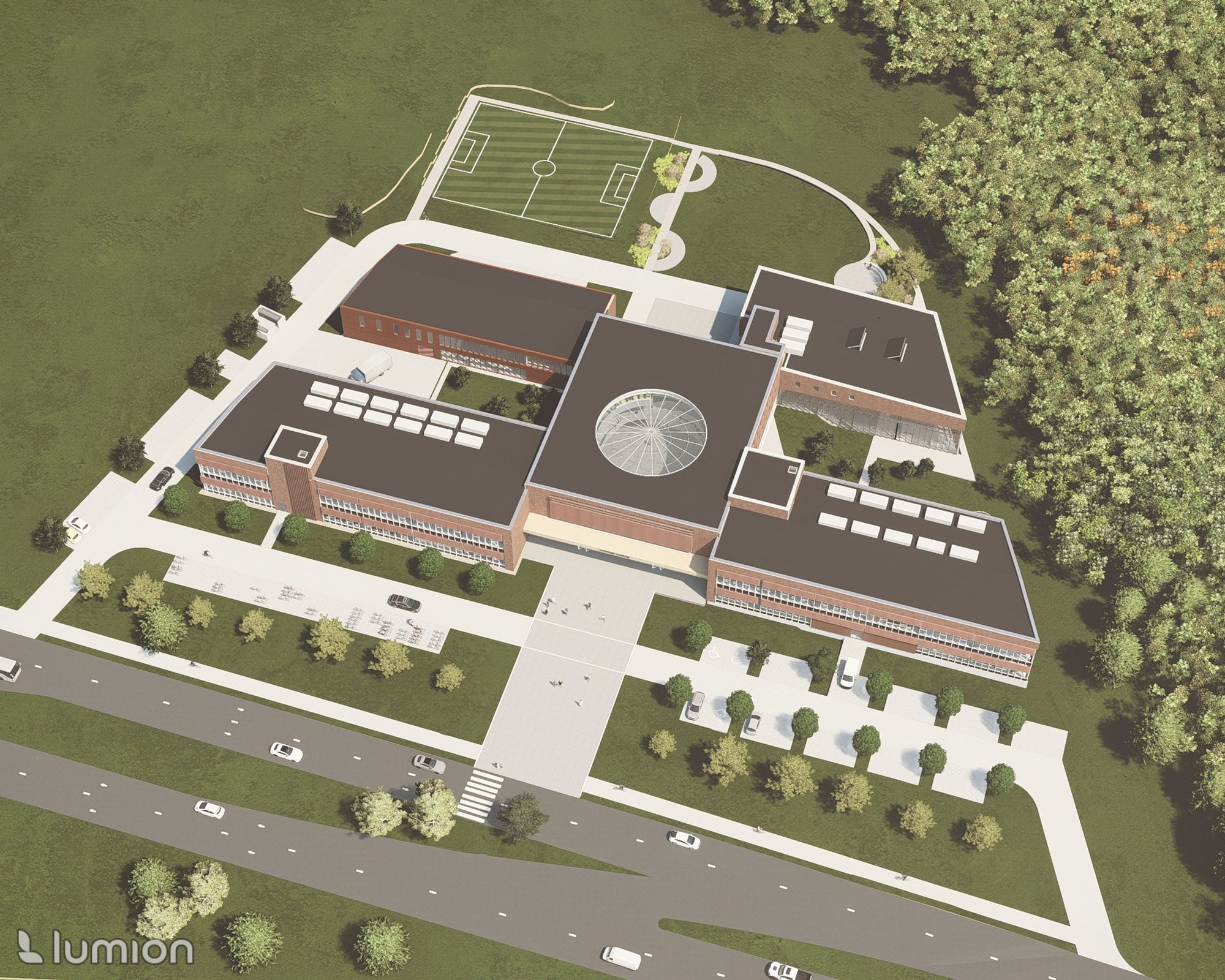
The Technical Institute in Bristol, designed by Patrycja Koska, stands as a testament to modern architectural principles applied to educational spaces. Winner in the Devise competition, the design reimagines how technical institutions can foster collaboration and innovation through spatial planning and thoughtful design elements.
Instead of traditional departmental divisions, the institute is organized into functional zones. This approach encourages interaction between students from different construction sectors, promoting a cross-disciplinary learning environment. This concept is woven throughout the building's layout, evident in shared spaces like the central atrium and the interconnected workshops and laboratories.
Site Planning and Integration:
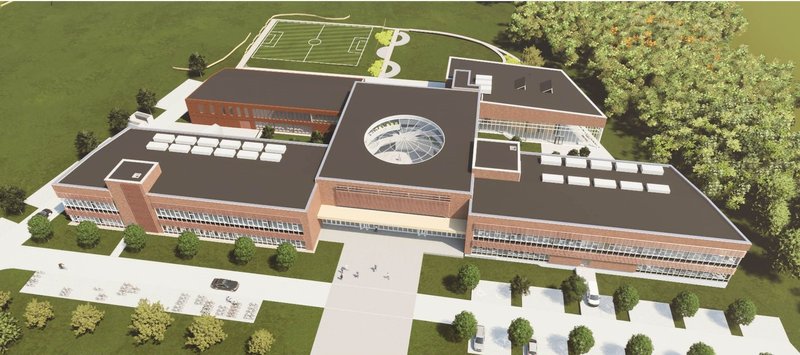
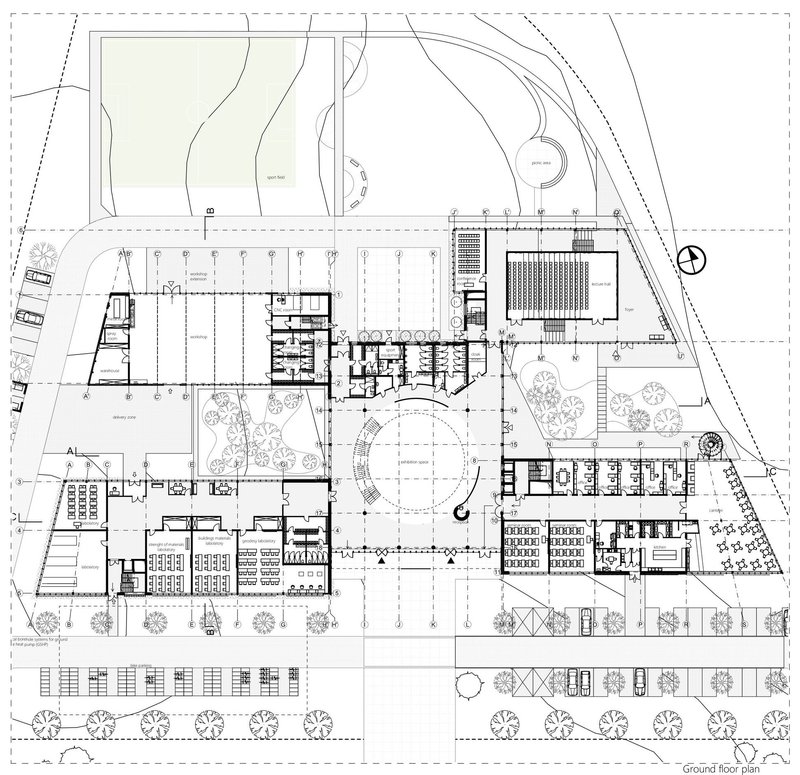
The institute is strategically positioned within its site, maximizing natural light and views while maintaining a connection to the surrounding landscape. The site plan reveals a harmonious blend of green spaces, pedestrian walkways, and efficient parking solutions. Key features include:
Designated Green Spaces: A sports field, picnic area, and rainwater garden are incorporated to provide recreational spaces and promote ecological balance.
Organized Circulation: Clearly defined vehicular and pedestrian pathways ensure smooth traffic flow and safe access to the building.
Ample Parking: Provisions for both car and bicycle parking cater to the needs of students and staff.
Outdoor Workshop: An extension of the indoor workshop encourages practical learning in an open-air environment.
Ground Floor: A Hub of Activity:
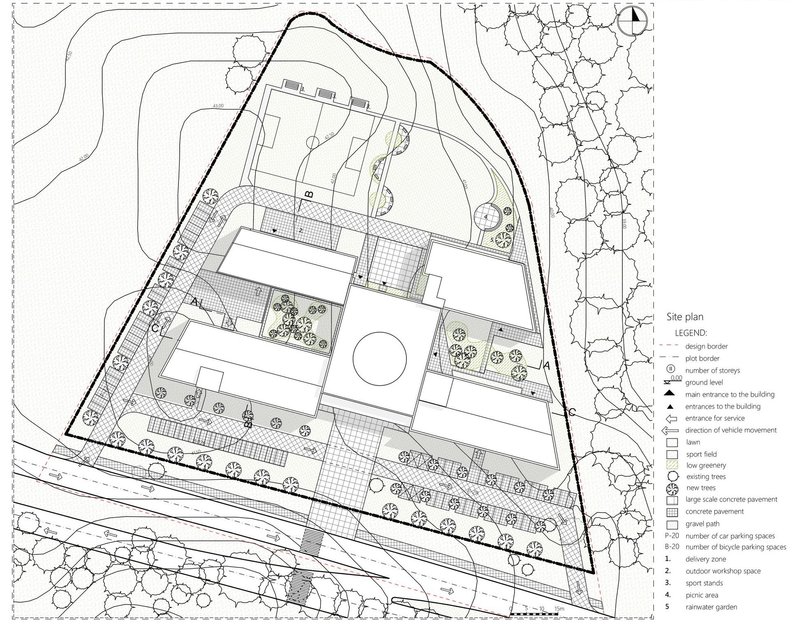
The ground floor plan showcases a dynamic and interconnected layout. Central to the design is a circular atrium, which acts as a focal point and a natural gathering space. This central hub connects various functional areas, including:
Workshops: Spacious and well-equipped workshops provide ample space for hands-on learning and experimentation with different construction techniques and materials.
Geodesy Laboratory: A dedicated laboratory caters to the specific needs of geodesy students, equipped with specialized tools and technologies.
Seminar Rooms: Multiple seminar rooms provide flexible spaces for lectures, presentations, and group discussions.
Auditorium: A large auditorium accommodates gatherings, presentations, and events, fostering a sense of community within the institute.
First Floor: Collaborative Learning Spaces:
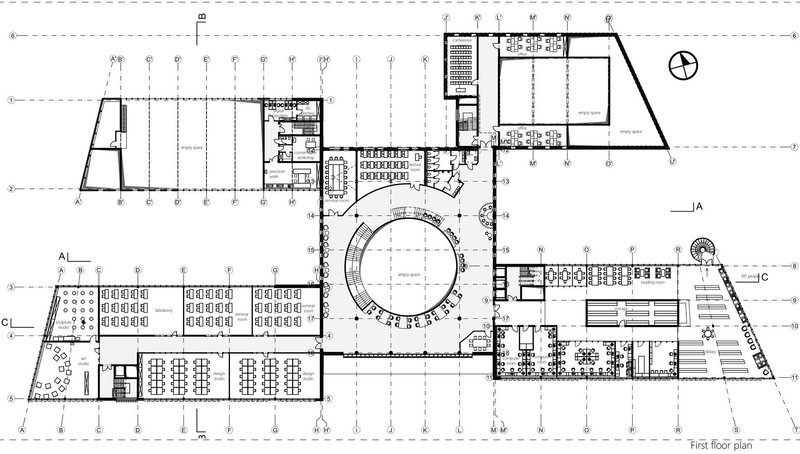
The first floor emphasizes collaborative learning with an open and adaptable layout. The central atrium continues to play a key role, visually connecting the different spaces. Key areas include:
Library: A well-stocked library provides a quiet space for research, study, and access to learning resources.
Cafeteria: A communal cafeteria encourages social interaction and provides a space for students and staff to relax and recharge.
Additional Seminar Rooms: Continuing the ground floor plan, more seminar rooms offer flexibility for various learning activities.
Administrative Offices: Strategically placed offices ensure efficient management and support for the institute's operations.
Second Floor: Specialized Facilities and Rooftop Access:
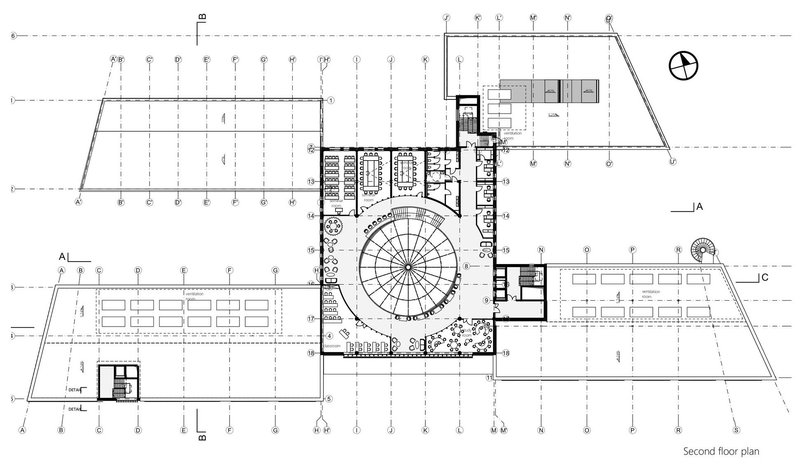
The second floor houses specialized facilities and provides access to the rooftop. The layout includes:
Technical Rooms: Dedicated technical rooms house equipment and resources for specific disciplines.
Rooftop Terrace: An accessible rooftop terrace offers panoramic views and potential for outdoor learning activities or social events.
Façade Design and Sustainability:
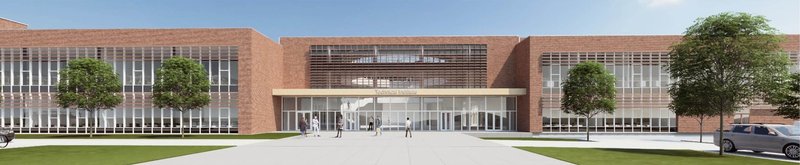
The building's façade blends red brick with large glass windows, creating a modern and visually appealing aesthetic. This design choice not only complements the surrounding environment but also maximizes natural light penetration, reducing the need for artificial lighting and promoting energy efficiency.
The south and west facades, as depicted in the architectural renderings, showcase the interplay of brick and glass, creating a dynamic and contemporary look. The sectional drawings (A-A, B-B, C-C) further reveal the building's internal structure and the integration of sustainable design elements, such as natural ventilation and optimal use of daylight.
Patrycja Koska's design for the Technical Institute in Bristol offers a compelling example of how architectural design can contribute to a more effective and engaging learning environment. By prioritizing functionality, collaboration, and a modern aesthetic, the institute provides a space where students can thrive and contribute to the future of the construction industry. The building's thoughtful design, from the site plan to the façade details, reflects a commitment to sustainability, innovation, and the needs of a modern technical education.




Popular Articles
Popular articles from the community

A Contemporary Take on Iranian Residential Architecture
A modern interior design in Mashhad that reinterprets brick, light, and spatial flow to create a warm, contemporary residential architecture.
On the Brooks House by Monsoon Collective – A Contemporary Kerala Home Rooted in Tradition
Kerala home blending tradition and modernity with water-inspired design, brick architecture, courtyard planning, and sustainable rainwater harvesting strategies.
Flamboyant House by Juliana Camargo + Prumo Projetos
Modern Brazilian house integrating existing tree, pool, and volumes with glass, wood, and transitional spaces blending interior, exterior, and landscape seamlessly.
Louis Malle Cinema: A Limestone Cultural Landmark Revitalizing Community Life in Prayssac
Limestone cinema extension with public forecourt, blending heritage and modern design to create flexible cultural spaces and strengthen community interaction.


Similar Reads
You might also enjoy these articles


The Ken Roberts Memorial Delineation Competition (Krob)
As the most senior architectural drawing competition currently in operation anywhere in the world, it draws hundreds of entries each year, awarding the very best submissions in a series of medium-based categories.
A Contemporary Take on Iranian Residential Architecture
A modern interior design in Mashhad that reinterprets brick, light, and spatial flow to create a warm, contemporary residential architecture.
Franche-Comté Advanced School of Engineering by Dominique Coulon & associés, Besançon
A flexible engineering school immersed in woodland, combining concrete minimalism, adaptable spaces, and natural light to support evolving educational environments.

Documentation Work on Buddhist Wooden Temple
Architectural syncretism and cultural hybridity: A comparative study of the Buddhist temples in Chattogram Hill tracks


Explore Architecture Competitions
Discover active competitions in this discipline




The International Standard for Design Portfolios


The Global Benchmark for Architecture Dissertation Awards


The Global Benchmark for Graduation Excellence


Challenge to design locus for the upliftment of human rights
Comments (0)
Please login or sign up to add comments
No comments yet. Be the first to comment!